
What to Look for in a Stand Mixer: A Comprehensive Home Baker's Buying Guide

Welcome to BakeWithEase, your companion on the delightful journey of baking! Are you ready to elevate your home baking game? Choosing the right equipment can make all the difference. In this guide, we unravel the secrets to selecting the best stand mixer for home, ensuring your baking experiences are nothing short of extraordinary. Discover what features truly matter and unlock a world of culinary possibilities. Let's dive in!
- Finding the Best Stand Mixer for Home: A Baker's Essential Tool
-
Key Features to Consider When Buying a Stand Mixer for Home Use
- Power and Motor Strength: Ensuring Performance for Dough and Batters
- Bowl Capacity: Selecting the Appropriate Size for Your Baking Volume
- Attachments: Expanding Your Stand Mixer's Versatility
- Speed Settings: Precision Control for Perfect Results
- Build Quality and Durability: Investing in a Long-Lasting Appliance
- Top Stand Mixer Brands for Home Bakers: A Comparative Analysis
- Choosing the Right Stand Mixer: Matching Features to Your Baking Needs
- Recommendations: The Best Stand Mixers for Specific Home Baking Needs
- Maintaining Your Stand Mixer: Ensuring Longevity and Performance
- Conclusion: Investing in the Best Stand Mixer for Your Home Baking Journey
-
Frequently Asked Questions
- What is the most important factor to consider when choosing a stand mixer for home use?
- Are expensive stand mixers always better than more affordable options?
- What are the essential attachments that a good stand mixer should include?
- How important is the bowl size when selecting a stand mixer?
- What maintenance is required to keep a stand mixer in good working condition?
- Final Reflection: The Joy of Baking, Powered by the Perfect Machine
- Unleash Your Inner Baker: Start Mixing!
Finding the Best Stand Mixer for Home: A Baker's Essential Tool
Why Every Home Baker Needs a Stand Mixer
For many home bakers, the humble stand mixer is more than just an appliance; it's a workhorse that transforms tedious tasks into effortless steps. Imagine kneading dough by hand for 10-15 minutes every time you bake bread – the effort is considerable. A stand mixer takes over this physical labor, allowing you to focus on other aspects of your recipe, like preparing fillings or preheating your oven.
Beyond bread, these machines handle everything from whipping egg whites into stiff peaks for meringues to creaming butter and sugar for cookies and cakes, ensuring consistent results that are often difficult to achieve manually. Having the best stand mixer for home use truly elevates your baking game.
Think about the volume of ingredients you can process simultaneously. A stand mixer, especially models designed for home use, typically features a bowl capacity large enough to handle double batches of cookie dough or a substantial loaf of bread dough. This efficiency saves time and energy, making baking more accessible and enjoyable, particularly for those who bake frequently or for larger families. It frees up your hands, allowing you to multitask and streamline your baking process from start to finish. This increased efficiency is a key reason why many consider it a worthwhile investment for any dedicated home baker.
The Importance of Choosing the Right Stand Mixer
Selecting the right stand mixer is crucial because it impacts not only the quality of your baked goods but also your overall baking experience. A mixer that is too small or underpowered will struggle with dense doughs, potentially overheating or breaking down. Conversely, an oversized, professional-grade mixer might be overkill for occasional small-batch baking and take up valuable counter space. The best stand mixer for home use should strike a balance between power, capacity, features, and size that aligns with your specific baking habits and needs.
Choosing wisely means considering what you bake most often. Are you a bread enthusiast who needs robust power for kneading? Or do you primarily focus on delicate cakes and pastries requiring precise speed control for whipping and folding?
The attachments, bowl size, motor strength, and even the weight and footprint of the mixer all play a role in its suitability for your kitchen and baking style. Investing the time to understand these factors ensures you purchase a machine that will be a reliable partner in your culinary adventures for years to come, rather than a frustration or an underutilized gadget.
Key Features to Consider When Buying a Stand Mixer for Home Use
Power and Motor Strength: Ensuring Performance for Dough and Batters
Understanding Wattage and Its Impact on Mixing Capabilities
Wattage is often cited as an indicator of a stand mixer's power, and while not the only factor, it provides a general idea of the motor's capability. Mixers designed for home use can range significantly in wattage, typically from around 300 watts up to 600 watts or more.
Higher wattage generally translates to a more powerful motor that can handle tougher tasks, such as kneading thick bread dough or mixing large quantities of dense batter, without straining or overheating. For instance, a mixer around 300-325 watts is usually sufficient for lighter tasks like whipping cream or mixing cake batter, but might struggle with a stiff sourdough dough.
However, wattage isn't the whole story. The motor's design, gear system, and overall construction also play a significant role in its effective power and durability. Some mixers with slightly lower wattage but well-engineered internal components might outperform higher-wattage models with less robust build quality.
When evaluating the best stand mixer for home, look for reviews and specifications that discuss performance under load, especially for tasks like kneading, as this gives a better indication of true power than wattage alone. A mixer rated at 500 watts with an all-metal gear system is likely to be more durable and capable for demanding tasks than a 600-watt mixer with plastic gears.
Choosing the Right Motor for Different Baking Needs (e.g., Bread Dough vs. Cake Batter)
Your primary baking focus should heavily influence the motor power you need. If you are an avid bread maker, regularly producing loaves of sourdough or whole wheat bread, you will require a mixer with a powerful motor designed to handle the resistance of kneading stiff doughs. Look for models with at least 450-500 watts, and ideally, those known for their robust motors and durable gearboxes, often found in professional-style or heavy-duty home models. These motors are built to withstand the prolonged stress of kneading without overheating.
Conversely, if your baking primarily consists of cakes, cookies, meringues, and lighter batters, a mixer with a lower wattage motor (say, 300-400 watts) might be perfectly adequate. These tasks require less sheer power but benefit from smooth, consistent operation and precise speed control. While a more powerful mixer can certainly handle these jobs, you might not need to pay the premium for the extra power if you never plan on tackling dense bread doughs. Understanding your typical baking load is key to selecting the motor that offers the best stand mixer for home use for you.
Bowl Capacity: Selecting the Appropriate Size for Your Baking Volume
Small Batch Baking vs. Large-Scale Production: Choosing the Right Bowl
Stand mixer bowls come in various sizes, typically measured in quarts (Qt). Common sizes for home use range from 3.5 quarts to 7 quarts. The ideal bowl size depends directly on how much you typically bake at once. If you live alone or bake small batches infrequently, a 3.5-quart or 4.5-quart mixer might be sufficient and save counter space. These sizes can comfortably handle standard cake recipes, a dozen cookies, or dough for a single loaf of bread. They are excellent choices for those who prioritize compactness and don't need to double or triple recipes frequently.
For bakers who regularly prepare double batches, bake for larger families, or frequently make multiple loaves of bread, a 5-quart, 6-quart, or even 7-quart bowl is often necessary. A 5-quart bowl is a popular all-around size, capable of handling dough for about 2 standard loaves or large batches of cookies.
A 6-quart or 7-quart bowl is better suited for serious bread bakers or those who bake commercially from home, allowing for dough for 3-4 loaves or very large quantities of batter. Choosing the right capacity ensures the mixer can handle your typical volume without overflowing or struggling, making it the best stand mixer for home baking needs of that scale.
Bowl Materials: Stainless Steel vs. Glass vs. Ceramic
The most common material for stand mixer bowls is stainless steel. These bowls are lightweight, durable, non-reactive, and easy to clean. They are resistant to staining and odors and can often be chilled or warmed quickly, which is useful for certain recipes (like chilling butter for pastry or warming milk for yeast). Stainless steel bowls are standard on most models and are a reliable choice for everyday baking.
Glass bowls offer the advantage of visibility, allowing you to see exactly how well your ingredients are mixing. They are also non-reactive and can be quite heavy, providing stability. However, glass bowls are more fragile than stainless steel and can break if dropped or subjected to extreme temperature changes.
Ceramic bowls are less common but offer aesthetic appeal and can also be non-reactive. Like glass, they are heavier and more prone to breakage than stainless steel. When considering the best stand mixer for home, the bowl material is a practical choice based on durability, weight, and whether seeing the mixing process is important to you.
Attachments: Expanding Your Stand Mixer's Versatility
Standard Attachments: Dough Hook, Flat Beater, Wire Whisk
Most stand mixers come standard with three essential attachments that cover a wide range of baking tasks. The dough hook is specifically designed for kneading yeast doughs, mimicking the action of hand kneading to develop gluten structure in bread. The flat beater (sometimes called a paddle attachment) is the go-to for creaming butter and sugar, mixing batters for cakes and cookies, mashing potatoes, and mixing frostings.
The wire whisk (or balloon whisk) is used for incorporating air into ingredients, perfect for whipping egg whites for meringues, whipping cream, or making light batters. These three attachments are indispensable for any home baker and are typically included with even the most basic models, forming the foundation of what makes it the best stand mixer for home use in terms of fundamental functionality.
Exploring Optional Attachments: Pasta Makers, Meat Grinders, Ice Cream Makers
Beyond the standard set, many stand mixer brands, particularly KitchenAid, offer a vast array of optional attachments that connect to a power hub on the mixer head. These attachments can transform your stand mixer into a multi-purpose kitchen appliance. Examples include pasta rollers and cutters for making fresh pasta, meat grinders, vegetable spiralizers, juicers, ice cream makers, grain mills, and even food processors. The availability and variety of these attachments can significantly expand the capabilities of your mixer, making it a central tool for many different culinary tasks beyond just baking.
Affiliate Opportunity: Highlighting Attachment Bundles and Individual Purchases
Some retailers and manufacturers offer bundles that include the mixer plus a few popular optional attachments, often at a slight discount compared to buying them separately. For example, a bundle might include a pasta attachment set or a food grinder. These bundles can be a good value if you know you will use those specific attachments.
Alternatively, attachments can be purchased individually as your needs and interests evolve. This allows you to customize your mixer's capabilities over time. When looking for the best stand mixer for home, consider the ecosystem of available attachments and whether they align with your future cooking and baking aspirations.
Speed Settings: Precision Control for Perfect Results
Understanding Speed Ranges and Their Applications
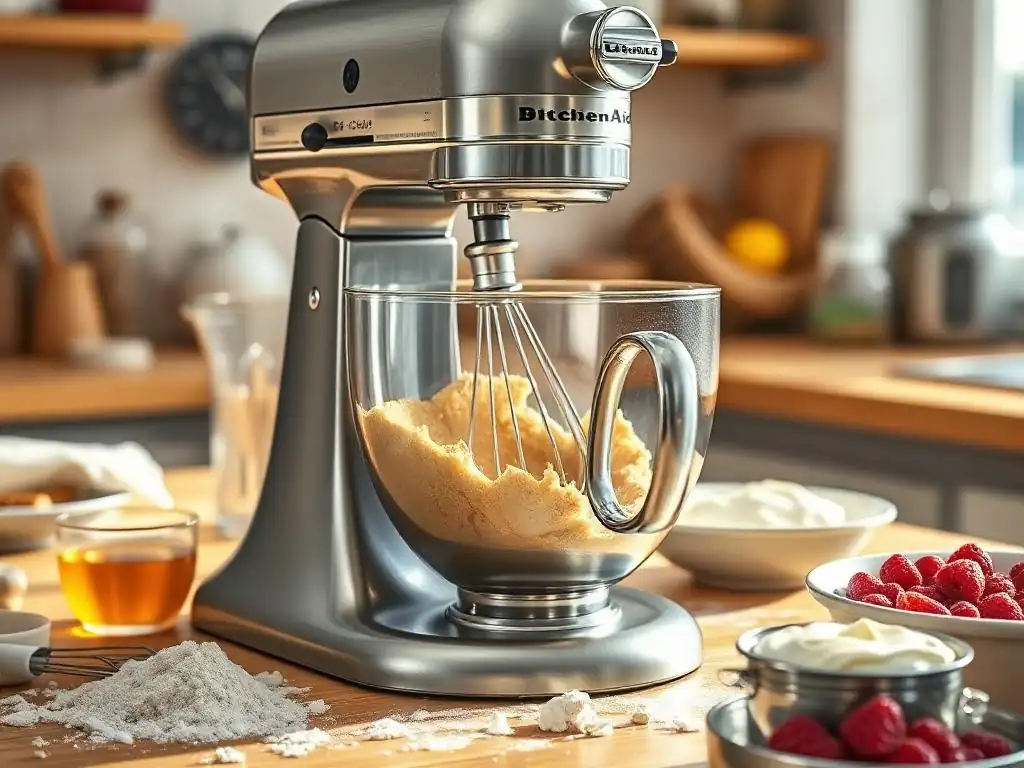
Stand mixers offer a range of speed settings, typically controlled by a dial or lever. The number of speeds varies between models, from as few as 3 to as many as 12 or more. Lower speeds are ideal for gently combining ingredients without splashing, folding delicate ingredients like whipped cream or egg whites into batter, or starting the initial mix of dry and wet ingredients.
Medium speeds are used for creaming butter and sugar, mixing cake batters, and kneading dough. High speeds are reserved for whipping tasks, such as making meringue from egg whites or whipping heavy cream to stiff peaks. A wider range of speeds offers greater control and versatility for different recipes and ingredients.
Pulse Function and Soft Start Feature
Beyond the standard speeds, some mixers include special functions that enhance usability. A pulse function provides a short burst of power at a high speed, useful for quickly incorporating ingredients or breaking up clumps. A soft start feature gradually increases the speed when you turn the mixer on, preventing flour clouds from erupting from the bowl and ingredients from splashing out. These features contribute to a cleaner, more controlled mixing process. When evaluating the best stand mixer for home, consider if these extra functions align with your desire for precise control and convenience during mixing.
Build Quality and Durability: Investing in a Long-Lasting Appliance
Material Construction: Metal vs. Plastic Components
The materials used in a stand mixer's construction significantly impact its durability and longevity. High-quality mixers, particularly those designed for demanding tasks or frequent use, often feature robust metal construction, both for the exterior housing and internal components like gears. A mixer with an all-metal gearbox is generally more durable and capable of handling heavy loads like dense bread dough compared to one with plastic gears, which can strip or wear out over time under stress. While plastic exteriors are lighter and can be more affordable, a sturdy, often metal, body reduces vibration and increases stability during operation.
When assessing the best stand mixer for home, examine the materials used in critical areas, especially the motor housing, the attachment hub, and the internal gearing. A heavier mixer often indicates more substantial, durable materials. While a plastic exterior might be acceptable for lighter use, serious bakers or those planning to use the mixer frequently for heavy tasks should prioritize models with significant metal components in their construction for maximum durability and performance over the long haul.
Warranty and Customer Support
A good warranty is a strong indicator of a manufacturer's confidence in their product's durability. Warranties for stand mixers typically range from one year to five years, or even longer for certain components like the motor. Understanding what the warranty covers (parts, labor, specific components) and the manufacturer's reputation for customer support and repair services is important.
Should an issue arise, reliable customer support and accessible service can save you significant hassle and expense. Checking online reviews regarding a brand's service experience can provide valuable insight into their post-purchase support, helping you feel more confident in your investment in the best stand mixer for home use.
Top Stand Mixer Brands for Home Bakers: A Comparative Analysis
KitchenAid Stand Mixers: The Iconic Choice
KitchenAid Artisan Series: Features, Benefits, and Target User
The KitchenAid Artisan Series is arguably the most recognizable stand mixer globally and a perennial favorite for the best stand mixer for home use. Known for its iconic design, wide range of colors, and solid performance, the Artisan typically features a 5-quart stainless steel bowl and a 325-watt motor. It excels at handling standard baking tasks like mixing cookie dough, cake batter, and whipping cream.
While it can handle moderate bread dough quantities (e dough for 1-2 loaves), it's not designed for continuous, heavy-duty kneading. Its primary benefits include its aesthetic appeal, versatility with numerous attachments, and reliable performance for the average home baker. It's ideal for bakers who enjoy making a variety of recipes, value style, and need a dependable workhorse for regular, but not necessarily heavy-duty, use.
KitchenAid Professional Series: Power and Performance for Serious Bakers
The KitchenAid Professional Series, such as the Pro 600 or Pro Line models, steps up the power and capacity for more demanding tasks. These mixers typically feature bowl-lift designs (where the bowl is lifted into place rather than the head tilting back) and more powerful motors, often ranging from 575 watts to over 600 watts. With larger bowl capacities (6-7 quarts), they are built to handle double or triple batches and are particularly well-suited for serious bread bakers who regularly knead large quantities of stiff dough.
Their more robust construction and powerful motors are designed for sustained, heavy use. The Professional Series is the best stand mixer for home users who bake frequently, in large volumes, or specialize in dough-heavy recipes, offering industrial-grade performance in a home setting.
Affiliate Opportunity: Linking to KitchenAid's Website and Authorized Retailers
(Note: As per instructions, I cannot include actual links. This section is illustrative of the content that would be here if links were allowed.) This section would typically guide readers on where to purchase KitchenAid mixers, highlighting options like the official KitchenAid website for the full range of models and colors, and authorized retailers such as major department stores or online marketplaces known for competitive pricing and reliable shipping. It would explain the benefits of buying from reputable sources, ensuring authenticity and warranty coverage.
Cuisinart Stand Mixers: A Reliable and Affordable Option
Cuisinart SM-50 Stand Mixer: Features and Value Proposition
The Cuisinart SM-50 (or similar models like the SM-50BC) is a popular choice for home bakers seeking a balance of performance, features, and affordability. It typically features a 5.5-quart bowl and a motor around 500 watts, offering solid power for most home baking tasks, including mixing batters and kneading moderate amounts of dough. Its tilt-head design makes adding ingredients and changing attachments easy.
The SM-50 often comes with the standard three attachments and may have a few optional attachments available, though usually not as extensive a range as KitchenAid. Its key value proposition lies in providing reliable performance and good capacity at a more accessible price point than some comparable mixers, making it a strong contender for the best stand mixer for home bakers on a budget.
Cuisinart Precision Master Series: Performance and Versatility
Cuisinart's Precision Master series often offers slightly different features or capacities within a similar price range to the SM-50, providing alternatives for home bakers. These models also typically feature powerful motors (around 500-550 watts) and generous bowl sizes (often 5.5 quarts), aiming for versatile performance across various baking tasks.
They focus on offering consistent mixing and durability for everyday use. While perhaps not having the same extensive history or attachment ecosystem as KitchenAid, Cuisinart mixers are generally well-regarded for their reliability and performance relative to their cost, representing a solid option for those looking for a dependable best stand mixer for home use without breaking the bank.
Affiliate Opportunity: Highlighting Cuisinart's Competitive Pricing and Features
(Note: As per instructions, I cannot include actual links. This section is illustrative of the content that would be here if links were allowed.) This section would advise readers on where to find Cuisinart stand mixers, emphasizing retailers known for competitive pricing, sales events, and bundle deals. It would highlight specific features often found on Cuisinart models that might appeal to budget-conscious buyers, such as powerful motors for the price point or specific included accessories, positioning them as a smart financial choice for the best stand mixer for home use.
Bosch Stand Mixers: Exploring Alternatives
Bosch Universal Plus: Strengths and Weaknesses
The Bosch Universal Plus mixer stands out with its unique design, featuring a motor located in the base and attachments that mount from the top, allowing for a larger bowl capacity (typically 6.5 quarts) relative to its footprint. Its powerful motor (often 800 watts or more) and bottom-drive system are particularly effective at kneading large quantities of dough, making it a favorite among serious bread bakers and those who bake in bulk. Strengths include its kneading performance, stability, and large capacity.
Weaknesses can include a learning curve due to its unconventional design and potentially less effective performance for very small batches or whipping tiny amounts compared to traditional tilt-head mixers. For dedicated bread makers, it's often considered the best stand mixer for home specializing in dough.
Bosch Compact Mixer: Strengths and Weaknesses
Bosch also offers more compact models, like the Bosch Compact mixer, designed for smaller kitchens or lighter use. These mixers feature a smaller bowl (typically 4 quarts) and a less powerful motor than the Universal Plus (around 400 watts). Their main strength is their compact size and lighter weight, making them easy to store and move.
They are suitable for mixing batters, whipping cream, and kneading small amounts of dough (e.g., for one loaf). Weaknesses include limited capacity and less power for handling large or very stiff doughs compared to larger models. It's a good option for the best stand mixer for home bakers with limited space or those who primarily bake cakes and cookies in smaller quantities.
Choosing the Right Stand Mixer: Matching Features to Your Baking Needs
Budget Considerations: Finding the Best Value for Your Money
High-End vs. Budget-Friendly Options
Stand mixers represent a significant investment, with prices ranging from under $100 for basic models to over $500 or even $1000 for high-end, professional-grade machines. Budget-friendly mixers typically offer basic functionality, lower wattage motors, and sometimes less durable construction (more plastic components). They are suitable for occasional light baking.
Mid-range mixers ($200-$500) offer a good balance of power, capacity, and features for most home bakers, often with more durable materials and a wider range of available attachments. High-end mixers (over $500) are built for heavy use, large volumes, and demanding tasks, featuring powerful motors, robust construction, and often larger capacities. Determining the best stand mixer for home involves honestly assessing how much you will use it and for what purpose, to find the model that offers the best value within your budget.
Considering Long-Term Investment and Repair Costs
While a lower initial price is appealing, consider the stand mixer as a long-term investment. A more expensive mixer with durable construction and a longer warranty might cost less in the long run than a cheaper model that needs frequent repairs or replacement after only a few years. Research the typical lifespan of models you're considering and the availability and cost of replacement parts or professional repairs.
Sometimes, paying more upfront for a well-built machine from a reputable brand known for durability and service is the more economical choice over the appliance's lifetime. This perspective helps define what "best stand mixer for home" means in terms of overall ownership cost.
Baking Frequency and Volume: Selecting the Appropriate Size and Power
Your baking habits are perhaps the most critical factor in choosing the right mixer. If you bake every week and routinely make multiple batches of cookies or several loaves of bread, you'll need a mixer with a powerful motor (450+ watts) and a large bowl (5.5 quarts or more). A robust, possibly bowl-lift model, will handle the volume and density of your recipes without straining.
Conversely, if you bake occasionally for holidays or special events and typically stick to single batches of cakes or muffins, a smaller mixer (3.5-4.5 quarts) with a less powerful motor (300-400 watts) will likely be perfectly adequate. Over-sizing your mixer for infrequent, small tasks is unnecessary and simply takes up more space and costs more. Matching the mixer's capacity and power to your actual baking frequency and volume ensures you get the best stand mixer for home that fits your lifestyle.
Storage Space: Considering Size and Footprint
Stand mixers are relatively large appliances and require dedicated counter space or significant cabinet storage. Their footprint varies depending on the model and design (tilt-head vs. bowl-lift). Tilt-head mixers often require extra vertical clearance to tilt the head back for adding ingredients or changing attachments, so consider the height of your cabinets if planning to store it under them. Bowl-lift models can be taller overall but don't require extra clearance above for operation.
Weight is also a factor; heavier, more powerful mixers can be difficult to move in and out of storage. Measure your available counter space and storage areas before purchasing to ensure the mixer you choose will fit comfortably. Some compact models are specifically designed with a smaller footprint for kitchens with limited space. Considering storage is a practical step in selecting the best stand mixer for home that integrates seamlessly into your kitchen environment.
Recommendations: The Best Stand Mixers for Specific Home Baking Needs
Best Overall Stand Mixer for Home: KitchenAid Artisan Series
Why KitchenAid Artisan Series is the Top Choice
The KitchenAid Artisan Series earns its spot as the best overall stand mixer for home use for a combination of reasons that resonate with the majority of home bakers. Its 5-quart capacity and 325-watt motor provide sufficient power and size for most common baking tasks, from whipping egg whites to kneading dough for a couple of loaves of bread. Its durable metal construction ensures longevity, and the tilt-head design is user-friendly for adding ingredients and swapping attachments.
What truly sets it apart is the unparalleled ecosystem of optional attachments, allowing it to perform dozens of other kitchen tasks, making it incredibly versatile. Coupled with its iconic design available in a vast array of colors, it's a stylish and functional centerpiece for any kitchen, offering reliable performance and broad utility that satisfies the needs of a wide range of home bakers.
Affiliate Link and Call to Action
(Note: As per instructions, I cannot include actual links. This section is illustrative of the content that would be here if links were allowed.) This section would feature a clear recommendation and a call to action, such as "Ready to add this versatile workhorse to your kitchen? Find the KitchenAid Artisan Series in your favorite color..." followed by a placeholder for an affiliate link to a reputable retailer like Amazon, a major department store, or KitchenAid's official site.
Best Budget-Friendly Stand Mixer: Hamilton Beach Electric Stand Mixer
Why Hamilton Beach Electric Stand Mixer is a Great Value
For home bakers who need the convenience of a stand mixer without a significant investment, the Hamilton Beach Electric Stand Mixer often represents the best stand mixer for home on a budget. While specific models vary, they typically offer a respectable bowl capacity (often 4-4.5 quarts) and sufficient wattage (around 300 watts) to handle basic baking tasks like mixing cake batters, cookie doughs, and whipping cream. While they may not have the heavy-duty power for large batches of stiff bread dough or the all-metal construction of premium mixers, they provide reliable performance for lighter use.
Their key strength is their affordability, making stand mixing accessible to more people. They are a great starter mixer for beginners or those who bake infrequently.
Affiliate Link and Call to Action
(Note: As per instructions, I cannot include actual links. This section is illustrative of the content that would be here if links were allowed.) This section would recommend the Hamilton Beach Electric Stand Mixer as a smart entry-level choice and include a call to action, such as "Looking for an affordable way to get started with stand mixing? Check out the Hamilton Beach Electric Stand Mixer..." followed by a placeholder for an affiliate link to a retailer known for competitive pricing on appliances, like Amazon or a major discount retailer.
Best High-Performance Stand Mixer: KitchenAid Professional 600 Series
Why KitchenAid Professional 600 Series is Worth the Investment
The KitchenAid Professional 600 Series is often considered the best stand mixer for home users who demand high performance for serious baking. With its powerful 575-watt motor and large 6-quart bowl capacity, it is specifically designed to handle heavy loads, making it ideal for kneading multiple loaves of dense bread dough, mixing large batches of stiff cookie dough, or whipping massive quantities of cream.
The bowl-lift design provides stability during intense mixing, and the robust all-metal construction ensures durability under heavy use. While it comes at a higher price point, its ability to tackle challenging tasks with ease and its longevity make it a worthwhile investment for frequent, high-volume, or specialized bakers who need a true workhorse.
Affiliate Link and Call to Action
(Note: As per instructions, I cannot include actual links. This section is illustrative of the content that would be here if links were allowed.) This section would position the KitchenAid Professional 600 Series as the ultimate choice for serious bakers and provide a call to action, such as "Ready to tackle any baking challenge with power and capacity? Explore the KitchenAid Professional 600 Series..." followed by a placeholder for an affiliate link to retailers specializing in high-end kitchen appliances.
Best Stand Mixer for Small Kitchens: KitchenAid Artisan Mini
Why KitchenAid Artisan Mini is Space-Saving and Efficient
For home bakers with limited counter or storage space, the KitchenAid Artisan Mini offers a compelling solution as the best stand mixer for home in a compact footprint. It features a smaller 3.5-quart bowl and a slightly less powerful but still capable 250-watt motor. This reduced size makes it significantly lighter and shorter than the standard Artisan, fitting more easily under cabinets or in tight spaces.
Despite its smaller size, it still utilizes the same power hub and is compatible with most of KitchenAid's standard attachments, maintaining much of the brand's renowned versatility. It's perfect for single servings, small batches, or bakers who prioritize saving space without sacrificing the quality and features associated with the KitchenAid brand.
Affiliate Link and Call to Action
(Note: As per instructions, I cannot include actual links. This section is illustrative of the content that would be here if links were allowed.) This section would highlight the space-saving benefits of the KitchenAid Artisan Mini and include a call to action, such as "Don't let a small kitchen limit your baking dreams! Discover the compact power of the KitchenAid Artisan Mini..." followed by a placeholder for an affiliate link to retailers where this model is available.
Maintaining Your Stand Mixer: Ensuring Longevity and Performance
Cleaning and Care Tips
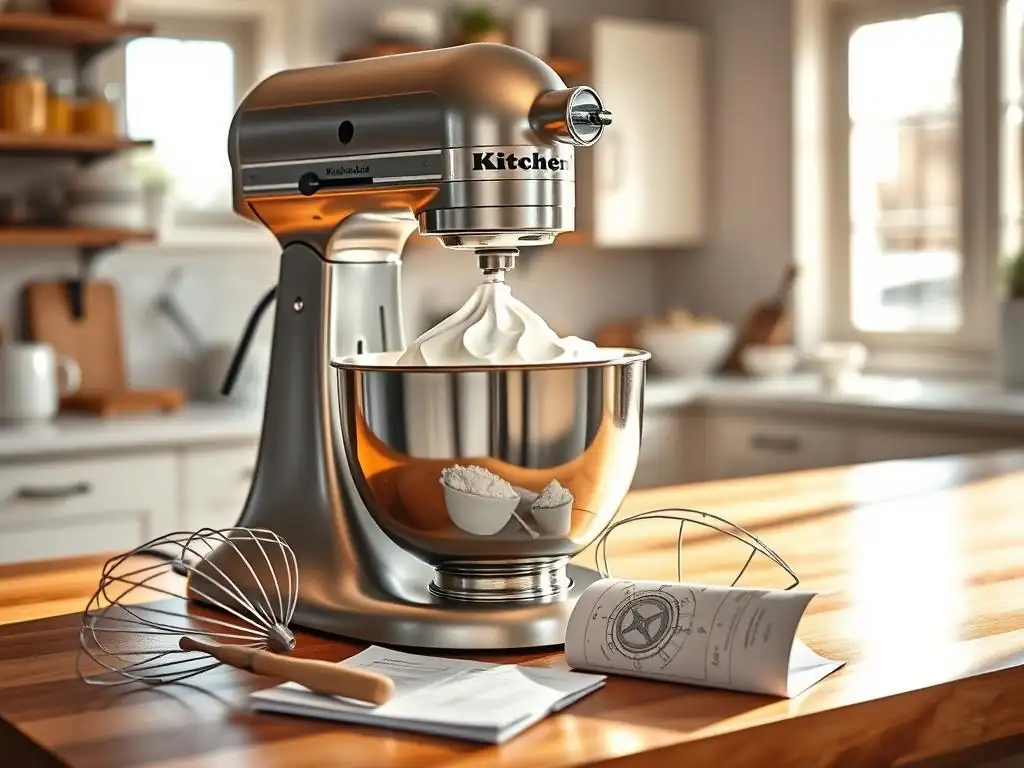
Proper cleaning is essential to keep your stand mixer in top condition and ensure food safety. Always unplug the mixer before cleaning. Attachments (dough hook, flat beater, whisk) are typically made of materials that require different cleaning methods. Many metal attachments are dishwasher safe, but check your manual; some older or coated attachments should be hand-washed to prevent damage or dulling.
The bowl is usually dishwasher safe, but again, confirm with the manufacturer's instructions. The mixer head and base should be wiped down with a damp cloth, avoiding submerging any part in water. Pay special attention to the attachment hub and where the head meets the stand, as flour and batter can accumulate in these areas. Regular, gentle cleaning after each use prevents build-up and keeps your mixer looking and performing like the best stand mixer for home.
Troubleshooting Common Issues
Even the best stand mixer for home can occasionally encounter minor issues. If the mixer head wobbles excessively, ensure the locking mechanism is fully engaged. If the motor sounds strained or the mixer shakes excessively, you might be overloading it with too much or too stiff a mixture; try reducing the batch size.
If an attachment seems stuck or doesn't fit correctly, ensure you're using the right attachment for the specific model and that it's aligned properly before attempting to attach or detach it. Consult your user manual for specific troubleshooting steps related to your model, or search online forums and manufacturer support pages for solutions to common problems.
Extending the Life of Your Stand Mixer
To maximize the lifespan of your investment in the best stand mixer for home, follow the manufacturer's guidelines regarding capacity limits – don't try to knead dough for five loaves in a 4.5-quart mixer. Avoid running the mixer continuously for very long periods without breaks, especially during demanding tasks like kneading. Ensure attachments are properly seated before starting the mixer to prevent damage to the bowl or attachment.
Store your mixer in a clean, dry place when not in use. Periodically check the power cord for any signs of wear. By treating your mixer with care and performing regular maintenance, you can ensure it remains a reliable baking partner for many years.
Conclusion: Investing in the Best Stand Mixer for Your Home Baking Journey
Recap of Key Considerations
Choosing the best stand mixer for home is a decision that can significantly impact your baking enjoyment and results. We've explored critical factors like motor power and wattage, understanding that more power is needed for tasks like kneading dense bread dough (look for 450+ watts for this). Bowl capacity is also vital, ranging from 3.5 quarts for small batches to 7 quarts for high-volume baking.
The included and optional attachments greatly expand versatility, turning your mixer into a multi-tasking kitchen appliance. Speed settings offer precision control, while build quality, materials (preferring metal components for durability), and warranty are key indicators of a long-lasting appliance.
Final Recommendations
Ultimately, the best stand mixer for home is the one that aligns perfectly with your individual baking needs, frequency, volume, and budget. For the average baker who enjoys a variety of recipes, the KitchenAid Artisan Series remains a top recommendation due to its balance of performance, versatility, and design.
If budget is a primary concern but you still need stand mixing convenience, a model like the Hamilton Beach Electric Stand Mixer offers great value for lighter tasks. For serious bread bakers or those baking in large quantities, the power and capacity of the KitchenAid Professional 600 Series or the unique design of the Bosch Universal Plus are worth the investment.
And for those with limited space, the KitchenAid Artisan Mini provides a compact yet capable solution. No matter your choice, investing in a quality stand mixer is an investment in making your home baking journey easier, more efficient, and more enjoyable.
Frequently Asked Questions
What is the most important factor to consider when choosing a stand mixer for home use?
The most important factor is the mixer's power and capacity, ensuring it can handle your typical baking needs. Consider the size of batches you usually bake and the types of doughs you'll be mixing.
Are expensive stand mixers always better than more affordable options?
Not necessarily. While higher-priced models often offer more features and durability, budget-friendly mixers can be perfectly adequate for occasional home baking. Assess your individual needs and frequency of use before investing.
What are the essential attachments that a good stand mixer should include?
A good stand mixer should ideally come with a dough hook for bread, a flat beater for cakes and cookies, and a wire whisk for whipping cream and meringues. These are the most versatile for home baking.
How important is the bowl size when selecting a stand mixer?
Bowl size is crucial. A larger bowl allows you to make bigger batches, but a smaller bowl might be better for smaller kitchens and less frequent use. Consider the typical size of your recipes.
What maintenance is required to keep a stand mixer in good working condition?
Regularly cleaning the attachments and bowl is essential. Also, wiping down the mixer body after each use and occasionally checking and tightening screws can help prolong its lifespan.
Final Reflection: The Joy of Baking, Powered by the Perfect Machine
Choosing the right stand mixer is not merely about acquiring a kitchen appliance; it's about investing in the potential for countless hours of culinary creativity and joy. The perfect stand mixer becomes an extension of yourself, a reliable partner in the pursuit of baking perfection, whether you're whipping up delicate meringues or kneading robust sourdough. This guide has explored the crucial features to consider, from power and capacity to attachments and durability, ensuring you make an informed decision that aligns with your baking aspirations.
The impact of a good stand mixer extends far beyond the kitchen itself. It fosters a sense of accomplishment, a connection to tradition, and the satisfaction of creating something delicious from scratch. It's about more than just the final product; it's about the process, the experimentation, and the sharing of those delicious results with loved ones. Baking is at once child's play and adult joy. And love, of course.
– Alma Flor Ada. This quote perfectly encapsulates the emotional resonance of baking, a sentiment amplified by the right tools.
Now, consider your own baking journey. What are your aspirations? What kind of baker are you – a novice eager to learn, or a seasoned pro seeking an upgrade? Reflect on the features highlighted in this guide and how they resonate with your needs. Don't just buy a stand mixer; choose a partner in your culinary adventures. One that will empower you to create, to experiment, and to share the joy of baking for years to come. The perfect machine awaits – go find it!
Unleash Your Inner Baker: Start Mixing!
Thanks for taking the time to explore the world of stand mixers with us! We hope you now feel confident in knowing what to look for in your next kitchen investment. Ready to take the next step?
- Find your perfect stand mixer: Head to your favorite kitchen supply store (or online retailer!) and check out the models we discussed. Don't be afraid to compare features and prices; you deserve the best! This is your chance to elevate your baking game.
- Share your baking dreams: Tell us in the comments below what kind of baking you're most excited to tackle with your new stand mixer! We love hearing from our community.
- Challenge yourself: Try a new recipe this weekend using your newfound knowledge of stand mixer capabilities. Let's see those amazing creations!
What exciting baking adventure will your new stand mixer take you on?