
The Baker's Checklist: MustHave Oven Capabilities

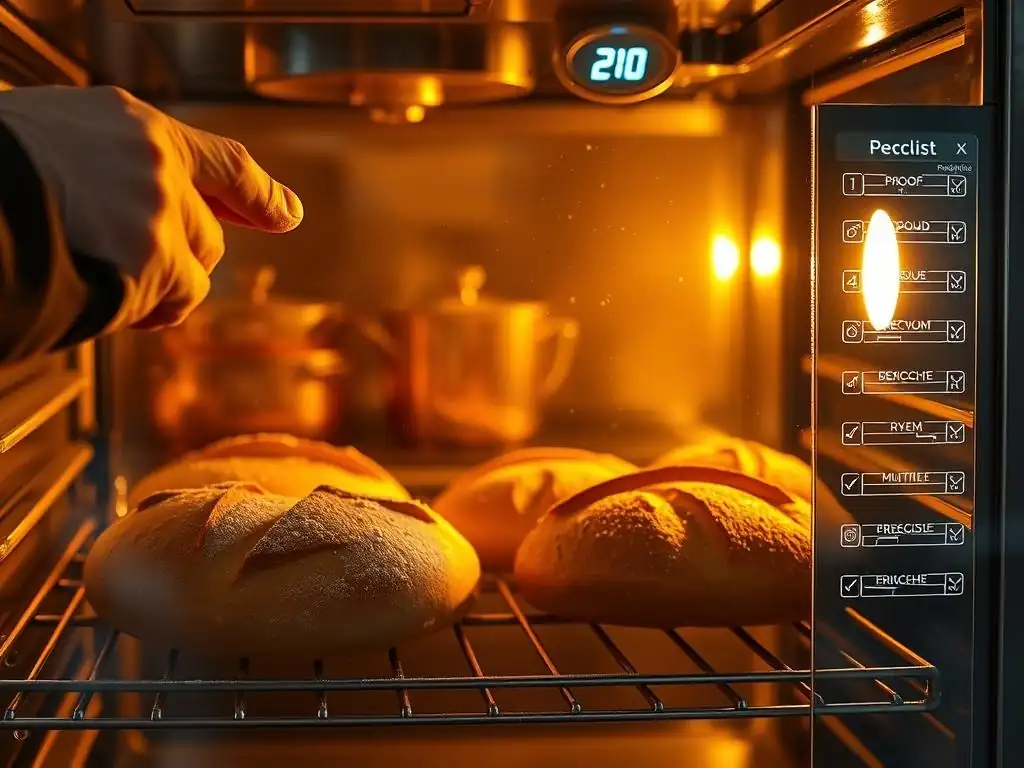
Welcome to BakeWithEase, your partner in creating delicious baked goods! Ever wondered if your oven is truly up to the task of achieving that perfect golden crust or evenly baked cake? This guide, "The Baker's Checklist: Must-Have Oven Capabilities", dives deep into the essential features that separate good ovens from great ones. Curious if your current oven makes the cut, or are you looking to upgrade your baking game? Let's explore what makes an oven a baker's best friend and unlock the secrets to consistent, professional-quality results.
- The Baker's Checklist: Must-Have Oven Capabilities for Baking Success
- Understanding Essential Oven Features for Baking Perfection
-
Key Oven Capabilities for Baking: A Comprehensive Checklist
- 1. Precise Temperature Control: The Foundation of Consistent Baking
- 2. Even Heat Distribution: No More Hot Spots!
- 3. Humidity Control: Achieving the Perfect Crust
- 4. Oven Size and Capacity: Baking for a Crowd or Just Yourself?
- 5. Baking Modes and Presets: Simplifying Complex Recipes
- 6. Self-Cleaning Features: Maintaining Your Oven with Ease
- 7. Programmability and Smart Features: The Modern Baker's Advantage
- Comparing Ovens Based on Key Baking Capabilities
- Choosing the Right Oven Capabilities for Your Baking Style
- Maximizing Your Oven's Capabilities: Baking Tips and Techniques
- Conclusion: The Ultimate Oven Checklist for Baking Enthusiasts
-
Frequently Asked Questions
- What oven features are most crucial for achieving consistent baking results?
- How does convection baking differ from conventional baking, and why is it important?
- What is the significance of having an oven with a reliable temperature probe?
- Are self-cleaning ovens a necessary feature for serious bakers, or just a convenience?
- What should I look for in an oven's preheating capabilities when baking frequently?
- Final Reflection: The Heart of the Bake – Oven Capabilities and You
- Unlock Your Baking Potential: Master the Oven!
The Baker's Checklist: Must-Have Oven Capabilities for Baking Success
Welcome to BakeWithEase! Mastering baking involves more than just great ingredients and skill; the right equipment is absolutely crucial. At the heart of every successful bake is a reliable oven. Understanding essential oven capabilities for baking is the first step towards consistent, delicious results, whether you're crafting delicate pastries or rustic sourdough loaves. This checklist will guide you through the key features that make a real difference in your baking journey.
Understanding Essential Oven Features for Baking Perfection
Before diving into specific features, let's establish why paying close attention to your oven's capabilities is so vital. Think of your oven as the engine of your baking operation. Just as a high-performance car needs a finely tuned engine, perfect baking requires an oven that performs consistently and predictably. This is where understanding oven capabilities for baking becomes paramount.
Why Oven Capabilities Matter for Baking Quality
The quality of your baked goods is directly influenced by how your oven performs. An oven with uneven heating can lead to cookies that are burnt on one side and raw on the other, or cakes that dome excessively and crack. Precise temperature control prevents issues like sunken centers in custards or dense, under-risen breads.
For instance, baking a delicate soufflé requires a stable temperature environment, often within a few degrees of the target, for it to rise correctly without collapsing. Ovens with poor insulation or inaccurate thermostats might fluctuate by as much as 20-30°F (approx. 10-15°C) from the set temperature, significantly impacting sensitive recipes.
Beyond temperature, features like proper air circulation and humidity control are critical for specific outcomes. Achieving that coveted crisp, golden crust on a loaf of artisan bread, for example, heavily relies on the oven's ability to manage steam during the initial baking phase. Without adequate oven capabilities for baking, you might consistently struggle with pale crusts or tough textures, despite following a recipe perfectly. Investing time to understand these features ensures your effort in mixing, kneading, and shaping translates into the desired final product.
Defining "Baking Perfection": What to Look For
"Baking perfection" varies depending on what you're making, but generally, it involves consistency, texture, appearance, and flavor. For a perfect cookie, you might want even browning and a consistent texture throughout – perhaps chewy in the center and slightly crisp at the edges. This requires uniform heat. For bread, perfection often means a well-developed crust, a good rise, and a tender, airy crumb. This demands precise temperature and potentially humidity control. A perfect cake should have an even rise, a tender crumb, and consistent browning without dry edges.
Achieving these varied outcomes consistently hinges on specific oven capabilities for baking. Look for an oven that boasts minimal temperature fluctuation, often cited as within +/- 5°F (approx. 3°C) for high-quality models. Even heat distribution, often facilitated by convection, is key for batch baking cookies or multiple cake layers simultaneously. For artisan bread bakers, the ability to introduce or maintain humidity (steam) is non-negotiable for crust development. Understanding these specific needs based on your typical baking repertoire will help you prioritize the most essential oven capabilities for baking success in your kitchen.
Key Oven Capabilities for Baking: A Comprehensive Checklist
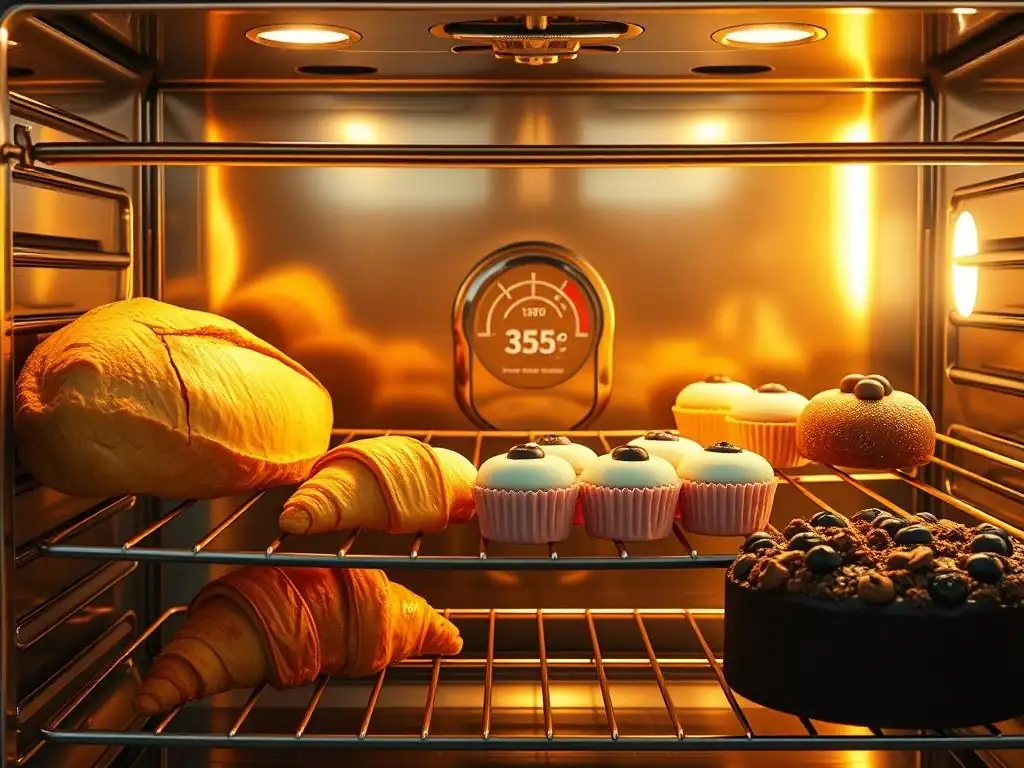
Let's break down the specific features that contribute most significantly to baking excellence.
1. Precise Temperature Control: The Foundation of Consistent Baking
Temperature is arguably the single most critical factor in baking. Setting your oven to 350°F (175°C) means you expect the oven to maintain that temperature accurately. However, many ovens, especially older or lower-end models, can have significant temperature variances and hot spots. An oven that actually bakes at 375°F (190°C) when set to 350°F will drastically alter baking times and results, potentially leading to burnt exteriors before the interior is cooked through. Consistent, precise temperature control is the bedrock upon which all other successful baking stands.
High-quality ovens minimize temperature overshoot and undershoot, staying within a narrow range of the set temperature. This stability is vital for delicate items like meringues, which require low, consistent heat over a long period, or custards, which can curdle if the temperature spikes too high. Checking oven reviews often reveals information about temperature accuracy and stability. Some models even offer digital readouts that display the actual internal temperature, providing peace of mind and allowing for micro-adjustments if necessary.
Why Precise Temperature Matters: Avoiding Burnt Edges & Undercooked Centers
Think about baking a sheet of sugar cookies. If your oven's temperature fluctuates wildly or has significant hot spots, some cookies will brown much faster than others. You might pull the sheet out when the fastest-cooking cookies are just right, only to find that those in cooler spots are still pale and doughy. Conversely, waiting for the pale cookies to finish could result in the others burning. Precise temperature control ensures that all items in the oven, provided they are of similar size and thickness, cook at roughly the same rate.
This precision is even more critical for larger items like cakes or roasts, where the difference between perfectly cooked and undercooked or dry can be a matter of just a few degrees or minutes. A cake baked at a consistently accurate temperature will rise evenly and cook through without the edges drying out before the center is done.
For example, a standard vanilla cake typically bakes at 350°F (175°C) for 30-35 minutes. If your oven runs 20°F hot, that cake might be done in 25 minutes but with a tougher crust, or worse, burnt edges if you follow the standard time.
Temperature Stability: Factors and Mitigation
Oven temperature stability is influenced by several factors, including the quality of the thermostat, the heating element's responsiveness, door seal integrity, and insulation. Older ovens or those with poor insulation tend to lose heat more quickly when the door is opened and can take longer to recover, leading to temperature dips that affect baking time and rise. A well-insulated oven with a responsive heating system will bounce back to the set temperature much faster.
While you can't change your oven's fundamental design, using an independent oven thermometer is a crucial step in mitigating potential temperature inaccuracies. Place it in the center of your oven and compare its reading to the oven's display. If there's a consistent difference (e.g., the thermometer reads 325°F when the oven is set to 350°F), you can adjust your oven's thermostat calibration if it has that feature, or simply remember to set it 25°F higher for future bakes. This simple tool is invaluable for achieving more consistent oven capabilities for baking.
2. Even Heat Distribution: No More Hot Spots!
Hot spots are the bane of a baker's existence. These are areas within the oven cavity that are significantly hotter than others, leading to uneven baking results. You'll notice them when one side of a baking sheet of cookies is golden brown while the other is still pale, or when a cake layer bakes faster on one side. Even heat distribution is essential for uniform browning, consistent rise, and ensuring everything on a tray (or multiple trays) finishes baking at the same time.
Achieving truly even heat distribution is one of the key oven capabilities for baking that separates good ovens from great ones. While radiant heat from the elements naturally creates some variation, convection technology is specifically designed to circulate air and minimize these temperature differences. This leads to more predictable and consistent results across the entire oven cavity.
Convection Ovens: The Standard for Even Baking
Convection ovens use a fan, typically located at the back of the oven, to circulate the hot air. This forced air movement helps distribute the heat more evenly around the food, reducing hot spots and ensuring that the temperature is consistent from corner to corner and rack to rack. For bakers, this means you can often bake multiple trays of cookies or cupcakes simultaneously on different racks with similar results, something often impossible in a traditional radiant-heat-only oven without rotating trays.
The circulating hot air also tends to cook food faster and can promote better browning and crisping. Many recipes suggest reducing the baking temperature by about 25°F (approx. 15°C) and/or shortening the baking time by 10-25% when using convection. This efficiency makes convection a highly valued feature among serious bakers, significantly enhancing the oven capabilities for baking a wide range of items, from roasted vegetables to delicate macarons.
Radiant Heat vs. Convection: Understanding the Difference
Conventional ovens rely primarily on radiant heat emanating from the heating elements (bottom and/or top). This heat radiates outwards, warming the air and the food. Hot air is less dense and rises, naturally creating temperature stratification within the oven cavity, with the top often being hotter than the bottom (unless only the bottom element is active). This is why recipes often specify rack placement – baking closer to the top element for browning or closer to the bottom for crisping the base.
Convection adds the fan to actively move this hot air. Instead of relying on natural heat flow, the fan creates a forced air current that constantly washes over the food. This direct contact with moving hot air transfers heat more efficiently and consistently to all surfaces of the food. Understanding the difference between these two methods is key to leveraging your oven's full oven capabilities for baking different types of goods. While convection is generally preferred for evenness and speed, some delicate items like soufflés or cheesecakes might still benefit from the gentler, less turbulent environment of radiant heat.
Convection Technology: Fan Types and Placement
Not all convection systems are created equal. Basic convection uses a single fan at the back. More advanced systems, sometimes called "true convection" or "European convection," add a third heating element around the fan itself. This preheats the air before it's circulated, resulting in even more consistent temperatures and faster preheating. Some ovens also feature multiple fans or strategically placed vents to further optimize airflow.
The size and power of the fan, as well as its placement and the design of the oven cavity, all play a role in how effectively heat is distributed. Ovens with larger fans or multiple fans generally offer superior airflow and more uniform results. When evaluating oven capabilities for baking, look for descriptions that specify "true convection" or detail the fan system, as this indicates a higher level of heat distribution technology.
3. Humidity Control: Achieving the Perfect Crust
For many bakers, especially those passionate about bread, controlling humidity in the oven is a game-changer. High humidity, particularly at the beginning of the baking process, serves several crucial functions. It keeps the surface of the dough moist, allowing the bread to expand fully during the initial "oven spring" before a crust forms. It also helps gelatinize the starches on the surface, contributing to a thinner, crispier, and more beautifully browned crust later in the bake. Without sufficient humidity, bread crusts can form too quickly, restricting oven spring and resulting in a thicker, tougher crust.
Achieving the right level of humidity is one of the more advanced oven capabilities for baking that significantly impacts the final texture and appearance of certain baked goods. While professional deck ovens often inject steam, home bakers have developed various methods to replicate this effect, or can invest in ovens with dedicated steam functions.
Steam Ovens: The Method for Artisan Breads
Dedicated steam ovens or combination steam-convection ovens offer the most precise and convenient way to control humidity. These ovens have a water reservoir and a system that injects steam into the oven cavity, often at the press of a button. Some models allow you to set a specific humidity percentage or follow pre-programmed cycles that integrate steam at the optimal times during baking. For example, baking sourdough in a combi-steam oven might involve 15-20 minutes of high steam (e.g., 80-100% humidity) followed by dry convection heat to finish the crust.
Using a steam oven dramatically simplifies the process of achieving bakery-quality bread crusts. It eliminates the need for awkward methods like placing water pans or lava rocks in the oven. Beyond bread, steam can also be beneficial for baking delicate pastries like croissants, helping them puff up beautifully, or for reheating baked goods without drying them out. This level of humidity control represents a significant enhancement in oven capabilities for baking a variety of items.
Using Water in Conventional Ovens: A Humidity Solution
For those without a steam oven, the most common method to introduce humidity in a conventional oven is by placing a pan of hot water on the bottom rack or oven floor just before loading the bread. Some bakers use a cast iron pan with lava rocks or chains, pouring hot water onto them to generate a burst of steam. Another technique involves spraying the oven walls with water.
While these methods can provide some initial humidity, they are less consistent and effective than a dedicated steam system. The steam often dissipates quickly, and opening the oven door to add water causes temperature fluctuations. However, for many home bakers, these techniques are a necessary part of their oven capabilities for baking crusty loaves and can yield significantly better results than baking in a completely dry environment.
Benefits of Steam Injection: Crust, Rise, and Texture
The benefits of steam injection are particularly evident in bread baking. The presence of steam keeps the surface of the dough supple, allowing the yeast to continue its final push of expansion ("oven spring") without being restricted by a prematurely hardened crust. This results in a larger, more open crumb structure and a better overall rise.
Once the steam is vented or evaporates, the moist surface, which has undergone starch gelatinization due to the steam, is perfectly primed for the Maillard reaction and caramelization. This leads to a thinner, shatteringly crisp crust with a rich, deep color and complex flavor, characteristic of artisan loaves. For items like bagels, a quick boil followed by baking in a steamy environment contributes to their unique chewy texture and glossy crust. Understanding and utilizing humidity control significantly expands your oven capabilities for baking a wider range of professional-quality goods.
4. Oven Size and Capacity: Baking for a Crowd or Just Yourself?
The physical size of the oven cavity and its capacity (measured in cubic feet or liters) directly impact how much you can bake at once. A standard single oven typically has a capacity of around 4.5 to 6 cubic feet (approx. 130-170 liters). Double ovens, common in many kitchens, effectively double this capacity by providing two separate baking cavities. The usable space isn't just about cubic footage, but also the number of rack positions and the distance between them, which determines how many trays or large items (like a tiered cake) can fit simultaneously.
Choosing the right size is a key consideration among oven capabilities for baking that aligns with your lifestyle and baking habits. If you frequently bake large batches of cookies for events, prepare multiple dishes for holiday gatherings, or bake commercially from home, a larger capacity or double oven is likely essential. If you bake primarily for one or two people or have limited kitchen space, a smaller or compact oven might be perfectly adequate.
Matching Oven Size to Your Baking Needs
Consider what you bake most often and in what quantities. Do you need to bake three sheets of cookies at once? Can your oven accommodate a large roasting pan and a side dish? Do you bake tall cakes that require significant vertical clearance? Measure your largest baking sheets and pans to ensure they fit comfortably within the oven cavity, allowing for air circulation around them. A standard half-sheet pan, measuring roughly 13x18 inches, is a common benchmark. Ensure your potential oven can accommodate at least one, preferably two, of these side-by-side or on different racks.
For bakers who specialize in large loaves of bread or multiple pizzas, the oven's width and depth are particularly important. Some ovens designed with bakers in mind might have slightly wider cavities to better accommodate standard baking stones or multiple loaves. Matching the oven's size and internal dimensions to your specific baking needs prevents frustration and allows you to bake efficiently.
Compact Ovens: Ideal for Small Spaces and Single Bakers
If space is limited, or you typically bake small quantities, a compact oven (like a high-end toaster oven or a smaller wall oven) can be an excellent choice. These ovens often range from 0.5 to 2 cubic feet (approx. 15-60 liters). While they can't handle large roasts or multiple full-sized baking sheets, many offer surprisingly advanced oven capabilities for baking, including convection and precise temperature control.
Compact ovens heat up much faster than full-sized ovens, saving energy and time for smaller tasks like baking a few muffins, a loaf of bread in a small pan, or reheating pastries. They are also ideal for single servings or small households. Some high-end compact ovens even incorporate steam functions, making them incredibly versatile despite their size. Don't discount smaller models if your baking needs align with their capacity.
Professional-Grade Oven Capacity: Considerations
For serious home bakers or those running a small baking business, investing in an oven with professional-grade capacity might be worthwhile. These could be larger single ovens, double ovens, or even commercial-style ranges with oversized cavities. Commercial ovens often have capacities exceeding 6 cubic feet per cavity and are designed to accommodate multiple full-sized (18x26 inch) sheet pans.
While residential versions of these professional-style ovens might not have the exact same power output or capacity as true commercial units, they offer significantly more space than standard home ovens. Consider the typical yield of your recipes and how many batches you need to produce regularly. A larger oven capacity, while requiring more space and potentially consuming more energy per use, dramatically increases your throughput and efficiency, directly impacting your overall oven capabilities for baking larger quantities.
5. Baking Modes and Presets: Simplifying Complex Recipes
Modern ovens often come equipped with a variety of specialized baking modes and pre-programmed settings designed to simplify specific tasks and improve results. Beyond the standard "Bake" and "Broil," you might find options like "Convection Bake," "Convection Roast," "Pizza," "Bread Proof," "Dehydrate," or even specific presets for cookies or cakes. These modes often adjust the heating elements, fan speed, and temperature profile automatically to suit the specific type of food.
Leveraging these dedicated modes can take some guesswork out of baking and help you achieve more consistent results, enhancing your oven capabilities for baking specific items perfectly. While an experienced baker can often adapt any recipe to a standard oven, these presets offer convenience and optimized performance for common baking tasks.
Specialized Baking Modes: Bread, Pizza, Pastry
Many ovens now feature modes tailored to specific baked goods. A "Pizza" mode, for instance, might prioritize the bottom heating element to crisp the crust while using high temperatures (often 450-500°F or 230-260°C) to cook toppings quickly. A "Bread" mode might combine initial steam (if available) with precise temperature steps for optimal rise and crust development. Pastry modes might use specific convection fan speeds and gentle heat.
These modes are developed based on the ideal temperature, airflow, and heat distribution profiles for those specific items. Using the dedicated "Bread Proof" mode, for example, maintains a low, consistent temperature, typically between 80-95°F (approx. 27-35°C), which is ideal for yeast activation and dough rising, preventing the dough from drying out or overproofing due to temperature fluctuations. Exploring and utilizing these specialized oven capabilities for baking specific recipes can significantly improve your outcomes.
Pre-Programmed Settings: Reducing Guesswork and Improving Results
Some ovens go a step further with pre-programmed settings for specific dishes or weights. You might select "Chocolate Chip Cookies," enter the weight of the dough, and the oven will suggest or automatically set the temperature and time. While these are not always perfect and may require adjustment based on your specific recipe and preferences, they can be a helpful starting point, especially for novice bakers.
Think of these as smart assists that leverage the oven's advanced oven capabilities for baking common items. They are based on algorithms designed to optimize results for typical recipes. While a seasoned baker might prefer manual control, these presets can save time and reduce errors, especially for standard baked goods.
Bread Proofing: Maintaining Consistent Temperatures
Proofing dough requires a warm, draft-free environment with a consistent temperature. Too cold, and the yeast won't activate; too hot, and it can kill the yeast or cause off-flavors. A dedicated "Bread Proof" mode is one of the most valuable oven capabilities for baking bread consistently. It maintains a low, stable temperature, usually well below baking temperature, creating the perfect microclimate for yeast activity.
Using the oven's proofing function ensures your dough rises correctly every time, regardless of your kitchen's ambient temperature. This eliminates the need for jury-rigged proofing boxes or relying solely on warm spots in your kitchen. For serious bread bakers, this feature alone can justify choosing an oven that includes it, as consistent proofing is fundamental to a good loaf.
6. Self-Cleaning Features: Maintaining Your Oven with Ease
While not directly impacting the chemistry of baking, the ability to easily clean your oven significantly affects its long-term performance and your willingness to use it frequently. A clean oven is also safer, as built-up grease and food particles can smoke and even cause fires. Self-cleaning cycles are a major convenience feature, saving hours of manual scrubbing.
Maintaining a clean oven is part of optimizing your oven capabilities for baking. Excessive grime can absorb heat unevenly, interfere with heating elements, and even impart off-flavors or smells to your food. A reliable self-cleaning function ensures your oven is always ready for its next baking task.
Pyrolytic vs. Steam Cleaning: Which is Right for You?
There are two main types of self-cleaning technologies in home ovens. Pyrolytic cleaning uses extremely high temperatures, typically between 800-900°F (approx. 425-480°C), to turn food residues into a fine ash that can be easily wiped away once the oven has cooled. This is the most effective method for tackling heavily soiled ovens. However, it consumes a significant amount of energy, generates heat and odors, and requires certain oven components (like racks) to be removed.
Steam cleaning uses water and lower temperatures, around 200-250°F (approx. 90-120°C), to loosen light soil. You pour water into a reservoir or on the oven floor, run the cycle, and then wipe away the loosened grime. This method is faster, uses less energy, and produces less heat and odor than pyrolytic cleaning. However, it is only suitable for light messes and often requires some manual effort afterwards. Choosing between these self-cleaning oven capabilities for baking maintenance depends on how heavily you soil your oven and your cleaning preferences.
The Importance of Regular Oven Cleaning for Baking Performance
Beyond hygiene, regular oven cleaning is important for performance. Heavy grease buildup on the oven walls and door can absorb radiant heat, potentially slightly altering baking times or requiring higher temperatures. Splattered food on heating elements can cause them to heat unevenly or smoke during baking.
A clean oven ensures that the heat generated is distributed as efficiently and predictably as the manufacturer intended. It also prevents residual odors from past cooks (like roasted garlic or burnt cheese) from transferring to delicate baked goods like cakes or meringues. Integrating regular cleaning, facilitated by effective self-cleaning oven capabilities for baking, into your routine helps maintain optimal performance.
7. Programmability and Smart Features: The Modern Baker's Advantage
In today's connected world, ovens are increasingly incorporating smart technology and advanced programmability. While not strictly necessary for the chemical reactions of baking, these features add convenience, control, and sometimes even enhance the baking process itself. This can include delayed start functions, timed baking cycles, and integration with smart home systems or recipe apps.
These smart oven capabilities for baking cater to the modern lifestyle, allowing for greater flexibility and ease of use. They can help streamline your baking workflow and provide helpful information or control remotely.
Remote Monitoring and Control: Baking on the Go
Many smart ovens can connect to Wi-Fi and be controlled via a smartphone app. This allows you to preheat the oven on your way home, adjust the temperature, set timers, or even turn the oven off remotely. Imagine you've forgotten to preheat the oven before leaving for a quick errand – with remote access, you can start the process from your phone, ensuring the oven is ready when you return.
This level of control adds significant flexibility, especially for recipes with precise timing. For example, you might be proofing bread dough and want to start preheating the oven just as it's ready to bake. Remote monitoring lets you check the oven status from another room or even outside the house, improving the convenience aspect of your oven capabilities for baking.
Integration with Smart Kitchen Appliances and Recipes
Some advanced ovens can integrate with other smart kitchen devices or platforms. This might involve voice control through smart assistants (like telling Alexa to preheat your oven to 350°F) or integration with recipe apps. Some apps can send the required temperature and time settings directly to your oven based on the recipe you've selected.
This level of integration aims to create a more seamless and automated baking experience. While still evolving, these smart oven capabilities for baking point towards a future where your oven can work in concert with other tools to simplify the process and potentially reduce errors caused by manual setting.
Recipe Integration: Streamlining Your Baking Process
Certain smart ovens have displays that can show recipes or even guide you through steps. Some high-end models can access online recipe databases and automatically program the oven settings (temperature, mode, time, steam injection) for that specific recipe. This eliminates the need to manually enter settings and ensures you're using the optimal parameters for the dish.
This feature is particularly useful for trying new recipes or complex bakes that involve multiple temperature changes or stages. By automating the oven settings, recipe integration reduces the chance of human error and allows you to focus on the preparation steps. It's a sophisticated addition to oven capabilities for baking that bridges the gap between digital recipes and physical execution.
Comparing Ovens Based on Key Baking Capabilities
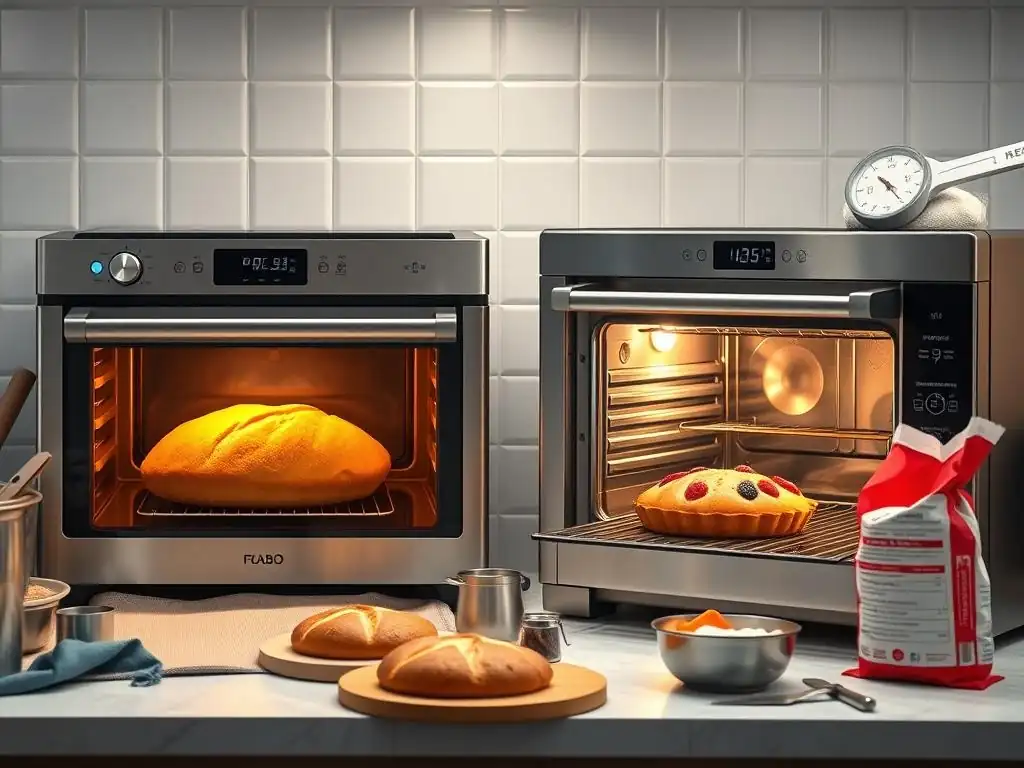
When choosing a new oven, understanding how different models stack up in terms of these crucial oven capabilities for baking is essential. Ovens vary significantly in features and price points. Comparing them based on your priorities will help you find the best fit.
High-End Ovens: Convection vs. Steam - A Feature-by-Feature Comparison
At the high end of the market, you'll often find ovens offering both advanced convection and steam capabilities. Models from brands like Miele, Gaggenau, and Wolf often feature true convection systems with multiple heating elements and fans, providing exceptional evenness. They also frequently include sophisticated steam generation systems that allow for precise humidity control, sometimes with specific programs for bread, pastries, and other items.
Comparing these models involves looking at the specifics: the power and design of the convection fan(s), the type of steam generation (boilerless vs. boiler), the range of humidity levels achievable, and the integration of these features into specialized modes. A high-end combi-steam oven might offer 100% humidity for proofing or steaming vegetables, pulsed steam during baking, and dry convection for finishing, offering unparalleled oven capabilities for baking and cooking versatility. Expect these ovens to cost significantly more, often ranging from $3,000 to $10,000+.
Mid-Range Options: Electric vs. Gas - Balancing Price and Performance
In the mid-range (typically $1,000 - $3,000), the choice often comes down to electric vs. gas, and the level of convection offered. Electric ovens are generally considered better for baking due to their typically more consistent dry heat and easier-to-control temperature, although gas ovens can excel in areas like broiling. Many mid-range electric ovens include a standard convection fan, providing improved but perhaps not perfect heat distribution compared to high-end true convection.
Gas ovens, while often preferred for stovetop cooking, can present challenges for baking evenness due to the venting required for combustion gases, which can pull heat unevenly. However, newer gas ovens have improved significantly, with some models incorporating convection fans to mitigate these issues. When evaluating mid-range oven capabilities for baking, focus on the quality of the thermostat, the presence and type of convection, and user reviews regarding temperature accuracy and hot spots.
Budget-Friendly Choices: Basic Features - Getting the Most for Your Money
Budget-friendly ovens (under $1,000) typically offer basic radiant bake and broil functions. Convection may be available, but it might be a simpler system with less powerful airflow. Steam features are rare at this price point, requiring manual methods like water pans. The primary focus here is on getting reliable basic oven capabilities for baking.
To get the most from a budget oven, prioritize models with good insulation and a reputation for relatively stable temperature, even if it requires manual calibration with an oven thermometer. While you might sacrifice advanced features like true convection or steam, you can still produce excellent baked goods by understanding your oven's limitations and using techniques like rotating trays for even browning. Reviews are particularly important at this price point to identify models that offer decent performance despite their lower cost.
Choosing the Right Oven Capabilities for Your Baking Style
Selecting the perfect oven is a personal decision guided by how and what you love to bake. There's no single "best" oven; there's only the best oven for you.
Assessing Your Baking Needs and Priorities
Start by honestly evaluating your baking habits. Are you a casual baker who makes cookies and occasional cakes? Is bread baking your passion? Do you dream of mastering delicate French pastries? Do you bake large quantities for events, or just for your household? Your answers will dictate which oven capabilities for baking are essential and which are nice-to-have.
- Prioritize:
- Precise temperature control (essential for most baking)
- Even heat distribution (crucial for consistent results, especially batch baking)
- Humidity control (vital for artisan bread and some pastries)
- Capacity (important if you bake large quantities)
- Specific modes (useful if you frequently bake certain items like pizza or bread)
- Cleaning features (for convenience)
- Smart features (for convenience and modern workflow)
Create a checklist of your top 3-4 priorities based on your baking goals.
- [ ] Precise Temp Control (must-have)
- [ ] Even Heat (must-have)
- [ ] Humidity Control (important for bread)
- [ ] Large Capacity (important for events)
- [ ] Proofing Mode (important for bread)
- [ ] Self-Cleaning (nice-to-have)
- [ ] Smart Features (optional)
Matching Oven Features to Your Favorite Recipes
Once you've identified your priorities, match them to the oven capabilities for baking that deliver those results.
- If you love artisan bread: Prioritize ovens with excellent humidity control (steam injection) and a reliable proofing mode. Good convection is also a plus for even baking.
- If you bake lots of cookies, cakes, and pastries: Focus on precise temperature control and superior even heat distribution, ideally with true convection. Consider capacity if you bake in batches.
- If you make pizzas frequently: Look for a high-temperature mode and potentially a dedicated pizza setting that emphasizes bottom heat.
- If you're a beginner: Start with an oven that offers reliable basic bake functions and perhaps standard convection. Don't feel pressured to get every feature; focus on accuracy and evenness.
Thinking about the specific requirements of your go-to recipes will help you narrow down the essential oven capabilities for baking you need.
Investing in Quality: Long-Term Benefits and Cost Savings
While budget is always a consideration, investing in an oven with better oven capabilities for baking can pay off in the long run. More expensive ovens often feature better insulation, higher quality components (thermostats, heating elements, fans), and more durable construction. This can lead to:
- Greater Consistency: Fewer failed bakes save money on wasted ingredients.
- Energy Efficiency: Better insulation and more efficient heating systems can reduce energy consumption over time.
- Longevity: Higher quality ovens are often more durable and require fewer repairs.
- Improved Results: Consistently better baked goods are their own reward!
Consider the oven as a long-term investment in your baking passion. While a $4,000 oven has a higher upfront cost than a $800 model, its superior oven capabilities for baking, efficiency, and durability might make it more cost-effective over its lifespan, especially if you bake frequently.
Maximizing Your Oven's Capabilities: Baking Tips and Techniques
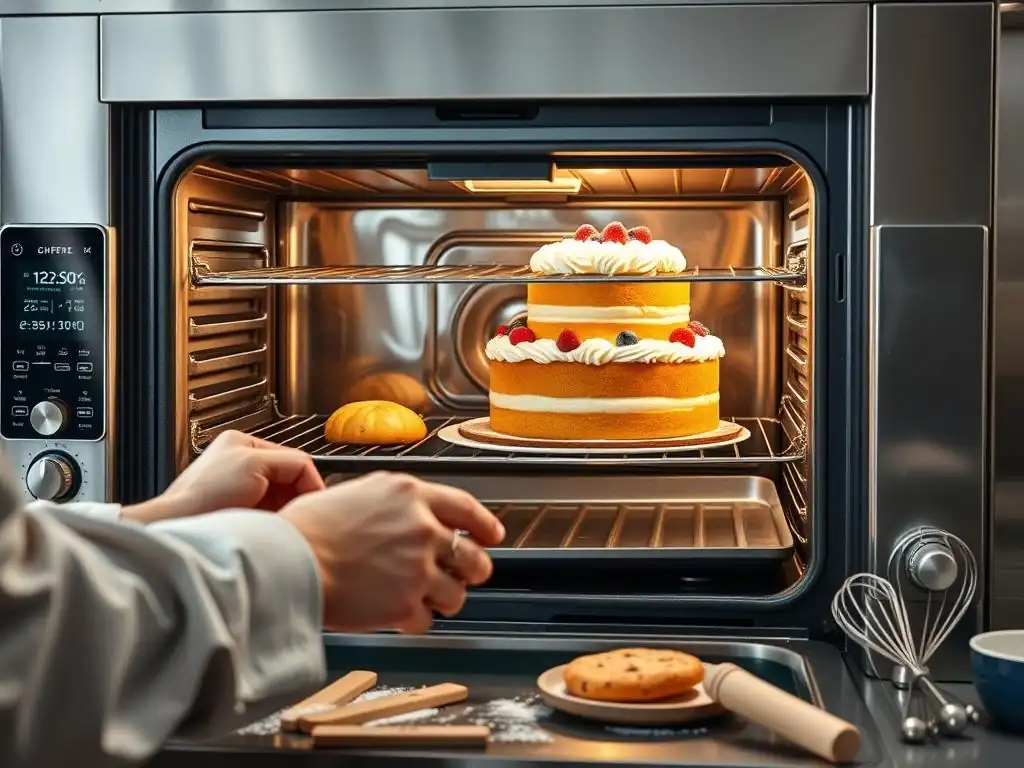
Even with a top-of-the-line oven, understanding how to use it effectively is key. Here are a few tips to get the most out of your oven's capabilities for baking.
Optimizing Temperature and Rack Placement for Different Recipes
Always refer to your recipe for recommended temperature and rack position. However, understanding how heat works in your specific oven allows for optimization. If your oven has a slight hot spot at the back, you might rotate trays halfway through baking. If your oven runs consistently cool, you might need to slightly increase the temperature or baking time.
For recipes requiring intense browning on top (like gratins or casseroles), use the top rack. For items needing a crisp bottom crust (like pizzas or some tarts), the bottom rack is often best, sometimes utilizing a baking stone or steel placed on that rack. When using convection, you can often use multiple racks simultaneously and might need to reduce temperature or time. Experimentation with your specific oven's oven capabilities for baking is the best way to learn its quirks.
Using Oven Thermometers for Accurate Readings
As mentioned earlier, an inexpensive, independent oven thermometer is a must-have tool, regardless of your oven's price. Place it in the center of the middle rack and check it after the oven has preheated for at least 20-30 minutes. Compare its reading to your oven's display. This tells you if your oven is calibrated correctly or if you need to adjust your settings.
For example, if your oven is set to 350°F but the thermometer consistently reads 335°F, you know to set your oven to 365°F in the future to achieve a true 350°F internal temperature. Using a thermometer ensures you are always baking at the intended temperature, maximizing the effectiveness of your oven's temperature control oven capabilities for baking.
Troubleshooting Common Baking Problems: Is Your Oven the Culprit?
Many common baking issues can be traced back to oven performance.
- Uneven browning: Likely due to hot spots or poor heat distribution. Try rotating trays or using convection if available.
- Cakes doming and cracking: Can be caused by too high a temperature or baking too close to the top element. Ensure accurate temp and proper rack placement.
- Pale crusts on bread: Often a lack of steam during the initial phase or insufficient heat. Use manual steam methods or check steam function.
- Cookies spreading too much: Can be related to dough temperature, but also an oven that takes too long to reach temperature or fluctuates significantly.
By understanding the link between oven capabilities for baking and common problems, you can better diagnose issues and adjust your techniques or consider if it's time for an oven upgrade.
Conclusion: The Ultimate Oven Checklist for Baking Enthusiasts
Selecting an oven with the right oven capabilities for baking is one of the most significant investments you'll make in your baking journey. It's not just about having a box that gets hot; it's about having a precision instrument that provides consistent, predictable results, allowing your skills and ingredients to shine. From the fundamental need for precise temperature control and even heat distribution to advanced features like steam injection and smart connectivity, each capability plays a role in transforming raw ingredients into delicious baked goods.
Investing in the Right Oven: A Recipe for Baking Success
Choosing an oven that aligns with your baking style and priorities is truly a recipe for success. A baker who prioritizes artisan bread will value steam capabilities differently than someone who focuses on delicate French macarons, which require impeccable temperature stability and airflow. By carefully considering the key oven capabilities for baking discussed here – temperature control, even heat, humidity control, size, modes, cleaning, and smart features – you can make an informed decision that will enhance your baking for years to come.
Remember that even the most basic oven can produce wonderful results with practice and understanding its nuances, but an oven with superior oven capabilities for baking will often make the journey smoother and the outcomes more consistent.
Next Steps: Researching and Comparing Oven Models
Armed with your checklist of desired oven capabilities for baking, your next step is to dive into researching specific oven models.
- Read reviews from other bakers focusing on performance aspects like temperature accuracy and evenness.
- Visit appliance stores to see ovens in person and understand their capacity and controls.
- Compare specifications sheets, paying close attention to features like convection type, temperature range, and cleaning methods.
Take your time, compare options based on your specific needs and budget, and choose an oven that will be a reliable partner in your baking adventures. Happy baking!
Frequently Asked Questions
What oven features are most crucial for achieving consistent baking results?
The most crucial oven features are accurate temperature control and even heat distribution. These ensure that your baked goods cook properly and uniformly.
How does convection baking differ from conventional baking, and why is it important?
Convection baking uses a fan to circulate hot air, resulting in faster and more even cooking. This is important for achieving crispy exteriors and consistent textures.
What is the significance of having an oven with a reliable temperature probe?
A temperature probe allows you to monitor the internal temperature of your baked goods, ensuring they are cooked to perfection. This is especially useful for delicate items like cakes and custards.
Are self-cleaning ovens a necessary feature for serious bakers, or just a convenience?
While not strictly necessary, a self-cleaning oven can be a significant time-saver. It eliminates the need for manual scrubbing and helps maintain oven performance.
What should I look for in an oven's preheating capabilities when baking frequently?
Look for an oven with rapid preheating. This shortens the overall baking time and allows you to start baking sooner, which is important for frequent bakers.
Final Reflection: The Heart of the Bake – Oven Capabilities and You
The perfect bake begins with the perfect oven, and understanding its capabilities is the key to unlocking culinary creativity. Choosing the right oven isn't just about temperature control; it's about mastering the nuances of heat distribution, mastering the art of even browning, and ultimately, achieving baking perfection. This understanding directly impacts the quality of your baked goods, from the rise of a sourdough loaf to the crispness of a perfectly browned pie crust.
The quest for the ideal oven reflects a deeper cultural shift towards appreciating the craft of baking. We've seen a resurgence in home baking, driven by a desire for connection, comfort, and control over the ingredients we consume. This renewed interest highlights the importance of understanding the tools of our trade. Baking is at once child's play and adult joy. And love, of course.
- This quote perfectly encapsulates the emotional connection we have with baking, and the right oven is an essential ingredient in that equation.
Now, consider your own baking journey. What are your oven's strengths and weaknesses? What limitations have you encountered, and how might upgrading your oven capabilities elevate your baking experience? I encourage you to take a moment to reflect on your baking process, identify areas for improvement, and consider how a better understanding of your oven's capabilities can unlock new levels of culinary success. Don't just bake; master the bake.
Unlock Your Baking Potential: Master the Oven!
Thanks for diving into the world of oven capabilities! We hope you now feel confident in choosing the perfect oven for your baking journey. Ready to take the next step?
- Find your perfect oven: Use what you've learned to research ovens matching your needs and budget. Don't be afraid to explore models you might not have considered before!
- Share your insights: Tell us—what's the most important oven feature for YOU? Share your thoughts in the comments below!
- Start baking! Try a new recipe using your current oven, focusing on techniques to maximize its capabilities.
What surprising oven feature are you most excited to explore now?