
Unlock Baking Mastery: Best Ovens for Home Enthusiasts

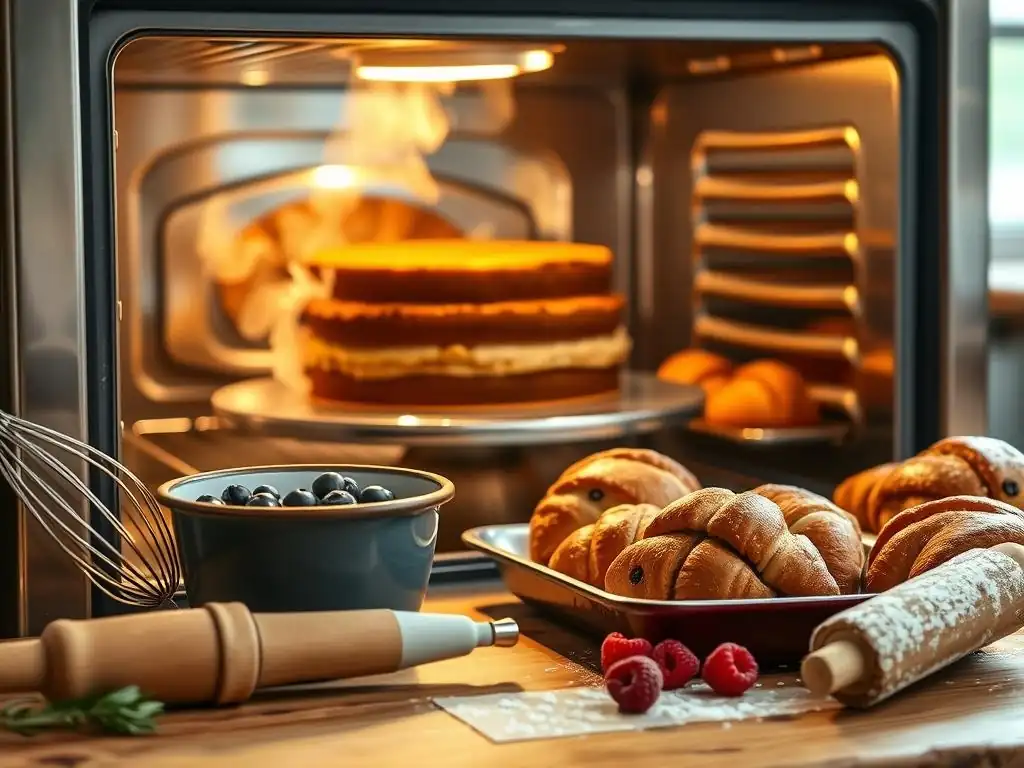
Welcome to BakeWithEase, your kitchen companion for all things baking! Are you ready to transform your baking dreams into delicious reality? Selecting the right equipment is crucial, and in this guide, we're diving deep to uncover the best ovens for home baking. Discover how the perfect oven can elevate your creations from simple treats to unforgettable masterpieces, and find the ideal model to suit your baking style. Intrigued? Let's explore the heat and discover the secrets to baking success!
- Understanding Oven Features: A Buyer's Guide
-
Frequently Asked Questions
- How do I choose the best oven for my home baking needs?
- What is the difference between a convection oven and a conventional oven, and which is better for baking?
- Are expensive ovens always better for home baking?
- What features should I look for in an oven specifically for baking bread?
- How important is oven size when choosing an oven for home baking?
- Final Reflection: The Heart of the Home Baker
- Unleash Your Inner Baker: Take the Next Step!
Understanding Oven Features: A Buyer's Guide
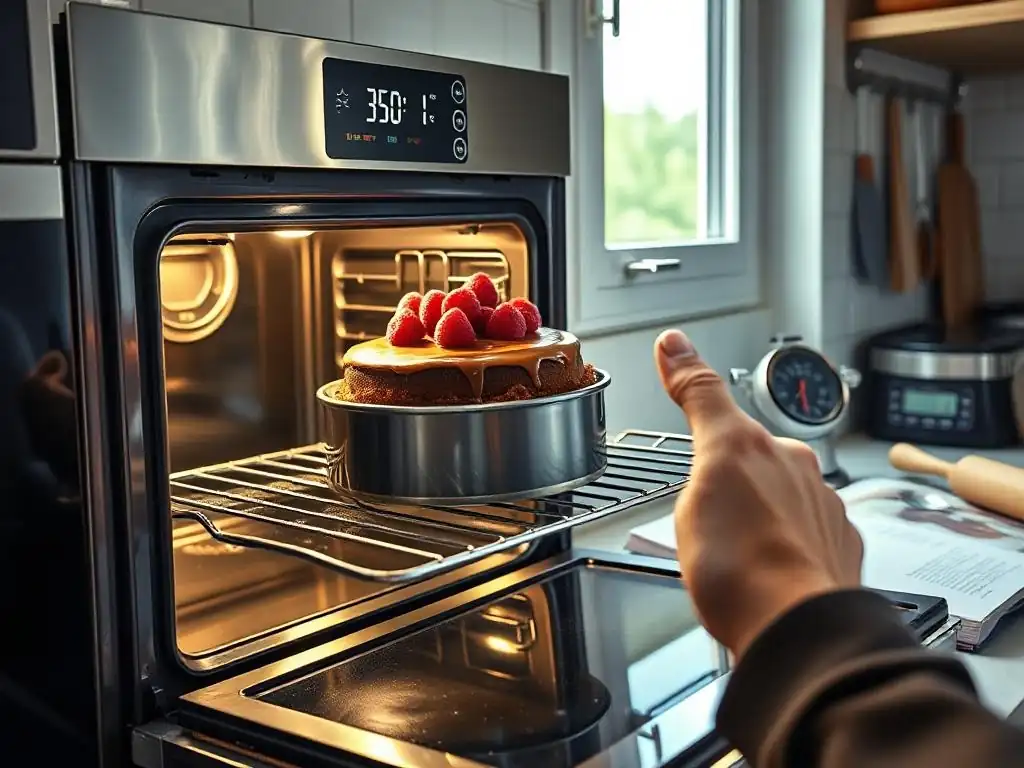
Choosing among the best ovens for home baking isn't just about the brand or price tag; it's fundamentally about understanding the features that directly impact your baking results. From perfectly risen loaves to evenly browned cookies, the oven's technology plays a crucial role. This guide breaks down the essential features to consider, helping you make an informed decision for your baking journey.
Selecting the right oven is an investment in your passion. Whether you're a beginner exploring simple cake recipes or an advanced baker tackling complex pastries, paying attention to these technical aspects will ensure your new appliance supports your goals and helps you achieve consistent, delicious outcomes every time you step into the kitchen.
Convection vs. Conventional Ovens: Which is Best for Baking?
The primary distinction often encountered when looking for the best ovens for home baking is the presence of a convection fan. A conventional oven relies solely on radiant heat from elements at the top and bottom of the oven cavity. Heat rises, creating hot spots and cooler areas, which can lead to uneven baking, requiring you to rotate pans during the process. This method works well for many dishes, but achieving uniform browning and consistent rise can be challenging, especially when baking multiple items simultaneously.
Convection ovens, on the other hand, incorporate a fan, usually located at the back of the oven, to circulate hot air throughout the cavity. This forced air circulation significantly reduces hot and cool spots, ensuring a more consistent temperature environment around your baked goods.
This even heat distribution often leads to faster baking times, more uniform browning, and better crust development on breads and pies. For delicate items or recipes where precise, even heating is critical, such as puff pastry or multiple sheets of cookies, a convection setting on one of the best ovens for home baking can be a game-changer.
Temperature Control: The Key to Baking Success
Accurate and stable temperature control is arguably the most critical factor for successful baking. Ovens can sometimes have thermostats that are off by a significant margin, potentially ranging from 10 to 25 degrees Fahrenheit above or below the set temperature. This variance can wreak havoc on sensitive recipes like soufflés, meringues, or custards, where precise temperatures are non-negotiable for proper texture and structure. Even for simpler items, incorrect temperatures can lead to burnt edges, undercooked centers, or failure to rise properly.
When evaluating the best ovens for home baking, look for models known for their temperature accuracy and stability. While manufacturer specifications might claim tight tolerances, real-world performance can vary. Many serious home bakers rely on an external oven thermometer placed inside the oven cavity to verify the actual temperature and recalibrate their oven if necessary or adjust baking times accordingly. Features like digital temperature displays and precise electronic controls are often indicators of better accuracy compared to older mechanical thermostats.
Oven Size and Capacity: Choosing the Right Fit for Your Needs
The physical size and internal capacity of an oven are practical considerations determined by your kitchen space and baking habits. Standard built-in or slide-in ranges typically feature a main oven cavity with a capacity ranging from about 4.5 to over 6 cubic feet, ample space for multiple racks of cookies, a large sheet cake, or a holiday roast.
Countertop ovens, including toaster ovens and air fryer ovens, offer much smaller capacities, often ranging from 0.5 to 1.5 cubic feet, suitable for baking a few muffins, a small batch of cookies, or a single layer cake, making them excellent choices for smaller kitchens or supplemental baking.
Consider the size of the pans you typically use and the quantity of baking you do at once. If you frequently bake multiple sheets of cookies, large pizzas, or need to accommodate tall items like tiered cakes or large bread loaves, a larger capacity oven from the selection of best ovens for home baking will be necessary. Also, think about the external dimensions – a standard 30-inch range requires a specific cabinet cutout, while countertop models need counter space and adequate clearance around them for ventilation.
Other Important Features: Self-Cleaning, Racks, and More
Beyond the core heating mechanisms, several other features can significantly enhance the usability and performance of the best ovens for home baking. Self-cleaning cycles, while using high heat (often reaching 800-900 degrees F) to turn baked-on grime into ash, are a major convenience, reducing the need for manual scrubbing. However, be aware that the intense heat can sometimes stress oven components over time.
Rack design and quantity also matter. Look for sturdy racks that slide smoothly, especially if you plan to bake heavy items like cast iron Dutch ovens filled with bread dough. Some premium models offer telescopic racks that glide out completely for easier access to your baking without reaching into a hot oven.
Bright internal lighting is essential for monitoring your bake without opening the door (which causes heat loss), and reliable timers and delay start options add flexibility to your baking schedule. Some ovens even include specialized functions like a proofing mode, which maintains a low, consistent temperature (around 85-100 degrees F) ideal for rising bread dough.
Frequently Asked Questions
How do I choose the best oven for my home baking needs?
Consider factors like oven size, heating consistency, and special features such as convection or self-cleaning. Also, think about your budget and how often you bake.
What is the difference between a convection oven and a conventional oven, and which is better for baking?
A convection oven uses a fan to circulate hot air, leading to more even baking and faster cooking times. While conventional ovens are suitable, convection is generally considered superior for baking.
Are expensive ovens always better for home baking?
Not necessarily. While higher-priced ovens may offer more features and durability, many mid-range ovens provide excellent baking performance. Focus on key features that matter to you.
What features should I look for in an oven specifically for baking bread?
Look for ovens with consistent temperature control, a good steam function (or the ability to create steam), and even heat distribution. A proofing setting can also be very helpful.
How important is oven size when choosing an oven for home baking?
Oven size depends on your baking habits. If you frequently bake large batches or multiple items simultaneously, a larger oven is beneficial. For smaller households, a standard-sized oven may suffice.
Final Reflection: The Heart of the Home Baker
The pursuit of baking perfection often begins with the right tools, and the oven stands as the undisputed heart of the home bakery. Choosing the right oven isn't merely about temperature control; it's about unlocking the potential within each recipe, transforming simple ingredients into culinary masterpieces. The journey to baking mastery, as explored in this article, hinges on understanding the nuances of different oven types and their impact on the final product.
The impact of oven technology on the home baking experience is profound. It's more than just a functional appliance; it's a reflection of our evolving relationship with food and the artistry involved in creating it. The best baker makes the best of what they have.
This simple truth underscores the importance of selecting an oven that empowers you, regardless of your skill level, to achieve your baking aspirations. The ovens reviewed here represent a spectrum of options, each capable of inspiring creativity and elevating the home baking experience.
Now, consider your own baking journey. What are your current limitations? What kind of oven would best support your baking goals and ambitions? Take the time to reflect on your needs and aspirations. Then, armed with the knowledge gained from this article, embark on your quest to find the perfect oven – the one that will help you unlock your full baking potential and bring joy to your kitchen and those you share your creations with.
Unleash Your Inner Baker: Take the Next Step!
Thanks for taking the time to explore the world of amazing ovens with us! We hope you've discovered the perfect tool to elevate your baking game. Now it's time to put that knowledge into action.
- Find your dream oven: We've highlighted some incredible models – now’s the time to visit your local appliance store or check online retailers to see them in person (or virtually!). Don't hesitate to compare prices and features to find the best fit for your needs and budget.
- Share your baking journey: Tell us which oven caught your eye – and why! We’d love to hear your thoughts and experiences in the comments below.
- Bake something amazing! Use your newfound oven knowledge to create a show-stopping masterpiece – think elaborate croissants, fluffy cakes, or perfectly crisp cookies. Share your creations with us on social media using #BakeWithEase.
What delicious creation will you bake first with your new oven knowledge?