
Seamless Baking: Best BuiltIn Ovens for Dedicated Bakers

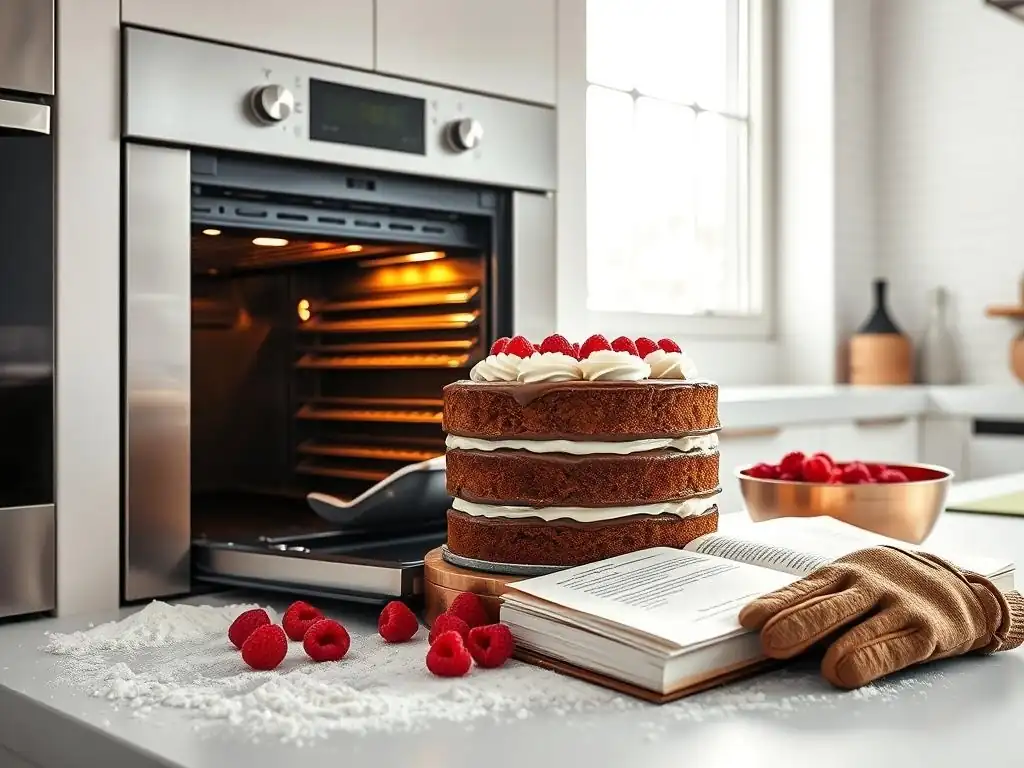
Welcome to BakeWithEase, your companion in crafting culinary delights! Are you a dedicated baker searching for that seamless baking experience? Look no further! We've delved deep into the world of baking equipment, and our latest guide unveils the Best Built-In Ovens for Bakers – but which one will unlock your baking potential? Discover expert insights and recommendations to help you elevate your creations, one perfect bake at a time. Let's get started!
- Introduction: Elevate Your Baking with the Best Built-In Ovens
- Why Choose a Built-In Oven for Baking Excellence?
- Top Built-In Ovens for Baking Enthusiasts: A Comparative Review
- Key Features to Consider When Choosing Your Built-In Oven
- Baking Like a Pro: Tips for Using Your New Built-In Oven
-
Frequently Asked Questions
- What makes a built-in oven ideal for dedicated bakers?
- Are built-in ovens difficult to install in a kitchen?
- What are some key features to look for when choosing a built-in oven?
- How do built-in ovens compare to freestanding ovens for baking?
- What is the average lifespan of a built-in oven for frequent bakers?
- Final Reflection: The Heart of the Home, Perfectly Baked
- Unleash Your Inner Baker: Take the Next Step!
Introduction: Elevate Your Baking with the Best Built-In Ovens
For anyone serious about baking, the oven isn't just an appliance; it's the heart of the craft. Achieving that perfect golden crust on a loaf of sourdough, evenly baked layers in a delicate cake, or consistently chewy cookies relies heavily on the performance of your oven. While range ovens serve many purposes, dedicated bakers often find built-in ovens offer superior features, consistency, and integration into a thoughtfully designed kitchen workspace. Choosing among the best built-in ovens bakers can invest in requires understanding what makes an oven truly excel in the baking realm.
This guide delves into the world of built-in ovens specifically through the lens of a baking enthusiast. We'll explore the advantages they offer, highlight some top contenders often considered among the best built-in ovens bakers rave about, and break down the essential features to look for. Whether you're upgrading your kitchen or setting up a dedicated baking station, finding the right built-in oven is a critical step towards seamless, professional-quality results right in your own home.
Why Choose a Built-In Oven for Baking Excellence?
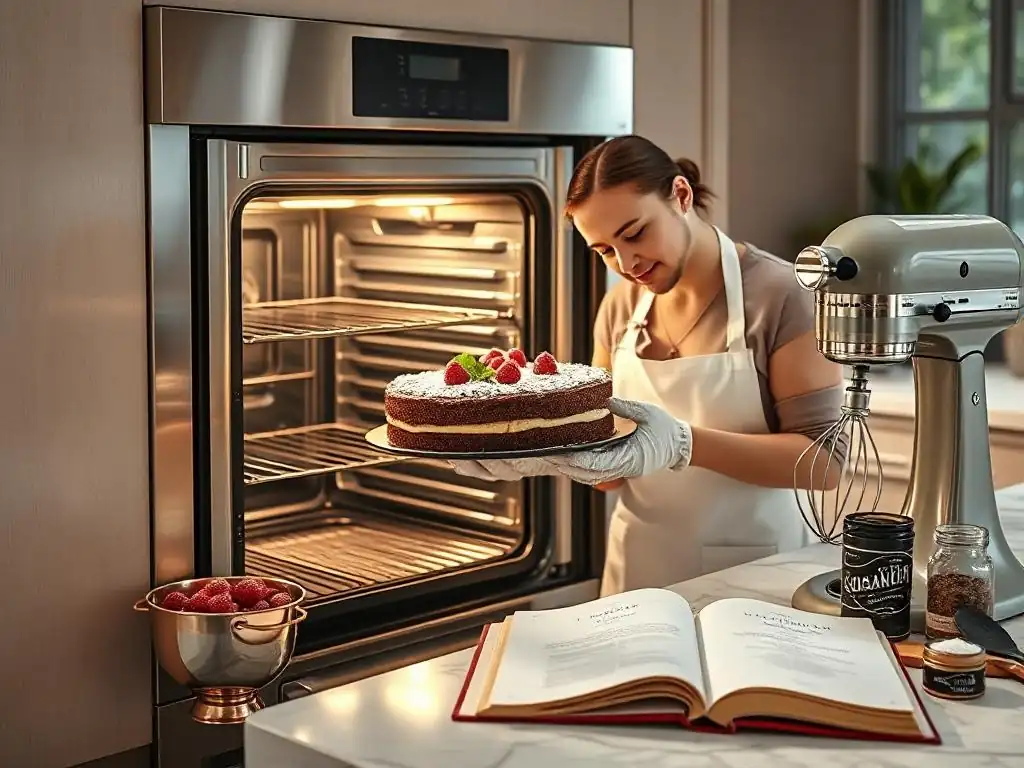
Built-in ovens offer distinct advantages over traditional range ovens that appeal directly to the needs and desires of dedicated bakers. Their design allows for flexible kitchen layouts, potentially placing the oven at a more convenient height, reducing bending and making it easier to check on baking progress and handle hot items.
Beyond ergonomics, these ovens are often engineered with more advanced technology focused on precise temperature control and even heat distribution, which are paramount for successful baking outcomes. Selecting one of the best built-in ovens bakers recommend can truly transform your baking experience, offering reliability and performance that can elevate your skills.
The integration into cabinetry gives built-in ovens a sleek, custom look that enhances kitchen aesthetics. More importantly for baking, this design often means better insulation compared to freestanding units, contributing to more stable internal temperatures. This stability is crucial for delicate pastries, soufflés, and breads that require consistent heat throughout the baking cycle. When searching for the best built-in ovens bakers trust, you'll find that models designed for integration frequently boast features specifically tailored to improve baking results, from specialized convection modes to steam assist functions.
Space-Saving Design and Kitchen Aesthetics
Built-in ovens integrate directly into your kitchen cabinetry, offering significant advantages in terms of space utilization and visual appeal. Unlike freestanding ranges that occupy floor space and dictate the placement of your cooktop, built-in units allow you to position your oven at a comfortable height – often at waist level or even double-stacked – freeing up floor space and creating a more ergonomic workflow. This design flexibility is particularly valuable in smaller kitchens or for bakers who spend extended periods working on complex recipes, reducing physical strain from constantly bending down.
Furthermore, the seamless integration into surrounding cabinets provides a clean, modern, and custom look. Stainless steel, black stainless steel, or white finishes blend smoothly with other appliances and kitchen decor, contributing to a cohesive design aesthetic. For bakers who view their kitchen as both a workspace and a showpiece, the sleek profile of built-in models, especially the best built-in ovens bakers choose for their blend of form and function, offers a sophisticated upgrade over traditional ranges. This aesthetic appeal, combined with practical space-saving benefits, makes them a popular choice for contemporary kitchen renovations focused on both style and utility.
Consistent Temperature and Precise Baking Control
One of the most critical factors for successful baking is maintaining a consistent and accurate oven temperature. Fluctuations can lead to unevenly baked goods, fallen cakes, or bread that doesn't rise properly. Built-in ovens are often engineered with advanced insulation and sophisticated temperature sensors that work together to minimize temperature swings. High-quality models can maintain temperatures within a few degrees of the set point, which is a significant improvement over older or less precise ovens. This reliability is why many dedicated bakers consider them essential tools.
Many of the best built-in ovens bakers prefer also offer precise digital controls, allowing you to set temperatures in small increments, sometimes as fine as 1°F or 5°F. Some models even feature internal temperature probes that allow you to monitor the internal temperature of roasts or bread loaves without opening the oven door, preventing heat loss. This level of control ensures that your delicate custards set correctly and your roasts reach the perfect internal temperature, providing the confidence needed to tackle challenging recipes with predictable results.
Advanced Features for the Modern Baker
Modern built-in ovens come equipped with a host of advanced features designed to simplify and improve the baking process. True convection, also known as European convection, is a standout feature, utilizing a third heating element around the fan to circulate preheated air, ensuring remarkably even baking across multiple racks. This is invaluable for baking large batches of cookies or multiple loaves of bread simultaneously without needing to rotate pans. Many ovens marketed as the best built-in ovens bakers can buy prominently feature this technology.
Beyond convection, features like steam assist inject small amounts of steam during baking, which is particularly beneficial for achieving a crispy crust on artisan breads or ensuring moist cakes. Proofing modes provide a low, consistent temperature environment ideal for rising dough. Some high-end models even include specific baking modes for different types of food, like pizza or pastry. Task lists for recipe steps or pre-programmed settings accessible via touch screens or even smartphone apps highlight how these ovens are integrating technology to make baking more convenient and successful.
Top Built-In Ovens for Baking Enthusiasts: A Comparative Review
When seeking the best built-in ovens bakers rely on, several models consistently appear at the top of reviews and recommendations. These ovens distinguish themselves through a combination of reliable performance, useful features, and durable construction. While personal preferences and specific kitchen requirements play a role, understanding the strengths of popular models can guide your decision. Below, we review a few models often cited for their baking prowess, keeping in mind that features and availability can vary slightly by year and specific configuration.
Choosing among the top contenders involves evaluating their capacity, heating technology, control interface, and specific baking functions. For instance, some ovens excel at consistent convection heating, while others might offer unique steam or proofing capabilities. The best built-in ovens bakers ultimately choose often represent a balance between desired features and budget. Researching user reviews and professional tests can provide further insight into real-world performance and reliability, helping you find the perfect baking partner.
1. KitchenAid KOCE500ESS - The Baking Powerhouse
The KitchenAid KOCE500ESS (or similar models in its line) is frequently praised by bakers for its robust performance and thoughtful design tailored for cooking and baking. This model typically features a generous capacity, often around 5.0 cubic feet, providing ample space for multiple baking sheets or large roasts. A key highlight is its True Convection system, which uses a fan and a dedicated heating element behind it to ensure even heat distribution, crucial for uniform browning and consistent results across all racks, making it a strong contender among the best built-in ovens bakers might consider.
This oven often includes specialized baking functions like a temperature probe for monitoring internal food temperatures and a SatinGlide™ Rack that extends smoothly for easy access to heavy dishes. Users frequently report excellent results with everything from delicate meringues to dense bread loaves, attributing success to the oven's stable temperature maintenance and effective convection. The user interface is typically intuitive, featuring a clear display and responsive controls. While it represents a significant investment, its performance and features justify its position as a top choice for serious home bakers.
2. Bosch 800 Series - The Smart Baking Solution
Bosch's 800 Series built-in ovens are renowned for their precision engineering, sleek design, and smart features. Models like those in the HBL8... series often boast a capacity of around 4.6 cubic feet and feature True Convection. Bosch ovens are particularly noted for their precise temperature management, often achieving and maintaining set temperatures with minimal variance, a critical factor for sensitive baking projects. This reliability makes them a favorite among those seeking the best built-in ovens bakers can trust for consistent performance.
Beyond standard convection, Bosch 800 Series ovens frequently offer features like QuietClose® doors and telescopic racks. Many models are also Wi-Fi enabled, allowing control and monitoring via a smartphone app, adding a layer of convenience for busy bakers. While perhaps slightly smaller in capacity than some competitors, the focus on precision, build quality, and smart technology positions Bosch 800 Series ovens as excellent choices for bakers who value accuracy and modern convenience in their pursuit of baking perfection.
3. Whirlpool WOC54EC0HS - The Budget-Friendly Baking Option
For bakers seeking reliable performance without the premium price tag, the Whirlpool WOC54EC0HS (or comparable models) offers a compelling option. This oven typically provides a substantial capacity, often around 5.3 cubic feet, which is ample for handling multiple trays of cookies or a large holiday roast. While it may not feature true convection with a third element in all configurations, many models include a fan convection system that helps improve heat distribution compared to conventional ovens, making it a viable candidate among more accessible built-in oven options for bakers.
This Whirlpool model often includes essential features like a hidden bake element for easier cleaning and various cooking modes. While it might lack some of the advanced smart features or hyper-precise controls of higher-end models, it delivers consistent performance for everyday baking needs. User reviews often highlight its straightforward operation and dependable results for standard recipes. It proves that you don't necessarily need the most expensive unit to find a capable appliance, making it one of the best built-in ovens bakers can find in a more budget-conscious category.
4. GE Profile PTD7000SNSS - The Versatile Baking All-Rounder
The GE Profile PTD7000SNSS (and similar models in the Profile series) is designed for versatility, offering a wide range of cooking modes that benefit bakers and cooks alike. These ovens typically feature a substantial capacity, often around 5.0 cubic feet, and utilize True European Convection with Direct Air, which channels heated air from the third element directly over the food for exceptional evenness. This advanced convection system is a major draw for bakers aiming for perfectly uniform results across multiple racks, cementing its place among the best built-in ovens bakers might consider for all-around kitchen performance.
GE Profile ovens often include features like a temperature probe, various specialized cooking modes (such as proofing, warming, and precision cooking), and Wi-Fi connectivity for smart control. The user interface is usually modern and intuitive, often featuring a large LCD screen. While offering advanced features, they generally maintain a balance of performance and price point that appeals to a broad audience. The combination of large capacity, advanced convection, and versatile features makes the GE Profile line a strong contender for bakers who also need an oven capable of handling diverse cooking tasks.
Key Features to Consider When Choosing Your Built-In Oven
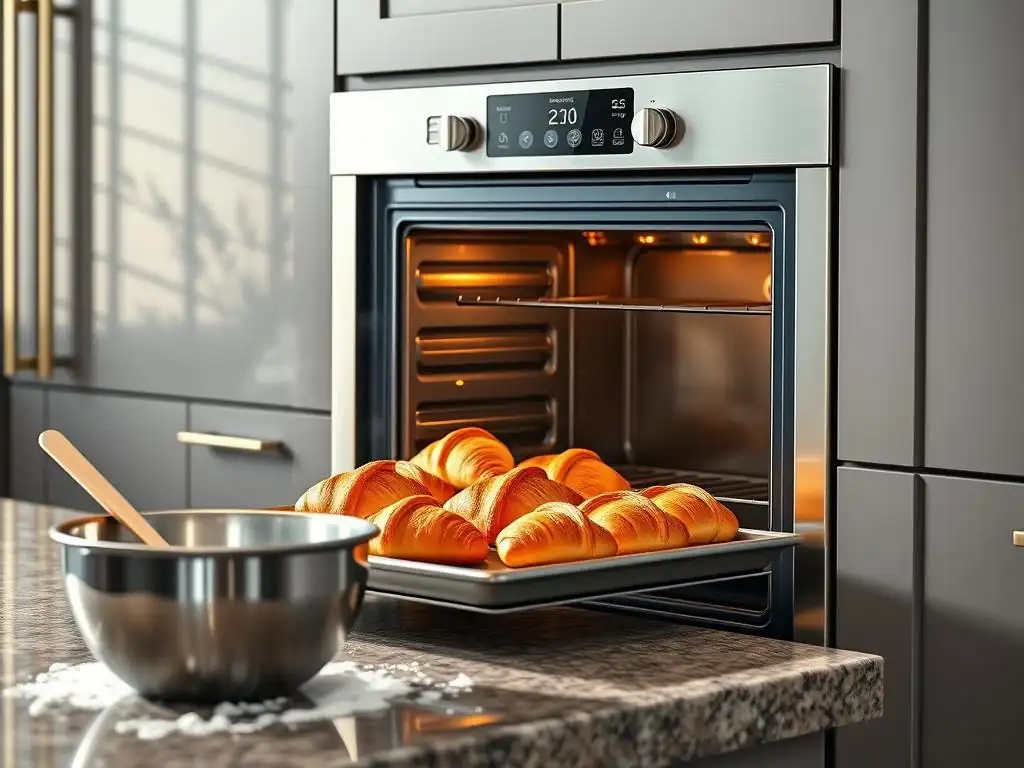
Selecting the best built-in oven for your baking needs involves carefully evaluating several key features. The right combination of these elements will ensure your oven performs reliably and meets the specific demands of your baking projects. Don't just look at the price; consider how each feature contributes to the consistency and quality of your baked goods. Making an informed decision based on these factors is essential for any dedicated home baker investing in a new appliance.
It's helpful to create a task list of features that are non-negotiable for your baking style. Do you frequently bake multiple trays of cookies? Then excellent convection and capacity are key. Are you an artisan bread maker? Look for steam assist or precise low-temperature control for proofing. By prioritizing the features that matter most to you, you can narrow down the options and identify the best built-in ovens bakers like you will genuinely benefit from.
Oven Capacity and Size
The internal volume of a built-in oven, measured in cubic feet, dictates how much food you can bake at once. For bakers who frequently prepare large batches of cookies, multiple loaves of bread, or tiered cakes, a larger capacity oven (typically 5.0 cubic feet or more) is highly beneficial. This allows you to use multiple racks simultaneously, increasing efficiency and reducing the total time spent baking. Consider the dimensions of your standard baking sheets and cake pans to ensure they fit comfortably within the oven cavity and on the racks.
Beyond internal volume, consider the external dimensions and the required cutout size for installation. Built-in ovens come in standard widths, most commonly 24, 27, or 30 inches. Ensure the oven you choose fits your existing cabinetry or the planned layout of your new kitchen. While a larger internal capacity is desirable, it must be compatible with your kitchen's physical constraints. The best built-in ovens bakers install seamlessly fit into their kitchen design while providing the necessary internal space.
Convection Baking Technology
Convection technology is arguably the most important feature for achieving superior baking results. Standard ovens use radiant heat, which can lead to hot spots and uneven baking. Convection ovens use a fan to circulate hot air, distributing heat more evenly throughout the cavity. There are generally two types: standard convection (fan only) and true convection (fan with a separate heating element). True convection is generally preferred by serious bakers because the air circulated is already heated, leading to faster preheating and even more consistent temperatures.
The benefits of convection for baking are numerous: it helps baked goods brown more evenly, allows you to bake on multiple racks simultaneously with consistent results, and can even reduce baking times by 20% or more. For crusty breads, the circulating hot air helps develop a beautiful, crisp exterior. When evaluating potential candidates for the best built-in ovens bakers could own, prioritize models with robust and effective convection systems, ideally true convection for optimal performance.
Temperature Control and Accuracy
Precise temperature control is non-negotiable for successful baking. Even small deviations from the set temperature can significantly impact the outcome of delicate recipes like macarons, soufflés, or custards. Look for ovens with digital controls that allow you to set temperatures accurately, ideally in small increments. Some ovens offer calibration options, allowing you to fine-tune the temperature if you suspect it's running hot or cold, providing an extra layer of control.
Reliable ovens maintain the set temperature consistently throughout the baking cycle, minimizing fluctuations caused by the heating element cycling on and off. Features like multiple temperature sensors and advanced algorithms help achieve this stability. Reading reviews that specifically comment on temperature accuracy and consistency is crucial. The best built-in ovens bakers recommend are often those known for their rock-solid temperature performance, ensuring predictable results every time you bake.
Self-Cleaning Options
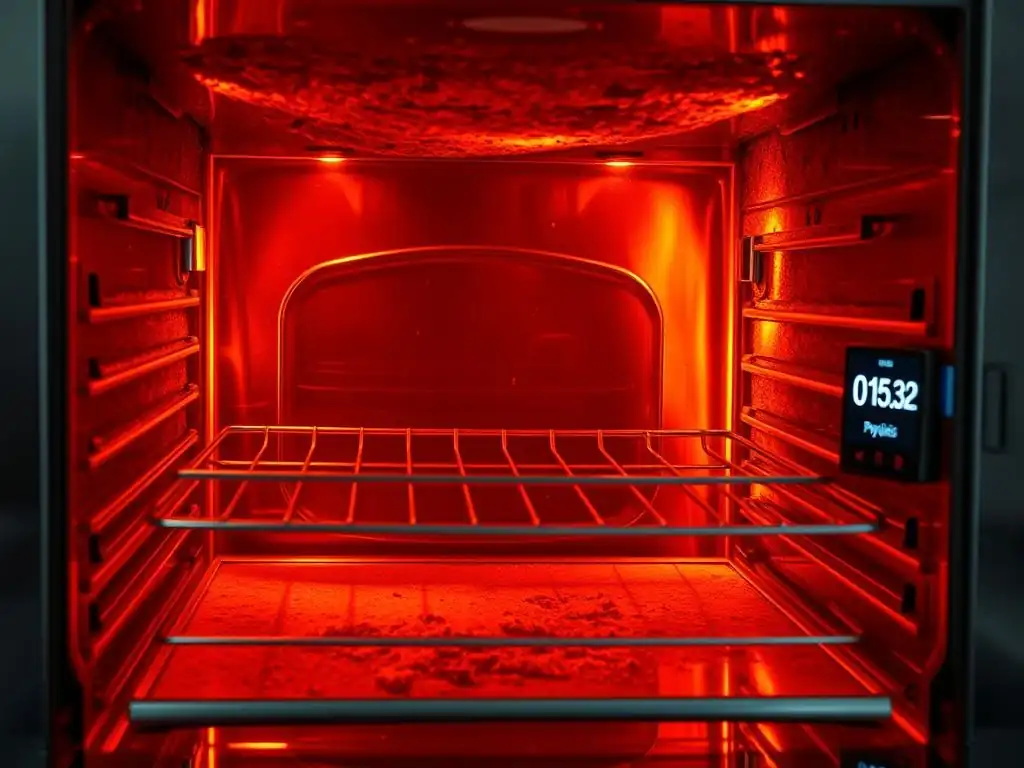
While not directly impacting baking performance, a reliable self-cleaning feature is a significant convenience for any oven owner, especially bakers who deal with spills and splatters. Most modern built-in ovens offer pyrolytic self-cleaning, which uses extremely high temperatures to burn away food residue, turning it into ash that can be easily wiped away. This saves considerable time and effort compared to manual cleaning.
Consider the different types of self-cleaning cycles offered – some have variable durations depending on the level of soil. Look for ovens where the racks are also self-cleaning or can withstand the high temperatures of the cleaning cycle. While the self-cleaning process can generate heat and odors, it's a valuable feature for maintaining a clean oven cavity, which can indirectly contribute to better baking by preventing residue from affecting air circulation or transferring odors. It's a practical feature that enhances the overall usability of the best built-in ovens bakers use frequently.
Smart Features and Connectivity
Many contemporary built-in ovens incorporate smart technology, offering features like Wi-Fi connectivity and integration with smart home ecosystems. While not strictly necessary for baking itself, these features can add convenience and enhance the baking workflow. For example, you might be able to preheat the oven remotely using a smartphone app, receive notifications when the timer is finished, or access recipe databases directly on the oven's display.
Some smart ovens offer features like guided cooking programs or compatibility with voice assistants. While these features might appeal more to tech-savvy users, they can simplify complex recipes or multitasking in the kitchen. Consider whether these conveniences align with your baking habits and preferences. While a smart oven isn't automatically one of the best built-in ovens bakers can buy, the integration of useful technology can certainly make the baking process more streamlined and enjoyable for many.
Baking Like a Pro: Tips for Using Your New Built-In Oven
Acquiring one of the best built-in ovens bakers can invest in is just the first step; mastering its capabilities is key to unlocking its full potential. Each oven has its own quirks and hot spots (though good built-in models minimize these), and understanding how your specific unit behaves will lead to consistently excellent results. Don't be afraid to experiment and refer to your oven's manual, as manufacturers often provide specific guidance on using different features and modes.
Learning to use your new oven effectively involves paying attention to temperature settings, understanding the benefits of convection, and maintaining the appliance properly. A well-maintained oven performs better and lasts longer. Treat your new built-in oven as a partner in your baking journey, and you'll be creating professional-quality treats in no time.
Mastering Temperature Settings
Understanding and accurately setting your oven's temperature is fundamental to baking success. Always preheat your oven fully before placing items inside. Most ovens indicate when the set temperature is reached, but the internal temperature may still be stabilizing, especially for larger ovens or higher temperatures. Waiting an extra 10-15 minutes after the indicator lights up can ensure the oven cavity and racks are uniformly heated.
Use an independent oven thermometer to verify your oven's accuracy. While modern digital controls are precise, slight variations can occur. If you notice a consistent difference, you may be able to calibrate your oven or simply adjust your recipes accordingly (e.g., if it runs 10°F hot, set it 10°F lower). Pay attention to recipe instructions regarding temperature and rack placement, as these are often optimized for standard oven performance.
Utilizing Convection for Optimal Results
Your built-in oven's convection feature is a powerful tool for bakers. For many items like cookies, pastries, and multiple trays of roasted vegetables, using the convection mode (especially true convection) will provide more even heating and potentially shorter cooking times compared to conventional bake. This allows you to fill the oven cavity more efficiently, baking several sheets of cookies simultaneously without needing to rotate them.
However, convection isn't ideal for all baking. Delicate items like soufflés, custards, or cakes baked in water baths might benefit from the gentler, less turbulent heat of conventional baking. Always refer to your recipe; some recipes are written specifically for convection ovens, while others assume conventional heat. If adapting a conventional recipe for convection, consider reducing the temperature by about 25°F and checking for doneness slightly earlier than the recipe suggests.
Cleaning and Maintenance for Longevity
Proper cleaning and maintenance are vital for keeping your built-in oven performing at its best for years to come. Regular wiping down of spills and splatters when the oven is cool can prevent buildup. Utilize the self-cleaning function as needed, following the manufacturer's instructions carefully, ensuring adequate ventilation during the process.
Beyond self-cleaning, periodically check the oven door seal (gasket) to ensure it's intact and creating a tight seal. A damaged seal can lead to heat loss, affecting temperature consistency. Clean the interior glass of the oven door if needed, as excessive buildup can make it hard to monitor baking progress. For stainless steel exteriors, use appropriate cleaners to avoid scratching. Treating your oven well ensures it remains one of the best built-in ovens bakers can rely on for delicious results.
Frequently Asked Questions
What makes a built-in oven ideal for dedicated bakers?
Built-in ovens offer temperature precision and even heat distribution, crucial for consistent baking results. They also often boast features like convection baking and proofing settings, beneficial for advanced recipes.
Are built-in ovens difficult to install in a kitchen?
Installation typically requires professional assistance, as they need to be wired directly into your home's electrical system. However, the result is a seamless, integrated kitchen design.
What are some key features to look for when choosing a built-in oven?
Consider features like convection capabilities, temperature range, self-cleaning functions, and oven capacity. Also, look for a model with an accurate thermostat for consistent baking.
How do built-in ovens compare to freestanding ovens for baking?
Built-in ovens generally offer better temperature control and more advanced features than freestanding models. Freestanding ovens are more portable, but built-in ovens offer superior baking performance.
What is the average lifespan of a built-in oven for frequent bakers?
With proper care and maintenance, a high-quality built-in oven can last between 10 to 15 years, even with frequent usage. Regular cleaning and occasional servicing are important for longevity.
Final Reflection: The Heart of the Home, Perfectly Baked
The pursuit of the perfect bake is a timeless endeavor, and the oven, its crucial instrument, has evolved alongside our culinary ambitions. Today, more than ever, the built-in oven is not just an appliance; it's a statement of culinary dedication, a reflection of personal style, and a key component in creating a truly welcoming home. Choosing the right one can significantly elevate the baking experience, transforming a simple act into a joyful, creative process.
The impact of a superior oven extends far beyond the immediate satisfaction of a perfectly risen loaf or flawlessly browned pastry. It influences the very atmosphere of the home, fostering gatherings around the aroma of freshly baked goods and creating lasting memories around shared culinary experiences. The kitchen is the heart of the home,
a familiar saying rings truer than ever when considering the role of a high-quality oven. It's where culinary passion is nurtured, and where the simple act of baking becomes a conduit for connection and joy.
Now, consider your own baking journey. What kind of oven best suits your needs and aspirations? Do you envision yourself creating elaborate cakes, delicate pastries, or rustic loaves? Take the time to reflect on your baking style and the features that truly matter to you. Investing in the right built-in oven isn't just about acquiring an appliance; it's about investing in your passion, your creativity, and the heart of your home. Let the journey of finding your perfect oven be as rewarding as the baking itself.
Unleash Your Inner Baker: Take the Next Step!
Thanks for diving deep into the world of built-in ovens! We hope you now feel equipped to find the perfect appliance for your baking journey. Ready to transform your kitchen and elevate your baking game?
- Find your perfect oven: Use the information from this article to research models and features that best suit your needs and budget. Don't hesitate to check out consumer reviews and compare specs!
- Share your baking passion: Tell us (and your fellow baking enthusiasts!) which oven caught your eye – or share your own favorite model in the comments below.
- Explore our community: Join our BakeWithEase forum for recipes, tips, and inspiration from fellow bakers. You might even discover your next baking adventure!
Ready to create your dream baking space? What feature is your top priority when choosing a built-in oven?