
Your Ultimate Guide: Choosing the Ideal Oven for Baking Success

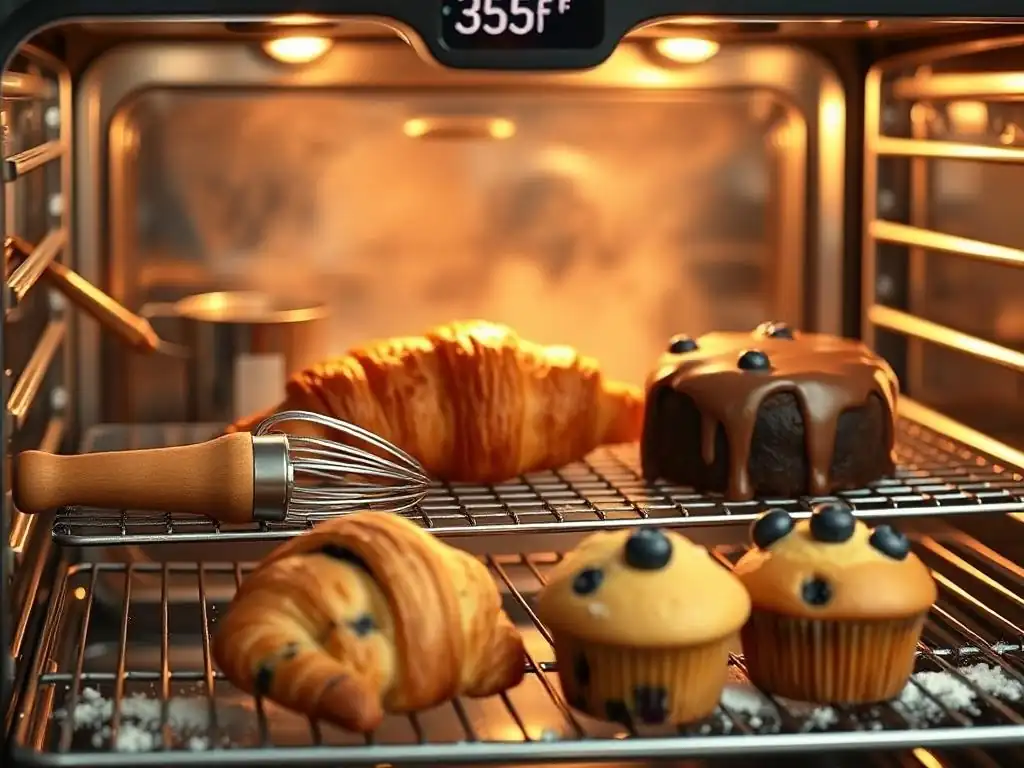
Welcome to BakeWithEase, your haven for baking mastery! Ever wondered if you're truly harnessing the power of your oven? Unlock the secrets to consistently perfect results with our guide to the best oven temperature for baking. Discover how to fine-tune your settings, avoid common pitfalls, and elevate your baking from good to unforgettable. Get ready to transform your kitchen and bake with confidence!
- Finding the Perfect Oven: BakeWithEase' Guide to Baking Success
- Understanding Oven Types and Their Impact on Baking
- Key Features to Consider When Choosing Your Baking Oven
- Understanding Optimal Baking Temperatures: A Deep Dive
- Top-Rated Ovens for Baking Enthusiasts: Our Recommendations
- Mastering Oven Placement and Usage for Optimal Baking
- Maintaining Your Oven for Long-Lasting Baking Performance
- Conclusion: Baking Success Starts with the Right Oven
-
Frequently Asked Questions
- What is the most common oven temperature used in baking, and why?
- How does oven temperature affect the texture of baked goods?
- Does the type of oven (convection vs. conventional) influence the best baking temperature?
- What are some signs that my oven temperature might be inaccurate?
- How can I calibrate my oven to ensure accurate baking temperatures?
- Final Reflection: The Perfect Bake Begins with the Perfect Oven
- Unleash Your Inner Baker: Ready to Bake Brilliantly?
Finding the Perfect Oven: BakeWithEase' Guide to Baking Success
Why Oven Choice Matters for Baking Perfection
Choosing the right oven is arguably one of the most critical decisions a baker can make, second only perhaps to ingredient quality. The oven isn't just a hot box; it's a complex system that dictates how heat is applied to your food, influencing everything from crust development on bread to the delicate rise of a soufflé.
An oven with poor temperature regulation or uneven heat distribution can turn a meticulously crafted recipe into a disappointing failure, regardless of how precisely you measured your flour or creamed your butter. For instance, attempting to achieve the best oven temperature for baking macarons in an oven that fluctuates wildly by 50 degrees Fahrenheit can lead to cracked shells or hollow interiors, frustrating even experienced bakers.
The internal environment of your oven – its size, insulation, heating elements, and airflow – directly impacts the chemical reactions happening within your dough or batter. Maillard reactions, responsible for browning and flavor development, and the leavening process, which gives baked goods their structure and lightness, are highly sensitive to temperature and time. An oven that maintains a stable, accurate temperature allows these processes to occur as intended by the recipe developer.
Conversely, an oven with significant hot spots means one side of your cake might burn while the other remains underbaked. Understanding how different oven types and features influence these factors is essential for consistently achieving the best results, whether you're aiming for the best oven temperature for baking a chewy cookie or a light, airy brioche.
Understanding Oven Types and Their Impact on Baking
Convection Ovens: Achieving Even Baking and Consistent Results
Convection ovens feature a fan, usually located at the back wall, that circulates air throughout the oven cavity. This forced air movement helps to distribute heat more evenly, reducing hot spots and allowing food to cook and brown more uniformly. This is particularly beneficial when baking multiple trays of cookies or roasting vegetables simultaneously, as the air circulation ensures consistent exposure to heat across all surfaces. For instance, a standard convection oven might circulate air at around 20 cubic feet per minute, significantly enhancing heat transfer compared to static air.
The constant circulation of hot air in a convection oven also means that food often bakes faster and at slightly lower temperatures than in a conventional oven. Many recipes suggest reducing the temperature by 25 degrees Fahrenheit (about 15 degrees Celsius) and checking for doneness earlier when using the convection setting. This efficiency can save time and energy.
However, the strong airflow can sometimes be too intense for delicate items like custards or some cakes, potentially causing uneven rising or a dry surface. Understanding when to use the convection setting and how to adjust times and temperatures is key to leveraging its benefits for tasks like achieving the best oven temperature for baking multiple batches simultaneously.
Conventional Ovens: A Classic Choice for Familiar Recipes
Conventional ovens, also known as radiant ovens, rely on heating elements (usually at the bottom and sometimes the top) to heat the air inside the oven cavity. Heat is transferred to the food primarily through radiation from the elements and the oven walls, and to a lesser extent through natural convection (hot air rising).
This is the traditional oven type most home bakers grew up with, and countless classic recipes are written specifically for its characteristics. The gentle, static heat is often preferred for delicate items that could be disturbed by forced air, such as soufflés, delicate sponges, or cheesecakes that require a humid environment.
While conventional ovens are simpler in design and often less expensive than their convection counterparts, they are prone to developing hot spots due to the lack of air circulation. This often necessitates rotating baking sheets halfway through the baking time to ensure even browning. The temperature can also fluctuate more significantly as the heating elements cycle on and off to maintain the set temperature.
Despite these characteristics, mastering a conventional oven allows bakers to successfully create a wide range of baked goods, and for many traditional recipes, the static heat provides the desired texture and rise. Achieving the best oven temperature for baking in a conventional oven often requires understanding its specific quirks and potential temperature variances.
Toaster Ovens: Compact and Convenient for Smaller Baking Needs
Toaster ovens are compact electric ovens designed for countertops. While often used for toasting bread or reheating leftovers, many modern toaster ovens, especially larger models, are capable of handling small baking tasks like baking a few cookies, a small batch of muffins, or a single-serving cake. Some even include convection fans and multiple cooking modes.
Their smaller size means they preheat quickly and are more energy-efficient for small jobs compared to heating a full-sized oven. A typical high-end toaster oven might have an internal volume of around 0.6 to 1.0 cubic feet, compared to a full-sized oven's 4 to 6 cubic feet.
However, the smaller cavity and closer proximity of heating elements in toaster ovens can make precise temperature control challenging. They are more susceptible to external temperature changes and can have significant temperature swings. Achieving the best oven temperature for baking in a toaster oven requires careful monitoring and often reducing baking times. While convenient for small quantities, they are generally not suitable for large baking projects or recipes that require very stable, specific temperatures over a long period.
Steam Ovens: Unleashing Moist and Delicious Bakes
Steam ovens, or combi-steam ovens (which combine steam with dry heat), introduce moisture into the baking environment. This is achieved by generating steam from a water reservoir or direct water line. The presence of steam significantly impacts the baking process, particularly for bread and pastries.
Steam keeps the surface of dough moist initially, allowing for maximum oven spring (the final burst of rising) before a crust forms. This results in a lighter, airier interior and a crispier, more professional-looking crust. For example, baking sourdough bread with steam in the first 15-20 minutes at around 450°F (230°C) is a common technique to achieve a superior crust and rise.
Beyond bread, steam can prevent cakes and custards from drying out, resulting in more tender and moist results. Some steam ovens offer varying levels of steam injection or allow you to combine steam with convection or radiant heat for optimal results across different recipes. While a significant investment, a steam oven provides unparalleled control over moisture, opening up new possibilities for achieving moist, flavorful bakes that are difficult to replicate in a dry-heat-only oven. Mastering the best oven temperature for baking with steam involves understanding how moisture affects heat transfer and cooking time.
Key Features to Consider When Choosing Your Baking Oven
Oven Size and Capacity: Baking for Yourself or a Crowd?
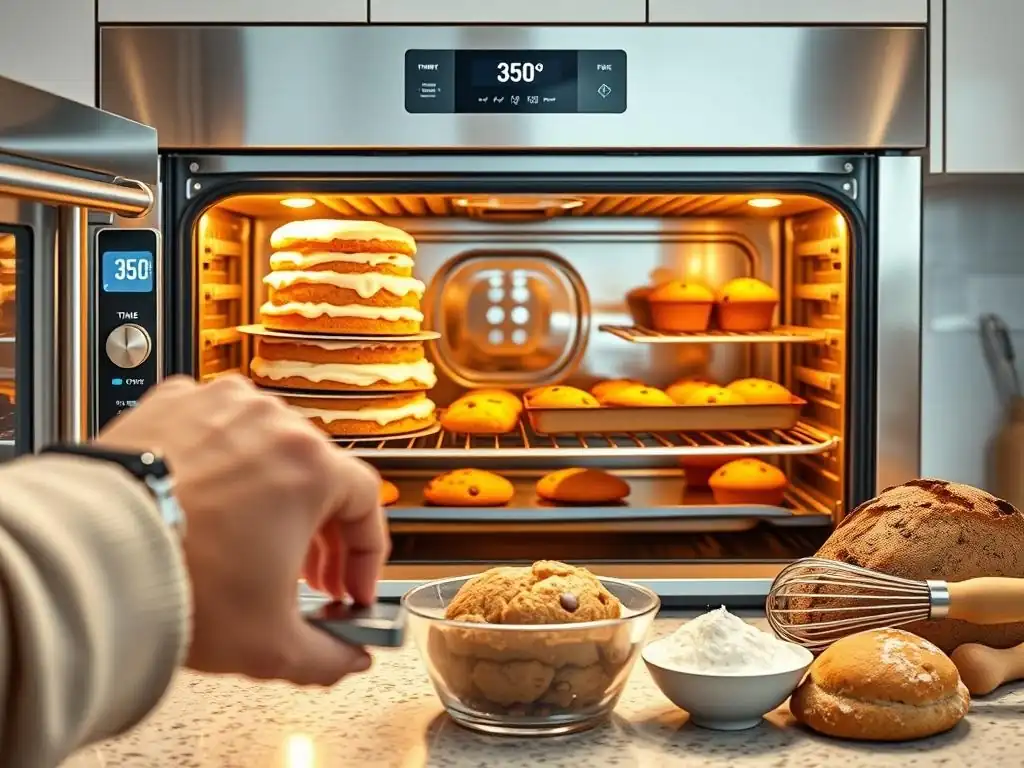
The internal volume of an oven dictates how much food you can bake at once and the size of baking pans it can accommodate. Standard single ovens typically range from 4 to 6 cubic feet, offering enough space for multiple racks and large roasts or sheet cakes. Double ovens, often found in professional kitchens or large homes, provide two separate cavities, allowing you to bake different items simultaneously at different temperatures, or handle very large batches. For a family that bakes frequently or entertains often, a larger capacity or double oven might be essential.
Conversely, if you primarily bake for one or two people or have limited kitchen space, a compact oven, range oven (which is the standard size built into a stove), or even a high-capacity toaster oven might be sufficient. Consider the largest items you typically bake – will a full-sized baking sheet fit comfortably with adequate space around it for heat circulation?
For instance, a standard half-sheet pan measures about 18x13 inches. Ensure the oven racks and cavity can accommodate this size with at least an inch or two of clearance on all sides for proper airflow, crucial for achieving the best oven temperature for baking evenly.
Temperature Control: Maintaining Optimal Baking Temperatures
Precise and stable temperature control is paramount for consistent baking results. An oven that accurately holds the set temperature minimizes guesswork and reduces the risk of under or over-baking. Look for ovens with electronic temperature controls, which are generally more accurate than older mechanical dials. The quality of the thermostat and insulation plays a significant role in how well the oven maintains temperature.
Precision Temperature Settings: Achieving Consistent Results
Modern ovens often offer precise temperature settings, allowing you to set the temperature in 5-degree increments, or sometimes even 1-degree increments on high-end models. This level of granularity is crucial when a recipe calls for a specific temperature, such as baking delicate meringues at a low 200°F (90°C) or achieving a perfectly crisp pizza crust at a scorching 500°F (260°C) or higher. The ability to dial in the exact temperature required helps ensure that the chemical and physical changes happening in your bake proceed as intended, contributing significantly to achieving the best oven temperature for baking any specific item.
Consistent Heat Distribution: Avoiding Hotspots and Uneven Baking
Even if an oven hits the target temperature, uneven heat distribution can lead to frustrating results. Hotspots occur when certain areas of the oven cavity are significantly hotter than others, often due to the location of heating elements or poor air circulation. This is why rotating pans is a common practice in many ovens.
Ovens with multiple heating elements (top and bottom, and sometimes sides) and good insulation tend to have better heat distribution. Convection fans are specifically designed to combat this issue by circulating air and homogenizing the temperature throughout the cavity. Testing your oven with a simple bake, like a tray of biscuits or cookies, can quickly reveal if it suffers from significant hotspots – some will brown much faster than others.
Oven Settings and Baking Modes: Tailoring Your Oven to Your Recipes
Beyond basic baking, modern ovens offer a variety of settings and modes designed to optimize results for specific types of food or cooking techniques. Understanding these modes helps you leverage your oven's full potential.
Bake Mode: The Foundation of All Baking
This is the standard mode in most ovens, typically using heating elements at the bottom and sometimes the top to generate heat. It relies on radiant heat and natural convection. This is the default setting for most cakes, cookies, muffins, and casseroles. When a recipe simply says "bake," this is usually the mode assumed. Mastering the best oven temperature for baking in this mode is fundamental.
Broil Mode: Achieving Perfect Browning
The broil setting primarily uses the top heating element at a very high temperature, providing intense direct heat from above. It's ideal for browning the top of dishes, melting cheese, or finishing gratins. It's not typically used for baking through, but rather for adding a final touch of color and texture.
Convection Bake: Speeding Up Baking and Enhancing Browning
This mode combines the standard bake elements with the convection fan. The circulating hot air cooks food faster and promotes more even browning and crisping. It's excellent for roasting vegetables, baking multiple trays of cookies, or achieving a crisp crust on pies and pastries. Remember to consider reducing temperature and time when using this mode. Using convection can help achieve the best oven temperature for baking certain items more efficiently.
Proofing Mode: Creating the Ideal Environment for Yeast Doughs
Some ovens offer a dedicated proofing mode, which maintains a low, consistent temperature (typically around 80-95°F or 27-35°C) and often introduces a small amount of moisture. This creates the perfect warm, humid environment for yeast doughs to rise, leading to a lighter texture in breads and rolls.
Self-Cleaning Features: Simplifying Post-Baking Cleanup
While not directly impacting baking performance, self-cleaning features significantly simplify oven maintenance. Pyrolytic self-cleaning uses extremely high temperatures (often exceeding 800°F or 425°C) to incinerate food residues into ash, which can then be simply wiped away. Steam cleaning is a lower-temperature option that uses steam to loosen grime, making it easier to wipe clean. Consider how much you bake and how much you dread cleaning when evaluating this feature; it can be a real time-saver.
Understanding Optimal Baking Temperatures: A Deep Dive
Understanding and achieving the best oven temperature for baking is crucial for success. Each recipe relies on specific temperature ranges to ensure ingredients react correctly, resulting in the desired texture, rise, and browning.
Understanding Temperature Fluctuations and Their Effects on Baked Goods
Even in the best ovens, some temperature fluctuation is normal as the heating elements cycle on and off. However, significant swings (more than 15-20°F or about 8-11°C from the set temperature) or persistent hot/cold spots can dramatically impact baking. For example, if your oven dips too low when baking bread, you might lose oven spring.
If it spikes too high when baking delicate cookies, they might spread too much or burn around the edges before the center is cooked. Using an external oven thermometer is highly recommended to check your oven's true temperature and understand its typical fluctuations. A consistent temperature, even if slightly off from the dial setting, is often preferable to a wildly fluctuating one.
Calibrating Your Oven: Ensuring Accurate Temperature Readings
If your external oven thermometer consistently shows a significant difference (more than 25°F or 15°C) from the temperature set on the dial, your oven may need calibration. Many modern ovens have a manual calibration setting you can access through the control panel to adjust the reported temperature up or down. Consult your oven's manual for specific instructions. If manual calibration isn't possible or doesn't resolve the issue, professional service may be required. Knowing your oven's true temperature is essential for adapting recipes or achieving the best oven temperature for baking reliably.
Recommended Baking Temperature Guides for Different Recipes
While recipes provide specific temperatures, understanding general ranges for different baked goods can be helpful.
Best Temperature for Baking Cakes
Most cakes are baked at moderate temperatures, typically between 325°F (160°C) and 375°F (190°C). Lower temperatures (325°F) are often used for larger cakes or those with delicate batters to ensure even cooking without drying out the edges before the center is done. Higher temperatures (350-375°F) are common for standard layer cakes and cupcakes, promoting a good rise and even crumb.
Best Temperature for Baking Cookies
Cookie temperatures vary widely depending on the desired outcome. For chewy cookies, temperatures around 350°F (175°C) are common. For crispier cookies, a slightly lower temperature like 325°F (160°C) for a longer time, or a higher temperature like 375-400°F (190-200°C) for a shorter time, can be used. The best oven temperature for baking cookies often depends on the thickness and desired texture.
Best Temperature for Baking Breads
Bread baking typically uses higher temperatures, often starting at 400-450°F (200-230°C) or even higher, especially for artisan loaves that benefit from initial high heat for oven spring. Lean doughs (flour, water, yeast, salt) often bake at higher temperatures than enriched doughs (containing milk, eggs, butter, sugar), which may burn at very high heat. The best oven temperature for baking bread also depends on the size of the loaf and whether steam is used.
Top-Rated Ovens for Baking Enthusiasts: Our Recommendations
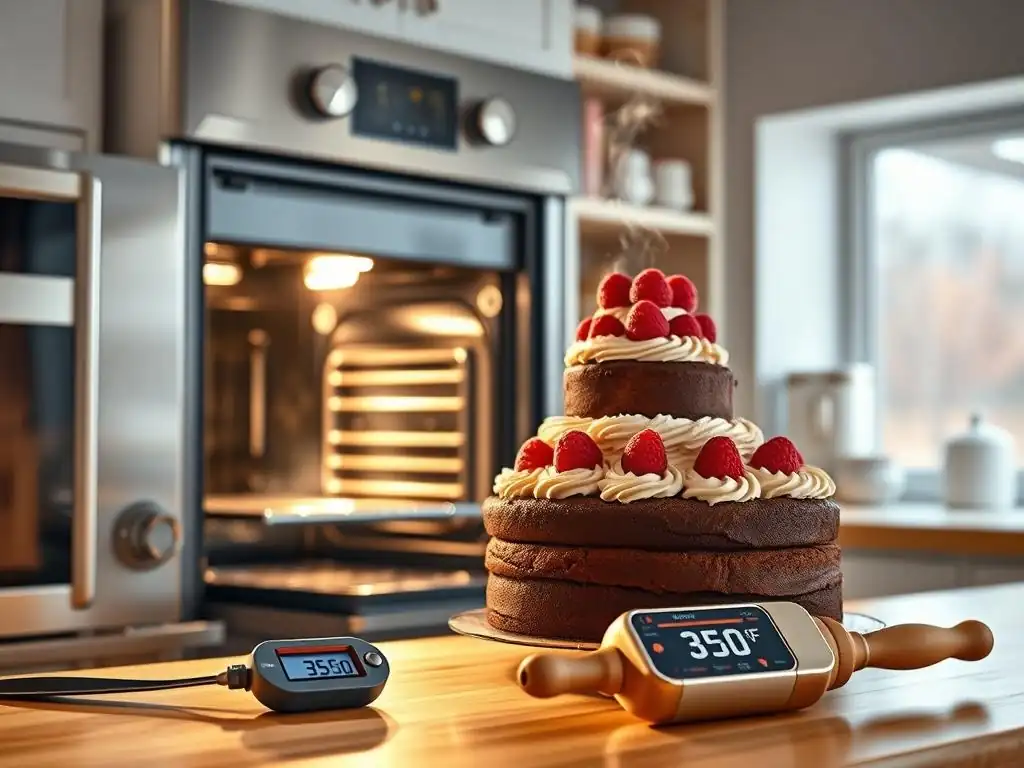
Choosing a new oven is a significant decision. Based on features valued by bakers, here are a few options often highly regarded.
Option 1: Breville BOV800XL Smart Oven Pro - Convection Powerhouse
Features and Benefits: Precise temperature control, Element IQ technology,
This countertop oven is renowned for its precision. The Element IQ technology uses smart algorithms to direct power to where it's needed most across five quartz heating elements, ensuring heat is delivered accurately and consistently. It offers 10 cooking functions, including Bake, Broil, Roast, Cookies, Pizza, and Proof. The internal volume is about 0.8 cubic feet, large enough for a 13-inch pizza or a small roast chicken.
Why it's Great for Baking: Consistent heat, multiple baking modes, easy-to-use interface
Bakers praise the BOV800XL for its ability to maintain stable temperatures, crucial for finicky recipes. The convection fan ensures even browning, and the dedicated "Cookies" and "Proof" settings take the guesswork out of these specific tasks. Its compact size means it preheats quickly, making it ideal for smaller baking projects without heating up a large kitchen. It consistently delivers reliable results, helping users achieve the best oven temperature for baking a variety of items.
Option 2: KitchenAid KCO275SS Countertop Oven - The Versatile Choice
Features and Benefits: Convection baking, large capacity,
This KitchenAid countertop oven boasts a generous 1.4 cubic foot capacity, making it one of the larger models in its class, able to fit a 9x13 inch baking pan. It features convection technology and offers 9 cooking functions, including Bake, Convection Bake, Broil, Toast, and Warm. It has a digital display and controls for setting temperature and time.
Why it's Great for Baking: Even baking, multiple functions, convenient size
Its larger capacity is a major plus for bakers who want the convenience of a countertop oven but need to bake slightly bigger batches or use standard bakeware. The convection feature helps ensure even results, important when filling the cavity with a larger pan.
The range of functions makes it a versatile tool for more than just baking, but its performance in baking tasks like cakes and cookies is often highlighted by users. It offers a good balance of size, features, and performance for many home baking needs, supporting efforts to find the best oven temperature for baking small to medium batches.
Option 3: GE JTS5000SNSS Electric Oven - The Professional's Choice
Features and Benefits: True European Convection, Self-Clean with Steam Clean Option,
This built-in electric single oven offers a substantial 5.0 cubic feet of capacity. Its standout feature is True European Convection with Direct Air, which uses a third heating element surrounding the convection fan to circulate preheated air evenly throughout the oven cavity. It includes a variety of baking modes and a robust self-cleaning system.
Why it's Great for Baking: Even baking across multiple racks, powerful performance
The True European Convection system is highly effective at eliminating hot spots and ensuring consistent baking results, even when using multiple racks simultaneously – a significant advantage when baking large quantities of cookies or multiple cake layers. The powerful heating elements allow it to reach and maintain high temperatures accurately, making it suitable for everything from delicate meringues to rustic bread. Its large size and even heat distribution make it a top choice for serious home bakers who require reliable performance for larger batches and complex recipes, helping them dial in the best oven temperature for baking consistently.
Mastering Oven Placement and Usage for Optimal Baking
Beyond choosing the right oven, how you use and place it in your kitchen can impact performance.
Proper Oven Ventilation: Ensuring Safe and Efficient Operation
Ovens generate significant heat and often moisture or steam, especially during baking. Proper ventilation is crucial for safety, kitchen comfort, and the oven's performance. Built-in ovens require adequate clearance around them as specified by the manufacturer for airflow and cooling.
Range hoods above stovetop/oven combinations pull smoke, steam, and heat out of the kitchen. For countertop ovens, ensure they have sufficient space around them (typically 4-6 inches) and are not placed directly against walls or under cabinets that could be damaged by heat or obstruct vents. Good ventilation helps dissipate heat and prevents moisture buildup, which can affect the baking environment and potentially warp cabinets over time.
Rack Placement: Maximizing Heat Distribution for Specific Recipes
Rack placement within the oven cavity significantly affects how heat interacts with your bake. Generally, the center rack is the most versatile position as it benefits from relatively even heat from both the top and bottom elements (in conventional mode) and is in the path of circulating air (in convection mode). However, specific recipes may call for different placements:
- Lower racks: Closer to the bottom element, ideal for browning the bottom crust of pies or pizzas.
- Upper racks: Closer to the top element, good for browning the top of casseroles or achieving a crispy finish.
- Multiple racks: When baking on multiple racks, especially in a conventional oven, you often need to rotate pans halfway through baking to ensure even results. In a good convection oven, even multi-rack baking can be quite even.
Understanding your oven's heat distribution (perhaps by baking a simple test batch) helps you determine the best rack placement for achieving the desired results for different items and optimizing the best oven temperature for baking on different levels.
Tips for Achieving the Ideal Baking Temperature Every Time
- Use an Oven Thermometer: Verify your oven's actual temperature. Dials can be inaccurate. Place a simple oven thermometer on the center rack and check it after the oven has preheated for at least 15-20 minutes.
- Allow Adequate Preheat Time: Don't rush preheating. Ovens need time not just to reach the set air temperature but also for the oven walls and racks to heat up. This radiant heat is important for even baking. Most ovens take 15-20 minutes, some longer to fully stabilize.
- Minimize Opening the Door: Each time you open the oven door, the temperature inside can drop by 25-50°F (15-30°C). Avoid peeking too often, especially during the critical rising phase of cakes and soufflés. Use the oven light to check on your bake.
- Don't Crowd the Oven: Ensure there is sufficient space around your baking pans for air circulation (at least 1-2 inches). Overcrowding can block airflow and lead to uneven baking.
- Know Your Oven's Quirks: Every oven is different. Does yours have a hot spot in the back left corner? Does the temperature consistently run 10 degrees low? Adjusting your techniques (like rotating pans or slightly altering the set temperature) based on your oven's specific behavior is key to consistent success and finding the true best oven temperature for baking in your appliance.
Maintaining Your Oven for Long-Lasting Baking Performance
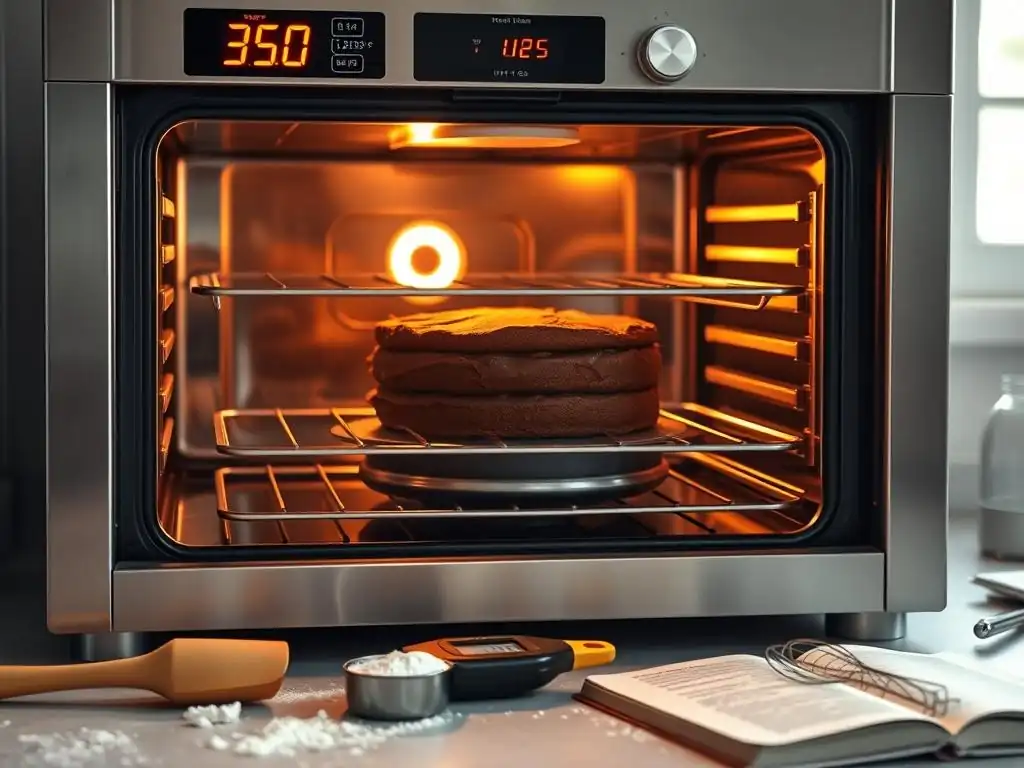
Proper maintenance ensures your oven continues to perform accurately and safely for years to come.
Regular Cleaning: Preventing Buildup and Ensuring Accuracy
Food spills and grease buildup inside the oven don't just look unsightly; they can affect performance. Burnt-on residue can cause smoke, impart off-flavors to your food, and even create cold spots by insulating the oven floor or walls. Regular cleaning, whether through manual scrubbing, steam cleaning, or using the self-cleaning cycle, is essential. For example, wiping up spills as they happen prevents them from baking on and becoming much harder to remove. A clean oven reflects heat more efficiently and accurately, contributing to more consistent baking results and helping maintain the best oven temperature for baking.
Troubleshooting Common Oven Problems: Temperature Inconsistencies and More
Common oven problems include temperature inaccuracies, uneven heating, and issues with heating elements. If your oven consistently bakes unevenly or doesn't match the temperature on an external thermometer despite calibration attempts, the thermostat or heating elements might be failing. If a heating element isn't glowing red when it should be, it may need replacement.
Strange noises could indicate issues with the convection fan. Many minor issues can be diagnosed and sometimes fixed (like recalibrating), but for significant problems affecting performance or safety, consulting a qualified appliance repair technician is advisable to ensure your oven can reliably achieve the best oven temperature for baking.
Conclusion: Baking Success Starts with the Right Oven
Choosing the Best Oven for Your Baking Needs: A Recap
Selecting the ideal oven is a foundational step toward consistent baking success. Consider the types of baking you do most often, the volume of baking, your available kitchen space, and your budget. Evaluate oven types (conventional, convection, steam, toaster oven) based on their heat characteristics and how they align with your preferred recipes.
Pay close attention to features like temperature control accuracy, even heat distribution, capacity, and useful baking modes like convection bake or proofing. While advanced features are great, the most critical factor is an oven that can reliably reach and maintain the best oven temperature for baking your specific creations.
BakeWithEase: Your Partner in Baking Excellence.
At BakeWithEase, we believe that with the right tools and knowledge, anyone can achieve baking perfection. Choosing the best oven temperature for baking is just one piece of the puzzle, but it's a vital one. We provide the guides, recipes, and tips you need to master your equipment and bake with confidence. Whether you're just starting out or refining your skills, let us help you make every bake a success.
Frequently Asked Questions
What is the most common oven temperature used in baking, and why?
The most common temperature is typically around 350°F (175°C). This temperature provides a balance between even cooking and preventing burning, suitable for many recipes.
How does oven temperature affect the texture of baked goods?
Oven temperature significantly impacts texture. High temperatures can result in a crispy exterior but potentially undercooked interior, while lower temperatures lead to a softer, but potentially denser product.
Does the type of oven (convection vs. conventional) influence the best baking temperature?
Yes, it does. Convection ovens typically bake faster and more evenly due to circulating air. It's often recommended to reduce the temperature by 25°F (15°C) when using a convection oven.
What are some signs that my oven temperature might be inaccurate?
Signs include uneven browning, baked goods taking longer or shorter to cook than the recipe suggests, or items being burnt on the outside but raw inside. An oven thermometer is highly recommended.
How can I calibrate my oven to ensure accurate baking temperatures?
Use an oven thermometer to check the actual temperature against the set temperature. If there's a discrepancy, adjust the oven's calibration settings (refer to your oven's manual) or contact a professional for repair.
Final Reflection: The Perfect Bake Begins with the Perfect Oven
Choosing the right oven is not merely about temperature; it's about unlocking the potential for baking mastery. The ideal oven temperature for baking, as explored throughout this guide, is less a fixed number and more a nuanced understanding of your equipment's capabilities and your baking style. This understanding, as we've seen, directly impacts the texture, flavor, and overall success of your baked goods.
The quest for the perfect bake transcends mere functionality; it's a journey of culinary exploration and self-discovery. The impact of oven technology on our kitchens and our culinary traditions is profound. From the simple hearth oven to the modern convection models, the evolution reflects our changing relationship with food and the artistry of baking. Baking is at once a science and an art; it's a journey of precision and passion.
This quote encapsulates the essence of what we've discussed, highlighting the importance of both technical knowledge and intuitive understanding in achieving baking excellence.
Now, consider your own baking journey. What have you learned about your oven, its quirks, and its strengths? What new techniques will you try, armed with this knowledge? I encourage you to experiment, to embrace the imperfections, and to find joy in the process of creating something delicious. The perfect bake awaits – not just in the ideal temperature, but in your own dedication and passion for the craft.
Unleash Your Inner Baker: Ready to Bake Brilliantly?
Thanks for joining us on this baking journey! We hope you've gained the confidence to choose the perfect oven for your culinary creations. Now it's time to put that knowledge into action!
- Find your dream oven: Use the criteria we discussed to browse local appliance stores or online retailers. Don't be afraid to compare models and features! This is your chance to upgrade your baking game.
- Share your baking journey: Tell us (and your friends!) which oven you chose and why! Share your experiences, pictures of your latest creations, or even ask questions in the comments below. Let's build a supportive baking community!
- Bake something amazing! Pick your favorite recipe, preheat your new oven, and enjoy the process. We're excited to see your baking triumphs.
What delicious masterpiece will you bake first with your new oven?