
Stand Mixers with Variable Speed Control: Mastering Delicate to Tough Tasks

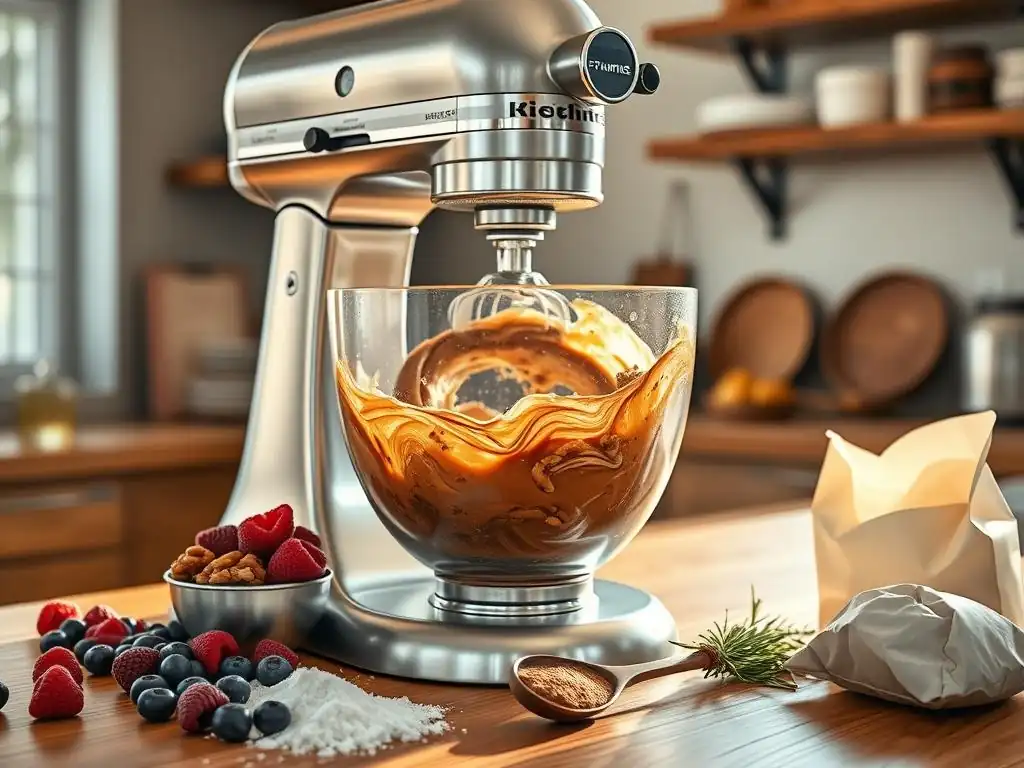
Welcome to BakeWithEase, your haven for baking brilliance! Are you ready to unlock the full potential of your variable speed stand mixer? This guide delves into using your mixer to create perfect results, from delicate meringues to sturdy doughs. Discover how to master variable speed stand mixer recipes and elevate your baking game. Intrigued? Let's get started!
Welcome to the world of baking where precision is key! A stand mixer is an indispensable tool for any home baker, significantly reducing effort and opening up a world of culinary possibilities. But not all stand mixers are created equal. One feature that truly sets apart a good mixer and elevates your baking results is variable speed control. This allows you to gently coax delicate ingredients together or powerfully knead tough doughs, making it essential for achieving perfect textures and consistencies in countless variable speed stand mixer recipes.
- Why Variable Speed Control is Crucial for Stand Mixer Recipes
- Understanding Stand Mixer Speed Settings for Baking Success
- Top Stand Mixers with Variable Speed Control: A Comparison
-
Variable Speed Stand Mixer Recipes: From Delicate to Dense
- Mastering Meringue: Achieving Stiff Peaks with Low-Speed Precision
- Whipping Cream Perfection: Avoiding Over-Mixing with Controlled Speed
- Baking Light and Airy Cakes: Incorporating Air Without Over-Mixing
- Kneading Sturdy Bread Dough: Handling Dense Doughs with Powerful Low Speeds
- Cookie Dough Consistency: Preventing Tough Cookies with Proper Speed
- Choosing the Right Variable Speed Stand Mixer for Your Baking Needs
- Maximizing Your Stand Mixer's Potential: Tips and Tricks
- Where to Buy Your Variable Speed Stand Mixer: Best Deals and Retailers
-
Frequently Asked Questions
- How can a variable speed stand mixer improve my baking when working with delicate ingredients?
- What types of baking tasks benefit most from the precision of a variable speed stand mixer?
- Are there specific recipes that are exclusively suited for variable speed stand mixers?
- Can I use my variable speed stand mixer for tougher baking tasks like kneading bread dough?
- How do I determine the optimal speed setting on my variable speed stand mixer for a particular recipe?
- Final Reflection: The Sweet Science of Control
- Unleash Your Inner Baking Maestro!
Why Variable Speed Control is Crucial for Stand Mixer Recipes
Baking is often a science, and the speed at which you mix ingredients can dramatically affect the final outcome. From incorporating air into a light batter to developing gluten in a heavy dough, having granular control over your mixer's speed is paramount. A stand mixer with variable speed control gives you the finesse needed for delicate tasks and the power for demanding ones, ensuring your variable speed stand mixer recipes turn out just right every time.
Achieving Baking Perfection with Precise Speed Adjustments
Precise speed adjustments are the secret weapon for many professional bakers, and variable speed control brings this capability into your home kitchen. When making something as airy as a chiffon cake or as delicate as a French macaron, starting on a very low speed helps to gently combine dry and wet ingredients without developing too much gluten or splattering flour everywhere.
As you progress, you can gradually increase the speed to incorporate air or emulsify mixtures, hitting that sweet spot between undermixing and overmixing. For instance, whipping egg whites requires a slow start to break them down, followed by a gradual increase to medium-high speed to build stable foam, a task only truly mastered with smooth, variable speed transitions.
Consider the difference between a mixer with just 3 fixed speeds and one with 10 or more variable steps. With fewer options, you might jump from "stir" to "whip" too quickly, potentially deflating a delicate batter or toughening a cookie dough. A variable speed stand mixer, however, allows you to fine-tune the speed, increasing it incrementally.
This gives you greater control over the mixing process, whether you're making a light sponge cake requiring careful incorporation of air or a rich brioche dough needing thorough, consistent kneading at a low speed to develop structure without overworking it. This granular control is fundamental for executing complex variable speed stand mixer recipes flawlessly.
The Impact of Variable Speed on Different Doughs and Batters
The consistency and composition of doughs and batters vary widely, and the correct mixing speed is critical for each type. For light batters like those for pancakes or muffins, a low to medium speed is usually sufficient to combine ingredients without overdeveloping gluten, which can lead to tough results. Overmixing these batters, especially with higher speeds, can activate too much gluten, resulting in baked goods that are dense and rubbery rather than light and tender. A variable speed mixer allows you to use just enough speed to get the job done efficiently without risking overdevelopment.
Conversely, for heavy doughs like bread or pizza dough, a low speed is typically used for kneading with a dough hook. High speeds can overheat the dough, stress the motor, and potentially tear the gluten structure you are trying to develop.
A powerful stand mixer with robust variable speed control can maintain a consistent, low speed even under heavy load, efficiently developing the gluten network needed for a well-risen, chewy loaf. The ability to control speed precisely means you can adapt your mixing technique to the specific hydration and protein content of the flour, optimizing gluten development for superior texture, which is key for many variable speed stand mixer recipes involving yeast doughs.
Understanding Stand Mixer Speed Settings for Baking Success
Navigating the various speed settings on your stand mixer can seem daunting at first, but understanding what each setting is best suited for is crucial for maximizing your mixer's potential. Variable speed control gives you a spectrum of options, from the slowest stir to the fastest whip, each designed for specific tasks in your variable speed stand mixer recipes.
Deciphering the Speed Dial: A Beginner's Guide
Most stand mixers with variable speed control feature a dial or lever with numbered settings, often ranging from 1 to 10 or even higher. Speed 1, or the lowest setting, is typically a very slow stir. This is perfect for gently combining dry ingredients with wet, incorporating the last bit of flour into a batter, or starting to mix heavy doughs to prevent ingredients from flying out of the bowl. It's also essential for tempering eggs into hot mixtures or starting meringue to break up the egg whites.
As you move up the speed dial, each increment represents a faster rotation of the attachment. Medium speeds (typically 4-6) are ideal for creaming butter and sugar, beating cake batters, mixing cookie doughs, and mashing potatoes. Higher speeds (7-10+) are reserved for tasks requiring significant air incorporation, such as whipping cream, making meringue from egg whites, or whipping frosting until light and fluffy. Understanding this general progression allows you to approach any new variable speed stand mixer recipe with confidence, knowing which speed range to start with based on the required task.
Matching Speed to Task: From Whipping Cream to Kneading Dough
Matching the correct speed to the specific task is fundamental to achieving desired baking outcomes. For instance, whipping cream requires a gradual increase from medium-low to high speed; starting too fast can cause splattering, while jumping straight to high might over-whip before you can react. A variable speed stand mixer lets you slowly increase the speed until the cream begins to thicken, then ramp it up to achieve stiff peaks, stopping precisely when done.
Kneading bread dough, on the other hand, is best done at a low speed (typically 2 on many mixers) with a dough hook. This speed allows the gluten to develop gradually and evenly without overheating the dough or straining the motor. Attempting to knead at higher speeds can result in a tough, overworked dough and potentially damage the mixer over time.
Similarly, incorporating delicate folds into a batter, like adding whipped egg whites to a soufflé base, is best done with the mixer on its absolute lowest setting or even manually, but the lowest speed on a variable control mixer offers a helpful starting point for gentle incorporation. Mastering these speed-to-task pairings is key to executing variable speed stand mixer recipes successfully.
Top Stand Mixers with Variable Speed Control: A Comparison
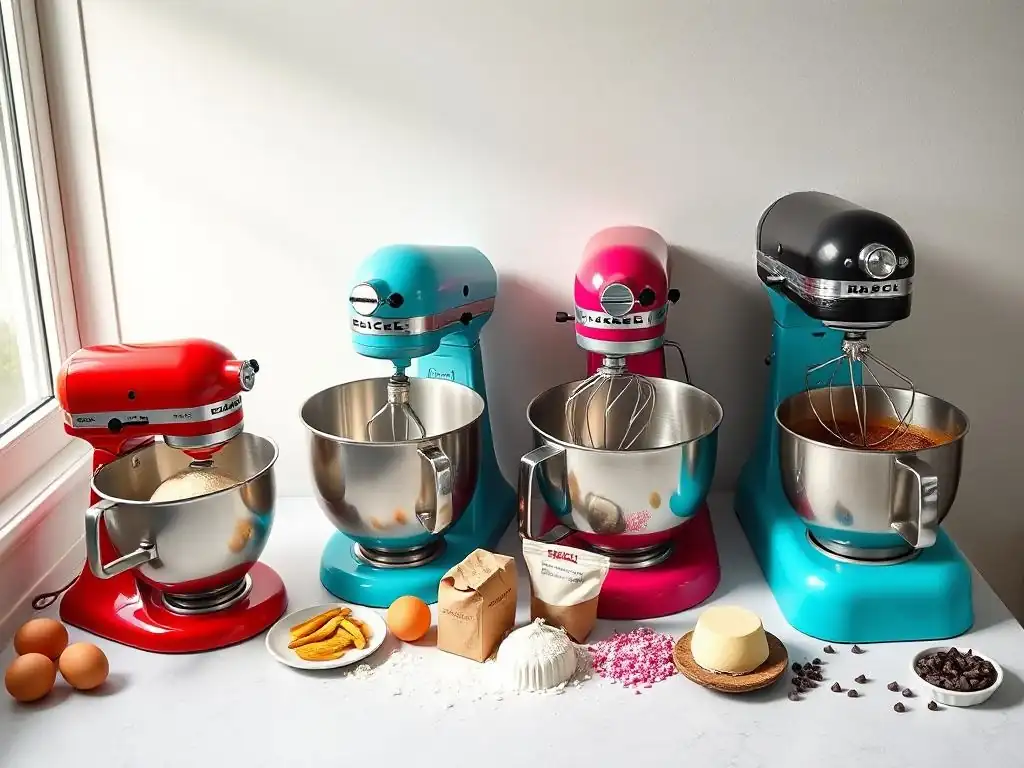
Choosing the right stand mixer can be a significant investment, and focusing on models with excellent variable speed control is wise for serious bakers. Several popular brands offer mixers with this feature, each with its own strengths and weaknesses. Let's look at some well-regarded options and how their variable speed capabilities measure up, keeping in mind their suitability for various variable speed stand mixer recipes.
KitchenAid Artisan Series: A Versatile Baking Companion
The KitchenAid Artisan Series is arguably the most iconic stand mixer line, known for its durability, wide range of colors, and extensive attachment compatibility. Most models feature a 10-speed slide control, offering distinct speed settings from 1 (stir) to 10 (whip). While not infinitely variable, these 10 steps provide excellent control for most baking tasks, making it a reliable choice for a wide array of variable speed stand mixer recipes.
KitchenAid Artisan Features & Benefits: Highlighting Variable Speed Performance
KitchenAid Artisan mixers typically feature a 325-watt motor (though some variations exist) and a planetary mixing action that ensures the beater reaches all parts of the bowl. The 10-speed slide control, while not stepless, offers well-defined increments that are intuitive to use. Speed 1 is genuinely slow and effective for initial mixing or gentle folding. Speeds 2-6 cover the range for creaming, beating, and mixing cookie doughs.
Speeds 7-10 provide the power needed for whipping egg whites and cream to stiff peaks. The transition between speeds is relatively smooth, preventing sudden jumps that could disrupt delicate mixtures. This reliable speed control, combined with the mixer's robust build, makes it a favorite for everyday baking and tackling diverse variable speed stand mixer recipes.
KitchenAid Artisan Cons: Price Point and Size Considerations
One of the main drawbacks of the KitchenAid Artisan is its price; it represents a significant investment compared to some entry-level mixers. Prices typically range from $350 to $450 depending on the retailer and specific model/color. While the 5-quart bowl size is versatile, the unit itself is relatively large and heavy, requiring dedicated counter space. For bakers with limited kitchen real estate, this can be a consideration. Additionally, while the 10 speeds are generally sufficient, some users might prefer the truly infinite variability offered by some other brands for ultra-fine control.
Cuisinart SM-50 Stand Mixer: Power and Precision
Cuisinart's SM-50 (and similar models like the SM-70) offers a compelling alternative with a focus on powerful performance and precise speed control. It often features a higher wattage motor than comparable KitchenAid models and boasts 12 speed settings, providing even finer control over the mixing process. This makes it well-suited for both delicate tasks and heavier doughs, expanding the range of variable speed stand mixer recipes you can confidently tackle.
Cuisinart SM-50 Advantages: Powerful Motor and Smooth Speed Transitions
The Cuisinart SM-50 typically comes with a 500-watt motor, offering more power than the standard KitchenAid Artisan. This extra power is beneficial when dealing with stiff doughs or large batches. The mixer features 12 speed settings, offering more granular control than the 10 speeds found on many competitors.
The speed dial allows for smooth transitions between settings, which is particularly helpful when gradually increasing speed for whipping or aeration. This combination of power and fine-tuned speed control makes the Cuisinart SM-50 a strong contender for bakers who frequently work with demanding variable speed stand mixer recipes or require precise mixing.
Cuisinart SM-50 Disadvantages: Attachment Compatibility
While the Cuisinart SM-50 performs well in its core mixing functions, its main disadvantage is the more limited range of available attachments compared to the vast ecosystem offered by KitchenAid. While essential attachments like pasta rollers or meat grinders are available, the selection isn't as extensive. If you anticipate wanting a wide variety of specialized attachments beyond the standard whisk, paddle, and dough hook, you might find the Cuisinart ecosystem less comprehensive. The price point is often competitive with, or slightly lower than, the KitchenAid Artisan, typically ranging from $200 to $300.
Breville Bakery Chef BEM825: Designed for the Serious Baker
Breville positions its Bakery Chef series, like the BEM825, towards more serious home bakers, incorporating features aimed at precision and performance. These mixers often feature powerful motors, electronic speed control, and unique features like load sensing technology to maintain consistent speed under heavy loads. This focus on consistent, variable speed makes it an excellent tool for demanding variable speed stand mixer recipes.
Breville Bakery Chef Strengths: Load Sensing Technology and Precise Speed Control
The Breville Bakery Chef BEM825 boasts a powerful 1200-watt motor and utilizes electronic speed control with 12 settings, plus a pause function. A standout feature is its load sensing technology, which detects when the motor is struggling under a heavy load (like dense bread dough) and automatically adjusts power to maintain the selected speed. This ensures consistent mixing and kneading, crucial for proper gluten development and preventing motor strain.
The precise speed control, combined with the powerful motor and load sensing, makes it exceptionally capable for tackling large batches and challenging variable speed stand mixer recipes that might bog down less robust mixers. It also often includes a scraper attachment for easier mixing.
Breville Bakery Chef Weaknesses: Limited Color Options
Compared to the rainbow of options offered by KitchenAid, the Breville Bakery Chef typically comes in a more limited range of colors, often just stainless steel or a few basic finishes. While this doesn't affect performance, for bakers who view their stand mixer as a kitchen centerpiece and want it to match their decor, the lack of aesthetic variety might be a drawback. The price point is generally higher than both KitchenAid Artisan and Cuisinart SM-50, often ranging from $500 to $700, reflecting its more advanced features and powerful motor.
Hamilton Beach Classic Stand Mixer: Variable Speed on a Budget
For bakers seeking the benefits of variable speed control without a significant financial outlay, the Hamilton Beach Classic Stand Mixer offers a more budget-friendly option. While it may not have the power or durability of higher-end models, it provides basic variable speed functionality suitable for many common baking tasks and simpler variable speed stand mixer recipes.
Hamilton Beach Classic Pros: Affordability and Compact Design
The primary advantage of the Hamilton Beach Classic Stand Mixer is its low price point, typically ranging from $60 to $100. This makes it accessible for beginners or those who only bake occasionally. It often features 6 or more speed settings, providing more control than mixers with just 3 fixed speeds.
The design is often more compact and lighter than premium mixers, making it easier to store in smaller kitchens. For basic tasks like mixing cake batter, whipping small amounts of cream, or making cookie dough, its variable speed control offers a noticeable improvement over hand mixing or using a hand mixer with limited speeds. It's a good entry point into using a stand mixer for variable speed stand mixer recipes.
Hamilton Beach Classic Cons: Limited Power and Durability
As expected at its price point, the Hamilton Beach Classic typically has a less powerful motor (often 300 watts or less) compared to premium mixers. This limits its capability for handling heavy doughs like bread or large batches of stiff batter. The build quality may also be less robust, potentially affecting its long-term durability with frequent use.
The speed control, while variable, might not be as smooth or precise as on higher-end models, and it may struggle to maintain speed under load. Attachments are also typically more basic and less durable. It's best suited for lighter tasks and occasional use rather than tackling demanding variable speed stand mixer recipes regularly.
Variable Speed Stand Mixer Recipes: From Delicate to Dense
The true advantage of a variable speed stand mixer shines when applied to specific recipes. The ability to control speed precisely allows you to achieve textures that are difficult or impossible with less versatile mixers. Let's explore how different speeds are used in various variable speed stand mixer recipes, from light meringues to heavy bread doughs.
Mastering Meringue: Achieving Stiff Peaks with Low-Speed Precision
Creating a stable, glossy meringue requires patience and precise speed control. Starting at a low speed (like 1 or 2) on a variable speed mixer allows you to gently break down the egg whites and incorporate a small amount of air without creating large, unstable bubbles. This slow start is crucial for building a strong protein structure.
Recipe Example: Italian Meringue with KitchenAid Artisan (Low Speed, Wire Whip)
- Task: Whisking egg whites for Italian Meringue while hot syrup is added.
- Mixer: KitchenAid Artisan 5-Qt Stand Mixer
- Attachment: Wire Whip
- Speed: Start at Speed 1, gradually increase to Speed 8-10.
- Process: Place 3 large egg whites in the clean, dry mixer bowl. Attach the wire whip. Turn the mixer to Speed 1. Let it whisk for 1-2 minutes until frothy. While the mixer is running, slowly pour a stream of hot sugar syrup (heated to 240°F) down the side of the bowl. Once all syrup is added, gradually increase the speed to 8 or 10. Continue whipping for 8-10 minutes until the meringue is glossy, very thick, and forms stiff peaks, and the bowl is cool to the touch. The ability to start slow and gradually increase speed ensures the syrup is incorporated safely and the meringue develops maximum volume and stability.
Whipping Cream Perfection: Avoiding Over-Mixing with Controlled Speed
Whipping cream seems simple, but achieving the perfect consistency – fluffy and holding peaks, but not grainy or buttery – requires careful attention and the ability to stop at just the right moment. Variable speed control is invaluable here, allowing you to slow down as the cream thickens.
Recipe Example: Homemade Whipped Cream with Cuisinart SM-50 (Medium-Low Speed, Wire Whip)
- Task: Whipping heavy cream for dessert topping.
- Mixer: Cuisinart SM-50 Stand Mixer
- Attachment: Wire Whip
- Speed: Start at Speed 4, increase to Speed 8-10, then reduce to Speed 6-7 towards the end.
- Process: Pour 1 cup of cold heavy cream and 2 tablespoons of powdered sugar (optional) into the cold mixer bowl. Attach the wire whip. Start the mixer at Speed 4. Once the cream begins to thicken slightly (after 1-2 minutes), increase the speed to 8 or 10. Watch carefully. As soft peaks form (3-4 minutes total), reduce the speed to 6 or 7 and continue whipping for another minute or two until stiff peaks form. The smooth variable speed control allows you to react quickly as the cream approaches the desired consistency, preventing the common mistake of over-whipping.
Baking Light and Airy Cakes: Incorporating Air Without Over-Mixing
Many cakes, particularly sponge or angel food cakes, rely on the careful incorporation of air for their light texture. This often involves folding whipped egg whites or gently combining ingredients. Using the lowest possible speed on your stand mixer is crucial for these variable speed stand mixer recipes.
Recipe Example: Angel Food Cake with Breville Bakery Chef (Low Speed, Wire Whip)
- Task: Gently folding flour mixture into whipped egg whites.
- Mixer: Breville Bakery Chef BEM825 Stand Mixer
- Attachment: Wire Whip (cleaned after whipping egg whites) or Paddle attachment.
- Speed: Speed 1 (Lowest Setting).
- Process: After whipping egg whites to stiff peaks (using higher speeds initially), gently add the flour/sugar mixture to the bowl. With the mixer on its absolute lowest setting, Speed 1, mix just until the dry ingredients are incorporated. This typically takes only 15-30 seconds. The Breville's precise low speed ensures you don't deflate the delicate egg white foam by overmixing. For best results, finish folding any remaining streaks by hand with a spatula.
Kneading Sturdy Bread Dough: Handling Dense Doughs with Powerful Low Speeds
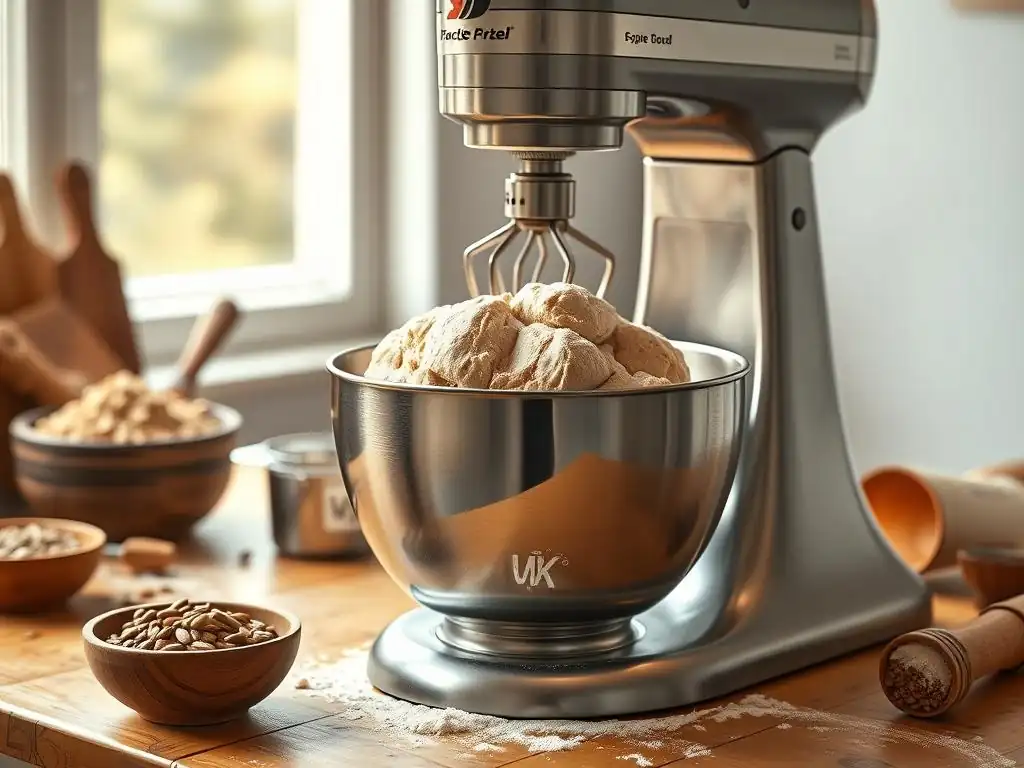
Developing gluten in bread dough requires consistent, relatively long kneading at a low speed. High speeds can overheat the dough and damage the mixer, while too low a speed on a weak motor won't develop the gluten properly. A powerful mixer with robust variable speed control excels here.
Recipe Example: Sourdough Bread with KitchenAid Artisan (Low Speed, Dough Hook)
- Task: Kneading a stiff sourdough bread dough.
- Mixer: KitchenAid Artisan 5-Qt Stand Mixer
- Attachment: Dough Hook
- Speed: Speed 2 (Knead setting).
- Process: Combine ingredients for a standard sourdough loaf (approx. 500g flour, 350g water, 100g starter, 10g salt) in the mixer bowl. Attach the dough hook. Turn the mixer to Speed 2. Let the mixer knead the dough for 8-10 minutes. The KitchenAid's Speed 2 is specifically designed for kneading and provides the necessary consistent, low-speed action to develop the strong gluten network required for a good sourdough crumb, even with a relatively stiff dough. Avoid increasing the speed, as this is counterproductive for bread dough.
Overmixing cookie dough is a common mistake that results in tough cookies. After creaming butter and sugar and adding eggs, the dry ingredients should be mixed in quickly and gently. Variable speed control helps you avoid overdevelopment of gluten.
Recipe Example: Chocolate Chip Cookies with Hamilton Beach Classic (Medium Speed, Paddle)
- Task: Mixing dry ingredients into creamed butter mixture for chocolate chip cookies.
- Mixer: Hamilton Beach Classic Stand Mixer
- Attachment: Paddle Attachment
- Speed: Speed 3-4 (Medium).
- Process: After creaming butter and sugar (using medium speed) and beating in eggs (using medium speed), add the dry ingredients (flour, baking soda, salt) to the bowl. With the mixer on a medium speed setting (like 3 or 4), mix just until the flour streaks disappear. This usually takes only 30-60 seconds. The variable speed allows you to use a speed sufficient to combine the ingredients relatively quickly, but you must watch carefully and stop immediately once the flour is incorporated to prevent overmixing. Add chocolate chips and mix on Speed 1 for just a few seconds to distribute.
Choosing the Right Variable Speed Stand Mixer for Your Baking Needs
Selecting the ideal variable speed stand mixer depends heavily on your personal baking habits, skill level, and the types of variable speed stand mixer recipes you plan to make. It's not just about the number of speeds, but also the motor power, build quality, and features relevant to your baking goals.
Assessing Your Baking Frequency and Project Complexity
If you bake frequently, especially complex items like artisan breads, delicate pastries, or large batches of cookies, investing in a robust mixer with powerful variable speed control is likely worthwhile. Models like the KitchenAid Artisan, Cuisinart SM-50, or Breville Bakery Chef are designed for regular use and demanding tasks.
Their superior build quality and motor power will handle challenging variable speed stand mixer recipes with greater ease and last longer. If you bake only occasionally or stick to simpler tasks like cake mixes or basic cookie dough, a more budget-friendly option like the Hamilton Beach Classic might suffice, offering basic variable speed functionality without the higher cost.
Matching Motor Power to Your Dough and Batter Demands
The wattage of a stand mixer's motor is a key indicator of its power, especially when dealing with heavy loads. For kneading dense bread doughs (like whole wheat or sourdough) or mixing large quantities of stiff cookie dough, a motor of 500 watts or more is highly recommended. These mixers can handle the strain without overheating or slowing down significantly, maintaining the selected variable speed.
For lighter tasks like whipping cream or mixing cake batters, a lower wattage motor (300-400 watts) is usually adequate. Consider the types of variable speed stand mixer recipes you make most often and choose a motor power that can comfortably handle your most demanding tasks.
Considering Attachment Compatibility and Future Expansion
Stand mixers aren't just for mixing; they can become versatile kitchen machines with the right attachments. KitchenAid, in particular, offers a vast range of attachments for everything from making pasta and grinding meat to spiralizing vegetables and making ice cream. If you envision using your mixer for tasks beyond traditional baking, investigate the available attachments for different models and brands. While core attachments (whisk, paddle, dough hook) are standard, the variety of specialized tools varies significantly. Consider if a particular ecosystem of attachments aligns with your potential future culinary interests when choosing a variable speed stand mixer.
Maximizing Your Stand Mixer's Potential: Tips and Tricks
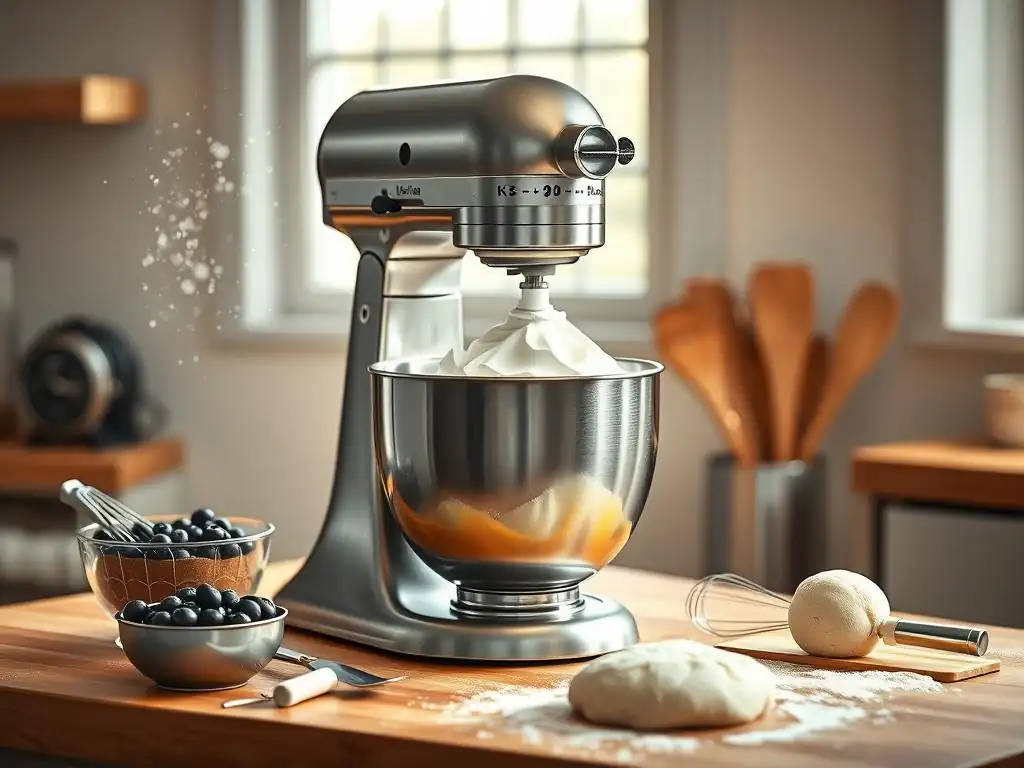
Owning a variable speed stand mixer is just the first step; understanding how to use it effectively can dramatically improve your baking results. Mastering the interplay between speed, attachment, and ingredients is key to unlocking its full potential for all your variable speed stand mixer recipes.
Understanding the Relationship Between Speed, Attachment, and Ingredients
The three main attachments – the wire whip, paddle, and dough hook – are designed for specific tasks and work best at particular speed ranges. The wire whip is for aerating (whipping cream, egg whites) and works best at medium-high to high speeds. The paddle is for creaming, beating, and mixing batters/doughs of medium consistency (cakes, cookies, muffins) and is typically used at low to medium speeds.
The dough hook is for kneading yeast doughs and should only be used at low speeds (usually the lowest kneading speed specified by the manufacturer). Using the wrong attachment or speed for a task can lead to poor results, damage the ingredients (like toughening batter), or even damage the mixer itself. Always consult your mixer's manual for recommended speed settings for each attachment and task in your variable speed stand mixer recipes.
Sometimes, even with a variable speed mixer, things don't go as planned. If your mixer seems to be struggling or slowing down excessively when kneading heavy dough, it might indicate the motor is under strain. Ensure you are using the correct low speed for kneading and that the batch size isn't exceeding the mixer's capacity.
If ingredients aren't mixing evenly at the bottom of the bowl, your attachment height might need adjustment (most mixers allow you to adjust this with a screw). Splattering at the start of mixing usually means you began at too high a speed; always start on the lowest setting when combining dry and wet ingredients, especially flour. Learning these troubleshooting tips will help you get the most out of your variable speed stand mixer recipes.
Cleaning and Maintaining Your Stand Mixer for Optimal Performance
Proper cleaning and maintenance are essential for keeping your variable speed stand mixer in top working order and ensuring its longevity. Always unplug the mixer before cleaning. Attachments are often dishwasher safe, but check your manual; some older or coated attachments may need handwashing. The mixer head and base should be wiped down with a damp cloth – never immerse the unit in water.
Periodically check that the attachment hub is clean and free of debris. For mixers with adjustment screws (like for attachment height), ensure they are properly tightened. Following these simple steps helps maintain the mixer's performance, including its variable speed functionality, for years of baking enjoyment.
Where to Buy Your Variable Speed Stand Mixer: Best Deals and Retailers
Once you've decided on the perfect variable speed stand mixer for your needs, the next step is finding the best place to purchase it. Prices can vary significantly between retailers, and keeping an eye out for sales and promotions can save you a substantial amount.
Comparing Prices and Promotions from Online Retailers
Major online retailers like Amazon, Walmart, Target, and the websites of department stores (Macy's, Kohl's) often carry a wide selection of stand mixers, including popular variable speed models. Prices can fluctuate based on sales events (like Black Friday, Cyber Monday, or holiday sales). It's worth comparing prices across several sites, including the manufacturer's own website (e.g., KitchenAid.com, Cuisinart.com, Breville.com), which may occasionally offer exclusive bundles or promotions. Factor in shipping costs and return policies when making your comparison. Signing up for newsletters from these retailers can also alert you to upcoming sales on kitchen appliances.
Checking Local Appliance Stores for Exclusive Offers
Don't overlook brick-and-mortar stores. Local appliance stores or even larger retailers like Best Buy can sometimes offer competitive pricing, floor models at a discount, or special in-store promotions not available online. Shopping locally also gives you the opportunity to see the mixer in person, get a feel for its size and weight, and ask questions to a sales associate. They might also have insight into regional sales or inventory availability that online searches won't reveal. Checking both online and local options ensures you find the best deal on your new variable speed stand mixer.
Considering Refurbished Options for Budget-Conscious Bakers
For bakers on a tighter budget, purchasing a refurbished stand mixer can be an excellent way to get a high-quality model with variable speed control at a significantly reduced price. Many manufacturers, including KitchenAid and Cuisinart, sell certified refurbished mixers directly through their websites or authorized outlets. These units have typically been returned, inspected, repaired (if necessary), and restored to full working condition, often coming with a limited warranty.
While they may have minor cosmetic imperfections, their internal components and functionality, including variable speed control, are guaranteed. This is a cost-effective way to access premium features for your variable speed stand mixer recipes without paying the full retail price.
Frequently Asked Questions
How can a variable speed stand mixer improve my baking when working with delicate ingredients?
A variable speed stand mixer allows for gentle incorporation of delicate ingredients, preventing overmixing. This ensures a tender texture in your baked goods. Overmixing can lead to tough or dense results.
What types of baking tasks benefit most from the precision of a variable speed stand mixer?
Tasks like whipping cream, making meringue, and gently folding in ingredients for souffles greatly benefit. The precise speed control allows for optimal aeration and prevents deflation. This leads to lighter, more stable results.
Are there specific recipes that are exclusively suited for variable speed stand mixers?
While not exclusively suited, recipes requiring precise mixing times and speeds, such as some French macarons or delicate cakes, are much easier to execute. A variable speed mixer provides the necessary control for consistent results.
Can I use my variable speed stand mixer for tougher baking tasks like kneading bread dough?
Yes! Many variable speed stand mixers are designed with powerful motors and sturdy construction. This allows them to handle the demands of kneading bread dough efficiently. Ensure you use the dough hook attachment and follow the recommended speed settings.
How do I determine the optimal speed setting on my variable speed stand mixer for a particular recipe?
Always refer to the recipe instructions for recommended speed settings. Start at the lowest speed and gradually increase until the desired consistency is achieved. Pay attention to the visual cues and sound of the mixer to avoid overmixing or straining the motor.
Final Reflection: The Sweet Science of Control
The ability to precisely control speed in a stand mixer isn't just a luxury; it's the key to unlocking a world of culinary possibilities. From the delicate folding of meringue to the robust kneading of bread dough, mastering variable speed opens up a universe of recipes previously inaccessible to those with less adaptable equipment. This control translates directly into superior results, elevating even the simplest recipes to new heights of texture and flavor.
The impact of variable speed technology extends far beyond the individual kitchen. It represents a shift in how we approach baking and cooking, emphasizing precision and control over brute force. This nuanced approach allows for greater creativity and experimentation, fostering a deeper connection between the cook and the process. The best food is cooked with love, but the best results often come from precision.
This quote, while not directly about stand mixers, perfectly encapsulates the spirit of mastering variable speed and its impact on the final product.
Now, consider your own kitchen. Think about the recipes you've always wanted to try, the textures you've longed to achieve. Don't let limitations in equipment hold you back. Embrace the power of variable speed; explore the myriad possibilities it unlocks. Experiment with new techniques, push your culinary boundaries, and discover the joy of creating truly exceptional dishes, all thanks to the subtle yet powerful control offered by a variable speed stand mixer. The journey of culinary mastery begins with a single, perfectly controlled rotation.
Unleash Your Inner Baking Maestro!
Thanks for diving into the world of variable speed stand mixers! We hope you now feel confident tackling any baking challenge, from delicate meringues to robust bread doughs. Ready to put your newfound knowledge into action?
- Master a new recipe: Try making that challenging macaron recipe you've always wanted to perfect. The precise speed control will make all the difference!
- Share your baking triumphs: Post a picture of your masterpiece on social media and tag us @BakeWithEase – we'd love to see it!
- Explore our other articles on advanced baking techniques to further elevate your skills.
What incredible creation will you bake next with your variable speed stand mixer?