
Stand Mixers for Small Batches: Perfect for Testing Recipes or Single Servings

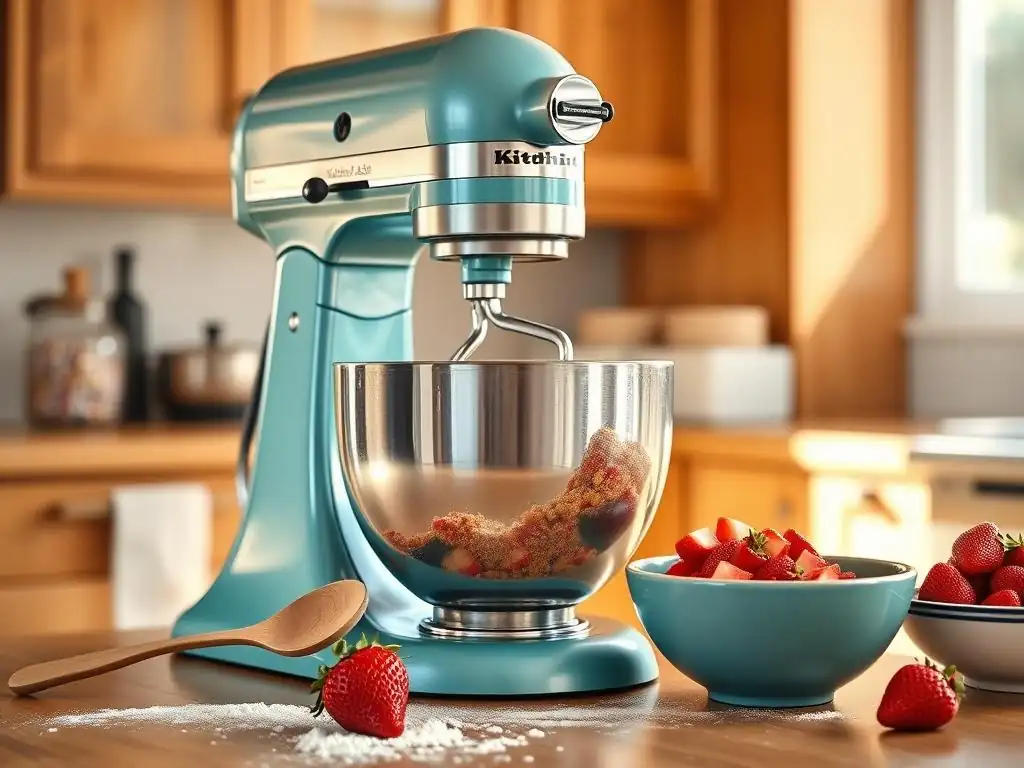
Welcome to BakeWithEase, your partner in creating delectable delights! Are you tired of over-sized recipes and needing a mixer that fits your smaller baking needs? Then you're in the right place. We're diving into the world of small batch stand mixers – the perfect solution for testing out new recipes or whipping up single servings. Discover which mixers are best suited for your petite baking ambitions, and let's unlock a world of perfectly portioned treats together!
- Stand Mixers for Small Batches: Perfect for Single-Person Households or Recipe Development
- Why You Need a Small Batch Stand Mixer for Efficient Baking
- The Best Small Batch Stand Mixers: A Comparative Review
- Top 3 Small Batch Stand Mixer Options:
- Choosing the Right Small Stand Mixer for Your Baking Needs: A Buying Guide
- Small Batch Stand Mixer Recipes to Get You Started
- Maximizing Your Small Batch Stand Mixer: Tips and Tricks
- Conclusion: Enjoy Baking with Ease Using a Small Batch Stand Mixer
-
Frequently Asked Questions
- What is a small batch stand mixer, and why would I need one?
- Are small batch stand mixers as powerful as larger models?
- What types of recipes are best suited for a small batch stand mixer?
- What should I look for when choosing a small batch stand mixer?
- Where can I find reliable recipes and tips for using a small batch stand mixer?
- Final Reflection: The Joy of Small-Batch Baking
- Unleash Your Inner Baker: Perfect Small-Batch Recipes Await!
Stand Mixers for Small Batches: Perfect for Single-Person Households or Recipe Development
Why You Need a Small Batch Stand Mixer for Efficient Baking
Baking is a delightful activity, but sometimes you don't need a full-sized batch of cookies or a large cake. This is where a small batch stand mixer truly shines. Unlike bulky traditional models designed for large-scale production, these compact mixers are specifically engineered to handle smaller quantities of ingredients effectively. They prevent the common issue where beaters can't properly incorporate ingredients at the bottom of a large bowl when dealing with just a cup of flour or a couple of eggs.
A dedicated small batch stand mixer offers precision and control that hand mixers often lack, especially for tasks like creaming butter and sugar to the perfect consistency or kneading a tiny amount of dough. For bakers who live alone, are perfecting a new recipe, or simply crave a single-serving treat, a smaller capacity mixer is not just convenient – it's essential for achieving optimal results without waste. It allows you to experiment freely, knowing your ingredients will be mixed thoroughly, even in modest proportions.
The Benefits of a Compact Stand Mixer for Home Bakers
A compact stand mixer brings numerous advantages to the home baking environment. One significant benefit is its footprint; these mixers are designed to take up considerably less counter space than their standard counterparts, often occupying about 25-30% less area. For example, a typical KitchenAid Artisan Mini might measure around 12.3 inches wide by 7.8 inches deep, compared to the classic Artisan's 14 inches wide by 9.3 inches deep. This size difference makes them ideal for smaller kitchens or limited counter space.
Furthermore, mini stand mixers are typically lighter, making them easier to move and store. A standard 5-quart mixer can weigh upwards of 25 pounds, while a small batch stand mixer, often with a 3.5-quart bowl, might weigh closer to 18-20 pounds. This ease of handling means you're more likely to pull it out for quick tasks, encouraging more frequent, spontaneous baking projects without the hassle of maneuvering heavy equipment. They make baking accessible and less intimidating, especially for novice bakers tackling smaller projects.
Ideal for Single Servings, Recipe Testing, and Limited Counter Space
The primary appeal of a small batch stand mixer lies in its suitability for baking needs that don't require large volumes. For someone living alone, baking a single serving of brownies or two large cookies is often preferable to baking a dozen or more. A small batch stand mixer handles the minimal amount of batter or dough with ease, ensuring everything is perfectly combined. This prevents the ingredients from being smeared on the sides of an oversized bowl, which is a common problem with full-size mixers and small quantities.
Recipe developers or enthusiastic hobbyists frequently test variations of recipes, sometimes needing to mix just half or a quarter of a standard batch. A small batch stand mixer is invaluable here, providing consistent mixing results for these reduced volumes, allowing for precise adjustments without wasting ingredients. The compact size also means it can live comfortably on a kitchen counter without dominating the space, or be easily tucked away in a cupboard, making it a practical choice for apartments, dorm rooms, or any kitchen where square footage is at a premium.
The Best Small Batch Stand Mixers: A Comparative Review
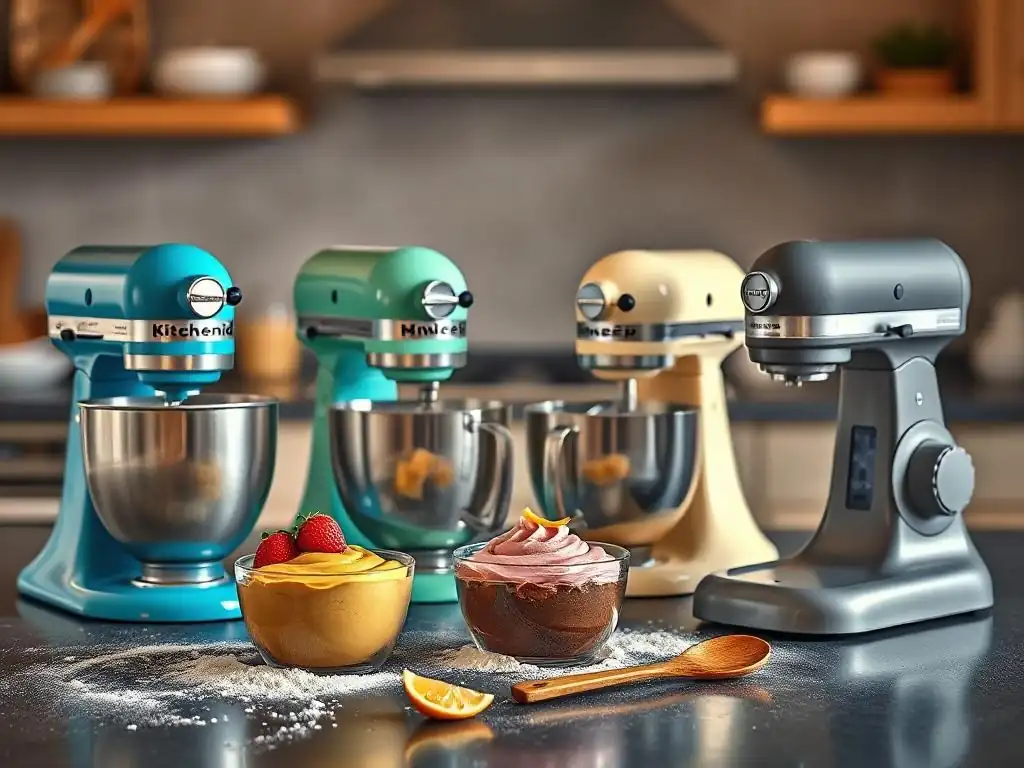
When diving into the world of small batch stand mixers, it's helpful to compare the options based on features that matter most for this specific use case. While a full-size mixer might prioritize sheer power for kneading large bread doughs, a small batch mixer focuses on efficient mixing of smaller volumes and often a more compact design. Understanding the nuances between models helps you find the perfect fit for your baking style and kitchen setup.
Comparing different small batch stand mixer models involves looking beyond just the brand name. Key considerations include the actual bowl capacity, the motor's power relative to the mixer's size, and the range of attachments available. Some mixers excel at light tasks like whipping cream or mixing cake batter, while others might surprisingly handle small amounts of dough. Our review will focus on these practical aspects to guide your decision.
Key Features to Consider When Choosing a Mini Stand Mixer
Selecting the right small batch stand mixer requires careful thought about how you plan to use it most often. It's not just about the size, but also about the performance and versatility it offers for your specific baking habits. Do you primarily bake cookies and cakes, or are you interested in making small loaves of bread or whipping up frosting for a few cupcakes? These questions will help narrow down the options based on their capabilities and design.
Beyond the core function of mixing, look at the materials used in construction – is it durable? How easy is it to clean? Are replacement parts or additional attachments readily available? A good small batch stand mixer should be a joy to use, not a chore, fitting seamlessly into your baking workflow and kitchen aesthetic.
Bowl Size and Capacity for Small Batch Baking
The bowl size is arguably the most critical feature for a small batch stand mixer. While standard mixers typically come with 4.5 to 6-quart bowls, small batch models usually feature bowls in the 3.5 to 4-quart range. A 3.5-quart bowl is generally sufficient for mixing dough for about 2 dozen cookies, a single 8-inch cake layer, or whipping cream from about 1 cup of liquid cream. This capacity is ideal for preventing ingredients from scattering and ensuring the beaters make proper contact with the small volume.
Choosing a bowl that is too large, even on a smaller mixer body, defeats the purpose of small batch baking as ingredients won't be mixed effectively at the bottom. Conversely, a bowl that is too small might limit your flexibility slightly, though for true single servings or tiny test batches, a 3.5-quart is usually perfect. Some models might offer slightly larger bowls like 4 quarts, providing a little extra headroom without being overly large for small tasks.
Motor Power and Performance for Mixing Small Quantities
Motor power, measured in watts, indicates the mixer's ability to handle different consistencies of dough and batter. For a small batch stand mixer, you don't necessarily need the 500+ watts found in heavy-duty machines. A motor in the range of 250 to 350 watts is often sufficient for mixing cake batters, cookie doughs, and whipping tasks in smaller quantities. However, if you plan to knead small amounts of bread dough, a slightly more powerful motor, perhaps closer to 300-350 watts, will perform better and last longer under strain.
The performance isn't solely about wattage; the gear system and overall construction also play a role. A well-engineered 275-watt motor in a small batch stand mixer designed for efficiency can outperform a poorly built 350-watt motor. Look for reviews that specifically mention how the mixer handles thicker doughs or extended mixing times, even in small volumes, to gauge its real-world performance.
Available Attachments and Versatility for Various Baking Tasks
The versatility of a small batch stand mixer is significantly enhanced by the range of available attachments. Most mini stand mixers come standard with a flat beater (for batters, cookies), a wire whip (for meringues, whipped cream), and a dough hook (for bread dough). Ensure the model you choose includes these basic attachments if you plan on performing these common tasks.
Beyond the standard set, some small batch models or their larger brand families offer compatibility with optional attachments like pasta makers, spiralizers, or food grinders. While these might not be essential for everyone, they add significant value if you plan to use your small batch stand mixer for more than just baking. Check the compatibility of the attachment hub with the accessories you might want to use in the future.
Top 3 Small Batch Stand Mixer Options:
1. KitchenAid Artisan Mini: A Compact Powerhouse with a Legacy
KitchenAid is a name synonymous with stand mixers, and their Artisan Mini brings that legacy to the small batch stand mixer category. It retains the iconic design and planetary mixing action of its larger siblings but in a significantly smaller form factor. This makes it a popular choice for bakers who trust the brand but need a more manageable size for their kitchen and baking volume.
The Artisan Mini is often praised for its solid construction and vibrant color options, allowing it to serve as both a functional appliance and a kitchen accent. Despite its size, it's built with durable materials and designed for consistent performance, making it a reliable tool for regular small-scale baking projects. It embodies the quality KitchenAid is known for, scaled down for modern kitchen needs.
Features and Benefits of the KitchenAid Artisan Mini
The KitchenAid Artisan Mini boasts a 3.5-quart stainless steel bowl, perfect for handling batches equivalent to about 5 dozen cookies or a standard loaf of bread dough (using approximately 4 cups of flour). It features a 250-watt motor, which, while seemingly modest, is highly efficient thanks to KitchenAid's direct-drive transmission system. This system minimizes power loss between the motor and the attachment, providing ample power for most common small batch tasks.
Benefits include its compact size (fitting under most cabinets), lighter weight compared to standard models, and compatibility with over 10 optional hub attachments from KitchenAid's extensive range (though performance with some heavy-duty attachments may vary compared to larger models). The tilt-head design allows for easy access to the bowl and attachments, and the all-metal construction ensures durability. It comes with a coated flat beater, dough hook, and a 6-wire whip.
Pros and Cons: Is the Artisan Mini Right for You?
Pros:
- Iconic, durable design and construction.
- Compact size and lighter weight are ideal for small spaces.
- Efficient mixing performance for small to medium-sized batches.
- Compatible with many KitchenAid hub attachments.
- Wide range of attractive colors.
Cons:
- Higher price point compared to many other small batch stand mixers.
- 250-watt motor might struggle with very stiff doughs or very large batches of bread (though it handles small batches well).
- 3.5-quart bowl might still be slightly large for truly tiny single servings, though it performs better than a 5-quart bowl.
Best Uses: Ideal for Cakes, Cookies, and Frosting in Small Quantities
The KitchenAid Artisan Mini is perfectly suited for the everyday baking needs of individuals, couples, or small families. Its 3.5-quart capacity is excellent for mixing cake batters for an 8-inch round cake, whipping up frosting for a dozen cupcakes, or preparing dough for 2-3 dozen cookies. It handles these tasks efficiently and consistently, producing well-mixed batters and doughs.
It's also a great tool for making meringue from a few egg whites, whipping small amounts of cream, or mixing up smaller batches of quick bread batter. While it can handle single loaves of bread dough, it's not designed for the same heavy-duty kneading as larger models. If your baking primarily involves standard batters and doughs in smaller volumes, the Artisan Mini is a top contender for a reliable small batch stand mixer.
2. Aucma Stand Mixer, 6.5-QT: A Powerful and Affordable Option
While the Aucma 6.5-QT model might seem counterintuitive for a list focused on small batch stand mixers due to its bowl size, it's frequently considered by budget-conscious home bakers looking for a powerful machine that can also handle smaller tasks reasonably well, or for those who need the larger capacity occasionally but want a more affordable option than premium large mixers. It represents a different approach – a powerful mixer that can sometimes pinch-hit for smaller needs, rather than a dedicated mini mixer.
This mixer stands out primarily for its high wattage motor at a very competitive price point. While its large bowl isn't ideal for tiny single servings, its power and included attachments make it a versatile machine for general home baking that includes both small and larger (but not industrial-sized) batches. It's a popular choice on marketplaces like Amazon, often receiving positive reviews for its value proposition.
Features and Benefits of the Aucma Stand Mixer
The Aucma Stand Mixer boasts a significant 6.5-quart stainless steel bowl and a powerful 660-watt motor. This high wattage is impressive for its price range and allows it to handle denser doughs and larger volumes than most dedicated small batch stand mixers. It typically comes with a dough hook, flat beater, and wire whip, all designed for its larger bowl size.
Benefits include its strong motor, large capacity for occasional bigger batches, and attractive price. It often features multiple speed settings and sometimes includes a splash guard. The power makes it capable of kneading bread dough effectively for standard loaf sizes (e.g., 2-3 loaves depending on the recipe) and mixing stiff cookie doughs without straining.
Pros and Cons: A Reliable Choice for Home Bakers?
Pros:
- Very powerful 660-watt motor handles tough tasks well.
- Generous 6.5-quart bowl capacity for larger baking projects.
- Significantly more affordable than premium brand mixers of similar power/size.
- Comes with essential attachments.
Cons:
- The 6.5-quart bowl is too large for truly effective small batch mixing (e.g., single servings or very small test batches). Ingredients can get stuck to the sides or bottom, out of reach of the attachments.
- Larger footprint and heavier than dedicated small batch stand mixers.
- Brand reputation and long-term durability may not match established premium brands.
- Limited or no compatibility with a wide range of optional attachments.
Best Uses: Perfect for Bread Dough, Whipped Cream, and Meringue in Smaller Portions
Despite its large bowl, the Aucma's power makes it capable of handling standard batch sizes of things like bread dough (e.g., dough requiring 6-8 cups of flour) or whipping large quantities of cream (e.g., 2-3 cups of liquid cream), which would be considered "smaller portions" relative to its maximum capacity but "standard" batches for many home bakers. It excels at kneading dough for a loaf or two, whipping large volumes of egg whites for meringue, and mixing standard cake or cookie recipes.
However, for mixing dough for just one or two cookies, or whipping a tiny amount of cream from ¼ cup, the Aucma's large bowl is inefficient. It's best suited for bakers who primarily make standard-sized batches but are looking for a powerful, budget-friendly mixer that can handle those tasks well, rather than someone whose sole focus is truly miniature baking. It can work for smaller portions of standard recipes but struggles with minimal quantities.
3. Hamilton Beach Eclectrics All-Metal Stand Mixer: A Durable and Versatile Choice
The Hamilton Beach Eclectrics All-Metal Stand Mixer offers a balance of features, durability, and price, positioning itself as a solid mid-range option that can handle both standard home baking tasks and smaller batches reasonably well. As the name suggests, it features durable all-metal construction, giving it a sturdy feel often associated with more expensive mixers. It typically comes with a 4.5-quart bowl, which is closer to a standard size but still usable for moderate small batch needs.
This mixer is designed for regular use in a home kitchen, providing reliable performance for a variety of recipes. While not a dedicated "mini" mixer, its 4.5-quart bowl is smaller than the large 6+ quart bowls and often performs better with smaller volumes than very large mixers. Its emphasis on metal construction appeals to bakers looking for longevity.
Features and Benefits of the Hamilton Beach Eclectrics All-Metal Stand Mixer
The Hamilton Beach Eclectrics mixer commonly features a 4.5-quart stainless steel bowl and a motor typically in the 400-watt range. This wattage provides ample power for mixing batters, doughs, and whipping tasks. The all-metal body and gears contribute to its durability and stability during operation. It usually includes a flat beater, wire whisk, and dough hook.
Benefits include its robust, all-metal construction, a good balance of power and capacity for general home baking, and a more accessible price point than premium brands. The tilt-head design allows for easy access, and it often comes with features like a pouring shield. The 4.5-quart bowl, while not a true "small batch" size, is smaller than many large mixers and can handle reduced recipes better than a 6-quart bowl.
Pros and Cons: Is it a Good Choice for Occasional Small Batch Baking?
Pros:
- Durable all-metal body and components.
- 400-watt motor provides good power for various tasks.
- 4.5-quart bowl is a versatile size for standard and moderately small batches.
- More affordable than premium all-metal mixers.
- Stable during operation due to metal construction.
Cons:
- 4.5-quart bowl is still larger than ideal for truly tiny small batches or single servings.
- Limited range of optional attachments compared to major brands.
- Can be heavy due to metal construction, though often lighter than large premium mixers.
- Performance with very thick doughs might be less robust than high-wattage premium models.
Best Uses: Excellent for Quick Batters, Dips, and Small Frosting Recipes
The Hamilton Beach Eclectrics is a versatile workhorse for the home kitchen. Its 4.5-quart bowl and 400-watt motor make it excellent for mixing standard-sized cake batters, cookie doughs (e.g., dough for 3-4 dozen cookies), and whipping frosting for a standard cake. While its bowl isn't optimized for single servings, it can handle reduced recipes better than a 6-quart mixer.
It's well-suited for making quick batters like pancakes or muffins, preparing dips and spreads, and whipping moderate amounts of cream or egg whites. It can handle dough for 1-2 loaves of bread, but its strength lies more in batters and lighter doughs. If you need a durable, reliable mixer for general home baking that occasionally includes smaller (but not miniature) batches, this Hamilton Beach model is a strong contender.
Choosing the Right Small Stand Mixer for Your Baking Needs: A Buying Guide
Selecting the perfect small batch stand mixer involves more than just picking the prettiest one. It requires evaluating your personal baking habits, kitchen constraints, and budget. Think about what you bake most often, how much space you have, and how much you're willing to invest. A thoughtful choice will ensure your new small batch stand mixer becomes a cherished tool, not just another appliance gathering dust.
Consider this guide as a checklist to help you prioritize features based on your individual circumstances. There's a small batch stand mixer out there for almost every baker, whether you're a student in a tiny apartment, a single person who loves fresh cookies, or a recipe developer constantly experimenting.
Consider Your Baking Frequency and Volume
Your baking habits are the most important factor in choosing a small batch stand mixer.
- Occasional Baker (Small Batches): If you bake single servings or small batches infrequently, a basic, more affordable mini stand mixer might suffice. You might not need the most powerful motor or a wide range of attachments.
- Regular Baker (Small Batches): If you frequently bake small batches (e.g., weekly or multiple times a week) for yourself or one other person, investing in a more durable model like the KitchenAid Artisan Mini could be worthwhile for its reliability and performance with smaller volumes.
- Recipe Tester/Developer: Consistency is key. A reliable small batch stand mixer with precise speed control and good performance with minimal ingredients is crucial. The Artisan Mini's reputation for consistent mixing action makes it a strong candidate.
- Baker Needing Occasional Larger Batches: If you sometimes need to bake standard or slightly larger batches (e.g., for a potluck) in addition to small ones, a mixer with a slightly larger bowl (4.5-quart) or more power, like the Hamilton Beach Eclectrics or even the Aucma if budget is primary, might be a better compromise, though less ideal for minimal quantities.
Assess Your Kitchen Space and Storage Availability
Small batch stand mixers are chosen partly for their smaller footprint, but they still require dedicated space.
- Counter Space: Measure the height of your cabinets and the available counter area. Note the dimensions of potential mixers. A KitchenAid Artisan Mini, for example, is about 12.3 inches tall, fitting under most standard cabinets. Other models might be taller.
- Storage: If you plan to store the mixer away, consider its weight and ease of lifting. A lighter small batch stand mixer is easier to move. Do you have cupboard space that can accommodate its dimensions?
- Aesthetic: Since it might live on your counter, consider the mixer's design and color. Many small batch stand mixers, particularly the KitchenAid Artisan Mini, come in attractive finishes.
Determine Your Budget and Required Features
Small batch stand mixers vary significantly in price, from under $100 to several hundred dollars.
- Entry-Level ($100 - $200): These often have plastic components, less powerful motors, and fewer features. They might be suitable for very occasional, light use.
- Mid-Range ($200 - $350): Mixers like the Hamilton Beach Eclectrics often fall here, offering more durable construction and better motors than entry-level, providing good value for regular home baking that includes smaller batches.
- Premium ($350+): The KitchenAid Artisan Mini resides in this category. You pay for brand reputation, durable construction (often metal), efficient motors, and compatibility with a wide range of attachments. This is often the best choice if consistent small batch performance is a top priority and budget allows.
Prioritize features like bowl size, motor power (especially if you plan on dough kneading), and essential attachments based on your baking needs, and then find the best mixer within your budget that meets those requirements. Don't overspend on features you won't use, but invest enough to get a mixer that will perform reliably for your intended use.
Small Batch Stand Mixer Recipes to Get You Started
Once you have your small batch stand mixer, you'll want to put it to use! Baking in smaller quantities is incredibly rewarding – less waste, quicker results, and fresh treats whenever the craving strikes. Here are a couple of simple recipe ideas tailored for small batch baking using your new stand mixer.
Remember that mixing times might be slightly shorter than for full-sized recipes, as there's less volume to incorporate. Keep an eye on the consistency and mix just until combined or until the dough reaches the desired texture.
This recipe yields one generously sized, delicious chocolate chip cookie, perfect for a solo treat.
Ingredients:
- 2 tbsp unsalted butter, softened
- 1 ½ tbsp granulated sugar
- 1 ½ tbsp packed light brown sugar
- ¼ tsp vanilla extract
- 1 large egg yolk (save the white for another use!)
- ¼ cup + 2 tbsp all-purpose flour
- ⅛ tsp baking soda
- Pinch of salt
- ¼ cup chocolate chips
Instructions:
- Preheat oven to 350°F (175°C). Line a small baking sheet with parchment paper.
- In your small batch stand mixer bowl with the flat beater attachment, cream together the softened butter, granulated sugar, and brown sugar on medium speed until light and fluffy, about 1-2 minutes.
- Add the vanilla extract and egg yolk and mix until just combined. Scrape down the sides of the bowl.
- In a separate small bowl, whisk together the flour, baking soda, and salt.
- Add the dry ingredients to the wet ingredients in the mixer bowl. Mix on low speed just until the flour is incorporated and no dry streaks remain, being careful not to overmix.
- Stir in the chocolate chips by hand or mix on the lowest speed for just a few seconds.
- Scoop the dough onto the prepared baking sheet. It will look like a small mound.
- Bake for 10-12 minutes, or until the edges are golden brown and the center is still slightly soft.
- Let the cookie cool on the baking sheet for a few minutes before transferring to a wire rack to cool completely (if you can wait! ).
Using the KitchenAid Artisan Mini for the Perfect Cookie Dough
The KitchenAid Artisan Mini's 3.5-quart bowl is excellent for this single-serving cookie dough. While it's a very small amount, the planetary action and the flat beater attachment effectively cream the butter and sugars, which is crucial for texture. Start at speed 4 for creaming, then reduce to speed 2 when adding the egg yolk and vanilla.
When adding the dry ingredients, use the lowest speed (speed 1 or 2) and mix only until the flour disappears. The Artisan Mini's motor provides enough torque at low speeds to handle the slightly thicker dough without overmixing. The coated flat beater ensures minimal dough sticks, making cleanup easier. This mixer handles the minimal volume well, ensuring all ingredients are incorporated into one cohesive ball of dough, unlike a large mixer where the tiny amount might just sit at the bottom.
Small Batch Vanilla Cupcake Recipe
Yields 4-6 perfect vanilla cupcakes, ideal for a small celebration or just because!
Ingredients:
- ½ cup + 2 tbsp all-purpose flour
- ½ tsp baking powder
- ⅛ tsp salt
- ½ cup granulated sugar
- ¼ cup unsalted butter, softened
- 1 large egg
- ¼ cup milk
- 1 tsp vanilla extract
Instructions:
- Preheat oven to 350°F (175°C). Line a muffin tin with 4-6 cupcake liners.
- In a small bowl, whisk together the flour, baking powder, and salt.
- In your small batch stand mixer bowl with the flat beater attachment, cream together the softened butter and sugar on medium speed (Speed 4-6) until light and fluffy, about 2-3 minutes.
- Add the egg and vanilla extract and mix on medium-low speed until just combined. Scrape down the sides of the bowl.
- In a small cup, whisk together the milk.
- With the mixer on low speed (Speed 2), add the dry ingredients in two additions, alternating with the milk in one addition, starting and ending with the dry ingredients. Mix just until combined after each addition. Do not overmix.
- Divide the batter evenly among the prepared cupcake liners.
- Bake for 18-22 minutes, or until a toothpick inserted into the center comes out clean.
- Let the cupcakes cool in the tin for a few minutes before transferring to a wire rack to cool completely before frosting.
Tips and Tricks for Using the Hamilton Beach Eclectrics All-Metal Stand Mixer to Achieve Fluffy Cupcakes
The Hamilton Beach Eclectrics, with its 4.5-quart bowl, handles this small batch cupcake batter well. The 400-watt motor provides good power for creaming the butter and sugar; use speed 4-6 for this step to incorporate enough air, crucial for fluffy cupcakes. The all-metal construction helps keep the mixer stable during this process.
When adding the dry and wet ingredients alternately, keep the mixer on a low speed (Speed 2 or 3). The flat beater should effectively incorporate the ingredients from the sides and bottom of the 4.5-quart bowl for this quantity of batter, though you may need to stop and scrape down the bowl once or twice more than with a dedicated 3.5-quart bowl. Avoid the highest speeds during the final mixing step to prevent overdeveloping the gluten, which can result in tough cupcakes. The solid build of this mixer makes it reliable for tasks like these moderate small batches.
Maximizing Your Small Batch Stand Mixer: Tips and Tricks
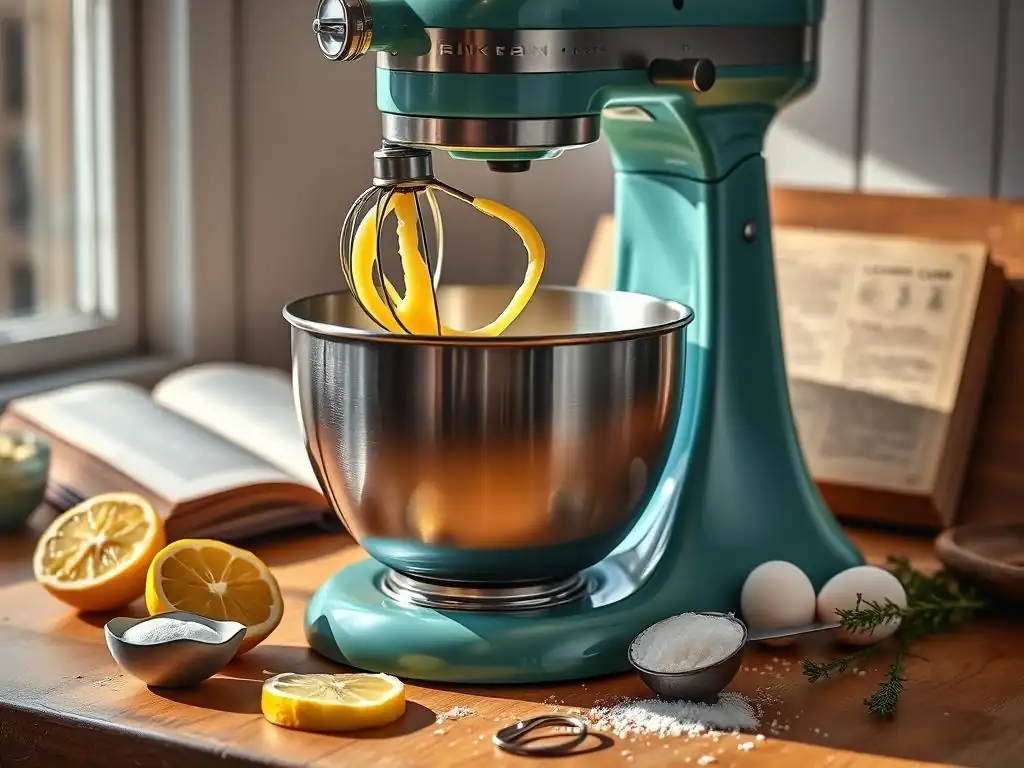
Getting the most out of your small batch stand mixer involves understanding its capabilities and limitations, as well as proper care and maintenance. These mixers are designed for convenience and efficiency in smaller-scale baking, and with a few tips, you can ensure they perform optimally for years to come.
From using the right attachments to troubleshooting minor issues, a little knowledge goes a long way in enhancing your baking experience with a small batch stand mixer.
Using Attachments for Different Baking Tasks
Your small batch stand mixer likely came with a set of standard attachments: the flat beater, wire whip, and dough hook. Knowing when to use each one is key to achieving the best results for different recipes.
- Flat Beater: This is your go-to for most tasks involving batters and doughs that don't require kneading. Use it for creaming butter and sugar, mixing cake batter, cookie dough, frosting, and even mashing potatoes or mixing meatloaf. It excels at incorporating ingredients thoroughly without adding too much air.
- Wire Whip: Ideal for incorporating air into ingredients. Use it for whipping cream, beating egg whites for meringue or soufflés, and making light, airy batters like sponge cake. Start on low speed to break up the ingredients, then gradually increase to high speed to achieve desired volume and stiffness.
- Dough Hook: Designed specifically for kneading yeast doughs, such as bread dough, pizza dough, or brioche. It stretches and folds the dough, developing gluten structure. For small batch stand mixers, ensure the motor is sufficient for dough kneading, and don't overload the bowl with too much flour, even if the bowl capacity seems large – refer to the manufacturer's guidelines for maximum flour capacity.
Cleaning and Maintaining Your Stand Mixer for Longevity
Proper cleaning and maintenance are essential for keeping your small batch stand mixer in top condition.
- Immediate Cleaning: Clean the bowl and attachments immediately after use. Most stainless steel bowls and coated attachments (flat beater, dough hook) are dishwasher safe, but check your manual to be sure. Wire whips often require hand washing to protect the wires.
- Wipe Down the Mixer Body: Use a damp cloth to wipe down the mixer head and base, removing any splashes or dust. Avoid getting water into the motor vents. Never immerse the mixer base in water.
- Attachment Hub: If your mixer has an attachment hub, clean it carefully with a small brush or cloth, ensuring no food debris gets stuck inside.
- Motor Care: Avoid running the mixer on high speed for extended periods, especially with thick doughs, as this can overheat the motor. If the mixer feels warm, give it a break. Consult your manual for recommended maximum mixing times for different tasks.
- Storage: Store the mixer in a dry place. If storing in a cupboard, consider a dust cover.
Troubleshooting Common Issues with Small Stand Mixers
Even the best small batch stand mixers can occasionally encounter minor issues.
- Ingredients Not Reaching the Bottom: This is a common problem with small quantities in bowls that are slightly too large. Stop the mixer frequently and use a spatula to scrape down the sides and bottom of the bowl, ensuring all ingredients are incorporated.
- Mixer Walking on the Counter: This usually happens when mixing stiff doughs on higher speeds. Ensure the mixer is on a stable, level surface. The weight and rubber feet of the mixer (especially all-metal models) help prevent this. Reduce speed if necessary.
- Motor Overheating/Stopping: This is often a sign of overloading the mixer or running it for too long, particularly with heavy doughs. Check the maximum capacity guidelines in your manual (often listed by cups of flour). Turn off the mixer, unplug it, and let it cool down before attempting to use it again. Reduce the batch size or mixing time next time.
- Attachments Not Reaching the Bottom: Some mixers have an adjustment screw that allows you to slightly lower or raise the height of the attachment relative to the bowl. Consult your manual on how to perform the "dime test" or similar procedure to ensure optimal clearance.
Conclusion: Enjoy Baking with Ease Using a Small Batch Stand Mixer
A small batch stand mixer is a fantastic investment for anyone who loves to bake but doesn't always need to produce large quantities. It offers the power and convenience of a full-sized mixer, scaled down to fit smaller kitchens and smaller baking needs. Whether you're perfecting a new cookie recipe one batch at a time, whipping up frosting for a few cupcakes, or simply craving a single-serving treat, a small batch stand mixer makes it easier and more efficient.
Choosing the right mini stand mixer depends on your specific requirements for size, power, versatility, and budget. By considering factors like bowl capacity, motor strength, and available attachments, you can find a model that aligns perfectly with your baking aspirations. Don't let the thought of large batches or limited space hold you back from the joy of baking.
Choose the Best Mini Mixer to Elevate Your Baking Experience
Finding the best small batch stand mixer for you means evaluating models like the KitchenAid Artisan Mini for premium performance and compact size, the Aucma 6.5-QT for high power on a budget (if you can compromise on ideal small batch efficiency), or the Hamilton Beach Eclectics for durable construction and versatile home baking. Each offers different strengths, but all aim to make baking more accessible. A quality small batch stand mixer can significantly improve the consistency and ease of your baking projects, no matter how small.
Investing in a small batch stand mixer is investing in convenience and precision for your specific baking needs. It allows you to explore recipes without feeling overwhelmed by potential leftovers or wasted ingredients.
Start Creating Delicious Small Batches Today!
With your new small batch stand mixer, the possibilities for fresh, homemade treats are endless, even if you're baking just for yourself or a small group. Experiment with single-serving cookie recipes, whip up frosting for a few cupcakes, or try a scaled-down loaf of bread dough. Enjoy the process of baking with ease and the satisfaction of creating delicious results, tailored perfectly to your needs. A small batch stand mixer is more than just an appliance; it's a key to unlocking flexible, stress-free baking in your home.
Frequently Asked Questions
What is a small batch stand mixer, and why would I need one?
A small batch stand mixer is a smaller, lighter version of a standard stand mixer. It's ideal for testing recipes or making single servings as it handles smaller ingredient volumes more efficiently.
Are small batch stand mixers as powerful as larger models?
While generally less powerful than full-sized mixers, small batch stand mixers still offer sufficient power for most common baking tasks. They are designed for lighter workloads and smaller quantities.
What types of recipes are best suited for a small batch stand mixer?
Small batch stand mixers are perfect for recipes like small cakes, cookie dough, single loaves of bread, or testing new recipes without making large quantities.
What should I look for when choosing a small batch stand mixer?
Consider factors like bowl size, wattage, speed settings, and available attachments. Also, look for features like a tilt-head design for easy bowl access.
Where can I find reliable recipes and tips for using a small batch stand mixer?
BakeWithEase.com offers a variety of simple recipes, baking techniques, and tips tailored for bakers of all levels, including those using small batch stand mixers.
Final Reflection: The Joy of Small-Batch Baking
The rise of the home baker, fueled by social media and a desire for personalized culinary experiences, has made the small-batch stand mixer a kitchen essential. It's no longer just about efficiency; it's about the joy of experimentation and the satisfaction of perfectly scaled recipes, free from the pressure of large quantities. This shift towards mindful cooking and baking is reshaping our relationship with food, one delicious, perfectly-sized cake at a time.
The impact of this trend extends beyond individual kitchens; it's fostering a renewed appreciation for the process of baking itself. We're moving away from mass-produced goods and embracing the artistry of crafting something beautiful and delicious from scratch. This resonates deeply with me, as I've found immense satisfaction in perfecting small-batch recipes and sharing the results with loved ones. Baking is at once child's play and adult joy. And love, of course.
– Alma Flor Ada. This quote perfectly encapsulates the feeling of creating something special, something made with care and intention, in smaller, more manageable portions.
Now, it's your turn. Consider how a small-batch stand mixer can enhance your own baking journey. Will you embrace the freedom to experiment with new flavors and techniques without the commitment of large quantities? Will you rediscover the joy of baking, one perfectly-sized batch at a time? Embrace the possibilities, and let the delicious results speak for themselves.
Unleash Your Inner Baker: Perfect Small-Batch Recipes Await!
Thanks for taking the time to explore the world of small-batch baking! We hope you've discovered the joy and convenience of testing recipes and making delicious treats without the commitment of large quantities. Now it's time to put your newfound knowledge into action.
- Dive into our recipe collection: We've curated a selection of amazing small-batch recipes just waiting to be baked. Find your next favorite!
- Share your baking journey: Tag us on social media with your creations – we'd love to see what you whip up!
- Leave a comment: What's your favorite small-batch recipe, or what are you excited to bake next? Let's inspire each other!
Ready to transform your kitchen into a small-batch baking haven?