
How Equipment Impacts Your Bread: Crust, Crumb, and Rise

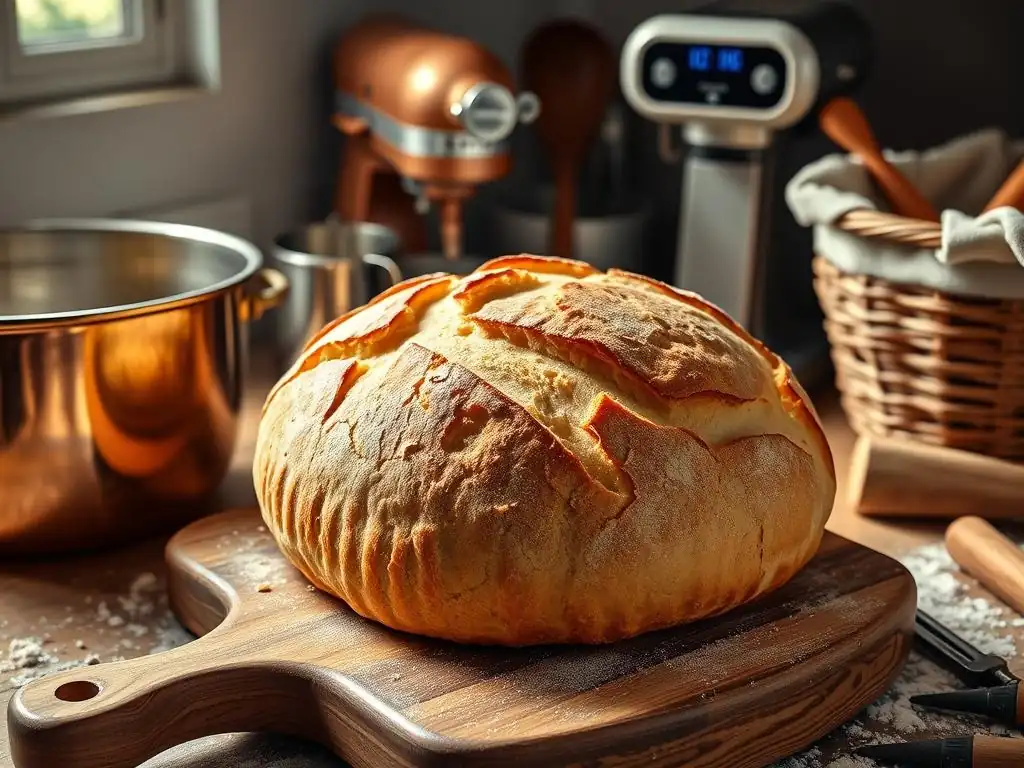
Welcome to BakeWithEase, where baking becomes an effortless joy! Ever wondered how the right tools can dramatically transform your bread? This article delves into the fascinating world of best bread baking equipment, exploring how each piece impacts everything from the perfect crust to the airy crumb and that coveted rise. Curious to discover how to unlock your bread's full potential? Let's get baking!
- How Equipment Impacts Your Bread: Crust, Crumb, and Rise (BakeWithEase Guide)
- The Impact of Bread Baking Equipment on Your Loaf: Achieving Artisan Quality
- Mixing Matters: Choosing the Right Mixer for Perfect Bread Dough
- Baking Vessels: Shaping Your Bread's Character
- Proofing Power: Creating the Ideal Environment for Rising Dough
- Temperature Control: Ovens and Thermometers for Baking Success
- Slicing and Storing: Preserving Your Artisan Creation
- Conclusion: Elevate Your Bread Baking with the Right Equipment.
-
Frequently Asked Questions
- What's the most important piece of equipment for achieving a good bread crust?
- How does the type of mixing bowl affect the crumb of my bread?
- Can the type of proofing basket impact the rise of my bread?
- What are some essential tools for measuring ingredients accurately in bread baking?
- Besides the basics, what's a helpful piece of equipment for shaping bread dough?
- Final Reflection: The Alchemy of Bread and the Tools That Shape It
- Unleash Your Inner Baker: Craft the Perfect Loaf!
How Equipment Impacts Your Bread: Crust, Crumb, and Rise (BakeWithEase Guide)
The Impact of Bread Baking Equipment on Your Loaf: Achieving Artisan Quality
Achieving that perfect loaf of bread – with a shatteringly crisp crust, an open, airy crumb, and impressive rise – is a goal for many home bakers. While technique and ingredients are undeniably crucial, the equipment you use plays a significant, often underestimated, role in the final outcome. From the initial mixing to the final slice, the right tools can elevate your bread from good to truly exceptional.
Understanding how different pieces of equipment influence the baking process is key to consistently producing artisan-quality loaves right in your own kitchen. This guide explores how specific pieces of best bread baking equipment impact the critical elements of your bread.
Choosing the best bread baking equipment isn't just about having fancy gadgets; it's about selecting tools that facilitate the necessary steps for successful bread making. For instance, the vessel you bake in dramatically affects crust development, while the environment your dough proofs in dictates its final volume. Even seemingly simple items like a sharp bread knife contribute to the overall enjoyment of your finished product. By investing in and properly using the right equipment, you gain greater control over variables like temperature, moisture, and dough handling, paving the way for consistently delicious results.
Understanding the Key Elements: Crust, Crumb, and Rise
The crust, crumb, and rise are the three pillars by which bread quality is often judged. The crust provides texture and flavor, developing through complex chemical reactions on the surface during baking. A good crust should be crisp, potentially chewy, and have a rich color. Factors like oven temperature, steam, and the baking surface or vessel heavily influence its formation. For example, baking in a preheated Dutch oven traps steam around the loaf initially, allowing for maximum oven spring before the crust sets, resulting in a thinner, crispier crust compared to baking on an open tray.
The crumb refers to the interior structure of the bread – its texture, hole size (alveoli), and overall consistency. A desirable crumb for many artisan loaves is open and irregular, indicating good fermentation and gluten development. The equipment used for mixing and kneading directly impacts gluten development, which in turn determines the crumb structure.
Proper proofing tools and environments also contribute significantly; an under-proofed dough might have a dense crumb, while an over-proofed dough could collapse, leading to a poor structure. The rise, or oven spring, is the final expansion of the loaf in the oven, driven by trapped gases expanding rapidly. This is influenced by the dough's strength (gluten development), the presence of steam, and the initial oven temperature, all of which can be optimized with appropriate equipment.
Mixing Matters: Choosing the Right Mixer for Perfect Bread Dough
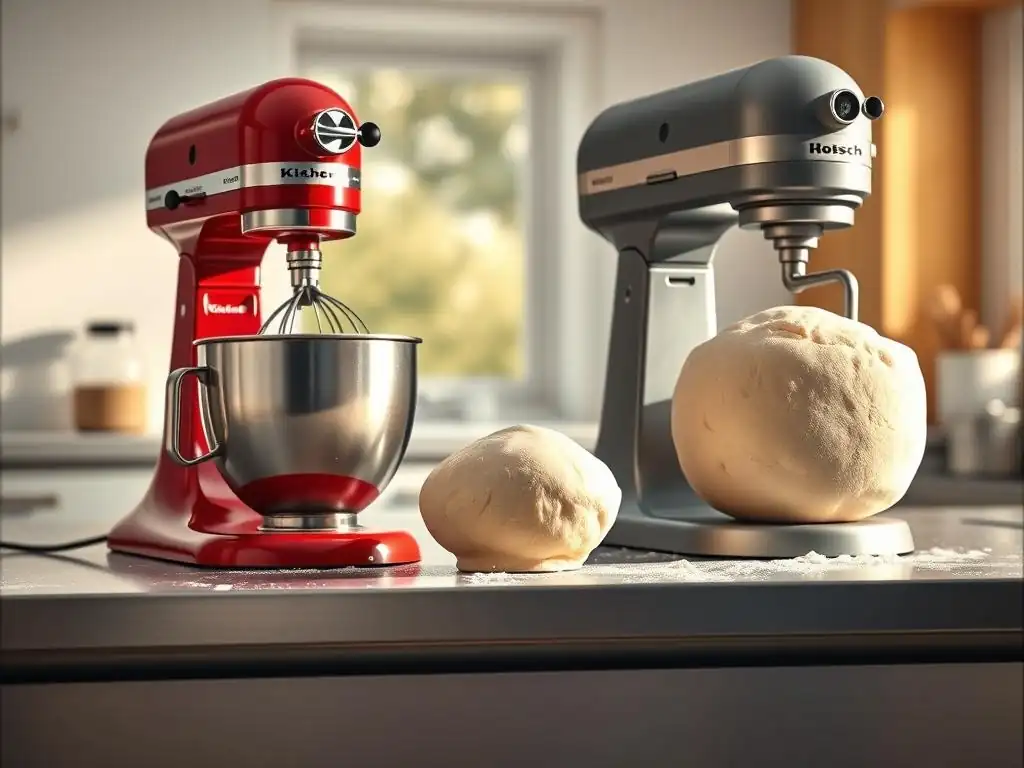
Mixing and kneading are foundational steps in bread making, crucial for developing gluten, the protein network that gives bread its structure and elasticity. The method and equipment you use here can significantly impact the dough's consistency, hydration level capabilities, and ultimately, the final crumb structure.
While hand mixing is traditional and effective, especially for smaller batches or lower hydration doughs, mechanical mixers offer efficiency and consistency, particularly for larger volumes or wetter, stickier doughs that are challenging to handle by hand. The choice of mixer depends on your baking volume, frequency, and the types of doughs you prefer to work with.
Investing in quality mixing equipment can be a game-changer for serious bread bakers. A good mixer ensures thorough distribution of ingredients and consistent gluten development, reducing the variability often encountered with hand mixing, especially when dealing with recipes requiring precise kneading times or high hydration levels (like ciabatta, which can be 75% hydration or higher). The right mixer allows you to work with stickier doughs that would be difficult or impossible to knead by hand, opening up a wider range of bread types you can successfully bake.
The Stand Mixer Showdown: KitchenAid vs. Ankarsrum
When it comes to selecting the best bread baking equipment for mixing, stand mixers are often at the top of the list for home bakers. Two popular contenders are the KitchenAid Stand Mixer and the Ankarsrum Assistant Original. The KitchenAid, a ubiquitous presence in many kitchens, uses a planetary mixing action where the beater rotates around the bowl while spinning on its own axis.
This is effective for many doughs, particularly those with moderate hydration. A typical 5-quart KitchenAid can handle dough for one or two standard loaves, roughly equivalent to 500g to 700g of flour, though pushing capacity can strain the motor.
The Ankarsrum Assistant Original employs a different mechanism: the bowl rotates while the dough hook or roller remains stationary or rotates on its own axis. This design is particularly well-suited for larger quantities of dough and high hydration doughs, as the dough is pulled into the roller, mimicking hand kneading more closely and often handling doughs made with up to 1.5 kg (about 3.3 lbs) of flour with ease.
While both mixers can produce excellent dough, the Ankarsrum is often preferred by bakers making large batches or frequently working with very wet doughs due to its robust motor and unique kneading action that is gentler on the dough while still developing strong gluten.
- KitchenAid Stand Mixer: Known for versatility with various attachments; planetary action; good for standard doughs up to a certain capacity limit.
- Ankarsrum Assistant Original: Bowl rotates; ideal for large batches and high hydration doughs; mimics hand kneading action; very durable motor.
- Hand Mixing vs. Machine Mixing: Hand mixing builds intuition and is great for smaller batches or lower hydration doughs; machine mixing offers consistency, speed, and the ability to handle larger or wetter doughs more easily.
The Importance of Dough Consistency: Achieving the Right Texture
Achieving the correct dough consistency is paramount for successful bread baking, and your mixing equipment plays a direct role. Dough consistency, often described in terms of hydration (the ratio of water to flour), affects everything from how the dough handles to the final crumb structure.
A dough that is too stiff might not develop enough gluten and can result in a dense loaf, while a dough that is too wet can be difficult to shape and handle, though it often leads to a more open, airy crumb if managed correctly. The best bread baking equipment for mixing helps you achieve and control this consistency effectively.
Mechanical mixers allow for more consistent and vigorous kneading than is often possible by hand, ensuring uniform gluten development throughout the dough. This is particularly important for doughs that require significant structure, like those for baguettes or sourdough. Using a mixer also allows you to add water gradually, achieving precise hydration levels that would be challenging to incorporate by hand into a developing dough mass. For example, incorporating an extra 5-10% hydration into a dough can drastically change its texture and the resulting crumb, a process made much simpler and more consistent with a capable mixer.
Baking Vessels: Shaping Your Bread's Character
The vessel you bake your bread in is one of the most impactful pieces of best bread baking equipment for influencing crust development and oven spring. Different materials and shapes create distinct baking environments around the dough, affecting heat transfer and moisture retention. Baking directly on a hot surface, like a stone or steel, promotes a strong bottom crust, while enclosing the dough in a heavy pot traps steam, simulating a professional bakery oven and yielding a superior overall crust and rise.
Choosing the right baking vessel can transform your results. A simple change from baking on a sheet pan to using a preheated Dutch oven can mean the difference between a flat loaf with a soft crust and a beautifully risen loaf with a thick, crackly crust. The thermal mass of materials like cast iron or ceramic helps maintain a stable high temperature, crucial for achieving maximum oven spring before the crust sets.
The Dutch Oven Advantage: Crust Perfection
The Dutch oven is widely considered one of the best bread baking equipment pieces for achieving an excellent crust in a home oven. Typically made from heavy cast iron, often enameled, a Dutch oven is preheated at a high temperature (often 450-500°F or 230-260°C). When the dough is placed inside and the lid is sealed, the moisture evaporating from the dough is trapped within the pot. This creates a steamy environment around the loaf during the initial phase of baking.
This trapped steam is critical because it keeps the surface of the dough moist and elastic. This prevents the crust from setting too early, allowing the loaf to expand fully (oven spring) in the intense heat. After about 20-30 minutes, the lid is removed, allowing the steam to escape and the dry, high heat to crisp and brown the crust beautifully. Using a Dutch oven, such as a Lodge Dutch Oven, is a relatively simple technique that dramatically improves both the rise and the crust of freeform loaves like boules or bâtards.
- Lodge Dutch Oven: A popular, durable, and often more affordable option for achieving excellent crust and oven spring through trapped steam.
Baking Stones and Steels: Achieving a Crispy Bottom Crust
Baking stones and baking steels are essential pieces of best bread baking equipment for anyone aiming for a crispy bottom crust, especially for pizzas and freeform breads baked without a Dutch oven. Both are placed in the oven and preheated to a high temperature, acting as a thermal mass. When the dough is placed directly onto the hot surface, it receives an immediate burst of intense heat from below.
A Baking Steel is generally made of steel and heats up faster and retains heat more efficiently than a Baking Stone, which is typically made of ceramic or cordierite. The rapid heat transfer from a steel or stone causes the moisture in the bottom of the dough to flash into steam, creating lift and ensuring the bottom crust sets quickly and crisps up nicely.
While a Baking Stone is effective and often more affordable, a Baking Steel is often preferred for achieving maximum bottom crust crispness and faster baking times, particularly for items like Neapolitan-style pizza which requires very high heat.
- Baking Steel vs. Baking Stone: Steel heats faster and retains more heat, providing a more intense heat transfer for crispier crusts and faster baking; Stone is effective, often more affordable, and good for consistent heat distribution.
Loaf Pans: Uniformity and Shape
For many types of bread, particularly sandwich loaves and enriched doughs, a loaf pan is a fundamental piece of best bread baking equipment. Loaf pans provide structure and support to the dough as it rises and bakes, ensuring a uniform shape and size. This is particularly useful for softer doughs that might spread too much if baked freeform. Pans are typically made from metal (like aluminized steel or aluminum), glass, or ceramic, with metal pans generally being preferred for bread due to their efficient heat conduction.
Pans made from aluminized steel, such as the USA Pan Bakeware Aluminized Steel Loaf Pan, are popular among bakers because they offer excellent heat distribution and are often coated with a non-stick surface, making loaf removal easier. The material and color of the pan affect how quickly and intensely the crust browns. Darker pans absorb more radiant heat, leading to a darker, crisper crust, while lighter pans result in a lighter crust. Using a loaf pan ensures consistent slice size, which is ideal for sandwiches and toast, and helps control the height of the loaf.
- USA Pan Bakeware Aluminized Steel Loaf Pan: Known for even heat distribution and often featuring corrugated surfaces for strength and airflow, promoting even baking and easy release.
Proofing Power: Creating the Ideal Environment for Rising Dough
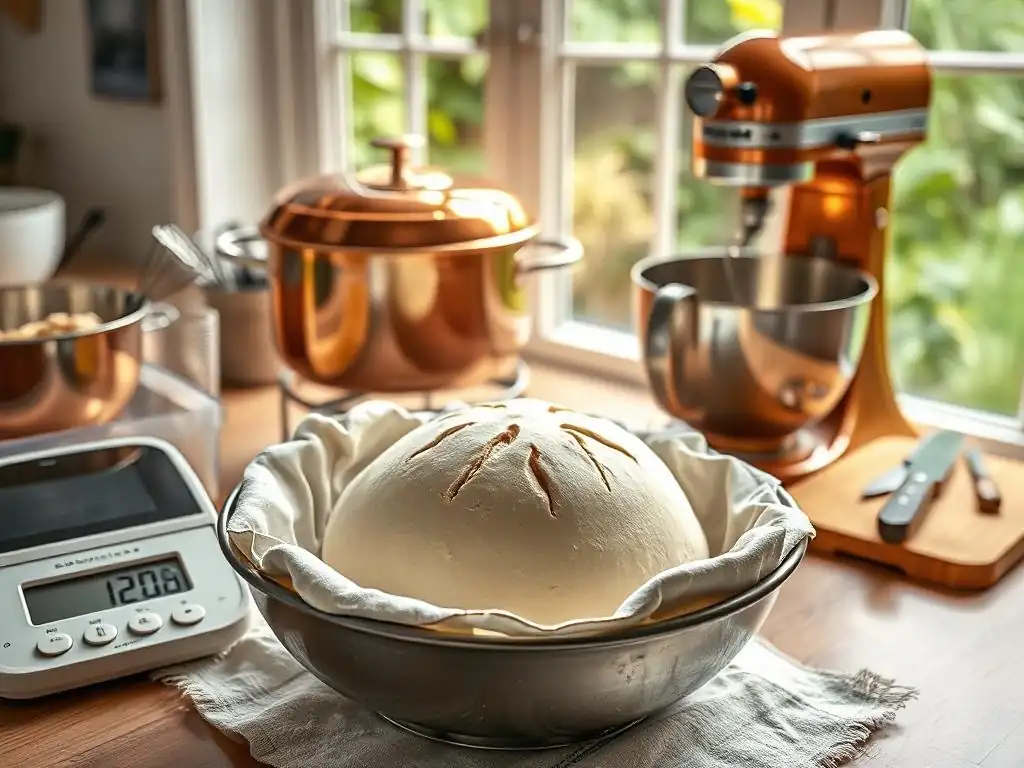
Proofing, the final rise of the dough before baking, is a critical stage where the dough develops flavor and expands due to yeast activity. The environment in which dough proofs significantly impacts the final volume and internal structure. Controlling temperature and humidity during proofing is essential for consistent results. The best bread baking equipment for proofing helps maintain optimal conditions, preventing the dough from drying out or over-proofing too quickly.
Proper proofing tools provide support and structure to the dough, especially for wet or slack doughs, helping them hold their shape as they expand. Creating a consistent, slightly warm, and humid environment allows the yeast to work efficiently and evenly throughout the dough, leading to a well-risen loaf with a desirable crumb structure. Without controlled proofing, you risk under-proofing, resulting in a dense loaf, or over-proofing, which can lead to collapse and a poor rise in the oven.
Proofing Baskets (Bannetons): Shaping and Support
Proofing baskets, also known as bannetons, are invaluable pieces of best bread baking equipment for bakers working with medium to high hydration freeform loaves like sourdough or rustic artisan breads. Typically made from rattan, cane, or coiled wood pulp, these baskets are dusted with flour and the shaped dough is placed inside for its final proof. The basket supports the dough as it expands, helping it maintain its shape and build vertical structure rather than spreading outwards.
As the dough proofs, it conforms to the shape of the basket. The material of the banneton also helps wick away a small amount of moisture from the surface of the dough, creating a slight skin that contributes to a better crust structure during baking. Bannetons come in various shapes, such as Round Banneton Proofing Basket Sets for boules and Oval Banneton Proofing Baskets for bâtards or oblong loaves, allowing bakers to achieve classic bread shapes consistently.
- Round Banneton Proofing Basket Set: Ideal for shaping round loaves (boules).
- Oval Banneton Proofing Basket: Perfect for shaping oval loaves (bâtards or oblongs).
Proofing Boxes and Warm Environments: Controlled Fermentation
Controlling the temperature and humidity during proofing is key to consistent bread baking, especially when dealing with sourdough or recipes sensitive to temperature fluctuations. While a warm kitchen spot or an oven with the light on can work, dedicated proofing equipment offers more precise control. A proofing box, such as the Brod & Taylor Folding Proofer, is a piece of best bread baking equipment designed specifically for this purpose.
A proofing box provides a temperature-controlled environment, allowing you to set the exact temperature needed for optimal fermentation (often between 75-85°F or 24-30°C). Some models also allow for controlled humidity by adding water to a tray. This level of control ensures that your dough proofs at a consistent rate regardless of ambient kitchen temperature, leading to more predictable rise and flavor development. This is particularly beneficial for long, slow proofs or when trying to replicate specific proofing conditions found in professional bakeries.
- Brod & Taylor Folding Proofer: A popular home proofing box that offers precise temperature control and often humidity control, folding away for easy storage.
Temperature Control: Ovens and Thermometers for Baking Success
Accurate temperature control is absolutely vital at multiple stages of bread making, from fermenting the dough to baking the final loaf. Yeast activity is highly dependent on temperature, and the oven temperature directly impacts crust development, oven spring, and the thorough cooking of the interior crumb. While a good oven is fundamental, even the best oven can have temperature discrepancies, making additional best bread baking equipment for temperature monitoring essential.
Understanding and controlling temperature ensures that your dough proofs correctly and your bread bakes evenly. An oven that runs too hot or too cool can ruin a loaf, leading to a burnt crust and undercooked interior, or a pale crust and poor rise, respectively. Precise temperature measurement removes guesswork and allows you to troubleshoot issues effectively.
Oven Thermometers: Ensuring Accurate Baking Temperatures
Relying solely on your oven's built-in thermostat can be misleading, as these are often inaccurate, sometimes by as much as 50°F (about 28°C). An oven thermometer is a simple yet crucial piece of best bread baking equipment that provides an accurate reading of the actual temperature inside your oven. Placing a reliable oven thermometer inside allows you to know the true temperature, enabling you to adjust your oven dial accordingly to match the recipe's requirements.
For monitoring the internal temperature of the bread itself, particularly enriched loaves or those containing fillings, a good quality probe thermometer is invaluable. Knowing when the internal temperature reaches the target (typically 200-210°F or 93-99°C for most lean breads) ensures the bread is fully cooked through. A thermometer like the ThermoWorks DOT Simple Alarm Thermometer can be used both as a basic oven thermometer and a probe thermometer for internal temperature checks.
- ThermoWorks DOT Simple Alarm Thermometer: Can be used to monitor oven temperature or internal bread temperature with an alarm function.
The Role of Convection: Even Baking vs. Traditional Baking
Many modern ovens offer a convection setting, which uses a fan to circulate hot air within the oven cavity. For bread baking, the use of convection is a topic of debate and depends on the type of bread and the desired outcome. Convection provides more even heat distribution, which can be beneficial for baking multiple loaves at once, ensuring they all brown similarly. It can also lead to a slightly thicker, crisper crust due to the increased airflow.
However, convection can also lead to the crust setting too quickly, potentially hindering oven spring, especially in the crucial initial phase of baking when steam is needed. For this reason, many artisan bread bakers prefer to bake freeform loaves in a traditional oven setting (without convection) or within a Dutch oven, which creates its own steamy microclimate.
Convection can be useful towards the end of the bake to ensure even browning, but its use during the initial rise phase should be approached with caution. The best bread baking equipment setup might involve understanding when and how to use your oven's specific features.
Slicing and Storing: Preserving Your Artisan Creation
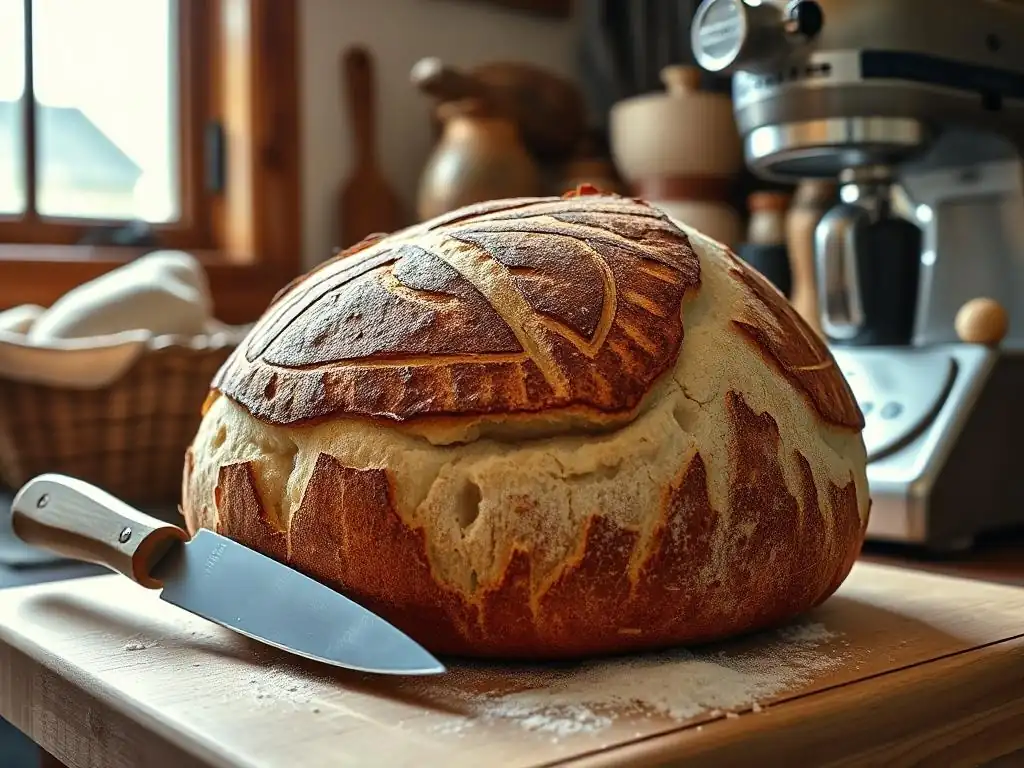
After all the effort of mixing, proofing, and baking, the final steps involve slicing and storing your beautiful loaf. Using the right tools here is just as important as the baking process itself to maintain the quality and freshness of your bread. A poorly chosen knife can crush your carefully crafted crumb, and improper storage can quickly lead to staleness. Investing in the best bread baking equipment for these final steps ensures you enjoy your bread to the fullest.
Proper slicing preserves the structure of the crumb, allowing you to appreciate the texture you worked hard to achieve. Effective storage methods protect the crust and interior from drying out too quickly or becoming moldy, extending the life of your homemade bread. These final pieces of equipment are essential for maximizing the enjoyment of your successful bake.
Bread Knives: Precision Cutting for Perfect Slices
A sharp, serrated bread knife is an indispensable piece of best bread baking equipment for cleanly slicing through crusty loaves without crushing the delicate interior. The serrations grip the crust, allowing the blade to saw through it smoothly, while the thin blade passes through the crumb without tearing or compressing it. Attempting to slice a rustic loaf with a chef's knife or a dull serrated knife will often result in a mangled slice and a damaged crumb.
A good quality bread knife, such as a Wüsthof Classic Bread Knife, has a long blade (typically 8-10 inches) to handle wide loaves and sharp, well-defined serrations. The design of the knife allows for minimal pressure to be applied, letting the blade do the work. This is particularly important for loaves with a very open crumb structure, where excessive pressure would simply flatten the air pockets.
- Wüsthof Classic Bread Knife: A highly regarded, durable bread knife known for its sharpness and ability to slice cleanly through crusty bread.
Bread Boxes and Storage Solutions: Maintaining Freshness
Proper storage is key to keeping your homemade bread fresh and delicious for as long as possible. Unlike commercial bread which often contains preservatives, homemade bread has a shorter shelf life. Exposing it to air causes it to dry out and become stale, while sealing it tightly in plastic can trap moisture, making the crust soft and potentially encouraging mold growth, especially in humid environments. Finding the best bread baking equipment for storage helps strike the right balance.
Bread boxes or breathable bread bags are often the preferred storage solutions. A bread box, like the Five Two by Food52 Adjustable Bread Box, provides a dark, relatively consistent environment while allowing for some air circulation, which helps maintain a crisp crust longer than plastic. Cloth bread bags or beeswax wraps also offer a good balance of breathability and protection. For longer storage, slicing the cooled bread and freezing it in airtight bags is an excellent option.
- Five Two by Food52 Adjustable Bread Box: Designed to store various loaf sizes and help maintain freshness by allowing some air circulation.
Conclusion: Elevate Your Bread Baking with the Right Equipment.
Mastering bread baking is a journey involving technique, practice, and patience, but the best bread baking equipment acts as essential partners in this process. From the power of a stand mixer for developing gluten, the controlled environment of a proofing box for consistent rise, the intense heat of a Dutch oven or baking steel for the perfect crust, to the precision of a good bread knife for slicing – each tool plays a vital role.
Investing in quality equipment that suits your baking style and the types of bread you want to make can significantly improve your results and make the process more enjoyable. While you can bake delicious bread with minimal tools, having the right gear removes variables, offers greater control, and opens up possibilities for tackling more challenging recipes. By understanding how different pieces of best bread baking equipment impact the crust, crumb, and rise, you are well-equipped to consistently bake beautiful, delicious artisan loaves at home.
Frequently Asked Questions
What's the most important piece of equipment for achieving a good bread crust?
The baking surface is crucial. Using a Dutch oven or baking stone helps trap steam and create a crispier, more flavorful crust.
How does the type of mixing bowl affect the crumb of my bread?
While not directly impacting crumb texture, using the right bowl, especially a stand mixer, ensures proper gluten development resulting in a more even and airy crumb.
Can the type of proofing basket impact the rise of my bread?
Yes, a proofing basket (banneton) helps the dough maintain its shape during the final rise, leading to a better oven spring and overall loaf structure.
What are some essential tools for measuring ingredients accurately in bread baking?
Accurate measurements are key! A digital kitchen scale is essential for precise ingredient quantities, especially for yeast and flour, leading to consistent results.
Besides the basics, what's a helpful piece of equipment for shaping bread dough?
A bench scraper is an invaluable tool. It allows you to handle the dough easily, divide it cleanly, and shape it without tearing or sticking.
Final Reflection: The Alchemy of Bread and the Tools That Shape It
The quest for the perfect loaf transcends mere culinary skill; it's a journey deeply intertwined with the tools we wield. Understanding how your equipment impacts every aspect of your bread – from the crackly crust to the airy crumb and the majestic rise – is paramount to achieving baking bliss. This isn't just about gadgets; it's about unlocking the potential within each ingredient and yourself.
The impact of proper equipment extends far beyond a perfectly risen loaf; it speaks to a deeper connection with the process of creation itself. The satisfying weight of a well-made Dutch oven, the precise temperature control of a reliable oven thermometer, the gentle caress of a banneton basket – these are more than just tools; they are partners in the alchemy of bread making. As the renowned baker, Jim Lahey, once said: Baking bread is a journey of discovery, not a destination.
This journey is profoundly enriched by the right equipment, guiding us toward a deeper understanding of the craft and fostering a more mindful approach to baking.
Now, consider your own baking journey. What tools have you found indispensable? Which ones have fallen short? More importantly, what is your definition of the perfect loaf? Take this exploration further. Experiment with different equipment, refine your techniques, and most importantly, savor the process. The path to the perfect loaf is paved with experimentation, and the rewards – a crust that sings, a crumb that melts in your mouth, and the profound satisfaction of creating something beautiful from simple ingredients – are well worth the effort.
Unleash Your Inner Baker: Craft the Perfect Loaf!
Thanks for diving into the world of bread baking with us! We hope you've gained valuable insights into how your equipment impacts the final result – from that satisfying crust to the airy crumb. Now it's time to put your new knowledge into practice!
- Bake a test loaf: Choose a recipe you love and experiment with a different mixing bowl, baking pan, or even proofing method. Notice the subtle changes in your bread's texture and rise. This is your chance to become a true bread-baking artist!
- Share your results: Post a picture of your creation on social media and tag us! We'd love to see what you bake – the good, the bad, and the deliciously unexpected.
- Join our community: Head over to our forums to discuss baking tips, share recipes, and connect with other passionate bread bakers.
Ready to transform your baking game? What's the first equipment upgrade you'll be making to perfect your next loaf?