
Experience True Evenness: Ovens Praised for Consistent Heat Distribution

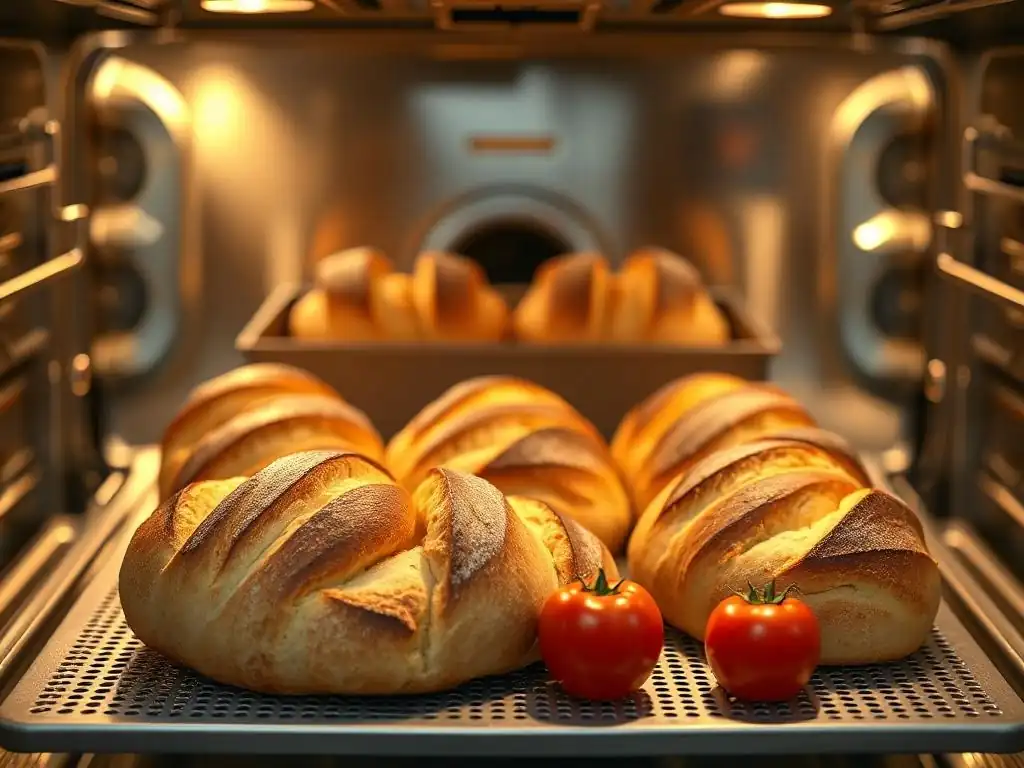
Welcome to BakeWithEase, where baking becomes a joy, not a chore! Ever wonder why your cookies brown unevenly, or your cakes rise lopsided? It all starts with your oven. Dive in to discover our top Consistent Oven Heat Distribution Tips and finally achieve baking perfection. Ready to unlock the secrets to evenly baked treats? Read on!
- Achieve Baking Perfection: Understanding Consistent Oven Heat Distribution
- Top Ovens for Consistent Heat Distribution: Our Expert Recommendations
- Consistent Oven Heat Distribution Tips and Tricks Beyond the Oven
- Maintaining Your Oven for Long-Term Heat Consistency
- Choosing the Right Oven: Factors Beyond Consistent Heat
- Guaranteeing Even Baking: Product Recommendations to Complement Your Oven
- Conclusion: Bake with Confidence with Consistent Oven Heat
-
Frequently Asked Questions
- What are the key benefits of having an oven with consistent heat distribution?
- What factors contribute to an oven's ability to distribute heat evenly?
- Are convection ovens always the best choice for consistent heat distribution?
- What are some practical tips I can use to improve heat distribution in my current oven?
- How can I identify ovens that are known for their consistent heat distribution before purchasing?
- Final Reflection: The Pursuit of Perfect Baking Through Even Heat
- Unlock Your Baking Potential: Even Baking, Every Time!
Achieve Baking Perfection: Understanding Consistent Oven Heat Distribution
Why Consistent Heat Matters for Baking Success
Consistent oven heat distribution is the invisible backbone of successful baking. Imagine baking a tray of cookies: if the heat is uneven, some might be perfectly golden brown, while others are still pale or, worse, burnt around the edges. This inconsistency isn't just frustrating; it directly impacts the texture, rise, and overall quality of your baked goods. A precisely heated environment ensures that every part of your cake, bread, or pastry cooks at the same rate, leading to uniform doneness, even browning, and predictable results every single time you bake.
Without reliable, uniform temperature throughout the oven cavity, achieving that perfect crumb on a cake or a beautifully even crust on a loaf of bread becomes a matter of luck rather than skill. Hot spots can cause tops to brown too quickly while the center remains undercooked, and cool spots can lead to dense, unrisen areas. For delicate items like soufflés or macarons, even minor temperature fluctuations can be the difference between triumphant success and frustrating failure. Mastering consistent oven heat distribution tips is crucial for any baker aiming for predictable, high-quality outcomes.
The Frustration of Uneven Baking: Common Problems and Solutions
Uneven baking manifests in several frustrating ways. You might notice cookies on one side of the baking sheet browning faster than those on the other, or a cake rising higher on one side. Bread crusts can be thicker or darker in certain areas, and roasted vegetables might be perfectly tender in one spot and still hard in another. These issues often stem from poor air circulation, faulty heating elements, inadequate insulation, or simply an oven that doesn't hold temperature accurately across its entire volume.
Addressing uneven baking often involves a combination of techniques and equipment. While rotating baking sheets halfway through cooking is a common workaround, it doesn't solve the root problem of inconsistent heat distribution. Investing in an oven known for its uniform temperature performance is a significant step. Additionally, understanding consistent oven heat distribution tips like proper rack placement, using an oven thermometer to verify the actual temperature, and ensuring adequate preheating time can help mitigate some of these issues, even in less-than-perfect ovens.
Top Ovens for Consistent Heat Distribution: Our Expert Recommendations
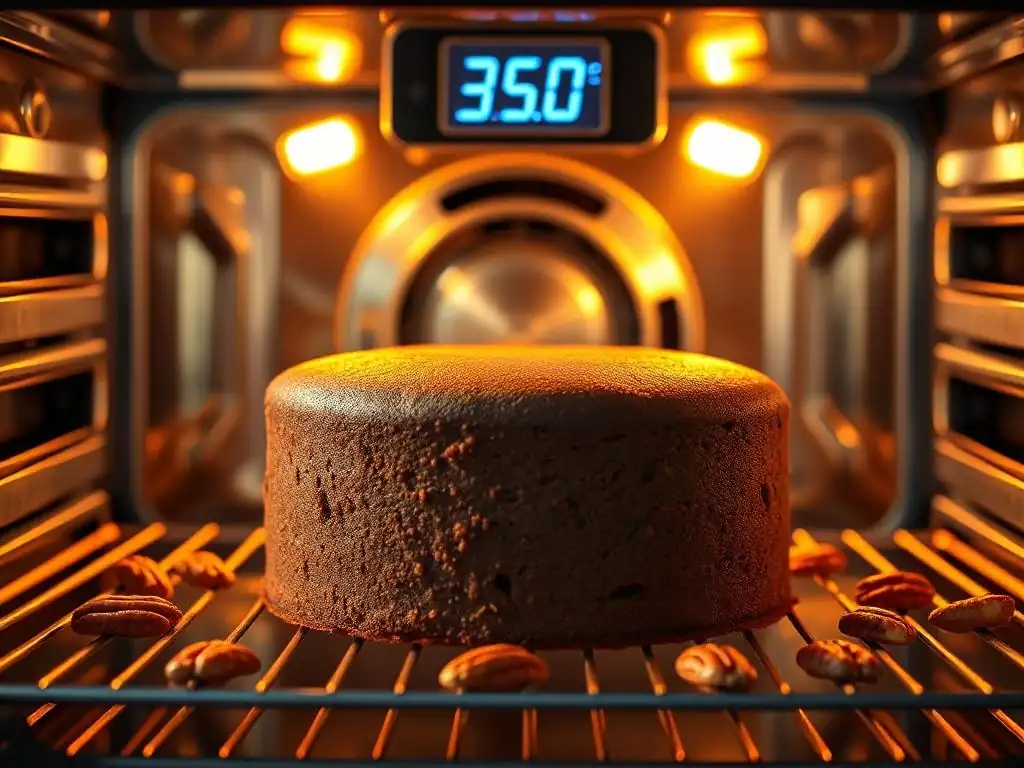
1. Breville Smart Oven Air Fryer Pro - The Convection King for Even Baking
The Breville Smart Oven Air Fryer Pro is a countertop oven that has earned a stellar reputation among home bakers for its ability to deliver remarkably consistent results, especially for a smaller unit. Its powerful convection system isn't just for air frying; it actively circulates hot air throughout the cavity, significantly reducing cold spots and ensuring that heat reaches every corner of your baking pan or tray. This makes it ideal for baking everything from cookies and muffins to small cakes and even loaves of bread, often outperforming larger, less sophisticated conventional ovens in terms of temperature uniformity.
Users frequently praise this oven for its precise temperature control and minimal variance across the baking surface. While internal temperature probes might show slight variations, they are typically much smaller than those found in many other countertop or even full-size ovens. The oven's Element IQ system intelligently directs power to different heating elements based on the cooking function and stage, further contributing to stable and consistent heat distribution, which is a key element in achieving consistent oven heat distribution tips results.
Features of the Breville Smart Oven Air Fryer Pro That Ensure Even Heat
The Breville Smart Oven Air Fryer Pro incorporates several features specifically designed to enhance heat consistency. Its dual-speed convection fan (Super and Regular) provides powerful air circulation that envelops food from all sides, eliminating stagnant air pockets where cold spots can form. The five independent quartz heating elements, combined with the Element IQ system, allow for precise power adjustments and even heat delivery across the entire oven chamber.
Furthermore, the oven features robust insulation and a tight-sealing door, which help to maintain the set temperature against external influences and prevent heat loss. The internal light allows you to monitor baking progress without opening the door and releasing heat, preserving that crucial consistent environment. These combined technologies work together to create a surprisingly stable and uniform baking environment for a countertop appliance, making it a top choice for those seeking reliable, consistent oven heat distribution tips realized in hardware.
Breville Smart Oven Air Fryer Pro Price Point and Target Baker
The Breville Smart Oven Air Fryer Pro typically falls into the mid-range price category for high-end countertop ovens, often retailing between $350 and $400 depending on sales and retailers. This price point makes it a significant investment compared to basic toaster ovens but is considerably less expensive than a full-size range or built-in oven.
This oven is perfect for the enthusiastic home baker who may have limited kitchen space or doesn't want to heat up a large oven for smaller batches. It's also ideal for bakers who want a reliable second oven for overflow baking during holidays or for specific tasks like air frying or dehydrating. Its performance in achieving uniform baking results makes it particularly appealing to those who have struggled with inconsistent heat in their main oven and are looking for a dependable alternative or supplement. Find the Breville Smart Oven Air Fryer Pro for your kitchen.
2. KitchenAid 30" 5-Burner Gas Convection Range - The Budget-Friendly Even-Baking Option
For bakers seeking consistent oven heat distribution tips within a full-size range without breaking the bank, the KitchenAid 30" 5-Burner Gas Convection Range is a strong contender. While gas ovens are sometimes perceived as less consistent than electric due to the nature of flame-based heating, models like this KitchenAid incorporate convection technology to actively circulate air and mitigate potential hot and cold spots. This significantly improves temperature uniformity compared to traditional non-convection gas ovens, offering a much more reliable baking environment.
This range provides a large capacity oven cavity, suitable for baking multiple trays of cookies, several loaves of bread, or large roasts simultaneously. Its convection system helps ensure that items placed on different racks or in different positions within the oven cook more evenly. While it may not offer the hyper-precise digital control of high-end electric ovens, it provides a level of consistent heat distribution that is more than adequate for most home baking tasks, making it a popular choice for families and frequent bakers.
KitchenAid 30" 5-Burner Gas Convection Range Technologies for Uniform Temperature
The key technology in the KitchenAid 30" 5-Burner Gas Convection Range that promotes uniform temperature is its fan convection system. The fan circulates hot air throughout the oven cavity, helping to distribute the heat generated by the gas burner more evenly. This reduces the temperature stratification that can occur in static gas ovens, where heat tends to be hottest at the bottom and coolest at the top.
Some models also feature a third heating element around the convection fan (true convection), which further enhances heat distribution by adding another heat source to the circulating air. While specific temperature variance figures can vary by model and installation, convection helps keep the overall temperature spread tighter than in a standard gas oven. This active air movement ensures that all surfaces of your baked goods are exposed to consistent heat, contributing to more uniform rising and browning—an essential part of consistent oven heat distribution tips.
Pros and Cons of KitchenAid 30" 5-Burner Gas Convection Range for Home Bakers
Pros:
- Typically more affordable than comparable electric or professional-grade ranges.
- Large oven capacity suitable for baking multiple items.
- Gas heat is often preferred for certain cooking tasks (like broiling), offering versatility.
- Convection system significantly improves heat distribution compared to non-convection gas ovens.
- Widely available and comes in various configurations.
Cons:
- Gas ovens can still have slight temperature variations compared to high-end electric convection ovens.
- May require professional installation for the gas line.
- Temperature recovery after opening the door can sometimes be slower than in electric ovens.
- Humidity levels can be higher in gas ovens, affecting some delicate baking tasks.
Shop for the KitchenAid 30" 5-Burner Gas Convection Range Now and Save!
3. Wolf 30" E Series Professional Oven - The Smart Oven with Precise Temperature Control
The Wolf 30" E Series Professional Oven represents the pinnacle of home oven technology designed for precision and consistent heat distribution. Known for their robust build quality and performance, Wolf ovens utilize advanced dual convection systems with two fans working in tandem, often with a third heating element, to ensure incredibly uniform temperatures throughout the large oven cavity. This level of engineering is aimed at eliminating hot and cold spots almost entirely, providing an unparalleled environment for consistent oven heat distribution tips to truly shine.
These ovens boast sophisticated electronic controls that maintain the set temperature with remarkable accuracy, often within just a few degrees Fahrenheit of the target. This precision is critical for demanding baking tasks, such as tempering chocolate, baking delicate pastries, or achieving the perfect rise and crust on artisanal bread. While a significant investment, the performance and durability offered by a Wolf oven make it a dream appliance for serious home bakers and culinary enthusiasts.
Smart Features of Wolf 30" E Series Professional Oven for Consistent Results
The Wolf 30" E Series is packed with smart features focused on temperature accuracy and consistency. The dual convection system, often referred to as 'Dual VertiCross™' convection in newer models, uses two vertical fans to optimize airflow and heat distribution across all racks simultaneously. This eliminates the need for frequent pan rotation and ensures every item in the oven cooks at the same rate.
Precise temperature control is managed by advanced electronics and multiple temperature sensors, allowing the oven to hold temperatures within a very tight range. Many models offer specific cooking modes tailored to different food types (like "Bake," "Roast," "Proof"), which automatically adjust heating elements and convection fan speed for optimal results. Features like delayed start and timed cooking further enhance control, while robust insulation and soft-close doors minimize heat loss, contributing to sustained, consistent heat distribution.
Why Wolf 30" E Series Professional Oven is Worth the Investment for Serious Bakers
For the passionate or professional-level home baker, the Wolf 30" E Series Professional Oven is often considered a worthwhile investment due to its exceptional reliability, durability, and, most importantly, its superior performance in maintaining consistent heat distribution. The ability to trust that the oven temperature is accurate and uniform means less guesswork, fewer baking failures, and consistently excellent results, even with the most challenging recipes.
While the initial cost is significantly higher than standard ovens (often starting from $4,000 - $6,000+), the build quality and expected lifespan are also considerably longer. For bakers who frequently tackle complex recipes, bake large quantities, or demand professional-level results from their home kitchen, the precision and consistent oven heat distribution tips offered by a Wolf oven translate directly into saved time, reduced frustration, and ultimately, more delicious baked goods. Upgrade to Wolf 30" E Series Professional Oven Today!
Consistent Oven Heat Distribution Tips and Tricks Beyond the Oven
Calibrating Your Oven for Accurate Temperatures
Even the best oven can be slightly off from the temperature displayed on its dial or digital readout. This discrepancy can be a major source of uneven baking. Learning how to calibrate your oven is one of the most important consistent oven heat distribution tips you can implement. Calibration involves testing the oven's actual internal temperature and adjusting its settings to match the display more closely.
To do this, you'll need a reliable oven thermometer (more on that next). Place the thermometer in the center of the oven, away from the walls or heating elements. Set the oven to a common baking temperature, like 350°F (175°C). Let the oven preheat fully, then monitor the thermometer for at least 20-30 minutes, noting the average temperature it holds. If there's a significant difference (say, more than 10-15°F or 5-8°C), consult your oven's manual for calibration instructions. Many modern digital ovens have a setting to adjust the temperature offset.
Using an Oven Thermometer for Real-Time Monitoring
Relying solely on your oven's built-in temperature display can be misleading. An inexpensive, yet invaluable tool for achieving consistent oven heat distribution is a good quality oven thermometer. These simple devices provide a real-time reading of the actual temperature inside your oven cavity, independent of the oven's internal sensor.
Keeping an oven thermometer inside your oven allows you to verify that the oven is reaching and holding the correct temperature. You can observe temperature fluctuations during the baking process and identify potential hot or cold spots by moving the thermometer to different locations on the racks. This practice is fundamental to applying consistent oven heat distribution tips, as it gives you the data needed to make informed adjustments to your baking time or techniques. Look for a thermometer that is easy to read and designed for oven use.
Oven Rack Placement for Optimal Baking Results
Where you place your baking pan within the oven cavity significantly impacts how evenly it bakes, even in an oven with excellent consistent heat distribution. Heat circulates differently depending on the oven type (conventional vs. convection) and the position of the racks. Understanding optimal rack placement is a crucial consistent oven heat distribution tip.
For most baking tasks in a standard oven, the middle rack is considered the sweet spot because it's furthest from the direct heat sources (usually at the bottom and top). If baking multiple items, try to place them on a single rack in the center if possible, or use two racks positioned in the upper and lower thirds of the oven, staggering items to allow for better air circulation.
In convection ovens, heat is circulated more evenly, offering more flexibility, but the center is still often preferred for general baking. Avoid placing pans too close to the oven walls or door.
The Importance of Preheating for Even Baking
Skipping or shortening the preheating process is a common mistake that leads to uneven baking. Your oven needs adequate time to not only reach the set temperature but also to saturate the oven walls and racks with heat. This creates a more stable and consistent thermal environment before your food goes in. This is a non-negotiable step for consistent oven heat distribution tips.
Allowing your oven to preheat for the recommended time (often 15-20 minutes after the preheat indicator light turns off) ensures that the temperature is uniform throughout the cavity. Placing food in a cold or partially heated oven means it will be exposed to fluctuating temperatures as the oven works to reach the set point, resulting in uneven cooking and potentially longer, unpredictable baking times. Always give your oven ample time to stabilize its temperature.
Maintaining Your Oven for Long-Term Heat Consistency
Regular Cleaning for Optimal Oven Performance
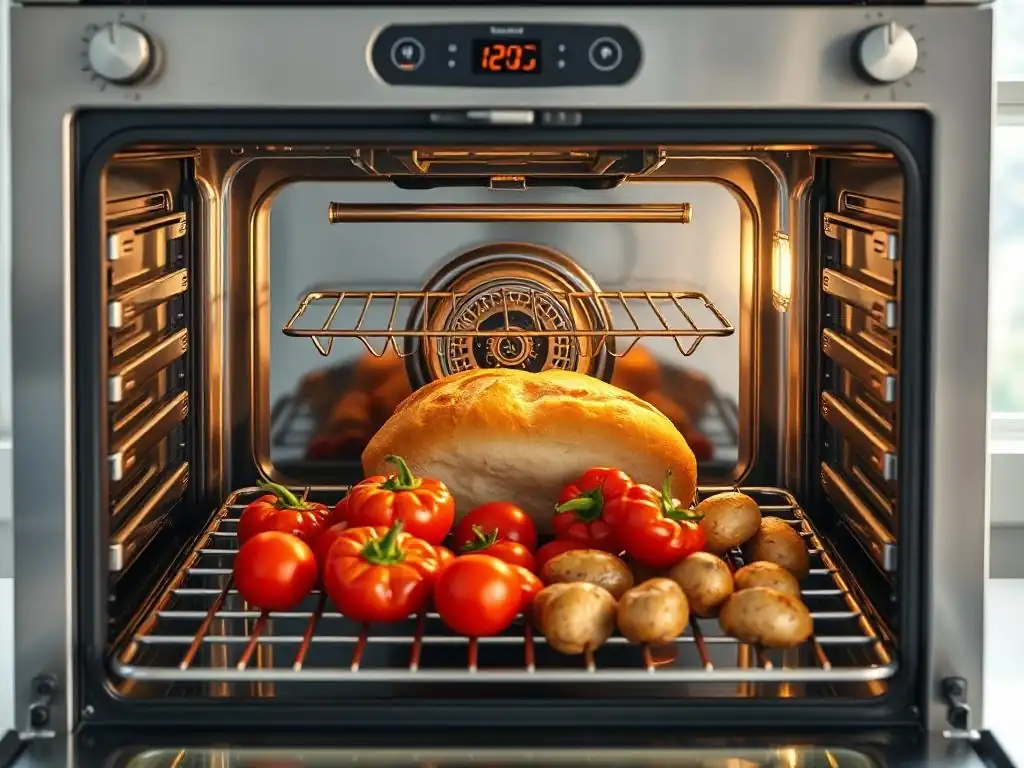
A dirty oven is an inefficient oven, and inefficiency can lead to poor heat distribution. Spills, grease, and burnt-on food residue inside the oven cavity absorb heat unevenly and can interfere with air circulation, creating hot and cold spots. Regular cleaning is a vital part of maintaining consistent oven heat distribution over time.
Wipe up spills as they happen to prevent them from baking on. Follow your oven's instructions for deeper cleaning, whether it involves using a self-cleaning cycle (with caution, as it uses very high heat) or manual cleaning with appropriate oven cleaners. Pay attention to the oven floor, walls, ceiling, and door glass. A clean oven reflects heat more effectively and allows the heating elements and convection fan (if applicable) to work optimally, contributing to more reliable and consistent oven heat distribution tips being effective.
Professional Oven Maintenance and Repair Services
Sometimes, inconsistent heat distribution isn't just a matter of cleaning or calibration; it can indicate a faulty component. Heating elements can wear out, temperature sensors can become inaccurate, or convection fans can malfunction. If you've cleaned and calibrated your oven and are still experiencing significant temperature issues, it might be time to call in a professional.
Regular professional maintenance can help identify potential issues before they cause major problems and ensure that components like heating elements and sensors are functioning correctly. If your oven is significantly under- or overheating, or if you notice specific areas that are always hotter or colder, a qualified appliance repair technician can diagnose the problem and replace faulty parts. Investing in professional care helps prolong the life of your oven and ensures it continues to provide consistent oven heat distribution for your baking endeavors. Find a local oven repair service.
Choosing the Right Oven: Factors Beyond Consistent Heat
Oven Size and Capacity: What Fits Your Baking Needs?
When choosing an oven, consistent heat distribution is paramount, but size and capacity are also critical considerations. Think about the types and quantities of baked goods you typically make. Do you need to bake multiple trays of cookies simultaneously? Do you bake large turkeys or roasts? A standard 30-inch range is sufficient for most families, but if you frequently entertain or bake in large batches, you might consider a larger 36-inch range or a double oven configuration.
Countertop ovens offer convenience for smaller tasks but have limited capacity. Built-in ovens provide a sleek look and can be paired with a separate cooktop, offering flexibility in kitchen layout. Consider the internal dimensions and rack configurations of the oven to ensure it can comfortably accommodate your largest baking pans and allow for adequate air circulation around them – a key factor in consistent oven heat distribution, regardless of oven quality.
Oven Type: Electric vs. Gas for Baking Performance
The choice between an electric and a gas oven is a significant one, each having different characteristics that affect baking performance and consistent heat distribution. Electric ovens are generally known for providing drier heat and more stable, consistent temperatures compared to traditional gas ovens. The heating elements heat up evenly, and the dry heat is often preferred for achieving crispy crusts and consistent browning on cakes and pastries.
Gas ovens heat up quickly but can have more fluctuations in temperature due to the cycling of the flame. They also produce more moisture as a byproduct of combustion, which can be beneficial for some baked goods like bread, contributing to a good rise and softer crust. However, modern gas ovens with convection technology have significantly improved their heat distribution, narrowing the gap with electric ovens. Your preference and what you bake most often should guide this decision, alongside evaluating which type offers the best consistent oven heat distribution for your specific needs.
Self-Cleaning Features: Convenience vs. Cost
Many modern ovens come with self-cleaning features, which use extremely high temperatures to burn off food residue. While undeniably convenient, there are factors to consider regarding consistent heat distribution and oven longevity. The intense heat of a self-cleaning cycle can potentially stress oven components over time, including heating elements and electronic controls, which could theoretically impact temperature accuracy down the road.
Moreover, ovens with robust insulation required for safe self-cleaning cycles often hold temperature very well during regular baking, contributing to consistent heat distribution. However, the feature itself adds to the cost of the oven. Weigh the convenience of self-cleaning against the potential long-term impact and added expense. For some bakers, manual cleaning might be preferred to potentially preserve the oven's consistent performance over many years.
Guaranteeing Even Baking: Product Recommendations to Complement Your Oven
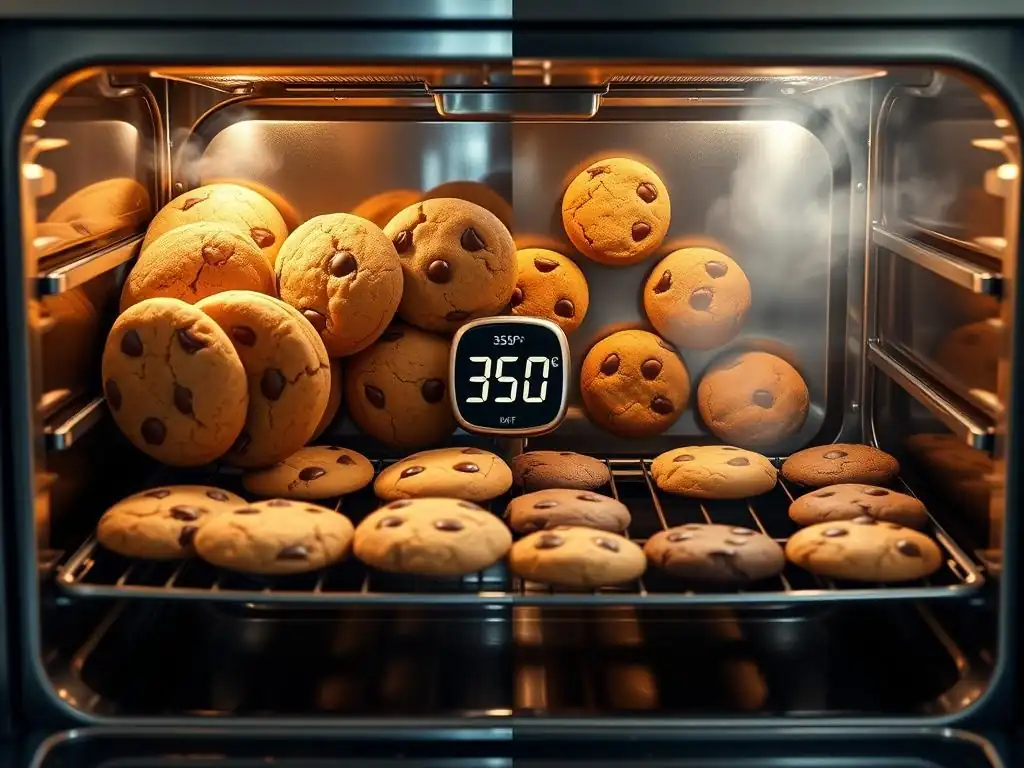
Baking Stones for Even Heat Distribution
A baking stone is a simple yet effective tool for improving consistent oven heat distribution, particularly on the bottom of your baked goods. Made from ceramic or stone, it absorbs heat from the oven's heating element and radiates it evenly towards the bottom of your pan or directly to your dough (like pizza or bread).
Placing a preheated baking stone on a lower rack helps create a stable, high-heat surface that ensures uniform cooking and browning on the underside of your items, preventing soggy bottoms and promoting a good crust. It acts as a thermal mass, helping to stabilize the oven temperature slightly as well. Find Baking Stones for Even Heat Distribution.
Baking Steel for Crispy Crusts and Uniform Baking
Similar to a baking stone but made from steel, a baking steel offers even greater thermal conductivity and heat retention. It heats up faster and holds more energy than a stone, making it exceptionally good at transferring heat to your baked goods. This is particularly beneficial for achieving incredibly crispy pizza crusts and artisan bread with a well-developed bottom crust.
A baking steel placed in your oven contributes to consistent oven heat distribution by providing a powerful, even heat source from below. Its high heat transfer rate ensures that the bottom of your loaf or pizza cooks quickly and uniformly, preventing the common issue of a pale or undercooked base while the top is done. Find a Baking Steel for Crispy Crusts and Uniform Baking.
Oven Liners for Easy Cleanup and Heat Reflection
Oven liners are typically silicone or Teflon sheets placed on the bottom rack or oven floor to catch drips and spills, making cleanup significantly easier. While their primary function is convenience, some types can also subtly affect heat distribution. Reflective oven liners, for instance, can help reflect heat upwards, potentially aiding in more even cooking, particularly when placed on the bottom rack.
However, it's crucial to use oven liners safely and according to the manufacturer's instructions and your oven's manual. Avoid covering vents or placing liners directly on exposed heating elements, as this can impede airflow and heat distribution, potentially causing uneven baking or even damaging the oven. Choose oven liners for Easy Cleanup and Heat Reflection, ensuring they are used correctly.
Conclusion: Bake with Confidence with Consistent Oven Heat
Finding the Perfect Oven for Your Baking Journey
Choosing the right oven is a foundational step towards consistent baking success. While features, size, and type play a role, the oven's ability to maintain and distribute heat uniformly is arguably the most critical factor for serious bakers. Whether you opt for a high-end professional range, a reliable mid-range model with convection, or even a powerful countertop oven, prioritizing consistent oven heat distribution will pay dividends in the quality and predictability of your baked goods.
Researching models, reading reviews focusing on temperature performance, and understanding the technologies used to promote even heating are essential steps in finding the perfect oven that aligns with your baking aspirations and budget. Remember that even the best oven benefits from proper use and maintenance.
Embrace Even Baking for Delicious Results
Mastering consistent oven heat distribution, through both selecting a quality appliance and implementing smart baking practices, transforms baking from a potentially frustrating guessing game into a reliable and rewarding process. No more burnt edges or undercooked centers! When your oven provides a stable, uniform temperature, your recipes can perform exactly as intended, allowing you to focus on the joy of creating delicious cakes, pastries, breads, and more.
By understanding why consistent heat matters, recognizing signs of unevenness, choosing ovens known for their performance, and applying consistent oven heat distribution tips and tricks, you empower yourself to achieve beautifully and uniformly baked goods every time. Bake with confidence, knowing that your oven is providing the even heat necessary for true baking perfection.
Frequently Asked Questions
What are the key benefits of having an oven with consistent heat distribution?
Consistent heat distribution ensures your baked goods cook evenly and completely, preventing burnt edges or undercooked centers. This leads to better texture, flavor, and overall baking success.
What factors contribute to an oven's ability to distribute heat evenly?
Several factors are involved, including the oven's design, the placement and type of heating elements, and the effectiveness of its insulation. Convection ovens generally offer better distribution.
Are convection ovens always the best choice for consistent heat distribution?
While convection ovens often excel, some conventional ovens are designed with advanced heating systems and strategic element placement to achieve similar results. Research is key!
What are some practical tips I can use to improve heat distribution in my current oven?
Try using oven thermometers to monitor temperature accuracy, avoid overcrowding the oven, and use baking stones or sheets to help regulate heat. Rotating pans can also help.
How can I identify ovens that are known for their consistent heat distribution before purchasing?
Read customer reviews and expert ratings specifically mentioning even baking. Look for ovens with convection features and research their heating element design.
Final Reflection: The Pursuit of Perfect Baking Through Even Heat
The quest for consistent oven heat distribution isn't just about perfectly browned cookies; it's about mastering the art of baking itself. A perfectly even temperature translates to predictable results, allowing bakers of all skill levels to achieve consistent success and unlock their culinary creativity. This is more relevant than ever in a world where home baking is experiencing a resurgence, with people seeking comfort and control in their kitchens.
The impact of consistent heat distribution extends far beyond the individual baker. It's about the joy of sharing perfectly baked goods with loved ones, the satisfaction of a recipe executed flawlessly, and the preservation of culinary traditions passed down through generations. Baking is a labor of love, and a consistent oven is the baker's best friend.
This simple truth underscores the importance of understanding and optimizing your oven's performance for a truly rewarding baking experience. The pursuit of even heat is a pursuit of perfection, a reflection of our desire for control and mastery in a world often beyond our control.
Now, consider your own oven. Do you know its quirks? Have you experimented with different baking techniques to compensate for uneven heat? I challenge you to take the information presented in this article and apply it to your own baking journey. Experiment with the tips provided, observe your oven's behavior, and refine your baking techniques to achieve that elusive, perfectly even heat distribution. The reward? The unparalleled satisfaction of consistently delicious results, every single time.
Unlock Your Baking Potential: Even Baking, Every Time!
Thanks for taking the time to learn about achieving perfectly even baking results! We hope this article provided valuable insights into the importance of consistent heat distribution in your oven. Now it’s time to put that knowledge into action.
- Invest in an oven with superior heat distribution: This is your primary step toward consistent baking success. Research models praised for even heating – you might be surprised by the options available!
- Share your baking triumphs (and challenges!): Connect with our community on social media and share your experiences using the tips and insights you’ve learned. Let's help each other bake better!
- Experiment with a new recipe: Choose a challenging recipe you've always wanted to try, and see how the improved evenness transforms your baking results.
Ready to experience the joy of flawlessly baked goods every time? What exciting recipe will you tackle first?