
Baking a Perfect Bundt Cake for a Simple Birthday

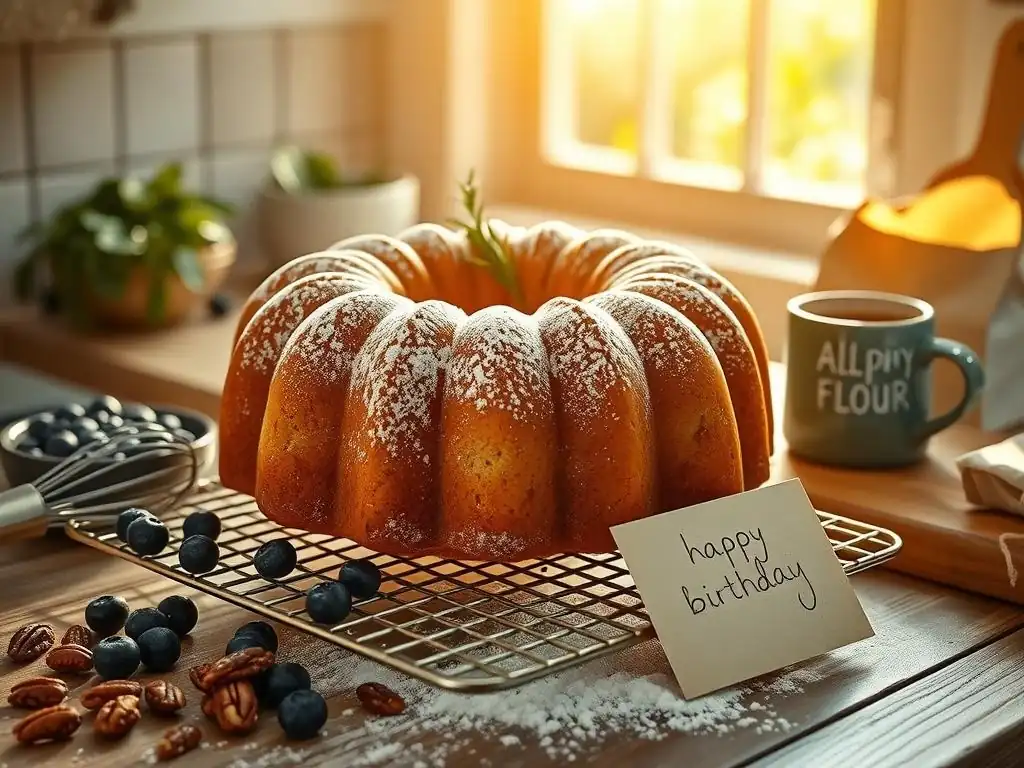
Welcome to BakeWithEase, your trusted companion on your baking journey! Are you ready to create a show-stopping dessert that's surprisingly simple? Discover how to bake a perfect bundt cake recipe easy enough even for a last-minute birthday celebration. Unlock the secrets to a moist, delicious, and visually stunning bundt cake, and prepare to impress your loved ones. Let's get baking!
- Baking a Perfect Bundt Cake for a Birthday: A Simple Guide
- A Guide to Easy Bundt Cake Baking for Birthdays
- Why Choose a Bundt Cake for Your Birthday Celebration?
- Perfect Bundt Cake Recipe: Ingredients and Equipment You'll Need
- Step-by-Step: Baking Your Birthday Bundt Cake
- Bundt Cake Recipe: Flavor Variations and Add-Ins for Birthdays
- Frosting and Glazing Your Birthday Bundt Cake: Simple Decoration Ideas
- Tips and Tricks for Baking the Best Bundt Cake Ever
- Serving and Storing Your Perfect Birthday Bundt Cake
- Frequently Asked Questions
- Final Reflection: The Sweetness of Simple Moments
- Unlock Your Inner Baker: Perfect Bundt Cakes Await!
Baking a Perfect Bundt Cake for a Birthday: A Simple Guide
A Guide to Easy Bundt Cake Baking for Birthdays
Welcome to BakeWithEase, where we believe every celebration, no matter how simple, deserves a delicious homemade touch. Baking a cake for a birthday doesn't have to be complicated. In fact, creating a perfect bundt cake recipe easy enough for anyone to master can be incredibly rewarding. This guide will walk you through everything you need to know to bake a beautiful and tasty bundt cake that will be the star of any birthday table. We'll cover why bundt cakes are a fantastic choice, what ingredients and equipment you'll need, and provide step-by-step instructions for a flawless bake.
This article is designed for bakers of all skill levels. Whether you're attempting your very first birthday cake or looking for a simple yet elegant option, the bundt cake is a forgiving canvas. We'll share tips to ensure your cake is moist, doesn't stick to the pan, and comes out looking picture-perfect every time. Get ready to bake a simple bundt cake recipe that tastes as good as it looks, making birthday celebrations even sweeter.
Why Choose a Bundt Cake for Your Birthday Celebration?
Bundt Cakes: A Stunning Birthday Dessert Option
Bundt cakes possess an inherent elegance due to their distinctive ring shape, created by the specialized pan. This form eliminates the need for intricate frosting techniques often required for layer cakes, making them visually appealing with minimal effort. A simple dusting of powdered sugar, a light glaze, or a drizzle of ganache is often all that's needed to create a stunning centerpiece. Consider the classic marble bundt cake, where swirling light and dark batters naturally create a beautiful pattern that requires no external decoration beyond a simple finish.
Furthermore, the shape ensures that each slice has a lovely crust-to-interior ratio. Unlike a flat sheet cake or a tall layer cake, the ring structure promotes even heat distribution during baking, often resulting in a consistently moist crumb. This makes it a reliable choice when aiming for a best bundt cake for a special occasion.
The Ease of Baking a Bundt Cake: Perfect for Bakers of All Levels
One of the primary reasons to choose a bundt cake, especially for a birthday, is its relative simplicity compared to multi-tiered or elaborately decorated cakes. The structure of the pan means you're essentially baking one single cake, eliminating the steps of baking multiple layers, leveling them, and stacking them. This significantly reduces the complexity and time involved in the baking process. For instance, a standard yellow cake batter mixed in one bowl and poured into a well-prepared bundt pan can yield a beautiful result with just one bake cycle.
This ease makes the perfect bundt cake recipe easy to tackle even if you're new to baking. There's less room for error in assembly, and the focus shifts to getting the batter right and ensuring the cake releases cleanly from the pan. Many easy bundt cake recipe variations use simple pantry staples and straightforward mixing methods, making them accessible and stress-free for busy individuals planning a birthday surprise.
Bundt Cake Versatility: Flavor Combinations for Birthday Celebrations
Bundt cakes are incredibly versatile when it comes to flavor. The dense, moist crumb that the pan often encourages is a perfect vehicle for a wide range of ingredients, from classic vanilla and chocolate to more adventurous combinations. For a summer birthday, a lemon-blueberry bundt cake offers a refreshing citrusy note paired with bursts of fruit. In contrast, a fall or winter celebration might call for a spiced apple or gingerbread bundt, filling your home with warm, inviting aromas.
Beyond the batter itself, the ring shape is ideal for incorporating add-ins like chocolate chips, nuts, dried fruit, or even swirls of jam or cream cheese filling. A popular simple bundt cake recipe might start with a basic vanilla base and then incorporate a cinnamon swirl or a ribbon of chocolate ganache through the center before baking. This adaptability allows you to easily customize the cake to the birthday person's favorite flavors.
Perfect Bundt Cake Recipe: Ingredients and Equipment You'll Need
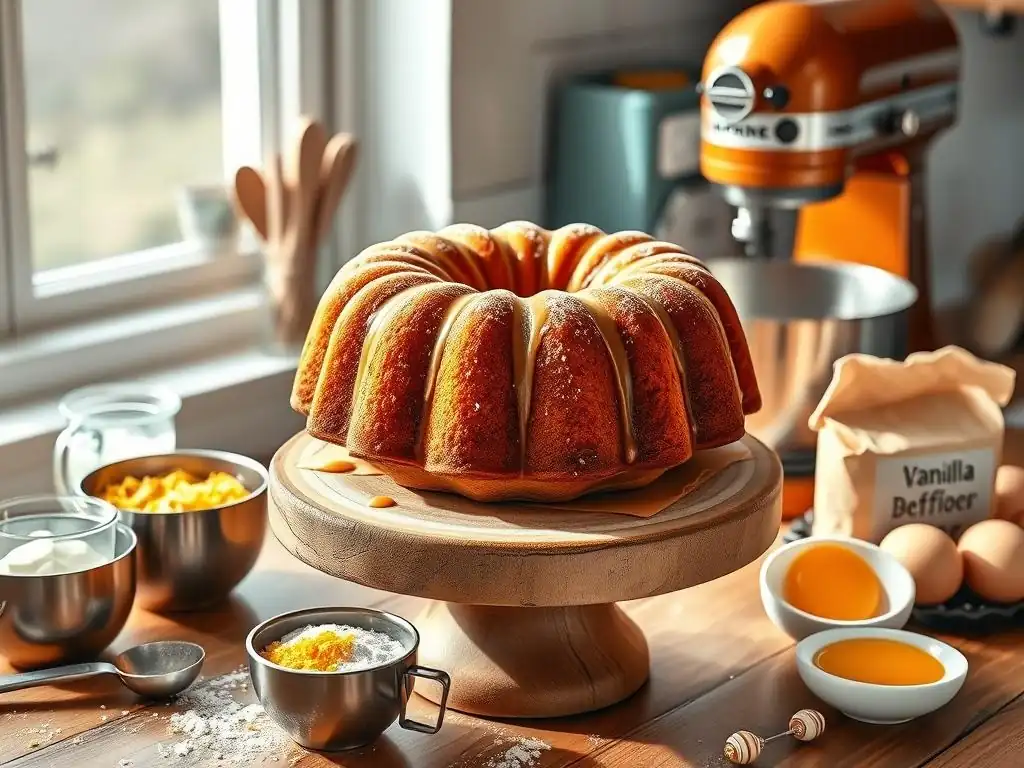
Gathering Your Ingredients for the Perfect Birthday Bundt Cake
To bake a perfect bundt cake recipe easy enough for a birthday, you'll typically need standard baking ingredients. These usually include flour (all-purpose is common, though cake flour can yield a finer crumb), sugar (granulated and sometimes brown sugar), leavening agents (baking powder and/or baking soda), salt, eggs, a liquid component (milk, buttermilk, sour cream, or yogurt), fat (butter or oil), and flavorings (vanilla extract, zest, cocoa powder, spices).
Using room temperature ingredients is often recommended, as it helps them emulsify better, leading to a smoother batter and a more even cake texture. For example, butter should be soft enough to easily indent with your finger, but not melted.
The specific quantities will vary depending on the recipe, but a standard 10-cup bundt pan recipe might call for approximately 2 to 3 cups of flour, 1.5 to 2.5 cups of sugar, 3 to 4 large eggs, and around 1 cup of liquid and 1 cup of fat. Always measure your ingredients accurately, especially flour, which should be spooned into the measuring cup and leveled off rather than scooped directly from the bag.
Essential Baking Equipment for a Flawless Bundt Cake
Having the right tools makes baking a bundt cake significantly easier and increases your chances of success. Beyond your standard mixing bowls and measuring cups/spoons, a good quality stand mixer or electric hand mixer is highly recommended for creaming butter and sugar and ensuring the batter is properly mixed without overworking it. A rubber spatula is essential for scraping down the sides of the bowl and folding in ingredients gently.
You'll also need a cooling rack for letting the cake cool properly after baking. A wire rack allows air to circulate around the cake, preventing the bottom from becoming soggy. For preparing the pan, a pastry brush or paper towel is useful for applying the grease and flour/cocoa powder mixture evenly into all the nooks and crannies of the bundt pan.
Choosing the Right Bundt Pan for Optimal Results
The bundt pan is, of course, the star piece of equipment for this cake. Bundt pans come in various sizes and designs, from classic fluted shapes to more intricate patterns. The most common size is the 10-12 cup capacity, which is suitable for most standard cake recipes. Using a pan that is too small for your batter will result in overflow during baking, while a pan that is too large might cause the cake to spread out too much and potentially dry out.
Material also matters. Non-stick metal bundt pans are widely available and work well, but proper greasing is still crucial, even with a non-stick coating. Cast aluminum pans, often produced by Nordic Ware (the originator of the modern Bundt pan), are favored by many bakers for their excellent heat distribution and sharp detail, which helps the cake release cleanly and showcase the pan's design. Whichever pan you choose, ensure it is sturdy and free from warping or damage.
Step-by-Step: Baking Your Birthday Bundt Cake
Preparing Your Bundt Pan: Preventing Sticking is Key
Proper pan preparation is arguably the most critical step in achieving a perfect bundt cake recipe easy to remove from its mold. Even non-stick pans require careful greasing and flouring to prevent the cake from sticking, especially in the intricate patterns common to bundt pans. A popular and effective method is to use a baking spray specifically designed for baking, which often contains flour. Alternatively, you can use softened butter or shortening to coat the entire interior surface of the pan, getting into every groove and corner, using a pastry brush or your fingers.
After greasing, you need to flour the pan. For vanilla or light-colored cakes, dust the greased pan generously with all-purpose flour, tapping out the excess. For chocolate cakes, use cocoa powder instead of flour to avoid white marks on the finished cake. Ensure every part of the greased surface is coated with a thin layer of flour or cocoa. Some bakers even recommend chilling the prepared pan for a few minutes before adding the batter to help the grease solidify slightly.
Mixing the Batter: Achieving the Perfect Bundt Cake Consistency
The mixing method for your bundt cake batter will depend on the specific recipe, but many easy bundt cake recipe variations use the creaming method or the reverse creaming method. In the creaming method, softened butter and sugar are beaten together until light and fluffy, incorporating air which helps the cake rise. Eggs are then added one at a time, followed by alternating additions of dry and wet ingredients.
It's important not to overmix once the flour is added, as this can develop too much gluten, resulting in a tough cake. Mix just until the ingredients are combined and no dry streaks remain.
For a perfect bundt cake recipe easy to handle, aim for a batter that is thick but pourable. If the batter is too thin, the cake might be dense or sink. If it's too thick, it might not spread evenly into the pan's design. Ensure all ingredients are at room temperature before mixing, as this promotes better emulsion and a smoother, more uniform batter. Scrape down the sides and bottom of the mixing bowl periodically to ensure everything is incorporated.
Baking Time and Temperature: Ensuring a Moist and Delicious Bundt Cake
Baking time and temperature are crucial for a moist and evenly cooked bundt cake. Most bundt cakes are baked at temperatures between 325°F (160°C) and 350°F (175°C). A slightly lower temperature can sometimes help prevent the edges from overcooking before the center is done, especially for larger or denser cakes. The baking time typically ranges from 45 to 60 minutes, depending on the size of the pan, the density of the batter, and your specific oven.
You can test for doneness by inserting a long wooden skewer or toothpick into the thickest part of the cake (avoiding the center hole). It should come out clean or with just a few moist crumbs attached. If it comes out with wet batter, the cake needs more time. Avoid opening the oven door too frequently during baking, especially in the first 30 minutes, as sudden temperature changes can cause the cake to sink. The cake should also begin to pull away slightly from the edges of the pan when it's ready.
Cooling Your Bundt Cake: The Crucial Inversion Process
Once your bundt cake is baked and passes the doneness test, the cooling process is critical for successful release and texture. Remove the cake from the oven and place the pan on a wire cooling rack. Let it cool in the pan for the amount of time specified in your recipe, typically between 10 and 20 minutes. This allows the cake to firm up slightly within the pan. Cooling for too long in the pan can cause it to stick, while cooling for too short a time might result in the cake breaking when inverted.
After the initial cooling period, it's time for the inversion. Place the wire cooling rack upside down on top of the bundt pan. Holding both the pan and the rack firmly together, quickly and confidently flip them over. The cake should ideally release cleanly onto the rack.
If it doesn't release immediately, let it sit inverted for a few more minutes, allowing gravity to help. Once released, lift the pan off carefully. If any small pieces stick, they can sometimes be patched with frosting or glaze. Allow the cake to cool completely on the wire rack before attempting to glaze or decorate it, which usually takes at least 1-2 hours.
Bundt Cake Recipe: Flavor Variations and Add-Ins for Birthdays
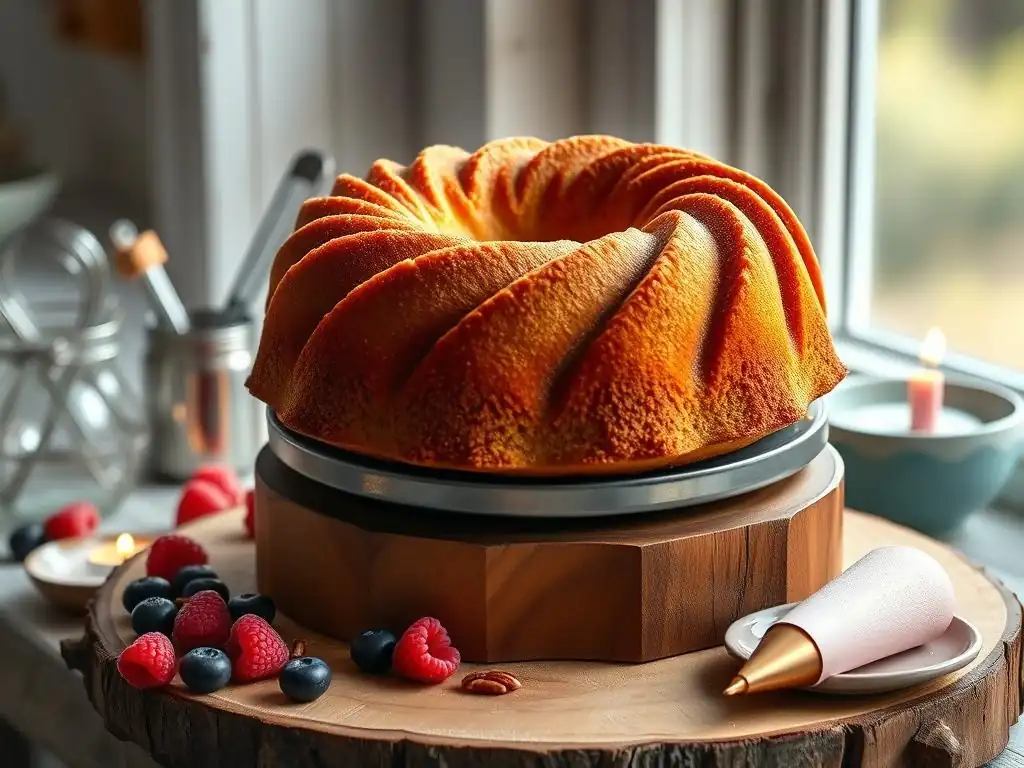
Vanilla Bean Bundt Cake: A Classic Birthday Choice
A classic vanilla bean bundt cake offers timeless appeal, making it a universally loved choice for a birthday celebration. This variation focuses on the pure, sweet flavor of vanilla, often enhanced by using real vanilla bean paste or the seeds scraped directly from a vanilla bean pod, in addition to or instead of extract.
The tiny black specks from the bean add both visual interest and a more complex, aromatic vanilla profile compared to extract alone. A perfect bundt cake recipe easy to adapt can start with a simple vanilla base, allowing the quality of the ingredients to shine through.
To elevate a vanilla bean bundt, consider incorporating buttermilk into the batter. The acidity of buttermilk reacts with baking soda (if used) to provide lift and contributes to a tender, moist crumb. It also adds a subtle tang that complements the sweetness of the vanilla. A simple vanilla glaze made with powdered sugar and milk or cream, perhaps with a touch more vanilla bean paste, provides a beautiful finish that doesn't overpower the delicate cake flavor.
Chocolate Bundt Cake: A Decadent Birthday Treat
For the chocolate lover, a chocolate bundt cake is an absolute must for a birthday. This decadent option can range from a rich, dark chocolate intensity achieved with Dutch-process cocoa powder to a lighter, milk chocolate flavor using natural cocoa. Adding melted chocolate (like semi-sweet or bittersweet) to the batter alongside cocoa powder can deepen the flavor and contribute to a wonderfully moist texture. Some recipes even call for brewed coffee or hot water instead of milk in chocolate cakes, as the hot liquid helps bloom the cocoa powder, intensifying its flavor.
A perfect bundt cake recipe easy to make chocolate version might incorporate sour cream or yogurt into the batter. These dairy products add moisture and richness, helping to create that desirable dense, fudgy texture often associated with the best bundt cake chocolate varieties. Finish with a simple chocolate ganache poured over the cooled cake for an extra layer of chocolatey goodness.
Lemon Bundt Cake: A Refreshing Birthday Flavor
A lemon bundt cake offers a bright, refreshing alternative, perfect for spring or summer birthdays or for anyone who enjoys a zesty dessert. The flavor comes primarily from fresh lemon zest, which contains the concentrated oils of the lemon, and fresh lemon juice. Using both zest and juice ensures a vibrant citrus flavor throughout the cake. Incorporating ingredients like yogurt or sour cream is particularly beneficial in citrus cakes, as their tanginess complements the lemon and helps keep the cake incredibly moist.
To enhance the lemon flavor further, many simple bundt cake recipe variations include soaking the warm cake in a lemon syrup immediately after removing it from the pan but while still warm. This allows the syrup to soak into the cake, adding moisture and a burst of intense lemon flavor. A tart lemon glaze made with powdered sugar and fresh lemon juice provides the perfect finishing touch, offering a lovely contrast to the sweet cake.
Spice Bundt Cake: A Warm and Inviting Birthday Cake
A spice bundt cake is a warm, comforting choice, especially fitting for fall or winter birthdays. This type of cake relies on a blend of ground spices like cinnamon, nutmeg, cloves, ginger, and sometimes allspice. The combination creates a fragrant and cozy aroma that fills the kitchen as it bakes. Ingredients like applesauce, pumpkin puree, or mashed banana are often added to spice cakes, contributing natural sweetness, moisture, and additional flavor depth that pairs beautifully with the spices.
These cakes often have a slightly denser crumb, which holds up well to add-ins like chopped nuts (walnuts or pecans are common), raisins, or dried cranberries. A perfect bundt cake recipe easy to make spice version might use brown sugar instead of or in combination with granulated sugar, adding a subtle caramel note that complements the spices. A cream cheese glaze is a classic pairing for spice cakes, offering a tangy counterpoint to the warm, sweet flavors.
Frosting and Glazing Your Birthday Bundt Cake: Simple Decoration Ideas
Easy Glaze Recipes for Bundt Cakes: Adding Shine and Flavor
Glazes are the simplest and often most elegant way to finish a bundt cake. They add a touch of sweetness, moisture, and shine without the effort required for full frosting. A basic glaze typically consists of powdered sugar mixed with a liquid until it reaches a pourable consistency.
The liquid can be milk, water, cream, or fruit juice (like lemon or orange) to add flavor. Start with about 1 cup of powdered sugar and add the liquid one tablespoon at a time, mixing until smooth. You're aiming for a consistency that drizzles easily but is thick enough to coat the cake slightly.
For a more flavorful glaze, consider adding extracts like vanilla or almond, melted butter for richness, or even a tablespoon of liqueur. A chocolate glaze can be made by melting chocolate with a bit of butter or cream. Apply the glaze once the cake has cooled completely (usually 1-2 hours after inverting), pouring it slowly over the top and letting it drip down the sides naturally. For a thicker coating, let the first layer set slightly before applying a second drizzle.
Simple Frosting Techniques for a Beautiful Birthday Bundt Cake
While glazes are simple, a light frosting can also be used to decorate a birthday bundt cake. A simple buttercream or cream cheese frosting can be thinned slightly with milk or cream to a consistency that can be drizzled or spread loosely over the cake.
This provides a bit more coverage and richness than a glaze but is still easier to apply than frosting a layer cake. For example, a basic cream cheese frosting (made with cream cheese, butter, powdered sugar, and vanilla) can be softened slightly and applied with an offset spatula, following the contours of the bundt pan design.
Alternatively, you can fill the center hole of the bundt cake with frosting and let it spill over the edges slightly. This creates a lovely focal point. Another simple technique is to pipe dollops of frosting around the base or top edge of the cake using a piping bag fitted with a star or round tip. This adds decorative detail without needing to cover the entire cake surface. A perfect bundt cake recipe easy to decorate allows for these simple yet effective frosting applications.
Decorating with Sprinkles and Fresh Fruit
Once glazed or lightly frosted, a bundt cake can be further decorated with minimal effort to make it birthday-ready. Sprinkles are a classic birthday decoration and are incredibly easy to apply. While the glaze or frosting is still wet, simply sprinkle them over the top and down the sides of the cake. You can use classic rainbow sprinkles, nonpareils, or themed sprinkle mixes to match the birthday celebration.
Fresh fruit offers a beautiful and tasty way to decorate, especially for cakes with complementary flavors like lemon, vanilla, or chocolate. Arrange fresh berries (strawberries, raspberries, blueberries) or sliced fruit (citrus slices, kiwi) around the base of the cake or on top. For a more rustic look, simply pile fruit into the center hole. Edible flowers or a light dusting of powdered sugar after the glaze has set are other simple ways to add a celebratory touch to your simple bundt cake recipe.
Tips and Tricks for Baking the Best Bundt Cake Ever
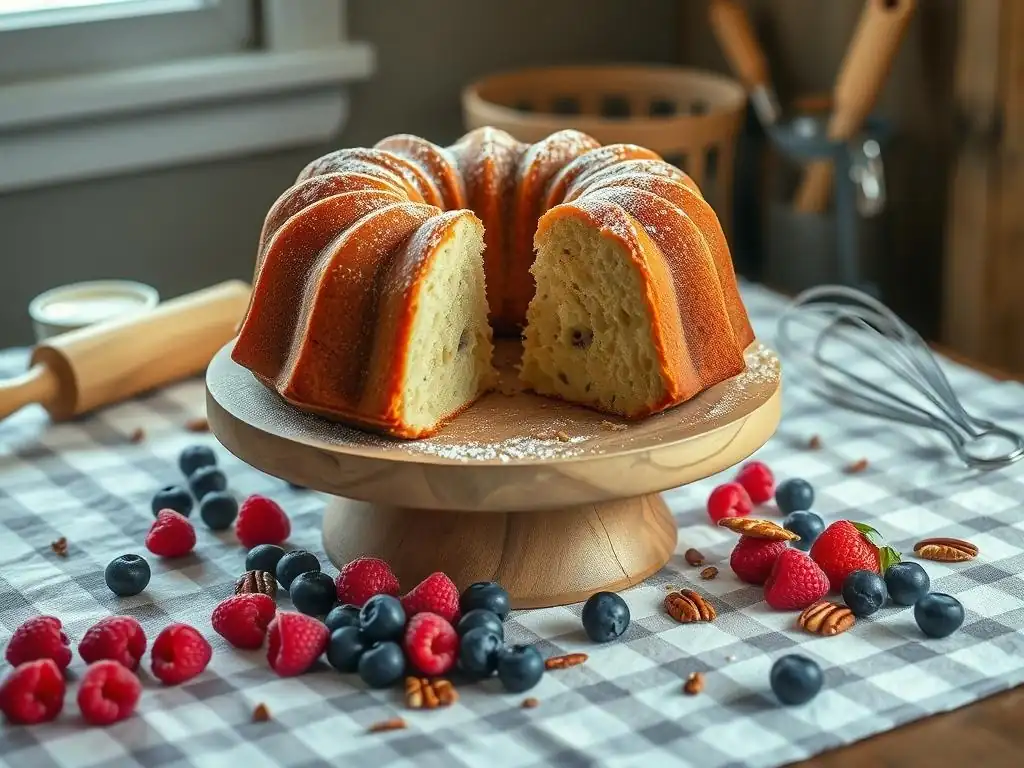
Preventing a Dry Bundt Cake: Moisture is Key
A common pitfall when baking any cake, including a bundt, is dryness. Several factors contribute to a moist cake. Firstly, don't overbake it! Use the skewer test and remove the cake from the oven as soon as it's done.
Ovens can vary, so trust the doneness test over the clock time alone. Secondly, ensure your recipe includes ingredients that contribute moisture, such as butter, oil, eggs, buttermilk, sour cream, yogurt, or even ingredients like applesauce or mashed banana in certain variations. Using oil often results in a moister cake than butter alone, as oil is liquid at room temperature while butter is solid.
Using room temperature ingredients also helps create a smoother batter emulsion, leading to a more even crumb structure that retains moisture better. Consider adding a simple syrup soak to the warm cake, as mentioned earlier for the lemon cake; this technique works well for vanilla or even chocolate cakes too, adding significant moisture and flavor. A perfect bundt cake recipe easy to achieve moistness often incorporates one or more of these techniques.
Avoiding Bundt Cake Sticking: Pro Tips for Easy Release
As emphasized before, proper pan preparation is paramount to preventing sticking. Greasing thoroughly with softened butter or shortening and then flouring (or using cocoa powder for chocolate cakes) is the standard method. Ensure you get into every single nook and cranny, especially with intricately designed pans. Using a baking spray that contains flour is often the easiest and most effective shortcut.
Another pro tip is to use a pastry brush to ensure the grease and flour coating is even and covers the entire interior surface. After greasing and flouring, some bakers lightly tap the pan upside down over the sink to remove any excess flour, which can create a gummy layer.
Allowing the cake to cool in the pan for the correct amount of time (typically 10-20 minutes) before inverting is also crucial, as it allows the cake to firm up but not cool so much that it adheres to the pan. If you encounter minor sticking, running a thin, flexible offset spatula or knife carefully around the outer edge (where the cake meets the pan rim) before inverting can sometimes help, but be cautious not to damage the cake's surface.
Ensuring Even Baking: Temperature Control Matters
Even baking is essential for a beautiful and properly cooked bundt cake. Ovens can have hot spots, leading to uneven browning or parts of the cake being done before others. Using an oven thermometer is a simple way to verify that your oven's internal temperature matches the setting. If your oven runs hot or cold, adjust the temperature accordingly.
Placing the bundt pan on the center rack of your oven is generally recommended for the most even heat distribution. Avoid placing it too close to the top or bottom heating elements. For very large or dense bundt cakes, some bakers choose to bake at a slightly lower temperature (e.g., 325°F/160°C) for a longer time to allow the center to cook through without the exterior becoming too dark or dry.
Rotating the cake halfway through the baking time can also help promote even cooking, especially if you know your oven has significant hot spots. These steps contribute to achieving the best bundt cake with a consistent texture throughout.
Serving and Storing Your Perfect Birthday Bundt Cake
Presenting Your Beautiful Bundt Cake for the Birthday Celebration
Presenting your perfect bundt cake recipe easy to admire is the final step before the birthday celebration begins. Ensure the cake has cooled completely before moving it from the cooling rack to its final serving platter. Use two spatulas or a large cake lifter to carefully transfer the cake to avoid breakage. Choose a platter that complements the size and design of the cake.
Arrange any decorations like fresh fruit or candles just before serving. Place the cake in a prominent spot on the birthday table – its natural elegance makes it a wonderful centerpiece. Slice the cake using a long, sharp knife, cutting downwards evenly. Each slice should showcase the beautiful ring shape and any internal swirls or add-ins.
Properly Storing Leftover Bundt Cake to Maintain Freshness
If there's any delicious bundt cake left after the birthday festivities (a rare occurrence! ), proper storage is key to maintaining its freshness and moisture. Allow any leftover cake to cool completely if it's still warm. The best way to store bundt cake is at room temperature, tightly wrapped in plastic wrap or stored in an airtight cake carrier or container. This protects it from drying out.
Avoid refrigerating plain or glazed bundt cakes unless they contain perishable fillings or frostings (like cream cheese frosting) or if your kitchen is exceptionally warm and humid. Refrigeration tends to dry out cake crumb. Stored properly at room temperature, most bundt cakes will remain fresh and delicious for 2-4 days. For longer storage, you can freeze slices or the whole cake (well wrapped in plastic wrap and then foil) for up to 2-3 months. Thaw frozen cake overnight in the refrigerator or for a few hours at room temperature before serving.
Frequently Asked Questions
What makes a bundt cake different from other cakes?
Bundt cakes are baked in a distinctive bundt pan which gives them their characteristic ring shape. This shape also helps with even baking and creates a visually appealing cake.
What are the key ingredients for a perfect bundt cake recipe?
While recipes vary, a perfect bundt cake typically includes flour, sugar, eggs, butter or oil, and a leavening agent. High-quality ingredients and proper ratios are crucial for the best results.
How can I prevent my bundt cake from sticking to the pan?
Greasing and flouring the bundt pan thoroughly is essential. Alternatively, use a baking spray designed for bundt pans to ensure easy release.
What is the best way to test a bundt cake for doneness?
Insert a toothpick into the thickest part of the cake. If it comes out clean or with only a few moist crumbs, the cake is perfectly baked.
Can I substitute ingredients in a bundt cake recipe?
While some substitutions are possible, be mindful of how they might affect the cake's texture and flavor. Major changes to the fat or liquid content may alter the final result.
Final Reflection: The Sweetness of Simple Moments
The seemingly simple act of baking a perfect bundt cake resonates far beyond the kitchen; it's a powerful metaphor for the joy found in mindful creation and shared celebration. In a world obsessed with complexity and instant gratification, the deliberate process of measuring, mixing, and baking—resulting in a beautiful, delicious cake—offers a welcome counterpoint. This recipe, designed for ease and accessibility, proves that perfection doesn't require excessive effort or specialized skills.
The enduring appeal of the bundt cake lies not just in its elegant presentation, but in its ability to evoke feelings of warmth, nostalgia, and connection. It's a dish that transcends generations, a symbol of simple pleasures and shared moments. A cake is a celebration of life, a symbol of happiness and togetherness.
This sentiment, though seemingly simple, captures the essence of what baking, and specifically this recipe, aims to achieve: a tangible expression of care and joy.
Now, I invite you to consider the lessons learned beyond the recipe itself. Think about the simple joys in your own life, the moments of connection and creation that bring you genuine happiness. Perhaps it's not about achieving some grand, complicated goal, but rather savoring the sweetness of the everyday, the beauty of a perfectly baked cake, and the warmth of shared moments with loved ones. Embrace the simplicity, and bake your own perfect moment.
Unlock Your Inner Baker: Perfect Bundt Cakes Await!
Thanks for joining us on this delicious journey to the perfect bundt cake! We hope you gained valuable tips and tricks to impress your loved ones. Now, let's put that knowledge to the test!
- Bake your masterpiece! Grab your ingredients and try the recipe – we're confident you'll be amazed by the results. Share your creation with us on social media using #BakeWithEaseBundt.
- Experiment with flavors! Think beyond vanilla – what unique ingredients could you add to create your signature bundt?
- Challenge a friend: Share this article with a fellow baking enthusiast and see who can create the most stunning bundt cake!
What unique twist will you add to your next bundt cake baking adventure? Let's hear your ideas in the comments below!