
Choosing the Right Cake Pan for an Easy Birthday Bake

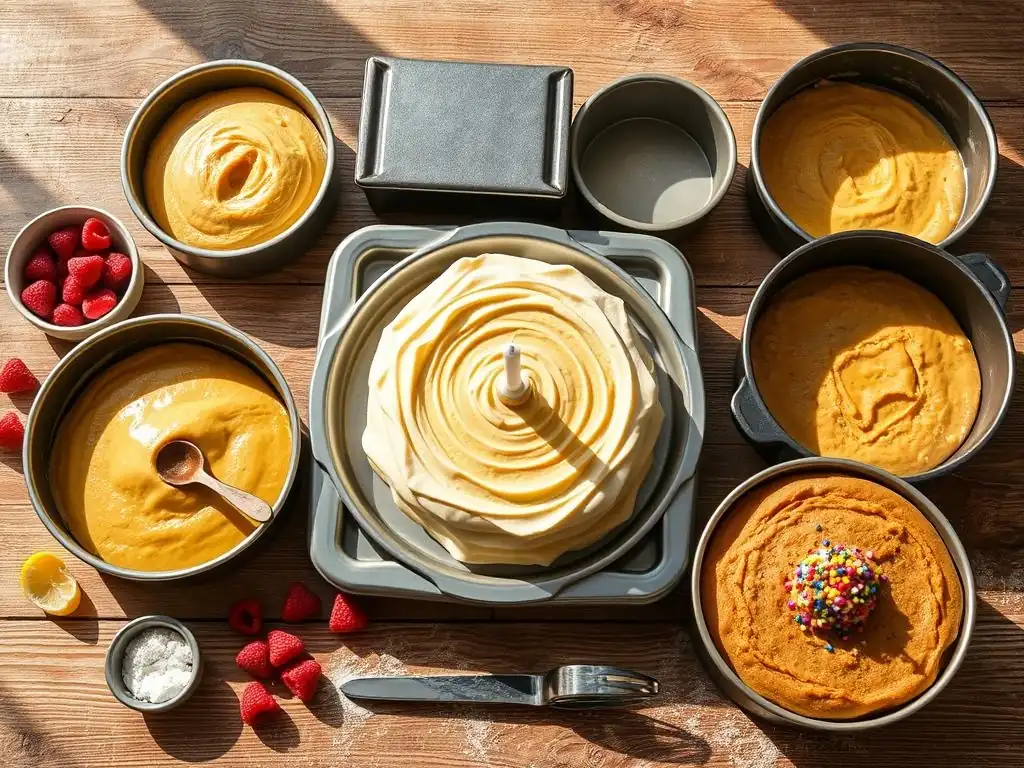
Welcome to BakeWithEase, your trusted guide to baking bliss! Ever wondered if you're using the right pan to achieve that perfect birthday cake? This article dives deep into the world of best cake pan sizes, uncovering secrets to ensure your next creation rises to the occasion. Discover the ideal dimensions for every recipe and avoid common baking pitfalls. Ready to unlock your cake's full potential? Let's get baking!
- Choosing the Right Cake Pan for a Perfect Birthday Bake
- Introduction: The Key to a Flawless Birthday Cake - Selecting the Ideal Pan
- Understanding Cake Pan Sizes and Shapes
- Determining the Best Cake Pan for Your Recipe
- Cake Pan Materials: Choosing the Right One
- Essential Cake Pan Features
- Cake Pan Recommendations for Specific Birthday Cakes
- Tips for Easy Cake Release
- Troubleshooting Cake Pan Issues
- Conclusion: Bake a Perfect Birthday Cake with the Right Pan
-
Frequently Asked Questions
- What are the most common cake pan sizes and when should I use them?
- How does cake pan size affect baking time?
- What's the best material for a cake pan to ensure even baking?
- Can I substitute a cake pan size if I don't have the one called for in the recipe?
- What's the best way to prepare a cake pan to prevent sticking?
- Final Reflection: The Sweet Science of the Perfect Cake Pan
- Unlock Your Inner Baker: Perfect Cakes, Every Time!
Choosing the Right Cake Pan for a Perfect Birthday Bake
Introduction: The Key to a Flawless Birthday Cake - Selecting the Ideal Pan
Baking a birthday cake is a wonderful way to show someone you care. But even the most delicious batter can fall short if baked in the wrong container. The cake pan you choose plays a critical role in how your cake bakes – affecting everything from its rise and texture to its overall appearance. Selecting the ideal pan is a fundamental step towards achieving that perfectly baked, celebratory treat.
Understanding the nuances of different pan types, sizes, and materials will significantly improve your baking results. Whether you're aiming for a classic round layer cake, a simple sheet cake, or something more elaborate, having the right tool makes the process smoother and the outcome more predictable. Let's dive into the world of cake pans and discover how to pick the best cake pan sizes and types for your next easy birthday bake.
Understanding Cake Pan Sizes and Shapes
Why Cake Pan Size Impacts Your Birthday Cake
The size of your cake pan directly impacts the depth and surface area of your batter during baking. A pan that is too small for the amount of batter will overflow, creating a messy situation and potentially resulting in a dense, undercooked center. Conversely, a pan that is too large will cause the batter to spread too thin, leading to a dry, overcooked cake with little rise. The depth of the batter dictates how heat penetrates and cooks the cake from the edges inward.
Consider a standard boxed cake mix, which typically yields about 5-6 cups of batter. This volume is ideal for two 8-inch round pans or one 9x13 inch rectangular pan. Using a single 8-inch round pan would mean overfilling it, while using a large 12x18 inch sheet pan would spread the batter too thinly. The best cake pan sizes ensure the batter fills the pan to the recommended level, usually between half and two-thirds full, allowing for proper rise and even baking throughout.
Common Cake Pan Shapes: Round, Square, and Specialty
The most common shapes for birthday cakes are round and square. Round pans, often 6, 8, or 9 inches in diameter, are perfect for creating classic layer cakes. Square pans, typically 8x8 or 9x9 inches, are great for single-layer cakes or bar-style desserts that can be easily cut into squares. Rectangular pans, like the versatile 9x13 inch (often called a quarter sheet pan), are excellent for sheet cakes, which are easy to transport and serve a crowd.
Beyond these standard shapes, you'll find specialty pans designed for specific types of cakes or decorative purposes. Bundt pans, with their distinctive fluted sides and central tube, are ideal for dense cakes like pound cake. Springform pans, with removable sides, are essential for delicate cakes like cheesecakes but can also be used for tall, straight-sided sponge cakes. There are also novelty pans in shapes like hearts, stars, or numbers, perfect for themed birthday celebrations. Choosing among these shapes often depends on the desired presentation and cake type.
Measuring Cake Pan Dimensions: A Quick Overview
Understanding how to measure your cake pans ensures you use the correct size specified in a recipe. Round pans are measured across the diameter from one inside edge to the other. So, an 8-inch round pan measures 8 inches across its top opening. Square and rectangular pans are measured across the inside length and width of the top opening. A 9x13 inch pan is 9 inches wide and 13 inches long internally.
The depth of the pan is also important. Standard cake pans are usually 1.5 to 2 inches deep, while layer cake pans can be 2 or 3 inches deep. Specialty pans like Bundt pans are much deeper, often holding 10-12 cups of batter. Always measure the inside dimensions of your pan, as the outside edges or handles can add extra size that isn't relevant to the baking area. Knowing these measurements helps you select the best cake pan sizes that match your recipe's requirements.
Determining the Best Cake Pan for Your Recipe
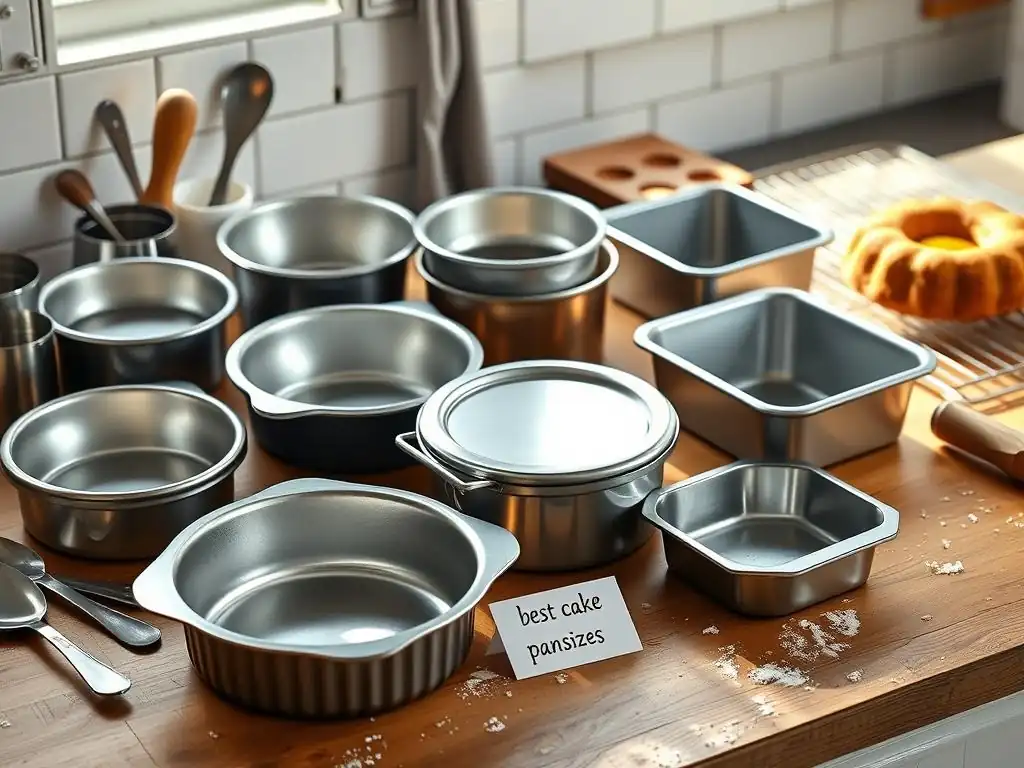
Matching Pan Size to Batter Volume
Successfully baking a cake hinges significantly on using a pan that correctly accommodates the volume of your batter. Recipes are typically developed and tested using specific pan sizes because the dimensions affect how the cake rises and bakes. If a recipe calls for an 8-inch round pan, it expects a certain depth of batter that will cook through in a particular time frame. Using a larger pan will result in a shallower cake that bakes faster and might be dry, while a smaller pan can lead to overflow or a cake that is undercooked in the center.
To match your pan to the recipe, estimate the batter volume. While not always specified, many recipes are designed for standard pan sizes. For example, a recipe yielding batter for two 9-inch rounds (each holding roughly 8-9 cups) would be different from one for two 8-inch rounds (each holding about 6 cups). If you need to substitute a pan, try to use one with a similar total volume capacity. Overfilling pans (more than 2/3 full) is a common mistake; always leave room for the cake to rise, typically about an inch from the top edge.
Adjusting Baking Time Based on Pan Size
Changing the size or shape of your cake pan from what a recipe specifies almost always requires an adjustment in baking time. A larger, shallower pan will generally bake faster than a smaller, deeper pan, even if the total batter volume is similar. For instance, a 9x13 inch sheet cake (around 14-15 cup capacity) might bake in 35-45 minutes, while two 8-inch round cakes (total 12 cup capacity) might bake in 30-35 minutes each.
When substituting pans, start checking for doneness earlier than the recipe suggests, especially if you're using a larger or shallower pan. Use the toothpick test – insert a toothpick into the center; if it comes out clean or with a few moist crumbs, the cake is done. If you're using a smaller, deeper pan, you may need to increase the baking time and potentially lower the oven temperature slightly (by about 25°F or 15°C) to prevent the edges from burning before the center cooks through. Patience and vigilance are key when adjusting baking times.
Cake Pan Volume Equivalents
Understanding approximate volume capacities for common cake pan sizes can be incredibly helpful when adapting recipes or substituting pans. These volumes are not exact for every pan brand but serve as a useful guide.
- Round Pans:
- 6-inch (2 inches deep): ~4-6 cups
- 8-inch (1.5-2 inches deep): ~6-8 cups
- 9-inch (1.5-2 inches deep): ~8-9 cups
- 10-inch (1.5-2 inches deep): ~10-11 cups
- Square Pans:
- 8x8 inch (1.5-2 inches deep): ~8-10 cups
- 9x9 inch (1.5-2 inches deep): ~10-12 cups
- Rectangular/Sheet Pans:
- 9x13 inch (2 inches deep): ~14-15 cups (Quarter Sheet)
- 11x15 inch (2 inches deep): ~18-20 cups (Half Sheet - approximate home size)
- 12x18 inch (1 inch deep): ~12-14 cups (Standard Half Sheet - often 1 inch deep)
- Bundt Pans:
- Standard 10-12 cup capacity
Keep in mind that these are approximations. The best way to check your specific pan's volume is to fill it with water and measure the water. Knowing these equivalents allows you to make informed decisions about the best cake pan sizes for your baking needs.
Cake Pan Materials: Choosing the Right One
Different materials conduct and distribute heat differently, which directly affects how your cake bakes, browns, and releases from the pan. The material of your pan is just as important as choosing the best cake pan sizes.
Metal Cake Pans: Aluminum and Steel
Metal pans are the most common type used for baking cakes due to their excellent heat conductivity. Within metal pans, aluminum and steel are the primary materials, each with its own characteristics.
Aluminum Cake Pans: Advantages and Disadvantages
Aluminum is an excellent heat conductor, meaning it heats up quickly and evenly. This promotes consistent baking and helps prevent hot spots that can lead to unevenly cooked cake. Bright, shiny aluminum pans reflect heat, which results in a lighter, softer crust – often desirable for delicate cakes like sponges or classic birthday layers. They are also lightweight and generally less expensive than steel pans.
However, aluminum can react with acidic ingredients (like buttermilk, lemon juice, or vinegar often found in cake batters), potentially causing discoloration of the pan and sometimes imparting a metallic taste to the cake if the pan is not properly cared for or is heavily scratched. Anodized aluminum pans are treated to prevent this reaction and offer increased durability, making them a popular choice for achieving the best cake pan sizes performance.
Steel Cake Pans: Strengths and Weaknesses
Steel pans, particularly those made from aluminized steel or carbon steel, are known for their durability and robustness. They are heavier and less likely to warp than aluminum pans. Steel is also a good conductor of heat, though often slightly less efficient than pure aluminum. Many steel pans are finished with a dark or non-stick coating, which absorbs heat more readily than bright aluminum.
The main weakness of darker steel pans is that they can lead to faster and darker browning of the cake crust, sometimes resulting in a tougher or drier exterior if baking time isn't adjusted. This can be mitigated by using a non-stick coating or parchment paper. While very durable, steel pans can be susceptible to rust if not dried thoroughly after washing, especially those without protective coatings.
Glass Cake Pans: Benefits and Drawbacks
Glass pans, typically made from tempered glass, heat up more slowly than metal pans but retain heat much longer once hot. This can be beneficial for certain recipes where even heat retention is key, and they are often used for items like casseroles and brownies in addition to cakes. Glass is non-reactive, so it won't interact with acidic ingredients, and it allows you to see the sides and bottom of the cake as it bakes, which can be helpful for monitoring browning.
A significant drawback of glass pans for cakes is their tendency to heat unevenly compared to metal, particularly around the edges. Because they retain heat so well, the edges and bottom of the cake can overbake and become tough or dry before the center is fully cooked. Recipes often require lowering the oven temperature by about 25°F (15°C) when using glass instead of metal to compensate. Glass pans are also heavier and more prone to breakage than metal pans.
Silicone Cake Pans: Considerations for Use
Silicone pans are flexible, non-stick, and come in a vast array of fun shapes, making them appealing for novelty birthday cakes. Their primary advantage is the ease of cake release; cakes often pop right out with minimal greasing. They are also easy to clean and store.
However, silicone pans are poor heat conductors. They don't brown cakes as effectively as metal pans, and the cake's crust may remain pale and soft. Because they are flexible, they require placement on a baking sheet for stability in the oven, especially when filled with batter. Baking times can also be slightly longer compared to metal pans. While excellent for novelty shapes or situations where release is paramount, they may not be the best cake pan sizes or material for achieving a classic, evenly browned cake crust.
Essential Cake Pan Features
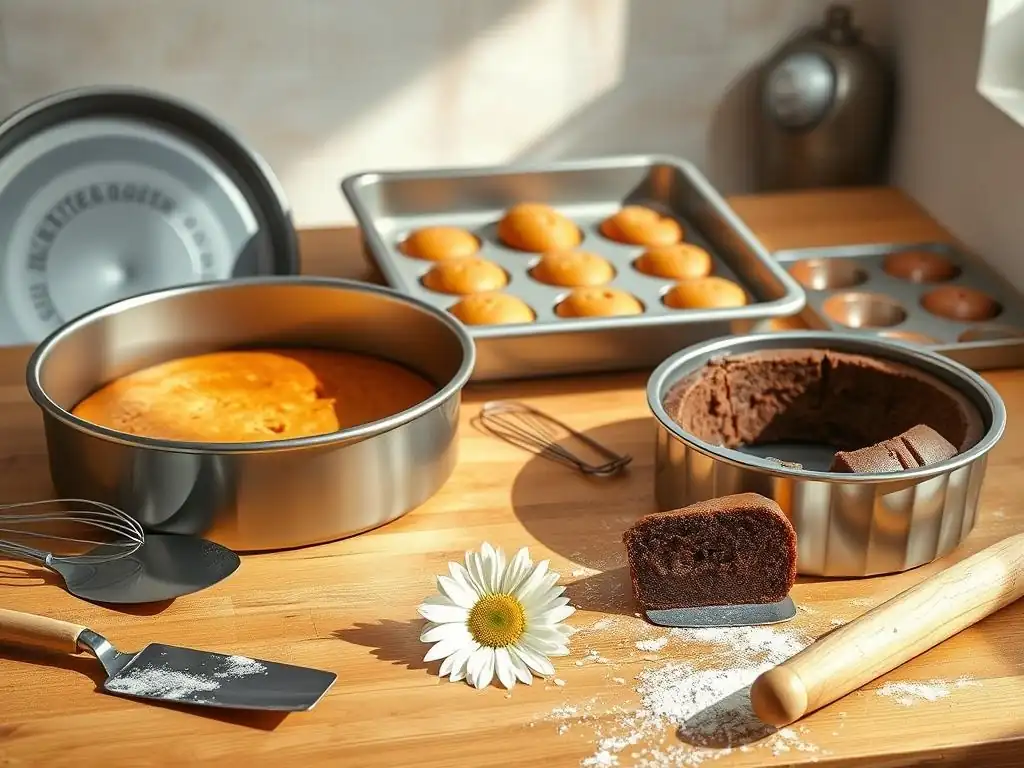
Beyond size, shape, and material, several features can enhance a cake pan's performance and your baking experience.
Non-Stick Coating: Is It Essential?
A non-stick coating can be a significant convenience, making cake release much easier and cleanup simpler. Many metal pans, particularly steel ones, come with a non-stick finish. While beneficial, it's important to note that even with a non-stick coating, most recipes still recommend greasing and flouring the pan or using parchment paper for insurance, especially for delicate cakes or intricate pans like Bundt pans.
The effectiveness of non-stick coatings can diminish over time, particularly with exposure to high heat or harsh cleaning methods. While not strictly 'essential' if you use proper pan preparation techniques (greasing and flouring or parchment), a good quality non-stick surface certainly contributes to a smoother baking process and helps ensure your beautiful birthday cake comes out in one piece.
Even Heat Distribution: Preventing Uneven Baking
Even heat distribution is crucial for a cake that rises uniformly and cooks through without raw spots or burnt edges. The material of the pan is the primary factor influencing this – bright aluminum is often considered the best for even heat. Pan thickness also plays a role; thicker gauge metal pans tend to distribute heat more evenly and are less likely to warp than thin, flimsy ones.
Features like light-colored finishes (which reflect heat) and seamless construction can also contribute to even baking. Pans with rolled edges, while adding durability, should be checked to ensure they don't trap moisture. Ultimately, a pan that heats evenly helps prevent the frustrating scenario of a cake that's done on the outside but still raw in the middle, allowing you to achieve consistently good results with your best cake pan sizes.
Durability: Investing in Quality
Investing in durable cake pans means they will withstand repeated use and maintain their shape and performance over time. Pans made from heavier gauge metal are less likely to warp or dent. Rolled edges can add structural integrity to metal pans.
While a cheap, thin pan might seem like a bargain, it's more likely to warp in the oven, leading to uneven cakes. It might also scratch or lose its non-stick properties quickly. Choosing pans from reputable brands known for quality bakeware, often indicated by the weight and feel of the pan, can save you frustration and ensure your best cake pan sizes remain reliable tools in your kitchen for many birthday bakes to come.
Cake Pan Recommendations for Specific Birthday Cakes
The type of birthday cake you want to bake often dictates the best cake pan sizes and shapes to use. Here are some recommendations for common birthday cake styles.
Choosing a Pan for a Layer Cake
Layer cakes are a birthday classic, and they typically require two or three identical round pans. The most popular sizes are 8-inch and 9-inch rounds, usually 1.5 to 2 inches deep. An 8-inch round pan yields slightly thicker layers than a 9-inch pan from the same amount of batter, resulting in a taller finished cake. For smaller, more intimate celebrations, 6-inch round pans (often 2 or 3 inches deep to compensate for the smaller diameter) are excellent for creating mini-layer cakes that are adorable and easier to manage.
Using pans of the same size and material is crucial for layer cakes to ensure the layers bake at the same rate and are uniform in size and thickness. Bright aluminum pans are often preferred for their even heat distribution, which helps produce flat-topped layers that are easy to stack and frost.
Selecting a Pan for a Sheet Cake
Sheet cakes are perfect for parties as they are easy to transport and serve large groups directly from the pan. The most common size for home baking is the 9x13 inch rectangular pan, often called a quarter sheet pan. This size typically yields 12-20 servings depending on how you cut it and is ideal for many standard cake recipes or mixes.
For larger gatherings, you might use an 11x15 inch or even a 12x18 inch pan (a half sheet pan). Keep in mind that larger pans require more batter and longer baking times. Darker metal pans can be used for sheet cakes, but monitor baking time closely to prevent over-browning of the edges. Using parchment paper that lines the bottom and extends up the sides can make removal and cleanup much easier for sheet cakes.
Bundt Cake Pans: Options
Bundt cakes are known for their decorative ring shape, which is created by the pan itself. Standard Bundt pans have a 10-12 cup capacity and are suitable for most Bundt cake recipes, which are often dense batters like pound cake or coffee cake. The central tube helps distribute heat more evenly to the center of the cake, allowing thicker batters to bake through properly.
Bundt pans come in a vast array of intricate designs, from simple flutes to elaborate patterns. While beautiful, complex designs require meticulous greasing and flouring (or coating with a baking spray containing flour) to ensure the cake releases cleanly. Lighter-colored Bundt pans tend to produce a more evenly browned crust, while darker pans can lead to darker edges. Choosing a pan with a good non-stick coating can be particularly helpful for Bundt cakes.
Choosing a Pan for Shaped Cakes
Shaped cake pans, like those in the form of numbers, letters, or novelty characters, are fantastic for themed birthday parties. These pans require careful preparation to ensure the cake releases cleanly and the shape is preserved. Generously greasing and flouring every nook and cranny is essential.
Because of their irregular shapes and varying depths, shaped pans can sometimes bake unevenly. Thicker sections may take longer to cook, while thinner parts might overbake. To mitigate this, you can sometimes shield thinner areas with small pieces of aluminum foil halfway through baking if they start to brown too quickly. Using a cake nail or heating core in deeper sections can also help distribute heat. While the best cake pan sizes for shaped cakes depend on the specific design, selecting one with a good non-stick surface and sturdy construction will make the process much smoother.
Tips for Easy Cake Release
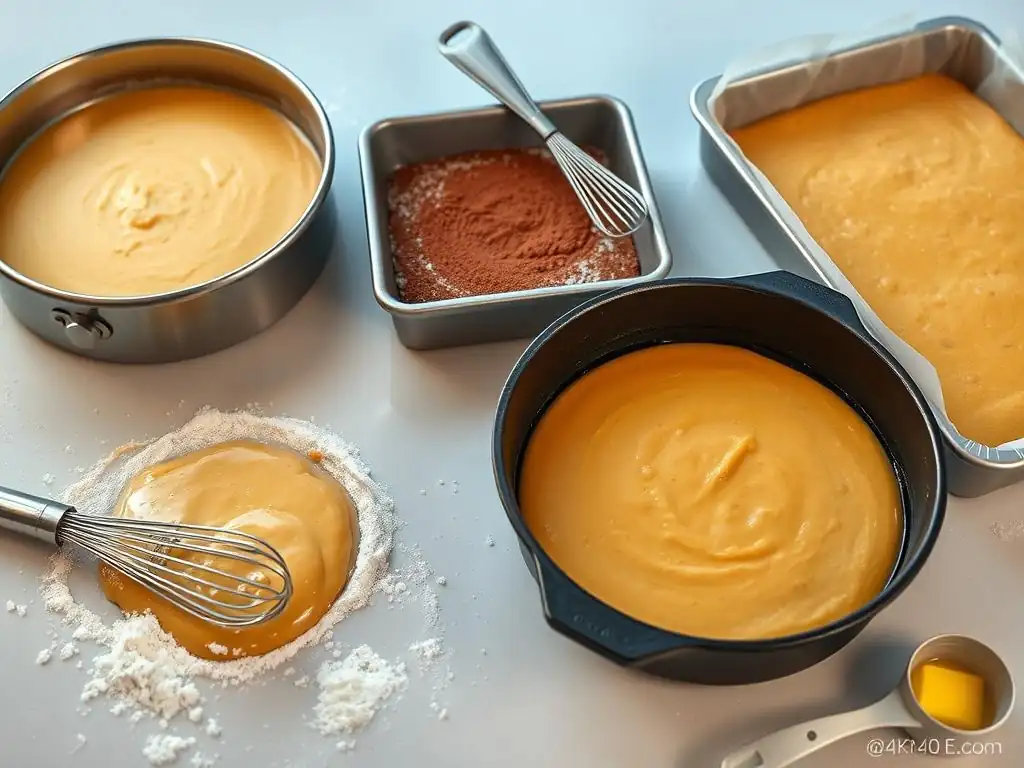
Getting your beautifully baked cake out of the pan in one piece is crucial for a perfect birthday presentation. Proper pan preparation is the key.
Preparing Your Pan: Greasing and Flour Alternatives
The classic method for preparing a cake pan is greasing and flouring. Apply a thin, even layer of solid shortening, butter, or non-stick cooking spray to the inside surfaces of the pan. Make sure to get into corners and up the sides. Then, add a tablespoon or two of flour (or cocoa powder for chocolate cakes) to the pan, tilting and tapping it to coat the greased surfaces evenly. Discard any excess flour. This creates a barrier between the cake batter and the pan.
Alternatives to flour include fine dry breadcrumbs (especially good for fruitcakes or denser loaves), or using a baking spray that contains flour. For intricate pans like Bundts, ensuring complete coverage of the grease and flour (or baking spray) is paramount. Don't forget the central tube!
- [ ] Grease all inside surfaces thoroughly.
- [ ] Add flour, cocoa, or breadcrumbs.
- [ ] Rotate and tap pan to coat evenly.
- [ ] Discard excess coating.
Parchment Paper: A Reliable Method
Using parchment paper is one of the most reliable ways to ensure a cake doesn't stick, especially for flat-bottomed pans like rounds, squares, and rectangles. For round pans, trace the bottom of the pan onto parchment paper and cut out the circle. Grease the pan, place the parchment circle in the bottom, and then grease the parchment paper too. For square or rectangular pans, you can cut a piece of parchment to fit the bottom, or cut strips to line the sides as well, leaving an overhang to help lift the cake out.
Parchment paper creates a perfect non-stick layer on the bottom of the cake, preventing the most common sticking issues. It's particularly useful for delicate cakes or when using older pans where the non-stick coating might be compromised.
Cooling Before Removing
Allowing your cake to cool for the correct amount of time before attempting to remove it from the pan is vital. Most cakes need to cool in the pan on a wire rack for 10-20 minutes after coming out of the oven. This allows the cake to firm up slightly and pull away from the sides of the pan as it cools and contracts.
Attempting to remove a cake when it's too hot can cause it to break apart. Leaving it in the pan for too long, however, can cause condensation to form, potentially making the cake stick or resulting in a soggy bottom. After the initial cooling period in the pan, invert the cake onto a wire rack to cool completely. For Bundt cakes, the cooling time in the pan is often specified in the recipe, typically around 10-15 minutes, before inverting.
Troubleshooting Cake Pan Issues
Even with the best cake pan sizes and preparation, sometimes issues arise. Here's how to tackle common problems.
Cake Sticking
Cake sticking is often a result of inadequate pan preparation or trying to remove the cake too soon. If your cake is stuck, first ensure it has cooled for the recommended time in the pan. Gently run a thin, flexible spatula or knife around the edges of the cake to loosen it from the pan sides. For round cakes, you can try gently tapping the bottom of the inverted pan. For Bundt cakes, a gentle wiggle might help.
If it's still stuck, try warming the bottom of the pan slightly by placing it on a warm, damp towel for a minute or two (be careful not to steam the cake). This can sometimes loosen the stuck areas. In the future, double-check your greasing and flouring technique, ensure you're using enough, and consider adding parchment paper to the bottom of the pan for extra security.
Uneven Baking: Causes and Solutions
Uneven baking, where parts of the cake are overdone while others are undercooked, can be caused by several factors related to the pan and oven. Using a pan that is too dark or too thin can lead to hot spots or edges that bake too quickly. An oven that isn't calibrated correctly or has uneven heating can also be the culprit. Uneven batter distribution in the pan can also contribute.
To address uneven baking, ensure you are using a good quality pan that distributes heat well, ideally light-colored metal for most cakes. Rotate the pan halfway through the baking time to compensate for oven hot spots. If using a darker pan, consider slightly lowering the oven temperature. Make sure the batter is spread evenly in the pan before baking. For deep pans or those with a central hole, consider using a heating core or cake nail to help the center cook at the same rate as the edges.
Preventing Overflow
Overflow happens when there's too much batter for the size of the pan, often because the pan is too small or the batter volume wasn't considered when substituting pan sizes. As a general rule, never fill a cake pan more than two-thirds full to allow ample space for the cake to rise. Some recipes, particularly those for lighter sponge cakes, recommend only filling the pan halfway.
If you have excess batter, bake it in a separate smaller pan or as cupcakes. Don't try to cram it all into one pan hoping for the best. If you're unsure about the volume capacity of your pan versus the recipe yield, err on the side of caution and use a slightly larger pan if possible, adjusting the baking time as needed. Using the best cake pan sizes that match the recipe's intended volume is the simplest way to prevent messy overflows.
Conclusion: Bake a Perfect Birthday Cake with the Right Pan
Choosing the right cake pan is a fundamental step that can significantly impact the success of your birthday bake. From understanding how different best cake pan sizes affect baking time and volume to selecting the ideal material and preparing your pan for easy release, each decision contributes to the final delicious outcome.
Whether you're baking a simple sheet cake, a towering layer cake, or a fun shaped creation, taking the time to select the appropriate pan will make the process smoother and more enjoyable. With the right pan in hand, along with careful preparation and attention to baking time, you're well on your way to baking a flawless, memorable birthday cake that will bring smiles to faces and be the perfect centerpiece for any celebration. Happy baking!
Frequently Asked Questions
What are the most common cake pan sizes and when should I use them?
The most common sizes are 8-inch and 9-inch round pans. 8-inch pans are great for taller, denser cakes, while 9-inch pans bake cakes that are wider and flatter. Choosing depends on your desired outcome.
How does cake pan size affect baking time?
Smaller, thicker cakes in smaller pans will require a longer baking time than larger, thinner cakes in larger pans. Always check for doneness with a toothpick test.
What's the best material for a cake pan to ensure even baking?
Aluminum pans are generally considered the best because they heat up quickly and evenly. Dark-colored pans can lead to over-browning.
Can I substitute a cake pan size if I don't have the one called for in the recipe?
Yes, but you'll need to adjust the baking time and potentially the ingredient amounts. Use a cake pan conversion chart for accurate adjustments to ensure even baking.
What's the best way to prepare a cake pan to prevent sticking?
Grease and flour the pan thoroughly. Alternatively, use baking spray which combines both functions. You can also line the bottom with parchment paper for easy removal.
Final Reflection: The Sweet Science of the Perfect Cake Pan
Choosing the right cake pan isn't just about baking a cake; it's about crafting a perfect celebration. The seemingly simple act of selecting a pan directly impacts the final product, from the cake's height and texture to its overall visual appeal. Getting it wrong can lead to disappointment, while getting it right guarantees a delicious and visually stunning result.
The quest for the "best" cake pan size is a journey that reflects our desire for control and perfection in the kitchen. It's a testament to the power of baking to bring joy and connection, transforming simple ingredients into cherished memories. As we strive for that ideal bake, we're also striving for a sense of mastery and accomplishment. Baking is at once child's play and adult joy. And love.
– Alma Flor Ada. This quote perfectly encapsulates the emotional investment we make in our baking projects, and the right pan is a crucial part of that process.
So, as you embark on your next baking adventure, remember the lessons learned about pan sizes and their impact on your cake's success. Don't be afraid to experiment, to try different shapes and sizes, and to discover your own perfect pan. The perfect cake isn't just about the recipe; it's about the journey, the process, and the joy of creating something beautiful and delicious to share with those you love. Now, go forth and bake!
Unlock Your Inner Baker: Perfect Cakes, Every Time!
Thanks for joining us on this baking adventure! We hope you now feel confident choosing the right cake pan for your next delicious creation. Ready to put your new knowledge into practice?
- Bake your dream cake: Grab your newly chosen pan and try out that recipe you’ve been eyeing. We'd love to see the results!
- Share your baking triumph: Post a picture of your masterpiece on social media and tag us – we'll feature our favorites!
- Explore our other resources: Discover even more baking tips and tricks on our website!
What unique cake flavor will you create with your perfect cake pan? Let us know in the comments!