
Easy Homemade Buttercream Frosting for Cakes

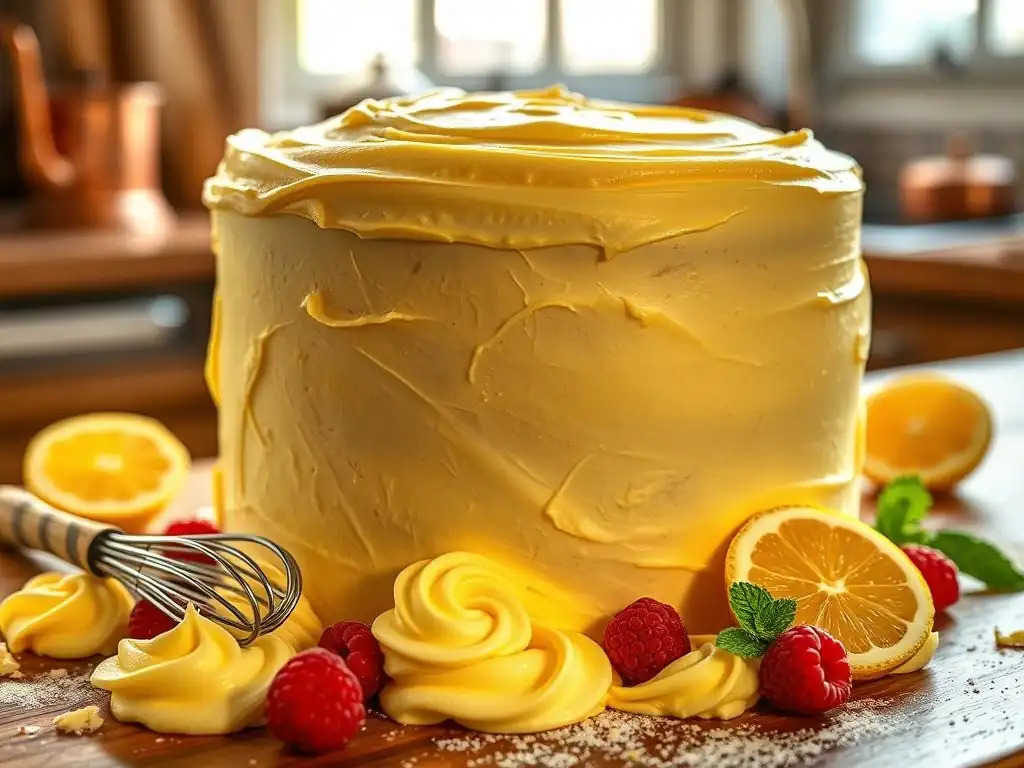
Welcome to BakeWithEase, your friendly guide to the delicious world of baking! Ever dreamt of creating the perfect cake, topped with a frosting so smooth and decadent it melts in your mouth? Well, dream no more! Dive into our Easy Homemade Buttercream Frosting Recipe and discover how to achieve bakery-quality results with just a few simple ingredients. But that's just the beginning... we're about to unlock the secrets to transforming ordinary cakes into extraordinary creations! Ready to elevate your baking game?
- Easy Homemade Buttercream Frosting for Cakes: The BakeWithEase Guide
- BakeWithEase Presents: Perfecting Your Easy Homemade Buttercream Frosting Recipe
- Why Choose Homemade Buttercream Frosting?
- The Ultimate Easy Homemade Buttercream Frosting Recipe
- Flavor Variations for Your Homemade Buttercream Frosting
- Tips and Tricks for Flawless Homemade Buttercream Frosting
- Using Your Homemade Buttercream Frosting on Cakes and Desserts
- Elevate Your Baking with BakeWithEase's Easy Homemade Buttercream Frosting Recipe
- Frequently Asked Questions
- Final Reflection: The Sweet Simplicity of Homemade Happiness
- Unleash Your Inner Baker: Frosting Awaits!
Easy Homemade Buttercream Frosting for Cakes: The BakeWithEase Guide
BakeWithEase Presents: Perfecting Your Easy Homemade Buttercream Frosting Recipe
Welcome to BakeWithEase, where we believe that delicious baking should be accessible to everyone! Today, we're diving into the world of frosting with a focus on the classic favorite: buttercream. While store-bought options exist, mastering an easy homemade buttercream frosting recipe is a game-changer for any baker looking to elevate their cakes, cupcakes, and desserts. It's simpler than you might think and the results are truly rewarding.
This guide will walk you through everything you need to know, from why homemade is best to a simple, reliable recipe and tips for success. Get ready to create frosting that's not just sweet, but rich, creamy, and bursting with real flavor. Let's get started on making the best buttercream you've ever tasted, right in your own kitchen!
Why Choose Homemade Buttercream Frosting?
Opting for an easy homemade buttercream frosting recipe over pre-made tubs offers significant advantages that go beyond just taste. It's about quality, control, and even cost-effectiveness, making it a smart choice for anyone passionate about baking.
Superior Taste and Texture of Homemade Buttercream
The most compelling reason to make your own buttercream is the unparalleled taste and texture. Homemade versions, especially when using real butter and high-quality ingredients, offer a richness and creaminess that store-bought frostings simply cannot replicate. While commercial frostings often rely on shortening, artificial flavors, and stabilizers to achieve consistency and shelf life, a simple homemade buttercream frosting recipe uses pantry staples like butter, powdered sugar, milk, and vanilla.
This difference in ingredients translates directly to the final product. You get a smooth, velvety mouthfeel that melts beautifully, unlike the sometimes greasy or waxy texture of pre-packaged options. The flavor is pure and buttery, serving as a perfect complement to the cake rather than overpowering it with artificial sweetness. Think of the difference between a mass-produced cookie and a fresh-baked one – the quality of ingredients and simple process shine through in homemade buttercream.
Control Over Ingredients in Your Buttercream Frosting
Making your own buttercream gives you complete command over what goes into your frosting. This is invaluable for tailoring the sweetness level, fat content, and flavor profiles precisely to your liking and dietary needs. You can choose high-quality unsalted butter, organic powdered sugar, or a specific type of milk (whole milk, cream, or even a dairy-free alternative like almond milk for certain recipes, though traditional buttercream relies on dairy fat).
Furthermore, you have the freedom to experiment with natural flavorings. Instead of artificial vanilla, use pure vanilla extract or even scraped vanilla bean seeds for a more intense, authentic vanilla flavor. You can add citrus zest, fruit purees, coffee extract, or high-quality cocoa powder to create unique variations. This level of customization is impossible with store-bought options and allows you to perfectly match your easy homemade buttercream frosting to the specific cake or dessert you are making.
Cost-Effective Frosting Solution: Save Money with Homemade Buttercream
While it might seem like buying individual ingredients is more expensive, making your own buttercream frosting is often significantly more cost-effective than purchasing pre-made tubs, especially if you bake regularly. A standard 16-ounce tub of store-bought frosting can range from $4 to $6 or more, depending on the brand and type.
A typical batch of easy homemade buttercream frosting sufficient for frosting a two-layer cake might require about half a pound (one cup) of butter and around one pound of powdered sugar. Assuming butter costs approximately $5 per pound and powdered sugar around $3.50 for a 2-pound bag, the main ingredients for a batch cost roughly $2.50 (for butter) + $1.75 (for sugar) + minimal cost for milk/vanilla, totaling around $4.50 to $5.
This homemade quantity is often larger and of superior quality compared to a single store-bought tub, offering better value. Over time, these savings add up, making your easy homemade buttercream frosting recipe a budget-friendly choice.
The Ultimate Easy Homemade Buttercream Frosting Recipe
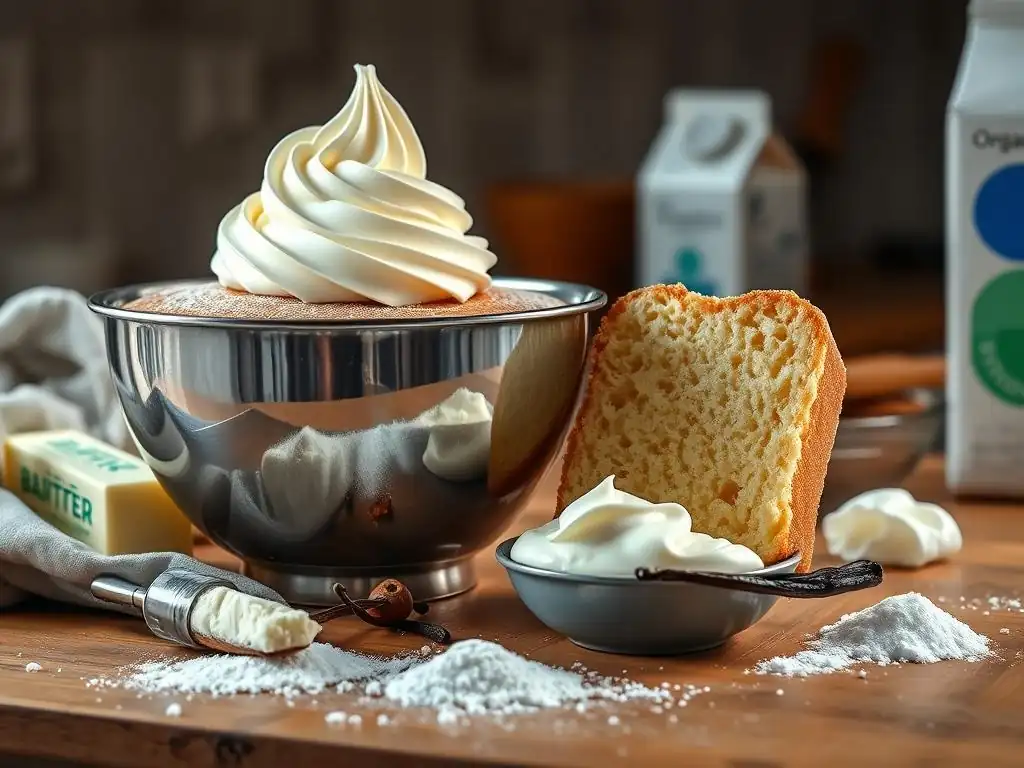
This classic American buttercream recipe is incredibly simple and versatile. It's perfect for beginners and provides a fantastic base for countless flavor variations.
Ingredients for Simple Buttercream Frosting
- 1 cup (2 sticks) Unsalted Butter - Room Temperature
- 4 cups (approx. 1 lb) Powdered Sugar - Sifted
- 2-4 tablespoons Milk or Cream
- 1 teaspoon Vanilla Extract (or other flavorings)
- Pinch of Salt
- Note: Ensure your butter is truly at room temperature – soft but not melted.
- Sifting the powdered sugar helps prevent lumps.
Step-by-Step Instructions for Easy Buttercream
Step 1: Creaming the Butter for Light and Fluffy Buttercream
Begin by placing the softened, room-temperature butter in a large mixing bowl or the bowl of a stand mixer fitted with the paddle attachment. Beat the butter on medium speed for 2-3 minutes. During this time, the butter will become pale yellow and significantly lighter and fluffier in texture. This creaming step is crucial as it incorporates air into the butter, which contributes to the final lightness and texture of your easy homemade buttercream frosting. Scrape down the sides and bottom of the bowl occasionally to ensure even mixing.
Step 2: Gradually Adding the Powdered Sugar for Smoothness
Reduce the mixer speed to low. Gradually add the sifted powdered sugar, about half a cup at a time, allowing each addition to be mostly incorporated before adding the next. Adding the sugar slowly helps to prevent a cloud of sugar from escaping the bowl and ensures it blends smoothly into the butter. Continue mixing on low speed until all the powdered sugar is added and the mixture looks crumbly or slightly pasty. Scrape down the bowl again to make sure all the sugar is incorporated.
Step 3: Incorporating Liquid and Flavoring for Perfect Consistency
Once the powdered sugar is mixed in, the mixture will likely be quite thick. Now it's time to add the liquid (milk or cream) and flavoring (vanilla extract). Start with 2 tablespoons of milk or cream and the vanilla extract. Mix on low speed until just combined. Increase the speed to medium and beat for another 2-3 minutes. This beating time helps to dissolve some of the sugar, resulting in a smoother texture, and continues to lighten the buttercream.
Step 4: Achieving the Right Buttercream Consistency
After beating, check the consistency of your easy homemade buttercream frosting. If it seems too thick to spread or pipe easily, add more milk or cream, one tablespoon at a time, beating briefly after each addition until the desired consistency is reached. If you accidentally add too much liquid and it becomes too thin, you can gradually add a little more sifted powdered sugar (about 1/4 cup at a time) until it thickens up. The goal is a smooth, spreadable, or pipeable frosting that holds its shape.
Flavor Variations for Your Homemade Buttercream Frosting
Once you have the basic easy homemade buttercream frosting recipe down, the possibilities for flavor are endless! Here are a few popular variations to try:
Chocolate Buttercream Frosting Recipe
To make a rich chocolate buttercream, simply whisk 1/2 to 3/4 cup of unsweetened cocoa powder (depending on how intense you want the chocolate flavor) into the sifted powdered sugar before adding it to the butter. You might need to add a little more liquid (milk or cream) to compensate for the dryness of the cocoa powder, typically an extra 1-2 tablespoons. For an even richer flavor, you can melt 2-4 ounces of unsweetened or semi-sweet chocolate, let it cool slightly, and beat it into the finished vanilla buttercream.
Vanilla Bean Buttercream Frosting Recipe
Elevate your vanilla flavor by using real vanilla bean. Scrape the seeds from one vanilla bean pod and add them along with or instead of the vanilla extract in Step 3. The tiny black flecks of vanilla bean will be visible in your frosting and provide a more complex, aromatic vanilla taste compared to extract alone. This variation pairs exceptionally well with simple vanilla or white cakes.
Strawberry Buttercream Frosting Recipe
For a fruity twist, make a delicious strawberry buttercream. Reduce the initial amount of milk/cream slightly (start with 1 tablespoon). Then, add 1/4 to 1/2 cup of finely puréed and strained fresh strawberries (or a good quality strawberry jam) along with the vanilla extract. You may need to adjust the consistency by adding more powdered sugar if the puree makes it too loose. Alternatively, use freeze-dried strawberry powder mixed with the powdered sugar for a more intense color and flavor without adding extra liquid.
Lemon Buttercream Frosting Recipe
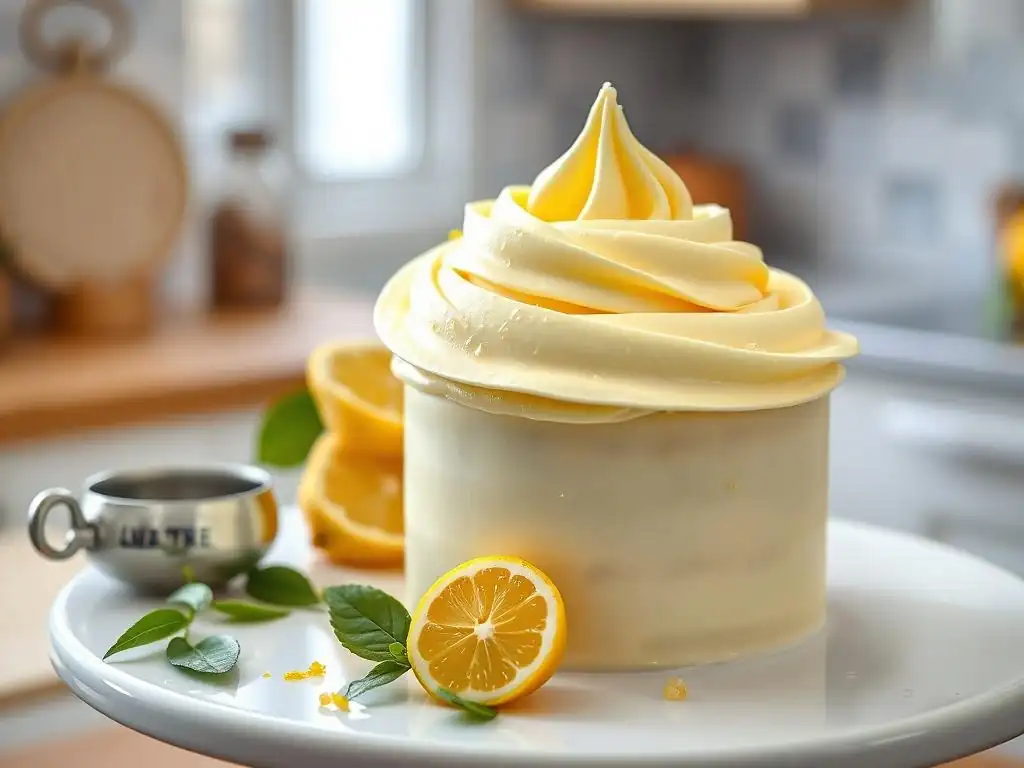
Add a bright, zesty flavor with lemon buttercream. Substitute the milk/cream with fresh lemon juice (start with 2-3 tablespoons) and add 1-2 teaspoons of finely grated lemon zest along with the vanilla extract. The acidity of the lemon juice will cut through the sweetness of the sugar, creating a lovely balance. Taste and add more lemon juice or zest as needed to achieve your desired level of tanginess.
Coffee Buttercream Frosting Recipe
Coffee buttercream is perfect for chocolate or coffee-flavored cakes. Dissolve 1-2 tablespoons of instant espresso powder or finely ground instant coffee in the milk or cream before adding it to the frosting mixture in Step 3. Start with less powder and add more to taste, as the intensity can vary greatly between brands. For a milder coffee flavor, you can use strongly brewed and cooled coffee instead of milk, adjusting the quantity as needed for consistency.
Tips and Tricks for Flawless Homemade Buttercream Frosting
Even with an easy homemade buttercream frosting recipe, sometimes things don't go perfectly. Here are some tips to help you troubleshoot common issues and achieve the best results.
Troubleshooting Common Buttercream Issues
Buttercream Too Thick?
If your buttercream is too stiff and difficult to spread or pipe, it likely needs more liquid. Add milk or cream, one tablespoon at a time, beating on low speed until it reaches the desired consistency. Be patient and add slowly, as adding too much at once can make it too thin. Ensure your butter was soft enough to begin with; cold butter results in a much firmer frosting.
Buttercream Too Thin?
If your buttercream is too loose or runny, it needs more powdered sugar to thicken it up. Gradually add more sifted powdered sugar, about 1/4 cup at a time, beating on low speed until it incorporates and the frosting thickens. If you used too much liquid, this is the fix. If it's a hot day, the heat can soften the butter too much; chilling the frosting in the refrigerator for 15-20 minutes can help firm it up before re-whipping.
Buttercream Grainy?
A grainy texture is usually caused by undissolved sugar. This can happen if the powdered sugar wasn't sifted, if it was added too quickly, or if the frosting wasn't beaten long enough after adding the liquid. To fix grainy buttercream, try beating it on medium speed for an additional 3-5 minutes. The friction and time can help dissolve stubborn sugar crystals. If that doesn't work, you can try adding another tablespoon of liquid and beating again, or gently warming a small portion and whisking it back in (use caution not to melt the butter).
Achieving a Perfectly Smooth Buttercream Texture
Beyond troubleshooting, there are techniques to ensure your easy homemade buttercream frosting is wonderfully smooth from the start. Start with truly softened, but not melted, butter. Creaming the butter alone for a full 2-3 minutes before adding sugar is essential for incorporating air and starting with a smooth base. Always sift your powdered sugar; this is a non-negotiable step for lump-free frosting.
After adding all ingredients and achieving the right consistency, beat the buttercream on medium speed for an additional 3-5 minutes. This final beating step allows the liquid time to dissolve more of the sugar crystals, resulting in a noticeably smoother mouthfeel.
If you still detect graininess, you can switch to a whisk attachment (if using a stand mixer) and beat on high speed for a minute or two, which can sometimes help. For ultimate smoothness, some bakers briefly warm a small amount of the finished buttercream over a double boiler until just slightly melted, then whisk it back into the main batch.
Storing Your Homemade Buttercream Frosting for Later Use
One of the great things about making an easy homemade buttercream frosting recipe is that it can be made ahead of time. Store leftover or make-ahead buttercream in an airtight container at room temperature for 1-2 days. If storing for longer, refrigerate it for up to 1-2 weeks or freeze it for up to 2-3 months.
When you're ready to use chilled or frozen buttercream, allow it to come back to room temperature naturally. This can take several hours on the counter. Do not microwave it, as this can melt the butter unevenly. Once it's at room temperature, place it back in your mixer and re-whip it for a few minutes until it becomes light, fluffy, and smooth again. This re-whipping step is vital as the texture will be firm and dense directly out of the fridge or freezer.
Using Your Homemade Buttercream Frosting on Cakes and Desserts
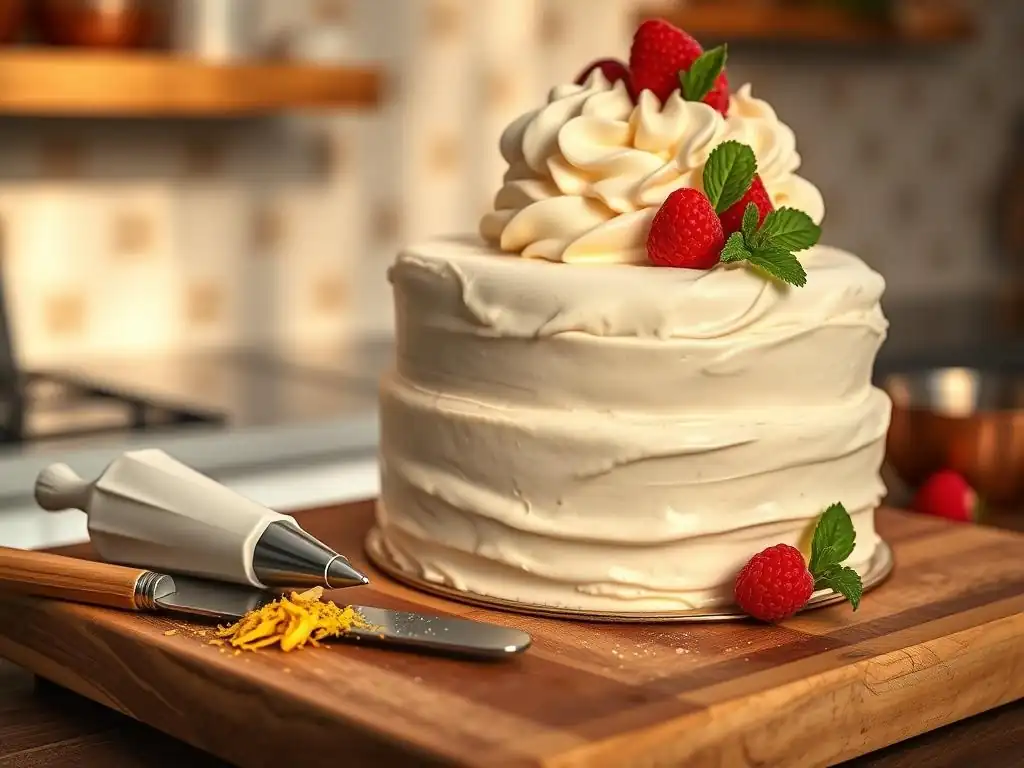
Now that you've mastered your easy homemade buttercream frosting recipe, it's time for the fun part – decorating! This versatile frosting is perfect for a wide variety of baked goods.
Best Cakes to Pair with Homemade Buttercream
Homemade buttercream is a classic pairing for many types of cakes. A simple vanilla buttercream is the quintessential choice for birthday cakes, especially vanilla or chocolate layer cakes. Its rich flavor stands up well to dense cakes like pound cake or red velvet cake, providing a creamy contrast to the tender crumb.
Beyond the classics, explore pairing flavored buttercreams with complementary cake flavors. Lemon buttercream is delightful on a light sponge cake or a blueberry cake. Coffee buttercream is a dream on mocha or chocolate cakes. Strawberry buttercream is perfect for a spring or summer celebration cake or simply on vanilla cupcakes. The richness of buttercream generally pairs well with sturdier cakes rather than very delicate or airy ones.
Piping Techniques for Professional-Looking Buttercream Frosting
Using a piping bag and tips can transform your simple homemade buttercream frosting into stunning decorations. You don't need to be a professional to achieve beautiful results. Start with basic tips like a large round tip (like Wilton 1A or Ateco 808) for smooth mounds or filling cupcakes, or a large open star tip (like Wilton 1M or Ateco 826) for classic swirls and rosettes on cupcakes or cake borders.
Fill a piping bag fitted with your chosen tip about two-thirds full with buttercream. Twist the top of the bag to create pressure and gently squeeze from the top, guiding the tip to create your desired pattern. Practice on a piece of parchment paper first to get a feel for the pressure needed and the movement required for different designs. With a steady hand and a little practice, you can create impressive borders, swirls, and messages on your cakes.
Decorating Ideas Using Your Easy Buttercream Frosting
Beyond piping, your easy homemade buttercream frosting can be used in countless ways to decorate cakes and desserts. For a rustic, charming look, simply use an offset spatula to spread the frosting unevenly around the cake, creating textured swirls and peaks. For a smoother finish, heat your offset spatula slightly in hot water, wipe it dry, and use it to smooth the frosted surface.
Create simple designs by pressing the back of a spoon into the frosting to make patterns, or drag a fork gently across the sides for lines. You can also use buttercream as "glue" to attach sprinkles, chocolate shavings, or edible glitter to your cake. Don't be afraid to get creative! Even a simple layer of well-made homemade buttercream can make a cake look and taste incredible.
Elevate Your Baking with BakeWithEase's Easy Homemade Buttercream Frosting Recipe
Frequently Asked Questions
What makes this buttercream frosting recipe "easy"?
This recipe focuses on using readily available ingredients and straightforward instructions, making it beginner-friendly. It avoids complex techniques and prioritizes simplicity and speed.
What are the key ingredients for a basic buttercream frosting?
The essential ingredients are butter, powdered sugar, milk (or cream), and vanilla extract. These combine to create a smooth and sweet frosting.
Can I adjust the sweetness level of the buttercream?
Yes, absolutely! Adjust the amount of powdered sugar. Start with less and add more gradually until you reach your desired sweetness.
How should I store leftover buttercream frosting?
Store leftover buttercream in an airtight container in the refrigerator for up to a week. Let it come to room temperature before re-whipping and using.
What kind of butter works best for buttercream frosting?
Unsalted butter is recommended to control the saltiness of the frosting. Use softened butter, not melted, for the best texture.
Final Reflection: The Sweet Simplicity of Homemade Happiness
The pursuit of the perfect cake is often overshadowed by the daunting task of creating its frosting. But what if I told you that achieving a flawlessly delicious, creamy buttercream is easier than you think? This article explored a simple, accessible recipe, proving that homemade doesn't have to mean complicated. The ease of this recipe demystifies the process, opening up a world of baking possibilities for everyone, from seasoned bakers to enthusiastic beginners.
The impact of a simple, well-made buttercream frosting extends far beyond the taste. It's about the joy of creation, the satisfaction of making something beautiful and delicious with your own hands. It's about sharing that joy with loved ones, creating memories around a shared slice of cake. Baking is at once child's play and adult joy. And love, of course.
- Alma Flor Ada. This quote perfectly encapsulates the emotional connection we forge with food, especially when it's made with care and intention. The simplicity of this recipe allows that connection to flourish, making the process as rewarding as the result.
Now, I invite you to roll up your sleeves, gather your ingredients, and experience the magic of homemade buttercream. Don't be intimidated by the seemingly complex world of baking; this recipe is your gateway to unlocking a world of sweet possibilities. Embrace the simplicity, savor the process, and share the joy of creating something truly special. The perfect cake, and the perfect memories, await.
Unleash Your Inner Baker: Frosting Awaits!
Thanks for joining us on this delicious journey into the world of homemade buttercream! We hope you've gained the confidence to create truly amazing frostings. Now, let's put those new skills to the test!
- Whip up a batch of your own frosting today! Use the recipe as a base and experiment with different flavorings – maybe a hint of vanilla bean, or a swirl of espresso?
- Share your creations! Tag us on social media with your beautifully frosted cakes – we'd love to see your baking masterpieces!
- Try adapting the recipe to create a different type of frosting – maybe Swiss meringue buttercream or cream cheese frosting? The possibilities are endless!
What flavour combination will you try first to perfect your signature buttercream?