
How to Optimize the Maillard Reaction for Maximum Flavor & Color

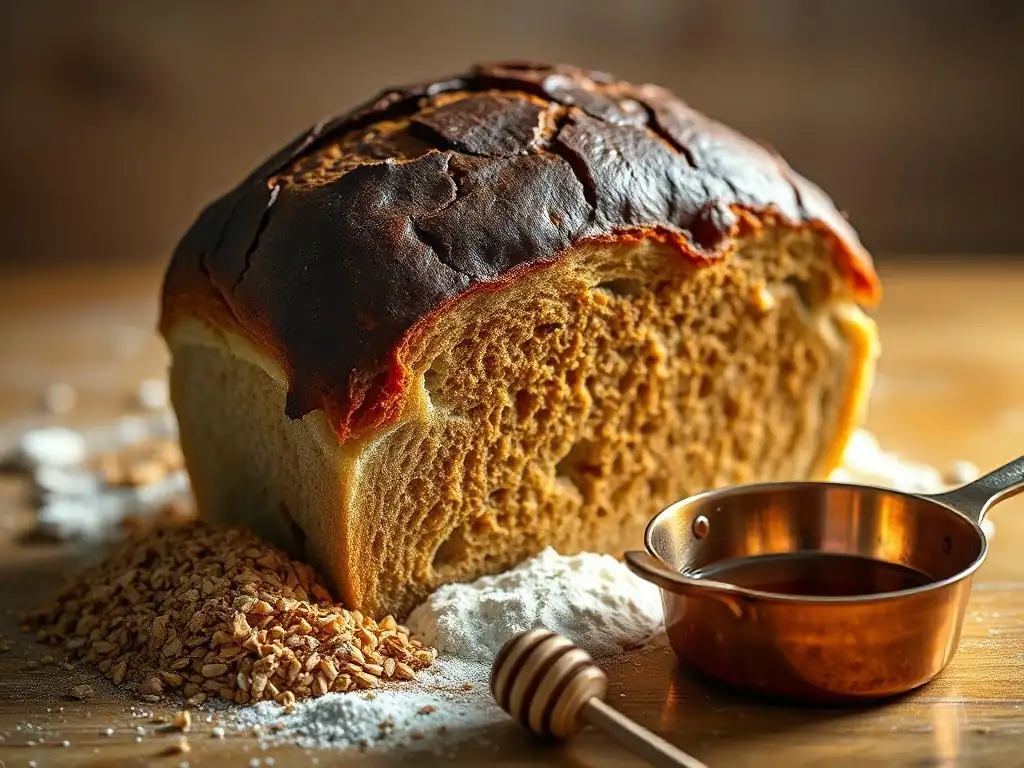
Welcome to BakeWithEase, your companion on the delightful journey of baking! Ever wondered how to unlock deeper, richer flavors and achieve that perfectly golden-brown crust? Dive into our Baking Science Deep Dive as we explore the secrets of the Maillard reaction baking tips, uncovering how to harness this fascinating chemical process to elevate your creations from simple treats to culinary masterpieces. Get ready to transform your baking game!
- Optimizing the Maillard Reaction for Flavor & Color in Baking
- Understanding the Maillard Reaction: A Baker's Perspective
- Achieving Perfect Browning & Flavor: Practical Tips
- Ingredients & Their Impact on Maillard Reaction
- Advanced Techniques to Enhance Maillard Reaction
- Troubleshooting Common Maillard Reaction Issues
- Recipes Demonstrating Optimized Maillard Reaction
- Mastering Maillard Reaction: Applications in Different Baked Goods
-
Frequently Asked Questions
- How does the Maillard reaction specifically enhance baking?
- What are the key factors that influence the Maillard reaction in baking?
- What baking tips can help maximize the Maillard reaction?
- Can the Maillard reaction be too strong in baking?
- What are some examples of baked goods where the Maillard reaction is particularly important?
- Final Reflection: Unlocking the Golden Secrets of the Maillard Reaction
- Unlock Your Baking's Full Potential!
Optimizing the Maillard Reaction for Flavor & Color in Baking
Understanding the Maillard Reaction: A Baker's Perspective
What is the Maillard Reaction and Why Does it Matter?
The Maillard reaction is a complex series of chemical processes that occur when amino acids and reducing sugars react, typically under heat. It's not just one reaction, but hundreds happening simultaneously, leading to the formation of thousands of new compounds. These compounds are responsible for the rich brown color and the incredibly complex flavors and aromas we associate with baked goods like bread crusts, cookies, and roasted meats.
Without the Maillard reaction, our baked treats would lack that desirable golden-brown hue and much of their characteristic depth of flavor, appearing pale and tasting less developed. Understanding and controlling this reaction is a key part of mastering advanced Maillard reaction baking tips.
This reaction is distinct from caramelization, which involves only sugars and higher temperatures. The Maillard reaction occurs at lower temperatures, generally starting around 280°F (140°C), and requires the presence of both amino acids (from proteins) and reducing sugars. It's the driving force behind the irresistible aroma of freshly baked bread or the nutty notes in a perfectly browned cookie. By learning to manipulate the conditions that favor the Maillard reaction, bakers can significantly enhance the sensory experience of their creations, moving beyond simple sweetness to achieve layers of toasty, savory, and complex flavors.
The Science Behind Browning: Amino Acids, Sugars, and Heat
At its core, the Maillard reaction begins with a sugar molecule (specifically, a reducing sugar like glucose, fructose, or maltose) reacting with an amino acid molecule. This initial reaction forms unstable intermediate compounds, which then undergo a cascade of further transformations. These transformations include rearrangement, dehydration, and fragmentation, eventually leading to the formation of melanoidins.
Melanoidins are large, complex molecules responsible for the brown color and many of the flavor compounds. The specific amino acids and sugars present, along with factors like temperature, pH, and moisture, dictate the types of melanoidins and flavor compounds produced, resulting in a vast spectrum of potential outcomes.
Different amino acids contribute unique flavor notes when they participate in the Maillard reaction. For instance, proline is associated with bready, malty flavors, while leucine can contribute to roasted or nutty notes. The types of sugars also play a role; fructose, being a more reactive reducing sugar than glucose, will initiate the Maillard reaction more readily at lower temperatures.
The intensity and speed of the reaction are highly dependent on temperature; while it starts around 140°C (280°F), the reaction accelerates significantly at higher temperatures, though care must be taken to avoid burning. These intricate interactions highlight why refining your Maillard reaction baking tips is crucial for achieving specific flavor profiles.
Maillard Reaction vs. Caramelization: Key Differences
While both the Maillard reaction and caramelization produce brown colors and complex flavors through heat, they are fundamentally different chemical processes. Caramelization involves the thermal decomposition of sugars alone. It typically requires higher temperatures, starting around 320°F (160°C) for sucrose, and even higher for other sugars like glucose (around 300°F or 150°C). As sugars caramelize, they break down and rearrange, forming new compounds that contribute flavors like butterscotch, toffee, and nuts. Think of the process of making caramel sauce – it's just sugar heated until it browns.
In contrast, the Maillard reaction requires both amino acids (from proteins) and reducing sugars. It occurs at lower temperatures than caramelization, generally beginning around 280°F (140°C). The flavor compounds produced by the Maillard reaction are much more diverse and complex than those from caramelization, ranging from savory and meaty notes to bready, malty, and roasted aromas.
While baked goods often experience both reactions simultaneously, especially at higher baking temperatures, the Maillard reaction is primarily responsible for the characteristic browning and deep flavor development in protein-rich items like bread crusts, cookies, and cakes containing eggs or milk. Mastering Maillard reaction baking tips helps you understand which process is dominating and how to control it.
Achieving Perfect Browning & Flavor: Practical Tips
Controlling Temperature for Optimal Maillard Reaction
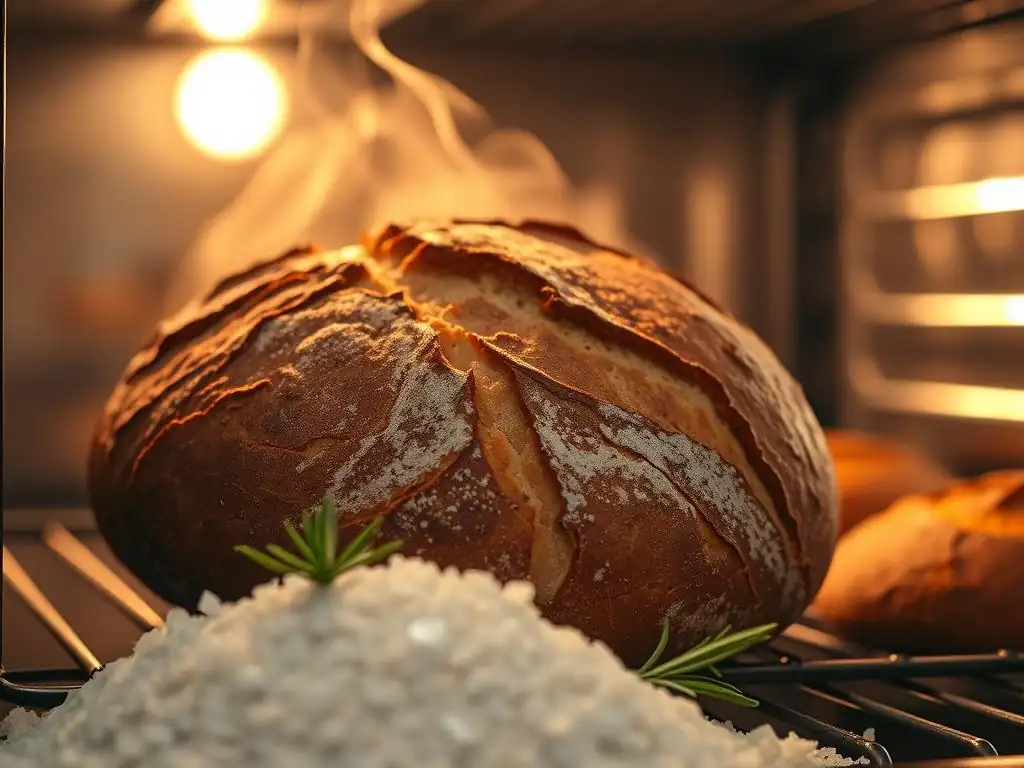
Temperature is arguably the most critical factor influencing the Maillard reaction. The reaction begins to occur significantly around 280°F (140°C) and accelerates rapidly as the temperature increases. However, baking at too high a temperature can cause the exterior to brown and even burn before the interior is fully cooked. A common strategy for achieving a deep, rich crust on items like bread is to start baking at a higher temperature, perhaps 450-500°F (230-260°C), for the initial phase to quickly kickstart the Maillard reaction and oven spring, then reduce the temperature to finish baking through without over-browning.
Conversely, baking at too low a temperature will result in insufficient Maillard reaction, leading to pale crusts and underdeveloped flavors. For delicate pastries or cakes where a lighter color is desired, a lower temperature is appropriate, but for items like rustic bread or dark cookies, higher temperatures are key to unlocking those complex flavors. Experimenting with oven temperatures and timing is a crucial part of applying Maillard reaction baking tips effectively for different types of baked goods. Using an oven thermometer is highly recommended to ensure your oven is accurately calibrated, as oven temperatures can vary significantly.
The Importance of pH Levels in Maillard Reaction Development
The pH level of your dough or batter significantly impacts the rate and outcome of the Maillard reaction. The reaction proceeds much faster and more intensely in alkaline (higher pH) environments than in acidic (lower pH) ones.
This is why adding a touch of baking soda (sodium bicarbonate), which is alkaline, to cookie dough can result in significantly darker, browner cookies compared to using only baking powder (which contains acidic components). The higher pH boosts the Maillard reaction, contributing to more browning and often a more complex flavor profile, sometimes with a slightly bitter edge if too much is used.
Conversely, acidic ingredients like buttermilk, yogurt, or lemon juice will slow down the Maillard reaction. This is often desirable in cakes and muffins where a lighter color and softer crust are preferred. For instance, a buttermilk biscuit will brown less intensely than a biscuit made with sweet milk, all other factors being equal.
Understanding how different ingredients affect pH allows bakers to intentionally manipulate the Maillard reaction for desired results, adding another layer to effective Maillard reaction baking tips. For example, a typical cookie recipe might have a pH around 7.0-7.5, allowing for good browning, while a cake might be closer to 6.0-6.5.
Moisture's Role: Balancing Humidity for Perfect Browning
Moisture plays a dual role in the Maillard reaction and overall baking process. Initially, the presence of some moisture is necessary for the reactants (amino acids and sugars) to be mobile and interact. However, as baking progresses, surface moisture must evaporate for the surface temperature to rise sufficiently (above the boiling point of water, 212°F or 100°C) to reach the 280°F+ (140°C+) range required for significant Maillard reaction to occur. A very wet surface will remain at or near 212°F until the water evaporates, delaying browning.
Controlling humidity in the oven is particularly important in bread baking. Introducing steam during the initial phase of baking (like using a Dutch oven or a steam pan) keeps the surface of the loaf moist and pliable longer. This delays crust formation, allowing the loaf to expand fully (oven spring) and also keeps the surface temperature lower initially.
Once the steam dissipates or is released, the surface can dry out and its temperature can rise rapidly, allowing the Maillard reaction to proceed vigorously and create a beautiful, dark crust. Too much moisture for too long, however, can inhibit browning altogether, resulting in a pale, thick crust. Finding the right balance is a key Maillard reaction baking tip for bread.
Ingredients & Their Impact on Maillard Reaction
Sugar Selection: Affecting Browning and Flavor Profiles
Not all sugars are created equal when it comes to driving the Maillard reaction. The reaction specifically requires reducing sugars. Common reducing sugars include glucose (dextrose), fructose, lactose, and maltose. Sucrose (table sugar) is a non-reducing sugar, but it can break down into glucose and fructose under acidic conditions or when heated, especially in the presence of moisture, thus becoming available for the Maillard reaction. Brown sugar, which contains molasses, provides both sucrose and some invert sugars (glucose and fructose), plus acids and other compounds that enhance browning and flavor complexity.
Using sugars like brown sugar, honey, or maple syrup (which contain significant amounts of fructose and glucose) will generally lead to faster and more intense browning than using pure granulated sucrose. Fructose is particularly reactive in the Maillard reaction, browning faster than glucose. Lactose, found in milk solids, is also a reducing sugar and contributes significantly to the browning of milk-based baked goods or those using milk powder.
Understanding the reducing sugar content of different sweeteners helps bakers predict and control the degree of browning and the resulting flavor nuances, crucial for effective Maillard reaction baking tips. For instance, substituting some granulated sugar with brown sugar in a cookie recipe will typically result in a chewier, darker, and more flavorful cookie.
Protein Power: Choosing Flours and Additives
Proteins, specifically the amino acids they contain, are the other essential component for the Maillard reaction. Different flours have varying protein contents and amino acid profiles, which can influence the extent and character of the Maillard reaction. High-protein flours like bread flour (typically 12-14% protein) will generally contribute more amino acids to the reaction than lower-protein flours like cake flour (typically 8-10% protein), leading to potentially more intense browning and complex flavors in crusts.
Beyond flour, other protein sources significantly boost the Maillard reaction. Milk solids, particularly in the form of dry milk powder, are rich in lactose (a reducing sugar) and lysine (an amino acid that is highly reactive in the Maillard reaction). Adding a tablespoon or two of nonfat dry milk powder to a bread dough or cookie recipe is a classic Maillard reaction baking tip to enhance crust color and flavor development.
Eggs, specifically the proteins in both the yolk and white, also contribute amino acids and contribute to browning, especially when used as an egg wash on the surface of baked goods. Ingredients like malted barley flour, which contains enzymes that break down starches into maltose (a reducing sugar) and also provides amino acids, are another powerful Maillard booster.
The Impact of Alkalinity on Maillard Browning
As previously mentioned, alkaline conditions significantly accelerate the Maillard reaction. Ingredients that increase the pH of a dough or batter will promote faster and deeper browning. The most common alkaline ingredient used for this purpose in baking is baking soda (sodium bicarbonate), which has a pH of around 8.4. Adding baking soda directly contributes alkalinity, making more amino acids available for the reaction and speeding up the entire process. This is why many recipes for cookies designed to be thin and crispy include baking soda – it promotes spread and rapid browning.
Other ingredients can also influence pH. For example, using alkaline water (water with a pH higher than 7.0) in bread dough can encourage darker crust development compared to using slightly acidic tap water. Conversely, using acidic ingredients like vinegar, cream of tartar (an acid salt), or acidic fruit juices will lower the pH and inhibit the Maillard reaction, resulting in less browning.
Understanding these interactions allows bakers to fine-tune their recipes for desired color and flavor outcomes, making pH control a valuable part of mastering Maillard reaction baking tips. For instance, pretzels are often dipped in an alkaline solution (like lye or baking soda dissolved in water) before baking specifically to achieve their signature dark brown, shiny crust through an intensified Maillard reaction.
Advanced Techniques to Enhance Maillard Reaction
Milk Powder & Egg Washes: Maximizing Crust Color
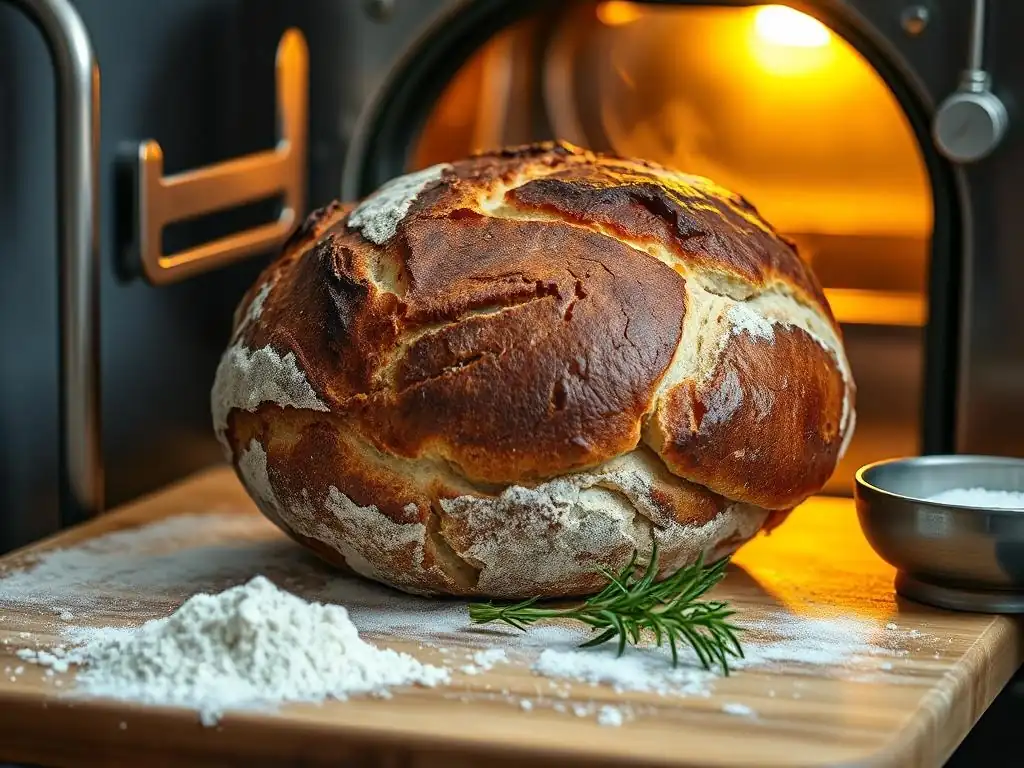
Incorporating dry milk powder directly into doughs or batters is a highly effective way to enhance Maillard browning and flavor. Nonfat dry milk contains lactose (a reducing sugar) and lysine (a very reactive amino acid), both key components for the reaction. Even a small amount, like 2-3% of the flour weight in a bread dough, can make a noticeable difference in crust color and contribute subtle, desirable dairy notes. It's a simple yet powerful Maillard reaction baking tip for richer results.
Applying an egg wash or milk wash to the surface of baked goods before baking is another classic technique. An egg wash (often a mixture of beaten egg and water or milk) provides proteins and some residual sugars to the surface. As the surface heats, these components react via the Maillard process, resulting in a glossy, deeply colored crust.
A milk wash provides lactose and milk proteins, offering a similar but often less intense browning effect compared to egg. For maximum browning and shine, an egg wash made with a whole egg and a splash of milk or cream is often preferred.
Using Honey & Maple Syrup for Deeper Color and Flavor
Honey and maple syrup are excellent choices for boosting the Maillard reaction and adding complex flavor notes. Both are rich in fructose and glucose, which are highly reactive reducing sugars, more so than sucrose. Their unique compositions also include various amino acids, minerals, and other compounds that participate in and influence the Maillard reaction, contributing to their distinct flavors and aromas.
Substituting a portion of the granulated sugar in a recipe with honey or maple syrup will generally lead to faster and darker browning. For example, replacing 25% of the granulated sugar with honey in a cookie recipe can result in a chewier texture, darker color, and more pronounced caramelized and floral or woody undertones from the honey or maple syrup respectively. However, because these are liquids, you may need to slightly adjust other liquid components in the recipe. Using these natural sweeteners is a delicious way to incorporate advanced Maillard reaction baking tips into your repertoire.
Maillard-Boosting Additives: Malt Extract, Amino Acids, and Their Use
Beyond common pantry staples, certain specialized ingredients can be used to specifically target and enhance the Maillard reaction. Diastatic malt powder or malt extract, derived from sprouted grains, is a popular additive in bread baking. It contains enzymes (amylase) that break down starches into maltose (a reducing sugar) during fermentation and baking.
This increases the availability of reducing sugars for the Maillard reaction, leading to darker crusts, improved oven spring, and a slightly sweeter crumb. Non-diastatic malt extract, which has had the enzymes deactivated but still contains maltose and other sugars, is used primarily for color and flavor without affecting dough fermentation significantly.
Pure amino acids, while not commonly used in home baking, are utilized in industrial settings to fine-tune Maillard flavors. For example, adding specific amino acids like lysine or proline can steer the reaction towards desired flavor profiles. For the home baker, focusing on ingredients naturally rich in reactive amino acids and reducing sugars, like milk powder, eggs, and certain types of sugars, is the most practical approach to applying Maillard reaction baking tips at a more advanced level. Understanding the role of these additives helps demystify why certain commercial baked goods achieve their intense colors and flavors.
Troubleshooting Common Maillard Reaction Issues
Uneven Browning: Causes and Solutions
Uneven browning is a frustrating issue that can detract from the appearance and sometimes the texture of baked goods. Several factors contribute to this problem. Uneven oven temperature is a primary culprit; hot spots can cause parts of the item to brown much faster than others. Using an oven thermometer to check for accuracy and rotating your baking sheet or pan halfway through the baking time can help mitigate this.
Another cause is uneven dough or batter thickness; thinner sections will heat faster and brown more quickly. Ensuring even distribution in the pan or consistent shaping of cookies or rolls is important. The type of baking pan also matters; dark metal pans absorb and radiate heat more efficiently than lighter pans or glass, leading to faster and potentially darker browning, which can be uneven if the heat distribution isn't uniform.
Using parchment paper can sometimes help by providing a slight buffer. Finally, ensuring the surface is evenly coated if using a wash (like egg or milk) is crucial for uniform color development through enhanced Maillard reaction.
Preventing Over-Browning and Burning
While the Maillard reaction is desirable, taking it too far results in burning, which produces bitter, acrid flavors and hard, unpalatable textures. Over-browning typically occurs when the baking time is too long or the temperature is too high for the specific item. Monitoring your baked goods closely, especially towards the end of the baking time, is essential. Relying on visual cues and smell is often more effective than strictly adhering to recipe times, as ovens vary.
If you notice the surface is browning too quickly but the interior isn't done, you can loosely tent the item with aluminum foil. This reflects radiant heat away from the surface, slowing down the browning process while allowing the interior to continue cooking through convective heat. Reducing the oven temperature slightly for the remainder of the baking time can also help. Understanding the signs of impending over-browning is a key Maillard reaction baking tip for consistently good results. A deeply mahogany crust is often the goal, but black spots indicate burning.
Achieving the Desired Level of Maillard Reaction
The "perfect" level of Maillard reaction depends entirely on the specific baked good you are making. A rustic loaf of sourdough bread benefits from a deep, dark crust, while a delicate sponge cake requires minimal browning. Achieving the desired outcome involves manipulating the factors discussed: temperature, time, pH, moisture, and ingredients. For darker results, increase temperature or time (carefully! ), use alkaline ingredients, add milk powder or malt, or apply an egg wash.
For lighter results, bake at lower temperatures, use acidic ingredients, or use lighter sugars. Experimentation is key. Try baking the same recipe with slight variations – perhaps using brown sugar instead of white, adding a pinch of baking soda, or using a hotter oven for a shorter period. Observe the differences in color, aroma, and flavor. Keeping notes on these experiments will help you refine your Maillard reaction baking tips and consistently achieve your desired level of browning and flavor development for any recipe.
Recipes Demonstrating Optimized Maillard Reaction
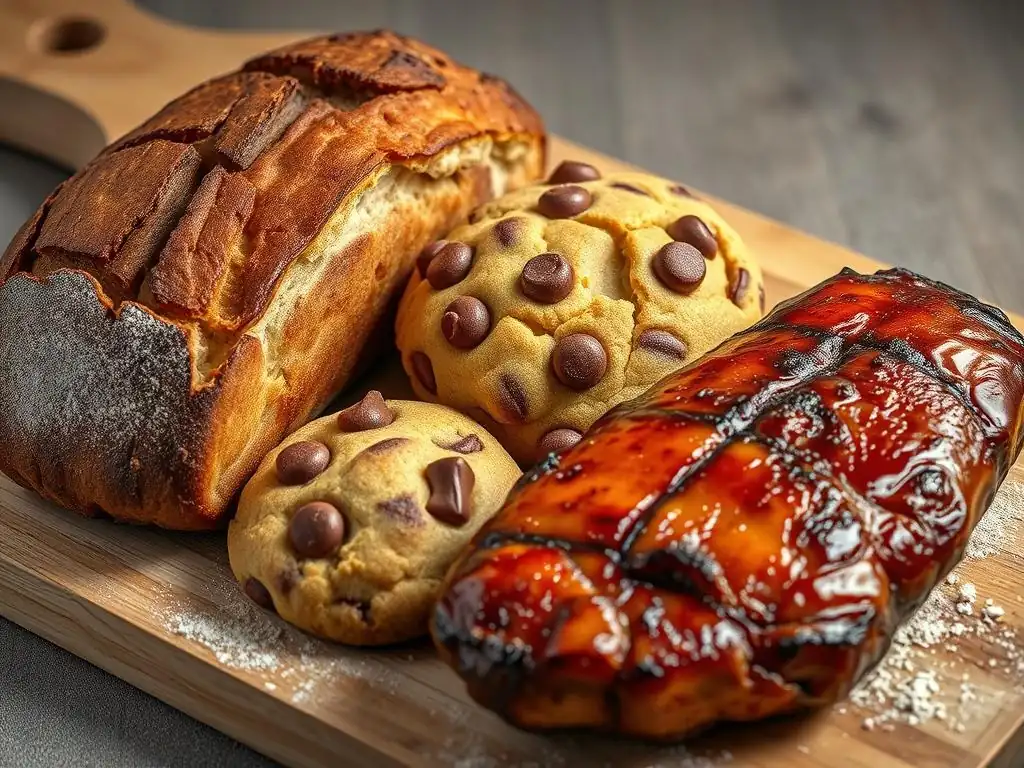
Brown butter chocolate chip cookies are a prime example of harnessing the Maillard reaction for intense flavor. Browning the butter involves heating it until the milk solids undergo the Maillard reaction, transforming from pale yellow to nutty, fragrant brown. This process contributes deep, complex notes – think toasted nuts, caramel, and butterscotch – that are distinct from the simple richness of melted butter.
Furthermore, the cookie dough itself utilizes ingredients that promote Maillard. Brown sugar provides reducing sugars and moisture, while eggs contribute proteins (amino acids). Baking soda is often included to raise the pH, accelerating the browning of the dough itself. Baking at a relatively high temperature, often around 350-375°F (175-190°C), ensures the surface reaches the necessary temperature for significant Maillard reaction to occur, resulting in those coveted golden-brown edges and chewy centers. The combination of brown butter and dough browning creates a symphony of Maillard-derived flavors.
Sourdough Bread: Achieving a Deep, Rich Crust
Sourdough bread offers a fantastic case study in optimizing the Maillard reaction for crust development. The long fermentation process breaks down complex carbohydrates and proteins, increasing the availability of simple sugars and amino acids for the reaction. Baking sourdough is typically done at high temperatures, often starting around 450-500°F (230-260°C), frequently within a Dutch oven.
Baking in a Dutch oven creates a steamy environment initially, which delays the formation of the crust and allows for maximum oven spring. Once the lid is removed (usually halfway through baking), the surface moisture evaporates rapidly, and the high heat drives intense Maillard reaction on the exposed crust. This produces the characteristic dark, crackly crust with complex roasted, nutty, and slightly bitter flavors that are the hallmark of well-baked sourdough. The combination of fermentation byproducts, high heat, and steam management are crucial Maillard reaction baking tips for sourdough enthusiasts.
Caramelized Onion and Gruyere Tart: Enhancing Savory Flavors
The Maillard reaction isn't limited to sweet treats; it's fundamental in savory baking too. A caramelized onion and Gruyere tart is a perfect illustration. Caramelizing onions involves slow cooking them to break down sugars and encourage both caramelization and Maillard reactions (as onions contain some amino acids). This process develops deep, sweet, and savory flavors.
When the tart bakes, the onions continue to brown, and the cheese (Gruyere is rich in protein and fat) undergoes significant Maillard reaction as it melts and browns on top. The crust, made from flour and butter (protein and fat contribute amino acids), also browns through the Maillard process. Baking the tart at a temperature suitable for pastry (often 375-400°F or 190-200°C) allows these browning reactions to occur, creating layers of rich, savory flavor from the deeply browned onions, nutty cheese, and flaky, golden crust. It's a delicious example of applying Maillard reaction baking tips to savory dishes.
Mastering Maillard Reaction: Applications in Different Baked Goods
Maillard Reaction in Bread Baking: Crust Development
In bread baking, the Maillard reaction is primarily responsible for the color, aroma, and flavor of the crust. As the loaf bakes, the surface temperature rises, and the available reducing sugars and amino acids in the dough react. This creates the desirable golden-brown to dark mahogany hue and the complex array of flavors, from malty and roasted to slightly bitter notes. The crumb (interior) of the bread, which remains at a lower temperature (around 200-210°F or 95-100°C) due to the presence of moisture, does not undergo significant Maillard reaction.
Achieving a good bread crust involves managing temperature, steam, and baking time. High initial heat and the subsequent drying of the surface are key to promoting robust Maillard development. Ingredients like malt or milk powder can be added to enhance it further. The texture of the crust – its crispness or chewiness – is also indirectly related to the Maillard reaction, as the drying and browning process contributes to its structure. Mastering Maillard reaction baking tips for bread is essential for achieving professional-quality loaves.
Optimizing Maillard in Cakes & Pastries: Visual Appeal and Flavor
For cakes and pastries, the role of the Maillard reaction can vary. In cakes, a lighter, tender crumb and crust are often desired, so Maillard reaction is typically less pronounced than in bread. However, it still contributes to the light golden color of the crust and subtle flavor notes. Using acidic ingredients (like buttermilk or cream of tartar in baking powder) helps to keep the crumb light and limits excessive browning.
In pastries like croissants or danishes, an egg wash is frequently used to promote a beautiful, glossy, golden-brown exterior through the Maillard reaction on the surface proteins and sugars. For items like fruit tarts, the focus might be more on caramelization of the fruit sugars, but the pastry crust itself undergoes Maillard browning. Balancing delicate textures with sufficient browning for visual appeal and flavor contribution is a key aspect of applying Maillard reaction baking tips to cakes and pastries.
Cookies and biscuits rely heavily on the Maillard reaction for their characteristic color, texture, and flavor. The higher sugar and fat content in many cookie recipes, combined with ingredients like brown sugar, eggs, and often baking soda, creates an environment highly conducive to the Maillard reaction. The relatively small size and higher surface area to volume ratio of cookies mean they heat up quickly, promoting rapid browning.
The Maillard reaction contributes significantly to the crispness of cookies by drying out the structure and creating a more brittle matrix of melanoidins and caramelized sugars. It also generates a wide range of flavor compounds – from toasted and nutty in less sweet cookies to deeply caramelized and complex in those with lots of brown sugar or added milk powder. Experimenting with sugar types, leavening agents (baking soda vs. baking powder), and baking temperature are effective Maillard reaction baking tips for controlling the spread, texture, and flavor profile of your cookies.
Frequently Asked Questions
How does the Maillard reaction specifically enhance baking?
The Maillard reaction is responsible for the browning and flavor development in baked goods. It creates complex aromas and tastes that are essential for a satisfying baking experience.
What are the key factors that influence the Maillard reaction in baking?
The main factors are heat, sugars, and amino acids. A higher oven temperature and ingredients like honey or milk solids significantly boost the reaction.
What baking tips can help maximize the Maillard reaction?
Consider using ingredients rich in reducing sugars, like honey or maple syrup. Also, ensure your oven temperature is high enough to promote browning without burning the item.
Can the Maillard reaction be too strong in baking?
Yes, over-baking or using excessive amounts of reducing sugars can lead to a burnt or bitter taste. Careful monitoring and recipe adjustments are crucial.
What are some examples of baked goods where the Maillard reaction is particularly important?
Examples include crusty breads, cookies, and caramelized pastries. The golden-brown crust and rich flavor in these items are direct results of the Maillard reaction.
Final Reflection: Unlocking the Golden Secrets of the Maillard Reaction
The Maillard reaction isn't just a scientific process; it's the key to unlocking unparalleled flavor and color in our baking, a culinary alchemy that transforms simple ingredients into masterpieces. Understanding its intricacies, as explored throughout this article, allows us to move beyond simply following recipes and into a realm of true culinary mastery, where we can consciously craft the perfect crust, the ideal browning, and the most deeply satisfying taste experiences.
The impact of the Maillard reaction extends far beyond the confines of our kitchens. It's a fundamental principle shaping our culinary heritage, influencing everything from the golden-brown crust of a perfectly baked loaf to the rich aroma of roasted meats. The Maillard reaction is the magic behind so many of our favorite foods. It's the reason why a steak is juicy and flavorful, and why a perfectly baked bread has that irresistible crust.
This simple truth underscores the importance of understanding this process, not just for professional chefs, but for every home baker seeking to elevate their skills and create truly unforgettable dishes.
Now, consider your own baking journey. What new techniques will you incorporate after learning about the Maillard reaction's nuances? Will you experiment with different sugars, adjust your oven temperatures, or perhaps explore new ingredients to maximize the reaction? I encourage you to embrace the power of this knowledge, to experiment fearlessly, and to discover the unique magic you can create in your own kitchen. The journey of mastering the Maillard reaction is a continuous process of learning and refinement, a testament to the enduring power of culinary exploration.
Unlock Your Baking's Full Potential!
Thanks for diving deep into the world of the Maillard reaction! You've now got the knowledge to elevate your baking to a whole new level of deliciousness. Ready to put your newfound expertise into practice?
- Master the Maillard reaction in your next bake: Try experimenting with different sugars and cooking times to see how the flavor and color change! Note your observations for future recipes.
- Share your Maillard masterpieces: Show off your perfectly browned creations on social media using #BakeWithEaseMaillard. Let's inspire each other!
- Dive deeper: Explore our extensive recipe library for dishes designed to highlight the Maillard reaction. Find your new favorite recipe today!
What surprising flavor combinations will you unlock through a deeper understanding of the Maillard reaction?