
Bake a Simple Cake with Oil Instead of Butter

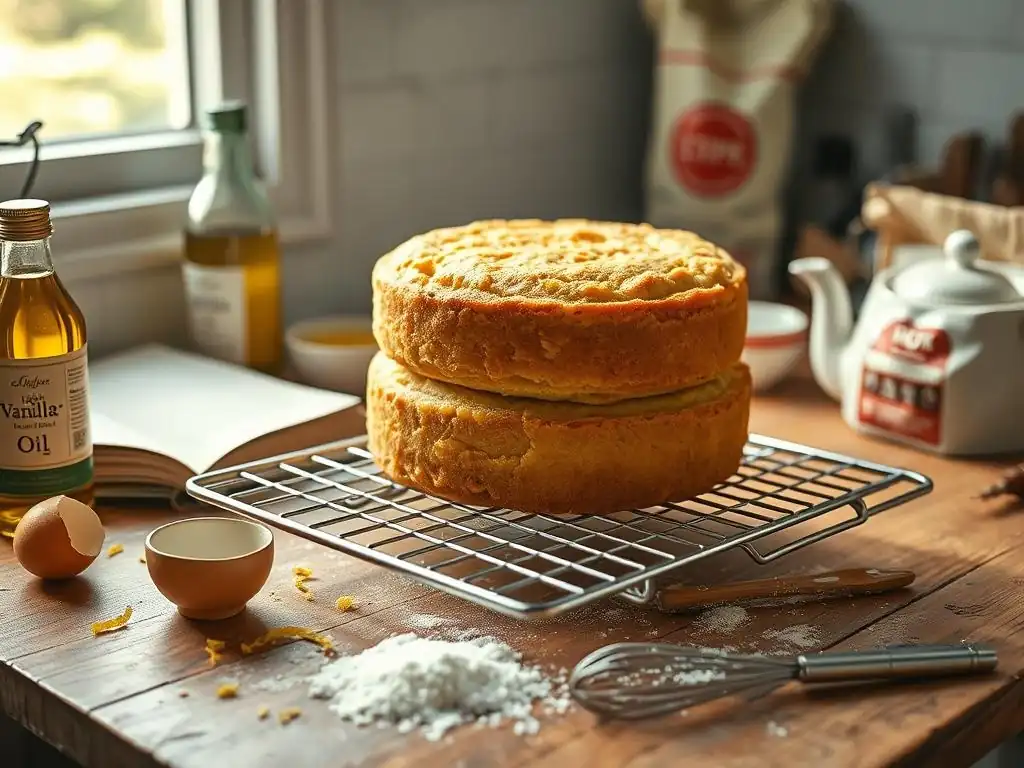
Welcome to BakeWithEase, where we believe anyone can create delicious baked goods!
Ever wondered if you could bake a perfectly moist and tender cake without using butter? You're in the right place! Discover our guide to a simple cake oil butter recipe and unlock a world of easy baking. We're about to reveal the secrets to a lighter, quicker, and equally delicious cake. Intrigued? Let's get baking!
- Bake a Simple Cake with Oil Instead of Butter: An Easy Recipe for Beginners
- Introduction to Oil-Based Cakes: A Beginner's Guide
- Gathering Your Ingredients for the Simple Oil Cake
- Step-by-Step Instructions: Baking Your Simple Oil Cake
- Checking for Doneness: Knowing When Your Oil Cake is Ready
- Cooling and Decorating Your Simple Oil Cake
- Troubleshooting Your Simple Oil Cake Recipe
- Variations on the Simple Oil Cake Recipe
- Storing Your Simple Oil Cake for Freshness
- Conclusion: Enjoy Your Delicious and Easy Oil Cake!
-
Frequently Asked Questions
- How does using oil instead of butter affect the texture of a cake?
- Can I substitute oil for butter in any cake recipe?
- What type of oil is best for baking a cake using a simple recipe?
- Does using oil instead of butter change the flavor profile of the cake?
- What are the key benefits of using oil in a simple cake recipe instead of butter?
- Final Reflection: The Unexpected Joy of Oil-Based Cakes
- Unlock Your Inner Baker: Simple Oil-Based Cakes Await!
Bake a Simple Cake with Oil Instead of Butter: An Easy Recipe for Beginners
Introduction to Oil-Based Cakes: A Beginner's Guide
Why Bake a Cake with Oil? Benefits and Advantages
Baking a simple cake with oil instead of butter offers several distinct advantages, especially for beginners exploring the world of baking. One primary benefit is the resulting texture. Oil-based cakes tend to be incredibly moist and tender, often more so than butter-based cakes. This is because oil remains liquid at room temperature, whereas butter is solid. This liquid state helps to coat flour particles more effectively, inhibiting gluten development and leading to a softer crumb. For a simple cake oil butter recipe, this translates into a consistently delightful texture that's forgiving even if you slightly overmix the batter.
Another significant advantage is the ease of use. Oil doesn't require creaming with sugar, a crucial step in many butter-based cake recipes that involves incorporating air for leavening and texture. With oil, you typically just whisk the wet ingredients together.
This simplifies the mixing process, making it quicker and less prone to errors like over-creaming or under-creaming. This ease makes baking a simple cake oil butter recipe an excellent starting point for anyone new to baking, reducing complexity and increasing the likelihood of a successful outcome on their first try. Furthermore, oil can be more cost-effective than butter and has a longer shelf life, making it a practical choice for your pantry staples.
Simple Cake Recipes: Expanding Your Baking Repertoire at BakeWithEase.com
At BakeWithEase.com, we believe that baking should be accessible and fun for everyone, regardless of experience level. Mastering a simple cake oil butter recipe is a fantastic way to build confidence and expand your baking skills. Once you've successfully baked this moist and easy cake, you'll find a wealth of other simple cake recipes and beginner-friendly guides available on our site. We break down techniques like measuring flour correctly, understanding leavening agents, and troubleshooting common issues, empowering you to tackle new challenges.
Moving beyond this basic oil cake, you can explore variations like adding cocoa powder for a simple chocolate cake, incorporating lemon zest for a bright flavor, or folding in berries. Each variation uses the foundational simple cake oil butter recipe as a base, allowing you to experiment with flavors and textures without starting from scratch with a completely new technique. Our goal is to provide you with the tools and knowledge to not only follow recipes but to understand the why behind each step, setting you on a path to becoming a more intuitive and confident baker.
Gathering Your Ingredients for the Simple Oil Cake
The Essential Ingredients List for an Easy Cake Recipe
Creating a delicious simple cake oil butter recipe requires just a few basic ingredients that you likely already have in your pantry. You'll need all-purpose flour, which provides the structure for the cake. Granulated sugar is essential for sweetness and contributes to the cake's tenderness and browning. Baking powder is the primary leavening agent in many simple oil cakes, helping the cake rise and become light and airy. A pinch of salt is crucial to balance the sweetness and enhance the overall flavor.
For the wet ingredients, you'll need large eggs, which bind everything together and add richness and structure. Milk, or sometimes buttermilk or yogurt, adds moisture and helps activate the baking powder. Vanilla extract is a must-have for adding warmth and classic cake flavor. And, of course, vegetable oil is the star ingredient, providing unparalleled moisture and tenderness. Having these items measured and ready before you begin mixing is a key step in ensuring a smooth baking process for your simple cake oil butter recipe.
Choosing the Right Oil: Best Oils for Baking Cakes
When baking a simple cake oil butter recipe, the type of oil you choose significantly impacts the final taste and texture. Neutral-flavored oils are generally preferred because they don't impart a strong taste that can compete with the cake's other flavors. Good options include vegetable oil, canola oil, or sunflower oil. These oils are light in color and have a mild flavor profile, making them versatile for various cake types, from vanilla to chocolate.
Some bakers also use other oils, though with considerations. Olive oil, especially extra virgin, has a distinct flavor that might not be suitable for delicate cakes but can work wonderfully in recipes like a citrus olive oil cake. Coconut oil, while solid at room temperature, melts when heated and can lend a subtle coconut flavor and moist texture.
For a standard simple cake oil butter recipe focusing on ease and classic flavor, sticking to neutral vegetable, canola, or sunflower oil is the safest and most recommended approach. For instance, a standard 9x13 inch cake recipe might call for about 1/2 to 3/4 cup of oil, where a neutral oil performs best.
Measuring Ingredients Accurately for Perfect Cake Results
Accurate measurement is perhaps the single most important factor in achieving consistent and successful results with any baking recipe, including a simple cake oil butter recipe. For dry ingredients like flour, the "spoon and level" method is highly recommended. Gently spoon the flour into your measuring cup until it's overflowing, then use a straight edge (like the back of a knife) to level off the excess without packing the flour down. Scooping directly from the bag can add significantly more flour than the recipe intends, leading to a dense, dry cake.
Wet ingredients like oil, milk, and vanilla extract should be measured using liquid measuring cups, which have a spout and markings on the side. Place the cup on a flat surface and read the measurement at eye level to ensure accuracy. For ingredients like sugar, dry measuring cups are appropriate. Using the correct measuring tools and techniques, such as ensuring your eggs are at room temperature (they emulsify better), contributes significantly to the structure, texture, and overall success of your simple cake oil butter recipe. Precision in measuring is a fundamental skill that pays off immensely in baking.
Step-by-Step Instructions: Baking Your Simple Oil Cake
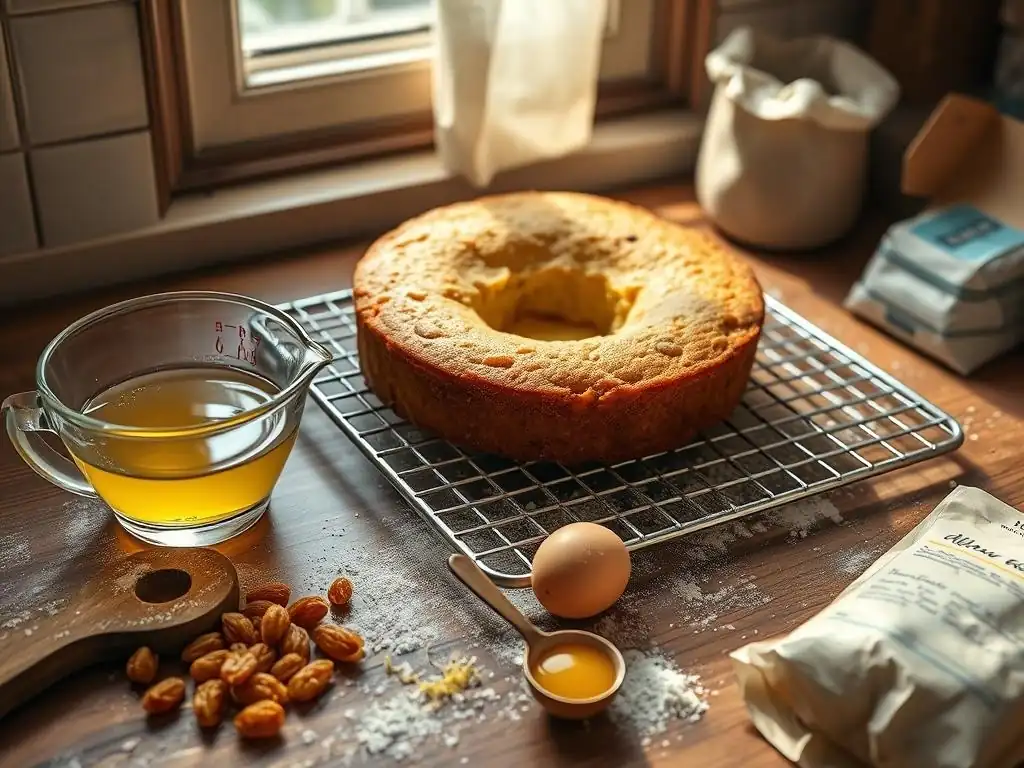
Preparing the Cake Pan: Preventing Sticking
Properly preparing your cake pan is a crucial first step to ensure your simple cake oil butter recipe releases cleanly after baking. The most common method is to grease and flour the pan. You can use cooking spray, softened butter, or shortening to grease the bottom and sides of the pan. Make sure to get into any corners or intricate designs if using a non-standard pan.
Once greased, add a few tablespoons of all-purpose flour to the pan. Tilt and rotate the pan to coat the entire greased surface with a thin layer of flour. Tap out any excess flour.
For chocolate cakes, you can use cocoa powder instead of flour to avoid white residue on the cake surface. For a standard 8-inch or 9-inch round pan used in many simple cake oil butter recipes, this takes less than a minute but saves you the frustration of a cake stuck to the pan. Alternatively, lining the bottom of the pan with parchment paper after greasing is an extra layer of insurance, especially for delicate cakes.
Mixing the Wet Ingredients: Combining Oil, Eggs, and Sugar
In a simple cake oil butter recipe, the wet ingredients are typically mixed together first. This is a straightforward process compared to creaming butter. In a large bowl, whisk together the granulated sugar and the oil. The sugar will not dissolve completely at this stage, which is normal.
Next, add the eggs, one at a time, whisking well after each addition until fully incorporated. The mixture will become slightly emulsified and lighter in color. Finally, whisk in the milk (or other liquid) and vanilla extract until everything is combined. This wet mixture forms the liquid base of your simple cake oil butter recipe and is now ready to be combined with the dry ingredients. This step is much faster and less labor-intensive than creaming butter and sugar, highlighting the ease of oil-based cakes.
Combining Dry and Wet Ingredients: Achieving the Right Consistency
Combining the dry and wet ingredients is where you bring the simple cake oil butter recipe batter together. In a separate medium bowl, whisk together the all-purpose flour, baking powder, and salt. This ensures the leavening agent and salt are evenly distributed throughout the flour, which is important for even rising.
Add the dry ingredients to the wet ingredients in the large bowl. Using a whisk or a rubber spatula, gently mix until just combined. It's important not to overmix the batter. Overmixing develops the gluten in the flour, which can result in a tough or dense cake. A few small lumps of flour are acceptable; they will usually disappear during baking. Mix only until you no longer see streaks of dry flour. This gentle mixing process helps maintain the tender crumb characteristic of a simple cake oil butter recipe.
Baking Time and Temperature: Ensuring a Perfectly Baked Cake
Baking time and temperature are critical factors for a successful simple cake oil butter recipe. Most simple oil cakes bake at a moderate temperature, typically around 350°F (175°C). This temperature allows the cake to rise evenly and bake through without burning the edges before the center is done.
The baking time will vary depending on the size and shape of your pan. A standard 8-inch or 9-inch round cake might take anywhere from 25 to 35 minutes, while a 9x13 inch rectangular cake could take 30 to 40 minutes. Cupcakes, being smaller, bake much faster, often within 18-22 minutes.
Start checking for doneness at the lower end of the suggested time range. Ovens can vary, so knowing your oven's quirks is helpful. Using an oven thermometer can ensure your oven is heating to the correct temperature, preventing issues like under-baked centers or over-baked edges in your simple cake oil butter recipe.
Checking for Doneness: Knowing When Your Oil Cake is Ready
The Toothpick Test: A Classic Method
The toothpick test is a reliable and widely used method to determine if your simple cake oil butter recipe is fully baked. Once the cake looks golden brown around the edges and the center appears set, gently insert a clean toothpick or a thin skewer into the deepest part of the cake, usually the center.
Carefully remove the toothpick. If it comes out clean, with no wet batter attached, the cake is done. If it comes out with wet batter or sticky crumbs clinging to it, the cake needs more time in the oven. Put it back for another 2-5 minutes and test again. A few dry crumbs are okay, especially for a simple cake oil butter recipe which is naturally moist, but wet batter indicates it's not ready. This simple test prevents under-baking, which can lead to a gummy center.
Visual Cues: Observing the Cake's Appearance
Beyond the toothpick test, several visual cues can help you determine if your simple cake oil butter recipe is ready to come out of the oven. The edges of the cake will typically pull away slightly from the sides of the pan. The top surface should be golden brown and look set, not wet or jiggly in the center.
Another indicator is the cake's resilience. Gently press the top of the cake in the center with your fingertip (be careful, it's hot!). If it springs back slightly, it's a good sign that the cake is baked through. If the indentation remains, it likely needs more time. For a simple cake oil butter recipe, the top might also have a slight dome, though oil cakes tend to bake flatter than butter cakes. Observing these visual changes alongside the toothpick test gives you confidence that your cake is perfectly baked.
Cooling and Decorating Your Simple Oil Cake
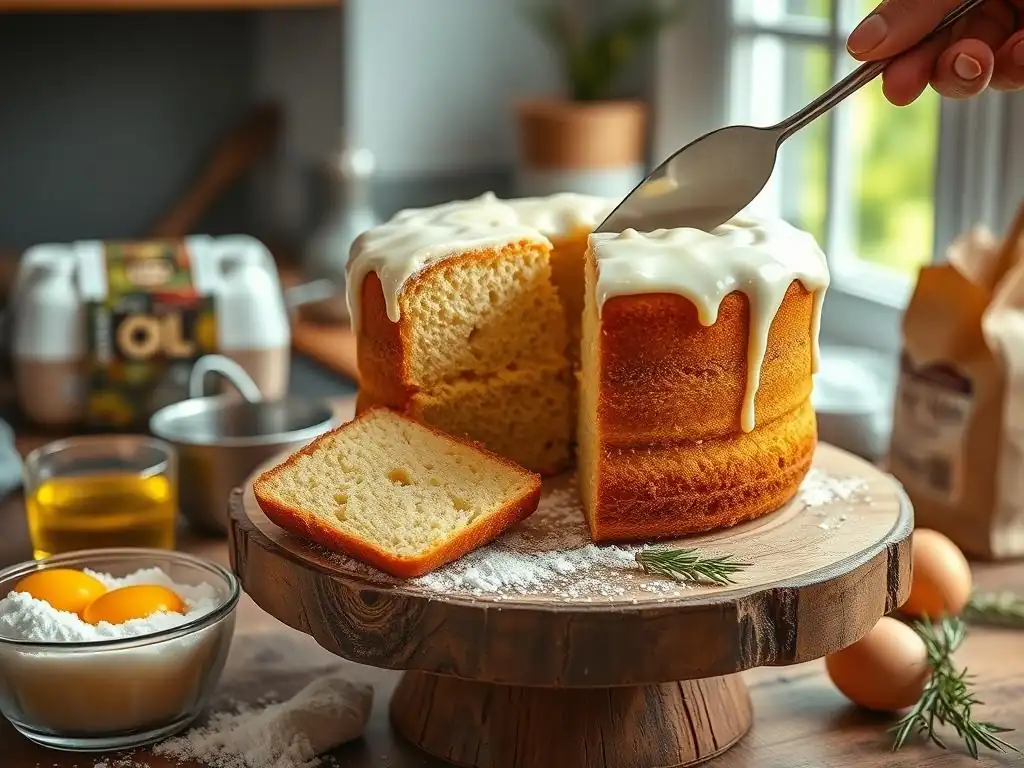
Cooling the Cake: Preventing Cracking and Shrinkage
Allowing your simple cake oil butter recipe to cool properly is essential for its structural integrity and ease of decoration. Once the cake is out of the oven and you've confirmed it's done, let it cool in the pan for about 10-15 minutes. This allows the cake to firm up slightly before being moved, reducing the risk of it breaking or cracking.
After the initial cooling period in the pan, invert the cake onto a wire rack to cool completely. Cooling on a wire rack allows air to circulate around all sides of the cake, preventing steam buildup which can make the bottom soggy. Ensure the cake is completely cool, which can take 1-2 hours depending on its size, before attempting to frost or decorate it. Decorating a warm cake will melt the frosting and can cause the cake to crumble. Proper cooling is a simple but vital step for a perfect simple cake oil butter recipe.
Simple Decoration Ideas: Elevating Your Oil Cake
A simple cake oil butter recipe is delicious on its own, but a little decoration can make it extra special. For a quick and easy finish, a dusting of powdered sugar through a sieve is elegant and requires minimal effort. You can place a doily on top before dusting to create a lovely pattern.
Another simple option is a basic glaze made from powdered sugar and a liquid like milk, lemon juice, or water. Mix until you achieve a pourable consistency and drizzle it over the cooled cake. For something slightly more indulgent but still easy, a simple whipped cream topping or a store-bought frosting can be spread over the top. Fresh berries, chocolate shavings, or sprinkles can be added for extra color and texture. Even a simple cake oil butter recipe can look stunning with just a few decorative touches.
Frosting Options: Pairing Flavors with Your Oil-Based Cake
Choosing the right frosting can complement and enhance the natural moisture of your simple cake oil butter recipe. A classic vanilla buttercream pairs beautifully with a plain oil cake, offering a rich contrast to the light crumb. The stability of buttercream also makes it easy to spread smoothly.
For a lighter option, a whipped cream frosting is airy and not too sweet, perfect for a simple cake. Cream cheese frosting, with its slight tang, is another excellent choice, especially if you've added a touch of lemon zest or made a simple carrot cake variation using the oil base. Chocolate ganache, made from melted chocolate and cream, provides a decadent topping that works well with both vanilla and chocolate versions of a simple cake oil butter recipe. Consider the primary flavor of your cake when selecting a frosting to create a harmonious combination.
Troubleshooting Your Simple Oil Cake Recipe
Common Baking Mistakes and How to Avoid Them
Even with a simple cake oil butter recipe, mistakes can happen. One common issue is using ingredients that are not at the specified temperature, particularly eggs. Cold eggs don't emulsify as well, potentially affecting the cake's texture. Aim for room temperature eggs by letting them sit out for 30 minutes or placing them in warm water for a few minutes. Another frequent mistake is inaccurate measuring, especially with flour, leading to dense or dry cakes. Always use the spoon and level method for dry ingredients.
Overmixing the batter is another pitfall. As mentioned, this develops gluten, resulting in a tough cake. Mix only until the dry ingredients are just incorporated. Forgetting to preheat the oven or having an inaccurate oven temperature can also cause problems like uneven baking or poor rise. Always preheat your oven fully and consider using an oven thermometer to verify the temperature. Being mindful of these common errors will significantly improve your success with a simple cake oil butter recipe.
My Cake is Dry: Possible Causes and Solutions
If your simple cake oil butter recipe turned out dry, several factors could be the culprit. Over-measuring the flour is a very common cause; too much flour absorbs excess moisture. Ensure you are using the spoon and level method for measuring dry ingredients. Baking the cake for too long or at too high a temperature will also evaporate moisture, leading to dryness. Use a timer and start checking for doneness at the minimum suggested baking time.
Using the wrong type of oil can also contribute, although neutral oils are usually fine. Ensure you haven't accidentally used a very low-fat liquid or substituted an ingredient incorrectly. If your cake is slightly dry after baking, you can try brushing the top with a simple syrup (equal parts sugar and water, heated until sugar dissolves) while it's still warm. For future bakes of your simple cake oil butter recipe, double-check your measurements, oven temperature, and baking time.
My Cake Didn't Rise: Troubleshooting Tips
A simple cake oil butter recipe relies on chemical leavening (baking powder and sometimes baking soda) for its rise. If your cake came out flat, several issues could be responsible. The most likely cause is expired or inactive baking powder. Baking powder loses its potency over time; check its freshness by adding a teaspoon to a small amount of hot water – it should bubble vigorously. If it doesn't, get a new container.
Another reason could be insufficient mixing or uneven distribution of the leavening agent. Ensure you whisk the dry ingredients thoroughly before adding them to the wet. Overmixing the batter can also inhibit rise by developing too much gluten, which makes the cake structure too strong to expand properly. Ensure your oven is preheated to the correct temperature; if it's too low, the leavening won't activate effectively. Finally, opening the oven door too early during baking can cause the cake to collapse. Resist the urge to check on it until at least two-thirds of the way through the baking time.
Variations on the Simple Oil Cake Recipe

Adding Flavors: Vanilla, Chocolate, and More
The simple cake oil butter recipe provides a versatile base for countless flavor variations. The most common is vanilla, achieved by adding 1-2 teaspoons of pure vanilla extract to the wet ingredients. For a richer vanilla flavor, consider using vanilla bean paste.
To transform it into a simple chocolate cake, you can whisk 1/4 to 1/2 cup of unsweetened cocoa powder with the dry ingredients. For a deeper chocolate flavor, you might also add a small amount of hot liquid (like coffee or hot water) to the batter at the end, which blooms the cocoa powder. Citrus zest (lemon, orange, or lime) added to the wet ingredients brings a bright, fresh flavor. Spices like cinnamon, nutmeg, or cardamom can be added to the dry ingredients for a warm, spiced simple cake oil butter recipe.
Incorporating Fruits and Nuts: Enhancing Texture and Taste
Incorporating fruits and nuts is an excellent way to add moisture, texture, and flavor to your simple cake oil butter recipe. Fresh or frozen berries (like blueberries or raspberries) can be gently folded into the batter just before pouring it into the pan. If using frozen berries, don't thaw them first to prevent them from bleeding color into the batter. Coating them in a tablespoon of flour before adding can also help prevent them from sinking.
Chopped nuts, such as walnuts, pecans, or almonds, add a delightful crunch. Toasting the nuts lightly before adding them enhances their flavor. Dried fruits like raisins, cranberries, or chopped apricots can also be folded in. For a simple cake oil butter recipe, aim for about 1/2 to 1 cup of total add-ins for an 8-inch or 9-inch cake to avoid weighing down the batter too much.
Converting to Cupcakes: Adapting the Recipe
Easily adapt your simple cake oil butter recipe into cupcakes for individual servings. The batter consistency is usually perfect for cupcakes. Simply line a muffin tin with paper liners. Fill each liner about two-thirds full with the batter.
The baking time will be significantly shorter than for a whole cake. Cupcakes typically bake at the same temperature (350°F or 175°C) but for only about 18-22 minutes. Start checking for doneness around the 18-minute mark using the toothpick test – it should come out clean. Allow the cupcakes to cool in the muffin tin for a few minutes before transferring them to a wire rack to cool completely before frosting. Converting a simple cake oil butter recipe to cupcakes is a convenient way to make portioned treats.
Storing Your Simple Oil Cake for Freshness
Proper Storage Techniques: Keeping Your Cake Moist
One of the benefits of baking a simple cake oil butter recipe is its inherent moisture, but proper storage is key to maintaining it. Once the cake is completely cooled, store it in an airtight container. This prevents air exposure, which is the primary cause of staling and drying out.
If the cake is frosted, use a container tall enough that the lid doesn't touch the frosting. For unfrosted cakes, wrapping them tightly in plastic wrap before placing them in a container adds an extra layer of protection against air. Store the cake at room temperature for up to 3-4 days. Avoid refrigerating plain oil cakes unless they have a perishable filling or frosting, as refrigeration can sometimes dry out the crumb. A simple cake oil butter recipe stored correctly will remain wonderfully moist and delicious.
Freezing Options: Preserving Your Cake for Longer
If you want to keep your simple cake oil butter recipe fresh for a longer period, freezing is an excellent option. Ensure the cake is completely cooled before freezing. For unfrosted cakes, wrap individual slices or the whole cake tightly in plastic wrap, then wrap again in aluminum foil or place in a freezer-safe bag or container. This double wrapping helps prevent freezer burn.
Frosted cakes can be frozen first on a baking sheet until the frosting is firm (about 1-2 hours), then wrapped tightly. Frozen simple cake oil butter recipe can last in the freezer for up to 2-3 months. To thaw, unwrap the cake (this prevents condensation from making it soggy) and let it sit at room temperature for several hours or overnight. Freezing is a great way to enjoy your delicious homemade cake later.
Conclusion: Enjoy Your Delicious and Easy Oil Cake!
Mastering Simple Baking Recipes with BakeWithEase.com
You've now successfully baked a delicious and incredibly moist simple cake using oil instead of butter! This simple cake oil butter recipe is a testament to how easy and rewarding baking can be, even if you're just starting out. You've learned about the benefits of oil in cakes, how to gather and measure ingredients accurately, follow step-by-step instructions, check for doneness, and even troubleshoot common issues.
This simple cake is just the beginning of your baking journey with BakeWithEase.com. We encourage you to try variations, experiment with flavors, and feel confident in your ability to create wonderful baked goods. Our website is filled with resources, from more simple cake recipes to guides on techniques like making perfect frosting or understanding different types of flour. Keep practicing, keep exploring, and most importantly, keep enjoying the process and the delicious results of your simple cake oil butter recipe!
Frequently Asked Questions
How does using oil instead of butter affect the texture of a cake?
Using oil generally results in a more moist and tender cake. This is because oil remains liquid at room temperature, unlike butter, which solidifies.
Can I substitute oil for butter in any cake recipe?
While oil can often be substituted, it's not always a direct 1:1 replacement. Some recipes rely on butter for structure and flavor, so you may need to adjust other ingredients.
What type of oil is best for baking a cake using a simple recipe?
Neutral-flavored oils like vegetable oil or canola oil are typically recommended. These oils won't overpower the other flavors in your cake.
Does using oil instead of butter change the flavor profile of the cake?
Yes, using oil can result in a less rich, buttery flavor. However, the overall flavor will still be delicious, especially with the right recipe and additions like vanilla extract.
What are the key benefits of using oil in a simple cake recipe instead of butter?
Oil is often more convenient as it doesn't require softening and it leads to a moist and tender cake. It can also be a more cost-effective option.
Final Reflection: The Unexpected Joy of Oil-Based Cakes
The simplicity of baking a cake with oil instead of butter isn't just a kitchen hack; it's a gateway to accessible baking for everyone. This article explored a surprisingly versatile method, proving that delicious, moist cakes are within reach regardless of skill level or access to specific ingredients. The ease of this method democratizes baking, making it a joyful activity for a wider audience.
The shift towards simpler recipes reflects a broader cultural movement towards mindful consumption and accessible skills. We're increasingly valuing practicality and ease in our daily lives, and this extends to our kitchens. This simple oil-based cake recipe embodies that spirit. The best things in life are simple,
a phrase often heard, rings true when considering the satisfaction derived from a perfectly baked cake made with readily available ingredients. This recipe allows for that satisfaction, regardless of experience.
Now, consider your own baking journey. Perhaps you've been intimidated by complex recipes or lacked confidence in your skills. This article offers a starting point, a gentle nudge to explore the world of baking without fear of failure. Try this recipe, adapt it to your taste, and discover the joy of creating something delicious and comforting from scratch. Embrace the simplicity, and let the sweet aroma of a freshly baked cake fill your home with warmth and happiness.
Unlock Your Inner Baker: Simple Oil-Based Cakes Await!
Thanks for joining us on this baking adventure! You’ve just learned how easy it is to create delicious cakes using oil instead of butter. Now it's time to put your newfound skills to the test.
- Bake your first oil-based cake today! Choose your favorite recipe (or try one from our website!) and get baking. It's easier than you think.
- Share your baking triumph! Post a picture of your creation on social media and tag us – we'd love to see it.
- Explore more oil-based recipes: Discover new flavour combinations and techniques on our website.
What surprising ingredient will you try in your next oil-based cake?