
Bake These Simple Drop Cookies Without a Mixer

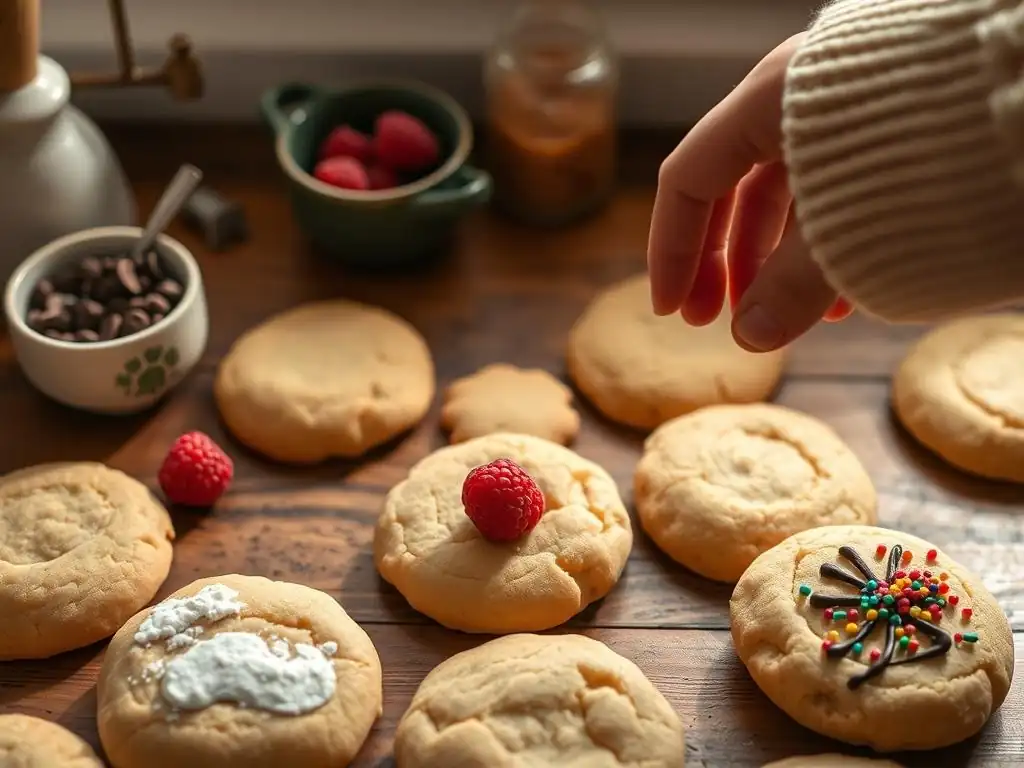
Welcome to BakeWithEase, your passport to a world of delightful baking! Tired of complicated recipes and endless mixing? Discover the joy of effortless baking with our featured article: Easy drop cookies no mixer. Get ready to whip up delicious treats with minimal effort and maximum flavor. Dive in and unlock the secrets to simple, satisfying baking – your oven awaits!
- Bake These Simple Cookies Without a Mixer: Easy Recipes for Beginners
- Introduction: The Joy of Easy Cookies - No Mixer Needed!
- Easy Cookies No Mixer: Your Guide to Baking Success
- The Best Easy Cookie Recipes (Mixer-Free!)
- Tips and Tricks for Perfect Mixer-Free Cookies
- Variations and Add-Ins for Easy Cookie Recipes
- Storing Your Delicious Cookies
- Conclusion: Enjoy Baking Easy Cookies - No Mixer Required!
- Frequently Asked Questions
- Final Reflection: The Joy of Effortless Baking
- Unleash Your Inner Baker: Ditch the Mixer, Embrace the Delicious!
Welcome to BakeWithEase, where we believe that delicious baking should be accessible to everyone, regardless of skill level or fancy equipment. Today, we're diving into the wonderful world of easy drop cookies no mixer. That's right, you don't need a stand mixer or even a hand mixer to create incredibly tasty cookies from scratch.
All it takes is a bowl, a whisk or fork, a spatula or wooden spoon, and a little bit of enthusiasm. This guide will walk you through simple techniques and provide foolproof recipes that prove baking delightful cookies is well within reach, even for the absolute beginner.
Baking without a mixer simplifies the process considerably. It reduces cleanup, requires less counter space, and is perfect for spontaneous baking sessions. Our focus here is on drop cookies because they are inherently forgiving and simple – you just scoop and bake! Get ready to discover how satisfying it is to pull a tray of warm, homemade cookies from the oven using just your hands and a few basic tools. These easy no-mixer drop cookie recipes are designed for success, ensuring a rewarding experience from start to finish.
Cookies are often the first baking project many people attempt, and for good reason. They are relatively quick to make compared to cakes or breads, and they offer immediate gratification. The basic steps – creaming butter and sugar (even by hand! ), mixing in eggs and vanilla, adding dry ingredients – are fundamental techniques that form the basis of many other baking endeavors. Mastering easy drop cookies without a mixer builds confidence and provides a solid foundation for exploring more complex recipes later on.
Furthermore, cookies are versatile and forgiving. Small mistakes in mixing or shaping are far less critical than they might be in a delicate cake or a complex pastry. If the dough is a little sticky, a brief chill often solves the problem. If they spread a bit more than expected, they're still delicious! This makes them an ideal starting point for anyone new to baking. The recipes for easy drop cookies no mixer presented here are specifically chosen for their simplicity and reliability, ensuring that your first attempts are successful and encouraging.
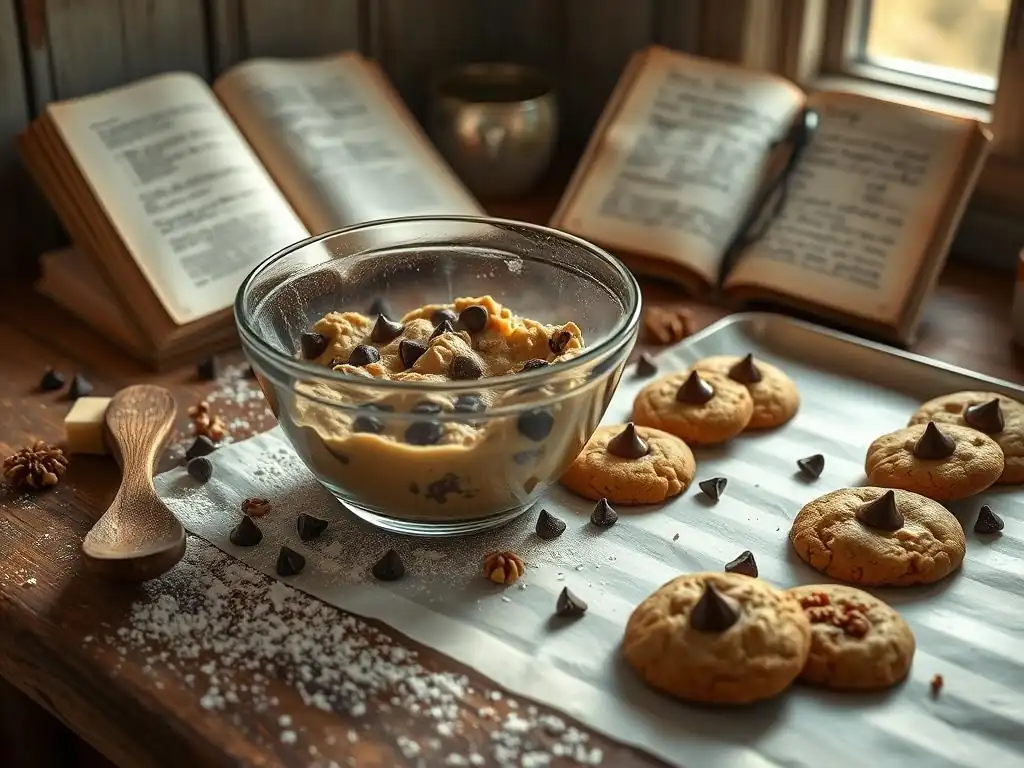
The simplicity of many cookie recipes lies in their relatively straightforward ingredient list and mixing method. Most involve combining fats (like butter or oil) and sugars, then incorporating eggs and flavorings, and finally adding flour and leavening agents. For drop cookies, the shaping is minimal – just scooping spoonfuls of dough onto a baking sheet. This contrasts with roll-and-cut cookies which require chilling and rolling, or molded cookies which need specific shapes. The process for easy drop cookies no mixer streamlines these steps even further by eliminating the mechanical mixing step.
When you bake easy drop cookies without a mixer, you rely on manual effort to cream the butter and sugar and combine the ingredients. While this requires a bit more elbow grease than using a machine, it's perfectly achievable and gives you a direct feel for the dough's consistency, which is a valuable skill to develop. The chemical reactions from leavening agents like baking soda or baking powder, combined with the melting of fats during baking, do most of the work in creating that wonderful cookie texture.
You absolutely do not need a fancy electric mixer to make incredible cookies. In fact, some argue that mixing by hand gives you better control over the dough and prevents overmixing, which can lead to tough cookies. Here are the essential tools you'll need for making easy drop cookies no mixer:
- Large Mixing Bowls: At least one, preferably two, for combining wet and dry ingredients separately before mixing them together. Glass, metal, or plastic bowls work fine.
- Whisk or Fork: For aerating dry ingredients (like flour and cocoa powder) and for whisking wet ingredients (like eggs).
- Wooden Spoon or Sturdy Spatula: Essential for creaming butter and sugar by hand and mixing the dough. A sturdy tool is key as the dough can become quite stiff.
- Measuring Cups and Spoons: Accuracy in measuring, especially flour and sugar, is crucial for consistent results.
- Baking Sheets: Flat metal sheets are ideal for baking cookies evenly.
- Parchment Paper or Silicone Baking Mat: Optional but highly recommended. These prevent sticking and make cleanup a breeze.
- Cooling Rack: Allows air to circulate around the cookies as they cool, preventing sogginess.
- Cookie Scoop (Optional): While you can use two spoons, a cookie scoop helps create uniformly sized cookies, ensuring even baking. A standard scoop size is about 1.5 to 2 tablespoons.
Having these basic tools on hand is sufficient for tackling any recipe for easy drop cookies no mixer. You likely already own most of them! This minimal equipment requirement further emphasizes how accessible and simple baking cookies can be.
Classic sugar cookies are a perfect starting point for baking easy drop cookies no mixer. Their simple flavor profile allows the quality of your ingredients and the technique to shine. This recipe yields tender, slightly chewy cookies that are delicious on their own or ready for decorating. The manual creaming of butter and sugar is the most labor-intensive step, but it's entirely manageable and crucial for the texture.
This recipe typically uses pantry staples like butter, sugar, eggs, vanilla extract, flour, baking powder, and salt. The key to mixing these by hand is to ensure the butter is softened but not melted. Creaming softened butter with sugar by hand for several minutes incorporates air, which helps the cookies rise and spread correctly. This manual process requires patience but gives you a direct feel for the mixture's transformation from gritty to light and fluffy.
Ingredients for Sugar Cookies
- 1/2 cup (1 stick) unsalted butter, softened
- 3/4 cup granulated sugar
- 1 large egg
- 1 teaspoon vanilla extract
- 1 1/2 cups all-purpose flour
- 1/2 teaspoon baking powder
- 1/4 teaspoon salt
Step-by-Step Instructions: Baking Sugar Cookies by Hand
- In a large bowl, use a sturdy wooden spoon or spatula to cream the softened butter and sugar together. Beat vigorously until the mixture is light and fluffy, about 3-5 minutes of focused effort. Scrape down the sides of the bowl frequently.
- Add the egg and vanilla extract to the creamed butter mixture. Beat well until fully incorporated and smooth.
- In a separate medium bowl, whisk together the flour, baking powder, and salt using a fork or whisk.
- Gradually add the dry ingredients to the wet ingredients, mixing with your wooden spoon or spatula until just combined. Do not overmix. The dough will be soft but should hold its shape when scooped.
- Preheat your oven to 350°F (175°C). Line baking sheets with parchment paper.
- Drop rounded tablespoons of dough onto the prepared baking sheets, spacing them about 2 inches apart. A cookie scoop makes this easy and consistent.
- Bake for 10-12 minutes, or until the edges are lightly golden and the centers look set. Baking time may vary slightly depending on your oven and cookie size.
- Let the cookies cool on the baking sheets for 5 minutes before transferring them to a wire rack to cool completely.
Snickerdoodles are a delightful variation on the classic sugar cookie, distinguished by their tangy flavor from cream of tartar and their coating of cinnamon sugar. These are another excellent candidate for easy drop cookies no mixer. The dough is soft and easy to handle, and the rolling in cinnamon sugar is a fun, simple step that adds great flavor and texture. Making the dough by hand is straightforward and doesn't require excessive effort beyond the initial creaming step.
The unique tang in snickerdoodles comes from cream of tartar, which is an acidic salt. It reacts with baking soda to provide leavening and also prevents the sugar in the dough from crystallizing, contributing to the cookie's soft, chewy texture. Rolling the dough balls in a generous mixture of cinnamon and sugar before baking ensures that classic, slightly crisp, fragrant exterior that is the hallmark of a great snickerdoodle.
Ingredients for Snickerdoodle Cookies
- 1/2 cup (1 stick) unsalted butter, softened
- 3/4 cup granulated sugar
- 1 large egg
- 1 teaspoon vanilla extract
- 1 1/4 cups all-purpose flour
- 1 teaspoon cream of tartar
- 1/2 teaspoon baking soda
- 1/4 teaspoon salt
- For the Coating:
- 2 tablespoons granulated sugar
- 1 teaspoon ground cinnamon
Baking Snickerdoodle Cookies Without a Mixer: A Detailed Guide
- Prepare the cinnamon-sugar coating by stirring together the 2 tablespoons sugar and 1 teaspoon cinnamon in a small bowl. Set aside.
- In a large bowl, use a sturdy wooden spoon or spatula to cream the softened butter and 3/4 cup sugar together until light and fluffy, about 3-5 minutes of vigorous mixing. Scrape down the sides as needed.
- Beat in the egg and vanilla extract until well combined.
- In a separate medium bowl, whisk together the flour, cream of tartar, baking soda, and salt.
- Gradually add the dry ingredients to the wet ingredients, mixing with your wooden spoon or spatula until just combined. The dough will be soft.
- Preheat your oven to 375°F (190°C). Line baking sheets with parchment paper.
- Roll rounded tablespoons of dough into balls. The dough might be slightly sticky; lightly flouring your hands can help, or chilling the dough for 15-20 minutes.
- Roll each dough ball in the cinnamon-sugar mixture to coat completely.
- Place the coated balls onto the prepared baking sheets, spacing them about 2 inches apart.
- Bake for 8-10 minutes, or until the edges are set but the centers still look slightly soft and puffy. They will flatten and crackle as they cool.
- Let the cookies cool on the baking sheets for 2-3 minutes before transferring them to a wire rack to cool completely.
Shortbread cookies are perhaps the simplest cookie of all, often requiring just three ingredients: butter, sugar, and flour. They are naturally suited for making easy drop cookies no mixer because the dough is typically mixed by hand anyway, forming a crumbly mixture that is then pressed together. While traditional shortbread is often pressed into a pan or rolled and cut, a 'drop' version is still wonderfully simple – just scoop mounds of the simple dough onto a sheet and gently flatten.
The magic of shortbread lies in its high butter content and the absence of leavening agents like baking soda or powder. This results in a dense, tender, and crumbly texture that melts in your mouth. The manual mixing method, often starting by rubbing butter into flour like making pastry dough, is traditional and works perfectly for this type of cookie. It's a truly easy no-mixer drop cookie that highlights the rich flavor of butter.
Ingredients for Shortbread Cookies
- 1 cup (2 sticks) unsalted butter, softened
- 1/2 cup powdered sugar (confectioners' sugar)
- 2 cups all-purpose flour
- 1/4 teaspoon salt (optional, if using unsalted butter)
Mixing and Baking Shortbread Cookies the Easy Way
- In a large bowl, combine the softened butter and powdered sugar. Use a sturdy wooden spoon or spatula to beat them together until well combined and relatively smooth, though it won't become as light and fluffy as sugar cookie dough.
- Add the flour and salt (if using) to the butter mixture. Use your hands or a pastry blender/fork to cut the butter into the flour until the mixture resembles coarse crumbs.
- Now, bring the dough together by pressing it with your hands. It might seem dry at first, but the warmth of your hands will help the butter bind the flour. Knead gently in the bowl until a cohesive dough forms. Do not overwork the dough.
- Preheat your oven to 325°F (160°C). Line baking sheets with parchment paper.
- Drop rounded tablespoons of dough onto the prepared baking sheets, spacing them about 1 1/2 inches apart.
- Use the bottom of a glass or your fingers to gently flatten each mound of dough to about 1/2 inch thickness. You can prick the tops with a fork if desired for a traditional look.
- Bake for 18-22 minutes, or until the edges are very lightly golden. Shortbread should remain quite pale.
- Let the cookies cool on the baking sheets for at least 10 minutes before carefully transferring them to a wire rack to cool completely. They are quite delicate when warm.
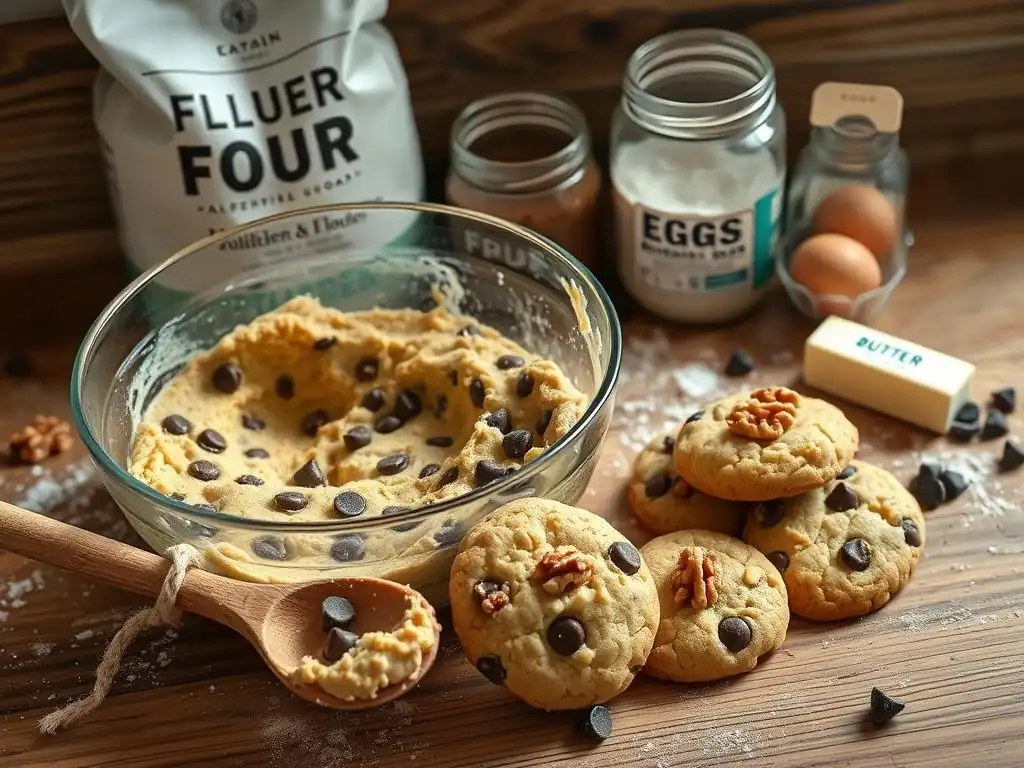
The consistency of your dough is key to successful easy drop cookies no mixer. When mixing by hand, it's important to ensure your butter is properly softened (press it gently, and your finger should leave an indentation easily, but it shouldn't be greasy or melted). Creaming the softened butter with sugar manually requires sustained effort to incorporate air and dissolve some sugar crystals; aim for a lighter color and fluffy texture before adding wet ingredients.
When adding the flour, mix just until no dry streaks remain. Overmixing develops gluten in the flour, which can lead to tough cookies. Since you're mixing by hand, it's often easier to avoid overmixing compared to a powerful electric mixer. The final dough for most easy drop cookies no mixer should be soft enough to scoop easily but firm enough to hold a mounded shape on the baking sheet before it spreads in the oven. If it feels too sticky, a brief chill in the refrigerator (20-30 minutes) can make it easier to handle.
Baking Time and Temperature: Getting it Just Right
Baking time and temperature are critical for achieving the desired cookie texture. For most easy drop cookies no mixer, a temperature between 325°F (160°C) and 375°F (190°C) is common. Lower temperatures result in cookies that spread more before setting, often leading to thinner, crispier cookies. Higher temperatures cause the edges to set quickly, resulting in thicker, chewier cookies. Always preheat your oven fully before baking.
Start checking your cookies a minute or two before the recipe's minimum suggested baking time. Look for visual cues:
- Edges that are lightly golden brown.
- Centers that look set and no longer wet or shiny.
- For chewier cookies, the centers might still look slightly soft but not raw.
- For crispier cookies, bake until the golden color extends further towards the center.
Remember that cookies continue to bake for a minute or two on the hot baking sheet after they are removed from the oven. Using an oven thermometer can help verify your oven's accuracy, as they can often be off by 25°F (about 15°C) or more.
Even with simple recipes for easy drop cookies no mixer, sometimes things don't go exactly as planned. Here are a few common issues and how to address them:
Problem: Cookies are crumbly
This can happen if there isn't enough moisture or fat to bind the dry ingredients, or if the dough wasn't mixed quite enough to bring it together.
- Ensure your butter was properly softened, not cold. Cold butter won't cream properly by hand.
- Check your flour measurement. Too much flour is a common culprit for dry dough. Use the 'spoon and level' method: lightly spoon flour into your measuring cup and level off the excess with a straight edge, rather than scooping directly from the bag.
- Make sure you mixed the dough until just combined. For shortbread, ensure you pressed the crumbly mixture together sufficiently to form a cohesive dough before shaping.
Problem: Cookies are spreading too thin
Excessive spread can be due to butter that was too soft or melted, too much sugar, not enough flour, or an oven that isn't hot enough.
- Ensure your butter is softened, but not greasy or melted. If your kitchen is warm, you might need to chill the dough for 20-30 minutes before baking.
- Accurately measure your ingredients, especially flour.
- Make sure your oven is fully preheated to the correct temperature. An oven thermometer is helpful here. Baking on a cool baking sheet can also cause excessive spread; ensure sheets are at room temperature or cool between batches.
Problem: Cookies are burning on the bottom
This usually indicates a hot spot in your oven, baking too long, or baking directly on a dark-colored baking sheet without parchment paper.
- Dark-colored pans absorb more heat and can cause bottoms to brown too quickly. Using parchment paper or a silicone baking mat is an excellent solution.
- Ensure your oven temperature is accurate with an oven thermometer. You might need to lower the temperature slightly.
- Check your cookies at the minimum bake time suggested and adjust based on how quickly they are browning. Rotate the baking sheet halfway through the baking time if your oven has hot spots.
Making easy drop cookies no mixer is just the beginning! Once you have a reliable base recipe, you can easily customize it with various add-ins and flavor enhancers. This is where you can truly make these simple cookies your own. Experimenting with different flavors is part of the fun of baking.
Think beyond just chocolate chips! While classic, there's a whole world of flavors to explore. Adding mix-ins after the dry ingredients are just incorporated helps prevent overmixing the dough while ensuring even distribution of your chosen additions. Start with small quantities and gradually increase in future batches until you find your perfect balance.
Adding Sprinkles, Zest, or Flavored Sugar
These simple additions can transform the look and taste of basic sugar cookies or shortbread.
- Sprinkles: Folding sprinkles directly into the dough before scooping adds pops of color throughout. For a more festive look, roll the scooped dough balls in sprinkles before flattening or baking. Aim for about 1/4 to 1/2 cup of sprinkles per batch of dough.
- Citrus Zest: The oils in lemon, orange, or lime zest add a bright, fresh flavor. Finely grate the zest from one fruit and rub it into the sugar with your fingers before creaming it with the butter. This releases the oils and infuses the sugar with citrusy goodness.
- Flavored Sugar: Instead of plain granulated sugar for coating (as in snickerdoodles), try mixing sugar with finely ground freeze-dried fruit powder, espresso powder, or even a pinch of cardamom for an interesting twist.
Experimenting with Different Extracts and Spices
Vanilla extract is standard in many cookie recipes, but it's just one option. Swapping or adding other extracts and spices can dramatically change the flavor profile of your easy drop cookies no mixer.
- Extracts: Almond extract pairs wonderfully with sugar cookies or shortbread. Peppermint extract is great for holiday cookies. Maple extract offers a warm, comforting flavor. Use extracts sparingly, as they can be potent; start with 1/4 to 1/2 teaspoon in place of or in addition to vanilla.
- Spices: Cinnamon, nutmeg, ginger, cardamom, and cloves are classic cookie spices. You can add them to the dry ingredients. For example, adding 1/2 teaspoon of ground cardamom to the snickerdoodle dough (in addition to the cinnamon-sugar coating) provides an exotic depth of flavor. Pumpkin pie spice or apple pie spice blends are also easy ways to add warmth.
Don't be afraid to mix and match! Once you're comfortable with the base recipes for easy drop cookies no mixer, try combining different elements.
- Add miniature chocolate chips and a pinch of instant espresso powder to the simple sugar cookie dough for a mocha flavor.
- Fold chopped dried cranberries and orange zest into shortbread dough.
- Add ground ginger and a dash of black pepper to snickerdoodle dough for a spicy kick.
- Consider savory elements too – a pinch of flaky sea salt sprinkled on top of a chocolate-enhanced easy drop cookie no mixer can be divine.
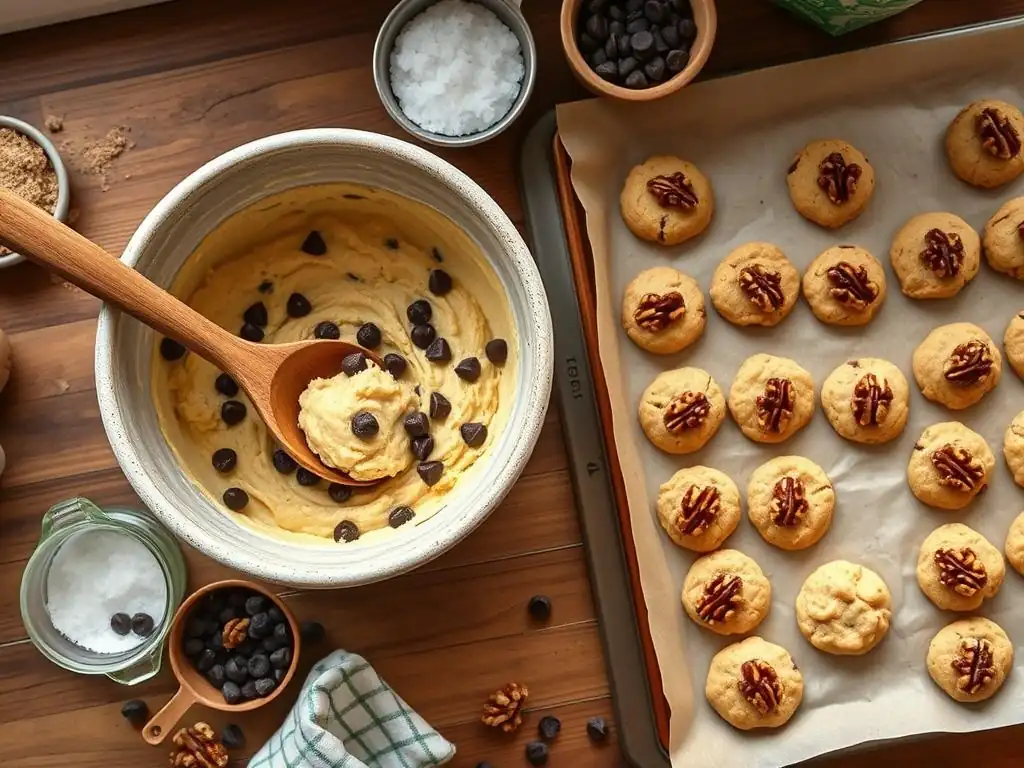
Once you've successfully baked your batch of easy drop cookies no mixer, proper storage is key to keeping them fresh and delicious. How you store them depends on how long you plan to keep them and the type of cookie. Most drop cookies will stay fresh at room temperature for several days if stored correctly.
A well-sealed container is your best friend for cookie storage. Exposure to air is what causes cookies to go stale. Avoid soft cookies and crisp cookies in the same container, as the moisture from the soft cookies will transfer to the crisp ones, making them soft.
For optimal freshness at room temperature, store cooled cookies in an airtight container.
- Place a piece of parchment paper between layers of cookies to prevent them from sticking together.
- A slice of bread placed in the container with soft cookies can help them retain moisture; the cookies will absorb moisture from the bread instead of drying out. Replace the bread slice every couple of days.
- Store the container in a cool, dry place away from direct sunlight or heat sources (like above the oven). Cookies stored this way are typically best within 3-5 days.
Freezing is an excellent option if you've baked a large batch of easy drop cookies no mixer or want to save some for later. You can freeze baked cookies or even the cookie dough itself.
- Freezing Baked Cookies: Ensure cookies are completely cooled. Place them in a single layer on a baking sheet and freeze until solid (about 1-2 hours). Then, transfer the frozen cookies to a freezer-safe airtight container or heavy-duty freezer bag. Layer with parchment paper if needed. Label with the date. Frozen baked cookies are best consumed within 2-3 months for optimal quality. Thaw at room temperature.
- Freezing Cookie Dough: Scoop the easy drop cookie no mixer dough into balls as if you were going to bake them. Place the dough balls on a parchment-lined baking sheet that fits in your freezer. Freeze until solid. Once frozen, transfer the dough balls to a freezer-safe bag or container. Label and date. Frozen dough balls can be stored for up to 3 months. To bake from frozen, place frozen dough balls on a baking sheet and bake as directed, adding a few extra minutes to the baking time.
You've now learned how simple and rewarding it is to make delicious easy drop cookies no mixer. From classic sugar cookies to tangy snickerdoodles and buttery shortbread, these recipes prove that you don't need fancy equipment to create baking magic. The process of mixing by hand connects you directly to your ingredients and the dough, offering a tactile experience that many bakers cherish. We encourage you to try these recipes and discover the joy of effortless cookie baking.
We love seeing what our community creates! Share photos of your easy drop cookies no mixer on social media. Tag us and use relevant hashtags so we can celebrate your baking success. Your creations can inspire others in the BakeWithEase community to start their own baking journey without the need for a mixer. Happy baking!
Further Baking Adventures: Exploring More Simple Recipes
Mastering these easy drop cookies no mixer is a fantastic achievement! It opens the door to exploring many other simple baking recipes. On BakeWithEase.com, you can find guides for other beginner-friendly treats like muffins, quick breads, and simple cakes – many of which also require minimal equipment. Continue building your skills and confidence one delicious recipe at a time. The world of baking awaits, and you're already off to a wonderful start with these easy no-mixer drop cookie recipes!
Frequently Asked Questions
These cookies are considered easy because they require no mixer and the recipe uses simple, readily available ingredients. They are also quick to prepare and bake.
While substitutions are possible, they may affect the texture and flavor of the cookies. We recommend sticking to the recipe for best results, especially when starting out.
Ensure your butter is softened, not melted, and that you accurately measure your flour. Chilling the dough for a short time before baking can also help.
Store completely cooled drop cookies in an airtight container at room temperature. They typically stay fresh for up to 3-5 days.
Absolutely! Feel free to experiment with chocolate chips, nuts, sprinkles, or dried fruit to customize your cookies. Just be sure not to add too much, as it can affect the dough's consistency.
Final Reflection: The Joy of Effortless Baking
The simplicity of these no-mixer drop cookies transcends mere convenience; it unlocks a world of baking accessibility for everyone. These recipes, designed for ease and speed, prove that delicious, homemade treats don't require hours of preparation or specialized equipment. In a world increasingly focused on efficiency, this resonates deeply.
The enduring appeal of baking lies not just in the final product, but in the process itself. These recipes, by removing the barrier of complex equipment, allow more people to experience that joy, fostering a connection with food and creativity that is often overlooked. Baking is at once child's play and adult joy. And love, of course.
This quote perfectly encapsulates the feeling these simple recipes evoke – a sense of accomplishment and satisfaction easily accessible to all.
So, what will you bake today? Don't let the fear of complicated recipes or a lack of fancy equipment hold you back. Embrace the simplicity, gather your ingredients, and experience the pure pleasure of creating something delicious with your own two hands. The sweet reward awaits, and the journey is just as delightful.
Unleash Your Inner Baker: Ditch the Mixer, Embrace the Delicious!
Thanks for spending some time with us and discovering the joy of no-mixer baking! You've learned that amazing cookies are totally achievable without fancy equipment. Now it's time to put your newfound skills to the test.
- Bake your own batch of these delightful drop cookies today! Use the recipe from the article as your guide and experiment with your favorite add-ins.
- Share your baking triumphs (and even your flour-covered mishaps!) on social media using #BakeWithEaseNoMixer. Let's inspire others!
- Challenge a friend to a no-mixer baking showdown! See who can create the most creative cookie variation.
So, what incredible cookie creation will you whip up (without a mixer, of course)?