
Make Ahead Marvel: Freeze & Bake SliceandBake Dough Like a Pro

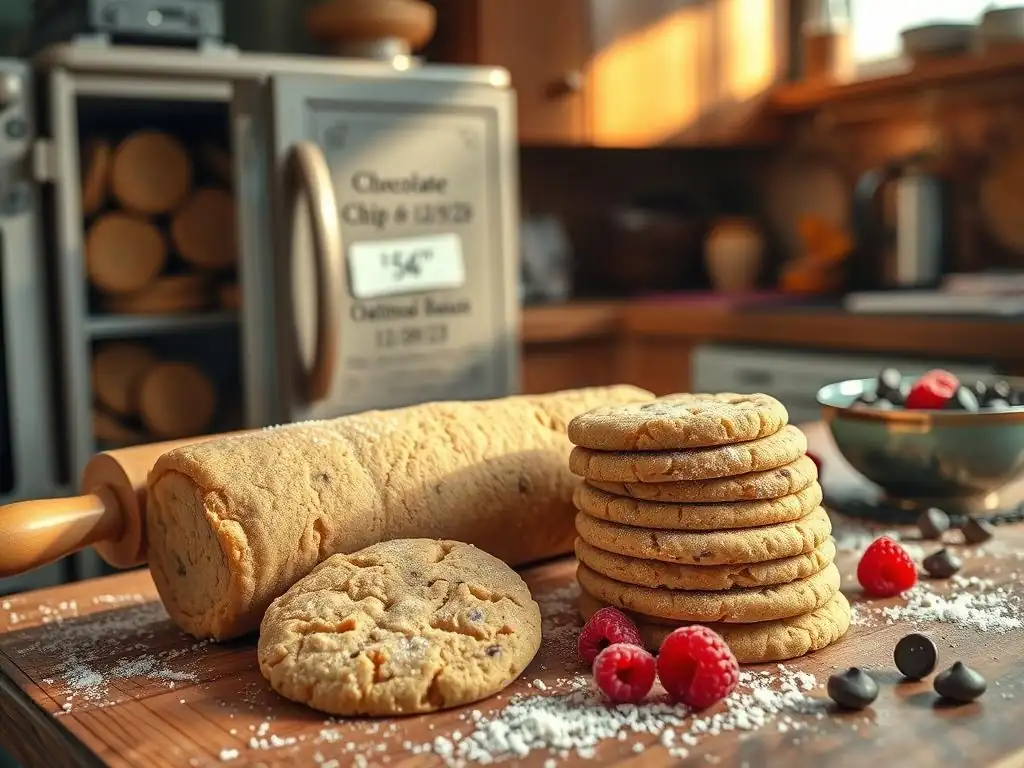
Welcome to BakeWithEase, where even the most ambitious baking projects become delightfully achievable! Ever dreamt of having freshly baked cookies or scones ready at a moment's notice? Our article, "Make Ahead Marvel: Freeze & Bake SliceandBake Dough Like a Pro," unlocks the secrets to effortlessly delectable treats. Imagine the possibilities of perfectly portioned dough, ready to transform into warm, comforting goodness whenever cravings strike! Curious how to master this revolutionary technique? Dive in and discover the ease of freeze bake slice and bake, turning you into a baking whiz in no time!
- Mastering Make-Ahead Cookies: The Art of Freezing Slice-and-Bake Dough
- A Baker's Guide to Freezing and Baking Slice-and-Bake Cookie Dough
- Why Freeze Cookie Dough? Unlock Baking Efficiency
- Step-by-Step Guide: Freezing Slice-and-Bake Dough for Optimal Results
- From Freezer to Oven: Baking Frozen Slice-and-Bake Dough
- Troubleshooting Common Issues with Frozen Cookie Dough
- Slice-and-Bake Cookie Recipes Ideal for Freezing
- Storing Baked Cookies: Maintaining Freshness and Flavor
- Conclusion: Embrace the Convenience of Frozen Cookie Dough
- Frequently Asked Questions
- Final Reflection: The Enduring Magic of Make-Ahead Baking
- Unleash Your Inner Baking Wizard!
Welcome to BakeWithEase! If you love the smell of freshly baked cookies but don't always have the time for spontaneous baking sessions, mastering the art of freezing slice-and-bake dough is your secret weapon. This technique allows you to prepare cookie dough ahead of time and bake just a few cookies (or a full batch!) whenever the craving strikes. It's a fantastic way to enjoy warm, homemade treats without the fuss of mixing ingredients every single time.
This guide will walk you through everything you need to know, from selecting the best doughs to the step-by-step process of freezing and baking. We'll cover common questions and troubleshooting tips so you can confidently freeze bake slice and bake cookies like a pro. Get ready to transform your baking routine and always be just minutes away from warm, delicious cookies.
Freezing cookie dough offers several compelling advantages that make it a favorite technique among both novice and experienced bakers. It's not just about having cookies ready; it's about optimizing your time, reducing waste, and ensuring you always have fresh-baked goodness at your fingertips. The ability to freeze bake slice and bake cookies is a game-changer for busy households or anyone who loves baking but struggles with scheduling.
Consider the convenience: you can dedicate one afternoon to mixing several batches of dough, preparing them for the freezer, and then enjoy freshly baked cookies over weeks or even months. This efficiency is particularly useful during busy holidays or when you want to have treats ready for unexpected guests. It truly simplifies the baking process, making it accessible even on the busiest days.
Convenience and Freshness: Baking on Demand
The primary benefit of freezing slice-and-bake dough is the unparalleled convenience it offers. Imagine being able to pull dough from the freezer and have warm cookies ready in under 20 minutes, including baking time. This eliminates the need to measure ingredients, mix, and clean up the mixing bowls every time you want a small batch. For instance, if you only want 3-4 cookies for an evening snack, you can simply slice off a few from a frozen log and bake them, leaving the rest of the dough perfectly preserved for later.
This on-demand baking capability also ensures maximum freshness. Unlike storing baked cookies, which can become stale after just a few days, freezing the dough locks in the flavors and textures. Each cookie baked from frozen dough is just as fresh and delicious as if the dough had been mixed moments before. This method guarantees that you always enjoy that perfect, just-baked warmth and aroma, something pre-baked store-bought options simply cannot replicate.
Reduce Waste and Save Time with Frozen Dough
Freezing cookie dough is an excellent strategy for reducing food waste. Often, baking a full batch of cookies results in more treats than a small household can consume before they lose their optimal texture. By freezing the dough, you can bake smaller quantities as needed, preventing stale cookies from ending up in the trash. A typical recipe might yield 3 dozen cookies; freezing allows you to bake a dozen now and save the rest for later, ensuring every cookie is enjoyed at its peak.
Beyond waste reduction, the time savings are significant. While the initial dough preparation takes the same amount of time, having pre-portioned dough ready in the freezer drastically cuts down the time required for subsequent baking sessions. On a busy weeknight, the difference between spending 30-40 minutes mixing, scooping, and cleaning versus just 15-20 minutes slicing and baking is substantial. This efficiency makes baking a realistic option even when time is tight, allowing you to enjoy homemade treats more frequently.
Step-by-Step Guide: Freezing Slice-and-Bake Dough for Optimal Results

Proper preparation and freezing are key to successful freeze bake slice and bake cookies. Following a few simple steps will ensure your dough maintains its quality, texture, and flavor during its time in the freezer. The goal is to protect the dough from moisture loss and freezer burn, which can compromise the final baked product.
The process involves selecting the right dough type, shaping it correctly, and then wrapping and storing it effectively. Taking a little extra time during the preparation phase will pay dividends when you're ready to bake, resulting in consistently delicious cookies every time you pull dough from the freezer. Let's break down the process.
Preparing Dough for Freezing: Essential Tips
Not all cookie doughs freeze equally well, and how you shape the dough before freezing significantly impacts convenience later. Choosing the right type of dough and preparing it in a way that suits your baking style are crucial first steps in the freeze bake slice and bake process.
Consider the common types of slice-and-bake cookies; they are typically doughs that hold their shape well when chilled and sliced. Understanding which doughs are best suited for this method will help you achieve the best results and avoid disappointment.
Best Doughs for Freezing: Butter Cookies, Shortbread, and Chocolate Chip
Doughs with a higher fat content and less leavening agents tend to freeze and bake particularly well. Classic butter cookies, shortbread, and many types of chocolate chip cookie dough are excellent candidates for the freeze bake slice and bake method. These doughs are typically sturdy enough to be shaped into logs or discs when chilled and sliced cleanly when frozen or partially frozen.
Conversely, very delicate, airy, or high-moisture doughs, like those for meringue cookies or some types of drop cookies with lots of mix-ins, might not perform as well when frozen as logs. The structure might break down, or the moisture content could lead to ice crystals forming. Sticking to reliable recipes designed for slice-and-bake or known to freeze well is recommended, especially when you're starting out with freeze bake slice and bake.
Shaping Options: Logs, Discs, or Pre-Cut Slices
There are a few popular ways to shape your dough for freezing, each offering different advantages.
- Logs: This is the most traditional method for slice-and-bake. Shape the dough into cylindrical logs, typically 1.5 to 2.5 inches in diameter. This is great for uniform, round cookies.
- Discs: For larger cookies or those you might want to cut into wedges after baking (like shortbread), shaping the dough into flat discs (about 1 inch thick) works well.
- Pre-Cut Slices: For ultimate convenience, you can chill the log slightly until firm enough to slice, then slice it into individual cookies before freezing. Place the slices on a baking sheet lined with parchment paper and freeze until solid, then transfer to a freezer container. This allows you to grab exactly the number of cookies you need without any slicing later.
Choose the shape that best suits the type of cookie and how you plan to use the dough. Logs and discs require slicing later, while pre-cut slices are ready to go straight into the oven (with potential slight adjustments to bake time).
The Freezing Process: Preserving Quality
Once your dough is shaped, the next critical step is protecting it during freezing. The enemy here is freezer burn, which occurs when air comes into contact with the food, causing dehydration and oxidation, leading to dry, discolored spots. Proper wrapping and storage are essential for successful freeze bake slice and bake results.
The goal is to create an airtight barrier around the dough. This prevents moisture from escaping and keeps ice crystals from forming on the surface. Two layers of protection are usually recommended for longer freezer storage.
Wrapping Techniques: Plastic Wrap and Freezer Bags
Effective wrapping starts with a tight layer of plastic wrap. Wrap your dough log or disc snugly in plastic wrap, pressing out as much air as possible. Aim for at least two layers of wrap to create a good seal. Ensure the ends are also well-covered.
After the plastic wrap, add another layer of protection. This can be aluminum foil, or ideally, place the plastic-wrapped dough into a heavy-duty freezer bag. If using a freezer bag, squeeze out as much air as possible before sealing. This double-layer approach significantly reduces the risk of freezer burn, keeping your dough fresh for months and ensuring perfect freeze bake slice and bake results.
Container Choices: Airtight Containers vs. Wrapping Methods
While wrapping is crucial, you can add an extra layer of defense by placing the wrapped dough into an airtight container. This provides physical protection against bumps and prevents the dough from getting squashed by other items in the freezer. A rigid container is particularly useful if you have multiple logs or discs to store.
However, for many home bakers, simply double-wrapping in plastic and placing in a high-quality freezer bag is sufficient and saves space. If using pre-cut slices frozen on a tray, transfer them to an airtight container or freezer bag once solid, placing parchment paper between layers to prevent sticking. Labeling the package with the type of cookie and the date is a small step that makes a big difference when you're rummaging through your freezer later, planning your next freeze bake slice and bake session.
Freezing Duration: Maximizing Freshness
Knowing how long you can keep your dough frozen is important for maintaining quality. While technically safe indefinitely if kept at 0°F (-18°C), the quality of cookie dough can degrade over time.
Understanding the optimal freezing time helps ensure that when you finally bake your freeze bake slice and bake cookies, they taste just as good as the day you made the dough. Proper storage plays a huge role in achieving this maximum freshness.
Optimal Freezing Time for Cookie Dough
For the best quality and flavor, it's generally recommended to use frozen cookie dough within 3-4 months. Beyond this period, while still safe, the dough might start to lose some of its flavor vibrancy or the fat could begin to oxidize, leading to slightly off flavors or textures.
Labeling your dough packages with the date they were frozen is a simple but essential practice. This allows you to easily track how long the dough has been stored and ensures you use the oldest dough first, rotating your stock. Aim to bake your freeze bake slice and bake dough within this optimal window for peak deliciousness.
Identifying and Preventing Freezer Burn
Freezer burn appears as dry, discolored, often grayish or brownish patches on the surface of the dough. It's caused by dehydration due to air exposure. Dough with freezer burn is safe to eat, but the affected areas will result in cookies with an unpleasant dry, tough, or flavorless texture.
The best way to prevent freezer burn is through meticulous wrapping and storage as described earlier – multiple layers of airtight material. Ensure there are no gaps or tears in the wrapping. Freezing the dough quickly also helps minimize ice crystal formation, which can damage the dough structure. If you notice small spots of freezer burn, you can try scraping them off before slicing, but heavily freezer-burned dough might be best discarded for quality reasons.
From Freezer to Oven: Baking Frozen Slice-and-Bake Dough
The magic of freeze bake slice and bake is realizing you can go straight from the freezer (or a brief thaw) to warm cookies in minutes. However, there are slight adjustments needed compared to baking fresh dough to ensure even cooking and the perfect texture.
Understanding how the cold temperature of the dough affects the baking process is key. It will take longer for the heat to penetrate the frozen dough, requiring either more time in the oven or a slightly different temperature.
Thawing Techniques: Achieving Consistent Results
While many slice-and-bake doughs can be baked directly from frozen, some recipes or preferences might call for a slight thaw.
- Directly from Frozen: For most slice-and-bake logs or pre-cut slices, you can place them directly on a prepared baking sheet. This is the quickest method and often results in cookies that spread less, retaining a thicker shape.
- Partial Thaw: If you find your cookies aren't baking evenly or you prefer a bit more spread, you can let the frozen log or slices sit at room temperature for 10-15 minutes before baking. Alternatively, place the log in the refrigerator for 30-60 minutes to make slicing easier if baking from a whole frozen log. Avoid a full thaw at room temperature, as this can make the dough too soft and sticky to handle and might affect the texture negatively.
Choose the method that works best for your specific recipe and desired outcome when you freeze bake slice and bake.
Baking Directly from Frozen: Adjustments and Considerations
When baking slice-and-bake cookies directly from frozen, the main adjustment you'll need to make is to the baking time. Because the dough is frozen solid, it will take longer for the center to heat up and cook through.
Expect to add approximately 2-5 minutes to the standard baking time recommended for fresh dough. For example, if a recipe calls for 10-12 minutes for fresh dough, frozen slices might need 12-17 minutes. Keep a close eye on the cookies during the extended baking time, as oven temperatures and cookie thickness can vary. The edges should be set and lightly golden, while the centers might still look slightly soft, depending on the cookie type.
Adjusting Bake Time: Achieving Perfect Texture
Getting the bake time just right is crucial for achieving the desired texture, whether you prefer chewy, crispy, or tender cookies. When baking frozen dough, the visual cues for doneness can be slightly different or take longer to appear.
Trial and error might be necessary the first time you freeze bake slice and bake a particular recipe. Start checking for doneness at the original recipe's recommended time and then continue baking in 1-2 minute increments until the cookies look ready.
Determining Doneness in Frozen Cookie Dough
Look for the standard signs of cookie doneness:
- Edges that are set and lightly golden brown.
- Centers that appear slightly less glossy or wet than raw dough.
- A slight crackling on the surface for some cookie types.
Since the dough is colder, the edges might brown while the center is still quite soft. This is normal. The cookies will continue to set up as they cool on the baking sheet for a few minutes after coming out of the oven. If you're unsure, err on the side of slightly underbaking rather than overbaking, especially for chewy cookies, as they will firm up as they cool. Overbaking frozen dough can sometimes lead to overly dry or hard cookies.
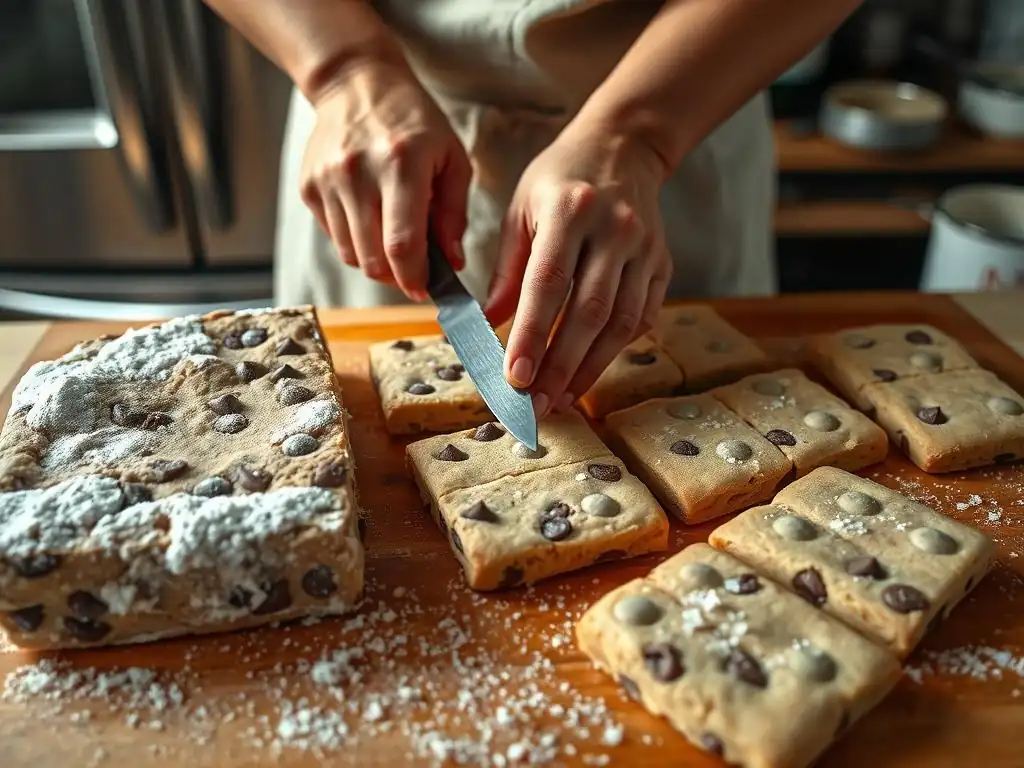
Even with careful preparation, you might encounter a few common issues when you freeze bake slice and bake cookies. Knowing how to identify and address these problems can save your batch and improve your technique for next time.
From cookies spreading too much to uneven textures, these challenges are usually easily solvable with minor adjustments to your process or baking method. Don's let a small hiccup discourage you from enjoying the convenience of frozen dough.
Excessive Spreading: Causes and Solutions
One common issue is cookies spreading too much during baking, resulting in thin, sometimes greasy, cookies. This can happen for several reasons when baking frozen dough.
- Dough Temperature: If the dough was partially thawed for too long or not chilled enough before freezing initially, it might spread excessively. Baking directly from frozen usually helps prevent this.
- Oven Temperature: An oven that isn't properly preheated or runs too cool can contribute to spreading. Ensure your oven is fully preheated to the correct temperature, possibly using an oven thermometer to verify accuracy.
- Dough Composition: Some doughs are simply prone to spreading. Adding a tablespoon or two of flour to the dough before freezing can sometimes help, or ensuring the fat (butter) is cold and firm when mixing.
If cookies spread too much, try baking them directly from frozen next time, ensure your oven temperature is accurate, or slightly increase the amount of flour in the recipe before you freeze bake slice and bake.
Uneven Baking: Strategies for Uniformity
Uneven baking means some cookies on the sheet are perfectly done while others are still pale or overdone. This is often related to oven hotspots or inconsistent dough thickness.
- Oven Hotspots: Most ovens have areas that are hotter than others. Rotating the baking sheet halfway through the baking time (e.g., turning it 180 degrees) helps expose all cookies to the same temperature conditions, promoting even baking, especially crucial when you freeze bake slice and bake.
- Inconsistent Slices: If your slice-and-bake logs weren't uniform in diameter or your slices are different thicknesses, they will bake at different rates. Aim for consistently sized logs and slice them as uniformly as possible, aiming for about 1/4 to 1/2 inch thickness depending on the recipe. Using a sharp knife and slicing when the log is very cold (straight from the freezer or after a good chill) helps achieve even slices.
Paying attention to these details will help ensure that every cookie on the sheet is perfectly baked.
Dry or Crumbly Dough: Rehydration Methods
Occasionally, frozen dough might seem dry or crumbly when you try to slice it, especially if it's been frozen for a long time or wasn't wrapped perfectly, leading to some moisture loss (minor freezer burn).
If a frozen log is too hard to slice cleanly and crumbles, let it sit at room temperature for just 5-10 minutes to soften very slightly. If the dough itself feels dry and crumbly even after a short thaw, you can sometimes gently work in a tiny amount (like half a teaspoon) of milk or soft butter with your fingers on the surface of the log before slicing, but be careful not to overwork the dough, which can make cookies tough.
Prevention is the best approach here: ensure your dough has the correct moisture level before freezing and wrap it meticulously to prevent dehydration during storage. Proper freeze bake slice and bake preparation minimizes this issue.
Many classic cookie recipes are perfectly suited for the freeze bake slice and bake method. These recipes typically result in doughs that hold their shape well when chilled and sliced.
Here are a few popular types that are excellent candidates for your next freeze bake slice and bake project. These are often simple to make and yield delicious, crowd-pleasing cookies.
A perennial favorite, chocolate chip cookie dough works beautifully for freezing. The standard recipe can often be adapted by simply chilling the dough thoroughly and shaping it into logs before freezing.
When you freeze bake slice and bake chocolate chip cookies, they often come out slightly thicker and chewier than if baked from room temperature dough, which many people prefer. Use your favorite chocolate chip cookie recipe, chill the dough for at least 2-3 hours until very firm, shape into logs, wrap well, and freeze. Bake from frozen, adding a few minutes to the time.
Classic peanut butter cookies, especially those made with a higher ratio of peanut butter to flour, are excellent candidates for freezing as slice-and-bake logs. Their dense texture holds up well to chilling and slicing.
Prepare your peanut butter cookie dough, shape it into logs, and chill until firm before freezing. When you freeze bake slice and bake peanut butter cookies, they maintain their distinctive shape and rich flavor. Remember to press the traditional fork crosshatch pattern onto the slices before baking, either when fresh (then freeze slices) or just after slicing from a partially thawed log.
Simple sugar cookie dough, particularly recipes designed for cut-out cookies that hold their shape, is also ideal for the freeze bake slice and bake method. These doughs are typically firm and easy to slice when chilled.
Prepare your favorite sturdy sugar cookie dough, form logs, chill, and freeze. When it's time to bake, slice the frozen log into rounds. These freeze bake slice and bake sugar cookies are perfect for decorating after baking, or you can sprinkle them with colored sugar before placing them in the oven. The consistent shape achieved by slicing frozen dough makes them look professionally made.
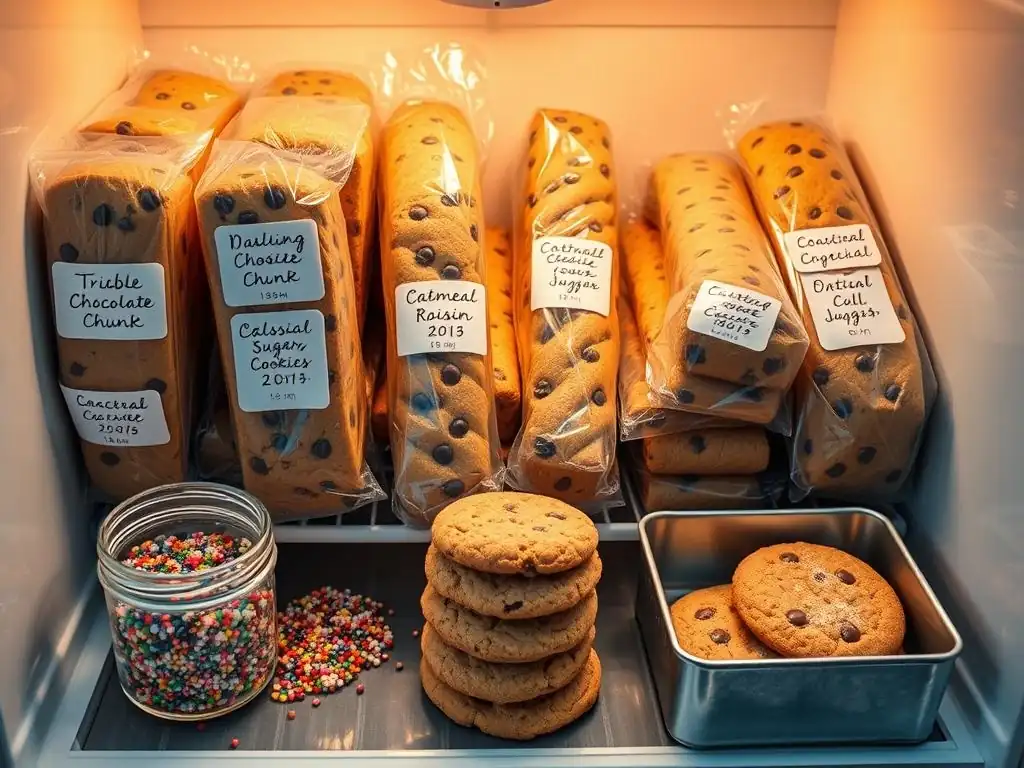
Once you've successfully baked your freeze bake slice and bake cookies, proper storage is key to keeping them delicious for as long as possible. While they are best enjoyed warm from the oven, you'll likely have some leftover (unless they're really good! ).
Storing cookies correctly preserves their texture and flavor, preventing them from going stale too quickly. The method depends on the type of cookie and how long you plan to keep them.
Allow baked cookies to cool completely on a wire rack before storing them. Storing warm cookies creates condensation, which can make them soggy or cause them to stick together.
Store most types of baked cookies in an airtight container at room temperature. A cookie jar with a tight-fitting lid or a plastic container with a good seal works well. Separate different types of cookies, especially if some are strongly flavored (like gingerbread) or have different textures (like soft vs. crisp), to prevent flavors from mingling and textures from being compromised. For example, storing soft cookies with crisp ones can make the crisp ones soft.
Most homemade cookies stored properly at room temperature will maintain good quality for about 3-5 days. If you need to store them longer, consider freezing the baked cookies.
To freeze baked cookies, cool them completely, then place them in a single layer on a baking sheet and freeze until solid (about 1-2 hours). Once frozen, transfer them to an airtight freezer container or freezer bag, layering with parchment paper if needed. Baked cookies can be frozen for up to 6-8 months. To enjoy, simply thaw at room temperature or gently warm in a low oven (around 250°F / 120°C) for a few minutes until heated through. This allows you to enjoy the fruits of your freeze bake slice and bake efforts even further down the line.
Mastering the art of freezing slice-and-bake cookie dough is a skill that significantly enhances your baking flexibility and efficiency. It allows you to enjoy the simple pleasure of warm, homemade cookies whenever you desire, without the mess and time commitment of baking from scratch every time.
By following the steps outlined – from selecting the right dough and shaping it properly to meticulous wrapping and adjusting baking times – you can successfully freeze bake slice and bake a wide variety of delicious cookies. This technique is perfect for busy individuals, families, or anyone who loves to be prepared for impromptu baking moments or simply wants to enjoy a cookie or two without baking a whole batch.
Mastering Make-Ahead Baking: Your Secret Weapon
Think of your freezer as a treasure chest filled with future deliciousness. Having prepped slice-and-bake dough logs ready means you're always just minutes away from a warm, comforting treat. This make-ahead approach is a cornerstone of efficient home baking and dramatically reduces the barrier to enjoying fresh cookies frequently.
Whether it's a sudden craving, a last-minute need for a dessert contribution, or just wanting a small indulgence, your frozen dough is there for you. It's a simple technique with profound benefits for your baking routine and your ability to share homemade warmth.
Embracing the freeze bake slice and bake method simplifies your baking process in multiple ways. It consolidates the mess and effort of mixing dough into one session, leaving only the quick and clean process of slicing and baking for future occasions.
Ready to give it a try? Pick your favorite slice-and-bake friendly recipe, prepare the dough, shape, wrap, and freeze. You'll soon discover the joy and convenience of having a stash of ready-to-bake cookies, making homemade treats a regular, effortless part of your life. Happy freezing and happy baking!
Frequently Asked Questions
How does freezing slice-and-bake dough help with meal prep?
Freezing allows you to prepare dough in advance and bake only what you need, offering convenient portion control and minimizing food waste. This is a huge time saver for busy bakers!
What type of slice-and-bake dough freezes best?
Most slice-and-bake cookie doughs and some scone doughs freeze well. Doughs with high butter content tend to maintain their texture best after freezing and baking.
How long can slice-and-bake dough be stored in the freezer?
Properly wrapped, slice-and-bake dough can typically be stored in the freezer for up to 2-3 months without significant loss of quality. Labeling with the date is crucial!
What's the best way to thaw frozen slice-and-bake dough?
There's no need! You can usually bake the dough directly from frozen, adding a few minutes to the baking time. If preferred, thaw in the fridge for a few hours before baking for a slightly faster bake time.
How do I prevent freezer burn on my slice-and-bake dough?
Wrap the dough tightly in plastic wrap, then place it in a freezer-safe bag or container. This double layer of protection helps to minimize exposure to air and prevent freezer burn.
Final Reflection: The Enduring Magic of Make-Ahead Baking
The ability to freeze and bake slice-and-bake dough represents more than just a time-saving kitchen hack; it's a revolution in baking accessibility. It unlocks the joy of freshly baked goods for even the busiest among us, transforming the once-daunting task of homemade treats into a manageable and enjoyable experience. This newfound freedom allows us to savor the deliciousness of homemade cookies, pastries, and more, without the pressure of immediate preparation.
The impact of this simple technique extends beyond individual kitchens; it fosters a sense of community and shared experience. The ability to prepare dough ahead of time allows for easier participation in potlucks, bake sales, and holiday gatherings. It empowers home bakers to share their creations more readily, strengthening bonds and spreading joy through the simple act of sharing delicious, homemade treats. Baking is at once childlike and adult; it’s a form of play, and a means of making something beautiful and useful.
- This quote perfectly encapsulates the empowering nature of make-ahead baking, allowing us to engage in a creative process without the constraints of time.
Now, consider your own baking journey. What delicious possibilities await you with the knowledge of freeze-and-bake techniques? Imagine the freedom to prepare dough on a weekend, storing it for future use, and then simply popping it in the oven whenever the craving strikes. Don't let the perceived complexity of baking hold you back. Embrace the simplicity and versatility of make-ahead dough, and unlock a world of delicious possibilities. Start experimenting today – your future self (and your taste buds) will thank you.
Unleash Your Inner Baking Wizard!
Thanks for diving into the world of effortless baking with our Make Ahead Marvel guide! You've just unlocked the secret to stress-free, delicious treats. Ready to put your newfound skills to the test?
- Master the Freeze & Bake technique: Practice your newly acquired skills with your favorite slice-and-bake cookie recipe. Let us know how it goes!
- Share your baking triumphs: Tag us on social media with your frozen dough creations – we can’t wait to see them!
- Explore our recipe archive: Discover even more time-saving baking wonders waiting to be discovered on BakeWithEase.
So, what incredible treat will you conquer first with your new freeze-and-bake superpowers?