
Essential Tools for Easy Baking: A Beginner's StepbyStep Checklist

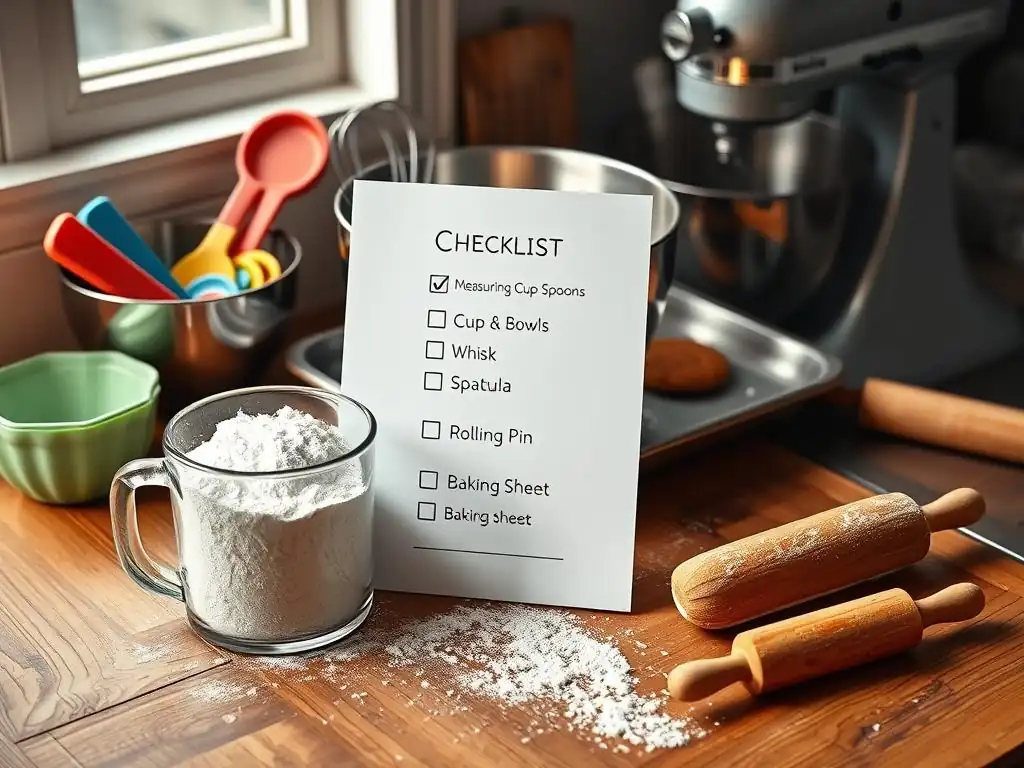
Welcome to BakeWithEase! Are you ready to transform your kitchen into a haven of delicious aromas and delightful treats? Embark on your baking journey with confidence, starting with the essentials. This week, we're diving into our Baking Tools Beginner Checklist, a curated guide to equip you with everything you need to bake like a pro, even if you're just starting out. Intrigued? Let's unveil the secrets to effortless baking, one tool at a time!
- BakeWithEase: Your Guide to Essential Baking Tools for Beginners
- Step 1: Gathering Your Essential Baking Tools - A Beginner's Shopping List
- Step 2: Must-Have Baking Tools for Specific Beginner Recipes
- Step 3: Optional Baking Tools: Enhancing Your Baking Experience
- Step 4: Caring for Your Beginner Baking Tools - Keeping Them in Tip-Top Shape
- Step 5: Where to Buy Your Baking Tools for Beginners
- Conclusion: Your Essential Baking Tools Beginner Checklist Complete.
-
Frequently Asked Questions
- What are the absolute must-have baking tools for a beginner?
- How important is it to have a stand mixer when starting out with baking?
- What kind of baking sheets are best for a beginner baker?
- Where can I find affordable, yet reliable, baking tools for beginners?
- Beyond the basics, what's one slightly advanced tool worth investing in early?
- Final Reflection: Unlocking the Joy of Baking: One Tool at a Time
- Unleash Your Inner Baker: Start Baking Today!
BakeWithEase: Your Guide to Essential Baking Tools for Beginners
Embarking on your baking journey can feel exciting, maybe a little daunting, but definitely rewarding! To set yourself up for success right from the start, having the right essential baking tools for beginners is key. Think of your tools as your trusted sidekicks in the kitchen; they make measuring, mixing, and shaping so much easier and more precise, leading to delicious results every time. This guide serves as your comprehensive baking tools beginner checklist, walking you through the absolute must-haves to get you started without overwhelming you.
Building your kitchen arsenal doesn't have to happen all at once. We'll break down the beginner baking tools you need into steps, starting with the absolute basics and moving towards items that enhance specific recipes. Whether you dream of perfectly uniform cookies, moist cakes, or simple homemade bread, this checklist covers the foundational equipment that will support your first baking adventures. Let's dive into gathering the gear that will turn your kitchen into a baking haven with BakeWithEase!
Step 1: Gathering Your Essential Baking Tools - A Beginner's Shopping List
The First Steps: Core Baking Equipment for Novice Bakers
When you're just starting out, you don't need every gadget under the sun. The focus should be on versatile, sturdy beginner baking tools that form the backbone of most recipes. These are the items you'll reach for again and again, from simple muffin batters to cookie doughs. Investing in good quality basics from the start can save you frustration and yield better results as you build your skills.
This initial list focuses on the absolute non-negotiables for any beginner baker. These tools are relatively inexpensive, easy to find, and fundamental to accurately following recipes. Having these core pieces in your kitchen is the crucial first step in completing your baking tools beginner checklist and setting the stage for countless successful baking projects.
Mixing Bowls: The Foundation of Your Baking Recipes
Every baking recipe starts with combining ingredients, and for that, you need reliable mixing bowls. Having a set of different sizes is incredibly helpful, allowing you to handle small batches of frosting or large quantities of dough with ease. Stainless steel is a popular choice for beginner baking tools because it's durable, lightweight, non-reactive (meaning it won't affect the taste of your food), and easy to clean.
A good set might include bowls ranging from about 3 quarts for whisking eggs or small amounts of dry ingredients, to 8 quarts for mixing cake batters or bread doughs. The right-sized bowl prevents spills and gives you plenty of room to work without ingredients flying out as you mix. They are fundamental items on any essential baking tools beginner checklist.
- Mixing Bowls: Stainless Steel (3-Quart, 5-Quart, 8-Quart)
Measuring Cups and Spoons: Accurate Measurements for Baking Success
Baking is often described as a science, and accuracy is paramount. Unlike cooking, where you can often eyeball ingredients, precise measurements are crucial for successful baking outcomes. Using the correct measuring cups for dry ingredients and measuring spoons for smaller quantities like leavening agents, salt, and extracts is non-negotiable for consistent results.
Dry measuring cups should be used to scoop and level ingredients like flour, sugar, and oats, ensuring you don't pack them down. Measuring spoons are designed for small volumes and are essential for ingredients measured in teaspoons or tablespoons. Having a standard set of both is perhaps the most critical part of your baking tools beginner checklist, preventing common errors that lead to dense cakes or flat cookies.
- Dry Measuring Cups (1/4 cup, 1/3 cup, 1/2 cup, 1 cup)
- Measuring Spoons (1/4 tsp, 1/2 tsp, 1 tsp, 1 tbsp)
Spatulas: Folding and Scraping Made Easy
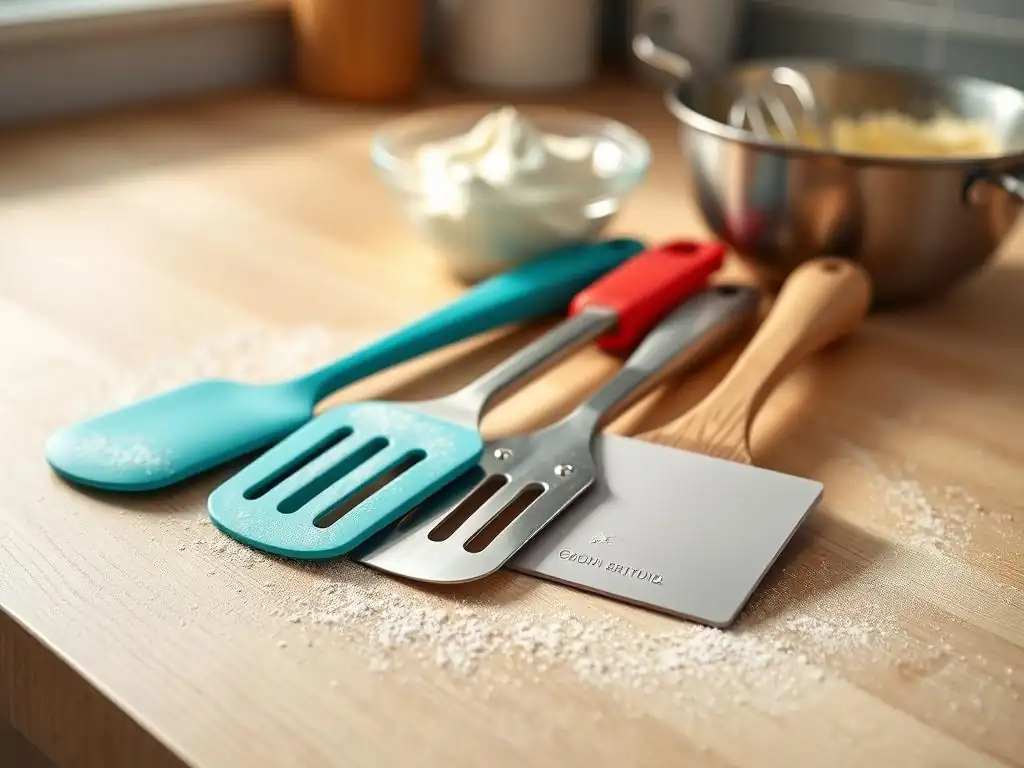
Spatulas are incredibly versatile beginner baking tools. A good rubber or silicone spatula is essential for scraping down the sides of your mixing bowl, ensuring all ingredients are incorporated, and for gently folding delicate mixtures like whipped cream or egg whites into batter. Their flexible heads allow you to get every last bit out of a bowl, reducing waste.
An offset spatula, with its angled blade, is perfect for spreading batters evenly in pans or applying frosting smoothly onto cakes and cupcakes. While not strictly for mixing, it's invaluable for finishing touches and is a smart addition to your baking tools beginner checklist early on. Both types of spatulas serve different but equally important functions in the baking process.
- Rubber Spatula
- Offset Spatula
A sturdy baking sheet is a workhorse in the beginner baker's kitchen. Often called a half sheet pan (measuring around 13x18 inches), this size fits most standard ovens and is incredibly versatile. It's perfect for baking cookies, roasting nuts, toasting coconut, or even baking sheet cakes and bar cookies. Look for one made from aluminum, as it conducts heat evenly for consistent baking results.
Using parchment paper or a silicone baking mat on your baking sheet can prevent sticking and make cleanup a breeze, extending the life of your pan. Having at least one, ideally two, of these sheets allows you to bake multiple batches efficiently. It's a fundamental piece of equipment on any essential baking tools beginner checklist.
- Aluminum Baking Sheet (13x18 inches)
Step 2: Must-Have Baking Tools for Specific Beginner Recipes
Once you've mastered the basics and want to explore specific types of baking, you'll find certain tools become indispensable. While the core equipment from Step 1 can handle many simple recipes, adding a few specialized items will open up a wider world of cakes, cookies, and even simple homemade bread. These tools are still relatively common and easy to use, making them perfect additions to your evolving baking tools beginner checklist.
These next items aren't always necessary for every recipe, but they significantly improve the process and results for specific categories. For instance, whipping egg whites to stiff peaks for meringue or creaming butter and sugar for cookies is much easier with a mixer. Shaping bread or cutting out uniform cookies also requires dedicated tools.
Hand Mixer or Stand Mixer: Powering Up Your Baking
While you can certainly cream butter and sugar or whip cream by hand, a mixer saves significant time and effort, especially for recipes requiring thorough mixing or aeration. For a beginner baker, a hand mixer is a fantastic, affordable starting point. It's compact, easy to use, and powerful enough for most cookie doughs, cake batters, and whipping tasks.
A stand mixer is a larger investment but offers more power and allows for hands-free mixing, which is particularly helpful for kneading bread dough or whipping large quantities. However, for completing your initial baking tools beginner checklist, a hand mixer is more than sufficient to tackle a wide range of recipes and achieve excellent results with less fatigue.
- Hand Mixer
Rolling Pin: Perfecting Your Doughs and Crusts
If you plan to make cookies, pies, or certain types of bread, a rolling pin is essential for flattening and shaping dough evenly. A classic wooden rolling pin is a great choice for beginner baking tools because it's durable and provides good control. Look for one that is comfortable to hold and has a smooth surface.
Rolling dough to a consistent thickness is crucial for even baking, whether you're making sugar cookies, a pie crust, or cinnamon rolls. While you can improvise with a bottle in a pinch, a dedicated rolling pin makes the task much easier and more precise. It's a simple yet effective tool to add to your baking tools beginner checklist if these types of recipes appeal to you.
- Wooden Rolling Pin
Cake Pans: Creating Beautiful Cakes
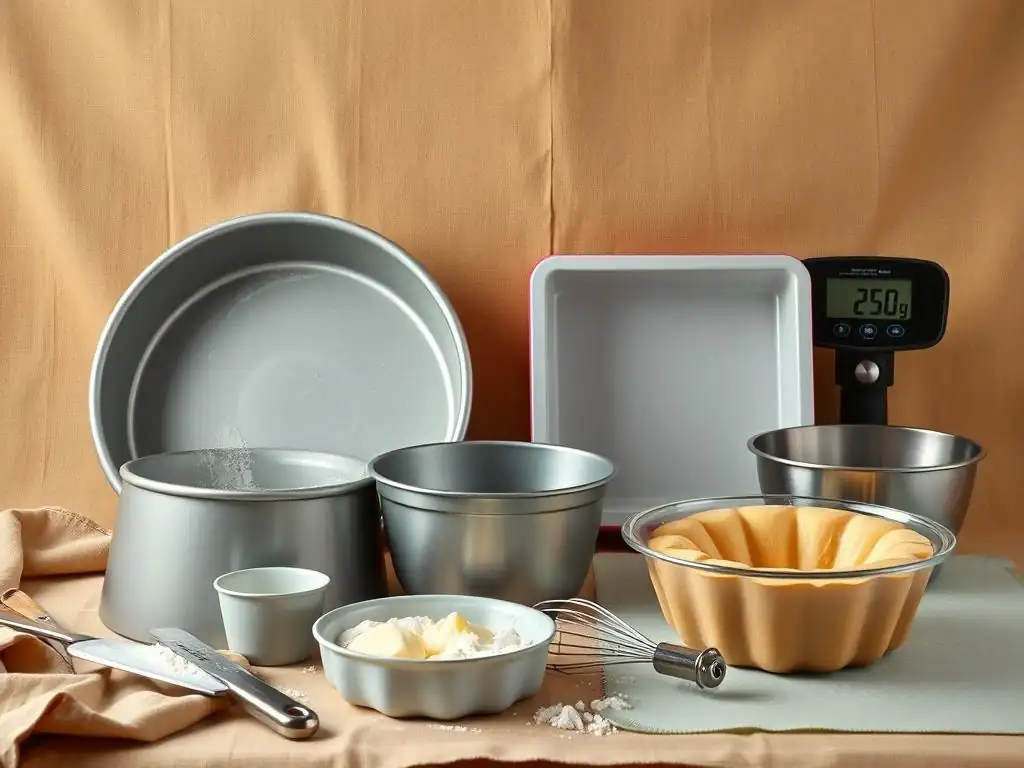
For anyone wanting to bake layer cakes, muffins, or cupcakes, specific pans are necessary. A standard 9-inch round cake pan is a versatile size for many cake recipes. Having two of these allows you to bake layers simultaneously, saving time. For muffins and cupcakes, a 12-cup muffin tin is essential.
Look for pans made from aluminum or non-stick materials for even heating and easy release. Properly preparing your pans with grease and flour or parchment paper is also key to preventing sticking, even with non-stick surfaces. Adding a basic cake pan or muffin tin is a natural next step on your baking tools beginner checklist as you expand your recipe repertoire.
- Round Cake Pan (9-inch)
While you can simply scoop and drop cookie dough, cookie cutters add a fun, creative element, especially if you're baking with kids or for special occasions. A basic set of metal cookie cutters in various shapes (circles, stars, hearts) is inexpensive and allows you to make uniform, decorative cookies.
Metal cutters provide clean edges and are durable. They are most commonly used for firmer doughs like sugar cookies or gingerbread. While not strictly essential for all cookies, they are a delightful addition to your baking tools beginner checklist if you enjoy decorating and shaping.
- Metal Cookie Cutters (Variety Pack)
Step 3: Optional Baking Tools: Enhancing Your Baking Experience
Nice-to-Have Baking Gadgets for the Avid Beginner Baker
As you become more comfortable in the kitchen and perhaps find yourself baking more frequently or attempting slightly more complex recipes, you might consider adding a few optional tools to your collection. These items aren't strictly necessary to bake successfully, but they can certainly enhance precision, efficiency, or the final presentation of your baked goods. Think of these as upgrades or specialized items for your evolving baking tools beginner checklist.
Adding these tools should come after you've built a solid foundation with the essential items from Steps 1 and 2. They offer benefits like greater accuracy, improved texture, or easier application of glazes and washes. Consider these if you're looking to take your beginner baking skills to the next level or simply enjoy having specialized tools for specific tasks.
Kitchen Scale: The Ultimate Precision Tool
For the most accurate measurements, especially in baking, a digital kitchen scale is invaluable. Measuring ingredients by weight rather than volume (cups) is significantly more precise, as the amount of flour, for example, can vary greatly depending on how it's scooped and leveled. Many professional recipes and serious baking blogs provide measurements by weight for this reason.
While not essential for starting out, adding a kitchen scale to your baking tools beginner checklist can dramatically improve the consistency of your results, particularly for sensitive recipes like bread or pastries. It helps eliminate guesswork and is a worthwhile investment for the beginner baker who wants to bake with greater precision.
- Digital Kitchen Scale
Sifter: Achieving Light and Airy Results
A sifter is used to aerate flour and other dry ingredients, as well as to remove any lumps. Sifting can lead to lighter, fluffier baked goods, particularly cakes and pastries. It also helps ensure that ingredients like baking powder and soda are evenly distributed throughout the mixture, promoting proper leavening.
While you can often whisk dry ingredients together as an alternative, a sifter is more effective at breaking up clumps and incorporating air. If you're aiming for the lightest possible texture in your cakes or need to dust surfaces with powdered sugar for a fine finish, adding a sifter to your baking tools beginner checklist is a good idea.
- Hand-Crank Sifter
Pastry Brush: Adding Shine and Flavor
A pastry brush is a simple tool used for applying liquid washes to baked goods. This could be an egg wash for a golden, shiny crust on bread or pies, melted butter brushed onto rolls, or a simple syrup glaze on cakes to keep them moist. Silicone pastry brushes are popular as they are easy to clean and don't shed bristles like some natural brushes.
This tool isn't used in the mixing process but is crucial for achieving certain finishes and adding moisture or flavor just before or after baking. It's a small, inexpensive addition to your baking tools beginner checklist that can make a noticeable difference in the appearance and texture of your final product.
- Silicone Pastry Brush
Step 4: Caring for Your Beginner Baking Tools - Keeping Them in Tip-Top Shape
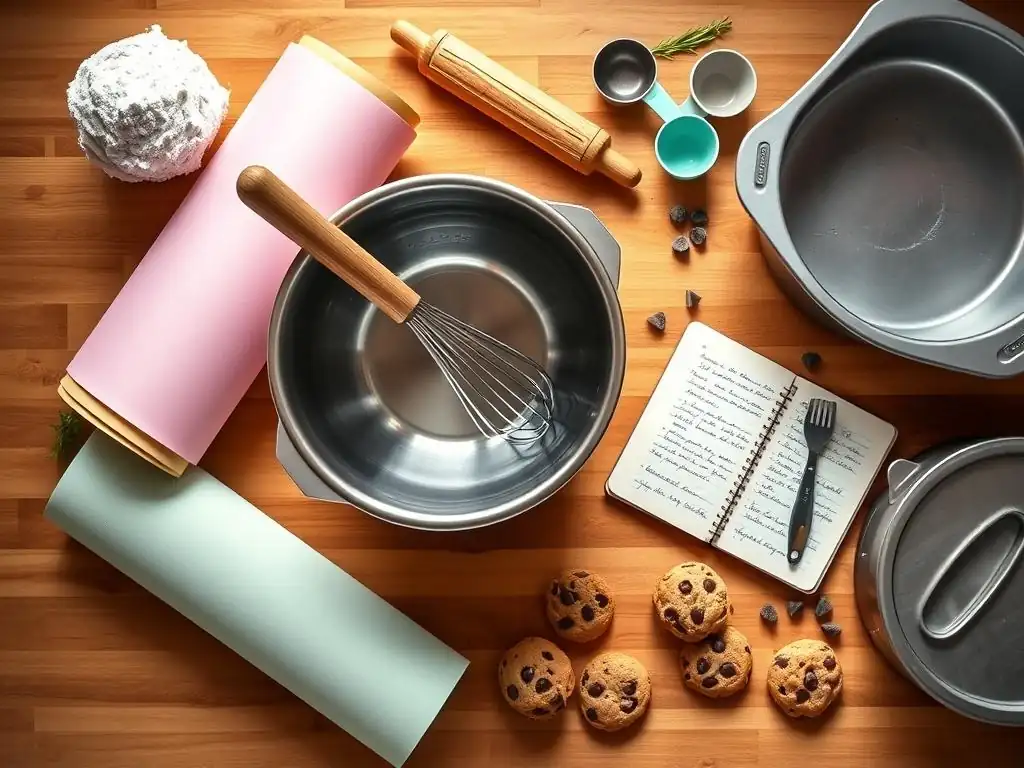
Cleaning and Storage Tips for Your Essential Baking Equipment
Having the right essential baking tools for beginners is just one part of the equation; knowing how to care for them is equally important. Proper cleaning and storage ensure your tools last longer, remain hygienic, and are ready to go whenever inspiration strikes. Taking a few extra minutes after baking to clean and put away your equipment can save you time and frustration down the line.
Different materials require different care. Stainless steel is generally dishwasher safe, but wooden items should always be hand-washed and dried immediately. Understanding these nuances is part of becoming a confident beginner baker and keeping your baking tools beginner checklist items in excellent condition for many baking sessions to come.
Washing and Drying Your Baking Tools
Most metal and silicone beginner baking tools can be washed with warm, soapy water. For stubborn baked-on bits on baking sheets, soaking can help. Avoid abrasive scrubbers on non-stick surfaces to prevent damage. Wooden tools like rolling pins should be washed quickly by hand with mild soap and warm water, rinsed, and dried thoroughly with a towel. Never soak wooden items, as this can cause them to warp or crack.
Proper drying is crucial to prevent rust on metal tools and mold on wooden ones. Allow items to air dry completely before storing, especially inside measuring cups or in the crevices of whisks. This step is simple but vital for maintaining your essential baking tools for beginners.
Storing Your Baking Tools Efficiently
Efficient storage keeps your kitchen organized and protects your beginner baking tools from getting damaged. Measuring cups and spoons often come on rings or can be nested together in a drawer. Spatulas and whisks can be kept in a utensil crock or hung on hooks. Baking sheets are best stored vertically in a cabinet organizer to prevent scratching.
Finding a dedicated spot for your baking supplies makes it easier to find what you need and keeps your tools clean and ready for use. Keeping your baking tools beginner checklist items organized ensures that the joy of baking isn't diminished by searching for misplaced equipment.
Step 5: Where to Buy Your Baking Tools for Beginners
Finding Affordable and Reliable Baking Supplies
Building your collection of essential baking tools for beginners doesn't have to break the bank. Many common retailers offer quality, affordable options perfect for getting started. Knowing where to look can help you find good value and ensure you get reliable tools that will stand up to regular use.
Whether you prefer the convenience of online shopping or the experience of browsing in person, there are several excellent places to find the items on your baking tools beginner checklist. Consider comparing prices and reading reviews, but remember that for basic tools, you often don't need the most expensive option to get great results.
Online Retailers for Baking Supplies
Online marketplaces offer a vast selection of beginner baking tools from numerous brands, often at competitive prices. You can easily compare features, read customer reviews, and have items delivered right to your door. This is particularly convenient if you're looking for specific items or want to see a wide range of options.
Large retailers with online stores also carry a good selection of basic baking equipment. Shopping online allows you to complete your baking tools beginner checklist from the comfort of your home and often find sales or deals.
- Amazon
- Target
Local Kitchen Supply Stores
Visiting a local kitchen supply store or even the kitchenware section of a department store or large supermarket can be a great way to purchase your essential baking tools for beginners. You can see the tools in person, feel their weight, and assess their quality before buying. Staff can also often provide helpful advice.
While prices might sometimes be slightly higher than online, the ability to inspect the product and get immediate assistance can be a valuable benefit for a beginner baker. Plus, supporting local businesses is always a positive!
Conclusion: Your Essential Baking Tools Beginner Checklist Complete.
Congratulations! You've now got a comprehensive overview of the essential baking tools for beginners. Starting with the core items like mixing bowls and measuring tools, adding specific items for cakes and cookies, and potentially exploring optional gadgets like a kitchen scale, you are well on your way to being equipped for success. Remember, this baking tools beginner checklist is a guide to help you build your collection step-by-step.
With the right tools in hand, coupled with simple recipes and techniques from BakeWithEase, you're ready to tackle your first baking projects with confidence. Happy baking!
Frequently Asked Questions
What are the absolute must-have baking tools for a beginner?
The essential baking tools for beginners include a reliable measuring cup set, a mixing bowl set, and a good quality baking sheet. These are the foundational items to get started.
How important is it to have a stand mixer when starting out with baking?
While a stand mixer is helpful, it's not essential for beginners. You can easily start with hand mixers or even mixing by hand using a whisk and spatula.
What kind of baking sheets are best for a beginner baker?
Opt for light-colored aluminum baking sheets. They promote even baking and prevent burning, and are a reliable choice for various recipes.
Where can I find affordable, yet reliable, baking tools for beginners?
Many department stores and online retailers offer affordable baking tool sets specifically designed for beginners. Look for deals and starter kits to save money.
Beyond the basics, what's one slightly advanced tool worth investing in early?
A digital kitchen scale is a valuable investment. It ensures accuracy in measurements, leading to consistent and professional-looking results in your baking.
Final Reflection: Unlocking the Joy of Baking: One Tool at a Time
The accessibility of baking is often underestimated, hampered by a perceived need for an overwhelming array of specialized equipment. Mastering the art of baking doesn't require a professional kitchen; rather, it hinges on understanding the fundamental tools and their applications. This checklist, designed to demystify the process for beginners, highlights the essential items that truly unlock the joy of creating delicious treats from scratch.
The impact of accessible baking extends far beyond the simple act of creating a cake or cookies. It fosters creativity, encourages experimentation, and provides a tangible connection to the process of food creation. Baking is at once child's play and adult joy. And love, of course.
This quote perfectly encapsulates the feeling of accomplishment and satisfaction that comes with successfully baking something delicious, a feeling amplified when the process itself is made simpler and more approachable. The ability to bake empowers individuals to take control of their food choices, fostering a deeper appreciation for the ingredients and the craft itself.
Now, it's your turn. Take a moment to consider the tools you already possess and identify any gaps in your baking arsenal. Don't be intimidated by the prospect of acquiring new equipment; start small, focusing on the essentials outlined in this checklist. Embrace the journey, experiment with different recipes, and most importantly, enjoy the process of creating something delicious and sharing it with those you love. The world of baking awaits – and it's far more accessible than you might think.
Unleash Your Inner Baker: Start Baking Today!
Thanks for taking the time to explore the world of easy baking with us! We hope you’ve gained the confidence and knowledge to create delicious treats with ease. Now it’s time to put your new skills into action.
- Start with your favorite recipe: Grab those essential tools from your checklist, pick a recipe that excites you, and get baking! Don't be afraid to experiment – even a small change can lead to delicious discoveries.
- Share your baking journey: Post a photo of your masterpiece on social media and tag us – we'd love to see your creations! Use #BakeWithEase to connect with other baking enthusiasts.
- Explore our recipe collection: Dive deeper into the BakeWithEase website for more inspiring recipes and baking tips to help you on your culinary adventure!
Ready to transform your kitchen into a haven of delicious aromas? What's the first recipe you're going to try?