
Beyond Muffins: Exploring Easy Quick Bread Varieties

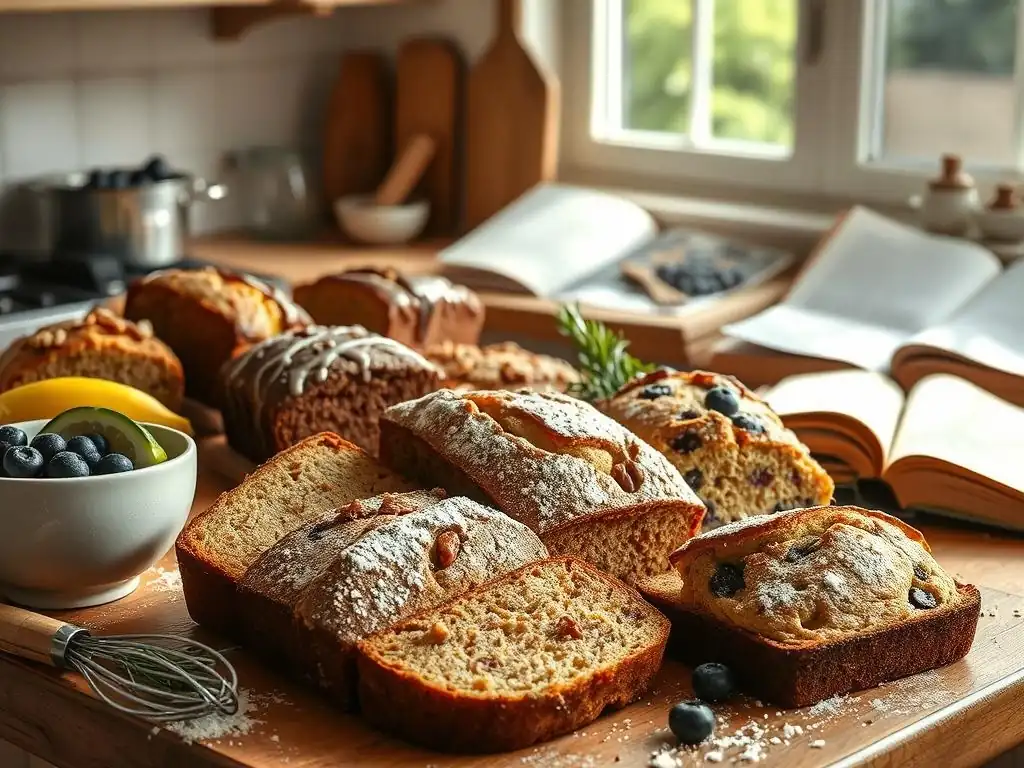
Welcome to BakeWithEase, your guide to unlocking the joy of baking! Ever wondered what lies beyond the humble muffin? Prepare to be amazed! This week, we're diving headfirst into the delightful world of easy quick bread recipes, revealing a treasure trove of simple and satisfying bakes that anyone can master. Get ready to expand your baking repertoire and discover your next favorite treat!
- Beyond Muffins: Exploring Easy Quick Bread Varieties for Beginners
- BakeWithEase: Your Guide to Simple Quick Bread Recipes
- What are Quick Breads and Why Bake Them?
- Classic Easy Quick Bread Recipes to Try
- Exploring Unique & Easy Quick Bread Variations
- Mastering the Baking Techniques for Easy Quick Breads
- Troubleshooting Common Quick Bread Baking Problems
- Elevate Your Baking: Easy Quick Bread Recipe Customization
- Enjoying Your Homemade Easy Quick Breads
- Frequently Asked Questions
- Final Reflection: The Enduring Appeal of Quick Breads
- Unleash Your Inner Baker: Bake Beyond Muffins Today!
Beyond Muffins: Exploring Easy Quick Bread Varieties for Beginners
BakeWithEase: Your Guide to Simple Quick Bread Recipes
Welcome to BakeWithEase, where we believe that baking should be a joyful and accessible experience for everyone! If you've mastered muffins and are ready to explore the wonderful world of quick breads, you've come to the right place. This guide is designed to demystify quick bread baking, offering simple recipes and practical tips that will have you baking delicious loaves in no time. Think of quick breads as the slightly larger, often more versatile cousins of muffins – just as easy to make, but perfect for slicing and sharing.
Quick breads are an excellent starting point for anyone new to baking or looking for satisfying results without the time commitment of yeast breads. They rely on chemical leaveners like baking soda and baking powder, which react quickly to create rise, hence the name "quick bread." Our easy quick bread recipes guide will walk you through the fundamentals, ensuring your baking journey is smooth and successful from your very first loaf.
What are Quick Breads and Why Bake Them?
Understanding the Basics of Quick Breads
Quick breads are a category of baked goods that do not require yeast for leavening. Instead, they use leavening agents such as baking soda, baking powder, or sometimes eggs and steam to achieve their rise. This fundamental difference means that quick breads don't need the long proofing or kneading times associated with yeast-leavened doughs. The batter is typically mixed quickly, poured into a pan (often a loaf pan), and baked relatively fast.
This method produces a tender, often moist crumb, making them ideal for sweet treats like banana bread or savory options like cheese bread. Understanding this basic principle – chemical leavening, no kneading, fast baking – is the first step in confidently approaching any easy quick bread recipes guide. It simplifies the process considerably, making it approachable for even the most novice baker.
The Appeal of Quick Breads: Speed and Simplicity
The primary appeal of quick breads lies in their speed and simplicity. Unlike yeast breads that can take hours, including multiple rises, a quick bread batter can often be mixed and ready for the oven in under 15 minutes. This makes them perfect for a spontaneous baking session, using up ripe fruit, or whipping up a last-minute treat for breakfast, brunch, or a snack.
For beginners, quick breads offer a high success rate with minimal effort. The techniques involved, primarily the muffin method (mixing wet and dry ingredients separately before combining), are straightforward. This low barrier to entry makes quick breads an excellent way to build confidence in the kitchen, providing satisfying results quickly and easily. Our easy quick bread recipes guide focuses specifically on techniques that minimize complexity while maximizing flavor.
Essential Ingredients for Easy Quick Bread Recipes
Most easy quick bread recipes guide will call for a standard set of pantry staples. The core ingredients typically include flour (all-purpose is common), a leavening agent (baking powder and/or baking soda), salt, sugar, fat (butter or oil), eggs, and a liquid (milk, buttermilk, or yogurt). The specific type and quantity of each ingredient will vary depending on the recipe, influencing the texture and flavor.
For instance, using buttermilk instead of regular milk can result in a more tender crumb due to its acidity reacting with baking soda. The type of fat also matters; melted butter adds richness, while oil often contributes to a moister texture. Having these basic ingredients on hand means you're often just a few steps away from baking a delicious loaf, making quick breads incredibly convenient.
Quick Bread Baking Equipment Checklist
While you don't need specialized equipment for easy quick bread recipes guide, a few basic tools will make the process much smoother. A standard loaf pan (usually 9x5 inches) is essential for baking most quick bread loaves. Mixing bowls (at least two: one for dry, one for wet) are necessary, along with a whisk or fork for dry ingredients and a whisk or spatula for wet.
Measuring cups and spoons are crucial for accuracy, as proper ratios are key in quick bread baking. A rubber spatula is indispensable for scraping down bowls and folding ingredients gently. Optional but helpful tools include parchment paper for lining the pan (makes removal easy) and a wire cooling rack. Having these simple tools ready ensures you can dive into baking without any last-minute scrambling.
Classic Easy Quick Bread Recipes to Try
Simple Banana Bread: A Beginner's Favorite
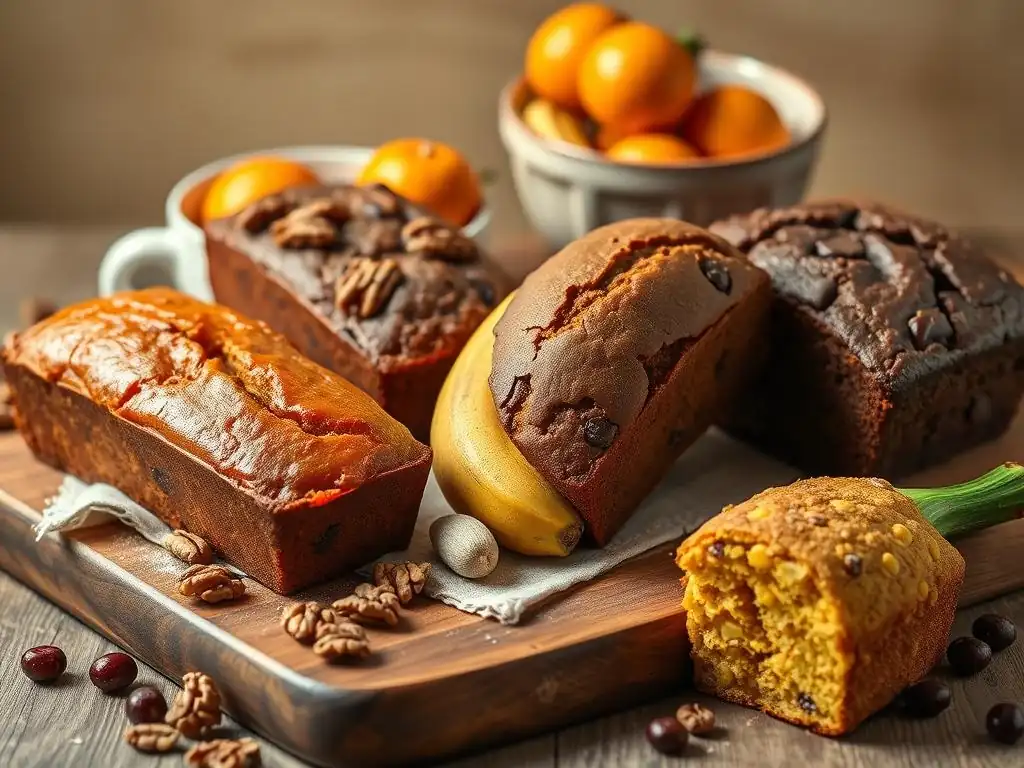
Banana bread is arguably the quintessential quick bread for beginners, and for good reason. It's incredibly forgiving, uses readily available ingredients (especially those overripe bananas! ), and yields a consistently delicious result. A basic banana bread recipe typically involves mashed ripe bananas, flour, sugar, eggs, butter or oil, baking soda, and salt. The natural moisture and sweetness of the bananas contribute significantly to the bread's texture and flavor.
Following an easy quick bread recipes guide for banana bread is a fantastic starting point. It teaches fundamental techniques like the muffin method – combining dry ingredients in one bowl and wet in another before gently mixing them together. The visual cue of overripe bananas also makes it obvious when it's time to bake, turning what might be food waste into a delightful treat.
Tips for Moist and Flavorful Banana Bread
Achieving moist and flavorful banana bread starts with using very ripe bananas – the spottier, even blacker, the better. These bananas are sweeter and softer, mashing easily and contributing intense banana flavor and moisture. Aim for about 1 to 1.5 cups of mashed banana for a standard loaf. Another tip is to avoid overmixing the batter; mixing until just combined prevents the development of gluten, which can lead to a tough texture.
Using a combination of butter and oil can also enhance both flavor (from butter) and moisture (from oil). Adding a touch of vanilla extract or a pinch of cinnamon can further deepen the flavor profile. Baking at a slightly lower temperature (around 325-350°F or 160-175°C) for a longer time can sometimes help ensure the center bakes through without the edges drying out, resulting in a perfectly moist loaf.
Variations: Adding Nuts, Chocolate Chips, or Spices
While classic banana bread is wonderful on its own, it's also a perfect canvas for variations. Adding about 1/2 to 1 cup of chopped nuts like walnuts or pecans provides a pleasant crunch and nutty flavor. Stirring in 1/2 to 1 cup of chocolate chips (milk, semi-sweet, or dark) before baking creates pockets of melted chocolate throughout the loaf, a favorite for many.
Spices like cinnamon, nutmeg, or a pinch of cloves can enhance the warmth and depth of the banana flavor. Consider adding 1 teaspoon of cinnamon and 1/4 teaspoon of nutmeg to the dry ingredients. Other popular additions include dried cranberries, shredded coconut, or even a swirl of cream cheese filling. These simple additions can transform a basic recipe into something uniquely yours, proving the versatility of an easy quick bread recipes guide.
Zucchini Bread: A Healthy and Delicious Option
Zucchini bread is a fantastic way to use up summer squash and bake something surprisingly moist and delicious. The shredded zucchini adds significant moisture to the bread without imparting a strong vegetable flavor; it essentially melts into the batter during baking. This makes it an excellent option for getting a little extra vegetable into your diet in a tasty way.
A typical zucchini bread recipe follows a similar structure to banana bread, combining shredded zucchini with flour, sugar, eggs, oil, leavening, and spices. Many recipes include warm spices like cinnamon and nutmeg, which pair beautifully with the subtle flavor of zucchini. Following an easy quick bread recipes guide for zucchini bread is straightforward and rewarding, especially during zucchini season.
Making Zucchini Bread with Fresh or Frozen Zucchini
You can use either fresh or frozen zucchini for zucchini bread, though fresh is generally preferred for ease. If using fresh zucchini, simply shred it using a box grater or food processor. It's often recommended to lightly squeeze out excess moisture from shredded zucchini before adding it to the batter, especially if your zucchini is very large or watery. This prevents the bread from becoming too dense or soggy.
If using frozen zucchini, thaw it completely and then squeeze out as much liquid as possible. Frozen zucchini can sometimes release more water than fresh. Measure the zucchini after squeezing out the water to ensure you have the correct amount specified in your easy quick bread recipes guide. Both methods work, but managing the moisture level is key for a perfect loaf.
Creative Add-ins for Zucchini Bread
Just like banana bread, zucchini bread is wonderfully adaptable. Warm spices are almost always included, but you can adjust the amounts – perhaps 1.5 teaspoons of cinnamon and 0.5 teaspoon of nutmeg for a pronounced spice flavor. Nuts like walnuts or pecans are popular additions, adding texture and richness (about 1/2 to 1 cup).
Chocolate chips are also a fantastic pairing with zucchini, creating a kid-friendly version (again, 1/2 to 1 cup is a good starting point). For a brighter flavor, consider adding the zest of one lemon or orange. Dried cranberries or raisins can add bursts of chewy sweetness. Experimenting with these add-ins allows you to personalize your zucchini bread and discover new favorite combinations, guided by your easy quick bread recipes guide.
Pumpkin Bread: A Seasonal Delight
Pumpkin bread is a beloved quick bread, especially during the autumn months, but its comforting flavors are welcome any time of year. It uses canned pumpkin puree (not pumpkin pie filling) which provides incredible moisture and a subtle, earthy flavor. The star of pumpkin bread is often the blend of warm spices that complement the pumpkin beautifully.
Baking pumpkin bread is similar to other quick breads, focusing on combining wet and dry ingredients correctly. It's an excellent recipe to practice with as part of your easy quick bread recipes guide journey, offering a different texture and flavor profile compared to fruit-based quick breads. The vibrant orange color is an added bonus!
Baking with Pumpkin Puree: Tips and Tricks
When baking with pumpkin puree, ensure you are using 100% pure pumpkin puree from a can, not pumpkin pie filling, which contains added sugar and spices. The amount of puree can vary by recipe, but a standard loaf often uses around 1 to 1.5 cups (about half a standard 15-ounce can). While pumpkin puree adds moisture, some recipes might call for a bit less liquid overall compared to fruit breads to account for the puree's consistency.
It's generally not necessary to drain canned pumpkin puree, as its moisture is part of the recipe's balance. However, if you open a can that seems exceptionally watery, giving it a gentle stir might help distribute the moisture. Always measure carefully according to your easy quick bread recipes guide to ensure the correct wet-to-dry ratio.
Pumpkin Bread Spice Blends for Enhanced Flavor
The signature flavor of pumpkin bread comes from its spice blend. A classic mix includes cinnamon, nutmeg, ginger, and cloves. A common ratio might be 1.5 teaspoons of cinnamon, 0.5 teaspoon of nutmeg, 0.25 teaspoon of ground ginger, and a pinch (about 0.125 teaspoon) of ground cloves for one loaf. You can adjust these amounts to your preference; some people love a stronger ginger kick, while others prefer more cinnamon.
Many recipes simply call for "pumpkin pie spice," which is a pre-mixed blend of these spices. Using about 1.5 to 2 teaspoons of pumpkin pie spice is a convenient option. You can also add allspice or cardamom for extra complexity. Don't be afraid to play with the spices; they are key to making your pumpkin bread truly memorable and a highlight of your easy quick bread recipes guide exploration.
Exploring Unique & Easy Quick Bread Variations
Savory Quick Breads: Expanding Your Baking Repertoire
While sweet quick breads are more common, savory quick breads are a delightful departure and equally easy to make. They follow the same basic quick bread method but swap sugar for less or no sugar, and incorporate ingredients like cheese, herbs, vegetables, or even cooked meats. Savory quick breads are fantastic served with soups, stews, or as a side for dinner.
Exploring savory options expands your baking repertoire beyond just desserts and snacks. They demonstrate the versatility of the quick bread technique and offer satisfying, flavorful results. An easy quick bread recipes guide can easily be adapted to savory versions by adjusting sweeteners and incorporating savory mix-ins.
Cheese and Herb Quick Bread
A simple cheese and herb quick bread is a great savory starting point. It typically involves adding shredded cheese (like cheddar, Gruyère, or Parmesan) and chopped fresh or dried herbs (such as chives, rosemary, thyme, or dill) to a basic quick bread batter that has minimal sugar. A common amount might be 1 to 1.5 cups of shredded cheese and 2-3 tablespoons of chopped fresh herbs or 1-2 tablespoons dried.
The baking method remains the same: combine dry ingredients (flour, baking powder, salt), combine wet ingredients (milk, eggs, melted butter or oil), mix wet into dry until just combined, then gently fold in the cheese and herbs. This type of quick bread is incredibly flavorful on its own, especially when served warm.
Jalapeño Cheddar Quick Bread
For those who enjoy a little heat, jalapeño cheddar quick bread is a popular savory variation. This recipe combines sharp cheddar cheese with finely diced fresh or pickled jalapeños. The amount of jalapeño can be adjusted based on your spice preference, perhaps starting with 1-2 tablespoons for a mild heat and increasing from there. Removing the seeds and membranes from fresh jalapeños will reduce the heat significantly.
Combine 1 to 1.5 cups of shredded cheddar and the prepared jalapeños into the batter. The combination of sharp cheese and spicy jalapeño creates a wonderfully flavorful bread that pairs well with chili or can be enjoyed sliced and toasted. It's a simple way to add excitement to your easy quick bread recipes guide collection.
Sweet Quick Breads: More Than Just Banana
Beyond the classics, there's a world of other sweet quick breads to explore. These recipes often feature different fruits, zests, or flavorings, showcasing the adaptability of the basic quick bread formula. They are just as simple to make as banana or zucchini bread but offer new tastes and textures.
Expanding your sweet quick bread repertoire keeps baking interesting and provides a variety of options for different occasions or cravings. From bright citrus flavors to chewy fruit-filled loaves, there's an easy quick bread recipes guide out there for almost any flavor combination you can imagine.
Cranberry Orange Quick Bread
Cranberry orange quick bread is a vibrant and flavorful option, particularly popular around the holidays but delicious year-round. It typically combines fresh or dried cranberries with orange zest and often orange juice. A standard recipe might call for 1 to 1.5 cups of cranberries and the zest of one large orange, plus perhaps 1/4 cup of orange juice as part of the liquid component.
The tartness of the cranberries is beautifully balanced by the sweetness of the bread and the aromatic citrus zest. You can use fresh cranberries, which soften and burst during baking, or dried cranberries, which offer a chewy texture. Often, a simple orange glaze (powdered sugar mixed with orange juice) is drizzled over the cooled bread for an extra burst of citrus flavor.
Lemon Poppy Seed Quick Bread
Lemon poppy seed is a bright and sunny quick bread, perfect for spring or summer. It features lemon zest and lemon juice for a strong citrus flavor, combined with tiny poppy seeds which add a subtle crunch and visual appeal. A typical loaf might use the zest of 2 lemons and about 1/4 cup of lemon juice, plus 1 to 2 tablespoons of poppy seeds.
Some recipes incorporate buttermilk or yogurt to enhance the tender texture and complement the lemon flavor. A lemon glaze is also a common addition, made by whisking powdered sugar with lemon juice. The simplicity of the ingredients belies the wonderfully fresh and zesty flavor of this quick bread, making it a delightful addition to any easy quick bread recipes guide.
Mastering the Baking Techniques for Easy Quick Breads
Mixing Methods: Avoiding Overmixing
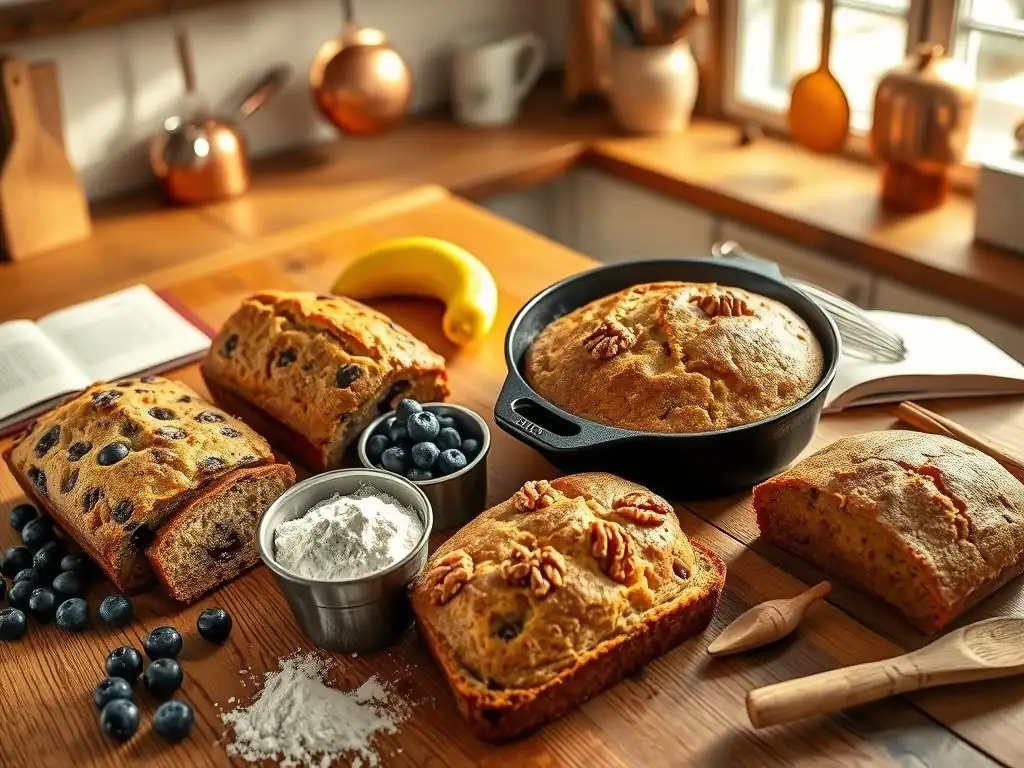
The most crucial technique in quick bread baking is the mixing method, specifically avoiding overmixing. Most easy quick bread recipes guide utilize the "muffin method": you combine all dry ingredients in one bowl, combine all wet ingredients (including melted fat) in another, and then pour the wet ingredients into the dry. You then mix just until the dry ingredients are incorporated.
Overmixing develops gluten in the flour, which results in a tough, dense, or rubbery quick bread. You should see some small lumps of flour in the batter; this is perfectly normal and preferable to a smooth batter. Gentle folding, especially when adding mix-ins like fruit or nuts, is also key. Use a rubber spatula and fold with a light hand until ingredients are just distributed.
Oven Temperatures and Baking Times: Getting it Right
Accurate oven temperature is vital for successful quick bread baking. Most recipes call for a temperature between 325°F and 375°F (160°C to 190°C), with 350°F (175°C) being very common. A slightly lower temperature baked for a longer time can help prevent the edges from drying out before the center is cooked. It's a good idea to use an oven thermometer to ensure your oven is heating accurately, as oven temperatures can vary significantly.
Baking times vary depending on the size and depth of the pan and the moisture content of the batter, typically ranging from 45 to 75 minutes for a standard loaf. An easy quick bread recipes guide will provide an estimated time, but it's crucial to start checking for doneness within the suggested time frame rather than strictly adhering to the clock.
Testing for Doneness: Ensuring a Perfect Bake
Knowing how to tell when your quick bread is done is essential. The most reliable method is the toothpick test. Insert a wooden skewer or toothpick into the center of the loaf (avoiding any large pieces of fruit or nuts). If it comes out clean or with just a few moist crumbs attached, the bread is done. If it comes out with wet batter, it needs more time.
The top of the bread should be golden brown, and the edges may start to pull slightly away from the sides of the pan. You can also gently press on the top of the loaf; if it springs back, it's likely done. An easy quick bread recipes guide will usually specify the expected baking time and the toothpick test method.
Cooling and Storing Your Quick Breads
Proper cooling is just as important as baking. Once your quick bread is out of the oven and passes the doneness test, let it cool in the pan for 10-15 minutes. This allows the structure to set before you attempt to remove it. Trying to remove it too soon can cause it to break apart.
After the initial cooling period in the pan, invert the bread onto a wire rack to cool completely. Cooling on a wire rack allows air circulation around the entire loaf, preventing the bottom from becoming soggy from steam. Once completely cooled, quick breads can be stored at room temperature, tightly wrapped in plastic wrap or aluminum foil, for 2-3 days. For longer storage, they can be frozen, wrapped well, for up to 2-3 months.
Troubleshooting Common Quick Bread Baking Problems
Dry Quick Bread: Causes and Solutions
A dry quick bread is often the result of too much flour, too little fat or liquid, or overbaking. Measuring flour correctly is key – spooning flour into a measuring cup and leveling it off is more accurate than scooping directly from the bag, which can compact the flour and lead to using too much. Ensure you are using the correct amount of fat (butter or oil) and liquid specified in your easy quick bread recipes guide.
If your bread is consistently dry, check your oven temperature with an oven thermometer; baking at too high a temperature can dry out the bread quickly. Reduce baking time slightly if needed and rely on the toothpick test. For future loaves, you might slightly increase the liquid or fat content, or add moist ingredients like extra mashed banana or applesauce if the recipe allows.
Sunken Quick Bread: Prevention Tips
A quick bread that sinks in the middle can be caused by several factors: underbaking, too much leavening agent, opening the oven door too early, or too much moisture/heavy add-ins. Underbaking is a common culprit; ensure the toothpick test comes out clean from the very center. Using too much baking powder or soda can cause the bread to rise too quickly and then collapse.
Resist the urge to open the oven door frequently, especially in the first 2/3 of the baking time, as the sudden drop in temperature can cause the loaf to sink. If using heavy add-ins like lots of fruit or nuts, try coating them lightly in flour before adding to the batter; this can help prevent them from sinking to the bottom and weighing down the center. Following an easy quick bread recipes guide carefully regarding ingredient amounts is crucial here.
Uneven Baking: Achieving Consistent Results
Uneven baking, where the edges are dark or dry but the center is still raw, can be frustrating. This is often due to oven hot spots or baking at too high a temperature. Using an oven thermometer can help confirm if your oven temperature is accurate. If your oven has hot spots, try rotating the pan halfway through the baking time.
Lowering the oven temperature slightly (e.g., from 350°F to 325°F) and increasing the baking time can also help the bread cook more evenly from edge to center. If the top is browning too quickly, you can loosely tent the loaf with aluminum foil for the latter part of the baking time. Using a light-colored metal pan rather than a dark one can also help prevent overly dark edges.
Elevate Your Baking: Easy Quick Bread Recipe Customization
Adding Fruits, Nuts, and Chocolate
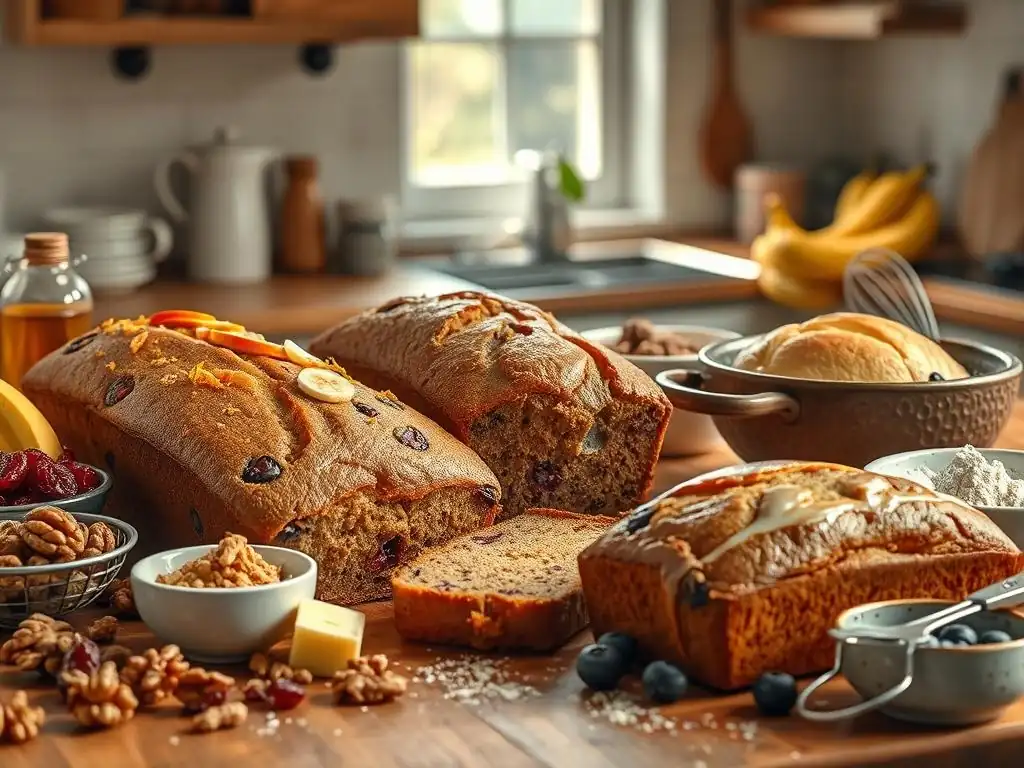
Customizing your quick breads is one of the most enjoyable parts of baking! As mentioned with banana and zucchini bread, adding fruits, nuts, and chocolate chips is a popular way to change flavor and texture. Generally, you can add 1/2 to 1.5 cups of mix-ins per standard loaf recipe. Fresh berries, chopped apples or pears, dried cranberries, raisins, chopped dates, walnuts, pecans, almonds, chocolate chips (any kind! ), or even white chocolate chunks are all excellent options.
Consider the moisture content of your additions; very wet fruits might require slightly reducing other liquids in the recipe or tossing the fruit with a tablespoon of flour first. Don't overload the batter with too many heavy additions, as this can cause the bread to sink. An easy quick bread recipes guide provides a great base for these fun experiments.
Using Different Flours: Exploring Texture and Flavor
While all-purpose flour is standard for many quick breads, you can experiment with other flours to change the texture and flavor. Substituting a portion of the all-purpose flour (say, 1/4 to 1/2 cup) with whole wheat flour adds a nuttier flavor and more fiber. Oat flour (finely ground oats) can add a tender crumb and distinct flavor.
Almond flour or other nut flours can be used in smaller quantities to add richness and flavor, but they often require adjustments to liquid and leavening due to their lack of gluten. Gluten-free flour blends are also an option, but results can vary, and you may need a specific gluten-free easy quick bread recipes guide. Start with small substitutions before changing the flour type entirely.
Glazing and Frosting Options for Quick Breads
Adding a glaze or frosting can take your quick bread from simple to special. A very easy glaze is a simple powdered sugar glaze: whisk together powdered sugar with a small amount of liquid (milk, water, lemon juice, or orange juice) until you reach a pourable consistency. About 1 cup of powdered sugar mixed with 1-2 tablespoons of liquid is a good starting point.
Cream cheese frosting is another popular choice, especially for pumpkin or zucchini bread. A simple frosting can be made by beating softened cream cheese with butter, powdered sugar, and a touch of vanilla extract. Ensure the quick bread is completely cooled before applying any glaze or frosting, otherwise, it will melt.
Enjoying Your Homemade Easy Quick Breads
Serving Suggestions and Pairing Ideas
Homemade quick breads are incredibly versatile when it comes to serving. Slice them thick and enjoy plain for a simple snack. Toasting slices and spreading with butter, cream cheese, jam, or honey is a classic and delicious way to enjoy them, perfect with a cup of coffee or tea.
Sweet quick breads like banana or pumpkin bread pair wonderfully with breakfast or brunch spreads. Savory quick breads like cheese and herb are excellent served alongside soups, stews, or salads. Consider serving warm slices with a pat of melting butter alongside your favorite meal. Your easy quick bread recipes guide creations are sure to be a hit!
Quick Bread Gift Ideas and Packaging
Quick breads make thoughtful and delicious homemade gifts. Once completely cooled, you can wrap a loaf tightly in plastic wrap, then wrap it again in foil or place it in a decorative tin or gift bag. Tying a ribbon around it or adding a simple tag elevates the presentation.
Mini quick bread loaves, baked in smaller pans, are also perfect for gifting individual portions. Pair the quick bread with a small jar of jam, a selection of teas, or a bag of coffee for a complete gift package. Homemade gifts show extra care and are always appreciated.
We love seeing what you bake! After trying out an easy quick bread recipes guide from BakeWithEase, we encourage you to share your photos and experiences with our community. You can connect with other bakers, ask questions, and get inspiration for your next baking project.
Sharing your successes, and even your challenges, helps everyone learn and grow as bakers. The BakeWithEase community is a friendly and supportive place to celebrate the simple joys of baking, especially when it comes to delicious and easy quick breads. Happy baking!
Frequently Asked Questions
What exactly makes a quick bread " quick"?
Quick breads are called "quick" because they use chemical leavening agents like baking powder or baking soda instead of yeast. This eliminates proofing time, making them much faster to prepare than traditional yeast breads.
Can I substitute ingredients in easy quick bread recipes?
While some substitutions are possible, be cautious. Altering key ingredients like flour, sugar, or fat can significantly affect the texture and rise of your quick bread.
What are some easy quick bread recipes besides muffins?
Beyond muffins, explore options like banana bread, zucchini bread, or Irish soda bread. These are all relatively simple to make and offer variations in flavor and texture.
How do I prevent my quick bread from being dry?
Overbaking is a common cause of dryness. Ensure you don't overmix the batter, as this develops gluten and can lead to a tough, dry bread. Use a toothpick test to check for doneness.
What's the best way to store easy quick bread?
To maintain freshness, store your cooled quick bread in an airtight container at room temperature. For longer storage, you can freeze it tightly wrapped for several months.
Final Reflection: The Enduring Appeal of Quick Breads
The humble quick bread, far from being a relic of the past, remains a cornerstone of modern baking, offering accessibility and deliciousness in equal measure. Its simplicity belies the versatility and creativity it inspires, proving that extraordinary flavor doesn't require hours of painstaking work. This guide has explored a range of options beyond the ubiquitous muffin, showcasing the vast potential this category holds for both novice and experienced bakers.
The enduring popularity of quick breads speaks volumes about our desire for simple pleasures and the comfort food provides. They represent a tangible connection to tradition, a comforting ritual passed down through generations, yet simultaneously adaptable to modern tastes and dietary needs. As the renowned culinary writer, Julia Child, once said, Find something you're passionate about and keep tremendously interested in it.
This passion for baking, fueled by the ease and satisfaction of quick breads, is a testament to their enduring charm.
Now, it's your turn. Don't be afraid to experiment! Try substituting ingredients, exploring different flavor combinations, and most importantly, have fun with it. The joy of baking lies not just in the final product, but in the process itself. So, grab your mixing bowls, gather your ingredients, and embark on your own quick bread adventure. The possibilities, like the aromas wafting from your oven, are truly endless.
Unleash Your Inner Baker: Bake Beyond Muffins Today!
Thanks for joining us on this delicious journey into the world of quick breads! We hope you've discovered new possibilities beyond the humble muffin. Ready to put your newfound knowledge to the test?
- Bake your favorite quick bread recipe (or try a new one!): It's time to get your hands messy and create something amazing. We're confident you'll be surprised at how easy it is!
- Share your baking triumph on social media: Tag us so we can see your incredible creations! Let's inspire each other.
- Challenge yourself with a unique flavor combination: Think beyond the expected – what unexpected ingredient could elevate your next quick bread?
What exciting flavors will you explore in your next quick bread adventure?