
Simple Mixing, Stunning Results: Quick Breads for Beginners

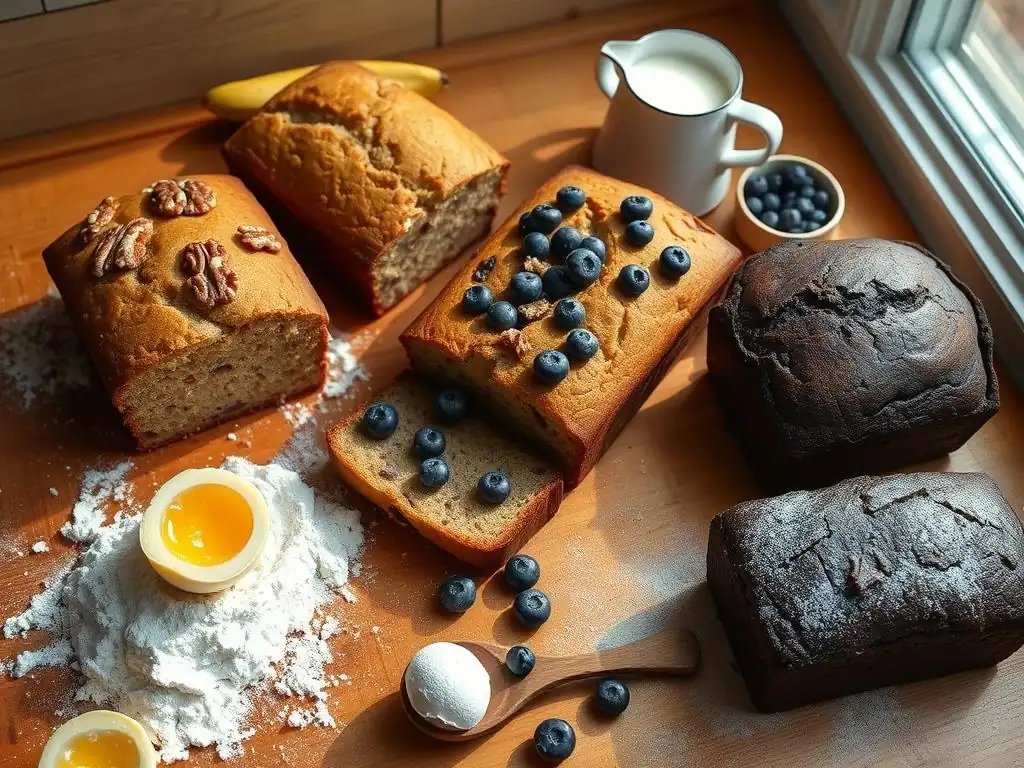
Welcome to BakeWithEase, where your journey into the delightful world of baking begins! Whether you’re a novice or looking to refine your skills, we’re here to guide you every step of the way. Dive into our featured article on the Easy Beginner Quick Bread Recipe, where simple mixing techniques promise stunning results that will elevate your baking game. Get ready to unlock the secrets of quick breads and transform your kitchen into a haven of delicious aromas. Curious about how to create your first loaf? Let’s get started!
- BakeWithEase Presents: Your Guide to Easy Beginner Quick Bread Recipes
- What is Quick Bread and Why is it Perfect for Beginner Bakers?
- Mastering the Easy Beginner Quick Bread Recipe: A Step-by-Step Guide
- Top 3 Easy Beginner Quick Bread Recipes to Get You Started
- Troubleshooting Common Quick Bread Baking Problems
- Beyond the Basics: Exploring More Advanced Quick Bread Techniques
- Conclusion: Baking Confidence with Easy Beginner Quick Bread Recipes
-
Frequently Asked Questions
- What exactly is a "quick bread," and how does it differ from other types of bread?
- Are quick breads really easy for beginners to bake?
- What are some examples of easy beginner quick bread recipes I can find on BakeWithEase.com?
- What are some common mistakes beginners make when baking quick bread, and how can I avoid them?
- Can I customize quick bread recipes with different ingredients?
- Final Reflection: The Unexpected Joy of Simple Baking
- Unleash Your Inner Baker: Knead to Know More?
BakeWithEase Presents: Your Guide to Easy Beginner Quick Bread Recipes
Welcome to the wonderful world of quick breads! If you're just starting your baking journey, finding an easy beginner quick bread recipe is one of the best places to begin. Unlike yeast breads that require lengthy proofing times and careful kneading, quick breads rely on chemical leavening agents like baking powder and baking soda to rise. This means you can mix the batter, pop it in the oven, and enjoy a delicious, freshly baked treat in under an hour or two from start to finish. It's baking instant gratification!
At BakeWithEase, we believe everyone can bake, and quick breads truly exemplify this. They are forgiving, versatile, and incredibly satisfying to make. Whether you're craving something sweet like banana bread or a savory accompaniment like cornbread, there's an easy quick bread recipe out there for you. This guide will walk you through the basics, share essential tips, and provide a few foolproof easy beginner quick bread recipes to build your baking confidence.
What is Quick Bread and Why is it Perfect for Beginner Bakers?
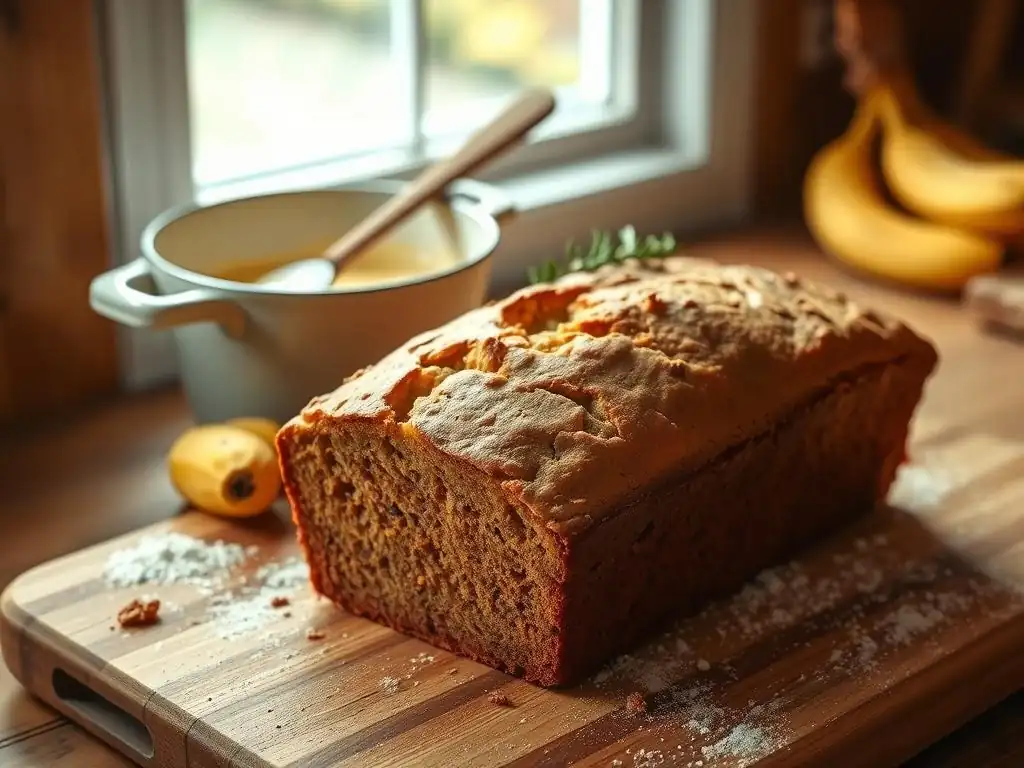
Understanding the Basics of Quick Bread Baking
Quick bread gets its name from the speed at which it can be prepared compared to traditional yeast-leavened breads. The fundamental principle behind quick bread is the use of chemical leaveners such as baking powder, baking soda, or a combination of both, activated by moisture and heat. These leaveners produce carbon dioxide gas rapidly when mixed with wet ingredients and heated, causing the batter to rise without the need for yeast fermentation. This process bypasses the hours of kneading and proofing typically associated with yeast breads, making quick breads significantly faster and simpler to bake.
The basic components of most quick bread recipes include flour, a leavening agent, salt, a liquid (like milk, buttermilk, or yogurt), fat (butter or oil), eggs, and sugar (for sweet varieties). The key to success often lies in the mixing method – typically the "muffin method" or "creaming method" – which focuses on gently combining wet and dry ingredients just until moistened. Over-mixing develops gluten, which can lead to a tough texture, a common pitfall easily avoided with a good easy beginner quick bread recipe.
The Appeal of Quick Breads: Simplicity and Speed
The primary appeal of quick breads for beginners is their inherent simplicity and speed. A typical loaf might take only 10-15 minutes of active preparation time before going into the oven. This dramatically reduces the time commitment compared to yeast doughs that might require several hours of rising time. For someone new to baking, this shorter timeline provides quicker feedback and a faster path to success, reducing the potential for frustration.
Furthermore, quick bread batters are generally more forgiving than yeast doughs. While precise measurements are always important in baking, minor errors are less likely to result in complete failure with a quick bread. The process is straightforward: measure ingredients, mix wet and dry separately, combine, bake. This direct approach makes an easy beginner quick bread recipe an ideal starting point for learning fundamental baking skills and building confidence in the kitchen.
Essential Equipment for Baking Quick Breads
You don't need a professional kitchen setup to bake a delicious quick bread. Most of the essential equipment is likely already in your home. A standard set of dry measuring cups and spoons is crucial for accurate ingredient measurement – using the 'scoop and level' method for flour is a good practice. You'll also need liquid measuring cups for wet ingredients.
For mixing, two medium-sized bowls are usually sufficient: one for dry ingredients and one for wet. A whisk is helpful for combining dry ingredients and sometimes for beating eggs or wet mixtures. A rubber spatula or wooden spoon is essential for gently folding the wet and dry ingredients together.
Finally, a loaf pan is the most common vessel for baking quick breads, typically a 9x5 inch or 8.5x4.5 inch size, though muffin tins or even square pans can be used depending on the specific easy quick bread recipe you choose. Parchment paper or non-stick spray will also be needed to prepare your pan.
Mastering the Easy Beginner Quick Bread Recipe: A Step-by-Step Guide
Ingredient Spotlight: Key Components of a Delicious Quick Bread
Understanding the role of each ingredient is key to mastering any easy beginner quick bread recipe. Flour provides the structure; all-purpose flour is standard, but you can experiment with others later. Leavening agents (baking powder, baking soda) create the lift; baking soda requires an acid (like buttermilk or mashed bananas) to activate fully, while baking powder is double-acting, reacting when wet and again when heated. Salt enhances flavor and balances sweetness.
Fats like melted butter or oil contribute moisture, tenderness, and richness. Melted butter adds flavor, while oil often results in a slightly moister crumb. Eggs bind the ingredients together, add richness, and aid in leavening. Liquids such as milk, buttermilk, or yogurt hydrate the dry ingredients and activate leaveners. Sugar adds sweetness, aids in browning, and contributes to moisture retention. For a truly easy beginner quick bread recipe, sticking to standard ingredients and proportions found in reliable recipes is the best approach.
Mixing Techniques for Perfect Texture: Avoiding Over-Mixing
The "muffin method" is the most common technique for an easy beginner quick bread recipe. It's straightforward: combine all dry ingredients in one bowl, all wet ingredients in another, then pour the wet into the dry and mix just until combined. The batter should still look a bit lumpy; this is okay! Over-mixing develops gluten, which makes the finished bread tough and dense. Imagine mixing biscuit dough versus pancake batter – quick bread batter is closer to pancake batter consistency, but even less mixed.
Another method, less common for the absolute beginner quick bread, is the "creaming method," where butter and sugar are beaten together first. This incorporates air, contributing to leavening and a finer crumb. However, the muffin method is generally simpler and more foolproof for most easy beginner quick bread recipes. Regardless of the method, the final step of combining wet and dry is critical: fold gently with a spatula until no dry streaks remain, then stop. This minimal mixing is the secret to a tender crumb.
Baking Time and Temperature: Achieving Golden Perfection
Getting the baking time and temperature right is crucial for ensuring your easy beginner quick bread recipe turns out perfectly cooked through, not raw in the center or burnt on the outside. Most quick breads are baked in a preheated oven at a moderate temperature, typically around 350°F (175°C). Preheating is vital to ensure the leaveners activate properly as soon as the batter hits the heat.
Baking time varies depending on the recipe and the size of the pan, but a standard loaf often takes between 50 to 70 minutes. To check for doneness, insert a toothpick or a thin skewer into the center of the loaf. If it comes out clean or with just a few moist crumbs attached, the bread is done. If it comes out wet with batter, continue baking and check again in 5-10 minute intervals. The top should be golden brown, and the edges might pull slightly away from the pan.
Cooling and Storing Your Homemade Quick Bread
Once your easy beginner quick bread recipe is baked to perfection, proper cooling is essential. Remove the loaf from the oven and let it rest in the pan for about 10-15 minutes. This allows the structure to set and prevents it from collapsing when you remove it. After this initial cooling period, carefully invert the pan and turn the loaf out onto a wire cooling rack to cool completely. Cooling on a rack allows air circulation, preventing the bottom from becoming soggy.
- [ ] Allow initial cooling in pan (10-15 minutes)
- [ ] Transfer to wire rack for full cooling
- [ ] Ensure loaf is completely cool before slicing
- [ ] Store properly for freshness
Slicing a quick bread while it's still hot can result in a gummy texture. Wait until it's fully cooled, which can take 1-2 hours depending on the size. To store, wrap the cooled loaf tightly in plastic wrap or aluminum foil, or place it in an airtight container. Quick breads stay fresh at room temperature for 2-3 days. For longer storage, they can be frozen, well-wrapped, for up to 2-3 months.
Top 3 Easy Beginner Quick Bread Recipes to Get You Started
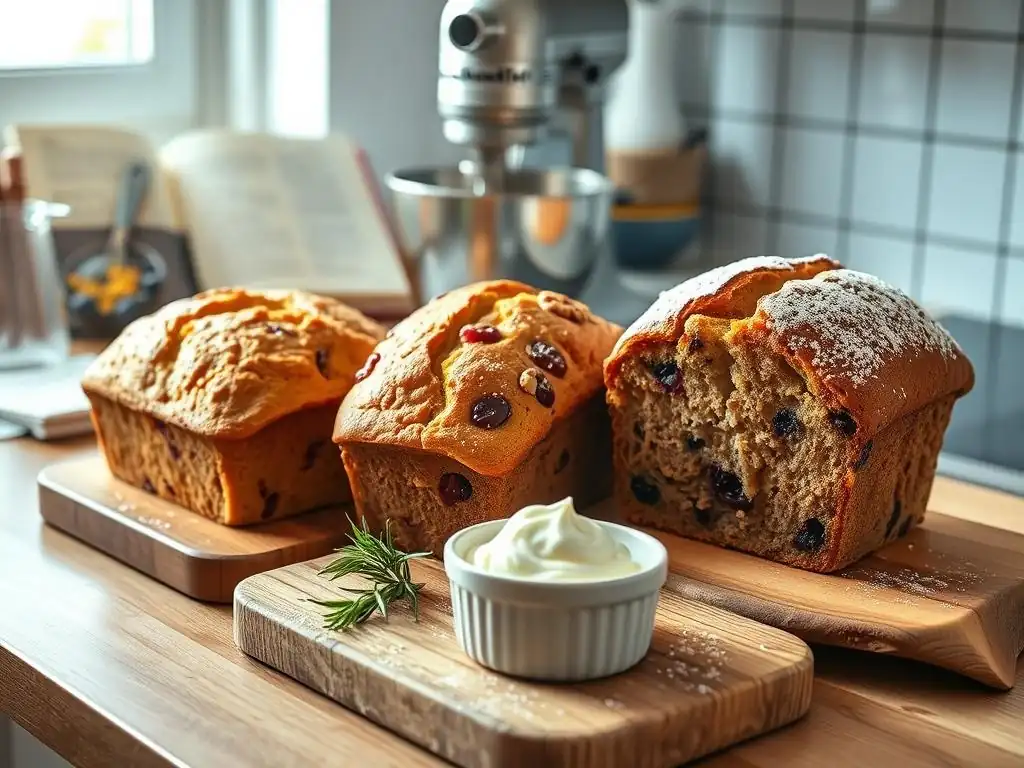
Recipe 1: Classic Banana Bread – The Ultimate Comfort Food
Banana bread is arguably the most popular and forgiving easy beginner quick bread recipe. It's a fantastic way to use up those overripe bananas sitting on your counter – the riper the bananas, the sweeter and more moist your bread will be! The natural moisture and sweetness from the bananas contribute significantly to the texture and flavor, making it harder to fail. It's a perfect starting point for anyone new to baking quick breads.
This classic comfort food requires minimal effort for maximum reward. You'll often find recipes calling for ingredients you already have on hand: flour, sugar, eggs, butter, leavening, and of course, bananas. The process is simple: mash bananas, mix with wet ingredients, combine with dry ingredients, and bake. The aroma filling your kitchen as it bakes is an added bonus, making this easy quick bread recipe a truly delightful experience from start to finish.
Banana Bread Recipe: Simple Ingredients, Delicious Results
Here's a basic outline for a classic easy beginner quick bread recipe for banana bread (adjusting based on specific recipe variations):
- Yield: 1 standard loaf (approx. 12 slices)
- Prep time: 10-15 minutes
- Bake time: 55-65 minutes
Ingredients:
- 2-3 ripe bananas, mashed (about 1 cup)
- 1/3 cup melted butter or oil
- 1/2 cup granulated sugar (or a bit less depending on banana ripeness)
- 1 large egg, beaten
- 1 teaspoon vanilla extract
- 1 1/2 cups all-purpose flour
- 1 teaspoon baking soda
- 1/4 teaspoon salt
Instructions:
- Preheat oven to 350°F (175°C). Grease and flour a 9x5 inch loaf pan.
- In a large bowl, mash bananas with a fork. Stir in melted butter/oil, sugar, egg, and vanilla.
- In a separate bowl, whisk together flour, baking soda, and salt.
- Add the dry ingredients to the wet ingredients. Stir just until combined. Do not overmix.
- Pour batter into the prepared loaf pan.
- Bake for 55-65 minutes, or until a toothpick inserted into the center comes out clean.
- Let cool in the pan for 10 minutes before transferring to a wire rack to cool completely.
Tips for Enhancing Your Banana Bread: Variations and Add-ins
While the basic easy beginner quick bread recipe for banana bread is delicious on its own, you can easily customize it. For extra flavor and texture, consider adding 1/2 cup of chopped nuts like walnuts or pecans to the batter in step 4. Chocolate chips (milk, semi-sweet, or dark) are another popular addition – about 1/2 to 3/4 cup works well. Stir them in gently along with the dry ingredients.
Overripe bananas are your best friend for moist and flavorful banana bread!
For a slightly different twist, you could swirl in a couple of tablespoons of peanut butter or Nutella into the batter before baking. A sprinkle of cinnamon (about 1/2 to 1 teaspoon) can also enhance the flavor profile. Remember to gently fold in any add-ins to avoid over-mixing the batter. These simple variations can turn your basic easy quick bread recipe into a signature bake.
Recipe 2: Zesty Lemon Loaf – A Bright and Flavorful Treat
A bright and tangy lemon loaf is a wonderful alternative to fruit-based quick breads. This easy beginner quick bread recipe delivers a burst of citrus flavor that's perfect for breakfast, brunch, or an afternoon snack. It often uses lemon zest and juice to infuse the bread with vibrant flavor. Like banana bread, the method is typically the simple muffin method, making it very accessible for those new to baking quick breads.
Lemon loaf often has a slightly denser, yet still tender, crumb compared to banana bread. It pairs beautifully with a simple lemon glaze drizzled over the top once cooled, adding an extra layer of sweetness and intense lemon flavor. This easy quick bread recipe proves that simple baking can produce truly stunning and refreshing results.
Lemon Loaf Recipe: Quick and Easy Citrus Baking
Here's a simplified outline for a quick and easy lemon loaf quick bread recipe for beginners:
- Yield: 1 standard loaf (approx. 10-12 slices)
- Prep time: 15 minutes
- Bake time: 45-55 minutes
Ingredients:
- 1 1/2 cups all-purpose flour
- 1 teaspoon baking powder
- 1/4 teaspoon salt
- 1 cup granulated sugar
- Zest of 1-2 large lemons
- 1/2 cup melted butter or vegetable oil
- 2 large eggs, lightly beaten
- 1/2 cup milk or buttermilk
- 1/4 cup fresh lemon juice
Instructions:
- Preheat oven to 350°F (175°C). Grease and flour a 9x5 inch loaf pan.
- In a large bowl, whisk together flour, baking powder, and salt.
- In a separate bowl, combine sugar and lemon zest. Rub the zest into the sugar with your fingers to release oils (this enhances flavor! ).
- Add melted butter/oil, eggs, milk, and lemon juice to the sugar mixture. Whisk to combine.
- Pour the wet ingredients into the dry ingredients. Stir just until combined. Avoid overmixing.
- Pour batter into the prepared pan.
- Bake for 45-55 minutes, or until a toothpick comes out clean.
- Cool in the pan for 10 minutes, then transfer to a wire rack to cool completely.
Making a Perfect Lemon Glaze: A Sweet Finishing Touch
A simple lemon glaze elevates an easy beginner quick bread recipe like lemon loaf. The glaze adds moisture, sweetness, and a concentrated punch of lemon flavor. Making it is incredibly easy, typically requiring just two ingredients: powdered sugar (also known as confectioners' sugar or icing sugar) and fresh lemon juice.
To make the glaze, sift about 1 cup of powdered sugar into a small bowl to remove lumps. Gradually whisk in 2-3 tablespoons of fresh lemon juice, starting with 2 tablespoons and adding more just until you reach a thick, pourable consistency. You want it thick enough to coat the back of a spoon but thin enough to drizzle.
If it's too thick, add a few more drops of lemon juice; if too thin, add a little more powdered sugar. Drizzle the cooled loaf generously with the glaze using a spoon or whisk. Let the glaze set for about 15-20 minutes before slicing.
Recipe 3: Simple Cornbread – A Savory Delight
Not all quick breads are sweet! A simple cornbread is a fantastic savory option and another excellent easy beginner quick bread recipe. Unlike sweet quick breads that often use the creaming method, cornbread typically follows the muffin method strictly, focusing on minimal mixing for a tender crumb. It's traditionally made with cornmeal, which gives it a unique texture and slightly rustic appeal.
Cornbread is incredibly versatile and pairs wonderfully with savory dishes like chili, soups, stews, or barbecue. Its simplicity makes it a go-to for a quick side dish. A basic easy quick bread recipe for cornbread usually involves mixing cornmeal with flour, leavening, salt, and sugar (sometimes a little for balance), then adding wet ingredients like milk, eggs, and melted butter or oil.
Easy Cornbread Recipe: Perfect for Soups and Stews
Here's a basic framework for an easy cornbread quick bread recipe:
- Yield: 8-12 servings (depending on pan size)
- Prep time: 10 minutes
- Bake time: 20-30 minutes
Ingredients:
- 1 cup yellow cornmeal (fine or medium grind)
- 1 cup all-purpose flour
- 1/4 cup granulated sugar (optional, for slightly sweet cornbread)
- 1 tablespoon baking powder
- 1/2 teaspoon salt
- 1 large egg, lightly beaten
- 1 cup milk or buttermilk
- 1/4 cup melted butter or vegetable oil
Instructions:
- Preheat oven to 400°F (200°C). Grease a 9-inch square pan or a cast iron skillet. (Cast iron gives a lovely crispy edge! ).
- In a large bowl, whisk together cornmeal, flour, sugar (if using), baking powder, and salt.
- In a separate bowl, whisk together egg, milk, and melted butter/oil.
- Pour the wet ingredients into the dry ingredients. Stir just until combined. The batter will be lumpy.
- Pour batter into the prepared hot pan/skillet.
- Bake for 20-30 minutes, or until golden brown and a toothpick inserted in the center comes out clean.
- Let cool slightly in the pan before slicing.
Cornbread Variations: Adding Cheese, Jalapeños, and More
The beauty of an easy beginner quick bread recipe like cornbread lies in its adaptability. You can easily transform the basic recipe with simple additions. For a cheesy cornbread, fold in 1/2 to 1 cup of shredded cheddar cheese (or a blend like cheddar-jack) into the batter before baking.
Adding cheese or jalapeños to cornbread takes it to the next level!
If you like a little heat, add 1 or 2 finely diced jalapeño peppers (seeds removed for less heat) to the batter. You can combine cheese and jalapeños for a classic pairing. Other delicious additions include cooked and crumbled bacon, chopped chives or green onions, or even a handful of fresh or frozen corn kernels (about 1/2 cup). Stir these into the batter gently along with the wet ingredients. These variations keep your easy quick bread recipe repertoire exciting!
Troubleshooting Common Quick Bread Baking Problems
Even with an easy beginner quick bread recipe, you might encounter a few common issues. Don't worry, these are learning opportunities! Understanding why problems occur helps you fix them next time. Patience and attention to detail, especially regarding mixing and oven temperature, are your best allies.
Dealing with Dry Quick Bread: Hydration Tips
If your quick bread turns out dry, it's often due to one of a few factors. The most common culprit is over-measuring flour. Scooping flour directly from the bag compacts it, meaning you end up with more flour than the recipe intended. The correct way is to gently spoon flour into your measuring cup and level it off with a straight edge. Using too little wet ingredient (like milk, eggs, or mashed fruit) or baking for too long can also result in dryness.
To prevent dry bread in the future, ensure accurate flour measurement using the spoon and level method. Double-check that you've added the correct amount of all liquid ingredients. If your oven runs hot, consider using an oven thermometer to verify the temperature and potentially reduce the baking time slightly. For a loaf that's already baked and dry, you can try brushing the top with a simple syrup (equal parts sugar and water heated until dissolved) while it's still warm, though this is more of a fix than a prevention.
Preventing a Dense or Gummy Texture
A dense or gummy quick bread is frequently a result of over-mixing the batter. As mentioned earlier, vigorous or prolonged mixing develops gluten, which is desirable in yeast breads but detrimental in quick breads. The goal is just to hydrate the dry ingredients; lumps are acceptable! Another cause can be using too much liquid or not enough leavening agent for the amount of flour.
To avoid this, follow the "mix just until combined" rule religiously when combining wet and dry ingredients. Stop as soon as you see no dry flour streaks. Ensure your baking powder or baking soda is fresh – they lose potency over time, typically within 6-12 months of opening. You can test baking powder by adding a teaspoon to hot water (it should fizz vigorously) and baking soda by adding a teaspoon to vinegar (it should also fizz).
Fixing Uneven Baking: Ensuring Consistent Results
Uneven baking – where the edges are done but the center is raw, or one side is darker than the other – can be frustrating. This is often caused by an oven that doesn't heat evenly or placing the pan too close to a heating element. An easy beginner quick bread recipe relies on consistent heat for proper rising and cooking.
Using an oven thermometer is the best way to verify your oven's actual temperature and identify hot spots. If your oven has uneven heating, you can try rotating the pan halfway through the baking time (e.g., at the 30-minute mark for a 60-minute bake). Ensure the pan is placed in the center of the oven, not too close to the top or bottom elements. If the top is browning too quickly before the center is done, you can loosely tent the loaf with aluminum foil for the remaining baking time.
Beyond the Basics: Exploring More Advanced Quick Bread Techniques
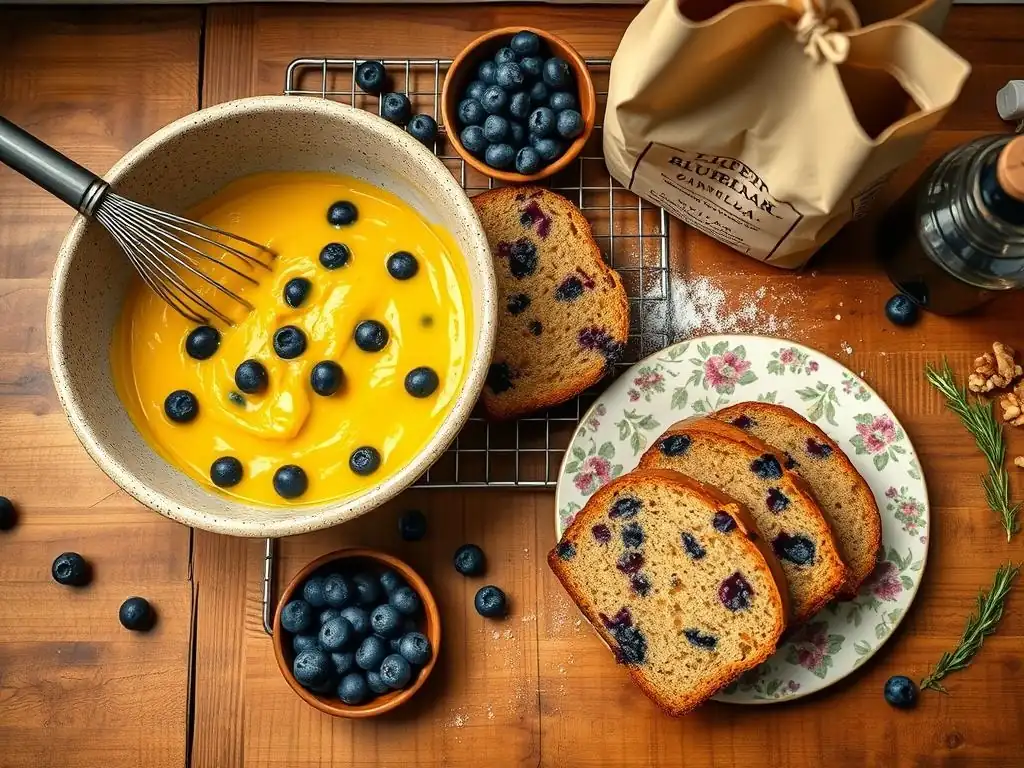
Once you've mastered a few easy beginner quick bread recipes, you might feel ready to explore variations and slightly more advanced techniques. Quick breads are incredibly versatile, offering endless possibilities for flavor combinations and textures. Experimenting is part of the fun of baking!
Adding Nuts and Fruits: Elevating Your Quick Breads
Adding nuts and fruits is one of the easiest ways to elevate your basic quick bread recipe. As mentioned with banana bread, chopped nuts like walnuts or pecans add a delightful crunch. Dried fruits such as cranberries, raisins, or chopped apricots add bursts of sweetness and chewiness. Fresh or frozen berries can also be added, though frozen berries should ideally be tossed in a tablespoon of flour before adding to the batter to prevent them from sinking and coloring the batter.
Experiment with different nuts and dried fruits to find your favorite combinations!
A general guideline is to add about 1/2 to 1 cup of total add-ins per standard loaf recipe. Ensure nuts are roughly chopped, and dried fruits are separate (they can stick together). Gently fold them into the batter after combining the wet and dry ingredients, just before pouring into the pan. This prevents over-mixing the main batter while incorporating the additions.
Experimenting with Different Flours: Whole Wheat and More
While all-purpose flour is standard for an easy beginner quick bread recipe, substituting some or all of it with other flours can change the texture, flavor, and nutritional profile. Whole wheat flour adds a nuttier flavor and more fiber, but it absorbs more liquid and results in a denser loaf. You can start by substituting 1/4 to 1/2 of the all-purpose flour with whole wheat flour in your favorite easy quick bread recipe.
Other flours like spelt, oat flour, or even gluten-free blends can be used, but they often require adjustments to the liquid and leavening amounts. For instance, gluten-free blends might need a binder like xanthan gum. Exploring these options is best done after you feel comfortable with the basic techniques, perhaps following recipes specifically designed for these alternative flours.
Creating Delicious Glazes and Toppings: The Final Flourish
Beyond simple sugar glazes, you can get creative with toppings and finishes. A streusel topping (a mixture of flour, sugar, butter, and sometimes cinnamon or nuts) can be crumbled over the batter before baking, adding a lovely crunchy layer. A cream cheese glaze (cream cheese, powdered sugar, milk/lemon juice) adds richness and tanginess, perfect for carrot cake or pumpkin quick breads.
Simple sprinkles of coarse sugar or cinnamon-sugar before baking add sparkle and a hint of flavor. For a more decadent finish, drizzle melted chocolate or a caramel sauce over the cooled loaf. These finishing touches not only enhance the flavor but also make your quick breads look professionally baked, adding a special touch to your easy beginner quick bread recipe creations.
Conclusion: Baking Confidence with Easy Beginner Quick Bread Recipes
Mastering an easy beginner quick bread recipe is a fantastic way to build confidence in the kitchen. These simple, fast bakes provide immediate gratification and teach fundamental baking principles without the complexity of yeast doughs. From the comforting familiarity of banana bread to the bright zest of lemon loaf or the savory satisfaction of cornbread, there's a quick bread out there for every taste and occasion.
Enjoy the Process: Quick Breads are All About Fun!
Remember, baking should be enjoyable! Quick breads, with their minimal fuss and fast turnaround, are perfect for a relaxed baking session. Don't strive for absolute perfection on your first try. Embrace the process, learn from any mishaps, and savor the delicious results. The simple act of mixing ingredients and watching them transform in the oven is incredibly rewarding.
We encourage you to try out an easy beginner quick bread recipe and share your baking journey with the BakeWithEase community! Whether it's a picture of your golden-brown loaf or a question about troubleshooting, connect with fellow baking enthusiasts. Quick breads are meant to be shared, so bake an extra loaf for a friend or bring one to your next gathering. Happy baking!
Frequently Asked Questions
What exactly is a "quick bread," and how does it differ from other types of bread?
A quick bread is any bread leavened with a chemical agent like baking powder or baking soda, rather than yeast. This means they require no proofing time and are much faster to make.
Are quick breads really easy for beginners to bake?
Yes! Quick bread recipes are often very straightforward, requiring minimal kneading and simple mixing techniques. This makes them a great starting point for new bakers.
What are some examples of easy beginner quick bread recipes I can find on BakeWithEase.com?
BakeWithEase.com offers numerous easy beginner quick bread recipes, including classic banana bread, muffins, and simple loaves like zucchini bread. Check the "Quick Bread" section for more!
What are some common mistakes beginners make when baking quick bread, and how can I avoid them?
Overmixing the batter is a common mistake, leading to a tough texture. Also, ensure your leavening agents are fresh for proper rising.
Can I customize quick bread recipes with different ingredients?
Absolutely! Quick bread recipes are very versatile and allow for easy customization. You can add nuts, fruits, chocolate chips, or even spices to create your own unique variations.
Final Reflection: The Unexpected Joy of Simple Baking
The ease of making quick breads belies the profound satisfaction they offer; mastering these simple recipes unlocks a world of culinary creativity and confidence in the kitchen. From the comforting aroma filling your home to the genuine delight on the faces of those you share your creations with, the impact of a perfectly baked quick bread extends far beyond the simple act of mixing ingredients.
The enduring appeal of quick breads lies in their accessibility and versatility. They're a gateway to baking, a gentle introduction to the art of transforming humble ingredients into something truly special. This accessibility transcends generations and cultures; the simple act of baking and sharing becomes a powerful connector. Baking is at once child's play and adult joy. And love, of course.
- Alma Flor Ada
Now, I invite you to consider the possibilities. Don't be intimidated by the seemingly endless variations of quick breads. Experiment with different flours, spices, and add-ins. Let this article serve as your springboard to explore the world of baking, to discover the joy of creating something delicious and beautiful with your own hands. The next time you crave a comforting treat, remember the simplicity and satisfaction of a homemade quick bread – and get baking!
Unleash Your Inner Baker: Knead to Know More?
Thanks for taking the time to explore the wonderful world of quick breads! We hope you've gained the confidence to create delicious, homemade treats with ease. Ready to take your baking to the next level?
- Bake your first masterpiece today! Choose your favorite recipe from the article and get started. Don't be afraid to experiment with different flavors and additions.
- Share your baking journey! Post a picture of your creation on social media and tag #BakeWithEase – we'd love to see your results!
- Explore our extensive recipe library on BakeWithEase.com for even more quick bread inspiration. You might discover your new signature loaf!
What unexpected ingredient will you add to your next quick bread creation?