
Your First Success: Simple Quick Bread Recipes Guaranteed


Welcome to BakeWithEase, where baking becomes an enjoyable adventure! Ready to ditch the intimidation and dive into deliciousness? This week, we're unlocking the secrets to effortless baking with our collection of easy beginner quick bread recipes. Discover how to create mouthwatering loaves with minimal fuss and maximum flavor. But what makes these recipes truly foolproof? Keep reading to find out!
- BakeWithEase Presents: Mastering Quick Breads for Beginner Bakers
- Why Quick Breads Are Perfect for Beginner Bakers
- Essential Equipment for Easy Quick Bread Recipes
- Simple Quick Bread Recipes: Your Guaranteed Success
- Troubleshooting Common Quick Bread Baking Problems
- Storing Your Homemade Quick Breads for Freshness
- Beyond the Basics: Expanding Your Quick Bread Repertoire
-
Frequently Asked Questions
- What exactly makes a quick bread "quick"?
- I'm a complete beginner. What's the easiest quick bread recipe to start with?
- Can I substitute ingredients in quick bread recipes, and if so, which ones?
- What are some common mistakes people make when baking quick breads?
- How do I store quick bread to keep it fresh?
- Final Reflection: The Sweet Taste of Accomplishment
- Unlock Your Inner Baker: Start Baking Today!
BakeWithEase Presents: Mastering Quick Breads for Beginner Bakers
Welcome to BakeWithEase! We understand that starting your baking journey can feel a little daunting, but we're here to show you just how rewarding and easy it can be. Forget complicated techniques or hours of waiting for dough to rise. Our focus is on helping you achieve delicious results right from your very first attempt. That's why we're starting with the wonderful world of quick breads – the perfect entry point into baking for anyone looking for guaranteed success.
Quick breads are exactly what they sound like: breads that are quick to make! Unlike traditional yeast breads that require kneading and multiple long proofing periods, quick breads rely on chemical leavening agents like baking powder and baking soda. This means you can mix, bake, and enjoy a warm, fresh loaf or batch of muffins in under an hour and a half, often with minimal mess and fuss.
They are incredibly forgiving and versatile, making them ideal for building confidence in the kitchen. Let's dive into why easy beginner quick bread recipes are your best friend in the baking world.
Why Quick Breads Are Perfect for Beginner Bakers
Quick Breads: A Gentle Introduction to Baking
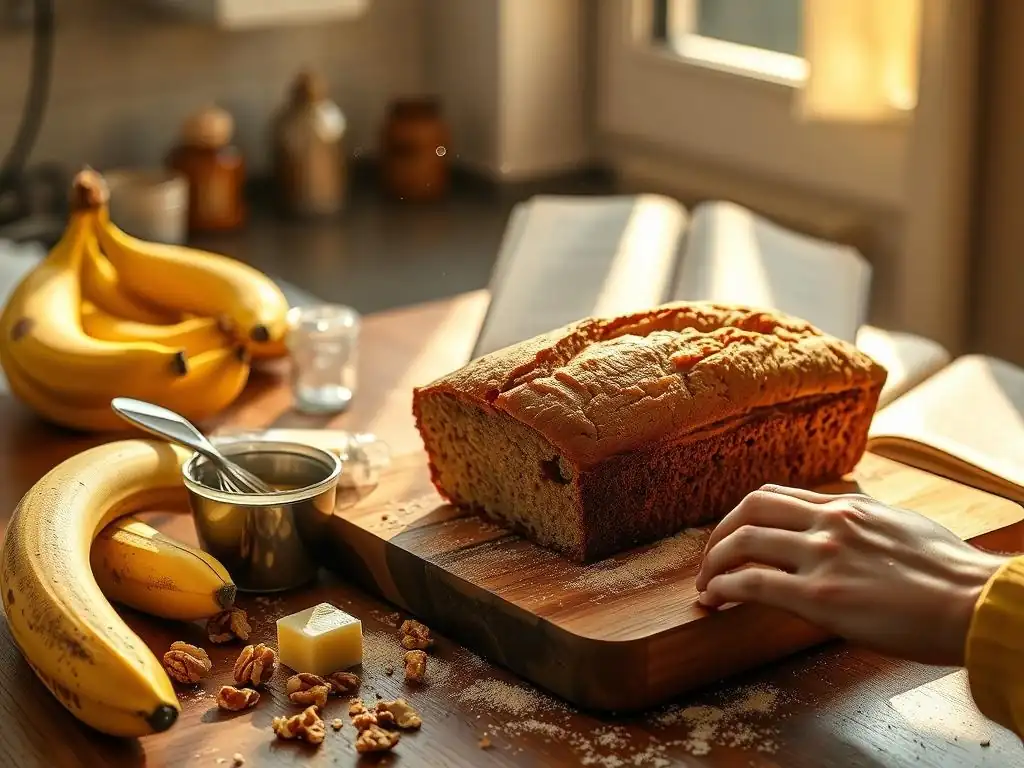
Quick breads offer a truly gentle introduction to the fundamental principles of baking without the complexities of yeast fermentation or gluten development techniques required for traditional loaves. The process typically involves combining dry ingredients in one bowl, wet ingredients in another, and then mixing them together just until combined. This simple method, often called the muffin method, minimizes the risk of overworking the batter, a common pitfall for beginners.
Consider a simple banana bread. You whisk together flour, sugar, leavening, and salt. In another bowl, you mash bananas, beat eggs, and add melted butter or oil. Combine the two, pour into a pan, and bake.
The active preparation time is often less than 15-20 minutes. Compare this to a basic yeast bread that might require 10 minutes of kneading and then 1-2 hours of rising time, followed by shaping and potentially another rise before baking. Quick breads drastically reduce the time commitment and technical skill needed for a successful outcome, making them perfect easy quick bread recipes for beginners.
No Yeast, No Problem: The Simplicity of Quick Bread Baking
One of the biggest hurdles for new bakers is often working with yeast. Yeast is a living organism that requires specific temperatures and conditions to activate and produce carbon dioxide, which makes bread rise. Getting the water temperature just right, ensuring the yeast is fresh, and understanding proofing times can be tricky. Quick breads completely bypass this process.
Instead, quick breads use baking powder and/or baking soda. These are chemical leaveners that react with liquids and heat (and sometimes acidic ingredients like buttermilk or brown sugar) to produce carbon dioxide bubbles almost instantly when mixed and during baking. This immediate reaction provides the lift needed for a light and airy texture without any waiting. This "no yeast, no problem" approach removes a significant variable and potential point of failure, making beginner quick bread recipes reliable and straightforward.
Minimal Effort, Maximum Flavor: Beginner-Friendly Quick Bread Recipes
Achieving delicious flavor in baking doesn't have to require advanced techniques or exotic ingredients. Quick breads demonstrate this beautifully, often relying on simple pantry staples and fresh additions like fruits or vegetables to create rich, satisfying tastes. The straightforward mixing methods ensure that flavors are evenly distributed with minimal effort.
Think about the classic flavor combinations found in easy quick bread recipes: sweet banana, warm cinnamon, bright blueberries, or earthy zucchini. These ingredients are readily available and naturally flavorful. A basic batter provides a perfect canvas. Adding mashed ripe bananas and a pinch of cinnamon requires no special skill, yet it transforms a simple batter into a beloved comfort food. This ability to produce maximum flavor with minimal technical effort is what makes quick breads incredibly rewarding for beginners.
Essential Equipment for Easy Quick Bread Recipes
Must-Have Baking Tools for Quick Breads
Getting started with easy quick bread recipes doesn't require a kitchen full of expensive gadgets. A few basic tools are all you need to mix, pour, and bake your first successful loaf or batch of muffins. These are fundamental items you'll use repeatedly in many baking endeavors.
The absolute essentials include a set of measuring cups (both dry and liquid) and measuring spoons for accurate ingredient amounts. You'll also need at least two mixing bowls – one for dry ingredients and one for wet, or one large bowl if using a one-bowl method. A whisk is crucial for combining dry ingredients and sometimes for whisking wet ingredients. For baking, a standard loaf pan (usually 8x4 or 9x5 inches) or a muffin tin (standard 12-cup) is necessary, depending on the recipe. These basic tools form the foundation for most beginner quick bread recipes.
Affordable Starter Kit for Beginner Quick Bread Bakers
Building your initial baking toolkit doesn't need to break the bank. Many essential tools are available at very reasonable prices. Look for sets of measuring cups and spoons made from durable plastic or stainless steel; a good set can cost anywhere from $10 to $25.
Mixing bowls can be found in various materials like glass, plastic, or metal. A set of three graduated sizes is very useful and often costs between $20 and $40. A simple wire whisk is inexpensive, usually under $10. Standard aluminum loaf pans or non-stick muffin tins are widely available and typically cost $10-$20 each. For an investment of around $50-$75, you can assemble a reliable starter kit covering all the must-have tools for tackling numerous easy quick bread recipes.
Optional Gadgets to Enhance Your Quick Bread Baking Experience
While not strictly necessary for your first attempts at easy quick bread recipes, a few optional tools can make the process smoother or improve the final result. A rubber spatula is incredibly useful for scraping down the sides of the bowl and ensuring all ingredients are incorporated without overmixing.
A cooling rack is beneficial for allowing your baked quick bread to cool properly, preventing the bottom from becoming soggy. Parchment paper, while not a tool itself, can be used to line loaf pans, making it easier to remove the baked bread and simplifying cleanup. An oven thermometer is also a great investment to ensure your oven is heating to the correct temperature, as oven temperatures can vary significantly (sometimes by 25-50 degrees Fahrenheit from the dial setting), which impacts baking time and outcome.
Simple Quick Bread Recipes: Your Guaranteed Success
Recipe 1: Classic Banana Bread for Beginners
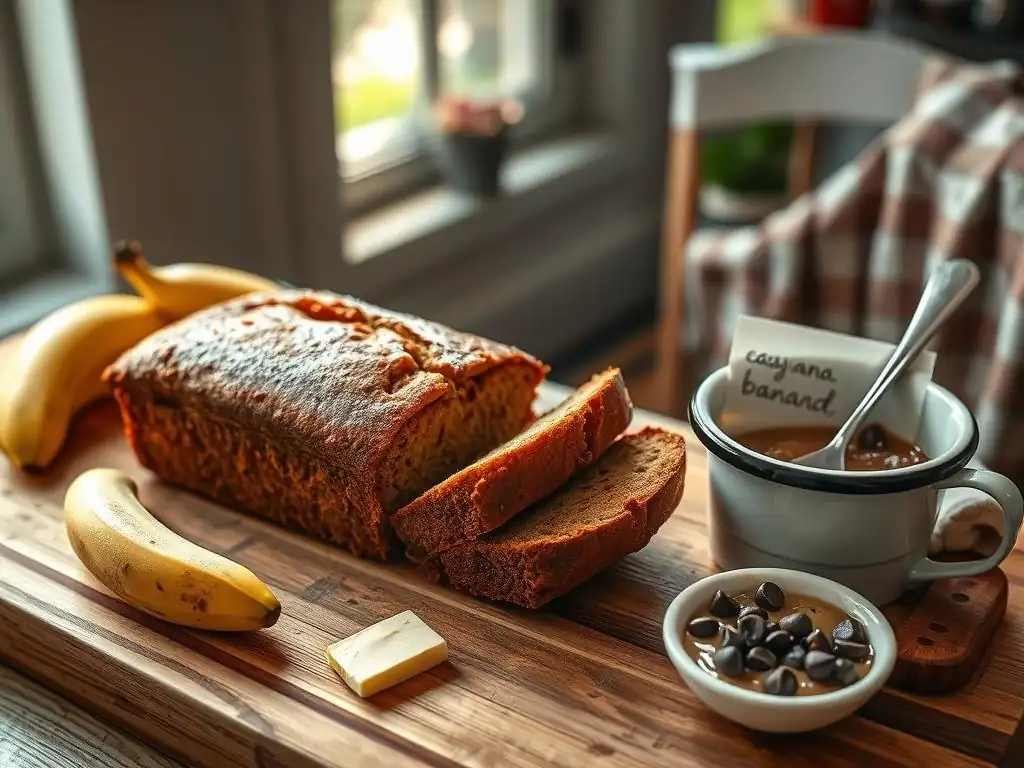
Banana bread is perhaps the most iconic beginner quick bread recipe. It's forgiving, uses readily available ingredients, and is incredibly delicious. This recipe is designed to be simple and foolproof, perfect for your very first quick bread success.
Ingredients for Easy Banana Bread
- 2-3 very ripe bananas, mashed (about 1 to 1 1/2 cups)
- 1/3 cup melted unsalted butter or vegetable oil
- 1 teaspoon baking soda
- Pinch of salt
- 1/2 cup granulated sugar (reduce slightly for less sweet)
- 1 large egg, beaten
- 1 teaspoon vanilla extract
- 1 1/2 cups all-purpose flour
Step-by-Step Instructions for Perfect Banana Bread
- Preheat oven to 350°F (175°C). Grease a 9x5 inch loaf pan.
- In a large bowl, mash the ripe bananas with a fork until mostly smooth but with a few small lumps remaining.
- Stir the melted butter or oil into the mashed bananas.
- Mix in the baking soda and salt.
- Stir in the sugar, beaten egg, and vanilla extract until well combined.
- Add the flour to the wet ingredients. Stir just until the flour disappears. A few small lumps are okay; do not overmix.
- Pour the batter into the prepared loaf pan and spread evenly.
- Bake for 50-65 minutes, or until a toothpick inserted into the center comes out clean.
- Let the bread cool in the pan for 10 minutes before inverting it onto a wire rack to cool completely.
Banana Bread Baking Tips for Beginners
- Use very ripe bananas (brown spots are your friend!) for the best flavor and sweetness.
- Measure your flour correctly: gently spoon flour into your measuring cup and level off with a straight edge, don't scoop directly from the bag.
- Do not overmix the batter once the flour is added. Overmixing develops gluten, which can result in a tough, dense loaf. Mix just until the dry ingredients are incorporated.
- If the top of the bread is browning too quickly, loosely tent it with aluminum foil during the last 15-20 minutes of baking.
- Allow the bread to cool completely before slicing for the cleanest cuts.
Recipe 2: Effortless Zucchini Bread for New Bakers
Don't let the vegetable fool you – zucchini bread is moist, flavorful, and a fantastic way to use up summer squash. The zucchini adds incredible moisture without contributing a strong veggie flavor, making this another excellent easy beginner quick bread recipe.
Zucchini Bread Ingredient List for Beginners
- 1 1/2 cups all-purpose flour
- 1 teaspoon baking soda
- 1/2 teaspoon baking powder
- 1/2 teaspoon salt
- 1 1/2 teaspoons ground cinnamon
- 1/4 teaspoon ground nutmeg (optional)
- 2 large eggs
- 3/4 cup granulated sugar
- 1/2 cup vegetable oil or melted unsalted butter
- 1 teaspoon vanilla extract
- 1 1/2 cups grated zucchini (about 1 medium zucchini)
Easy Zucchini Bread Baking Instructions
- Preheat oven to 350°F (175°C). Grease and flour a 9x5 inch loaf pan.
- In a large bowl, whisk together the flour, baking soda, baking powder, salt, cinnamon, and nutmeg (if using).
- In a separate medium bowl, whisk together the eggs, sugar, oil or melted butter, and vanilla extract.
- Add the wet ingredients to the dry ingredients. Stir just until combined. Again, do not overmix.
- Gently fold in the grated zucchini.
- Pour the batter into the prepared loaf pan and spread evenly.
- Bake for 50-60 minutes, or until a toothpick inserted into the center comes out clean.
- Let cool in the pan for 10-15 minutes before turning out onto a wire rack to cool completely.
Zucchini Bread Variations and Flavor Enhancements
- For extra flavor and texture, fold in 1/2 cup of chopped nuts (like walnuts or pecans) or chocolate chips along with the zucchini.
- Ensure you grate the zucchini using the larger holes of a box grater.
- Some recipes suggest squeezing the moisture out of the grated zucchini, but for this easy beginner quick bread recipe, leaving the moisture in helps ensure a very moist loaf.
- A simple glaze can be made by whisking together powdered sugar and a little milk or lemon juice and drizzling it over the cooled bread.
Recipe 3: One-Bowl Blueberry Muffin Bread for Beginners
This recipe combines the ease of a quick bread with the beloved flavor of blueberry muffins, all made in just one bowl for minimal cleanup! It's a perfect example of how simple ingredients create delicious results in beginner quick bread recipes.
Simple Blueberry Muffin Bread Ingredients
- 1 3/4 cups all-purpose flour
- 3/4 cup granulated sugar
- 2 teaspoons baking powder
- 1/4 teaspoon salt
- 1 large egg
- 3/4 cup milk
- 1/4 cup vegetable oil or melted unsalted butter
- 1 teaspoon vanilla extract
- 1 cup fresh or frozen blueberries (do not thaw if frozen)
Quick and Easy Mixing Instructions
- Preheat oven to 375°F (190°C). Grease and flour an 8x4 or 9x5 inch loaf pan.
- In a large bowl, whisk together the flour, sugar, baking powder, and salt.
- Add the egg, milk, oil or melted butter, and vanilla extract to the dry ingredients in the same bowl.
- Stir with a spoon or rubber spatula just until the ingredients are combined and no dry streaks of flour remain. Do not overmix. The batter will be thick.
- Gently fold in the blueberries. If using frozen, coat them lightly with a tablespoon of flour before adding to the batter to help prevent sinking.
- Pour the batter into the prepared loaf pan and spread evenly.
- Bake for 45-55 minutes, or until a toothpick inserted into the center comes out clean.
- Let cool in the pan for 10 minutes before turning out onto a wire rack to cool completely.
Baking Tips for Moist and Delicious Blueberry Bread
- Using fresh blueberries will result in bursts of juicy flavor, while frozen blueberries are convenient and hold their shape well.
- Make sure your baking powder is fresh; it loses potency over time and is crucial for the lift in this recipe.
- Avoid opening the oven door frequently while baking, especially in the first 30 minutes, as sudden temperature changes can cause the bread to sink.
- This bread is delicious served warm with a pat of butter, but remember to let it cool mostly before slicing to prevent it from crumbling.
Troubleshooting Common Quick Bread Baking Problems
Avoiding Dry Quick Breads: Moisture Retention Techniques
One common issue beginners face is a dry quick bread. This can happen for a few reasons, but it's easily avoidable with a couple of key techniques. Overmixing the batter is a prime culprit, as it develops gluten, leading to a tough, dry texture instead of a tender crumb. Once you add the wet ingredients to the dry, mix only until the flour streaks disappear – a few small lumps are perfectly acceptable.
Another factor is baking temperature and time. If your oven runs hot, or you bake the bread for too long, you can easily dry it out. Using an oven thermometer helps ensure your oven is at the correct temperature. Start checking for doneness at the lower end of the suggested baking time range. A toothpick inserted into the center should come out clean or with just a few moist crumbs attached, not wet batter. Using ingredients like mashed fruit (banana, apple) or grated vegetables (zucchini, carrots) also significantly contributes to moisture.
Preventing Quick Breads from Sinking: Baking Tips
It can be disheartening to see your beautifully risen quick bread collapse in the center. Sinking is often caused by the leavening agents not performing correctly or by opening the oven door too early. Ensure your baking powder and baking soda are fresh; they lose their effectiveness over time. Store them in airtight containers away from heat and moisture.
Make sure you are using the correct amount of leavening specified in the easy quick bread recipe. Too little won't provide enough lift, while too much can cause it to rise too quickly and then collapse. Avoid opening the oven door during the first two-thirds of the baking time. The structure of the bread is still setting, and a sudden rush of cool air can cause it to deflate. Ensure your oven temperature is accurate; too low a temperature might prevent the center from setting before the edges are done.
Achieving Even Baking in Quick Bread Recipes
Uneven baking can result in a quick bread that's burnt on the edges and undercooked in the middle, or vice versa. This is often related to oven hot spots or the type of pan used. Ovens rarely heat perfectly evenly; some areas are hotter than others.
If you suspect your oven has hot spots, try rotating your loaf pan or muffin tin halfway through the baking time. For a loaf pan, turn it 180 degrees. Different pan materials conduct heat differently; dark metal pans absorb more heat and can lead to darker, crispier crusts, sometimes burning before the inside is cooked. Using shiny metal or glass pans can help promote more even baking. If using a glass pan, you might need to reduce the oven temperature by about 25°F (15°C) as glass retains heat very well.
Storing Your Homemade Quick Breads for Freshness
Best Practices for Storing Banana Bread, Zucchini Bread, and More
Proper storage is key to keeping your delicious, easy beginner quick bread recipes fresh and moist for as long as possible. Once your quick bread has cooled completely on a wire rack, it's ready for storage. Storing warm bread can trap moisture and lead to sogginess or mold.
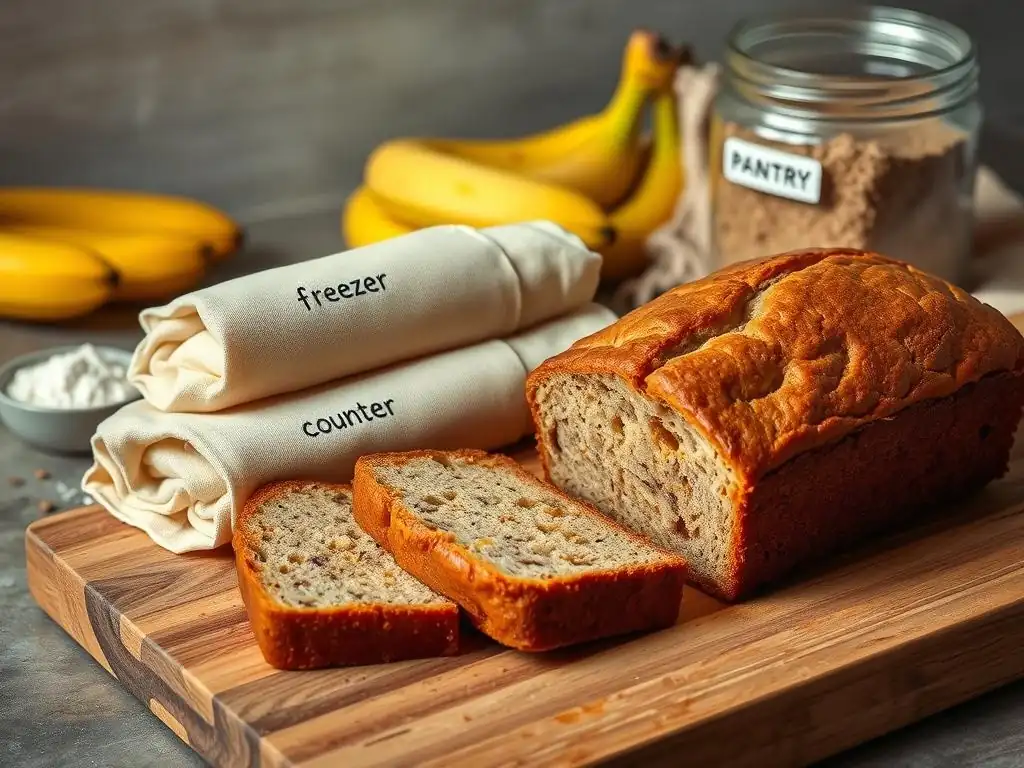
For short-term storage at room temperature, wrap the cooled quick bread tightly in plastic wrap, then place it in a zip-top bag or an airtight container. This double layer of protection is crucial for preventing the bread from drying out. Stored this way, most quick breads like banana or zucchini bread will stay fresh and moist for 2-4 days. Avoid refrigerating quick breads unless they contain perishable fillings or frostings, as the refrigerator air tends to dry them out quickly.
Freezing Quick Breads for Later Enjoyment
Freezing is an excellent option if you won't eat your entire quick bread within a few days or if you want to bake ahead. Quick breads freeze beautifully and retain their flavor and texture for several months. This is a great way to make easy quick bread recipes in batches.
Ensure the quick bread is completely cooled. You can freeze a whole loaf, half a loaf, or even individual slices. For a whole or half loaf, wrap it tightly first in plastic wrap, then in a layer of aluminum foil, or place it in a freezer-safe zip-top bag, pressing out as much air as possible. For individual slices, wrap each slice in plastic wrap before placing them all in a freezer bag or container. Properly wrapped quick bread can be stored in the freezer for up to 3-4 months. Thaw overnight in the refrigerator or at room temperature.
Keeping Quick Breads Fresh on the Countertop
If you plan to enjoy your quick bread over just a couple of days, storing it on the countertop is perfectly fine, provided it's stored correctly. The main goal is to protect it from drying out and exposure to air, which makes it stale.
Once fully cooled, wrap the quick bread tightly in plastic wrap. You can then place it in a bread box if you have one, or simply leave it on the counter. A tightly sealed plastic storage container also works well. Avoid storing quick breads in paper bags, as these allow air to circulate and will dry the bread out quickly. Kept wrapped on the counter, your easy beginner quick bread will remain fresh and delicious for about 2-3 days.
Beyond the Basics: Expanding Your Quick Bread Repertoire
Exploring Flavor Variations in Easy Quick Bread Recipes
Once you've mastered the basic easy beginner quick bread recipes, you can easily start experimenting with different flavor combinations. The simple quick bread batter is a versatile canvas for countless delicious variations. This is where you can really start to make these recipes your own.
Consider swapping out or adding extracts – almond extract works wonderfully with cherry or apple quick breads, while lemon extract brightens up blueberry or cranberry versions. Spices are another easy way to add depth; try adding cardamom to a citrus bread or a mix of ginger, cloves, and allspice to a pumpkin or gingerbread. Even simple changes, like using brown sugar instead of white sugar, can add a molasses note and extra moisture. The possibilities for expanding the flavor profile of your beginner quick bread recipes are nearly endless with simple additions.
Adding Nuts, Fruits, and Spices to Your Quick Breads
Incorporating mix-ins is one of the simplest ways to elevate your easy quick bread recipes and add texture and flavor. Nuts like walnuts, pecans, or almonds provide a satisfying crunch and richness. They pair well with fruit-based quick breads like banana, apple, or zucchini bread. Typically, you'd add about 1/2 to 1 cup of chopped nuts to a standard loaf recipe.
Fruits, both fresh and dried, are popular additions. Fresh berries (like blueberries or raspberries), chopped apples, or diced peaches add moisture and bursts of flavor. Dried fruits such as cranberries, raisins, or chopped apricots add sweetness and chewiness. Spices like cinnamon, nutmeg, ginger, or cardamom can be added to the dry ingredients to infuse the entire loaf with warmth and aroma. Start with a teaspoon or two of your favorite spice blend. Remember to gently fold in mix-ins at the very end of mixing, just before pouring the batter into the pan, to avoid overmixing.
Taking Your Beginner Quick Bread Skills to the Next Level
Mastering these simple quick bread recipes is just the beginning of your baking adventure! Once you feel confident with the basic techniques and recipes, you can explore more advanced quick bread variations and even venture into other types of baking.
Try adapting your favorite recipes into different forms, like muffins or scones, which often use similar quick bread batter principles but require different shaping and baking times. Experiment with different flours, such as whole wheat or spelt flour, adjusting liquids as needed. You could also try quick breads that use different leavening methods, like those relying primarily on whipped eggs (like some sponge cakes which can be baked in loaf pans). These easy quick bread recipes provide a solid foundation of understanding ingredient interactions and mixing techniques that will serve you well as you tackle new baking challenges.
Frequently Asked Questions
What exactly makes a quick bread "quick"?
Quick breads are called "quick" because they rely on chemical leaveners like baking powder or baking soda instead of yeast. This means they don't require proofing time and can be baked immediately.
I'm a complete beginner. What's the easiest quick bread recipe to start with?
A basic banana bread or a simple muffin recipe is often recommended for beginners. These recipes are usually straightforward and forgiving, using readily available ingredients.
Can I substitute ingredients in quick bread recipes, and if so, which ones?
Yes, some substitutions are possible. You can often substitute different types of flour (within reason) or swap out nuts and fruits according to your preference. Be cautious with liquid substitutions.
What are some common mistakes people make when baking quick breads?
Overmixing the batter is a frequent error, leading to a tough bread. Also, overbaking can result in a dry texture, so monitor the bread carefully.
How do I store quick bread to keep it fresh?
Wrap the cooled quick bread tightly in plastic wrap or store it in an airtight container at room temperature. For longer storage, you can freeze it.
Final Reflection: The Sweet Taste of Accomplishment
Baking your first quick bread is more than just creating a delicious treat; it's a testament to your capability and a gateway to a world of culinary exploration. The simple recipes detailed in this article offer a tangible, achievable success for anyone, regardless of their prior baking experience. This isn't just about following instructions; it's about building confidence in the kitchen and discovering the joy of creating something from scratch.
The impact of mastering even a basic baking skill extends far beyond the immediate satisfaction of a warm, freshly baked loaf. It fosters a sense of accomplishment that can ripple outwards, inspiring further culinary adventures and a deeper appreciation for the process of food creation. As Julia Child famously said, Find something you're passionate about and keep tremendously interested in it.
Baking, even at its simplest, can be that passion, a source of both creative expression and delicious reward. It's a skill that connects us to traditions, allows for experimentation, and provides a comforting sense of routine.
Now, I invite you to take that first step. Don't be intimidated by the seemingly endless possibilities; start with one of the recipes outlined above. Embrace the process, celebrate your successes (even the small ones! ), and learn from any minor setbacks. The journey of baking is as rewarding as the destination, and your first successful quick bread is just the beginning of a delicious adventure. So, preheat your oven, gather your ingredients, and experience the sweet taste of accomplishment for yourself.
Unlock Your Inner Baker: Start Baking Today!
Thanks for taking the time to explore these simple quick bread recipes! We hope you’ve discovered the joy of effortless baking. Now it’s time to put your new skills to the test.
- Bake your favorite recipe from the article: Choose the quick bread that most excites you and get baking! Even a small success boosts confidence.
- Share your baking journey: Snap a picture of your creation and tell us about it on social media – we'd love to see your results! Use #BakeWithEase to connect with our community.
- Experiment with variations: Try adding different fruits, spices, or nuts to your chosen recipe. What unique flavor combinations can you create?
Ready to transform your kitchen into a haven of delicious aromas? What simple twist will you add to your first quick bread masterpiece?