
BakeWithEase's Simplest Cake Recipe Ever

Welcome to BakeWithEase, your friendly guide to the wonderful world of baking! Ever dreamt of effortlessly creating a delectable cake? You're in the right place. Discover our easiest cake recipe for beginners and unlock the secrets to baking success, one delicious slice at a time. Curious to see just how simple it can be? Let's get baking!
- Classic Vanilla Cake: A Beginner's Guide
- Introduction to Baking a Vanilla Cake
- Vanilla Cake Ingredients
- Step-by-Step Vanilla Cake Baking Guide
- Baking Time and Temperature for Vanilla Cake
- Vanilla Cake Frosting and Decoration Ideas
- Storing Your Vanilla Cake
- Variations on the Vanilla Cake Recipe
- Enjoy Your Homemade Vanilla Cake!
-
Frequently Asked Questions
- What makes this cake recipe the easiest for beginners?
- What are the key ingredients needed for this easiest cake recipe?
- How long does it actually take to bake this cake, start to finish?
- Can I customize this easiest cake recipe with different flavors?
- What if my cake comes out flat or dense? What did I do wrong?
- Final Reflection: The Sweet Simplicity of Baking
- Unlock Your Inner Baker: Simple Steps to Delicious Success!
Classic Vanilla Cake: A Beginner's Guide
Introduction to Baking a Vanilla Cake
Welcome to Home Baking Adventures
Embarking on your baking journey is an exciting step, and starting with a classic like vanilla cake is a wonderful way to build confidence. This recipe is designed specifically for newcomers to the kitchen, focusing on simplicity and clear instructions. We'll walk you through each stage, from gathering your ingredients to the final delicious result, making the process approachable and fun. Think of this as your first successful mission in the world of homemade treats, proving that baking a beautiful cake is well within your reach, even if you've never cracked an egg for a batter before.
Learning the fundamentals with a straightforward recipe like this lays a solid foundation for more complex baking projects down the line. You'll become familiar with essential techniques such as measuring ingredients accurately, mixing batters correctly, and understanding oven temperatures. Our goal is to demystify baking, transforming it from something intimidating into a relaxing and rewarding hobby. This easiest cake recipe beginners can master will be your go-to whenever you need a quick and delightful dessert.
Why Vanilla Cake is a Great Starting Point
Vanilla cake is the perfect canvas for beginner bakers because it's forgiving and versatile. Its simple flavor profile relies on basic pantry staples, meaning you won't need to hunt for obscure ingredients. The structure of a vanilla cake batter is also relatively stable, making it less prone to common beginner errors like overmixing or underbaking compared to more delicate recipes. It's a fundamental recipe that teaches core baking principles without overwhelming you with complexity.
Furthermore, a classic vanilla cake serves as an excellent base for countless variations and decorations. Once you've mastered this easiest cake recipe beginners will love, you can experiment with different frostings, fillings, or mix-ins. It's a foundational skill that opens up a world of possibilities. Successfully baking this cake provides immediate gratification and encourages you to keep exploring and expanding your baking repertoire.
Vanilla Cake Ingredients
Essential Ingredients for a Classic Vanilla Cake
Creating a moist and tender vanilla cake requires a few key ingredients, each playing a specific role. You'll need all-purpose flour, which provides the cake's structure. Granulated sugar sweetens the cake and helps tenderize the crumb. Baking powder acts as a leavening agent, helping the cake rise and become light and airy. Salt balances the sweetness and enhances the overall flavor. Unsalted butter, softened to room temperature, adds richness and moisture; using unsalted allows you to control the salt content precisely.
Eggs are crucial for binding the ingredients together and adding structure and richness. Milk or buttermilk adds moisture and contributes to a tender crumb; buttermilk, in particular, reacts with baking powder for extra lift. Finally, pure vanilla extract is essential for that classic vanilla flavor.
Using high-quality extract makes a noticeable difference in the final taste. For a standard 8-inch round cake, you might typically use around 1 ½ cups of flour, 1 cup of sugar, 2 teaspoons of baking powder, ¼ teaspoon salt, ½ cup softened butter, 2 large eggs, ¾ cup milk, and 1-2 teaspoons of vanilla extract. These common measurements are standard for many easy cake recipes beginners attempt.
Ingredient Substitutions for Common Allergies
While the classic recipe uses dairy and eggs, it's often possible to make simple substitutions for common allergies, allowing more people to enjoy this easiest cake recipe beginners can bake. For dairy, you can typically substitute milk with non-dairy alternatives like almond milk, soy milk, or oat milk in a 1:1 ratio. Ensure your non-dairy milk is plain and unsweetened. Butter can often be replaced with a dairy-free baking stick or margarine, again usually in a 1:1 ratio. Be sure the substitute is suitable for baking.
Egg substitutions can be a bit trickier as eggs provide structure and binding. Common egg replacers include applesauce (about ¼ cup per egg), mashed banana (¼ cup per egg), or commercial egg replacer powders mixed according to package directions. Keep in mind that egg substitutions might slightly alter the cake's texture or rise, but they can still yield a delicious result. When attempting substitutions in this easiest cake recipe beginners guide, it's often best to start with just one type of substitution at a time to see how it affects the outcome.
Step-by-Step Vanilla Cake Baking Guide
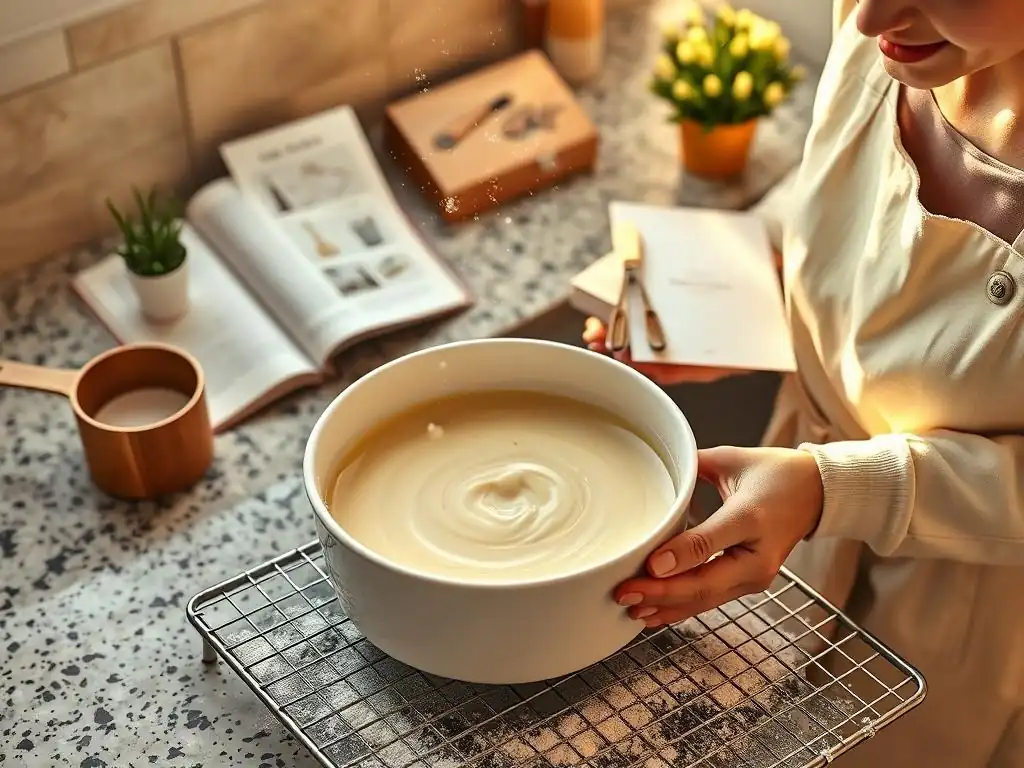
Preparing Your Cake Pan: Preventing Sticking
Properly preparing your cake pan is a non-negotiable step to ensure your beautiful vanilla cake releases cleanly after baking. The most common method is to grease and flour the pan. Start by generously coating the inside bottom and sides of the pan with softened butter or a non-stick cooking spray. Make sure to get into all corners and up the sides.
Once greased, add a few tablespoons of all-purpose flour to the pan. Tilt and rotate the pan, tapping gently, so the flour coats all the greased surfaces. Invert the pan and tap out any excess flour. This creates a barrier between the batter and the pan surface, preventing sticking. For extra insurance, especially with intricate pans or a particularly moist batter from this easiest cake recipe beginners attempt, you can also line the bottom of the pan with parchment paper after greasing, then grease and flour the parchment paper as well.
Mixing the Batter: Achieving a Smooth Consistency
Mixing the batter correctly is key to a tender and evenly baked cake. For this easiest cake recipe beginners version, we often use the creaming method. First, in a large bowl, you'll cream together the softened butter and sugar until the mixture is light and fluffy, usually taking about 3-5 minutes with an electric mixer. This process incorporates air into the batter, which helps with leavening. Scrape down the sides of the bowl occasionally.
Next, add the eggs one at a time, beating well after each addition until fully incorporated. Then, alternate adding the dry ingredients (flour, baking powder, salt, whisked together) and the liquid ingredients (milk, vanilla extract, whisked together) to the butter mixture. Begin and end with the dry ingredients. Mix on low speed just until combined. Be careful not to overmix; overmixing develops the gluten in the flour too much, resulting in a tough cake. A few streaks of flour are fine; you can finish mixing gently by hand with a spatula.
Baking the Cake: Perfect Temperature and Timing
Baking your vanilla cake at the correct temperature for the right amount of time is crucial for achieving a golden, evenly cooked result. For most standard vanilla cake recipes, including this easiest cake recipe beginners guide, a common oven temperature is 350°F (175°C). Preheat your oven thoroughly for at least 15-20 minutes before placing the cake inside to ensure it's reached and stabilized at the target temperature. An inaccurate oven temperature is a frequent cause of baking issues.
Place the prepared cake pan in the center of the oven on the middle rack. Baking time can vary depending on your oven and the size/shape of your pan, but for an 8-inch round cake at 350°F, it typically takes between 30 and 35 minutes. Avoid opening the oven door during the first 20-25 minutes of baking, as this can cause the cake to sink. You'll know it's getting close when you start smelling that wonderful baking aroma and the edges begin to pull away slightly from the pan.
Baking Time and Temperature for Vanilla Cake
Checking for Doneness: Simple Tests
Knowing exactly when your vanilla cake is perfectly baked is a skill you'll quickly develop. While time is a guide, the most reliable way to check for doneness is with a simple test. The classic method involves inserting a clean toothpick or a thin skewer into the center of the cake. If it comes out clean with no wet batter attached, the cake is done. A few moist crumbs clinging to the toothpick are acceptable and indicate a moist cake, but wet batter means it needs more time.
Another indicator is the cake's appearance and feel. The top should look golden brown and feel slightly springy when gently pressed in the center. The edges might appear slightly darker and pulled away from the sides of the pan. For this easiest cake recipe beginners learn, using the toothpick test is the most foolproof method to avoid both underbaking (a soggy center) and overbaking (a dry cake). If the edges seem done but the center isn't, you can loosely tent the top with foil to prevent the edges from burning while the center finishes baking.
Troubleshooting Common Baking Issues
Even with the easiest cake recipe beginners can follow, you might encounter a few common issues. One problem is the cake sinking in the middle. This can happen if the oven door was opened too early, if the cake was underbaked, if there was too much leavening agent, or if the ingredients weren't measured correctly. Ensure your baking powder isn't expired (you can test a pinch in hot water; it should fizz) and always measure accurately, especially the flour.
Another common issue is a dry cake. This is often caused by overbaking, using too much flour, or not enough fat or liquid. Double-check your oven temperature with an oven thermometer to ensure it's accurate, and always use the toothpick test rather than solely relying on the timer. Make sure you are measuring flour correctly – spooning it into the measuring cup and leveling it off, rather than scooping directly from the bag, which can compact it and result in too much flour. Following the precise measurements in this easiest cake recipe beginners guide is crucial for avoiding dryness.
Vanilla Cake Frosting and Decoration Ideas
Simple Vanilla Buttercream Recipe
No vanilla cake is complete without a delicious frosting, and a simple vanilla buttercream is the perfect companion for this easiest cake recipe beginners guide. You'll need softened unsalted butter, powdered sugar (also known as confectioners' sugar or icing sugar), milk or cream, and vanilla extract. Cream the softened butter in a bowl until smooth. Gradually add the powdered sugar, alternating with small amounts of milk or cream, mixing on low speed until combined, then increasing speed to medium-high and beating until light and fluffy.
Add a generous amount of pure vanilla extract – 1 to 2 teaspoons or even more, depending on how strong you want the vanilla flavor. Beat for another minute or two until the frosting is smooth and spreadable. If it's too thick, add a tiny bit more milk; if too thin, add more powdered sugar, a tablespoon at a time. This simple buttercream is stable and easy to work with, making it ideal for beginner decorators tackling this easiest cake recipe beginners project.
Basic Cake Decorating Techniques
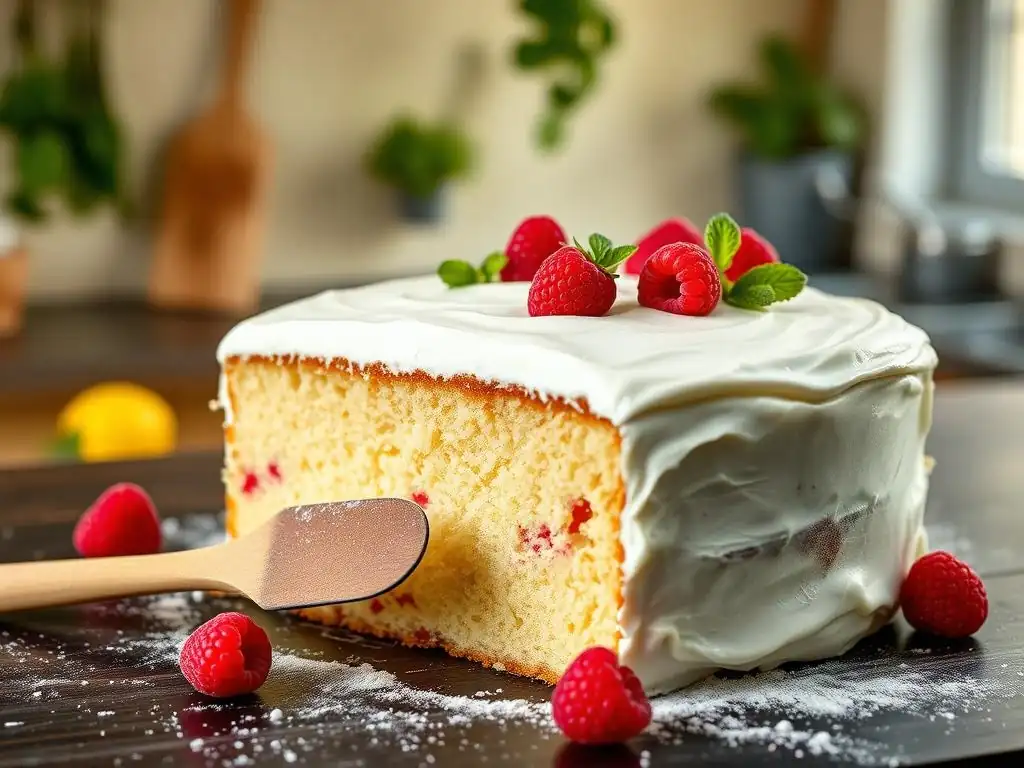
Decorating your vanilla cake doesn't have to be complicated. For a simple finish, use an offset spatula or a knife to spread the vanilla buttercream evenly over the top and sides of the cooled cake. You can create swirls or peaks by gently dragging the spatula through the frosting. This gives it a lovely, rustic look. Ensure the cake is completely cooled before frosting, as warm cake will melt the buttercream.
For a slightly more polished look, you can use a bench scraper or a long, flat spatula to smooth the sides of the frosted cake. Chill the cake briefly after applying a crumb coat (a thin layer of frosting to trap crumbs), then apply a second, thicker layer of frosting for a clean finish. Sprinkles are also a beginner's best friend – a simple shower of colorful sprinkles can instantly make your easiest cake recipe beginners creation look festive and fun.
Adding Flavor Extracts for Variation
While vanilla is classic, you can easily change the flavor profile of your buttercream by swapping or adding other extracts. This is a simple way to customize the frosting for your easiest cake recipe beginners vanilla cake. For example, almond extract adds a lovely, slightly nutty note that pairs well with vanilla cake. Use a smaller amount of almond extract than vanilla, as it's quite potent – perhaps ¼ to ½ teaspoon.
Other options include lemon extract for a bright, citrusy frosting, or even a touch of maple extract for a warm, cozy flavor. You can also add a small amount of cocoa powder (sifted to prevent lumps) to a portion of the buttercream to create a simple chocolate variation. Experimenting with flavor extracts is a fun way to expand on this easiest cake recipe beginners foundation and discover new taste combinations.
Storing Your Vanilla Cake
Optimal Storage Methods for Freshness
Properly storing your homemade vanilla cake is essential to keep it moist and delicious for as long as possible. The best way to store a frosted cake at room temperature is under a cake dome or in an airtight cake carrier. This protects it from drying out and keeps dust away. If you don't have a dome, you can loosely cover the cake with plastic wrap, ensuring the wrap doesn't touch the frosting too much if you want to preserve its appearance.
An unfrosted vanilla cake can be wrapped tightly in plastic wrap and stored at room temperature for a day or two. For longer storage, or if your frosting contains perishable ingredients (like cream cheese), the cake should be stored in the refrigerator. Place the cake in an airtight container or wrap it well in plastic wrap, then maybe a layer of foil for extra protection against fridge odors. Allow refrigerated cake to sit at room temperature for about 15-30 minutes before serving for the best texture. This helps keep your easiest cake recipe beginners success tasting great.
Shelf Life of Homemade Vanilla Cake
The shelf life of your homemade vanilla cake depends on how it's stored and whether it's frosted. A frosted vanilla cake stored properly at room temperature will typically stay fresh and delicious for 3 to 4 days. The frosting helps seal in moisture, keeping the cake from going stale quickly.
If stored in the refrigerator, a frosted vanilla cake can last for about 5 to 7 days. Unfrosted vanilla cake, tightly wrapped, will last about 2-3 days at room temperature or up to a week in the refrigerator. For even longer storage, you can freeze cake layers or even a whole frosted cake. Wrap unfrosted layers tightly in plastic wrap and foil.
For frosted cake, freeze it uncovered until the frosting is firm, then wrap tightly in plastic wrap and foil. Frozen cake can last for 2-3 months. Thaw frozen cake in the refrigerator overnight before serving. Knowing these storage tips helps you enjoy your easiest cake recipe beginners triumph for days!
Variations on the Vanilla Cake Recipe
Chocolate Chip Vanilla Cake
Once you're comfortable with the basic vanilla cake, adding simple mix-ins is a fantastic way to create variations without drastically changing the core easiest cake recipe beginners formula. Adding chocolate chips is one of the simplest and most popular variations. Prepare the vanilla cake batter as directed. Before pouring the batter into the pan, gently fold in about ½ to 1 cup of your favorite chocolate chips (mini or standard size work well).
Ensure the chocolate chips are evenly distributed throughout the batter. Pour into your prepared pan and bake as usual. The chocolate chips will melt slightly during baking, creating pockets of chocolatey goodness within the moist vanilla cake. This small addition transforms the basic recipe into a delightful treat that's still incredibly easy to make, building on your success with the easiest cake recipe beginners started with.
Marble Cake: Swirling Vanilla and Chocolate
Creating a marble cake is another fun and easy variation that adds visual appeal and a mix of flavors. You'll make the standard vanilla cake batter from this easiest cake recipe beginners guide, but you'll also need a small amount of chocolate batter. To make the chocolate portion, take about ⅓ to ½ of the vanilla batter and whisk in 2-3 tablespoons of unsweetened cocoa powder and 1-2 tablespoons of milk (to maintain consistency).
To create the marble effect, drop spoonfuls of the vanilla and chocolate batters alternately into the prepared cake pan. Once all the batter is in the pan, use a knife or skewer to gently swirl the two batters together a few times. Be careful not to over-swirl, or the colors will blend completely instead of creating distinct marble patterns. Bake as directed. The result is a beautiful cake with swirls of vanilla and chocolate, proving that even the easiest cake recipe beginners can make can be dressed up.
Spice Cake: Adding Warm Spices to Vanilla
Transforming your vanilla cake into a warm, comforting spice cake is as simple as adding a few common spices to the dry ingredients. This variation is perfect for autumn or whenever you crave a cozier flavor profile. To the dry ingredients (flour, baking powder, salt) in the easiest cake recipe beginners vanilla formula, whisk in ground cinnamon, nutmeg, cloves, and maybe a pinch of ginger.
Typical amounts might be 1-2 teaspoons of cinnamon, ½ teaspoon of nutmeg, ¼ teaspoon of cloves, and ¼ teaspoon of ginger, but you can adjust these to your preference. Proceed with the rest of the recipe as written, mixing the spiced dry ingredients into the wet. The spices infuse the cake with wonderful aroma and flavor, creating a comforting variation on the basic vanilla cake that's still incredibly simple for new bakers.
Enjoy Your Homemade Vanilla Cake!
One of the greatest joys of baking, especially when mastering an easiest cake recipe beginners can confidently tackle, is sharing the delicious results with others. Whether it's with family, friends, or coworkers, presenting a cake you've baked yourself is incredibly rewarding. The act of sharing not only brings smiles but also provides valuable feedback that can help you improve with future baking projects.
Don't be shy about showing off your creation! Take a photo, slice it up, and watch as others enjoy your hard work. This easiest cake recipe beginners guide is designed to give you a success story right from the start, and celebrating that success by sharing is part of the fun. It's a tangible representation of your new skill and a sweet gesture for those you care about.
Expanding Your Baking Skills with New Recipes
Mastering this easiest cake recipe beginners guide is just the beginning of your baking adventure. Now that you have a solid foundation and the confidence that comes with a successful bake, you're ready to explore new recipes and techniques. Look for other simple recipes within the Simple Cakes category or branch out into Beginner Baking Recipes like cookies or muffins.
Each new recipe will teach you something new and expand your skills. You'll learn about different types of leavening, various mixing methods, and how different ingredients behave. Keep practicing, don't be afraid to try new things, and remember that every baker, even the most experienced, has had a few less-than-perfect bakes along the way. Use this easiest cake recipe beginners guide as your stepping stone to a world of delicious possibilities!
- [ ] Gather ingredients
- [ ] Preheat oven
- [ ] Prepare cake pan
- [ ] Mix batter
- [ ] Bake cake
- [ ] Check for doneness
- [ ] Cool cake
- [ ] Prepare frosting
- [ ] Frost and decorate
- [ ] Enjoy!
Frequently Asked Questions
What makes this cake recipe the easiest for beginners?
This recipe focuses on simple ingredients and straightforward instructions, minimizing complex techniques. It's designed to be foolproof even for first-time bakers.
What are the key ingredients needed for this easiest cake recipe?
The recipe uses common pantry staples like flour, sugar, eggs, butter (or oil), and baking powder. No specialty ingredients or difficult-to-find items are required.
How long does it actually take to bake this cake, start to finish?
From preparation to cooling, expect the entire process to take around an hour. The baking time itself is typically between 30-40 minutes.
Can I customize this easiest cake recipe with different flavors?
Absolutely! You can easily add extracts like vanilla or almond, or incorporate ingredients like chocolate chips or berries. Feel free to experiment with flavors while keeping the base recipe intact.
What if my cake comes out flat or dense? What did I do wrong?
Common issues include overmixing the batter or using expired baking powder. Ensure your ingredients are fresh and follow the mixing instructions carefully for a light and airy cake.
Final Reflection: The Sweet Simplicity of Baking
The pursuit of the perfect cake shouldn't be a daunting task, and this recipe proves it. Baking, often perceived as an intricate art, can be surprisingly accessible, even for complete beginners. This simple recipe demystifies the process, showing that delicious results are within everyone's reach, regardless of experience.
The joy of baking, and specifically the satisfaction of creating something delicious from scratch, transcends mere culinary skill. It's a connection to tradition, a creative outlet, and a way to share happiness with others. Baking is at once child's play and adult joy. And love, of course.
This quote perfectly encapsulates the feeling of accomplishment and the inherent warmth associated with baking, especially when starting with a recipe as straightforward as this one. The ease of this recipe lowers the barrier to entry, allowing more people to experience this joy.
Now, I invite you to roll up your sleeves, gather your ingredients, and embark on your own baking adventure. Don't be intimidated by the process; embrace the simplicity and the potential for deliciousness. This recipe is your stepping stone to a world of culinary creativity. What will you bake next? Let the sweet simplicity guide you.
Unlock Your Inner Baker: Simple Steps to Delicious Success!
Thanks for taking the time to explore BakeWithEase's simplest cake recipe! We hope you gained the confidence to tackle baking with ease. Now it's time to put your newfound skills to the test.
- Bake the cake! We know you're ready. Grab those ingredients and let's create something amazing. This is your chance to experience the joy of homemade goodness.
- Share your creation! Snap a picture of your finished cake and tag us on social media – we’d love to see your baking triumph!
- Explore more simple recipes on BakeWithEase.com – discover a whole world of delicious and easy-to-make treats!
Ready to wow your friends and family with a truly delightful cake? What’s your favorite simple baking trick?