
Baking Your First Cake? Start with This Easy Recipe

Welcome to BakeWithEase, your guide to a sweeter life! Are you ready to conquer your baking fears and whip up something delicious? Many dream of baking a perfect cake, but where do you even begin? Find the answer right here, with our easy beginner cake recipe. Curious about how to make a foolproof cake that will impress your friends and family? Keep reading and let's get baking!
- Baking a Classic Vanilla Cake: A Beginner's Guide
- Welcome to Vanilla Cake Baking for Beginners!
- The Easiest Vanilla Cake Recipe: A Step-by-Step Guide
- Ingredients You'll Need for Your First Vanilla Cake
- Equipment for Vanilla Cake Baking: Keep it Simple!
-
Step-by-Step Instructions: Baking Your Vanilla Cake
- Step 1: Preparing Your Baking Pan with Butter and Flour
- Step 2: Creaming Butter and Sugar for a Light and Airy Cake
- Step 3: Adding Eggs and Vanilla Extract to the Creamed Mixture
- Step 4: Alternating Dry and Wet Ingredients: The Key to a Perfect Cake
- Step 5: Baking Your Cake to Golden Perfection
- Step 6: Cooling Your Cake for Easy Frosting
- Easy Frosting Options for Your Vanilla Cake
- Tips for Baking the Perfect Vanilla Cake Every Time
- Decorating Your First Vanilla Cake: Simple Ideas
- Enjoy Your Delicious, Homemade Vanilla Cake!
- Frequently Asked Questions
- Final Reflection: The Sweetness of Success, One Cake at a Time
- Unleash Your Inner Baker!
Baking a Classic Vanilla Cake: A Beginner's Guide
Welcome to Vanilla Cake Baking for Beginners!
Embarking on your baking journey is an exciting step! There's a unique satisfaction that comes from creating something delicious from scratch, and few things are as rewarding as your very first homemade cake. This guide is designed specifically for you – the beginner baker – to make the process simple, enjoyable, and successful. Forget complicated techniques and intimidating ingredient lists; we're focusing on an easy beginner cake recipe that will build your confidence and leave you with a delicious result.
We understand that stepping into the kitchen to bake a cake for the first time can feel a little daunting. Will it rise? Will it be dry? These are common worries! But with the right guidance and a truly simple recipe, you'll find that baking a cake is well within your reach. This classic vanilla cake is forgiving, requires minimal special equipment, and produces a wonderfully moist and flavorful treat perfect for any occasion, or just because. Let's get started on making your first baking triumph!
Your First Vanilla Cake Starts Here
Choosing the right recipe for your first cake is crucial for a positive experience. You want something reliable, straightforward, and with a high chance of success. This vanilla cake recipe has been tested and simplified to remove common pitfalls faced by beginners. It focuses on fundamental baking techniques like creaming butter and sugar, and properly combining wet and dry ingredients, which are essential skills you'll use in countless future baking projects.
Think of this as your foundational step into the world of cakes. We'll walk you through each stage, from gathering your ingredients to the final, delightful bite. While professional bakers might use grams for ultimate precision, for this easy beginner cake recipe, we'll primarily use standard cup measurements, making it accessible with basic kitchen tools. Our goal is to make your first baking attempt feel less like a chore and more like a fun, creative process leading to a delicious reward.
The Easiest Vanilla Cake Recipe: A Step-by-Step Guide
This recipe is designed with simplicity and success in mind. We've stripped away complexity to focus on the core steps needed to create a moist, flavorful vanilla cake. It's perfect for those who have never baked before or those looking for a reliable, no-fuss method. By following these steps carefully, you'll gain confidence in the kitchen and discover how enjoyable baking can be.
What makes this recipe stand out for beginners is its structure and the forgiving nature of the ingredients used. We're not dealing with delicate meringues or temperamental chocolates. Instead, we're using pantry staples in a method that minimizes the chance of common errors like overmixing or improper leavening. This easy beginner cake recipe is your perfect entry point into cake baking.
Why This Recipe Is Perfect for Beginner Bakers
This particular vanilla cake recipe is ideal for beginners for several key reasons. Firstly, it uses the "creaming method," which is a fundamental technique that teaches you how to incorporate air into your batter for a light texture. Unlike more advanced methods, it's relatively forgiving if you don't get it perfectly right the first time. Secondly, the ingredient list is short and uses items you likely already have or can easily find at any grocery store, reducing the barrier to getting started.
Furthermore, the steps are broken down into manageable actions. We're not asking you to perform complex maneuvers or understand intricate chemical reactions. It's about mixing ingredients in a specific order and baking at a consistent temperature – processes that are straightforward to follow. Many beginner recipes might yield a dense or dry cake, but this version is formulated to produce a consistently moist crumb, making your first baking experience a truly positive one.
Simple Ingredients & Minimal Equipment
One of the greatest advantages of this easy beginner cake recipe is its reliance on common pantry staples. You won't need to hunt for specialty flours or extracts. The core ingredients include all-purpose flour, sugar, butter, eggs, milk, baking powder, salt, and vanilla extract. These are readily available and inexpensive, making this an economical choice for your first baking project.
Beyond the ingredients, the required equipment is also minimal. You'll need a standard mixing bowl (or two), a whisk or hand mixer, measuring cups and spoons, a rubber spatula, and an 8 or 9-inch round cake pan. While a stand mixer can make creaming butter and sugar quicker, it's absolutely not necessary; a hand mixer or even just a whisk and some elbow grease will work perfectly. This low barrier to entry ensures you can start baking without investing in expensive tools.
Ingredients You'll Need for Your First Vanilla Cake
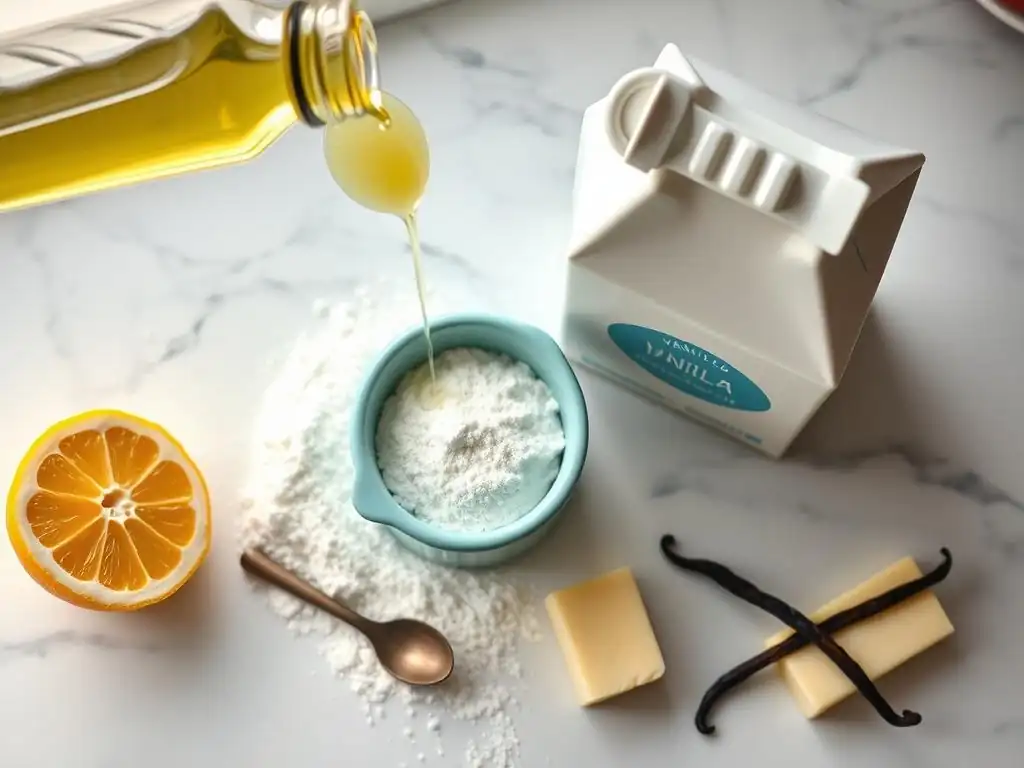
Gathering all your ingredients before you start baking is a crucial first step for a smooth process. This prevents you from scrambling mid-recipe and ensures you don't miss anything vital. For this easy beginner cake recipe, the list is simple and standard. Ensure your eggs and milk are at room temperature, as this helps them emulsify better with the butter and sugar, resulting in a more tender cake crumb.
Having everything measured out and ready to go in separate bowls (a practice called "mise en place") is a fantastic habit for beginners. It allows you to focus on the mixing technique without interruption. For instance, having your dry ingredients (flour, baking powder, salt) whisked together in one bowl and your wet ingredients (milk, vanilla) in another will simplify the process when it's time to combine them.
Essential Cake Ingredients Checklist
Here is the basic checklist for your vanilla cake:
- [ ] 1 ½ cups (about 190g) All-Purpose Flour
- [ ] 1 ½ teaspoons Baking Powder
- [ ] ¼ teaspoon Salt
- [ ] ½ cup (1 stick or 113g) Unsalted Butter, softened to room temperature
- [ ] 1 cup (about 200g) Granulated Sugar
- [ ] 2 large Eggs, at room temperature
- [ ] 1 teaspoon Pure Vanilla Extract
- [ ] ½ cup (120ml) Milk (whole or 2%), at room temperature
Using unsalted butter allows you to control the salt level in the recipe. Ensure your butter is truly soft – you should be able to easily press a finger into it, but it shouldn't be melted or greasy. Room temperature eggs and milk are vital; cold ingredients can cause the batter to curdle, affecting the final texture.
Ingredient Substitutions (Milk & Butter)
While the recipe calls for specific ingredients, there are some common substitutions you can make, especially helpful if you're out of something or have dietary considerations. For the milk, you can typically substitute with plant-based milk alternatives like almond milk, soy milk, or oat milk in the same quantity (½ cup or 120ml). Keep in mind that the flavor might slightly change depending on the alternative used.
For the butter, if you need a dairy-free option, a good quality plant-based butter substitute that is designed for baking can often be used measure-for-measure (½ cup or 113g). Avoid liquid oils for this specific recipe as the creaming method with solid fat is key to the texture. If you only have salted butter, you can use it but omit the added ¼ teaspoon of salt from the dry ingredients. These simple swaps make this easy beginner cake recipe quite versatile.
Equipment for Vanilla Cake Baking: Keep it Simple!
You don't need a professional kitchen setup to bake a delicious cake. This easy beginner cake recipe is designed with minimal equipment in mind, making it accessible to anyone with basic kitchen tools. The key is having the right basic items that allow you to measure, mix, and bake effectively.
Having your equipment ready alongside your ingredients is just as important. Make sure your cake pan is clean and ready to be prepped, your mixing bowls are accessible, and your mixer (hand or stand) or whisk is within reach. Baking should feel like a smooth process, and having your tools organized contributes greatly to that.
Must-Have Baking Tools for Beginners
Here are the essential tools you'll need for this recipe:
- Measuring Cups: For flour, sugar, and milk. Standard dry measuring cups for flour/sugar and a liquid measuring cup for milk are best.
- Measuring Spoons: For baking powder, salt, and vanilla extract.
- Mixing Bowls: At least two – one large for the main batter, one smaller for dry ingredients.
- Whisk: A balloon whisk is good for combining dry ingredients and can be used for mixing if you don't have a mixer.
- Rubber Spatula: Essential for scraping down the sides of the bowl and folding ingredients.
- Hand Mixer or Stand Mixer: While a whisk works, a mixer makes the creaming step much easier and faster.
- 8 or 9-inch Round Cake Pan: A standard size for this recipe.
- Wire Rack: For cooling the cake after baking.
These tools are kitchen staples and will serve you well beyond this easy beginner cake recipe. Investing in a decent set of measuring tools is particularly important for consistent results in baking.
Optional Baking Equipment That Can Help
While not strictly necessary for this easy beginner cake recipe, a few optional tools can make the process even smoother or provide slightly better results:
- Kitchen Scale: For measuring ingredients by weight (like flour and sugar) which is often more accurate than volume cups, though not required for this beginner recipe.
- Parchment Paper: Lining the bottom of your cake pan with a circle of parchment paper guarantees the cake won't stick, making removal much easier.
- Sifter or Fine-Mesh Sieve: Sifting flour can help aerate it and remove lumps, leading to a lighter cake, but whisking dry ingredients thoroughly is often sufficient for a beginner recipe.
- Timer: Using a dedicated timer (not just relying on oven timers) ensures you bake for the precise duration.
Even without these optional items, you can successfully bake this cake. The core tools listed in the previous section are truly all you need to get started with this easy beginner cake recipe.
Step-by-Step Instructions: Baking Your Vanilla Cake
Now for the fun part – mixing and baking! Follow these steps methodically, and you'll be well on your way to enjoying your homemade vanilla cake. Take your time, read through each step before you do it, and don't be afraid to pause if you feel unsure. Baking is a process, and learning to enjoy each stage is part of becoming a great baker.
Remember that precision matters in baking more than in cooking. While this is an easy beginner cake recipe, paying attention to details like mixing times and oven temperature will significantly impact your final result. Let's break it down step by step.
Step 1: Preparing Your Baking Pan with Butter and Flour
Proper pan preparation is key to preventing your cake from sticking. Start by greasing your 8 or 9-inch round cake pan generously with softened butter or baking spray. Make sure to get into all the corners and up the sides. Butter is generally preferred for flavor and creates a good base for the flour to adhere to.
Next, add a few tablespoons of all-purpose flour to the greased pan. Tilt and rotate the pan, tapping it as you go, to coat the entire greased surface evenly with flour. Once coated, invert the pan and tap out any excess flour. A well-floured pan ensures your cake will release cleanly after baking. If using parchment paper, grease the pan, place a parchment circle on the bottom, and then grease and flour the sides.
Step 2: Creaming Butter and Sugar for a Light and Airy Cake
This is a fundamental step in many cake recipes, including this easy beginner cake recipe. In your large mixing bowl, combine the softened butter and granulated sugar. Using your hand mixer (or stand mixer fitted with the paddle attachment), beat the butter and sugar together on medium speed. Start slowly to avoid sugar flying everywhere, then increase the speed.
Beat until the mixture is light, fluffy, and pale yellow in color. This process, called creaming, incorporates air into the fat (butter), which helps the cake rise and gives it a tender texture. This usually takes about 3-5 minutes with a hand mixer or 2-3 minutes with a stand mixer. Scrape down the sides and bottom of the bowl occasionally with your rubber spatula to ensure everything is evenly mixed.
Step 3: Adding Eggs and Vanilla Extract to the Creamed Mixture
Once the butter and sugar are properly creamed, it's time to add the eggs and vanilla extract. Add the eggs one at a time, beating well after each addition. Beat on medium speed until each egg is fully incorporated into the butter mixture before adding the next. This ensures proper emulsification and prevents the batter from separating.
After the eggs are mixed in, add the vanilla extract (1 teaspoon). Beat for just a few seconds more until it's combined. The mixture might look slightly curdled at this stage, especially if your eggs weren't perfectly at room temperature, but don't worry – the dry ingredients in the next step will bring it together. This step adds richness, structure, and the classic vanilla flavor to your easy beginner cake recipe.
Step 4: Alternating Dry and Wet Ingredients: The Key to a Perfect Cake
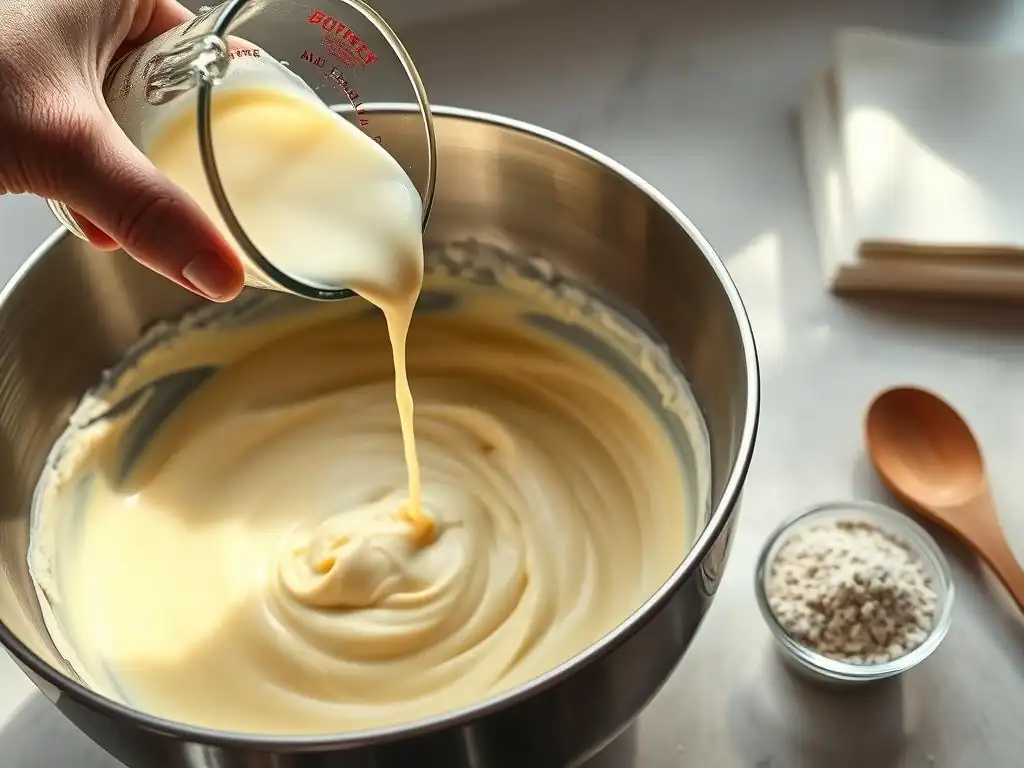
This step is crucial for developing the cake's structure without overmixing. In your separate bowl, whisk together the flour, baking powder, and salt. In another small bowl or liquid measuring cup, you should have your room temperature milk mixed with the vanilla extract (if you didn't add it in step 3, though adding it with the eggs is common).
Now, you will add the dry ingredients and the milk mixture to the creamed butter mixture in alternating additions, beginning and ending with the dry ingredients. A common pattern is:
- Add about one-third of the dry ingredients to the butter mixture. Mix on low speed just until almost combined.
- Add about half of the milk mixture. Mix on low speed just until almost combined.
- Add another one-third of the dry ingredients. Mix just until almost combined.
- Add the remaining milk mixture. Mix just until almost combined.
- Add the final third of the dry ingredients. Mix on low speed just until barely combined.
Using a rubber spatula, give the batter a final gentle fold to incorporate any remaining dry streaks from the bottom and sides of the bowl. Be careful not to overmix at this stage; overmixing can develop the gluten in the flour too much, resulting in a tough cake. Mixing just until the ingredients are incorporated is key for a tender crumb in this easy beginner cake recipe.
Step 5: Baking Your Cake to Golden Perfection
Preheat your oven to 350°F (175°C). Ensure the oven rack is in the center position for even heat distribution. Pour the batter into your prepared cake pan and spread it evenly using your spatula. Gently tap the pan on the counter a couple of times to release any large air bubbles.
Place the pan in the preheated oven. Bake for 30-35 minutes. Baking times can vary slightly depending on your oven, so start checking around the 30-minute mark. You'll know the cake is done when a toothpick inserted into the center comes out clean or with only a few moist crumbs attached (no wet batter). The cake should be golden brown around the edges and spring back slightly when gently pressed. Overbaking will result in a dry cake, so keep a close eye on it!
Step 6: Cooling Your Cake for Easy Frosting
Once the cake is baked, remove it from the oven and place the pan on a wire rack. Let the cake cool in the pan for about 10-15 minutes. This allows the cake to set slightly and makes it less likely to break when you remove it. Trying to remove it too soon is a common beginner mistake that can lead to cracks or crumbling.
After 10-15 minutes, carefully invert the cake onto the wire rack. If you used parchment paper, gently peel it off the bottom of the cake. Let the cake cool completely on the wire rack before frosting. Attempting to frost a warm cake will cause the frosting to melt and slide off. Allowing it to cool fully ensures your frosting adheres nicely and the cake's internal structure is firm. This cooling step is essential for a successful outcome with your easy beginner cake recipe.
Easy Frosting Options for Your Vanilla Cake
A delicious cake deserves a delicious frosting! Since this is an easy beginner cake recipe, we'll stick with simple, reliable frosting options that don't require advanced techniques. These frostings are quick to make and pair wonderfully with the classic vanilla flavor of the cake.
Choosing a simple frosting keeps the entire baking process approachable. There's no need for intricate piping or complex sugar work for your first cake. The goal is a tasty, complete dessert that you made yourself. Both of these options can be made while your cake is cooling.
Simple Vanilla Buttercream Frosting Recipe
Vanilla buttercream is a classic for a reason – it's rich, sweet, and easy to make. Ingredients:
- ½ cup (1 stick or 113g) Unsalted Butter, softened
- 2 cups (about 240g) Powdered Sugar (Confectioners' Sugar)
- 2 tablespoons Milk (or cream)
- 1 teaspoon Vanilla Extract
- Pinch of Salt (optional, balances sweetness)
Instructions:
- In a medium bowl, beat the softened butter with a hand mixer (or stand mixer) until creamy.
- Gradually add the powdered sugar, alternating with the milk, beating on low speed until combined, then increasing speed to medium. Scrape down sides as needed.
- Add the vanilla extract and salt (if using). Beat on medium-high speed for 1-2 minutes until light and fluffy.
- If the frosting is too thick, add a tiny bit more milk (¼ teaspoon at a time). If too thin, add a little more powdered sugar.
This recipe yields enough frosting for a single layer cake, providing a generous coating. It's a perfect complement to the easy beginner cake recipe.
Quick Chocolate Ganache for a Delicious Cake Topping
If you're a chocolate lover, a simple ganache is an incredibly easy and elegant alternative to buttercream. Ingredients:
- 4 ounces (about 113g) good quality Semi-Sweet or Dark Chocolate, finely chopped
- ½ cup (120ml) Heavy Cream
Instructions:
- Place the chopped chocolate in a heatproof bowl.
- Heat the heavy cream in a small saucepan over medium heat until it just begins to simmer around the edges (do not boil). Alternatively, heat in a microwave-safe bowl for 60-90 seconds until hot.
- Pour the hot cream over the chopped chocolate. Let it sit undisturbed for 5 minutes to allow the heat to melt the chocolate.
- After 5 minutes, whisk gently starting from the center and working outwards until the mixture is completely smooth and glossy.
Let the ganache cool slightly at room temperature until it thickens to a pourable consistency (about 15-30 minutes, depending on room temp). You can then pour it over your cooled cake, letting it drip down the sides. It's a minimal-effort, maximum-impact topping for your easy beginner cake recipe.
Tips for Baking the Perfect Vanilla Cake Every Time
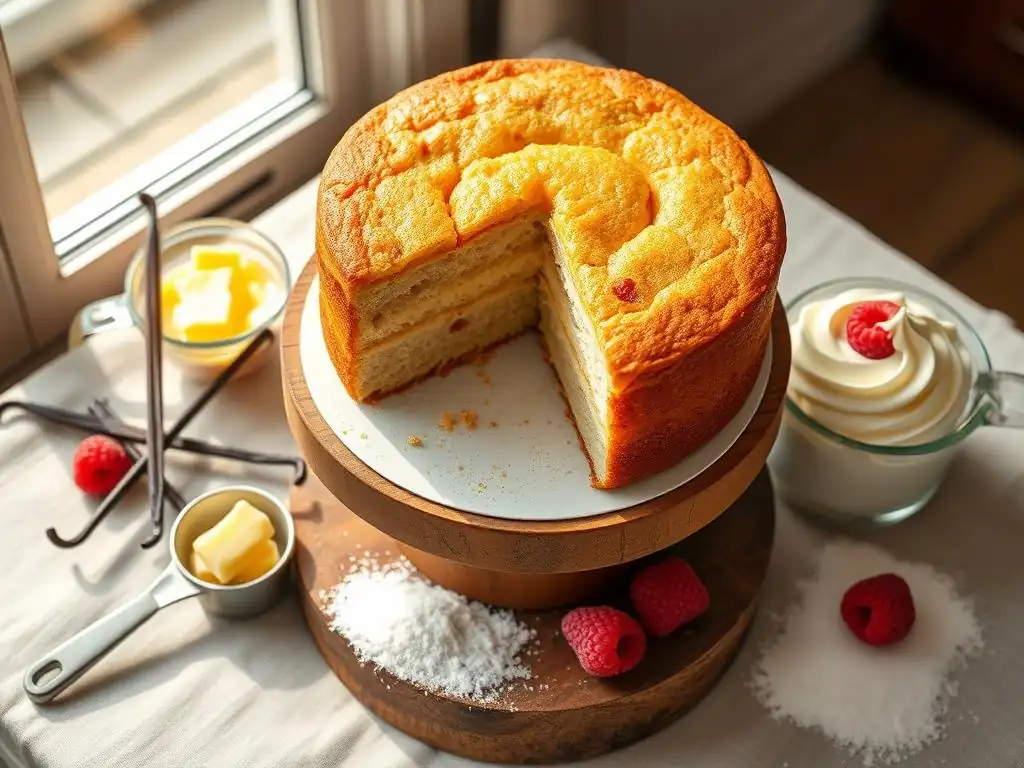
Even with an easy beginner cake recipe, a few simple tips can dramatically improve your results and help you avoid common pitfalls. Baking is a science, but paying attention to these details makes success much more likely and consistent.
These tips cover fundamental practices that apply to most baking, not just this specific cake. Mastering them will make you a more confident and capable baker as you move on to other recipes.
Measuring Ingredients Accurately
Accurate measurement is perhaps the single most important factor in successful baking. Unlike cooking, where you can often adjust ingredients as you go, the ratios in baking are precise.
- Flour: Do not scoop flour directly from the bag with your measuring cup; this compacts it, resulting in too much flour. Instead, lightly spoon the flour into the dry measuring cup until it overflows, then level it off with a straight edge (like the back of a knife). This "spoon and level" method is crucial for this easy beginner cake recipe. About 1 ½ cups spooned and leveled should weigh around 190 grams.
- Sugar: Granulated sugar can be scooped directly as it doesn't compact easily.
- Liquids: Use a liquid measuring cup (with a spout and markings up the side) and place it on a flat surface to check the measurement at eye level. ½ cup of milk is exactly 120ml.
- Fats: For butter, use the markings on the wrapper (if available) or pack softened butter into a dry measuring cup and level it off. ½ cup of butter is 1 stick or 113 grams.
Taking the extra minute to measure correctly will pay dividends in the quality of your cake.
Avoiding Common Baking Mistakes
Beginners often fall into a few common traps. Being aware of them helps you steer clear:
- Overmixing: Especially after adding flour. Mix only until the dry streaks disappear. Overmixing develops gluten, leading to a tough or rubbery cake. This is critical for a tender result in your easy beginner cake recipe.
- Incorrect Oven Temperature: Ovens can be inaccurate. Using an oven thermometer is recommended but not essential for your first attempt. Trust the visual cues and toothpick test over strict timing if your oven is unreliable.
- Using Cold Ingredients: As mentioned, ensure butter, eggs, and milk are at room temperature for proper emulsification and texture.
- Opening the Oven Door Too Soon: Resist the urge to check on your cake until at least two-thirds of the way through the baking time. Opening the door lets out heat, which can cause the cake to collapse.
Patience and attention to detail are your best friends when baking.
Ensuring Even Baking for a Fluffy Cake
Even baking ensures your cake rises uniformly and cooks through without the edges burning or the center being raw.
- Proper Oven Placement: Always bake your cake on the center rack. This is where the heat is typically most consistent.
- Preheating: Give your oven ample time to preheat fully to the correct temperature. Don't put the cake in before the oven is ready.
- Pan Preparation: As covered in Step 1, properly greasing and flouring your pan (or using parchment) helps the cake rise evenly and prevents sticking. A well-prepared pan encourages the cake to climb the sides slightly as it bakes.
- Don't Crowd the Oven: If baking multiple things, ensure there is enough space around the cake pan for air to circulate. For your first easy beginner cake recipe, just bake the one cake.
Following these steps helps ensure your vanilla cake bakes up beautifully, with a light and fluffy texture throughout.
Decorating Your First Vanilla Cake: Simple Ideas
You've baked your cake, and it looks great! Now for the fun of decorating. Keep it simple for your first attempt. The goal is to make it look appealing and tasty without stress. You don't need fancy tools or techniques to create a lovely presentation.
Decorating is where you can add a personal touch. Don't feel pressured to create a bakery-perfect masterpiece. Focus on making it look inviting and celebrating your accomplishment of baking your first cake from scratch using this easy beginner cake recipe.
Easy Cake Decoration Techniques for Beginners
Here are a few straightforward ways to finish your cake:
- Simple Crumb Coat: Apply a very thin layer of frosting all over the cooled cake. This "crumb coat" traps any loose crumbs. Chill the cake in the fridge for 15-30 minutes until the crumb coat is firm. Then, apply a thicker, final layer of frosting. This makes the final coat smooth and crumb-free.
- Smooth Top and Sides: Use an offset spatula or the back of a spoon to spread frosting evenly over the top and sides. You can aim for perfectly smooth or embrace a rustic, textured look.
- Swirls: For a simple top decoration, dollop frosting onto the center of the cake and use an offset spatula or the back of a spoon to swirl it outwards towards the edges.
- Dusting: If using the chocolate ganache, simply pour it over the cooled cake. Once set, you can dust the top lightly with powdered sugar or cocoa powder using a fine-mesh sieve.
These techniques require minimal skill and produce lovely results, perfect for your first easy beginner cake recipe.
Simple Cake Designs You Can Replicate
You don't need piping bags or tips for these designs:
- Classic Swirls: Apply a generous layer of frosting and create swirls using the back of a spoon or a small offset spatula.
- Textured Sides: After frosting the sides, run the back of a fork or a pastry comb (if you have one) around the sides to create simple lines or patterns.
- Sprinkles: The easiest decoration! Apply frosting and immediately scatter sprinkles over the top and/or sides.
- Fresh Fruit: Arrange fresh berries (like strawberries or blueberries) on top of the frosting for a pop of color and freshness. A circle of sliced strawberries or a mound of blueberries in the center looks beautiful.
- Chocolate Shavings: Use a vegetable peeler or knife to shave pieces from a bar of chocolate directly over the frosted cake.
These simple design ideas are easy to execute and make your homemade cake look festive and ready to enjoy. They complement the simplicity of the easy beginner cake recipe.
Enjoy Your Delicious, Homemade Vanilla Cake!
You did it! You've successfully baked your first cake from scratch using this easy beginner cake recipe. Take a moment to appreciate your accomplishment. The aroma filling your kitchen is the sweet smell of success, and the cake you've created is a testament to your new baking skills.
Gather your friends or family, slice into your beautiful cake, and savor the moment. There's something truly special about sharing a homemade treat. This experience is just the beginning of your baking adventure.
Sharing your cake is part of the joy of baking. Cut generous slices and watch the smiles appear. Don't be shy about telling everyone it's your first cake – they'll be even more impressed!
Consider taking a picture of your finished cake. It's a great way to document your progress and remember your first successful bake. You can even keep notes on what worked well and what you might try differently next time. Every bake is a learning experience, and this easy beginner cake recipe is a fantastic starting point for many more delicious creations to come. Congratulations, baker!
Frequently Asked Questions
What makes this cake recipe suitable for beginners?
This recipe prioritizes simple instructions and easy-to-find ingredients, minimizing complex techniques. It focuses on building a solid foundation in baking fundamentals.
What are the most common mistakes beginners make when baking a cake?
Common errors include overmixing the batter, which leads to a tough cake, and incorrect oven temperature, resulting in uneven baking. Also, not measuring ingredients accurately is a frequent issue.
Can I substitute ingredients in this easy beginner cake recipe?
While substitutions are possible, beginners should stick to the recipe initially. Minor changes like using different extracts are generally okay, but altering flour or fat can affect the outcome.
How do I know when my cake is properly baked?
Insert a toothpick into the center; if it comes out clean or with a few moist crumbs, the cake is done. The cake should also be golden brown and pull away slightly from the sides of the pan.
What are some simple frosting options for this beginner cake?
Consider a basic buttercream frosting made with butter, powdered sugar, and milk. Alternatively, a simple glaze of powdered sugar and lemon juice offers a quick and easy finish.
Final Reflection: The Sweetness of Success, One Cake at a Time
The simple act of baking a cake, often underestimated, holds a profound power to connect us to our creativity and bring joy to ourselves and others. More than just a recipe, mastering a simple cake unlocks a world of culinary possibilities, a testament to the rewarding nature of learning new skills. In a world increasingly dominated by instant gratification, the patience and precision required in baking offer a valuable counterpoint, a reminder of the satisfaction found in the process itself.
The enduring appeal of baking, particularly for beginners, lies in its accessibility and the tangible results. It's a craft that transcends generations, a tradition passed down through families and shared across cultures. The aroma of a freshly baked cake evokes feelings of warmth, comfort, and celebration. As I’ve learned through writing this article and my own baking journey, The best things in life are homemade.
This sentiment resonates deeply, highlighting the unique value of creating something delicious and meaningful with your own hands.
Now, I invite you to roll up your sleeves, gather your ingredients, and embark on your own baking adventure. Don't be intimidated by the process; embrace the learning curve, celebrate the small victories (like perfectly whipped cream! ), and savor the sweet reward of a cake baked with love. Remember, the journey is just as important as the destination, and the memories created while baking are as delicious as the cake itself. So, what are you waiting for? Let's get baking!
Unleash Your Inner Baker!
Thanks for taking the time to explore the world of cake baking with us! We hope you gained confidence and inspiration from this easy recipe. Now it's time to put your new skills to the test.
- Bake your own masterpiece! Gather the ingredients, follow the steps, and experience the joy of creating something delicious from scratch. This is your moment to shine!
- Share your baking journey! Snap a picture of your creation and share it with us – we'd love to see your results and celebrate your success! Use #BakeWithEase on social media.
- Explore more beginner-friendly recipes on our site to continue expanding your baking skills.
Ready to taste the sweet rewards of your hard work? What flavor cake will you create next?