
Baking Frozen Classic Cookie Dough: Tips for Beginners

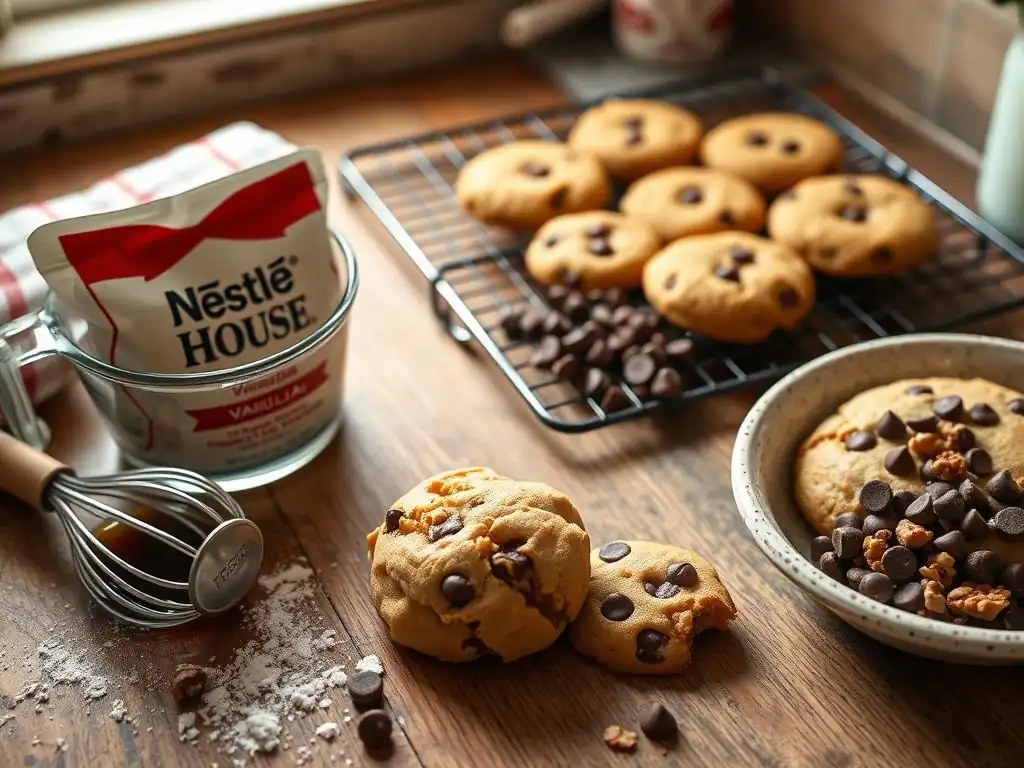
Welcome to BakeWithEase, your trusted guide to unlocking the joy of baking! Ever wondered if you're getting the most out of that convenient package of frozen cookie dough? Spoiler alert: there's an art to it! Dive into our Frozen Cookie Dough Baking Tips and discover secrets to achieving perfectly baked, irresistibly delicious cookies every single time. Let's transform your baking experience, one perfectly golden-brown cookie at a time…
- Baking Frozen Cookie Dough: Tips for Beginners - Sally's Baking Addiction
- Introduction to Baking Frozen Cookie Dough
- Essential Frozen Cookie Dough Baking Tips for Beginners
- Enhancing Your Frozen Cookie Dough: Add-Ins and Variations
- Storing Baked Frozen Cookies Properly
- Troubleshooting Common Issues with Frozen Cookie Dough
- Conclusion: Mastering Frozen Cookie Dough Baking with Sally's Baking Addiction
- Frequently Asked Questions
- Final Reflection: The Sweet Science of Baking Frozen Cookie Dough
- Unleash Your Inner Baker: Delicious Cookies Await!
Embarking on your baking journey can feel daunting, but starting with something simple like frozen cookie dough is a fantastic way to build confidence. It takes away the initial steps of measuring flour, sugar, and butter, allowing you to focus purely on the baking process itself. This article offers essential frozen cookie dough baking tips perfect for anyone just starting out.
Whether you've purchased store-bought dough or prepped your own homemade batches to freeze for later, knowing the right techniques ensures you achieve perfectly baked cookies every time. We'll cover everything from thawing to troubleshooting, making your baking experience easy and enjoyable.
Using frozen cookie dough is a game-changer for busy schedules or when you just crave a fresh-baked treat without the full commitment of mixing a batch from scratch. The sheer convenience is unmatched; you can go from freezer to warm cookies in under 20 minutes in many cases. This saves significant time on preparation and cleanup, making spontaneous baking sessions entirely possible.
Beyond convenience, frozen dough excels at portion control. Instead of baking a whole batch of 24 or more cookies, you can simply pull out and bake just two or three portions, satisfying a craving without excess. This is particularly useful for small households or individuals who want to enjoy freshly baked goods without waste. Many home bakers freeze dough specifically for this purpose, portioning it into balls before freezing.
Many experienced bakers, including those who follow popular resources like Sally's Baking Addiction, rely on freezing cookie dough as a standard practice. Their guides often emphasize the importance of proper freezing techniques (like chilling dough before scooping and flash freezing) and providing reliable frozen cookie dough baking tips.
These resources typically highlight that while baking from frozen is possible, slight adjustments are needed compared to baking fresh dough. They often recommend adding a couple of minutes to the baking time and keeping a close eye on the cookies. Following established guides like these can provide a solid foundation for beginners learning the ropes of baking frozen dough effectively.

Mastering the art of baking frozen cookie dough is all about understanding a few key principles. These frozen cookie dough baking tips will help you navigate the process successfully, ensuring delicious results every time you preheat your oven.
Paying attention to details like thawing, baking time, and dough type makes a significant difference. Don't be discouraged if your first attempt isn't perfect; baking is a skill that improves with practice.
How you handle the dough before it hits the oven is crucial for achieving the desired texture and spread. While some recipes allow baking directly from frozen, proper thawing is often recommended, especially for beginners, to ensure more consistent results.
Choosing the right thawing method impacts how the cookie bakes, affecting its spread, texture, and evenness of cooking. Let's look at the two primary approaches to thawing frozen cookie dough.
Thawing in the Refrigerator: The Recommended Method
Thawing frozen cookie dough in the refrigerator is generally considered the best method for even results. This slow, controlled thawing process allows the butter in the dough to soften gradually, promoting a more uniform spread during baking. Simply transfer the frozen dough portions (balls or logs) from the freezer to a plate or container and place them in the refrigerator.
Allow the dough to thaw for several hours, typically 12 to 24 hours, depending on the size of the dough portions. Once thawed, the dough should be pliable but still cool to the touch. This method minimizes the risk of the dough spreading too much or baking unevenly, providing reliable results for your frozen cookie dough baking tips.
Baking from Frozen: When You're Short on Time
Sometimes, time is of the essence, and you need cookies now. In many cases, you can bake cookie dough directly from its frozen state. This is particularly common with pre-portioned cookie dough balls. The key adjustment when baking from frozen is the baking time.
Expect to add anywhere from 2 to 5 minutes to the standard baking time for fresh dough. For example, if a recipe calls for 10-12 minutes for fresh dough, frozen dough might need 13-17 minutes. Keep a close watch on the cookies, as they will take longer to brown around the edges. Baking from frozen often results in slightly thicker cookies that spread less.
One of the most critical frozen cookie dough baking tips is understanding that frozen dough requires a different baking time than fresh dough. The exact adjustment varies based on the cookie size, oven temperature, and whether the dough was thawed or baked from frozen.
Accurate timing is essential to prevent cookies that are either underbaked (doughy center) or overbaked (hard and dry). Learning to read the visual cues of a perfectly baked cookie is invaluable.
Understanding Oven Calibration and Cookie Doneness
Oven temperatures can vary significantly from the setting you choose. A $50 oven might be off by 25°F (about 14°C), while even higher-end models can have slight variations. Using an oven thermometer is highly recommended to ensure your oven is heating accurately. If your oven runs hot or cold, you'll need to adjust the temperature or baking time accordingly.
Understanding what "doneness" looks like for the specific type of cookie you're baking is also key. Generally, cookies are done when the edges are set and lightly golden brown, but the centers still look slightly soft and perhaps a bit puffed. They will continue to set as they cool on the baking sheet for a few minutes after coming out of the oven.
How to Tell When Frozen Cookies Are Perfectly Baked: Visual Cues
When baking frozen dough, you're often looking for the same visual cues as fresh dough, but they might take longer to appear. The edges of the cookies should look set and begin to turn a light golden or brown, depending on the recipe. The tops should appear matte rather than glossy, and the centers should look slightly soft.
For cookies baked directly from frozen, the edges might brown more quickly while the center is still cold. It's crucial to bake until the center looks set, even if the edges are quite golden. If in doubt, you can gently lift the edge of a cookie with a spatula to see if the bottom is browned. Remember, cookies continue to cook slightly on the hot baking sheet after being removed from the oven.
While many frozen cookie dough baking tips apply universally, different types of cookie dough behave slightly differently when frozen and baked. The fat content, sugar ratio, and presence of add-ins like chocolate chips or oats can influence the best baking approach.
Understanding these subtle differences helps tailor your technique for optimal results with various classic cookie types.
Baking Frozen Chocolate Chip Cookie Dough
Frozen chocolate chip cookie dough is perhaps the most common type baked from frozen. Due to the generous amount of butter and sugar, this dough spreads readily. When baking from frozen, chocolate chip cookies tend to spread a bit less than fresh dough, resulting in thicker cookies.
If baking from frozen, add 2-4 minutes to the standard baking time. For example, if the fresh recipe says 10-12 minutes at 350°F (175°C), try 12-15 minutes for frozen dough. Look for golden brown edges and slightly soft centers. If you thawed the dough, bake for the standard time, keeping a close eye on them.
Baking Frozen Sugar Cookie Dough
Frozen sugar cookie dough, especially cutout dough, benefits greatly from being frozen before baking. Freezing helps the cookies maintain their shape during baking, preventing excessive spread. For cutout sugar cookies, roll out the dough, cut shapes, and then freeze the cutouts on a baking sheet until solid before transferring to a container.
Bake frozen sugar cookie cutouts directly from frozen. They will need a few extra minutes compared to chilled dough, perhaps 1-3 minutes more. Look for light golden edges and centers that are set but not browned. For scoopable sugar cookie dough (like snickerdoodles), treat it similarly to chocolate chip dough, adding a few minutes to the baking time if baking from frozen.
Baking Frozen Oatmeal Raisin Cookie Dough
Oatmeal raisin cookie dough, with its oats absorbing moisture and raisins potentially caramelizing, also bakes well from frozen. The structure provided by the oats helps maintain the cookie's shape.
When baking frozen oatmeal raisin cookie dough, whether thawed or from frozen, pay attention to the edges and overall color. If baking from frozen, add 2-4 minutes to the bake time. The edges should be set and golden, and the center should look cooked through but still slightly soft. The raisins might puff up slightly during baking.
Even with the best frozen cookie dough baking tips, beginners can encounter common pitfalls. Understanding these potential issues and how to prevent them will save you frustration and result in better cookies.
From cookies spreading too much to uneven baking, these problems are usually easy to fix with a few simple adjustments to your technique.
Avoiding Burnt Edges: Tips and Tricks
Burnt edges with underbaked centers are a common issue, often caused by baking at too high a temperature, baking for too long, or placing the baking sheet on the lowest oven rack. To prevent this, ensure your oven temperature is accurate using a thermometer.
If edges are consistently burning, try lowering the oven temperature by 10-15°F (about 5-8°C) and adding a minute or two to the baking time. Using parchment paper or a silicone baking mat also helps prevent bottoms from burning. Placing the baking sheet on the middle rack is generally the best position for even baking.
Preventing Cookies from Spreading Too Thin: Chilling the Dough
If your cookies are spreading into thin, crispy discs instead of retaining a nice thickness, the dough might be too warm when it goes into the oven. This is where chilling, even after freezing, can be beneficial.
If you thawed your dough in the refrigerator, bake it immediately after removing it. If you baked from frozen and they spread too much, try chilling the dough portions in the refrigerator for 10-15 minutes before placing them in the hot oven. This helps the fat solidify slightly, controlling the spread. Ensure your butter wasn't too soft when you initially made the dough if it was homemade.
Ensuring Even Baking: Rotating the Baking Sheet
Ovens often have hot spots, leading to cookies on one side of the baking sheet baking faster than the other. To ensure all your cookies bake evenly, rotate the baking sheet halfway through the baking time.
For example, if the total baking time is 14 minutes, rotate the sheet 180 degrees after 7 minutes. This simple step helps expose all cookies to the same amount of heat, preventing some from being overdone while others are underbaked. This is a fundamental tip for consistent results, regardless of whether you're using fresh or frozen dough.
Even when using plain frozen cookie dough, you can easily elevate its flavor and appearance with simple add-ins before baking. These quick additions are a fun way to customize your cookies and make them feel more homemade.
Experimenting with different toppings or flavorings can turn a basic frozen dough into a unique treat.
Adding Sprinkles or Coarse Sugar
A simple way to add visual appeal and a touch of texture is by rolling the frozen dough balls in sprinkles or coarse sugar before baking. This works wonderfully for sugar cookies or even chocolate chip cookies.
- Choose jimmies, nonpareils, or sanding sugar for a colorful touch.
- Coarse sugar (like turbinado or demerara) adds a delightful crunch and sparkle.
- Simply roll the cold dough ball in a shallow dish filled with your chosen topping.
Experimenting with Extracts and Zests
For a flavor boost, you can gently press a few chocolate chips, nuts, or even a pinch of citrus zest into the top of the frozen dough balls before baking. You could also try adding a drop or two of extract (like almond or peppermint) to the surface, though this is harder to do evenly.
A more effective way to add extract is if you slightly soften the dough (just enough to work with) and knead in a small amount of extract or zest before reshaping and baking. For example, adding orange zest to chocolate chip dough or almond extract to sugar cookie dough can create a delightful variation.
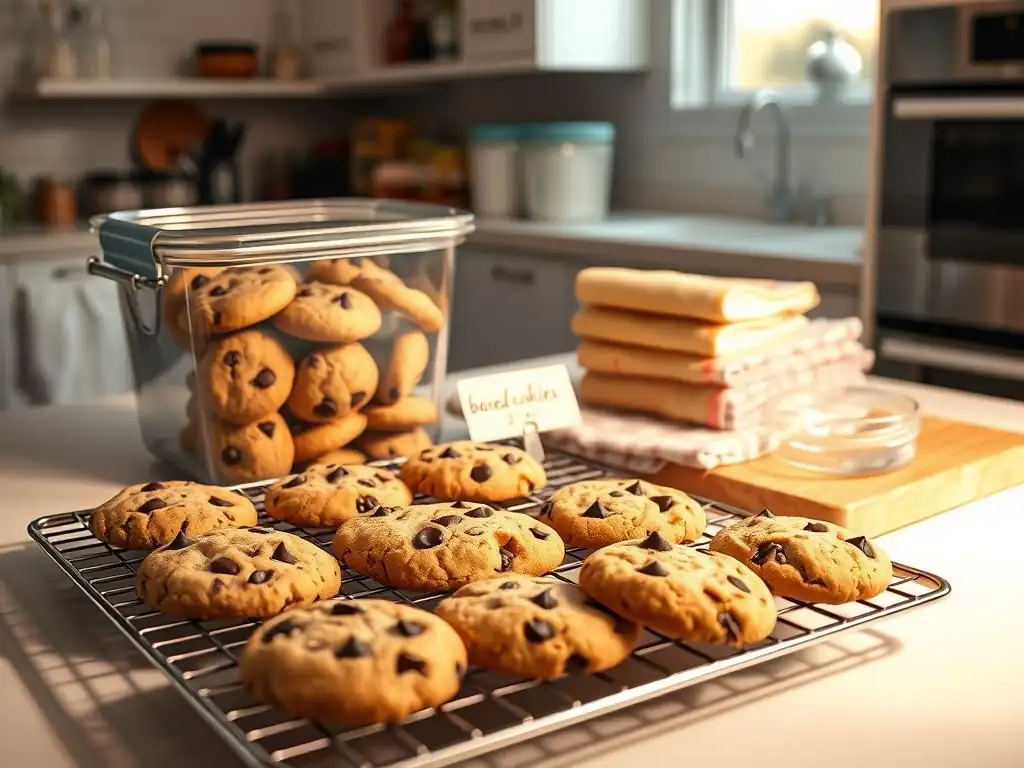
Once your delicious cookies are baked, proper storage is key to maintaining their texture and flavor. You've put in the effort to bake them perfectly using your frozen cookie dough baking tips, so ensure they stay fresh as long as possible.
Incorrect storage can lead to cookies drying out, becoming stale, or losing their intended texture.
Maintaining Softness and Flavor
The primary goals of storing baked cookies are to keep them from drying out and to preserve their flavor. The enemy of a soft cookie is air exposure. Storing different types of cookies together can also transfer flavors (e.g., strong gingerbread flavor transferring to delicate sugar cookies).
Allow cookies to cool completely on a wire rack before storing. Storing warm cookies creates condensation, which can make them soggy or promote spoilage. Once fully cooled, they are ready for their airtight home.
The best way to store baked cookies is in an airtight container at room temperature. Plastic containers with tight-fitting lids or metal tins work well. For extra protection against drying, you can place a layer of parchment paper between layers of cookies.
For soft cookies, some bakers place a slice of plain bread in the container; the cookies absorb moisture from the bread, helping them stay soft. However, change the bread slice every day or two to prevent mold. Most cookies stored this way will stay fresh for 3-5 days. For longer storage, baked cookies can often be frozen for up to 3-4 weeks in a freezer-safe airtight container.
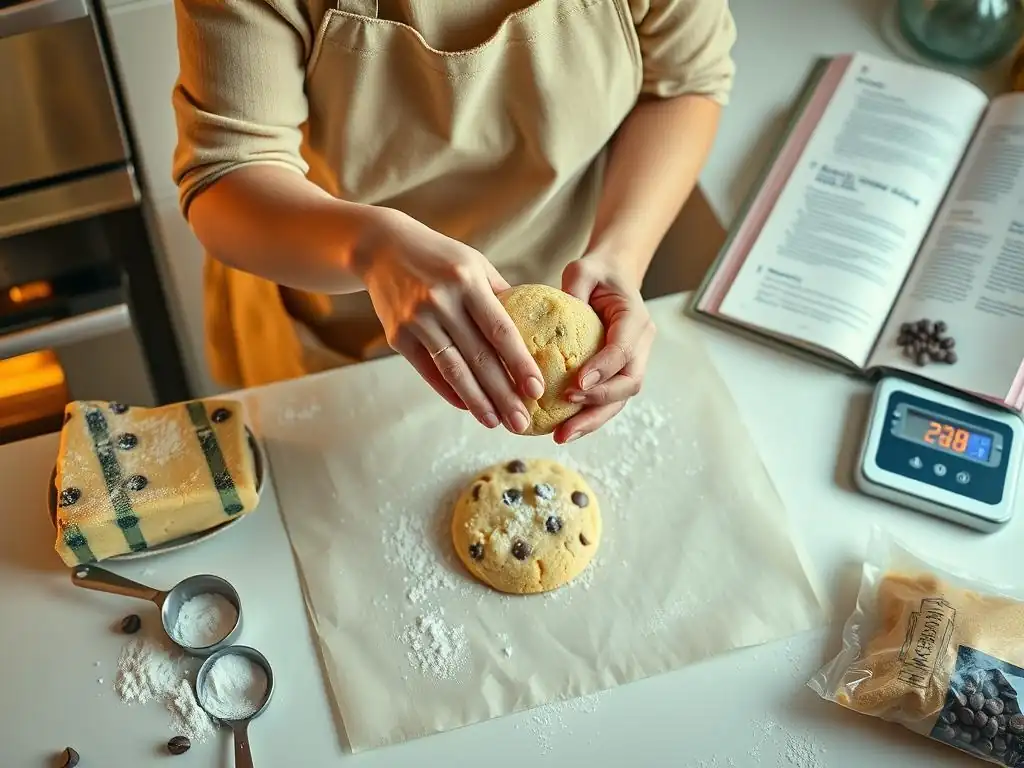
Even with the best frozen cookie dough baking tips, you might encounter a few hiccups. Don't worry; most problems have simple solutions. Here are a few common issues and how to address them.
Learning to troubleshoot helps you adjust your technique on the fly and improves your baking skills overall.
Dough Too Hard to Scoop? Let it Soften Slightly
If you're working with frozen dough that's in a large log or block and it's too hard to slice or scoop, trying to force it can be difficult and even dangerous. The solution is simple: let it sit at room temperature for a few minutes.
Allow the dough to soften just enough so you can easily slice or scoop it. This might take anywhere from 5 to 20 minutes, depending on the temperature of your kitchen. Be careful not to let it get too soft, especially if you plan to bake immediately, as this can lead to excessive spreading.
If your cookies baked from frozen are coming out like little balls and not spreading much, the dough might have been too cold when it hit the oven, or the oven temperature might be slightly too low.
Ensure your oven is fully preheated to the correct temperature using an oven thermometer. If baking directly from frozen, accept that they will spread less than fresh dough. If you prefer flatter cookies, try thawing the dough in the refrigerator first before baking. You can also gently press down on the dough balls slightly before baking, but this might alter the texture.
As mentioned before, burning on the bottom is often related to oven rack placement or temperature. If the bottoms are consistently burning while the tops are pale, your baking sheet is likely too close to the heating element at the bottom of the oven.
Move your oven rack to the middle position. This is the most common recommendation for baking cookies as it provides the most even heat distribution. Also, double-check your oven temperature with a thermometer and consider using parchment paper or a silicone baking mat, which provides an insulating layer on the bottom.
Baking frozen cookie dough is an accessible and rewarding entry point into the world of baking. By following these frozen cookie dough baking tips, even complete beginners can achieve results that rival cookies made from scratch. From understanding the benefits of convenience and portion control to mastering thawing, timing, and troubleshooting, you now have the knowledge to confidently bake frozen dough.
Remember to pay attention to visual cues, adjust baking times as needed, and don't be afraid to experiment with add-ins. Practice makes perfect, and each batch you bake will teach you more about how your oven and the dough behave.
The beauty of baking frozen cookie dough lies in its simplicity. It allows you to enjoy the comforting aroma and taste of warm, homemade cookies with significantly less effort than mixing a full batch from scratch. It's perfect for a quick treat, a small gathering, or satisfying a sudden craving.
So, grab that bag of frozen dough, preheat your oven, and apply these frozen cookie dough baking tips. You're just minutes away from enjoying warm, delicious cookies straight from your oven, proving that delightful baking experiences are well within reach for everyone.
Frequently Asked Questions
Baking times for frozen cookie dough usually need to be adjusted. Expect to add 2-3 minutes to the recommended baking time for unfrozen dough, and always check for golden brown edges and a slightly soft center.
Generally, no! Most recipes are designed to be baked directly from frozen. Thawing can lead to spreading and flatter cookies, which is often undesirable.
Bake frozen cookie dough at the same temperature as the recipe calls for the unfrozen dough. The key is to monitor the cookies closely and adjust baking time as needed for even cooking.
Overbaking is the main culprit. Reduce the baking time if your first batch is too hard. Using quality ingredients and ensuring accurate oven temperature also helps.
Let the dough sit at room temperature for just a few minutes to slightly soften. Don't let it thaw completely, otherwise, you'll risk altering the cookie's texture.
The art of baking frozen cookie dough is more than just convenience; it's a testament to the enduring power of readily available ingredients and a little culinary know-how. Perfectly baked cookies, warm from the oven, are a timeless comfort, and mastering the technique of baking from frozen allows everyone to enjoy that experience, regardless of their baking skill level. This accessibility is what makes this skill so relevant today, in a world that often prioritizes speed and ease.
The journey from frozen puck to golden-brown delight is a surprisingly rewarding one, and it's a journey that speaks volumes about our relationship with food. It's a reminder that even seemingly simple recipes can hold a wealth of knowledge and technique. The subtle adjustments needed – increased baking time, careful attention to oven temperature – highlight the importance of observation and adaptation in the kitchen. The best way to find yourself is to lose yourself in the service of others.
– Mahatma Gandhi. While not directly about baking, this quote speaks to the joy of sharing perfectly baked cookies, a simple act that can bring immense satisfaction.
Now, it's your turn. Consider the seemingly simple act of baking a cookie. What does it represent to you? A moment of comfort? A connection to tradition? Perhaps it's a chance to experiment and create something delicious. Whatever your interpretation, take the lessons learned here – the importance of proper thawing, the need for patience, and the joy of a perfectly baked cookie – and apply them to your own baking adventures. Don't be afraid to experiment, to adjust, and to savor the sweet rewards of your efforts. The perfect cookie awaits!
Thanks for taking the time to explore the world of baking frozen cookie dough with us! We hope you gained some valuable tips and tricks to help you create perfectly baked treats. Now it's time to put your new knowledge into action.
- Bake a batch of amazing cookies tonight! Use your favorite frozen dough and put those tips to the test. You deserve a delicious reward!
- Share your baking journey! Post a picture of your cookies on social media and tag us – we'd love to see your creations!
- Experiment with different dough flavors and techniques: What exciting cookie combinations will you try next?
Ready to transform your kitchen into a cookie paradise? What's the first flavor of frozen cookie dough you're going to tackle?