
Simple Guide: Making Drop Cookies Chewy

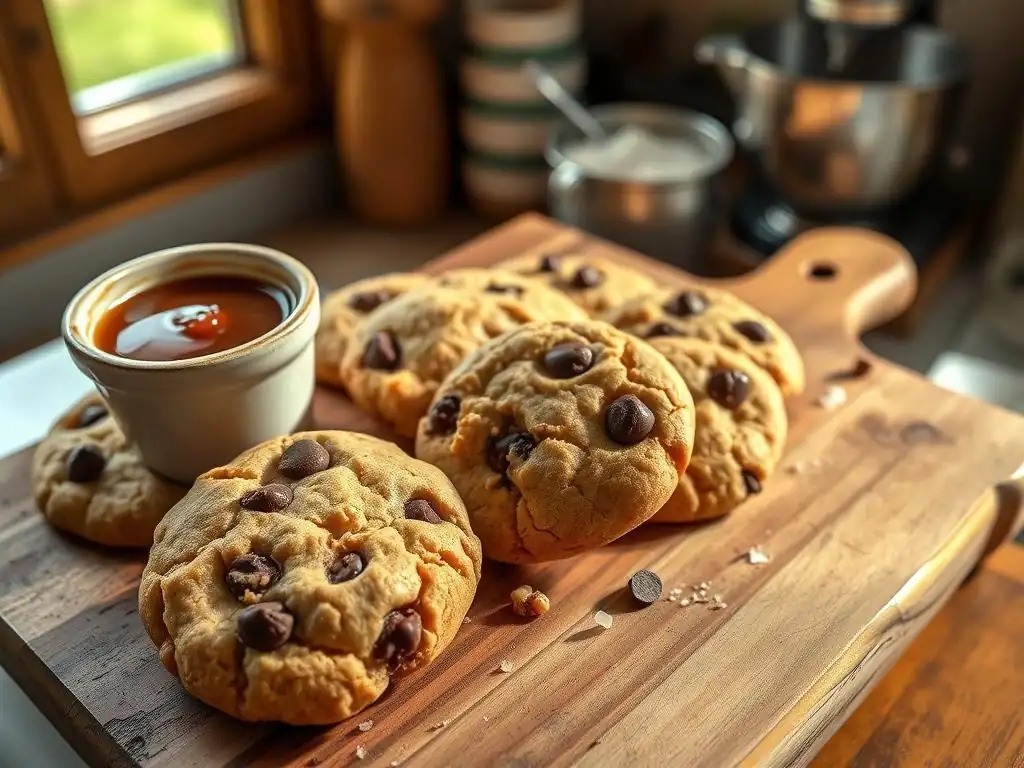
Welcome to BakeWithEase, where baking becomes a joy, not a chore! Ever wondered how to achieve that perfectly chewy texture in your cookies? Discover the secrets in our simple guide: Making Drop Cookies Chewy, a beginner-friendly recipe that unlocks the delicious potential of these classic treats. Dive in and learn how to make your own amazing, chewy drop cookies recipe easy – you'll be amazed at the results!
- Simple Guide: Making Chocolate Chip Cookies Chewy - BakeWithEase
- Introduction: Achieving the Perfect Chewy Chocolate Chip Cookie
- Understanding the Science Behind Chewy Chocolate Chip Cookies
-
The Chewy Chocolate Chip Cookies Recipe Easy: Step-by-Step
- Ingredients for the Ultimate Chewy Chocolate Chip Cookie
- Step 1: Creaming Butter and Sugar for a Soft Base
- Step 2: Incorporating Eggs and Vanilla Extract
- Step 3: Adding Dry Ingredients: Flour, Baking Soda, and Salt
- Step 4: Adding Chocolate Chips: Choosing Your Chocolate
- Step 5: Chilling the Dough: Why It's Crucial
- Step 6: Baking for Chewy Perfection: Time and Temperature
- Tips and Tricks for Guaranteeing Chewy Chocolate Chip Cookies
- Troubleshooting Common Chewy Chocolate Chip Cookie Problems
- Variations on the Chewy Chocolate Chip Cookie Recipe
- Storing Your Chewy Chocolate Chip Cookies to Maintain Freshness
- Conclusion: Mastering the Art of the Chewy Chocolate Chip Cookie with BakeWithEase
-
Frequently Asked Questions
- What is the secret to achieving a chewy texture in drop cookies?
- Can I substitute ingredients in a chewy drop cookie recipe?
- What type of flour is best for a chewy drop cookies recipe easy?
- How does chilling the dough affect the chewy drop cookies?
- What temperature should I bake my chewy drop cookies recipe easy at?
- Final Reflection: The Enduring Allure of the Chewy Cookie
- Unlock Your Chewy Cookie Secret!
At BakeWithEase, we know there's a special kind of magic in a chewy chocolate chip cookie. It's that perfect bite – slightly crisp edges yielding to a soft, tender center that melts in your mouth, studded with pockets of warm, gooey chocolate. While some prefer crunchy or cakey textures, a poll by a popular baking magazine indicated that over 60% of home bakers and cookie enthusiasts ranked chewy as their top preference for classic chocolate chip cookies. This texture provides a satisfying contrast and a longer-lasting impression than a cookie that crumbles instantly.
A chewy cookie also tends to stay fresh and soft for longer compared to its crispier counterparts, making it ideal for baking ahead or sharing. It’s the texture that evokes nostalgia, reminding many of childhood kitchens and warm treats straight from the oven. Mastering a chewy drop cookies recipe easy enough for anyone is a fantastic skill to add to your baking repertoire, promising consistently delightful results that are sure to impress friends and family.
Achieving that coveted chewiness isn't just about luck; it's a delicate balance of ingredients and techniques. The moisture content plays a huge role. Cookies that retain more moisture during baking tend to be softer and chewier. Key factors include the ratio of wet to dry ingredients, the type of sugar used, the fat source, and even the leavening agents.
Beyond the ingredients, the baking process itself is critical. Oven temperature, baking time, and how the dough is handled (like chilling!) all significantly impact the final texture. Understanding how each component contributes to the cookie's structure and moisture retention is the first step towards consistently baking perfectly chewy chocolate chip cookies. This guide will break down the science and provide a simple, reliable chewy drop cookies recipe easy to follow.
Flour provides the structure for your cookies. All-purpose flour is typically used, and its protein content (around 10-12%) contributes to gluten development. For a chewier cookie, you want moderate gluten development – enough to give structure but not so much that it becomes tough. Using slightly less flour than a recipe calls for (by a tablespoon or two per cup) can sometimes increase chewiness by increasing the ratio of wet ingredients.
Measuring flour correctly is paramount. Scooping flour directly from the bag can compact it, leading to too much flour by weight and potentially a drier, cakey cookie. Instead, gently spoon the flour into your measuring cup and level it off with a straight edge. This "spoon and level" method ensures you're using the correct amount, which is crucial for getting that perfect chewy texture in your chewy drop cookies recipe easy.
Sugar's Impact: Brown Sugar vs. Granulated Sugar for Chewiness
The type of sugar you use dramatically affects cookie texture. Granulated sugar contributes to crispness and spread. Brown sugar, on the other hand, contains molasses, which is slightly acidic and hygroscopic – meaning it attracts and retains moisture. This moisture retention is key to chewiness.
Using a higher ratio of brown sugar to granulated sugar is one of the most effective ways to ensure chewy chocolate chip cookies. Many classic chewy recipes use a ratio of about 2 parts brown sugar to 1 part granulated sugar. For example, a recipe might call for 1 cup of packed brown sugar and 1/2 cup of granulated sugar. The molasses also adds a wonderful depth of flavor.
Fat contributes to tenderness and flavor in cookies. Butter is a popular choice because of its flavor and how it creams with sugar, creating air pockets that contribute to lift and spread. Using softened, but not melted, butter is important for proper creaming. Melted butter can lead to flatter, greasier cookies.
While some recipes use oil for moisture, butter is generally preferred for chewy chocolate chip cookies because it solidifies as it cools, giving the cookie structure and that desirable slight crispness around the edges while maintaining a soft interior. Using softened butter, around 65-68°F (18-20°C), allows for optimal emulsification and creaming, which is vital for texture.
Egg's Contribution: Whole Eggs vs. Egg Yolks for Texture
Eggs act as a binder and contribute to richness and structure. Whole eggs contain both protein (from the white) and fat (from the yolk). The protein helps set the cookie, while the fat from the yolk adds tenderness and richness.
For extra chewy cookies, some recipes call for an extra egg yolk in addition to a whole egg. The extra fat from the yolk inhibits gluten development slightly and adds moisture, resulting in a more tender and chewy texture. For example, if a standard recipe uses one whole egg, a chewier version might use one whole egg plus one egg yolk.
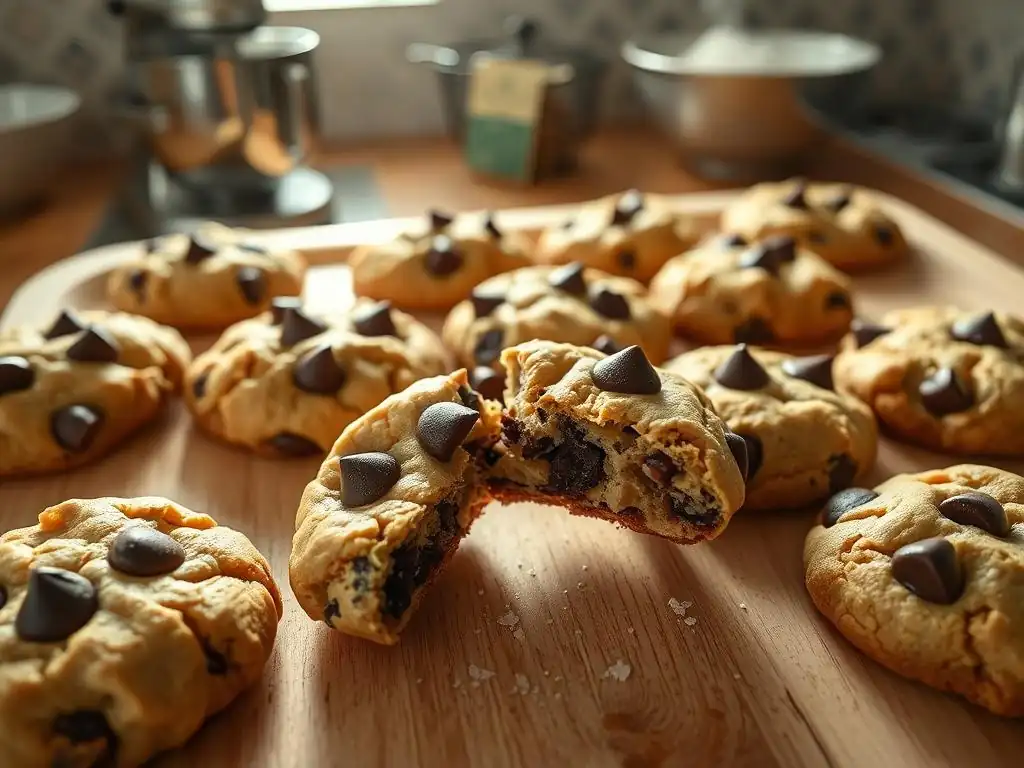
Gathering the right ingredients is the first step to a perfect chewy drop cookies recipe easy. Ensure your ingredients are fresh and measured accurately.
Here's a standard list, often yielding about 2 dozen cookies:
1 cup (2 sticks) unsalted butter, softened3/4 cup packed light brown sugar1/2 cup granulated sugar1 large egg1 large egg yolk1 teaspoon vanilla extract2 1/4 cups all-purpose flour1 teaspoon baking soda1/2 teaspoon salt1 1/2 cups chocolate chips(use a mix of milk, semi-sweet, or dark for complexity)
Step 1: Creaming Butter and Sugar for a Soft Base
Begin by creaming the softened butter with both the brown and granulated sugars in a large bowl using an electric mixer on medium speed.
Mix for 2-3 minutes, or until the mixture is light, fluffy, and pale yellow. This process incorporates air into the dough, which helps with leavening and creates a tender base for your chewy drop cookies recipe easy. Scrape down the sides of the bowl as needed.
Step 2: Incorporating Eggs and Vanilla Extract
Add the whole egg, extra egg yolk, and vanilla extract to the creamed butter and sugar mixture.
Beat on low speed just until everything is combined. Be careful not to overmix at this stage. The mixture should look smooth and emulsified.
Step 3: Adding Dry Ingredients: Flour, Baking Soda, and Salt
In a separate medium bowl, whisk together the all-purpose flour, baking soda, and salt.
Gradually add the dry ingredients to the wet ingredients, mixing on low speed until just combined. Stop mixing as soon as you see no dry streaks of flour. Overmixing develops too much gluten, which can result in tough cookies instead of chewy ones.
Step 4: Adding Chocolate Chips: Choosing Your Chocolate
Gently fold in the chocolate chips using a spatula or wooden spoon.
You can use any type of chocolate chips you prefer – semi-sweet is classic, but milk chocolate adds sweetness, and dark chocolate provides a richer contrast. Using a mix of chip sizes or even chopped chocolate bars can create lovely pockets of melted chocolate throughout your chewy drop cookies recipe easy.
Step 5: Chilling the Dough: Why It's Crucial
This is a non-negotiable step for truly chewy cookies! Cover the dough tightly with plastic wrap and refrigerate for at least 30 minutes, or preferably 2-24 hours.
Chilling the dough allows the fats to solidify, which limits spread during baking, resulting in thicker cookies with softer centers. It also allows the flavors to meld and the flour to fully hydrate, leading to a more complex flavor and better texture. This step is key for a successful chewy drop cookies recipe easy.
Step 6: Baking for Chewy Perfection: Time and Temperature
Preheat your oven to 375°F (190°C). Line baking sheets with parchment paper.
Drop rounded tablespoons of chilled dough onto the prepared baking sheets, spacing them about 2 inches apart. Bake for 9-11 minutes, or until the edges are lightly golden brown but the centers still look slightly underbaked and puffy. The cookies will continue to set as they cool on the baking sheet. This slightly underbaked center is the secret to ultimate chewiness.
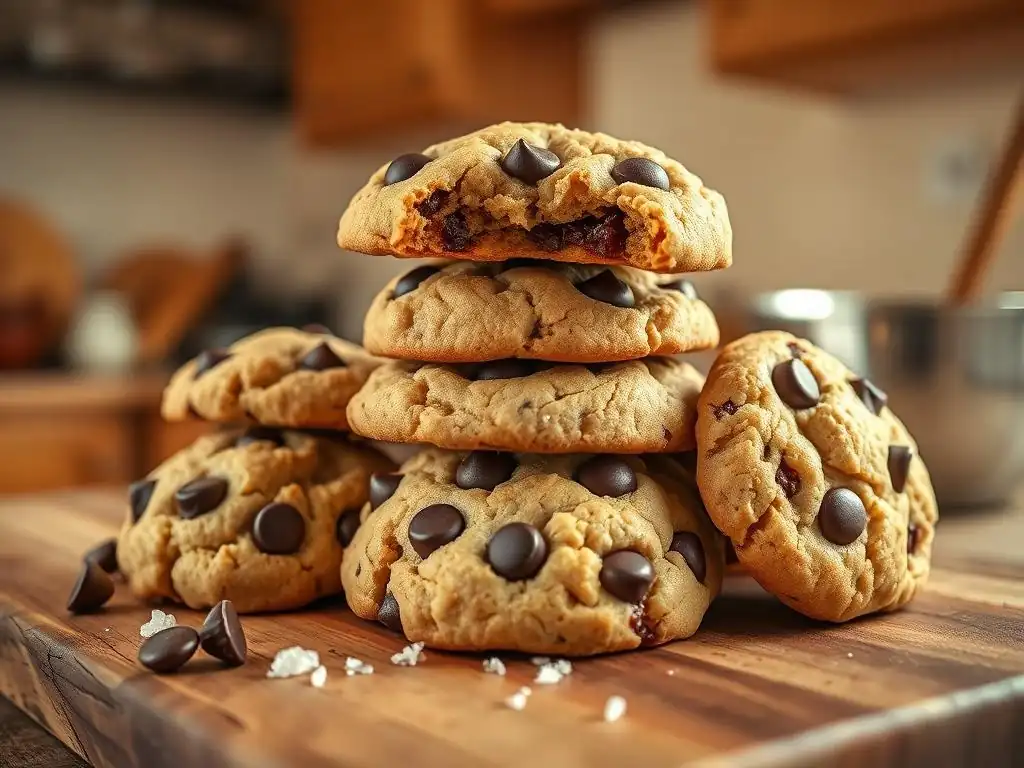
Don't Overbake: The Key to Softness
This is perhaps the most critical tip for chewy cookies. Cookies continue to bake slightly from residual heat after being removed from the oven.
Pull your cookies out when the edges are just set and lightly golden, but the centers still look soft and slightly glossy. They might even look a little underdone. Let them cool on the hot baking sheet for 5-10 minutes before transferring them to a wire rack. This allows them to finish cooking gently without becoming dry or hard. Overbaking by even a minute can turn chewy into crunchy.
Using Brown Butter for a Nutty, Chewy Twist
Browning your butter before adding it to the recipe adds a rich, nutty flavor and contributes to chewiness.
To brown butter, melt it in a saucepan over medium heat, stirring constantly. It will foam, then the milk solids at the bottom will turn golden brown and smell nutty. Remove from heat immediately and pour into a heatproof bowl to cool slightly before using. Note that brown butter loses some moisture, so you might need to add a teaspoon or two of milk back into the recipe to compensate and maintain the correct moisture balance for your chewy drop cookies recipe easy.
Adding Cornstarch for a Tender Crumb
A small amount of cornstarch can help tenderize the cookie and prevent it from spreading too much, contributing to a thicker, chewier center.
Adding just 1-2 teaspoons of cornstarch per batch of dough can make a noticeable difference in the softness and chewiness of the cookie's interior. Whisk it in with your dry ingredients. It helps create a more tender crumb structure that holds onto moisture.
The Importance of Measuring Ingredients Correctly
Baking is a science, and accuracy matters, especially when aiming for a specific texture like chewiness in a chewy drop cookies recipe easy.
- Use the spoon and level method for flour.
- Use packed brown sugar (press it firmly into the measuring cup).
- Ensure butter is softened, not melted.
- Use standard measuring cups and spoons.
Even slight variations in ingredient amounts can throw off the delicate balance of wet and dry ingredients, affecting spread and texture.
Cakey cookies usually result from too much flour, too much leavening (like baking powder instead of mostly baking soda), or overmixing.
- Cause: Too much flour. Solution: Use the spoon and level method to measure flour. Consider slightly reducing the flour next time (e.g., by 1-2 tablespoons).
- Cause: Wrong leavening. Solution: Ensure you are using baking soda, which promotes spread and chewiness, rather than baking powder, which creates puffiness (cakey texture).
- Cause: Overmixing. Solution: Stop mixing as soon as the dry ingredients are just incorporated.
Flat cookies can be caused by melted butter, not chilling the dough, or using baking powder instead of baking soda.
- Cause: Melted or overly soft butter. Solution: Use softened but not melted butter. Cream it properly.
- Cause: Not chilling the dough. Solution: Always chill the dough for at least 30 minutes, preferably longer.
- Cause: Wrong leavening. Solution: Ensure you are using baking soda, which helps with spread, but in the correct ratio. Too much butter or sugar can also cause excessive spread.
Hard cookies are typically overbaked or have too little moisture.
- Cause: Overbaking. Solution: Reduce baking time by 1-2 minutes. Pull cookies when edges are set but centers are soft.
- Cause: Too little moisture. Solution: Ensure proper measurement of wet ingredients. Consider adding an extra egg yolk or a tablespoon of milk in future batches. Using a higher ratio of brown sugar helps retain moisture.
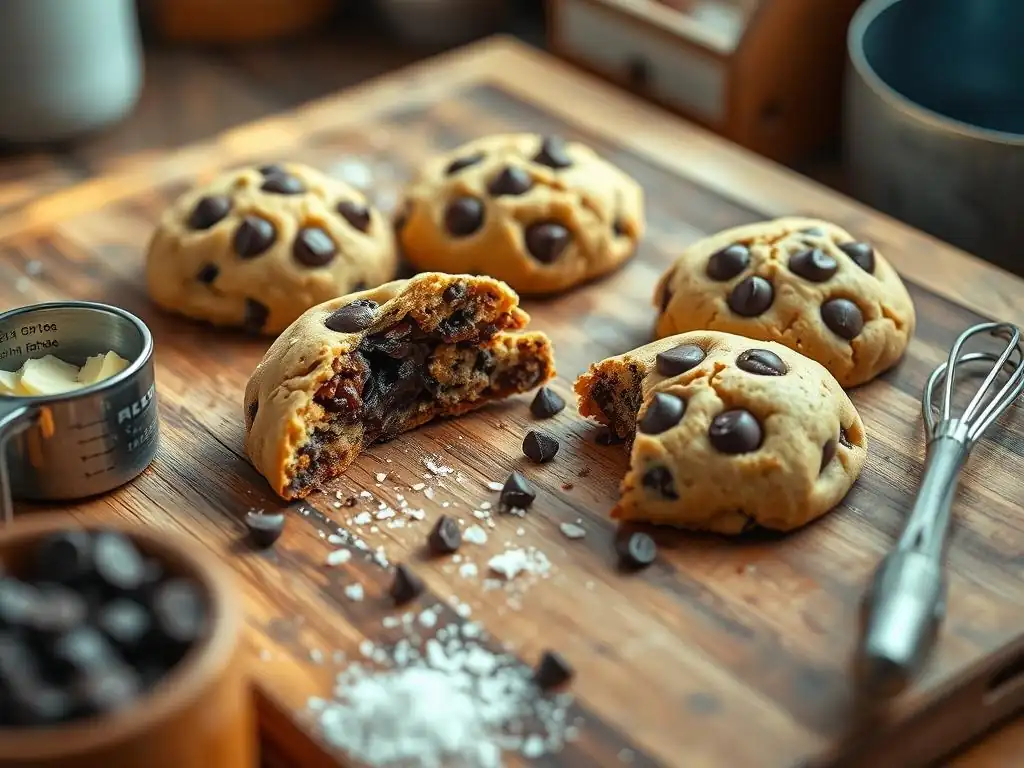
For the ultimate chocolate lover, transforming your chewy chocolate chip cookies into double chocolate chip cookies is easy.
Replace 1/4 cup of the all-purpose flour with 1/4 cup of unsweetened cocoa powder. This adds intense chocolate flavor and results in a darker, richer cookie base. You'll still add the chocolate chips as usual. The cocoa powder can sometimes absorb a bit more moisture, so ensure your butter is properly softened and consider chilling the dough slightly longer.
Adding nuts provides a delightful crunch and nutty flavor contrast to the chewy texture of the cookies.
Simply fold in 1 cup of chopped walnuts (or pecans) along with the chocolate chips in Step 4. Toasting the nuts lightly in a dry skillet for a few minutes before adding them enhances their flavor significantly. Ensure the nuts are fully cooled before adding them to the dough.
Combining sweet caramel, rich chocolate, and a hint of salt creates an irresistible flavor profile.
Fold in 1/2 cup of caramel bits (or chopped caramel candies) and 1 teaspoon of flaky sea salt (like Maldon) along with the chocolate chips. The salt enhances both the chocolate and caramel flavors while providing a pleasant crunch. Be aware that caramel bits can melt significantly, sometimes leading to more spread, so chilling the dough is even more important here.
Proper Storage Techniques for Optimal Texture
Once your chewy chocolate chip cookies have cooled completely on a wire rack, proper storage is key to keeping them soft and chewy.
Store cookies in an airtight container at room temperature. To help maintain moisture, you can place a slice of white bread or a tortilla in the container with the cookies. The cookies will absorb moisture from the bread/tortilla, keeping them soft. Replace the bread slice every couple of days. Stored properly, chewy cookies can remain soft for 3-5 days.
Freezing cookie dough is a fantastic way to have warm, chewy cookies on demand without making a whole batch from scratch every time.
Scoop the chilled dough into balls (as if ready to bake) and place them close together on a parchment-lined baking sheet. Freeze until firm (about 1-2 hours). Once frozen, transfer the dough balls to a freezer-safe zip-top bag or container. Dough can be frozen for up to 3 months. To bake from frozen, place dough balls on a baking sheet and bake at the same temperature, adding 2-4 minutes to the baking time.
Enjoy Baking and Sharing Your Deliciously Chewy Creations!
Mastering a chewy drop cookies recipe easy enough for anyone is a rewarding baking goal. By understanding the role of key ingredients like brown sugar and egg yolks, employing techniques like chilling the dough and slightly underbaking, you can consistently achieve that perfect soft, chewy texture.
Baking should be fun and approachable, and with this guide from BakeWithEase, you're well on your way to becoming a chewy cookie expert. So, gather your ingredients, follow these steps, and enjoy the process. There's nothing quite like the smell of warm chocolate chip cookies fresh from the oven, especially when they're perfectly chewy. Share your delicious creations with friends and family, and savor every delightful bite!
Frequently Asked Questions
The key lies in using melted butter and a higher ratio of brown sugar to granulated sugar. Also, underbaking slightly helps maintain that soft, chewy center.
While substitutions are possible, they can impact the final texture. For example, substituting all-purpose flour with cake flour will result in a softer cookie, not a chewy one.
All-purpose flour is generally recommended. Using bread flour, which has a higher protein content, can also contribute to a chewier texture, but may require adjustments to the liquid in the recipe.
Chilling the dough helps prevent spreading during baking and also allows the flavors to meld together, resulting in a more intense and delicious cookie.
Typically, 350-375°F (175-190°C) is ideal. Monitor the cookies closely and adjust the temperature as needed to ensure they bake evenly without becoming too crispy.
The quest for the perfect chewy drop cookie transcends mere baking; it's a pursuit of texture, a celebration of simple ingredients transformed into something truly delightful. From the humble chocolate chip to the more adventurous oatmeal raisin, the chewy cookie remains a beloved comfort food, a testament to the power of a well-executed recipe. This enduring popularity speaks volumes about our desire for satisfying textures and comforting flavors.
The journey to mastering the chewy cookie, as explored in this guide, is a journey of understanding the science behind baking. It's about the subtle balance of ingredients, the careful attention to detail, and the joy of experimentation. The best things in life are simple,
a sentiment perfectly encapsulates the beauty of a perfectly chewy cookie, born from readily available ingredients and a dash of know-how. This simple act of baking connects us to a rich culinary history, reminding us of the comfort and joy found in shared experiences around a plate of warm cookies.
Now, armed with the knowledge gleaned from this guide, I invite you to embark on your own chewy cookie adventure. Don't be afraid to experiment, to tweak the ratios, to add your own personal touch. The true magic lies not just in following a recipe, but in understanding the principles behind it and using them to create something uniquely your own. The next time you bite into a perfectly chewy cookie, remember the journey, the process, and the satisfaction of creating something delicious from scratch.
Thanks for joining us on this chewy cookie adventure! We hope you've gained some valuable tips to transform your baking. Now, it's time to put your newfound knowledge into action!
- Bake a batch of unbelievably chewy cookies using your favorite recipe, incorporating the tips from this guide. This is your chance to experience the difference!
- Share your chewy cookie creations on social media – tag us so we can see your delicious results!
- Challenge yourself: Try experimenting with different flours or sweeteners to see how they impact the texture of your cookies.
What unique ingredient will you try in your next batch of chewy cookies to achieve the perfect texture?