
The Best Flour for Beginner Classic Cookies Explained

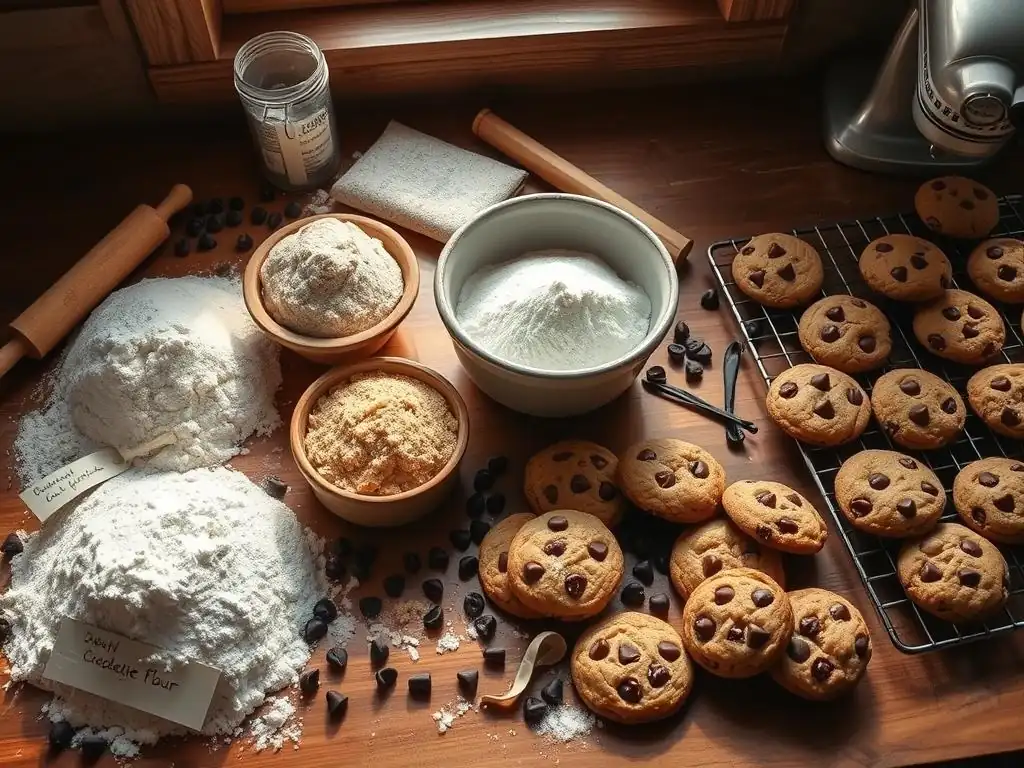
Welcome to BakeWithEase, where we believe everyone can bake delicious treats! Ever wondered why your cookies don't always turn out perfectly? You're not alone! This guide dives deep into a crucial element for baking success, especially for beginners: choosing the right flour. Discover our recommendations for the best flour for beginner cookies and unlock the secrets to consistently soft, chewy, and utterly irresistible classic cookies. Ready to bake with confidence? Let's get started!
- Choosing Flour for Classic Cookies: A Beginner's Guide
- Flour Types and Their Properties: A Baker's Overview
- Flour Comparison for Beginner Cookie Bakers
- Flour Selection by Cookie Type: Recipe-Specific Advice
- Accurate Flour Measurement: Achieving Consistent Results
- Proper Flour Storage: Maintaining Freshness
- Troubleshooting Flour-Related Cookie Issues
- Conclusion: Choosing the Right Flour for Baking Success
-
Frequently Asked Questions
- What is the best type of flour to use when baking cookies for the first time?
- Why is all-purpose flour considered the best choice for beginner cookie recipes?
- Can I substitute another type of flour, such as bread flour or cake flour, for all-purpose flour in a beginner cookie recipe?
- How do I properly measure flour for my cookie recipe to ensure the best results?
- What are some common issues beginners might encounter when using flour in cookie recipes, and how can I avoid them?
- Final Reflection: The Humble Flour's Unexpected Power
- Unleash Your Inner Baker: Master the Art of Cookie Flour!
Why Flour Matters: Texture, Taste, and Structure
Flour is arguably the most fundamental ingredient in cookie baking, acting as the primary structural component. Its type and quantity directly influence the final texture, whether you're aiming for a chewy chocolate chip cookie, a crisp sugar cookie, or a tender shortbread. The protein content of flour, primarily gluten, determines how much structure and chewiness develops when liquids are added and the dough is mixed. More protein means more potential for gluten formation, leading to a chewier result, while less protein results in a softer, more tender crumb.
Beyond structure, flour contributes subtly to the flavor profile of cookies. While often a background note, the type of grain (wheat, oat, rice, etc.) and how it's processed can impart distinct tastes. Furthermore, flour's ability to absorb moisture affects the dough's consistency and how the cookies spread during baking. Using the best flour for beginner cookies means understanding these basic principles to achieve predictable and delicious results every time.
BakeWithEase's Guide to Flour Selection
At BakeWithEase, we believe choosing the right flour shouldn't be intimidating, especially when you're starting your cookie baking journey. Our approach focuses on simplifying the options and highlighting the versatility of common flours, making it easy to get started. We guide you through understanding how different flours behave so you can confidently select the best flour for beginner cookies based on the type of cookie you want to create.
Our goal is to demystify the baking process. We'll explain the characteristics of popular flours like all-purpose, cake, and pastry flour, and how they impact classic cookie recipes. For instance, we often recommend starting with all-purpose flour for many beginner recipes because its balanced protein content (typically 10-12%) provides a reliable structure suitable for a wide range of cookies, from drop cookies to simple cut-outs. We also touch upon how factors like protein content variations between brands and regions can slightly alter results, encouraging observation and minor adjustments as you gain experience.
Flour Types and Their Properties: A Baker's Overview
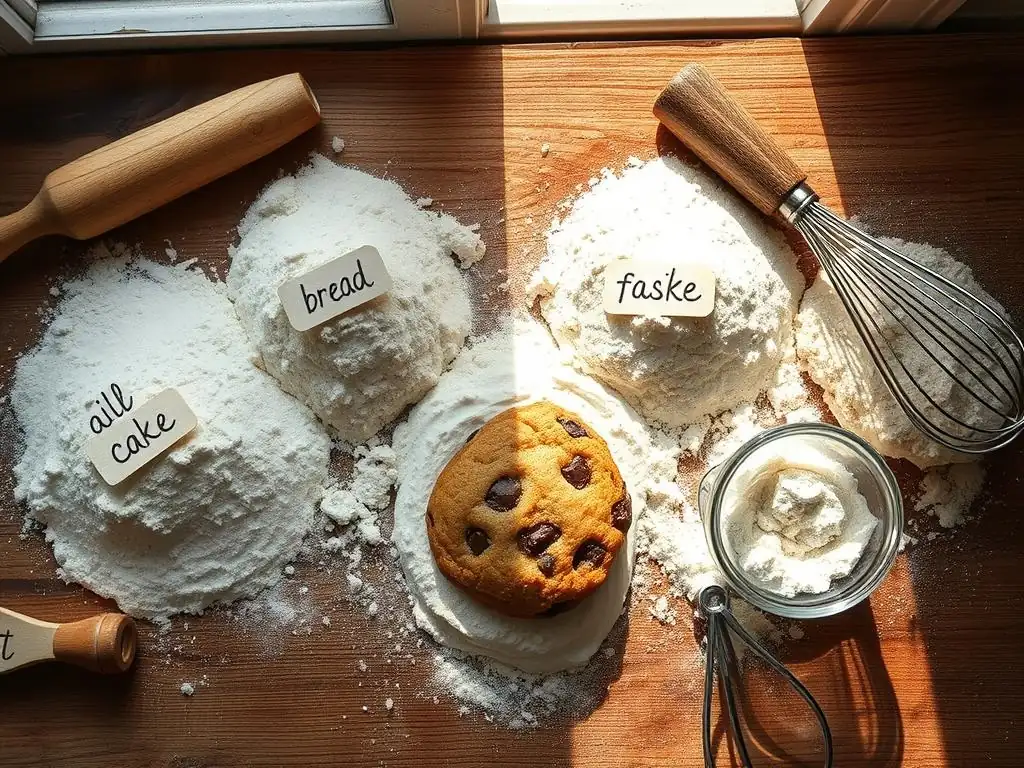
All-Purpose Flour: The Versatile Standard
All-purpose flour is the most widely available and commonly used flour in home baking, making it a strong contender for the best flour for beginner cookies. It's milled from a blend of hard and soft wheat, resulting in a moderate protein content, generally ranging from 10% to 12%. This balance makes it suitable for a vast array of baked goods, including bread, cakes, muffins, and, of course, cookies. Its versatility means you can stock just one type of flour and successfully bake many different cookie recipes.
The moderate protein level in all-purpose flour provides enough structure to prevent cookies from spreading into thin, greasy puddles, while not developing excessive gluten that would make them tough. For many classic cookie recipes, like chocolate chip or basic sugar cookies, all-purpose flour yields a desirable texture that is neither excessively chewy nor overly delicate. It's the standard against which other flours are often measured for general baking purposes.
Pros and Cons: Availability vs. Specific Textures
- Pros:
- Widely available in most grocery stores.
- Versatile for a broad range of recipes.
- Reliable for achieving balanced texture in many classic cookies.
- Often the most economical choice.
- Cons:
- May not produce the absolute most tender cakes or the chewiest breads compared to specialized flours.
- Texture might be slightly less refined for very delicate cookies compared to cake or pastry flour.
Considerations: Protein Content and Regional Variations
While labeled "all-purpose," the exact protein content can vary slightly depending on the brand and the region where the wheat is grown. For example, some brands might have protein closer to 10%, while others are closer to 12%. This difference, though seemingly small, can subtly impact your baking. A higher protein AP flour might yield slightly chewier cookies with less spread, while a lower protein one might result in a slightly more tender cookie that spreads a little more.
It's useful to check the nutrition label, as it often lists the protein content per serving. For instance, a label might state 4g of protein per 30g serving, indicating roughly 13% protein (4/30 * 100). Understanding that these minor variations exist helps troubleshoot if your cookies aren't turning out exactly as expected, although for most beginner cookie recipes, standard all-purpose flour works perfectly well.
Cake flour is a low-protein flour, typically milled from soft wheat, with a protein content usually ranging from 6% to 8%. This significantly lower protein level means less gluten development is possible. The flour is also often finely milled and sometimes bleached, which further inhibits gluten formation and helps create a very fine, delicate crumb structure.
When used in cookies, cake flour results in a noticeably softer and more tender texture compared to all-purpose flour. It's the secret weapon for cookies where a crumbly, melt-in-your-mouth quality is desired. Because it absorbs liquid differently and develops less structure, recipes specifically designed for cake flour will have adjusted liquid and leavening ratios. Substituting cake flour directly for all-purpose in a recipe not designed for it can lead to cookies that spread too much and lack sufficient structure.
When to Use: Delicate Cookies and Fine Crumbs
Cake flour is ideal for cookies that should be exceptionally tender and have a delicate structure, such as:
- Shortbread cookies (though pastry flour is also excellent)
- Delicate butter cookies
- Some types of snickerdoodles where a soft, puffy texture is preferred
Using cake flour ensures a tender bite and a finer crumb than you would achieve with all-purpose flour. For beginners exploring different textures, trying a recipe specifically calling for cake flour is a great way to experience its unique properties firsthand. It's not necessarily the best flour for beginner cookies overall due to its specialization, but it's perfect for specific delicate recipes.
Pastry Flour: A Balance Between Tender and Structured
Pastry flour strikes a balance between all-purpose and cake flour, with a protein content typically ranging from 8% to 10%. It's also milled from soft wheat, contributing to its ability to produce tender baked goods. Its protein level is low enough to ensure tenderness but high enough to provide slightly more structure than cake flour.
This intermediate protein content makes pastry flour excellent for pastries (hence the name) like pie crusts, biscuits, and scones, where you want flakiness and tenderness without excessive toughness. In the realm of cookies, pastry flour is particularly well-suited for recipes where a tender yet slightly structured or flaky result is desired.
Benefits: Flaky Cookies and Shortbread
Using pastry flour in cookies can result in a delightful texture that is both tender and slightly crisp or flaky, depending on the recipe and technique. It's a popular choice for:
- Shortbread cookies, contributing to that classic crumbly-yet-structured texture.
- Certain types of sugar cookies where you want tenderness without the extreme delicacy of cake flour.
- Cookies where a slight flakiness is desired alongside tenderness.
For beginners ready to experiment beyond all-purpose, pastry flour offers a fantastic way to achieve different cookie textures, providing a stepping stone between the versatility of AP and the specialization of cake flour.
Bread flour is a high-protein flour, typically milled from hard wheat, with a protein content ranging from 12% to 14%. This high protein level is ideal for developing strong gluten networks, which is essential for the structure and chewiness of yeast-leavened bread. The gluten traps gases produced by yeast, allowing the dough to rise and creating that characteristic chewy texture.
While not the standard choice for most classic cookies, bread flour can be intentionally used in certain cookie recipes to achieve an exceptionally chewy texture. Substituting bread flour for all-purpose flour will significantly increase gluten development, especially if the dough is mixed extensively. This can lead to a tougher cookie if not managed carefully, but when used judiciously, it enhances chewiness.
When to Use: Cookies Requiring a Strong Structure
Bread flour is typically reserved for specific cookie recipes where a very chewy texture is the primary goal. This includes:
- Some variations of chocolate chip cookies explicitly designed to maximize chewiness.
- Cookies that benefit from a stronger structure to hold mix-ins without collapsing.
For beginners, experimenting with bread flour in cookies is often best done using recipes specifically developed for it, as direct substitution for all-purpose can drastically change the outcome and potentially lead to tough rather than just chewy cookies. It's not considered the best flour for beginner cookies due to its specialized use and potential for over-toughening.
All-Purpose Flour: A Reliable Base for Many Recipes
For beginners, all-purpose flour is generally the most recommended and reliable base for learning how to bake classic cookies. Its balanced protein content (10-12%) makes it forgiving and suitable for a wide range of recipes, from simple drop cookies like peanut butter or oatmeal cookies to basic cut-out sugar cookies. You'll find that the vast majority of beginner-friendly cookie recipes call for all-purpose flour for precisely this reason – it consistently delivers a good balance of structure and tenderness.
Starting with all-purpose flour allows you to focus on mastering fundamental techniques like creaming butter and sugar, measuring ingredients accurately, and understanding baking times, without having to worry about the specific nuances of highly specialized flours. It provides a predictable outcome, helping build confidence as you learn. It truly is the best flour for beginner cookies because of its versatility and ease of use in standard recipes.
Tips: Measuring Techniques and Hydration Levels
Accurate measurement is crucial when working with all-purpose flour. Using the "spoon and level" method is recommended for volume measurement: gently spoon flour into the measuring cup until it's overflowing, then level off the excess with a straight edge (like a knife).
Do not scoop the flour directly from the bag with the measuring cup, as this compacts the flour and can result in using 20-30% too much flour, leading to dry, dense cookies. Weighing flour using a kitchen scale is even more accurate; a standard conversion is about 120-125 grams per cup of all-purpose flour, but checking the specific brand's recommendation is best.
Understanding hydration is also key. Flour absorbs liquid. The amount of liquid (from eggs, butter, extracts, etc.) relative to the flour quantity determines the dough's consistency. Too much flour or too little liquid results in a dry dough and potentially dry cookies. Too little flour or too much liquid can lead to dough that is too sticky or cookies that spread excessively. Learning to recognize the correct dough consistency for a recipe comes with practice, but accurate measurement is the first step.
Self-Rising Flour: Convenience with Limitations
Self-rising flour is essentially all-purpose flour that has leavening agents (typically baking powder) and salt already mixed in. It usually contains about 1 ½ teaspoons of baking powder and ¼ teaspoon of salt per cup of flour. This can seem convenient, as it eliminates the need to measure these ingredients separately.
However, this convenience comes with significant limitations, especially for beginner cookie bakers. The amount of leavening is pre-determined and cannot be adjusted based on the specific recipe's needs or your desired outcome. Cookie recipes vary greatly in the amount of leavening required to achieve the right spread and lift. Using self-rising flour in a recipe designed for all-purpose flour will likely result in cookies that rise too much, spread differently, and may have an imbalanced flavor due to the fixed salt content.
Understanding: Leavening Agent and Recipe Adjustments
The leavening agent in self-rising flour reacts with liquid and heat to produce carbon dioxide gas, which makes baked goods rise. Baking powder is a double-acting leavener, meaning it reacts once when it gets wet and again when it's heated. Since the amount is fixed in self-rising flour, you lose control over this crucial aspect of the cookie's structure and texture.
To use self-rising flour successfully, you must either follow recipes specifically developed for it or carefully adjust recipes that call for all-purpose flour, baking powder, and salt. This usually involves omitting the baking powder and salt called for in the original recipe. However, the ratio in self-rising flour may not be optimal for that specific cookie, making it a less reliable choice for beginners learning the basics of classic cookie recipes compared to using all-purpose flour and adding leaveners separately.
Gluten-Free Flour Blends: Baking for Dietary Restrictions
Baking delicious cookies for those with gluten sensitivities or celiac disease requires using gluten-free flour blends. Unlike single-ingredient flours (like almond or coconut flour, which behave very differently from wheat flour), gluten-free blends are designed to mimic the properties of wheat flour, often containing a mix of rice flour, sorghum flour, tapioca starch, potato starch, and sometimes binders like xanthan gum or guar gum to provide structure that gluten would normally provide.
The composition of gluten-free blends varies significantly between brands, which can lead to inconsistent results if you switch blends without adjusting the recipe. Some blends are better suited for recipes requiring more structure (like cookies), while others are better for more delicate items (like cakes). For beginner gluten-free bakers, finding a reliable, all-purpose gluten-free blend and sticking with it for a while is often the best approach.
Choosing: Blend Composition and Recipe Compatibility
When choosing a gluten-free flour blend for cookies, look for blends that are marketed as "all-purpose" or specifically for baking. Check the ingredients list to understand the primary components – blends heavy in rice flour might be drier, while those with more starch can provide tenderness. Many recipes specifically designed for gluten-free baking will recommend a particular brand or type of blend.
It's crucial to follow gluten-free recipes closely, as the liquid ratios and baking times might differ from traditional wheat flour recipes. Direct substitution of a 1:1 gluten-free blend in a standard wheat flour recipe can work, but results may vary significantly. For the best flour for beginner cookies in the gluten-free category, choose a reputable blend and follow recipes specifically developed and tested for that blend or for gluten-free baking in general.
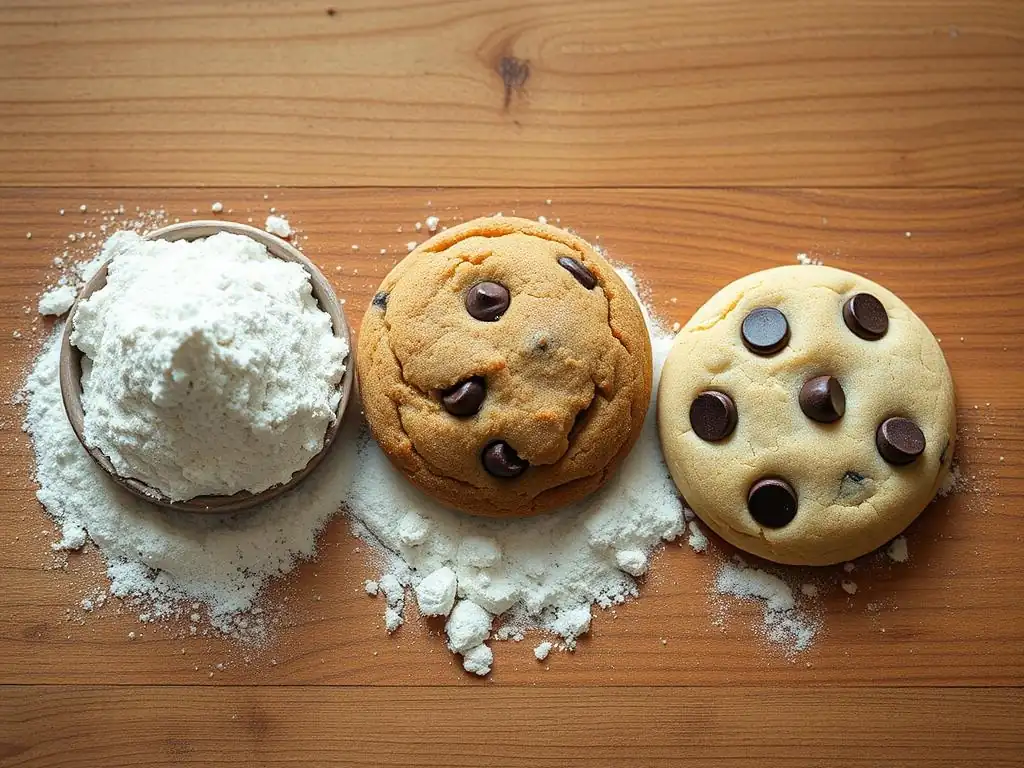
The classic chocolate chip cookie offers a perfect example of how flour choice influences texture. Most standard recipes use all-purpose flour, yielding a cookie that is typically slightly crispy on the edges and chewy in the center. This balance is why all-purpose is often considered the best flour for beginner cookies like this.
- For a chewier cookie, some recipes might suggest using a higher protein all-purpose flour or even substituting a small portion (e.g., 25-50g per 200-250g of flour) with bread flour to increase gluten development.
- For a crispier cookie, using a lower protein all-purpose flour or even slightly reducing the total flour quantity relative to fat can help.
- For a cakey cookie, using cake flour or a blend of all-purpose and cake flour, combined with leavening agents like baking powder, reduces gluten and creates a softer, more cake-like crumb.
Understanding these variations helps you tailor your flour choice (or recipe choice) to your desired outcome.
Sugar cookies, especially those intended for cutting into shapes, rely on flour for structure so they hold their form during baking. All-purpose flour is the standard choice here, providing enough gluten to create a dough that is easy to roll and cut, and bakes into a cookie that is sturdy yet tender.
- For very delicate, melt-in-your-mouth sugar cookies (often drop cookies rather than cut-outs), pastry flour or even cake flour can be used to minimize gluten development and maximize tenderness.
- For crisp sugar cookies, using all-purpose flour and ensuring accurate measurement to avoid excess moisture is key. Some recipes might use a higher ratio of butter to flour or include techniques like chilling the dough extensively.
Choosing the best flour for beginner cookies like sugar cookies depends on whether you prioritize ease of handling (AP) or extreme tenderness (pastry/cake).
Peanut butter cookies are known for their rich flavor and often a slightly crumbly, yet tender texture. All-purpose flour is the most common flour used, providing sufficient structure to hold the dough together while allowing the peanut butter flavor to shine.
The texture of peanut butter cookies is also significantly influenced by the type of peanut butter used (natural vs. processed, smooth vs. crunchy) and the ratio of fat to flour. Using all-purpose flour provides a reliable base.
Some variations might use a blend of flours or include other ingredients like oatmeal, which affects the overall texture. However, for the classic crosshatch-marked peanut butter cookie, all-purpose flour is the standard and often the best flour for beginner cookies of this type.
Oatmeal cookies incorporate rolled oats, which contribute significantly to the texture and chewiness. Flour in oatmeal cookies serves primarily as a binder and provides overall structure. All-purpose flour is almost universally used in classic oatmeal cookie recipes.
The amount of flour relative to the oats and other ingredients determines how much the cookies spread and their final density. Using all-purpose flour ensures there's enough gluten development to hold the oats and other mix-ins (like raisins or chocolate chips) together without the cookies falling apart.
While the oats play a major role in texture, the all-purpose flour provides the necessary framework. It's the reliable choice for beginners tackling classic oatmeal cookies, contributing to that perfect balance of chewiness from the oats and structure from the flour.
Accurate Flour Measurement: Achieving Consistent Results
Importance: Consistency in Baking
Accurate ingredient measurement is paramount in baking, and flour is no exception. Unlike cooking, where you can often adjust ingredients as you go, baking is a chemical process that relies on precise ratios. Even small errors in measuring flour can significantly impact the outcome of your cookies. Too much flour can lead to dry, dense, or tough cookies that don't spread enough. Too little flour can result in cookies that spread excessively, are thin and greasy, or lack structure.
For beginners, learning to measure flour accurately is one of the most critical skills to develop. It ensures that the recipe you are following produces the intended results consistently. If a recipe calls for a specific amount of flour, using that exact amount (by weight is best) is the most reliable way to achieve the correct dough consistency and final cookie texture. This consistency is key to successful baking and building confidence.
Weighing vs. Volume: Accuracy and Repeatability
There are two primary methods for measuring flour: by volume (using measuring cups) and by weight (using a kitchen scale). Measuring by weight is vastly more accurate and repeatable. The density of flour can vary depending on how it's stored, how finely it's milled, and how it's scooped. One cup of all-purpose flour measured using the "scoop and sweep" method can weigh significantly more (sometimes up to 160g) than one cup measured using the "spoon and level" method (typically 120-125g).
This variance in volume measurement is a common cause of baking failures. Using a kitchen scale eliminates this variability; 100 grams of flour is always 100 grams of flour, regardless of how it was scooped or its density. While many beginner recipes still list ingredients by volume, using a scale provides a level of precision that guarantees more consistent results, making it the best method for accurate flour measurement as you progress in your baking.
Tips: Correct Volume Measurement Techniques
If you are using volume measurements (measuring cups), always use the "spoon and level" method to measure flour.
- Fluff the flour: Before measuring, lightly stir the flour in its container with a spoon or whisk to aerate it and break up any clumps.
- Spoon into the cup: Gently spoon the fluffed flour into the dry measuring cup. Do not scoop directly from the bag, as this compacts the flour.
- Overfill slightly: Continue spooning until the measuring cup is slightly overfilled.
- Level off: Use a straight edge, like the back of a knife or a flat spatula, to sweep across the top of the cup, leveling off the excess flour back into the container. Do not tap the cup or shake it, as this will compact the flour.
Following these steps helps minimize the variability inherent in volume measurement, getting you closer to the intended amount of flour in the recipe and improving your chances of baking successful cookies.
Proper Flour Storage: Maintaining Freshness
Storage: Preventing Spoilage and Infestation
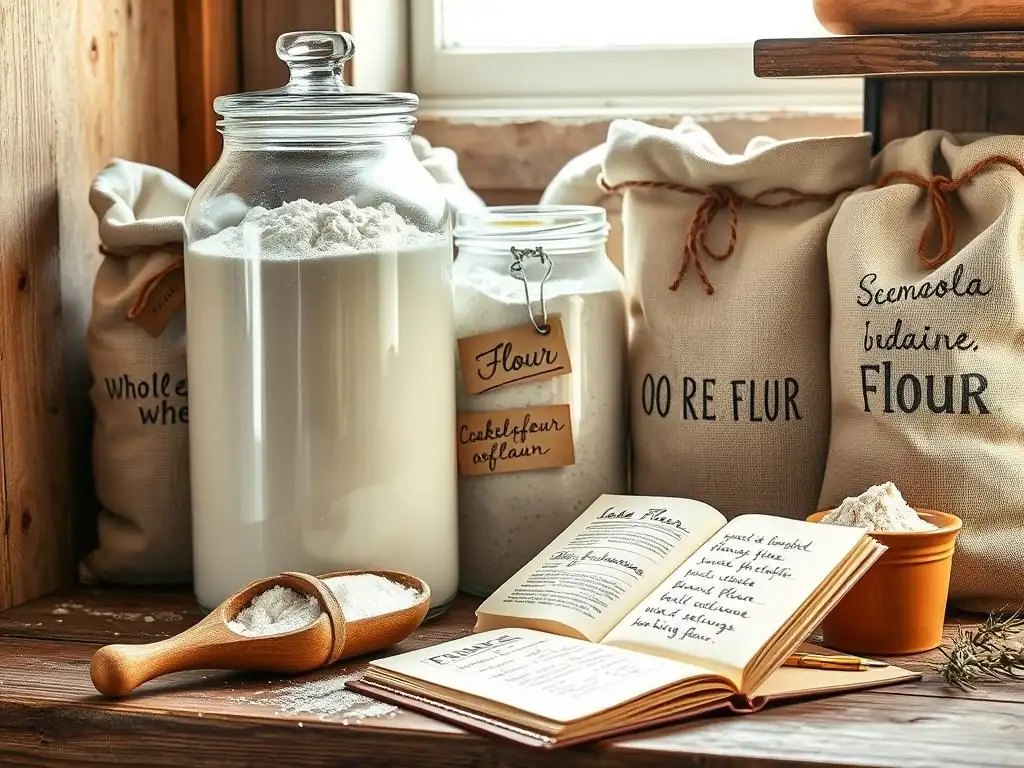
Proper storage is essential to keep your flour fresh and prevent it from spoiling or attracting pantry pests. Flour is a dry ingredient, but it can absorb moisture and odors from its environment. Exposure to air, light, heat, and moisture can cause the fats naturally present in flour (even white flour contains trace amounts) to oxidize and go rancid, resulting in off-flavors.
The best way to store flour is in an airtight container, such as a plastic food storage container with a tight-fitting lid or a glass jar. This protects the flour from moisture, odors, and insects. Store the container in a cool, dark, and dry place, such as a pantry or cupboard away from the oven or direct sunlight. For longer storage, especially for whole wheat or alternative flours (which contain more oils), the refrigerator or freezer is recommended.
Shelf Life: Factors Affecting Flour Quality
The shelf life of flour varies depending on the type. White all-purpose flour, with its lower fat content, typically lasts longer than whole wheat flour or other specialty flours.
- White Flour (All-Purpose, Cake, Pastry, Bread): Generally lasts 6 to 12 months when stored properly in a cool, dry pantry. It can last even longer (up to 2 years) if stored in the refrigerator or freezer.
- Whole Wheat Flour: Has a shorter shelf life due to the presence of the germ and bran, which contain more oils. It typically lasts about 3 months in the pantry but can last 6-12 months in the refrigerator or freezer.
- Gluten-Free Flours/Blends: Shelf life varies greatly depending on the ingredients. Rice flour can last longer, while nut flours (like almond flour) have a shorter shelf life due to their high fat content and should ideally be refrigerated or frozen.
Always check flour for signs of spoilage, such as an off smell (it should smell neutral or slightly sweet, not musty or rancid) or the presence of pests, before using it in your baking. Using fresh flour is key to achieving the best flavor and texture in your beginner cookies.
One common issue beginner bakers face is cookies that spread too much and turn out thin and flat. While several factors can contribute to this (like melted butter, warm dough, or too much leavening), using too little flour or improperly measuring flour is a frequent cause. If you scoop flour directly from the bag, you might be using less flour than the recipe intends by weight, leading to a dough that is too wet and spreads excessively in the oven.
Another factor related to flour is gluten development. While less common in cookies than bread, overmixing a dough made with higher protein flour (like all-purpose) after the liquid is added can develop too much gluten, which can sometimes contribute to spread issues, though it's more often linked to toughness. Ensuring you use the correct amount of flour, measured accurately (ideally by weight), is the first step in preventing flat cookies.
Conversely, cookies that are dry, crumbly, or don't spread enough are often the result of using too much flour or not enough liquid/fat. If you compact your flour when measuring by volume, you could be adding significantly more flour than the recipe requires, absorbing too much moisture from the dough.
The balance between the dry ingredients (primarily flour) and the wet ingredients (butter, sugar, eggs, liquids) is crucial. If this balance is off due to inaccurate flour measurement, the dough will be too dry. Ensure your butter and eggs are at the correct temperature specified by the recipe, as this also affects how the ingredients emulsify and the dough's hydration. Using the "spoon and level" method or, better yet, weighing your flour will help prevent dry cookies caused by excess flour.
Tough cookies are typically caused by overdeveloping gluten. Gluten is a protein network that forms when flour (specifically the proteins glutenin and gliadin) is mixed with liquid and agitated. While some gluten is needed for structure, too much creates a dense, chewy, and sometimes tough texture, which is usually undesirable in classic cookies (except perhaps intentionally chewy ones).
To avoid tough cookies, particularly when using all-purpose or higher-protein flours, mix the dough only until the ingredients are just combined. Once you add the flour, mix on low speed or by hand until you no longer see dry streaks of flour. Overmixing, especially with an electric mixer on high speed after the flour is added, rapidly develops gluten and can lead to a tough result. Gentle mixing is key to keeping cookies tender.
Conclusion: Choosing the Right Flour for Baking Success
Key Takeaways: Understanding Flour's Role
Choosing the best flour for beginner cookies doesn't have to be complicated. The most important takeaway is that flour is the foundation of your cookie's structure and texture. Understanding the differences in protein content between common flours—all-purpose (~10-12%), pastry (~8-10%), cake (~6-8%), and bread (~12-14%)—helps you predict how they will behave in a recipe. All-purpose flour is the most versatile and forgiving, making it the ideal starting point for learning to bake a wide variety of classic cookies.
Accurate measurement, ideally by weight, is crucial for consistent results, preventing common issues like flat, dry, or tough cookies. Proper storage ensures your flour stays fresh and performs as expected. By starting with all-purpose flour, measuring carefully, and following recipes, beginners can confidently bake delicious cookies and gradually explore other flour types to achieve different textures as their skills grow.
Resources: BakeWithEase Resources for Your Baking Journey
Ready to put your flour knowledge into practice? BakeWithEase offers a wealth of resources to help beginner bakers succeed. Explore our collection of simple, step-by-step classic cookie recipes, many of which are designed specifically for use with all-purpose flour, making them perfect for getting started.
Find guides on essential baking techniques, including detailed instructions on how to measure flour accurately and tips for troubleshooting common cookie problems. Discover recipes that introduce you to using different flour types, like a tender shortbread recipe perfect for pastry or cake flour, or a super-chewy chocolate chip cookie using a touch of bread flour. Our resources are here to support you every step of the way as you master the art of baking delicious cookies with ease.
Frequently Asked Questions
For beginners, all-purpose flour is generally recommended. It's a versatile flour that provides a good balance of gluten development for a chewy yet tender cookie. It's also widely available.
All-purpose flour is forgiving and easy to work with. It provides a good structure without being overly tough, making it suitable for a wide variety of classic cookie recipes that beginners might try.
While technically possible, it's generally not advisable for beginners. Bread flour creates a chewier cookie due to higher gluten content, and cake flour results in a more delicate, crumbly cookie. These require different techniques.
The best way is to use the "spoon and level" method. Spoon the flour into your measuring cup and then level it off with a straight edge, being careful not to pack it down.
Over-mixing the dough after adding flour can lead to tough cookies. Also, using too much flour can result in dry, crumbly cookies. Always measure accurately and mix until just combined.
Final Reflection: The Humble Flour's Unexpected Power
The perfect cookie, a seemingly simple pleasure, hinges on the often-overlooked ingredient: flour. Choosing the right flour isn't just about texture; it's about unlocking the potential for baking success, especially for beginners often intimidated by the process. Mastering this foundational element empowers you to confidently create delicious treats.
The journey through different flours – from all-purpose to cake flour, and even exploring blends – has highlighted how much a single ingredient can impact the final product. It's a testament to the power of understanding the basics. As Julia Child famously said, Find something you're passionate about and keep tremendously interested in it.
For me, that passion lies in the transformative power of simple ingredients, and flour, in its unassuming way, embodies that perfectly. The subtle nuances in texture and taste, discovered through experimentation, have deepened my appreciation for the art of baking.
Now, it's your turn. Don't be afraid to experiment with different flours, to embrace the occasional mishap as a learning opportunity. The path to baking mastery begins with understanding the fundamentals, and the flour you choose is your first step. So, grab your apron, gather your ingredients, and embark on your own baking adventure. The perfect cookie – and the immense satisfaction of creating it – awaits.
Thanks for joining us on this delicious journey into the world of cookie flour! We hope you now feel confident in choosing the perfect flour for your next batch of classic cookies. Ready to take your baking skills to the next level?
- Bake your dream cookies today! Grab your chosen flour, gather your ingredients, and let's get baking. Don't be afraid to experiment – that's where the magic happens!
- Share your baking triumphs (and even your flops!) with us on social media! Use #BakeWithEase and tag us – we’d love to see your creations.
- Explore our other baking guides for more tips and tricks to elevate your baking game.
What's your favorite cookie recipe – and what kind of flour do you use for it? Let's talk cookies in the comments below!