
Easy Drop Cookie Variations for Beginners

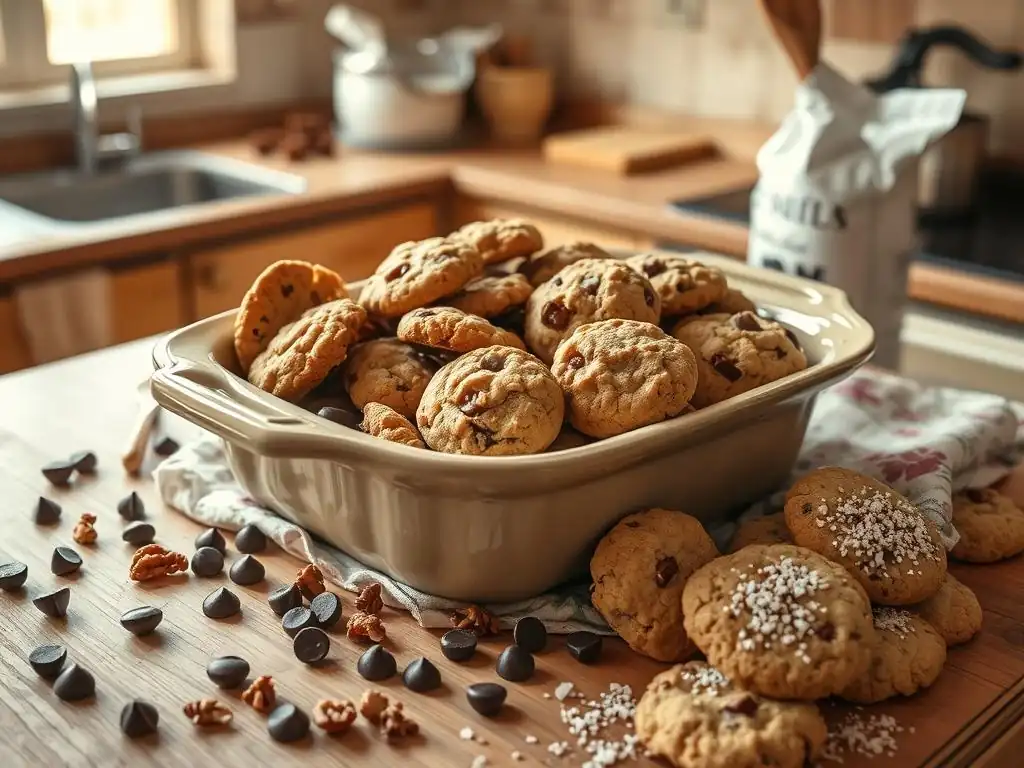
Welcome to BakeWithEase, your friendly guide to the wonderful world of baking! Ever dreamt of effortlessly whipping up delicious cookies? Then you're in the right place! This article dives into easy drop cookie recipes for beginners, unlocking a world of simple variations that will impress your friends and family. But what makes a drop cookie so easy, and how can you personalize them to your taste? Keep reading to discover the secrets!
- Easy Drop Cookie Variations for Beginners | BakeWithEase.com
- Introduction: Mastering Drop Cookies - A Beginner's Guide
- The Ultimate Easy Drop Cookie Recipe (Base Recipe)
- 5 Delicious & Easy Drop Cookie Variations for Beginners
- Troubleshooting Common Drop Cookie Baking Problems
- Storing Your Easy Drop Cookies
- Conclusion: Bake With Ease - Your Journey to Cookie Perfection
- Frequently Asked Questions
- Final Reflection: The Sweet Simplicity of Baking
- Unleash Your Inner Baker: Creative Cookie Adventures Await!
Welcome, aspiring bakers! If you're just starting your baking journey, cookies are a fantastic place to begin. They are forgiving, fun, and offer almost immediate delicious rewards. Among the vast universe of cookies, drop cookies stand out as the ultimate starting point. They require minimal equipment – essentially just a bowl, a spoon or mixer, and a baking sheet – and the process is straightforward: mix, drop, and bake! Mastering easy drop cookie recipes for beginners opens the door to countless variations and endless baking possibilities right from your own kitchen. It's a simple pleasure that anyone can enjoy.
Baking isn't just about following a recipe; it's about understanding a few basic principles and gaining confidence with simple techniques. For beginners, this often means starting with recipes that minimize complexity. Drop cookies fit this perfectly.
You don't need to roll dough, use cookie cutters, or worry about intricate decorating. It's a low-stress way to practice creaming butter and sugar, mixing dry and wet ingredients, and learning how to tell when a cookie is perfectly baked. These fundamental skills learned through easy drop cookie recipes for beginners will serve as a strong foundation for tackling more complex baking projects in the future.
Drop cookies are incredibly forgiving, which is a huge advantage for anyone new to baking. Unlike delicate pastries or finicky cakes, slight variations in mixing time or ingredient measurements often don't spell disaster. If your dough is a little soft, you can chill it.
If your cookies spread too much, you can adjust the temperature or chilling time next batch. This resilience allows beginners to experiment and learn without the frustration of immediate failure. The simple action of using a spoon or scoop to portion the dough onto a baking sheet is intuitive and requires no special technique beyond consistent sizing for even baking.
Furthermore, the ingredient lists for most easy drop cookie recipes for beginners are short and utilize common pantry staples like flour, sugar, butter, and eggs. This makes them accessible and budget-friendly. You don't need to seek out specialty ingredients or equipment to get started. The basic formula is adaptable, allowing for endless additions like chocolate chips, nuts, dried fruit, or spices, meaning you can create a wide variety of flavors from a single base recipe. This versatility, combined with their simplicity, truly makes drop cookies the ideal entry point into the wonderful world of baking for any beginner.
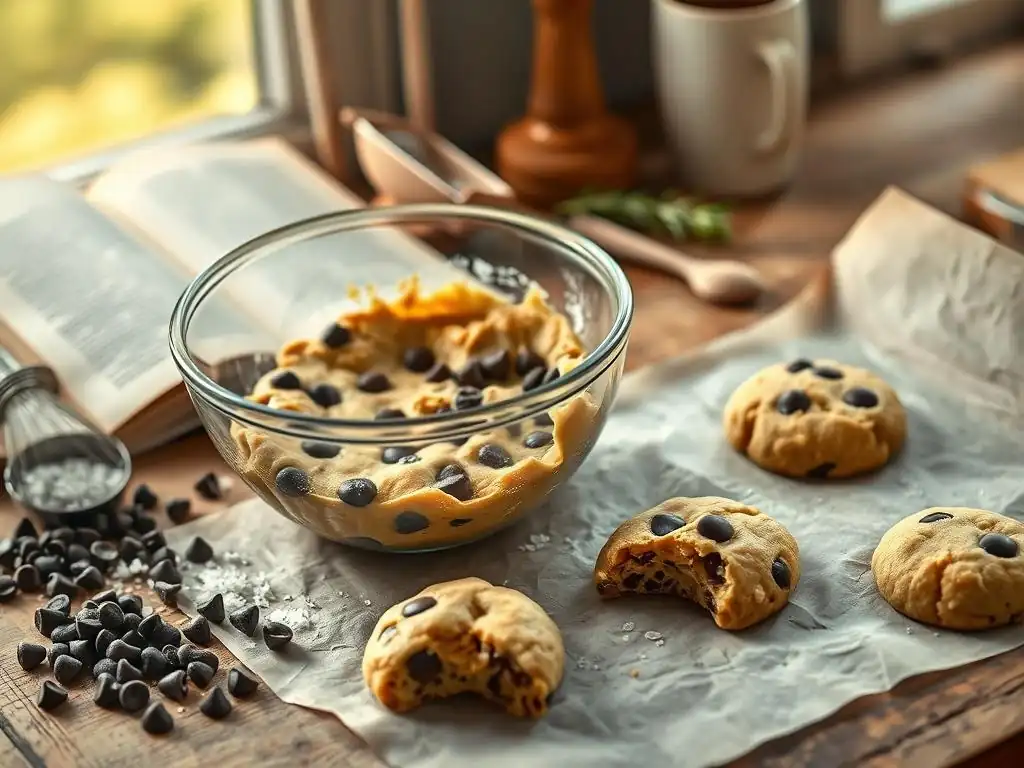
Creating a delicious base dough for easy drop cookie recipes for beginners starts with understanding the role of each ingredient. You'll typically need softened unsalted butter, granulated sugar, brown sugar, eggs, vanilla extract, all-purpose flour, baking soda, baking powder, and salt. Softened butter is crucial for creaming, which incorporates air and contributes to texture. A mix of granulated and brown sugar adds sweetness and moisture; brown sugar, with its molasses content, also adds chewiness. Eggs act as a binder and add richness, while vanilla enhances the overall flavor.
The dry ingredients provide structure and lift. All-purpose flour is the standard base. Baking soda and baking powder are leavening agents that help the cookies rise and spread appropriately. Baking soda reacts with acidic ingredients (like brown sugar or molasses, if present) to create spread, while baking powder provides lift. Salt balances the sweetness. Using these simple, readily available ingredients allows beginners to focus on the process rather than hunting down obscure items, making these easy drop cookie recipes for beginners truly approachable.
Step-by-Step Instructions: Making the Base Dough
Making the base dough for these easy drop cookie recipes for beginners follows a standard creaming method. First, in a large bowl, cream together the softened butter and both sugars using an electric mixer or a sturdy whisk and some elbow grease until the mixture is light and fluffy, usually taking 2-3 minutes. This step is essential for incorporating air, which helps the cookies rise. Next, beat in the eggs one at a time, ensuring each is fully incorporated before adding the next. Stir in the vanilla extract.
In a separate medium bowl, whisk together the flour, baking soda, baking powder, and salt. Gradually add the dry ingredients to the wet ingredients, mixing on low speed or by hand until just combined. Be careful not to overmix, as this can develop too much gluten, resulting in tough cookies. The dough should be soft but manageable. At this point, the base dough is ready for chilling (recommended for better texture and less spread) or for adding your desired variations. This simple sequence is the foundation for countless delicious cookies.
Achieving perfectly baked drop cookies involves a few key tips. Firstly, chilling the dough is highly recommended for most easy drop cookie recipes for beginners. Chilling solidifies the fat, which helps the cookies spread less in the oven and results in a thicker, chewier cookie.
A minimum of 30 minutes is helpful, but chilling for a couple of hours or even overnight yields the best results. When ready to bake, use a cookie scoop or two spoons to portion uniform balls of dough onto a baking sheet lined with parchment paper or a silicone baking mat. Uniform size ensures all cookies bake evenly.
Secondly, oven temperature is critical. Ensure your oven is preheated to the correct temperature (typically 350°F or 175°C). Using an oven thermometer can help verify accuracy. Bake one sheet at a time in the center of the oven for even heat distribution.
Baking times vary depending on the size of the cookies and your oven, but a common range is 8-12 minutes. Cookies are done when the edges are set and lightly golden, but the centers still look slightly soft and pale. They will continue to set as they cool on the baking sheet for a few minutes before being transferred to a wire rack. Overbaking is a common mistake that leads to dry cookies.
The chocolate chip cookie is perhaps the most iconic easy drop cookie recipe for beginners. Starting with the base dough, you simply fold in chocolate chips. The type of chocolate chip you choose significantly impacts the final cookie. Semi-sweet chocolate chips are the classic choice, offering a balanced sweetness.
Milk chocolate chips provide a creamier, sweeter flavor, while dark chocolate chips offer a richer, less sweet contrast. You can also use chocolate chunks, which melt into larger pockets of chocolate within the cookie. A common addition is about 1 to 1.5 cups of chocolate chips per batch of the base dough described above.
Adding the chocolate chips is the last step before portioning. Gently fold them into the finished dough until they are evenly distributed. Overmixing here can lead to streaks of chocolate or a tough dough. The goal is to incorporate the chips without overworking the gluten. Once mixed, scoop the dough onto your prepared baking sheets. For extra visual appeal, you can press a few extra chocolate chips onto the tops of the dough balls before baking. These easy drop cookie recipes for beginners are endlessly adaptable to your chocolate preference.
Adding Chocolate Chips: Choosing the Right Type
Selecting the right chocolate chip is key to your perfect chocolate chip cookie. Standard semi-sweet chips (often around 40-50% cacao) offer a reliable, familiar flavor profile that pairs wonderfully with the buttery dough. They hold their shape well during baking, resulting in distinct chocolate pockets. If you prefer a sweeter, more mellow chocolate flavor, milk chocolate chips (typically 20-30% cacao) are a great choice, melting into gooey centers. For a more intense, sophisticated taste, dark chocolate chips or chunks (60% cacao or higher) provide a lovely counterpoint to the cookie's sweetness.
Beyond flavor, consider the size and shape. Standard chips work well, but chopping a chocolate bar into chunks provides irregular shapes and sizes that melt differently, often creating delightful pools of chocolate. Mini chocolate chips are perfect for smaller cookies or for ensuring chocolate in every bite.
You can even mix different types of chocolate chips in one batch – perhaps a combination of semi-sweet and milk chocolate – to add complexity. Don't be afraid to experiment with about 1 to 1.5 cups total of your favorite type(s) of chocolate per batch of easy drop cookie recipes beginners base dough.
Baking Chocolate Chip Cookies: Getting the Perfect Texture
Baking chocolate chip cookies to achieve that sought-after perfect texture – slightly crisp edges and a soft, chewy center – depends largely on baking time and temperature. Baking at 350°F (175°C) is standard. For chewy cookies, bake until the edges are set and lightly golden, but the centers still look slightly underdone, perhaps even a little shiny. This usually takes 9-12 minutes, depending on the size of your cookies. Remember, they will continue to cook from residual heat as they cool on the baking sheet.
If you prefer a crispier cookie, bake for an extra minute or two until the edges are more deeply golden and the surface looks less shiny throughout. For thicker, puffier cookies, ensure your butter wasn't too soft, consider reducing the amount of baking soda slightly, and definitely chill the dough thoroughly (at least 1-2 hours). For flatter, chewier cookies, slightly softer butter and minimal chilling can contribute to more spread. Pay close attention during the last few minutes of baking; the difference between perfectly baked and slightly overdone is often just 60-90 seconds.
Oatmeal cranberry drop cookies are a wonderful variation, offering a delightful chewiness from the oats and bursts of tartness from the cranberries. They are perfect for beginners looking to expand beyond basic chocolate chip. To the base dough, you'll typically add rolled oats and dried cranberries. Rolled oats (old-fashioned oats) are preferred over quick oats as they provide better texture and chewiness. Quick oats can make the cookies too dense or crumbly. A good starting point is adding about 1.5 cups of rolled oats and 1 cup of dried cranberries to the base dough.
Adding a touch of spice, like cinnamon (about 1 teaspoon), also complements the flavors beautifully in these easy drop cookie recipes for beginners. Fold the oats, cranberries, and any spices into the dough gently after the dry ingredients are just combined. Ensure the additions are evenly distributed throughout the dough before portioning. The dough might feel a bit thicker than the base recipe due to the oats absorbing some moisture, which is normal.
The Secret to Soft and Chewy Oatmeal Cranberry Cookies
Achieving that signature soft and chewy texture in oatmeal cranberry cookies involves a few factors. Using a combination of granulated sugar and brown sugar (often more brown sugar than granulated compared to a standard chocolate chip recipe) is key, as the molasses in brown sugar adds moisture and chewiness. Using rolled oats instead of quick oats provides better structure and chew. Creaming the butter and sugars properly incorporates air, which helps with texture.
Baking technique also plays a crucial role. Bake these cookies until the edges are set and lightly browned, but the centers still look soft. Often, the centers won't look fully "done" when you pull them out, and that's okay – they will firm up as they cool.
Baking them for approximately 10-13 minutes at 350°F (175°C) is a common range for a chewy result. Letting them cool on the baking sheet for 5-10 minutes before transferring to a wire rack also helps them set without becoming hard. These easy drop cookie recipes beginners variations benefit greatly from careful baking time.
Adding Oats and Cranberries: Achieving the Right Balance
Adding the right amount of oats and cranberries is important for texture and flavor balance. Too many oats can make the cookies dry or tough, while too few might not provide enough chewiness. Too many cranberries can make the cookies overly tart or moist in spots. A ratio of roughly 1.5 cups of rolled oats to 1 cup of dried cranberries per batch of base dough works well, providing a good distribution of both ingredients in each cookie.
Ensure the oats and cranberries are evenly mixed into the dough. This prevents clumping and ensures every cookie has a good amount of both textures and flavors. If your dried cranberries seem hard, you can soak them in hot water for 5-10 minutes and then drain them thoroughly before adding to the dough; this makes them plumper and softer.
However, for most store-bought dried cranberries, this isn't necessary. Just fold them in gently with the oats. These easy drop cookie recipes for beginners are flexible, so you can adjust the quantities slightly based on your preference after trying the suggested amount.
Peanut butter and chocolate are a classic pairing, and combining them in an easy drop cookie recipe for beginners is a surefire win. To create this variation, you'll incorporate peanut butter directly into the base dough. Creaming softened butter with about 1/2 cup of smooth or crunchy peanut butter (depending on your texture preference) along with the sugars is the first step. Natural peanut butter that separates can be used, but ensure it is very well stirred before measuring. Using a standard processed peanut butter often yields more consistent results for beginners.
After creaming the butter, peanut butter, and sugars, proceed with adding the eggs, vanilla, and then the dry ingredients as in the base recipe. Once the dough is just combined, fold in about 1 to 1.5 cups of chocolate chunks. Chocolate chunks, especially from a chopped bar, melt beautifully and create gooey pockets of chocolate that pair perfectly with the nutty peanut butter flavor. This variation adds richness and a distinct nutty aroma to your easy drop cookie recipes beginners repertoire.
Using Peanut Butter and Chocolate Chunks: The Perfect Combination
The magic of peanut butter chocolate chunk cookies lies in the interplay of salty-sweet peanut butter and rich chocolate. When selecting peanut butter, processed varieties (like Jif or Skippy) tend to result in cookies with a more consistent texture and spread due to added oils and sugar. If using natural peanut butter, ensure it's thoroughly stirred to combine the oil and solids before measuring, and be aware that your cookies might spread a bit more. About 1/2 cup added during the creaming stage is a good starting point for a noticeable peanut butter flavor.
For the chocolate, chunks are often preferred over chips because they create those desirable pools of melted chocolate. You can use semi-sweet, milk, or dark chocolate chunks – whichever you prefer. Chopping a good quality chocolate bar yourself often yields the best melting results. Aim for roughly 1 to 1.5 cups of chunks. The size of the chunks will affect the texture; larger chunks mean bigger melted pockets. Combining the nutty, slightly salty peanut butter dough with the sweet, melting chocolate chunks creates a truly satisfying cookie experience for beginners.
Creating the Perfect Peanut Butter Chocolate Chunk Cookie Texture
The texture of peanut butter cookies can range from soft and chewy to slightly crumbly. For a soft and chewy texture in these easy drop cookie recipes for beginners, ensure you don't overbake. The cookies are done when the edges are just set and lightly golden, and the centers still look soft. Baking for 9-12 minutes at 350°F (175°C) is typical. Using brown sugar in the dough also contributes significantly to chewiness and moisture.
Peanut butter itself adds density to the dough, which can sometimes lead to less spread. If your cookies aren't spreading enough, ensure your butter was properly softened, consider slightly flattening the dough balls before baking, or check your oven temperature. Chilling the dough is still beneficial for flavor development and controlling spread, but extremely cold dough might spread less initially. Let the cookies cool on the baking sheet for several minutes; peanut butter cookies can be quite delicate when hot.
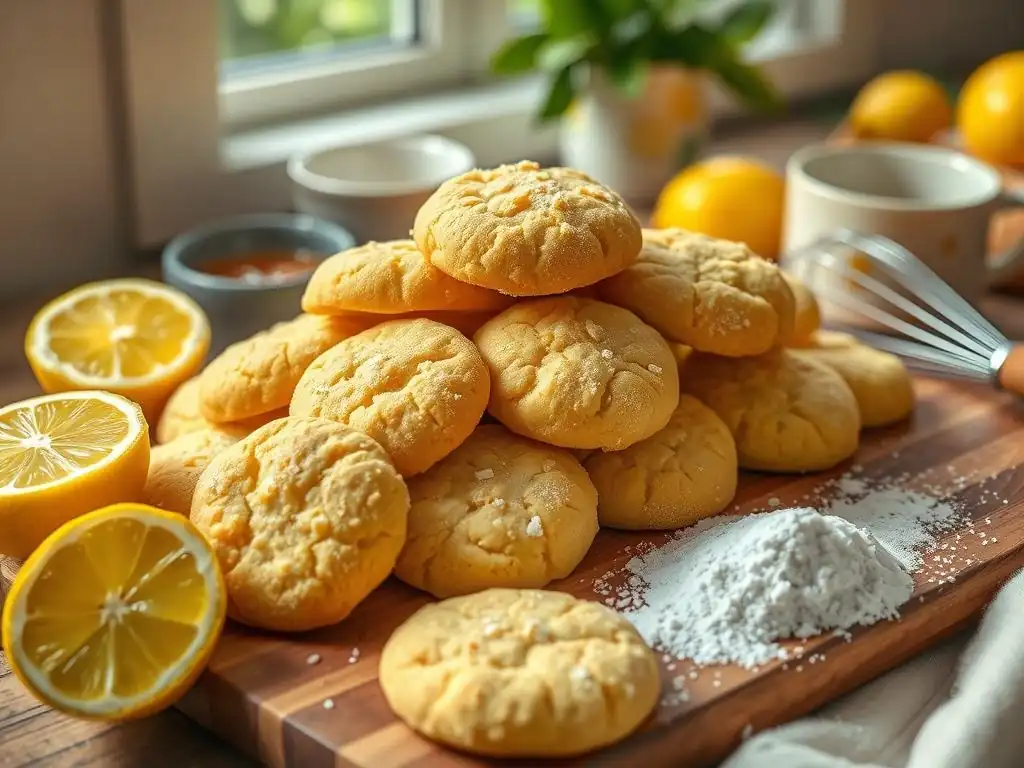
Lemon drop cookies offer a bright, refreshing alternative to chocolate-heavy variations and are surprisingly easy for beginners. This variation uses lemon zest and sometimes lemon juice to infuse the dough with citrus flavor. Start with the base dough recipe, but you'll add the zest of 1-2 lemons (about 1-2 tablespoons) during the creaming stage with the butter and sugars. The oils in the zest carry the most intense lemon flavor. You can also add 1-2 teaspoons of fresh lemon juice along with the wet ingredients, but be mindful that adding too much liquid can affect the dough consistency.
For an extra burst of flavor and a lovely finish, these cookies are often coated in powdered sugar after baking or finished with a simple lemon glaze. The dough itself is simple, relying on the quality of the lemon zest for its primary flavor. These easy drop cookie recipes beginners can master quickly offer a delightful tangy-sweet profile perfect for spring or summer, or anytime you crave a lighter cookie.
Achieving a Tender Lemon Cookie: Tips and Tricks
To ensure your lemon drop cookies are tender and not tough, avoid overmixing the dough, especially after adding the flour. Mix until just combined. Using softened butter and creaming it properly with the sugars and lemon zest helps create a tender crumb structure. Baking at the correct temperature (350°F or 175°C) and not overbaking is also crucial. Lemon cookies are often done when the edges are barely set and the centers still look soft and pale; they don't typically brown much.
Baking time is usually similar to other drop cookies, around 8-11 minutes. Overbaking will result in dry, crumbly cookies where the lemon flavor might become less vibrant. If using lemon juice in the dough, the slight acidity can sometimes affect leavening; ensure your baking soda and powder are fresh. Chilling the dough for at least 30 minutes can also help control spread and maintain a slightly thicker, more tender cookie texture.
Glazing Lemon Drop Cookies: Easy Ideas for Beginners
A simple lemon glaze adds an extra layer of lemon flavor and sweetness to these easy drop cookie recipes for beginners. A basic glaze is made by whisking together about 1 cup of powdered sugar with 1-2 tablespoons of fresh lemon juice until smooth and pourable. The consistency should be thick enough to coat the cookies but thin enough to drip slightly. You can add more powdered sugar for a thicker glaze or more lemon juice (or milk/water) for a thinner one.
Once the cookies have cooled completely on a wire rack, you can dip the tops into the glaze or drizzle the glaze over them using a spoon. Let the glazed cookies sit on the wire rack (with parchment paper underneath to catch drips) until the glaze is set, which usually takes about 20-30 minutes. Alternatively, for an even simpler finish, you can roll the balls of dough in powdered sugar before baking. As they bake, the sugar coating creates a lovely crinkled effect and adds sweetness, though this doesn't provide the same intense lemon kick as a glaze.
Brown butter pecan cookies elevate a simple drop cookie with the sophisticated flavor of browned butter and the crunch of toasted pecans, yet remain accessible for beginners. Brown butter is made by gently cooking butter until the water evaporates and the milk solids toast, creating a nutty, caramelized flavor. This process is easy but requires attention. Start by melting the butter (you'll need the amount specified in the base recipe, typically 1 cup) in a light-colored saucepan over medium heat. It will melt, then foam, then brown bits will form at the bottom. Swirl the pan occasionally.
Once the butter turns a rich amber color and smells nutty, immediately remove it from the heat and pour it into a heatproof bowl to stop the cooking. Let it cool slightly before using. You can also toast your pecans (about 1 cup, chopped) in a dry skillet over medium heat for 5-7 minutes, stirring often, until fragrant, then let them cool.
Incorporate the cooled brown butter and toasted pecans into the base dough recipe at the appropriate steps (brown butter replaces softened butter; pecans are folded in with dry ingredients or at the end). These easy drop cookie recipes beginners can master add a layer of depth to their baking skills.
The Key to Brown Butter's Signature Flavor
The unique, rich, and nutty flavor of brown butter comes from the Maillard reaction, a chemical process that occurs when the milk solids in butter are heated and caramelized. Using a light-colored saucepan is crucial so you can see the milk solids changing color from white foam to golden, then amber, and finally brown specks at the bottom. The goal is to reach a point where the butter smells intensely nutty and looks like liquid gold with brown sediment, without burning the solids, which would make the butter bitter.
The amount of time it takes to brown butter varies depending on the quantity and heat level, but for 1 cup, it might take 5-8 minutes. Swirling the pan helps ensure even browning. Once you achieve the desired color and aroma, immediately remove the butter from the heat and transfer it to a cool bowl.
Leaving it in the hot pan will cause it to continue cooking and potentially burn. Using brown butter instead of softened butter requires allowing it to cool slightly so it's not too hot when mixed with sugar, but it doesn't need to solidify back to a stick; a liquid state is fine. This simple technique dramatically enhances the flavor profile of easy drop cookie recipes for beginners.
Adding Pecans: Getting the Right Crunch
Adding toasted pecans provides a delightful crunch and complements the nutty flavor of the brown butter in these easy drop cookie recipes for beginners. Toasting the pecans before adding them to the dough is a simple step that significantly enhances their flavor and aroma. Spread about 1 cup of chopped pecans in a single layer on a dry skillet over medium heat. Stir them frequently to prevent burning. They are done when they become fragrant and slightly darker, typically after 5-7 minutes.
Let the toasted pecans cool completely before folding them into the cookie dough. Adding warm nuts can slightly melt the butter and affect the dough's consistency. Fold the cooled, toasted pecans into the dough just after combining the dry ingredients. Ensure they are evenly distributed so every cookie has a good balance of nutty dough and crunchy pecans. Using chopped pecans rather than halves ensures better distribution throughout the smaller drop cookie form.
Excessive spreading, resulting in flat cookies, is a common issue when making easy drop cookie recipes for beginners. Several factors can cause this. The most frequent culprit is butter that is too soft or even melted. Softened butter should be pliable, like room temperature butter, but still hold its shape; it shouldn't be greasy or liquidy. If your butter is too soft, the cookies will spread too much in the oven before the structure has a chance to set. Using cold butter and creaming it properly until light and fluffy helps incorporate air and structure.
Another major reason for flat cookies is insufficient chilling of the dough. Chilling solidifies the fat (butter), which helps the cookies hold their shape when they hit the hot oven. Chilling for at least 30 minutes, or ideally 1-2 hours, is often necessary to prevent excessive spread.
Ensure your oven is preheated to the correct temperature (usually 350°F or 175°C); an oven that isn't hot enough will cause the butter to melt too slowly, leading to more spread. Finally, too little flour or an incorrect ratio of ingredients can also contribute to flatness. If all else fails, try slightly increasing the flour by 1-2 tablespoons in your next batch of these easy drop cookie recipes beginners.
Dry, crumbly cookies are often the result of overbaking or using too much flour. When making easy drop cookie recipes for beginners, it's crucial to watch the cookies closely during the last few minutes of baking. Cookies continue to cook from residual heat after they are removed from the oven. Pulling them out when the edges are set but the centers still look slightly soft and pale is key to achieving a moist interior. Baking for just a minute or two too long can turn a perfectly soft cookie into a dry one.
Measuring flour correctly is also vital. Scooping flour directly from the bag with your measuring cup can compact it, leading to significantly more flour than intended. The best method is to lightly spoon the flour into the measuring cup and then level it off with a straight edge. Using too much flour absorbs too much moisture from the dough, resulting in a dry texture. Ensure your leavening agents (baking soda and baking powder) are fresh, as expired leaveners can affect the cookie's rise and texture, sometimes contributing to dryness.
Burning cookies, especially on the bottoms, is frustrating but often easily fixable for beginners working with easy drop cookie recipes beginners. The most common cause is an inaccurate oven temperature. Many home ovens run hotter or colder than the dial indicates. Using an inexpensive oven thermometer can help you verify the actual temperature and adjust accordingly. If your oven runs hot, try lowering the temperature by 15-25°F (about 5-15°C).
Another reason for burning is placing the cookies on a hot baking sheet from a previous batch. Always allow baking sheets to cool completely between batches, or use multiple sheets. Placing dough on a hot sheet starts the baking process too quickly, leading to burnt bottoms and potentially undercooked tops.
Ensure you are using parchment paper or a silicone baking mat; these not only prevent sticking but also help insulate the bottom of the cookie from the direct heat of the baking sheet, reducing the risk of burning. Finally, check the baking time mentioned in the recipe against your results; your oven might simply bake faster than the recipe assumes, so start checking for doneness a couple of minutes early.
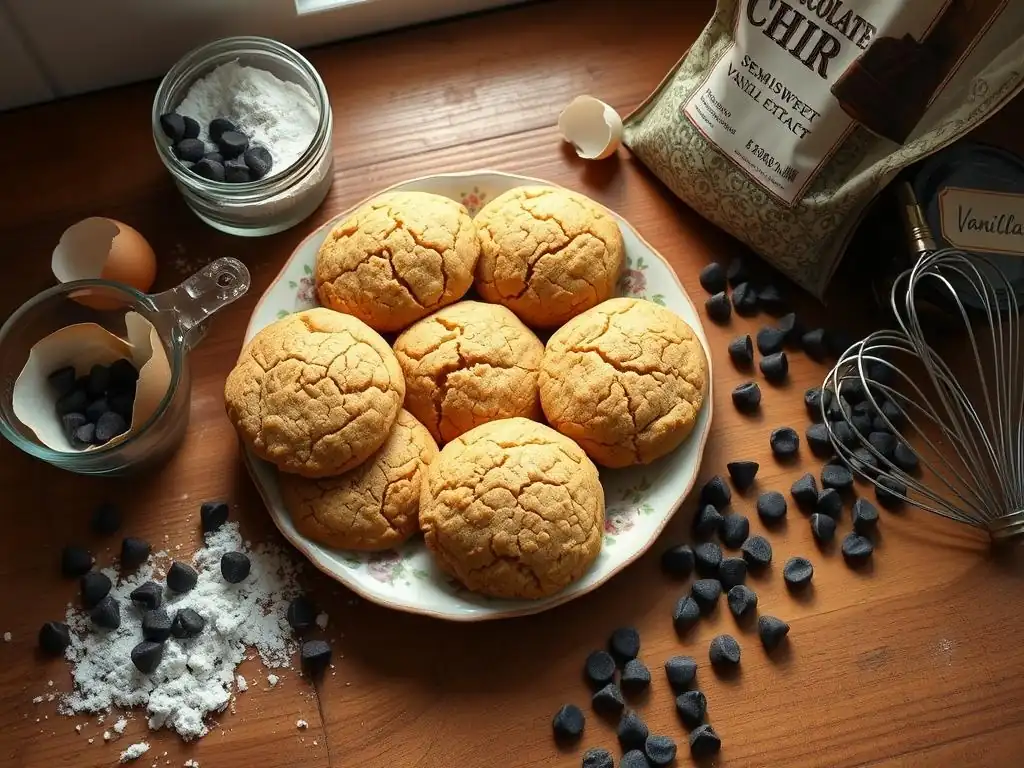
Proper storage is key to keeping your easy drop cookie recipes beginners creations tasting their best for as long as possible. Once your cookies have cooled completely on a wire rack, store them in an airtight container. Exposure to air is the primary cause of cookies becoming stale or hard. Avoid storing different types of cookies (e.g., soft and crisp) in the same container, as moisture from softer cookies can transfer to crisp ones, making them soft.
For soft and chewy cookies, adding a slice of bread to the airtight container can help maintain moisture. The cookies will absorb moisture from the bread, keeping them soft. Just replace the bread slice every couple of days. Store the container at room temperature, away from direct sunlight or heat sources, which can affect texture. Most drop cookies will stay fresh for 3-5 days when stored properly.
Freezing is an excellent way to extend the life of your easy drop cookie recipes beginners, allowing you to bake a large batch and enjoy them later. You can freeze baked cookies or cookie dough. To freeze baked cookies, ensure they are completely cooled. Place them in a single layer on a baking sheet and freeze until solid (about 1-2 hours).
Once frozen, transfer the cookies to a freezer-safe airtight container or heavy-duty freezer bag, layering them with parchment paper to prevent sticking. Label with the date. Frozen baked cookies are best used within 2-3 months for optimal quality. Thaw them at room temperature before serving.
To freeze cookie dough, scoop the dough balls onto a baking sheet lined with parchment paper. Freeze until solid, then transfer the frozen dough balls to a freezer-safe container or bag, again labeling with the date. Frozen dough can be stored for up to 3 months. To bake from frozen, place the dough balls on a baking sheet and bake as usual, adding 1-3 minutes to the baking time. Freezing dough is incredibly convenient for having fresh-baked cookies on demand!
Congratulations! You've successfully tackled easy drop cookie recipes for beginners and created delicious homemade treats. There's immense satisfaction in pulling a warm batch of cookies from the oven and sharing them with friends and family (or keeping them all to yourself!). Take a moment to appreciate your accomplishment. Whether you made classic chocolate chip, chewy oatmeal cranberry, nutty peanut butter chocolate chunk, bright lemon, or rich brown butter pecan, you've built fundamental baking skills.
Enjoy your cookies with a glass of milk, a cup of tea or coffee, or simply on their own. Notice the textures – the crisp edges, the soft centers, the delightful additions like chocolate chips or nuts. Taste the flavors you've created. Baking should be a joyful process, and these easy drop cookie recipes beginners provide are the perfect introduction to that joy. Don't worry if your first batch wasn't absolutely perfect; every bake is a learning opportunity.
Next Steps: Expanding Your Baking Repertoire on BakeWithEase.com
Now that you've mastered easy drop cookie recipes for beginners, the baking world is your oyster! BakeWithEase.com is here to guide you on your continued journey. You can revisit these drop cookie variations, perhaps experimenting with different types of chocolate, nuts, or dried fruits. Try adding sprinkles, extracts, or spices like ginger or nutmeg to the base dough.
Beyond drop cookies, explore other beginner-friendly recipes on BakeWithEase.com. You might try simple bar cookies, no-bake cookies, or even venture into easy brownies or muffins. Each new recipe builds upon the basic techniques you've already learned. Keep practicing, keep experimenting, and most importantly, keep baking with ease and enjoyment!
Frequently Asked Questions
Easy drop cookie recipes typically involve minimal mixing, require no chilling of the dough, and utilize simple ingredients that are readily available.
While some substitutions are possible, it's best to stick to the original recipe when starting out. Once you're comfortable, you can experiment with minor changes, such as different chocolate chips.
Ensure your oven is at the correct temperature, use the right amount of flour, and avoid over-mixing the dough. Chilling the dough briefly can also help.
Store cooled drop cookies in an airtight container at room temperature for up to a week. You can also freeze them for longer storage, ensuring they are well-sealed.
Over-mixing the dough, using expired baking powder, and not measuring ingredients accurately are common pitfalls. Always follow the recipe closely for the best results.
Final Reflection: The Sweet Simplicity of Baking
The accessibility of baking, especially through simple drop cookie recipes, is more than just a culinary skill; it's a gateway to creativity and connection. These easy recipes, demystified throughout this article, offer a powerful antidote to the often-intimidating world of professional baking. They empower beginners to confidently experiment and discover the joy of creating something delicious from scratch.
The enduring appeal of homemade cookies transcends generations. It's a tangible expression of care, a comforting aroma that evokes cherished memories, and a simple pleasure that brightens even the dreariest day. Baking is at once child's play and adult joy. And love, of course.
This quote perfectly encapsulates the magic of baking, especially when approached with the uncomplicated methods detailed in this article. The ease of these recipes allows focus on the creative process, fostering a sense of accomplishment and personal expression.
Now, I invite you to roll up your sleeves, gather your ingredients, and embark on your own baking adventure. Don't be afraid to experiment with the variations suggested, or to let your imagination run wild with entirely new flavor combinations. The most important ingredient isn't listed on any recipe card: it's the joy you bring to the process. So, bake something delicious, share it with loved ones, and savor the sweet rewards of your culinary creation.
Thanks for joining us on this delicious journey into the world of easy drop cookies! We hope you've discovered some new favorite variations to bake and share. Ready to take your cookie game to the next level?
- Dive into your kitchen and bake your favorite variation today! Let the sweet aroma fill your home and enjoy the simple satisfaction of homemade treats.
- Share your creations on social media and tag us @BakeWithEase – we'd love to see your baking masterpieces! Let's inspire each other with our delicious cookie adventures!
- Explore our other beginner-friendly recipes on BakeWithEase.com for even more baking inspiration. Find your next culinary adventure!
What unique twist will you add to your next batch of drop cookies? Let us know in the comments!