
EggFree SliceandBake? Easy Adaptations for Beginners


Welcome to BakeWithEase, your haven for effortless baking! Ever dreamt of whipping up a delectable cake, completely egg-free? You're in the right place. Discover how easy adapting recipes can be, especially for beginners. Our guide to eggfree cake recipes easy is just the beginning – let's unlock the secrets to baking success together, one delicious slice at a time. Intrigued? Keep reading to find out how!
- Egg-Free Slice-and-Bake Cookies: Easy Adaptations for Beginners
- BakeWithEase Presents: Mastering Egg-Free Slice-and-Bake Cookies
- Why Egg-Free Baking? Understanding the Need for Egg Substitutes
- Essential Egg Substitutes for Slice-and-Bake Cookies
- Adapting Your Favorite Slice-and-Bake Cookie Recipes for Egg-Free Baking
- Egg-Free Slice-and-Bake Cookie Recipe Examples: Perfect for Beginners
- Tips and Tricks for Perfect Egg-Free Slice-and-Bake Cookies
- Troubleshooting Common Issues in Egg-Free Slice-and-Bake Baking
- Storing Your Egg-Free Slice-and-Bake Cookies
- Enjoying Your Delicious Egg-Free Slice-and-Bake Cookies
- Conclusion: Egg-Free Slice-and-Bake Cookies Made Easy with BakeWithEase
-
Frequently Asked Questions
- How can I easily adapt a slice-and-bake cake recipe to be egg-free?
- What are some common substitutes for eggs in egg-free cake recipes?
- Are egg-free cakes more difficult to bake than traditional cakes?
- Where can I find reliable and easy-to-follow egg-free cake recipes?
- What are some potential challenges when baking egg-free cakes?
- Final Reflection: Baking Freedom: Beyond the Egg
- Unleash Your Egg-Free Baking Potential!
Welcome to BakeWithEase, where we believe that delicious baking should be accessible to everyone, regardless of dietary needs or skill level. Slice-and-bake cookies are already a favorite for their simplicity, offering a straightforward path to warm, homemade treats. Now, imagine extending that ease to egg-free baking! This guide is designed specifically for beginners, showing you just how simple it is to adapt this convenient cookie style to be completely egg-free.
Whether you're navigating food allergies, exploring a vegan lifestyle, or simply curious about alternative baking methods, creating easy egg-free cookies is entirely within your reach. We'll walk you through the why, the how, and provide practical tips to ensure your egg-free slice-and-bake cookies turn out perfectly every time. Get ready to discover new possibilities in your kitchen and bake with confidence!
Why Egg-Free Baking? Understanding the Need for Egg Substitutes
The journey into egg-free baking often begins with a specific reason, but quickly opens up a world of versatile and delicious possibilities. Understanding the motivations behind choosing egg substitutes helps demystify the process and highlights the growing importance of inclusive baking.
Allergies and Dietary Restrictions: A Growing Demand for Egg-Free Treats
One of the primary drivers for egg-free baking is the need to accommodate allergies and dietary restrictions. Egg allergies are among the most common food allergies, particularly affecting young children, with estimates often citing around 1-2% of this population. For individuals with this allergy, consuming even a small amount of egg can cause reactions ranging from mild to severe. Providing safe and delicious treats for those with egg allergies is a significant need, and easy egg-free recipes are highly sought after.
Beyond allergies, other dietary choices or health considerations lead people to avoid eggs. This includes individuals reducing cholesterol intake or those following specific elimination diets. The demand for readily available, simple egg-free options in all types of baked goods, from cookies to easy egg-free cakes, continues to grow as more people seek inclusive and adaptable recipes for their homes and communities.
Exploring Vegan Baking: Adapting Slice-and-Bake Recipes
Veganism, a lifestyle that excludes all animal products, including eggs, dairy, and honey, is another major reason for exploring egg-free baking. For those new to a vegan diet or interested in trying vegan baking, traditional recipes often require significant adaptation. Eggs play several roles in baking – binding ingredients, providing structure, adding moisture, and contributing to leavening and richness.
Adapting familiar formats like slice-and-bake cookies into vegan versions provides an excellent entry point into this type of baking. Because slice-and-bake dough is typically dense and relies heavily on fat and chilling for structure, substituting the egg is often less complex than in lighter cakes or muffins. Mastering these simple egg-free cookies can build confidence for tackling other easy egg-free baking projects.
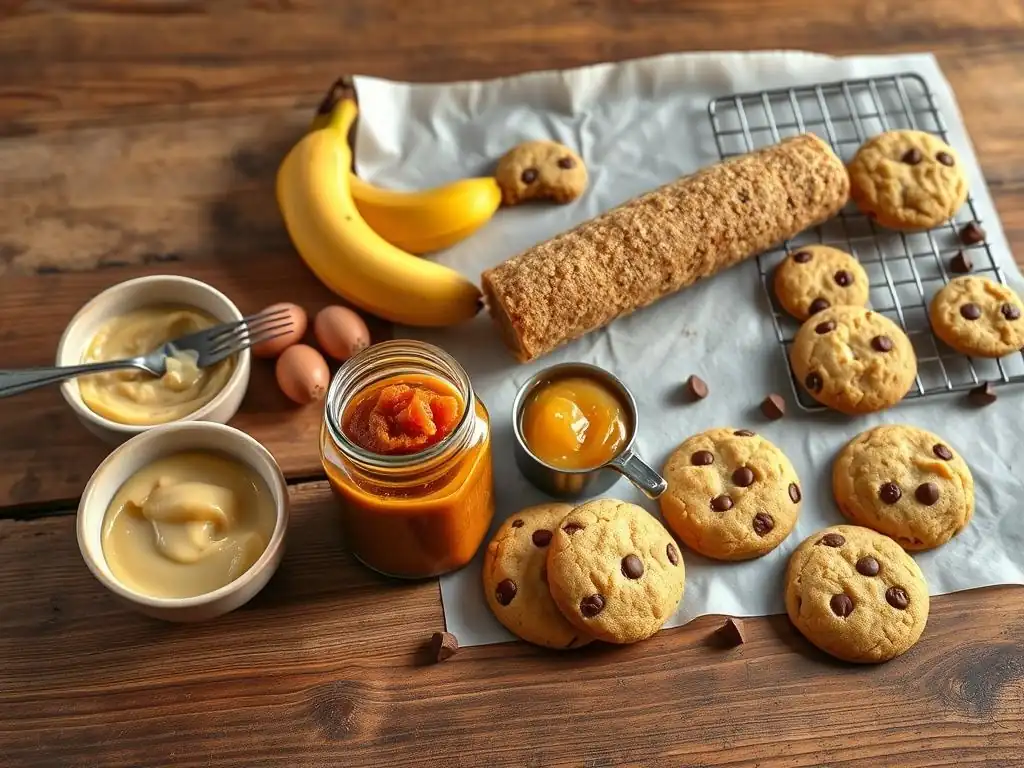
Finding the right egg substitute is key to successful egg-free baking. For slice-and-bake cookies, which require dough that holds its shape well for slicing and baking, the substitute needs to provide adequate binding and moisture without making the dough too wet or crumbly. Here are some reliable options perfect for beginners.
Applesauce: A Simple and Effective Egg Replacement
Unsweetened applesauce is a popular and readily available egg substitute. It primarily functions by adding moisture and a small amount of binding to baked goods. For most cookie recipes, substituting one large egg typically requires about 1/4 cup of unsweetened applesauce. It's important to use unsweetened varieties to avoid making your cookies overly sweet or affecting the sugar balance of the recipe.
While applesauce is easy to use, be mindful that it adds moisture, which might require a slight adjustment to other liquid ingredients in the recipe if the dough seems too wet. It can also sometimes impart a subtle flavor and result in a slightly softer, chewier cookie texture compared to traditional recipes. However, in many cookie flavors, like oatmeal or spice, the applesauce blends in beautifully.
Mashed Banana: Adding Moisture and Flavor
Ripe mashed banana is another fruit-based substitute that works well, especially in recipes where a hint of banana flavor is welcome. Similar to applesauce, it adds moisture and some binding properties. The recommended ratio is also generally about 1/4 cup of mashed ripe banana per large egg. Using very ripe bananas is crucial, as they are sweeter and mash more smoothly, integrating better into the dough.
Mashed banana works particularly well in heartier cookies like those with oats, nuts, or chocolate chips, as the banana flavor complements these ingredients. However, due to its distinct taste, it might not be the best choice for delicate flavors like simple vanilla sugar cookies where you want the pure vanilla to shine. It tends to produce a soft, moist cookie.
Flaxseed Meal: Creating a Binding Agent
Often referred to as a "flax egg," this substitute is excellent for providing binding, a key function of eggs in many recipes. To make one flax egg, whisk together 1 tablespoon of flaxseed meal (ground flaxseeds) with 3 tablespoons of water. Let the mixture sit for about 5 to 10 minutes until it develops a gel-like consistency. This gel is what helps bind the cookie dough together.
Flax eggs are fantastic in recipes where structure is important, helping to prevent crumbling in egg-free cookies. They add a slightly nutty flavor and tiny flecks to the dough, which is usually unnoticeable in textured cookies like those with oats or chocolate chips. While providing binding, they don't contribute much to leavening or richness, so they are best used in recipes where the primary need is for ingredients to hold together.
Commercial Egg Replacers: Convenient and Reliable Options
For consistency and ease, many beginners turn to commercial egg replacer products. These are typically starch-based powders that, when mixed with water according to package directions, create a mixture that mimics some of the binding properties of eggs. Popular brands like Ener-G Egg Replacer or Bob's Red Mill Egg Replacer offer convenient options that can be used in a variety of baked goods.
Commercial replacers are formulated to be relatively neutral in flavor and provide reliable results, making them a great starting point for adapting recipes. They are specifically designed to act as binders and can help create a texture closer to traditional cookies. Always follow the specific instructions on the product packaging, as ratios can vary between brands.
Converting a beloved traditional slice-and-bake cookie recipe to be egg-free might seem daunting, but with a few simple steps and an understanding of how egg substitutes work, it's quite achievable. This process is much simpler for slice-and-bake types compared to more complex baked goods, making them ideal for learning easy egg-free baking techniques.
Converting Traditional Recipes: A Step-by-Step Guide
Start by choosing a simple, classic slice-and-bake recipe that you are familiar with. Review the ingredients, noting the number of eggs required. Based on the desired flavor profile and the type of cookie (e.g., vanilla, chocolate chip, peanut butter), select an appropriate egg substitute from the options discussed earlier – applesauce, mashed banana, flax egg, or a commercial replacer. Replace each egg in the original recipe with the recommended amount of your chosen substitute (e.g., 1/4 cup applesauce per egg, or 1 flax egg per egg).
Follow the rest of the recipe instructions, mixing the dry ingredients, creaming the butter and sugar, adding the wet ingredients (including your substitute), and then incorporating the dry ingredients. Pay close attention to the dough consistency after mixing in the substitute. If it seems significantly wetter or drier than you expect for a slice-and-bake dough, you may need to make minor adjustments, which brings us to the next step.
Calculating Egg Substitute Ratios: Ensuring Proper Texture
As mentioned, the general guideline is about 1/4 cup of fruit puree or one flax egg (1 tbsp meal + 3 tbsp water) per large egg. However, not all recipes are created equal, and the size of eggs used in original recipes can vary. It's important to view these ratios as starting points. For a recipe calling for, say, two eggs, you would start with 1/2 cup of applesauce or two flax eggs.
The goal is to achieve a dough consistency that is firm enough to be shaped into a log and holds its shape well during chilling and slicing. If, after adding the substitute, the dough feels too sticky or wet, you might need to add a tablespoon or two of flour. Conversely, if it feels too dry and crumbly, add a tiny bit more of the liquid substitute (like another teaspoon of applesauce) or a splash of non-dairy milk. Adjust gradually until the dough feels right – pliable but not sticky.
Understanding Ingredient Interactions: Adjusting for Moisture Content
Egg substitutes, especially fruit purees like applesauce and banana, add significant moisture to the dough. This extra liquid can affect the final texture of the cookie and might require slight adjustments to maintain the balance of the recipe. If a recipe already has a good amount of liquid (like milk or extract), you might need to slightly reduce that liquid when using a high-moisture substitute.
Consider the fat content too. Butter provides structure and tenderness. While you don't typically need to adjust the fat when using standard egg substitutes, understanding how moisture interacts with fat and flour is key. A dough that's too wet might spread excessively during baking, while one that's too dry will be crumbly. The chilling step is particularly important in egg-free slice-and-bake recipes to help manage the moisture and firm up the fat, ensuring the cookies hold their shape.
Let's look at how you can apply these adaptation techniques to some classic slice-and-bake cookie types. These examples demonstrate how simple it is to create easy egg-free cookies from familiar recipes, making them ideal projects for beginner bakers exploring egg-free options.
Simple Vanilla Slice-and-Bake: An Egg-Free Classic
Adapting a basic vanilla sugar cookie recipe is a fantastic starting point for egg-free baking. These recipes typically rely on butter, sugar, flour, and a vanilla extract, with eggs primarily providing binding and a bit of richness. To make this egg-free, you can successfully use unsweetened applesauce or a commercial egg replacer. If the original recipe calls for one egg, substitute it with about 1/4 cup of applesauce or the equivalent amount of commercial replacer mixed with water as directed.
Prepare the dough as usual, creaming the butter and sugar, then mixing in the vanilla and your chosen egg substitute. Add the dry ingredients (flour, salt, leavening if any) and mix until just combined. The dough should come together but not be overly sticky. Shape it into a log, wrap tightly, and chill thoroughly for at least 2-3 hours. Slice and bake according to the original recipe's temperature guidelines, watching closely as egg-free cookies can sometimes brown differently. This easy egg-free cookie is a versatile base for decorations or sprinkles.
Chocolate Chip Slice-and-Bake: Egg-Free Adaptation
Chocolate chip cookies are a favorite, and adapting the slice-and-bake version is straightforward. For these, both flax eggs and mashed banana work well as substitutes. If your recipe calls for one egg, use either one flax egg (1 tbsp flax meal + 3 tbsp water, gelled) or about 1/4 cup of mashed ripe banana. The flax egg provides excellent binding to hold the chocolate chips in place and maintain shape, while the banana adds moisture and a subtle complementary flavor.
Mix the dough following your standard chocolate chip recipe structure, incorporating your chosen substitute. If using banana, you might notice the dough is slightly softer; chilling is extra important here. If using flax, the dough consistency should be quite similar to the original. Add the chocolate chips, shape into a log, and chill for at least 2-3 hours (or longer). Slice and bake. The result is a satisfyingly chewy, easy egg-free cookie packed with melty chocolate.
Peanut Butter Slice-and-Bake: A Nutty Egg-Free Delight
Peanut butter cookies are naturally dense and flavorful, making them excellent candidates for egg-free adaptation. The strong flavor of peanut butter often masks any subtle taste from the egg substitute. Both applesauce and mashed banana are great choices here. Substitute each egg in your recipe with approximately 1/4 cup of unsweetened applesauce or mashed ripe banana.
Combine the wet ingredients, including the peanut butter, sugar, butter, vanilla, and your egg substitute. Mix in the dry ingredients (flour, baking soda, salt). The dough should be quite firm, characteristic of peanut butter cookies. Shape it into a log, wrap, and chill for at least 2-3 hours. Slice and bake. These easy egg-free cookies retain that classic peanut butter taste and texture, perfect for anyone seeking a nutty, egg-free treat.

Achieving perfect results with egg-free slice-and-bake cookies involves understanding a few key techniques. These tips will help you navigate the slight differences from traditional baking and ensure your cookies are delicious and hold their shape beautifully.
Chilling the Dough: Crucial for Easy Slicing
This is perhaps the most critical step for any slice-and-bake cookie, but it's especially important in egg-free versions. Chilling the dough solidifies the fat (butter) and firms up the dough, making it easy to slice into uniform rounds without crumbling or distorting. For egg-free dough, which can sometimes be slightly softer depending on the substitute used, adequate chilling is non-negotiable.
Aim to chill your dough log for at least 2-3 hours. For best results, or if you're using a moister substitute like applesauce or banana, chilling overnight in the refrigerator is even better. The dough should feel quite firm to the touch before you attempt to slice it. If it starts to soften while you're slicing, pop it back into the fridge for 10-15 minutes. This simple step ensures clean cuts and cookies that hold their shape during baking.
Baking Time Adjustments: Achieving Golden Brown Perfection
Egg-free cookies can sometimes bake slightly differently than their traditional counterparts. They might not spread as much, or they might brown a little faster or slower depending on the substitute. It's crucial not to rely solely on the baking time specified in the original recipe. Instead, use the time as a guideline and pay close attention to visual cues.
Look for the edges of the cookies to turn lightly golden brown. The centers should appear set, not wet or overly shiny. Since there's no egg to cook and solidify in the same way, the visual indicators of doneness might be subtle. If you're unsure, you can gently touch the edge of a cookie; it should feel firm. Overbaking can lead to dry or hard cookies, so watch them closely, especially during your first attempt with a new adaptation.
One common issue beginners face with egg-free cookies is crumbling, as eggs are powerful binders. Using an appropriate substitute, particularly one known for binding like a flax egg or commercial replacer, is the first line of defense. However, other factors also play a role. Ensuring the dough has adequate moisture (not too dry) while still being firm enough to slice is key.
Proper chilling helps maintain structure during baking. Also, handle the baked cookies gently when transferring them from the baking sheet to a cooling rack. Allow them to cool on the baking sheet for a few minutes before moving them, as they are often more fragile when hot. If your dough consistently crumbles during slicing or after baking, slightly increasing the binding substitute or adding a tiny bit more moisture (like a teaspoon of non-dairy milk) during mixing in future batches can help.
Troubleshooting Common Issues in Egg-Free Slice-and-Bake Baking
Even with the best planning, baking can sometimes present challenges. Don't be discouraged if your first batch of egg-free slice-and-bake cookies isn't absolutely perfect. Troubleshooting common issues is part of the learning process in any type of baking, including creating easy egg-free cookies.
If your baked egg-free cookies turn out dry or crumbly, it's usually a sign that the dough lacked sufficient moisture. This can happen if the egg substitute didn't provide enough liquid or if too much flour was added. During the dough mixing stage, pay attention to how the dough feels. It should come together without dry, floury patches.
If the dough feels dry, add a very small amount of liquid at a time – perhaps half a teaspoon of non-dairy milk, water, or even a little more of your liquid egg substitute (like applesauce). Mix it in until the dough just comes together. For future batches, you might slightly increase the amount of your liquid substitute or slightly decrease the flour by a tablespoon or two. Remember, it's easier to add more liquid than to take it away, so adjust slowly.
While egg-free cookies can sometimes spread less than traditional ones, excessive spreading can still occur. This is often due to the dough being too warm, having too much fat, or not having enough binding. The most common culprit for slice-and-bake cookies is insufficient chilling. If the butter in the dough is too soft when it goes into the oven, the cookies will spread rapidly.
Ensure your dough log is thoroughly chilled and firm before slicing and baking. If the problem persists even with proper chilling, consider if the original recipe might already be high in fat. In future attempts, you could try slightly reducing the butter by a tablespoon or two, but this can also affect texture. Alternatively, ensure you are using a binding substitute like a flax egg or commercial replacer, as this helps the cookies hold their shape better during baking.
Flavor Enhancements: Boosting Taste in Egg-Free Recipes
Some egg substitutes, while functional, don't contribute much flavor and can even slightly dilute the overall taste of the cookie. If you find your egg-free cookies are lacking in flavor compared to the original recipe, there are easy ways to enhance them. Vanilla extract is a standard flavor booster in almost any cookie. Ensure you are using a good quality extract.
Adding a pinch of salt, even in sweet recipes, is crucial as it balances the sweetness and enhances other flavors. You can also experiment with other extracts like almond extract, or add spices like cinnamon or nutmeg depending on the cookie type. Citrus zest can also brighten flavors. Don't be afraid to add a little extra vanilla or a touch of salt if your cookies taste flat – these small additions can make a big difference in easy egg-free baking.
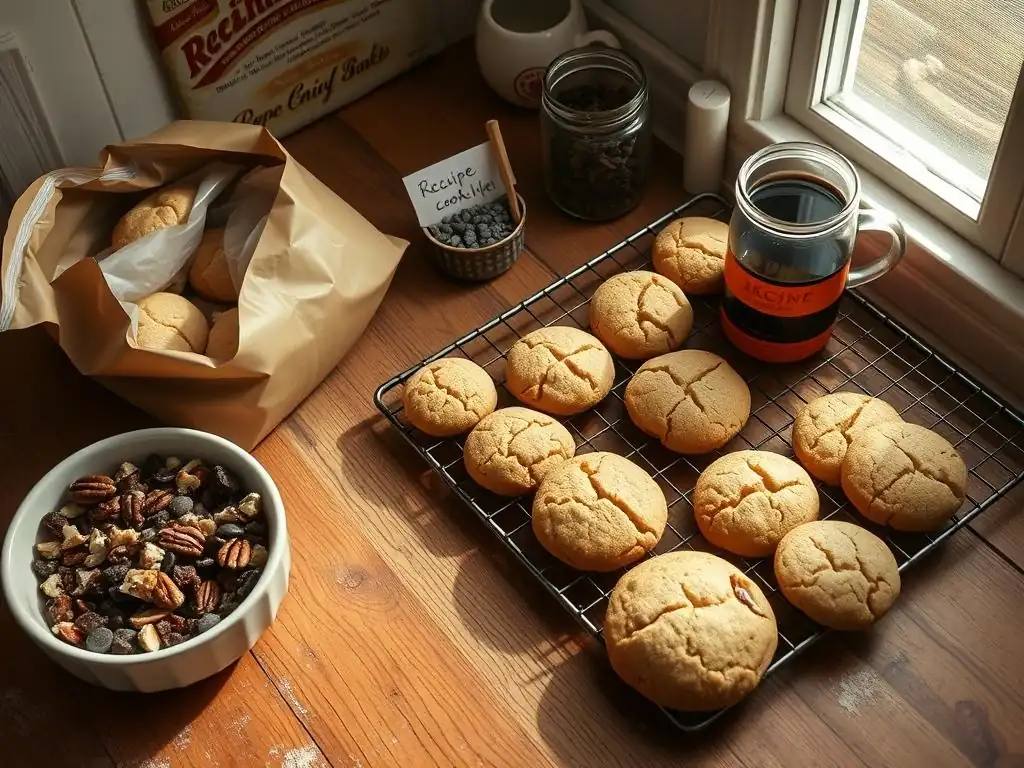
Once your delicious egg-free slice-and-bake cookies are baked and cooled, proper storage is key to keeping them fresh and tasty. The good news is that storing egg-free cookies is very similar to storing traditional ones.
Allow your cookies to cool completely on a wire rack before storing them. Storing warm cookies will create condensation, making them soft or soggy. Once cooled, place the cookies in an airtight container. A tin cookie box or a plastic container with a tight-fitting lid works perfectly. Layering the cookies with parchment paper can help prevent them from sticking together, although this is less necessary for slice-and-bake types which tend to be quite sturdy.
Store the airtight container at room temperature. Your egg-free slice-and-bake cookies should stay fresh and delicious for about 3 to 5 days. If you need to store them for longer, consider freezing them.
Freezing Dough: Baking Later for Convenience
One of the best features of slice-and-bake cookies is the ability to freeze the dough log for later use. This is just as effective with egg-free adaptations and is a fantastic way to have warm, fresh cookies on demand. Once you've shaped your dough into a log, wrap it very tightly in plastic wrap, pressing out any air bubbles. Then, wrap it again in a layer of aluminum foil or place it in a freezer-safe bag.
Label the package with the type of cookie and the date. The dough log can be stored in the freezer for 1 to 2 months. When you're ready to bake, simply remove the log from the freezer and let it sit at room temperature for 10-15 minutes to make it easier to slice. You can then slice and bake as usual, although you might need to add a minute or two to the baking time since the slices start out frozen. This makes having easy egg-free cookies ready to bake incredibly convenient.
You've done it! You've successfully adapted and baked a batch of easy egg-free slice-and-bake cookies. Now comes the best part – enjoying the fruits of your labor and sharing them with others.
Serving Suggestions: Pairing with Drinks and Desserts
These versatile cookies can be enjoyed in many ways. They are perfect on their own as a simple snack or dessert. Pair them with a glass of your favorite non-dairy milk (almond, soy, oat), a warm cup of tea, or a freshly brewed coffee for a comforting treat.
Get creative with serving! Use larger egg-free slice-and-bake cookies as the base for homemade vegan ice cream sandwiches. Simply place a scoop of non-dairy ice cream between two cookies. They can also be crumbled over dairy-free yogurt or incorporated into other vegan desserts.
One of the most rewarding aspects of mastering easy egg-free baking is the ability to share your creations. These cookies are a wonderful way to include friends and family who have egg allergies or follow a vegan diet, ensuring they don't miss out on delicious homemade treats.
Bringing a plate of these easy egg-free cookies to a gathering is a thoughtful gesture that shows you care about everyone's dietary needs. You can confidently share these simple egg-free delights, knowing they are safe and enjoyable for a wider audience.
Discovering the world of egg-free baking doesn't have to be complicated. By starting with simple, adaptable formats like slice-and-bake cookies, beginners can build confidence and skills. We've explored why egg-free baking is important, highlighted effective substitutes like applesauce, banana, flaxseed meal, and commercial replacers, and provided clear guidance on adapting your favorite recipes.
Mastering the Art of Egg-Free Baking: Your Journey Starts Here
With the tips and techniques shared by BakeWithEase, you are well-equipped to start making delicious egg-free slice-and-bake cookies today. Remember the importance of choosing the right substitute, paying attention to dough consistency, and chilling your dough thoroughly. Troubleshooting common issues is part of the process, and with a little practice, you'll be creating perfect batches every time.
Embracing easy egg-free baking opens up new possibilities in your kitchen, allowing you to cater to diverse dietary needs and expand your baking repertoire. These simple egg-free cookies are just the beginning. Your journey towards mastering the art of egg-free baking, whether you're aiming for easy egg-free cakes or complex pastries, starts here with these foundational steps. Happy baking!
Frequently Asked Questions
How can I easily adapt a slice-and-bake cake recipe to be egg-free?
The easiest way is often to use a commercially available egg replacement product. Alternatively, you can try using applesauce or mashed banana as a substitute for eggs in some recipes.
What are some common substitutes for eggs in egg-free cake recipes?
Common egg substitutes include applesauce, mashed banana, flaxseed meal mixed with water (flax egg), and commercial egg replacers. The best choice depends on the recipe and the desired texture.
Are egg-free cakes more difficult to bake than traditional cakes?
Not necessarily! While they might require some experimentation with egg substitutes to achieve the right texture, many egg-free cake recipes are just as easy to bake as traditional ones.
Where can I find reliable and easy-to-follow egg-free cake recipes?
BakeWithEase.com offers a wide range of simple and tested egg-free cake recipes, including adaptations for slice-and-bake methods. We provide step-by-step guides for bakers of all levels.
What are some potential challenges when baking egg-free cakes?
One potential challenge is achieving the right binding and structure. Eggs provide these properties, so it's important to choose the right egg substitute to compensate for their absence.
Final Reflection: Baking Freedom: Beyond the Egg
The absence of eggs doesn't mean the absence of deliciousness; in fact, it opens up a world of creative possibilities for bakers of all skill levels. This article explored simple, adaptable egg-free cake recipes, proving that achieving a light, fluffy, and flavorful cake is entirely possible without relying on eggs. The ease of these adaptations makes egg-free baking accessible to everyone, regardless of dietary restrictions or personal preferences.
The impact of accessible egg-free recipes extends far beyond simply catering to dietary needs. It empowers individuals with allergies or intolerances to participate fully in the joy of baking, fostering a sense of inclusion and community. It also encourages experimentation and innovation in the kitchen, pushing culinary boundaries and expanding our understanding of what's possible. The best way to find yourself is to lose yourself in the service of others,
– Mahatma Gandhi. This sentiment applies beautifully to baking; by adapting recipes to accommodate others, we enrich our own baking journey and connect with a wider community.
Now, it's your turn. Consider the recipes explored in this article as a springboard for your own culinary adventures. Don't be afraid to experiment with different flours, sweeteners, and flavor combinations. Embrace the freedom of egg-free baking, and discover the unique textures and tastes that await. The next delicious, egg-free cake is just waiting to be created by you.
Unleash Your Egg-Free Baking Potential!
Thanks for joining us on this egg-free baking adventure! We hope you gained some valuable tips and tricks for creating delicious slice-and-bake treats without eggs. Now it's time to put your new knowledge into action!
- Bake your first egg-free masterpiece! Try one of the recipes you learned about today – remember that slight adjustment can make all the difference!
- Share your creations! Show us your egg-free baking triumphs on social media – we'd love to see what you make! Use #BakeWithEaseEggFree.
- Explore our other egg-free recipes on BakeWithEase.com for even more delicious inspiration.
Ready to discover a whole new world of egg-free baking possibilities?