
The Essential Beginner's Guide to Classic Cookie Ingredients

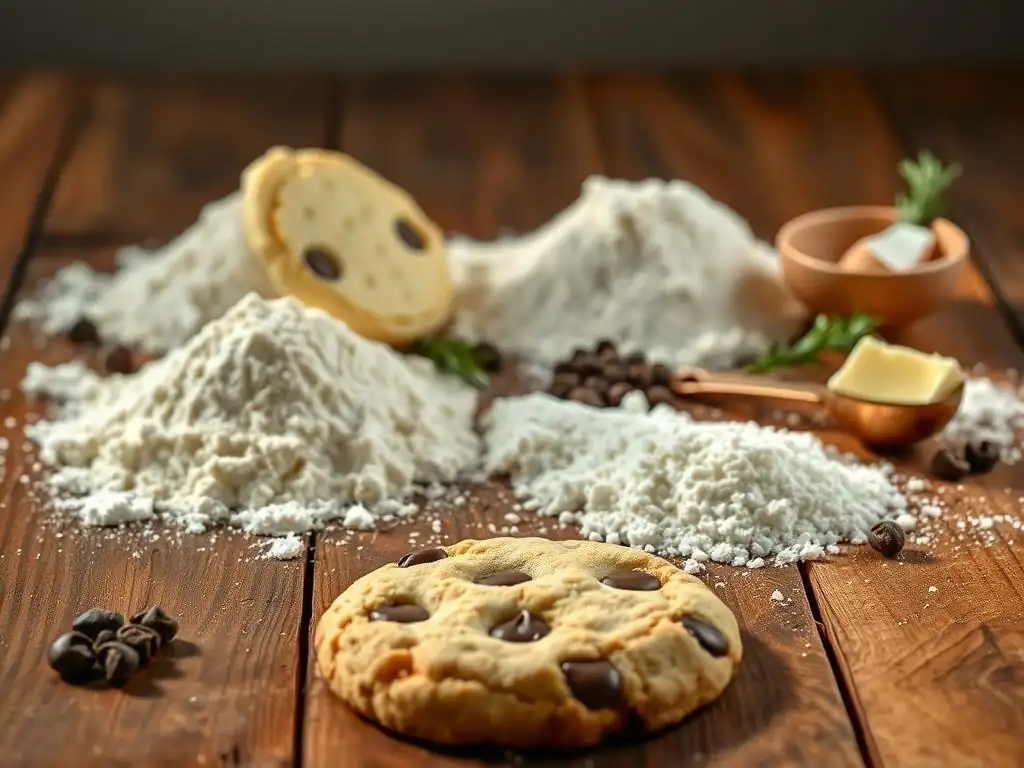
Welcome to BakeWithEase, your culinary companion on the journey to baking bliss! Ever wondered what makes the perfect cookie? This week we're diving into The Essential Beginner's Guide to Classic Cookie Ingredients. Discover the secrets behind achieving that perfect texture and flavor, and learn how simple substitutions can elevate your baking. Are you ready to unlock the potential hidden within those easy classic cookie ingredients? Let's get started!
- Introduction to Cookie Baking
- Essential Flour for Cookies
- Sweeteners: The Foundation of Cookies
- Fats: Achieving Cookie Texture
- Eggs: Binding and Enriching
- Leavening Agents: Creating the Right Rise
- Flavor Enhancers: Elevating Recipes
- Mix-Ins: Adding Texture and Taste
- Storing Cookie Ingredients
- Conclusion: Mastering Cookie Ingredients
-
Frequently Asked Questions
- What are the essential ingredients for making classic cookies as a beginner?
- Can I substitute ingredients in classic cookie recipes, and what are the potential consequences?
- What is the difference between baking soda and baking powder, and how do they affect cookies?
- How important is the quality of ingredients when baking classic cookies?
- What are some common mistakes beginners make when measuring ingredients for cookies?
- Final Reflection: The Sweet Science of Simple Cookies
- Unlock Your Inner Baker: Master Classic Cookie Ingredients!
Embarking on your cookie baking journey is exciting, and the foundation of success lies in understanding the role each ingredient plays. Think of ingredients not just as items to mix, but as building blocks that determine texture, flavor, and appearance. Mastering even the most easy classic cookie ingredients means you're halfway to a perfect batch, whether you're aiming for chewy, crispy, or tender results. Knowing why you use baking soda versus baking powder, or butter versus shortening, empowers you to troubleshoot recipes and even start experimenting later on.
Understanding the science behind these simple components transforms baking from a daunting task into an enjoyable, predictable process. For instance, the ratio of sugar to fat significantly impacts how much your cookies spread in the oven. A higher sugar-to-fat ratio tends to cause more spread. Similarly, the temperature of your butter can drastically alter the dough's consistency and the cookie's final shape. Getting familiar with these fundamental easy classic cookie ingredients is the first step to consistent, delicious baking.
This guide will walk you through the essential easy classic cookie ingredients you'll encounter in most beginner-friendly recipes. We'll break down flour, sweeteners, fats, eggs, leaveners, and flavorings, explaining what they do and why they are important. Our goal is to demystify the ingredient list so you can approach any classic cookie recipe with confidence.
By the end of this guide, you'll have a solid understanding of the core components that make up most cookies. This knowledge is invaluable for beginners, providing the foundation needed to tackle simple recipes and achieve great results right from your first attempt. Let's dive into the fascinating world of easy classic cookie ingredients!
All-Purpose Flour: The Standard Choice
All-purpose flour is the workhorse of the baking world, and it's the most common flour called for in easy classic cookie ingredients lists. It's a blend of hard and soft wheat, designed to be versatile enough for various baked goods, from bread to cakes and, of course, cookies. Its balanced protein content makes it suitable for developing just enough gluten to provide structure without making cookies tough.
This type of flour typically has a protein content ranging from about 10% to 12%. For most classic cookie recipes, this percentage is ideal, providing enough structure to hold the cookie together while allowing for tenderness. Measuring it correctly, preferably by weight (like 120 grams per cup, though check your bag for specifics), is crucial for consistent results, as scooping directly from the bag can pack it and add significantly more flour than intended.
Understanding Flour Protein Content for Texture
The protein content in flour directly impacts the amount of gluten that can be developed. Gluten, formed when flour is mixed with liquid and agitated, provides structure and elasticity. Flours with higher protein, like bread flour (around 12-14% protein), develop stronger gluten networks, ideal for chewy bread.
For cookies, especially tender or crumbly varieties, a lower protein content is often preferred. While all-purpose flour is standard, using a flour with slightly lower protein might result in a more tender cookie. Conversely, using a higher protein flour could lead to a tougher cookie texture, less desirable for many classic recipes.
Gluten development is essential for giving cookies their shape and preventing them from crumbling into a heap. When you mix flour with wet easy classic cookie ingredients like butter and eggs, glutenin and gliadin proteins in the flour combine to form gluten. The more you mix, the more gluten develops.
In cookies, we generally want limited gluten development to maintain tenderness. Overmixing the dough can lead to excessive gluten formation, resulting in a tougher, less desirable texture. This is why many cookie recipes instruct you to mix just until the dry ingredients are combined.
Granulated Sugar: Sweetness and Crispness
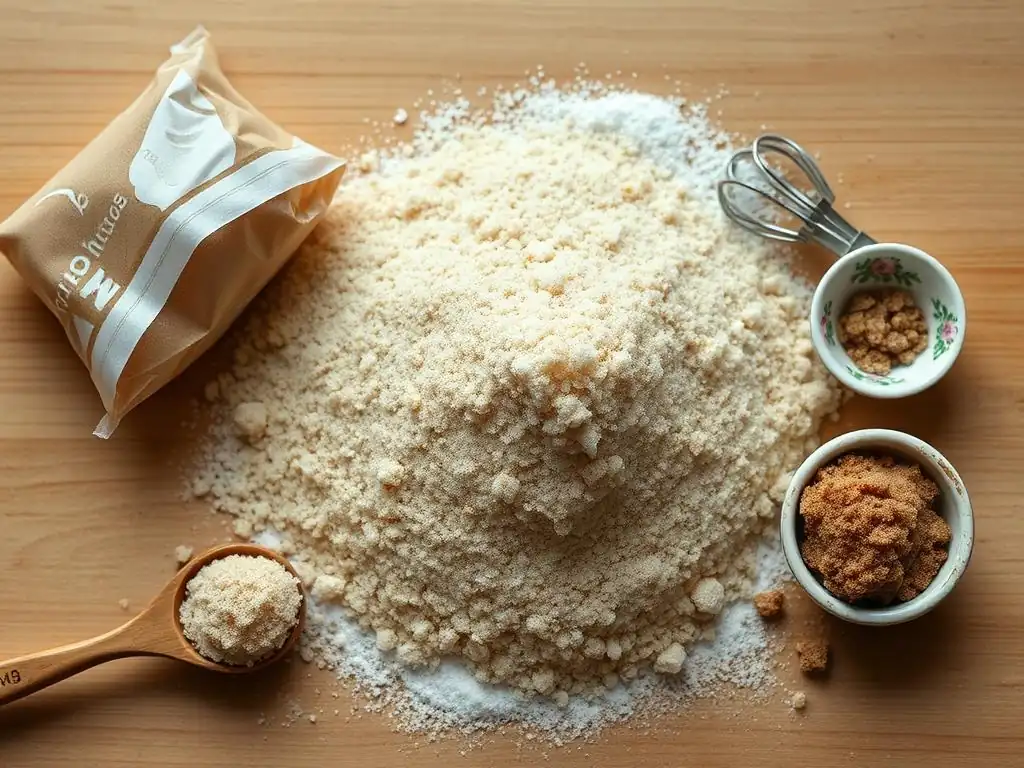
Granulated sugar, also known as white sugar, is a fundamental component in most easy classic cookie ingredients lists. It provides sweetness, of course, but it also plays a significant role in texture. Granulated sugar helps cookies spread and contributes to a crispier texture around the edges.
When granulated sugar melts during baking, it creates a glassy structure upon cooling, which gives cookies their characteristic snap. The size of the sugar crystals also affects spread; finer sugars dissolve faster, leading to more spread. Using the correct amount specified in the recipe is key to achieving the desired balance of sweetness and texture.
Brown sugar is another staple among easy classic cookie ingredients, and it's key to achieving chewy and moist results. Unlike granulated sugar, brown sugar contains molasses, which adds moisture and a distinct caramel-like flavor. The molasses also makes brown sugar slightly acidic, which reacts with baking soda to aid in leavening.
Recipes often call for a combination of granulated and brown sugar to achieve a balance of crisp edges and chewy centers. The higher the ratio of brown sugar to granulated sugar, the chewier and more moist the final cookie will be. Packing brown sugar firmly into the measuring cup is usually necessary to get the correct amount due to its moist, clumpy texture.
Molasses: Flavor Depth
While not always listed as a standalone ingredient in every classic cookie recipe, molasses is a crucial component of brown sugar and contributes significantly to flavor depth, particularly in ginger snaps or certain types of oatmeal cookies. Molasses is a byproduct of sugar refining and comes in various grades, from light to blackstrap.
Using a small amount of liquid molasses can add a rich, complex sweetness and moisture that brown sugar alone might not provide. It also contributes to the dark color of cookies like gingerbread. Its presence in brown sugar is why those cookies have a chewier texture compared to those made solely with granulated sugar.
Butter: Flavor and Tenderness
Butter is arguably the most important fat in easy classic cookie ingredients, celebrated for its rich flavor and ability to create tender cookies. Butter is typically around 80-82% fat, with the rest being water and milk solids. The state of the butter—cold, softened, or melted—significantly impacts the cookie's texture and spread.
Using cold, cubed butter cut into dry ingredients (like in shortbread) creates a crumbly, tender texture as the fat melts slowly in the oven, leaving small pockets. Creaming softened butter with sugar incorporates air, which helps with leavening and contributes to a lighter texture. Melted butter, on the other hand, tends to produce denser, chewier cookies, as it coats the flour more completely and reduces gluten development.
Vegetable shortening is a solid fat made from hydrogenated vegetable oil, typically 100% fat. Unlike butter, it contains no water, which affects how it interacts with other easy classic cookie ingredients. Shortening has a higher melting point than butter, meaning cookies made with shortening tend to spread less and hold their shape better during baking.
Cookies made primarily with shortening are often softer and more crumbly compared to butter-based cookies. Shortening doesn't contribute flavor in the way butter does, so it's often used in recipes where the flavor comes from other ingredients, or sometimes combined with butter to get the best of both worlds: some spread control and tenderness from shortening, and flavor from butter.
Oils: Use Cases in Recipes
While less common in traditional easy classic cookie ingredients lists compared to butter and shortening, oils like vegetable oil or canola oil are sometimes used, particularly in recipes aiming for a very moist or cake-like texture. Oil is a liquid fat and coats flour particles more thoroughly than solid fats, inhibiting gluten development significantly.
This thorough coating results in a very tender crumb. However, using oil can also lead to cookies that spread quite a bit and may lack the structure or crisp edges that solid fats provide. They are often found in recipes for drop cookies or bar cookies where structure is less critical than moisture and tenderness.
Eggs: Binding and Enriching
Whole Eggs: Structure and Moisture
Whole eggs are a vital binding agent in most easy classic cookie ingredients lists. They provide structure, moisture, and richness. The proteins in the egg coagulate as they bake, helping to hold the cookie together. The liquid in the egg adds moisture, contributing to a softer texture.
A standard large egg weighs approximately 50-57 grams (about 1.75-2 ounces) and is what most recipes assume unless otherwise specified. Using a different size egg can alter the liquid balance in the dough, impacting texture. Eggs also contribute to leavening, as the water in them turns to steam, helping the cookie rise slightly.
Egg Yolks: Richness and Chewiness
Using just egg yolks, or adding an extra yolk to a recipe, is a common technique to increase richness and chewiness in cookies. Egg yolks are high in fat and lecithin, an emulsifier. The fat adds tenderness and a melt-in-your-mouth quality, while the lecithin helps bind the fat and liquid, contributing to a smoother dough.
The lack of egg white protein means less structure is formed, resulting in a denser, chewier cookie. This is a popular trick for achieving that sought-after gooey center in chocolate chip cookies. An extra yolk can significantly change the outcome compared to using just whole eggs.
Egg whites, primarily composed of protein and water, contribute to structure and a lighter, sometimes crispier texture. When whipped, egg whites trap air, which provides significant lift, as seen in meringues or some lighter cookie types. In standard cookie doughs, they provide protein that helps the cookie hold its shape.
While whole eggs are most common, some recipes might call for only egg whites to achieve a specific texture, often a crispier or lighter result than using yolks or whole eggs. However, using only egg whites is less common in traditional easy classic cookie ingredients compared to whole eggs or yolks.
Leavening Agents: Creating the Right Rise
Baking Soda: Chewy Texture
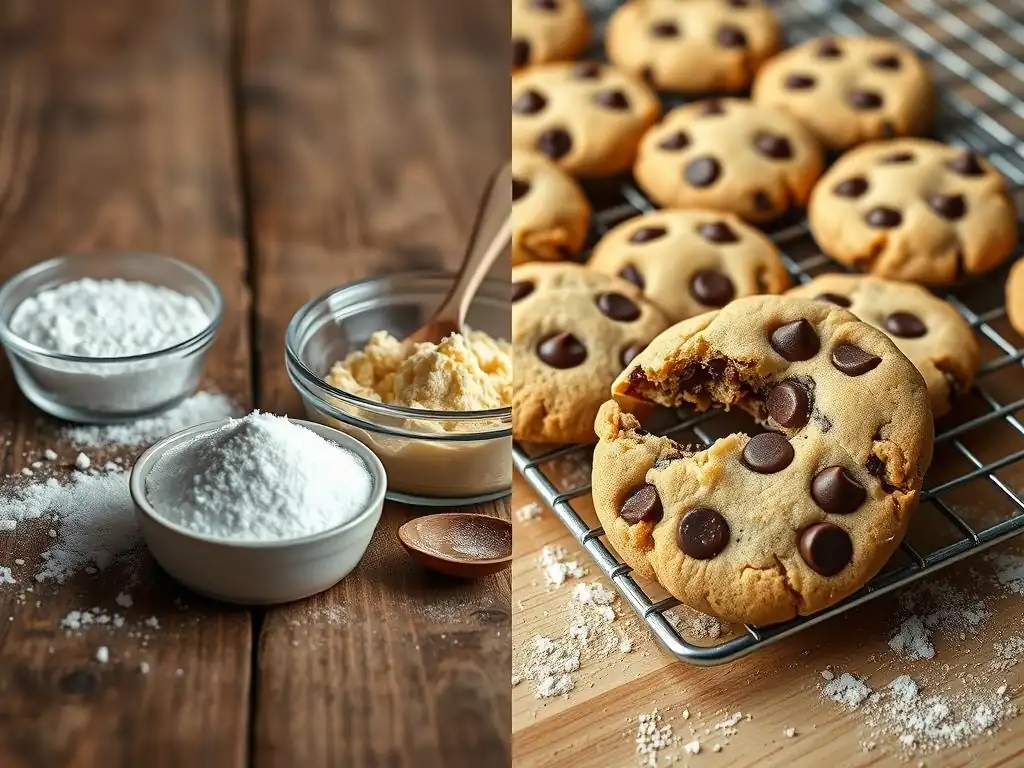
Baking soda (sodium bicarbonate) is a chemical leavener that requires an acid to activate. In cookie recipes, this acid often comes from brown sugar (molasses), buttermilk, yogurt, or even chocolate. When baking soda reacts with acid and moisture, it produces carbon dioxide gas, which causes the cookie to rise and spread.
Baking soda is key to achieving a chewy texture and contributes to spread. It also promotes browning, resulting in those lovely golden edges. Using too much baking soda can lead to a soapy or metallic taste, while too little might result in flat, dense cookies. It is a crucial component in many easy classic cookie ingredients lists for their characteristic chew.
Baking Powder: Puffiness
Baking powder is a complete leavening agent, containing both an acid and a base, along with a starch (usually cornstarch) to prevent clumping. Most baking powders available today are "double-acting," meaning they produce carbon dioxide gas in two phases: once when mixed with liquid and again when heated in the oven.
Baking powder tends to give cookies more lift upwards, resulting in puffier, cake-like cookies rather than thin, chewy ones. Recipes often use a combination of baking soda and baking powder to balance spread, rise, and texture. Understanding the difference between these two easy classic cookie ingredients is essential for controlling your cookie's final form.
Flavor Enhancers: Elevating Recipes
Vanilla Extract: Flavor Booster
Vanilla extract is a ubiquitous flavor enhancer in easy classic cookie ingredients. It adds a warm, aromatic depth that complements and enhances the sweetness of the sugar and the richness of the fat. Good quality pure vanilla extract makes a noticeable difference compared to artificial vanilla.
Adding vanilla is usually done with the wet ingredients. Even a small amount, typically one or two teaspoons in a standard batch, significantly elevates the overall flavor profile, rounding out the sweetness and adding complexity. It's a simple addition with a powerful impact.
Salt: Balancing Flavors
Salt might seem counterintuitive in a sweet recipe, but it's a critical flavor enhancer in easy classic cookie ingredients. Salt balances the sweetness, prevents the cookies from tasting bland, and brings out the other flavors present. Without salt, cookies can taste overly sweet and one-dimensional.
Most recipes call for fine table salt or kosher salt. If using kosher salt, you might need slightly more than table salt because its crystals are larger and less dense; check your recipe or do a quick conversion (typically, 1 teaspoon table salt ≈ 1.5 teaspoons kosher salt). Adding a pinch of flaky sea salt on top of baked cookies before they cool is another way to add a delightful flavor contrast.
Almond Extract: Enhancing Flavor
Almond extract provides a distinct, slightly nutty flavor that pairs wonderfully with vanilla and is a common flavor enhancer in certain easy classic cookie ingredients lists, particularly sugar cookies or shortbread. It's much more potent than vanilla extract, so only a small amount is usually needed.
Used sparingly, almond extract can add a sophisticated depth without overpowering the other flavors. A tiny splash can transform a simple sugar cookie dough into something special. However, use too much, and your cookies might taste overwhelmingly of almond.
Mix-Ins: Adding Texture and Taste
Chocolate Chips: Classic Addition
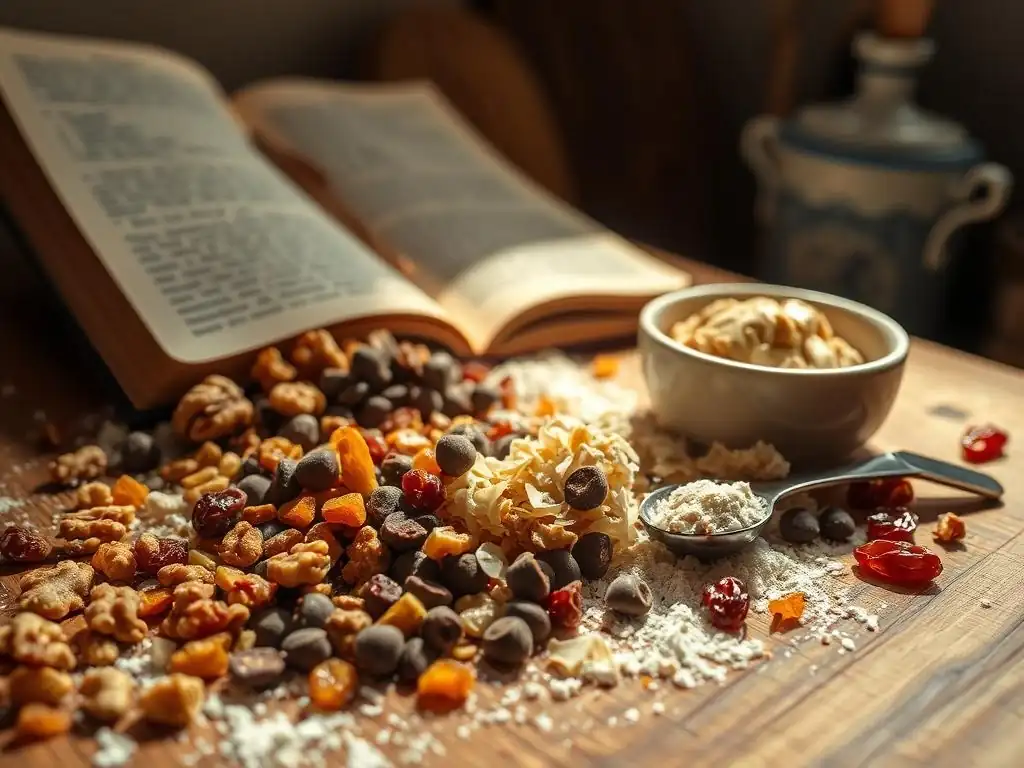
Chocolate chips are perhaps the most iconic mix-in in easy classic cookie ingredients. They melt slightly during baking, creating pockets of gooey chocolate that solidify into delicious bites as they cool. Available in various types (semisweet, milk, dark, white) and sizes (standard, mini, chunks), they offer versatility.
The type of chocolate chip you choose impacts the sweetness and intensity of the chocolate flavor. Semisweet is the classic choice for its balance. Adding chocolate chips not only provides flavor but also textural contrast to the cookie dough.
Nuts: Crunch and Flavor
Nuts like walnuts, pecans, almonds, or macadamia nuts add a delightful crunch and nutty flavor to cookies. They are often toasted before adding to enhance their flavor. Nuts contribute healthy fats and protein, making the cookies more substantial.
Chopped nuts should be evenly distributed throughout the dough. They provide a pleasant textural counterpoint to the soft or chewy cookie base. Be mindful of potential allergies when using nuts in your easy classic cookie ingredients.
Dried Fruits: Chewy and Sweet Bites
Dried fruits such as raisins, cranberries, or chopped apricots add chewy texture and bursts of sweet-tart flavor. They are a classic addition to oatmeal cookies and other hearty varieties. Soaking dried fruits in warm water or liquor for a few minutes before adding can plump them up and make them extra moist.
Dried fruits contribute natural sweetness and moisture, complementing the other easy classic cookie ingredients. Their chewy texture provides a nice contrast to the cookie's crumb.
Spices: Cinnamon, Nutmeg
Spices like cinnamon, nutmeg, ginger, cloves, and allspice are common flavor enhancers, especially in holiday or fall-themed easy classic cookie ingredients. Cinnamon is particularly popular, adding warmth and aroma to many classic recipes.
Spices are usually added to the dry ingredients. They contribute complex aromatic profiles that deepen the overall flavor of the cookie. A pinch of nutmeg in sugar cookies or a mix of cinnamon and ginger in gingerbread are classic examples of how spices elevate the baking experience.
Proper Storage for Dry Ingredients
Properly storing your easy classic cookie ingredients ensures they stay fresh and perform as expected. Flour should be stored in an airtight container in a cool, dry place away from direct sunlight. This prevents moisture absorption and keeps pests out. Flour can last for several months when stored correctly.
Sugars should also be kept in airtight containers. Granulated sugar is less prone to drying out but can harden if exposed to moisture. Brown sugar, however, is prone to drying and hardening; storing it with a marshmallow or a brown sugar saver can help keep it soft. Baking soda and baking powder should be stored in their original packaging, tightly sealed, in a cool, dry place, and checked for freshness periodically (they lose potency over time).
Storing Butter and Eggs
Butter should be stored in the refrigerator in its original wrapper. For baking, many recipes call for softened butter, which should be left at room temperature for 30-60 minutes before use, depending on the environment. Avoid melting it in the microwave unless the recipe specifically instructs melted butter, as this changes its properties.
Eggs should be stored in their carton in the coldest part of the refrigerator, not the door. They typically last for several weeks when stored properly. Bringing eggs to room temperature before adding to the dough is often recommended as they emulsify better with other ingredients, resulting in a smoother dough and more even baking.
Tips for Extending Shelf Life
Beyond airtight containers, consider storing ingredients like flour or nuts in the freezer if you don't use them frequently. This can significantly extend their shelf life and prevent them from going rancid (in the case of nuts). Just be sure to bring them back to room temperature before measuring and using to avoid adding condensation to your dry ingredients.
Checking expiration dates on leavening agents is crucial, as old baking soda or baking powder will not provide the necessary lift. When in doubt, test a small amount in water or vinegar to see if it fizzes. Following these storage tips helps ensure your easy classic cookie ingredients are always ready to produce delicious results.
Recap of Ingredients
We've explored the fundamental easy classic cookie ingredients, from the structural role of flour and eggs to the textural contributions of sugars and fats, the lift provided by leavening agents, and the flavor boosts from extracts, spices, and mix-ins. Each component, no matter how simple, plays a specific and important part in creating that perfect cookie.
Understanding how these easy classic cookie ingredients interact gives you the power to predict outcomes, troubleshoot issues, and even adapt recipes. Remember the difference between granulated and brown sugar for texture, the impact of butter temperature, and the roles of baking soda versus baking powder.
Encouragement for Bakers
Don't be intimidated! Baking, especially with easy classic cookie ingredients, is a skill that improves with practice. Focus on understanding one ingredient at a time, measure carefully (especially flour! ), and pay attention to the steps in your recipe.
Every baker, no matter how experienced, has had a batch of cookies that didn't turn out perfectly. That's part of the learning process. Keep practicing, keep experimenting with these easy classic cookie ingredients, and most importantly, enjoy the delicious journey! You've got this!
Frequently Asked Questions
The foundation lies in all-purpose flour, granulated and brown sugar, butter, eggs, and a leavening agent like baking soda or baking powder. These form the base for most recipes.
Yes, but be mindful! Substitutions like using margarine instead of butter can affect the texture and flavor. Changes to flour type can drastically alter the cookie's structure.
Baking soda requires an acid (like brown sugar) to activate, creating a chewier cookie. Baking powder is a complete leavening agent, resulting in a lighter, airier texture.
Using high-quality ingredients will significantly impact the flavor and overall result. For instance, using good quality butter will enhance the richness and taste of your cookies.
Incorrect measuring, particularly with flour, is a frequent error. Always use the spoon and level method for dry ingredients to avoid dense cookies.
The seemingly simple act of baking a classic cookie is, in reality, a journey into the heart of culinary tradition. Understanding the essential ingredients—from the humble butter to the perfectly balanced pinch of salt—unlocks a world of flavor and texture possibilities, far beyond the reach of a store-bought treat. This knowledge empowers us to create memories, one delicious bite at a time.
The impact of these fundamental ingredients extends far beyond the kitchen; they represent a connection to generations past, a shared culinary heritage passed down through family recipes and cherished traditions. The best things in life are simple,
a sentiment perfectly embodied in the uncomplicated joy of a perfectly baked cookie. The subtle nuances of each ingredient—the richness of butter, the sweetness of sugar, the lift of baking soda—contribute to a holistic experience that transcends mere sustenance. It’s about the comfort, the ritual, the shared moments.
Now, armed with this knowledge, I invite you to embark on your own culinary adventure. Don't be afraid to experiment, to tweak recipes, to discover your own perfect balance of flavors. The journey of mastering classic cookie ingredients is a lifelong pursuit, filled with delicious discoveries and the sweet satisfaction of creating something truly special. So, gather your ingredients, preheat your oven, and let the baking begin!
Thanks for diving into the world of classic cookie ingredients with us! We hope you’ve gained valuable insights into creating those perfectly delicious treats. Now it's time to put your newfound knowledge into action.
- Bake your dream cookies: Choose one recipe from this week's featured cookie recipes on BakeWithEase.com (link omitted as per instructions) and get baking! This is your chance to test your newfound ingredient knowledge and create something amazing.
- Share your baking journey: Post a picture of your masterpiece on social media – tag us @BakeWithEase so we can see your creations!
- Join our baking community: Suggest your favorite lesser-known cookie ingredient in the comments below – let's inspire each other with new flavor combinations!
Ready to transform your kitchen into a cookie wonderland? What's the first ingredient you'll be experimenting with today?