
Quick Bread Loaves: Easier Than You Think! (Beginner Guide)

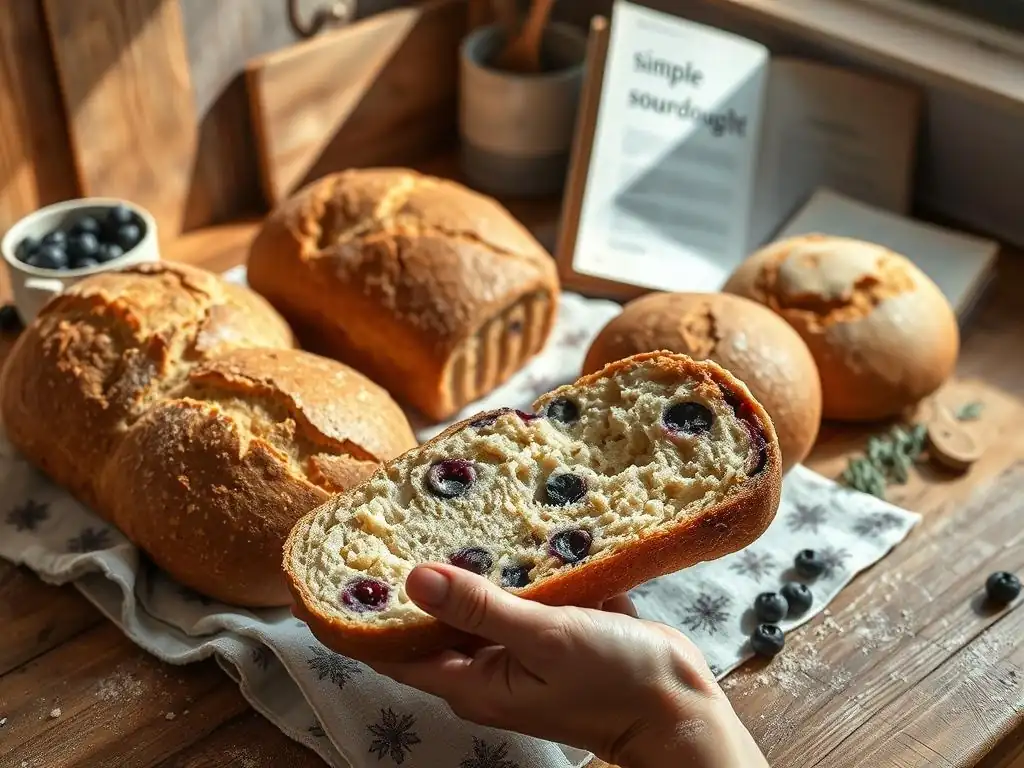
Welcome to BakeWithEase, where your baking journey begins with simplicity and satisfaction! Whether you're a novice or looking to refine your skills, our platform is designed to empower you with easy-to-follow recipes and expert tips. Dive into our featured article on the Easy Beginner Sourdough Bread Recipe and discover just how accessible the art of baking can be. With our step-by-step guides, you'll be whipping up mouthwatering loaves in no time. So grab your apron, and let’s embark on this delicious adventure together—your perfect bread awaits!
- Bake Easy Quick Bread: Your Beginner's Guide
- Understanding Quick Bread Basics for Beginners
-
Step-by-Step Guide: Baking Your First Quick Bread Loaf
- Choosing Your First Easy Quick Bread Recipe (Banana Bread, Zucchini Bread, etc.)
- Gathering Your Equipment for Beginner Quick Bread Baking
- Preparing Your Ingredients for Maximum Flavor
- Mixing the Batter: The Key to a Tender Loaf
- Baking Your Quick Bread to Golden Perfection
- Cooling and Slicing Your Homemade Quick Bread
- Easy Quick Bread Recipe Variations for Beginner Bakers
- Troubleshooting Common Quick Bread Baking Problems
- Storing Your Quick Bread for Freshness
- Beyond the Basics: Expanding Your Quick Bread Repertoire
- Conclusion: You Can Bake Easy Quick Bread!
-
Frequently Asked Questions
- What makes a quick bread loaf "quick"?
- Is sourdough bread considered a quick bread?
- Can I use all-purpose flour for an easy beginner sourdough bread recipe?
- What are some common mistakes beginners make when baking sourdough bread?
- What equipment is essential for baking an easy beginner sourdough bread?
- Final Reflection: The Joy of Simple Sourdough
- Unlock Your Inner Baker: Rise to the Challenge!
Bake Easy Quick Bread: Your Beginner's Guide
Welcome to Quick Bread Baking with BakeWithEase
Welcome to the wonderful world of baking quick bread loaves! If you're just starting your baking journey, quick breads are an absolutely fantastic place to begin. Unlike yeast breads that require kneading and hours of rising, quick breads rely on chemical leavening agents like baking powder and baking soda, meaning you can mix the batter and have a delicious loaf ready to enjoy in about an hour to an hour and a half from start to finish. This speed and simplicity make them incredibly rewarding for new bakers looking for an easy recipe to build confidence.
At BakeWithEase, our goal is to make baking accessible and enjoyable for everyone. Quick breads fit this philosophy perfectly. Think of classic favorites like moist banana bread, flavorful zucchini bread, or even a simple cornmeal loaf – these are all types of quick bread. Mastering the basic techniques for one quick bread recipe opens the door to countless variations, allowing you to explore different flavors and ingredients with minimal complexity. You'll find that with just a few common pantry staples and a loaf pan, you can create impressive, homemade treats that are perfect for breakfast, snacks, or gifting.
Why Quick Breads are Perfect for Beginner Bakers
Quick breads are often hailed as the ideal starting point for anyone new to baking, and for good reason. Their fundamental difference from yeast breads lies in the leavening process. Instead of relying on yeast to produce carbon dioxide over time through fermentation, quick breads use leavening agents that react with liquid and heat to create lift almost instantly upon mixing and baking.
This eliminates the need for proofing periods, which can be unpredictable and daunting for beginners. The mixing method is typically straightforward, often involving just two bowls – one for wet ingredients and one for dry – before combining them.
Another major advantage is the forgiving nature of many quick bread recipes. While accuracy is important, slight variations in mixing or resting times are less critical compared to yeast doughs. For example, a typical quick bread batter might bake at around 350°F (175°C) for 50-70 minutes, depending on the size of the loaf pan and the specific ingredients.
This relatively wide window allows for some flexibility. Plus, the ingredient lists usually consist of simple items like flour, sugar, eggs, milk, butter or oil, and leavening, which are readily available and inexpensive. This low barrier to entry makes quick bread baking an inviting and stress-free experience for beginner bakers.
Understanding Quick Bread Basics for Beginners
What Defines a Quick Bread?
The defining characteristic of a quick bread is its reliance on chemical leavening agents rather than yeast for rising. This category includes a wide variety of baked goods, from loaves like banana bread and pumpkin bread to muffins, scones, biscuits, and even pancakes. The term "quick" refers to the speed at which the dough or batter is prepared and baked, largely because there's no waiting period for fermentation or proofing, which is essential in traditional yeast-leavened bread making.
Essentially, when you mix the wet and dry ingredients in a quick bread recipe, the leavening agents (like baking powder or baking soda) begin to react, producing carbon dioxide gas. This gas gets trapped in the batter, and as the quick bread bakes in a hot oven, the gas expands, causing the bread to rise. This process is rapid and doesn't require the development of gluten structure through kneading, which is crucial for yeast breads. Therefore, quick breads are typically mixed just until the ingredients are combined to avoid overdeveloping the gluten, which can result in a tough texture.
Key Ingredients in Easy Quick Bread Recipes
Quick bread recipes typically use a core set of ingredients that work together to create the structure, texture, and flavor of the finished loaf. Understanding the role of each ingredient can help you achieve better results.
Flour Types for Quick Breads
All-purpose flour is the most common choice for easy quick bread recipes. Its moderate protein content provides enough structure to hold the shape of the loaf without making it tough, as long as overmixing is avoided. For a standard quick bread loaf baked in a 9x5 inch pan, a recipe might call for approximately 1.5 to 2 cups of all-purpose flour. While other flours like whole wheat or spelt can be used, they absorb liquids differently and often require adjustments to the recipe, making all-purpose flour the simplest option for beginners.
Leavening Agents in Quick Breads (Baking Powder & Baking Soda)
These are the powerhouse ingredients responsible for the "quick" part of quick bread. Baking powder contains both an acid and a base and reacts when moistened and heated, providing significant lift. Baking soda is a base and requires an acid (like buttermilk, yogurt, brown sugar, or fruit) in the recipe to react and produce carbon dioxide.
Many quick bread recipes use a combination of both for optimal rise and tender texture. For example, a typical recipe might use 1 to 2 teaspoons of baking powder and possibly 1/2 to 1 teaspoon of baking soda, depending on the acidic ingredients present.
Sweeteners and Flavorings for Simple Quick Breads
Sugar (granulated, brown, or a combination) provides sweetness, contributes to moisture, and helps with browning. Brown sugar, in particular, adds moisture and a slightly different flavor profile. A standard quick bread recipe might contain anywhere from 1/2 cup to 1 cup of sugar. Flavorings like vanilla extract, cinnamon, nutmeg, or other spices are added to enhance the taste, especially in fruit-based quick breads. Extracts are typically added with the wet ingredients, while spices are mixed with the dry.
Step-by-Step Guide: Baking Your First Quick Bread Loaf
Choosing Your First Easy Quick Bread Recipe (Banana Bread, Zucchini Bread, etc.)
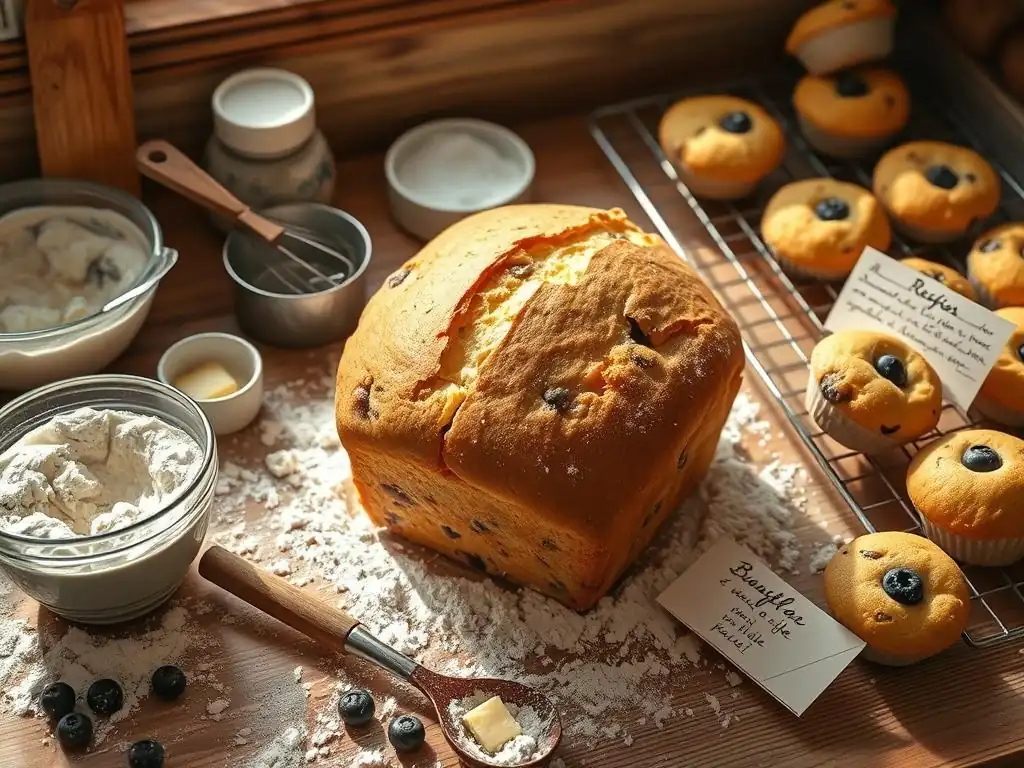
Deciding on your first quick bread project is exciting! For beginner baking, selecting a popular and forgiving recipe is key. Banana bread is arguably the most classic choice because the mashed bananas add moisture and structure, making it difficult to fail. All you need are some ripe (the spottier, the better!)
bananas, typically 2-3 medium ones for a standard loaf. Zucchini bread is another excellent option, cleverly using grated zucchini to add moisture without a strong vegetable flavor; about 1 to 1.5 cups of grated zucchini is common. These recipes are widely available and have stood the test of time because of their ease and delicious results, usually yielding one standard loaf perfect for sharing (or not! ).
When choosing, look for recipes specifically labeled as "easy" or "beginner." These often have clear instructions, minimal ingredients, and standard mixing methods. Avoid recipes with complex steps or unusual ingredients for your first attempt. A simple quick bread recipe allows you to focus on mastering the basic technique of mixing wet and dry ingredients correctly and baking the loaf evenly. Once you've successfully baked one loaf, you'll feel much more confident tackling variations or slightly more complex quick bread recipes.
Gathering Your Equipment for Beginner Quick Bread Baking
Having the right tools ready before you start makes the baking process much smoother. You don't need fancy equipment to bake a great quick bread loaf, just a few basics that are likely already in your kitchen.
Essential Baking Tools for Quick Breads
- Standard loaf pan (usually 9x5 inches or 8.5x4.5 inches)
- Two mixing bowls (one medium, one large)
- Measuring cups (dry)
- Measuring spoons
- Liquid measuring cup
- Whisk
- Rubber spatula or wooden spoon
- Wire cooling rack
- Parchment paper (optional, but helpful for easy removal)
Preparing Your Ingredients for Maximum Flavor
Proper ingredient preparation can significantly impact the final outcome of your quick bread. Ensure all refrigerated ingredients, such as eggs, milk, or buttermilk, are at room temperature unless the recipe specifically states otherwise. Room temperature ingredients emulsify better, leading to a more uniform batter and a finer texture in the baked loaf. This usually means taking eggs and dairy out of the refrigerator about 30 minutes to an hour before you plan to start mixing.
Mashed fruits like bananas or grated vegetables like zucchini should be prepped and measured accurately. For banana bread, use very ripe bananas; the starches convert to sugar, making them sweeter, easier to mash, and adding more moisture. For zucchini bread, gently squeeze out some excess moisture from the grated zucchini, but don't wring it completely dry, as you still want the moisture it provides. Having all your ingredients measured and ready before you begin mixing is called "mise en place" and is a key habit for successful baking.
Measuring Ingredients Accurately for Quick Breads
Accurate measurement is particularly important for dry ingredients like flour and leavening agents. For flour, the most common method recommended for consistency is the "scoop and level" method: gently spoon the flour into your dry measuring cup until it's overflowing, then level off the excess with a straight edge (like a knife or spatula) without compacting the flour in the cup. Scooping directly from the bag can pack the flour, leading to too much flour in the recipe, which results in a dry loaf.
Liquid ingredients should be measured at eye level using a clear liquid measuring cup placed on a flat surface. Leavening agents like baking powder and baking soda should also be measured precisely using measuring spoons, making sure they are level. Using too much or too little leavening can drastically affect the rise and texture of your quick bread. Taking a few extra moments to measure correctly pays off with a perfectly textured loaf.
Mixing the Batter: The Key to a Tender Loaf
The standard mixing method for most quick breads is often called the "muffin method" or "two-bowl method." This involves whisking together all the dry ingredients in one bowl and whisking together all the wet ingredients in another bowl. Then, the wet ingredients are poured into the dry ingredients, and the mixture is stirred just until the dry ingredients are moistened. There will still be some lumps, and that's perfectly fine – even desirable.
This minimal mixing approach is crucial because overmixing develops gluten in the flour. While gluten development is essential for the structure of yeast breads, in quick breads, too much gluten makes the loaf tough and can create tunnels within the crumb. The goal is to hydrate the flour and distribute the leavening agents and other ingredients evenly without activating too much gluten.
Avoiding Overmixing in Quick Bread Recipes
Overmixing is one of the most common pitfalls for beginner quick bread bakers. When you combine the wet and dry ingredients, stop stirring as soon as you no longer see streaks of dry flour. This typically only takes about 10-15 gentle stirs with a spatula or wooden spoon. The batter will look lumpy and somewhat messy, unlike a smooth cake batter, and this is exactly how it should be.
Think of it this way: each time you stir after the flour is hydrated, you are developing more gluten. For a tender quick bread, you want minimal gluten development. A few lumps of flour will usually disappear during baking. If you continue stirring until the batter is completely smooth, you've likely overmixed it, and the resulting loaf will have a tough, chewy texture instead of a soft, tender crumb.
Baking Your Quick Bread to Golden Perfection
Preheating your oven is a critical first step before baking. Most quick bread recipes call for an oven temperature between 325°F and 375°F (160°C to 190°C), with 350°F (175°C) being very common. Ensure your oven is fully preheated to the correct temperature before placing the pan inside; an oven thermometer can help verify this. Bake the quick bread in the center of the oven for even heat circulation.
The baking time can vary depending on the recipe, your specific oven, and the size of your loaf pan. A standard 9x5 inch loaf typically bakes for 50 to 70 minutes. For a smaller 8.5x4.5 inch pan, it might take slightly less time, perhaps 45-60 minutes. The quick bread is ready when the top is golden brown, the edges pull slightly away from the sides of the pan, and the center feels set.
Determining Doneness in Quick Breads (The Toothpick Test)
The most reliable way to check if your quick bread is done is the toothpick test. Insert a wooden skewer or toothpick into the deepest part of the loaf, usually the center. If it comes out clean or with just a few moist crumbs attached, the quick bread is ready. If it comes out with wet batter, it needs more time. Check every 5-10 minutes after the initial recommended baking time has passed.
Another indicator of doneness is the internal temperature. A fully baked quick bread loaf should register approximately 200°F to 210°F (93°C to 99°C) when measured with an instant-read thermometer inserted into the center. Combining the visual cues (golden brown top, pulling edges) with the toothpick test or internal temperature check gives you the best assurance that your loaf is perfectly baked through, avoiding a raw center or dry, overbaked edges.
Cooling and Slicing Your Homemade Quick Bread
Once your quick bread is out of the oven, resist the urge to slice into it immediately. While it smells amazing, it's still undergoing a process called "carryover cooking," and its structure is setting. Let the loaf cool in the pan on a wire rack for about 10-15 minutes. This allows it to firm up slightly before you attempt to remove it.
After the initial cooling in the pan, carefully invert the pan onto the wire rack to release the loaf. If you greased and floured the pan well (or used parchment paper), it should slide out easily. Let the quick bread cool completely on the wire rack before slicing. This can take anywhere from 1 to 2 hours, depending on the size and density of the loaf. Slicing a warm quick bread can cause it to crumble and appear gummy inside. Patience during the cooling stage is rewarded with clean slices and the best texture.
Easy Quick Bread Recipe Variations for Beginner Bakers
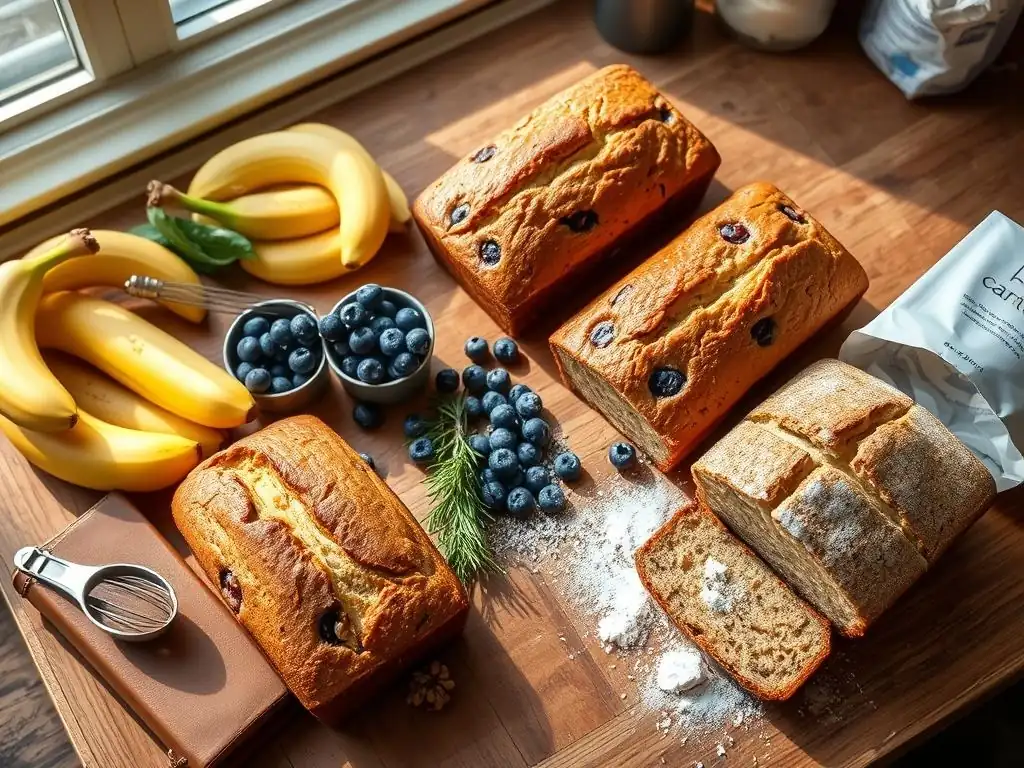
Once you've successfully baked a basic quick bread loaf, you can easily start experimenting with simple variations.
Adding Fruits and Nuts to Your Quick Bread
Adding mix-ins is a fantastic way to customize your quick bread. Common additions include chopped nuts (like walnuts or pecans), chocolate chips, dried fruits (like cranberries or raisins), or fresh berries (like blueberries). For a standard loaf recipe, a good starting point is adding about 1 cup to 1.5 cups of total mix-ins. Toss fruits or nuts with a tablespoon or two of flour from the measured amount before adding them to the batter; this helps prevent them from sinking to the bottom during baking.
Chocolate Chip Quick Bread for Beginners
A simple way to make any basic quick bread recipe more decadent is to add chocolate chips. Whether you're making banana bread, zucchini bread, or a plain sweet loaf, stirring in about 1 cup of semi-sweet, milk, or dark chocolate chips just before you finish mixing the batter is a guaranteed crowd-pleaser. Ensure they are evenly distributed with minimal stirring.
Savory Quick Bread Recipes: A Great Alternative
Quick breads aren't just for sweet treats! Savory quick breads are equally easy to make and can be wonderful served alongside soups, stews, or as a simple snack. Think of recipes incorporating cheese, herbs (like rosemary or chives), sun-dried tomatoes, or even cooked bacon bits. A basic savory quick bread might use less sugar or omit it entirely, relying on ingredients like cheese (e.g., 1 cup of shredded cheddar) or vegetables (e.g., 1/2 cup of chopped roasted red peppers) for flavor. These are mixed in just like sweet additions.
Troubleshooting Common Quick Bread Baking Problems
Even with easy recipes, sometimes things don't go exactly as planned. Understanding common issues can help you fix them next time.
Why is My Quick Bread Dry?
A dry quick bread is often the result of too much flour or overbaking. When measuring flour, scooping directly from the bag can add significantly more flour than intended (sometimes up to 25% more by weight compared to the spoon-and-level method), leading to a dry batter that produces a dense, dry loaf. Always use the spoon-and-level method or, even better, weigh your flour using a kitchen scale for maximum accuracy (approx. 120-130 grams per cup of all-purpose flour).
Overbaking evaporates too much moisture from the quick bread. If you leave the loaf in the oven for too long, even at the correct temperature, it will dry out, especially around the edges and bottom. Rely on the toothpick test and visual cues, checking a few minutes before the minimum recommended baking time, particularly if your oven tends to run hot. Using a moist ingredient like mashed banana, shredded zucchini, or even adding a bit of extra oil or yogurt to a recipe can also help prevent dryness.
Why is My Quick Bread Dense?
Density in a quick bread can stem from several issues, but the most frequent culprit is overmixing. As discussed earlier, overmixing develops gluten, leading to a tough, dense crumb with potential tunnels. Stop mixing as soon as the dry ingredients are just incorporated. The batter should look lumpy, not smooth.
Another cause of a dense loaf can be inactive or expired leavening agents (baking powder or baking soda). If your leavening isn't fresh, it won't produce enough gas to make the quick bread rise properly, resulting in a heavy, brick-like texture. Check the expiration dates on your leavening and store them in a cool, dry place. Using the wrong type or amount of leavening for the recipe can also cause density; ensure you are using the specific leavening called for (baking powder vs. baking soda) and measuring accurately.
Why is My Quick Bread Not Rising?
If your quick bread comes out flat or doesn't rise much, the primary reason is usually inactive leavening agents. Baking powder typically lasts about 6-12 months once opened, and baking soda lasts about 6 months to 2 years, but moisture can shorten their lifespan. You can test baking powder by adding a teaspoon to a few tablespoons of hot water; it should fizz vigorously. Test baking soda by adding a teaspoon to a few tablespoons of vinegar or lemon juice; it should also fizz immediately and strongly. If there's little or no reaction, your leavening needs to be replaced.
Another potential issue is an oven temperature that is too low. Quick breads rely on the heat of the oven to activate the leavening and set the structure quickly. If the oven isn't hot enough (check with an oven thermometer), the leavening reaction might be insufficient, and the loaf won't rise properly before the structure sets. Incorrect measurement of leavening agents or using too much liquid in the batter can also hinder rise.
Common Mistakes to Avoid When Baking Quick Bread
- Measuring flour incorrectly (scooping instead of spooning and leveling).
- Overmixing the batter after combining wet and dry ingredients.
- Using expired or inactive baking powder or baking soda.
- Not preheating the oven fully before baking.
- Slicing the quick bread before it has cooled completely on a wire rack.
- Overbaking, leading to a dry loaf.
- Not properly preparing the pan (greasing/flouring or using parchment paper).
Storing Your Quick Bread for Freshness
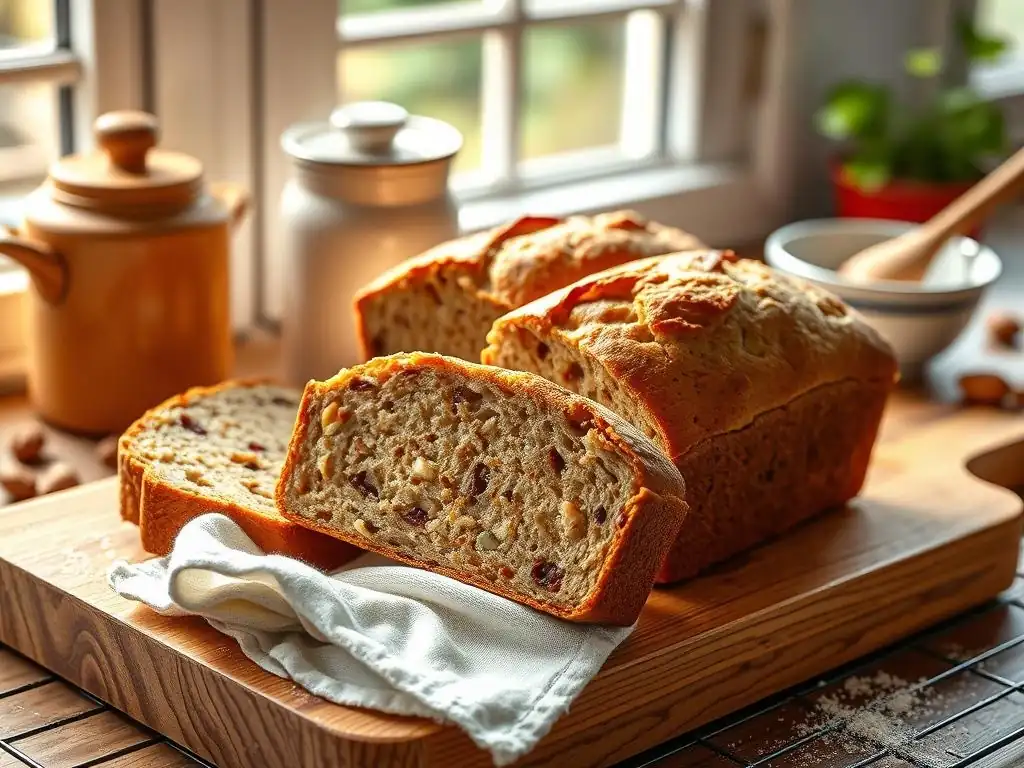
Proper storage is key to keeping your delicious quick bread moist and enjoyable for several days. Once the loaf has cooled completely, store it in an airtight container or wrap it tightly in plastic wrap or aluminum foil.
Tips for Keeping Your Quick Bread Moist
To maintain moisture, wrap the quick bread snugly to prevent air exposure, which dries it out. A whole, unsliced loaf will stay fresh longer than a sliced one because less surface area is exposed to the air. Store the wrapped loaf at room temperature for up to 3-4 days. If you need to store it longer, quick bread can be refrigerated for up to a week or frozen for several months.
For freezing, wrap the cooled loaf tightly in plastic wrap, then again in aluminum foil or place it in a freezer-safe bag. To thaw, unwrap the loaf and let it sit at room temperature for several hours. You can also freeze individual slices by wrapping them separately before placing them in a freezer bag; this is convenient for grabbing just one slice at a time.
Beyond the Basics: Expanding Your Quick Bread Repertoire
Mastering a few basic quick bread recipes is just the beginning! The versatility of quick breads means there's a whole world of flavors and textures to explore.
Exploring Different Quick Bread Recipes
Once you're comfortable with banana and zucchini bread, try other popular quick bread recipes like pumpkin bread, cranberry orange bread, or even savory options like cheese and herb bread. Each type might introduce slightly different ingredients or techniques, but the core principles of quick bread baking (accurate measuring, gentle mixing, proper baking) remain the same. Look for recipes using different fruits, vegetables, or flavor combinations to expand your skills.
Experimenting with Flavors in Quick Bread Baking
Don't be afraid to get creative and experiment with flavors. You can swap out spices, add different extracts (like almond or maple), incorporate citrus zest, or try different mix-ins like chopped nuts, seeds, or various types of chocolate. Start with small changes to a recipe you know well, like adding a teaspoon of nutmeg to your banana bread or swapping walnuts for pecans. As you gain confidence, you can try developing your own flavor combinations, making quick bread baking a truly personalized and fun experience.
Conclusion: You Can Bake Easy Quick Bread!
Embrace the Joy of Beginner Baking
You've now got a solid understanding of what quick breads are and how to bake your first easy loaf. Remember, baking is a skill that improves with practice. Your first quick bread might not be absolutely perfect, but it will very likely be delicious and a huge confidence booster. The process of measuring, mixing, and seeing your creation rise in the oven is incredibly rewarding.
So, pick an easy quick bread recipe that appeals to you – perhaps a classic banana bread – gather your simple ingredients and tools, and give it a try. Don't worry too much about minor imperfections; focus on enjoying the process and the wonderful aroma filling your kitchen. With these basics under your belt, you are well on your way to becoming a confident quick bread baker, ready to explore countless delicious variations!
Frequently Asked Questions
What makes a quick bread loaf "quick"?
Quick breads are "quick" because they don't require yeast or kneading. They rely on chemical leaveners like baking powder or baking soda for rise, making them faster to prepare than traditional yeast breads.
Is sourdough bread considered a quick bread?
Generally, no. Sourdough bread relies on a sourdough starter which is a form of natural yeast. This requires time and fermentation, unlike quick breads. However, some recipes can incorporate a small amount of starter for flavor in a quick bread.
Can I use all-purpose flour for an easy beginner sourdough bread recipe?
While all-purpose flour can be used, bread flour is typically recommended for sourdough. Bread flour has a higher protein content, which helps develop more gluten and gives the bread a chewier texture and better structure.
What are some common mistakes beginners make when baking sourdough bread?
Common mistakes include using an inactive starter, not scoring the dough properly, and under-baking the loaf. Also, incorrect measurements of ingredients can affect the final result.
What equipment is essential for baking an easy beginner sourdough bread?
You'll need a mixing bowl, a measuring cup and spoons, a loaf pan, and an oven. A kitchen scale for precise measurements is also highly recommended for consistent results.
Final Reflection: The Joy of Simple Sourdough
The accessibility of sourdough baking is often underestimated, but this guide proves that crafting a delicious loaf can be surprisingly straightforward. Mastering the art of sourdough doesn't require years of dedicated practice; with the right techniques and a little patience, even beginners can experience the rewarding process of creating their own bread. This is more relevant than ever in a world increasingly focused on homemade, wholesome foods.
The journey of baking, especially sourdough, is a testament to the power of slow processes and mindful creation. It's a beautiful metaphor for life itself – requiring patience, nurturing, and attention to detail, but ultimately yielding something incredibly rewarding. The best things in life are worth waiting for,
and this rings especially true when it comes to the satisfying tang and chewy texture of a perfectly baked sourdough loaf. The impact of this simple act extends beyond the culinary; it fosters a connection to the ingredients, the process, and ultimately, to ourselves.
Now, it's your turn. Don't be intimidated by the perceived complexity of sourdough. Take the leap, gather your ingredients, and experience the joy of creating something delicious and nourishing with your own hands. The satisfaction of slicing into your first homemade sourdough loaf, the aroma filling your kitchen, is a reward unlike any other. Embrace the process, learn from each bake, and discover the magic of simple sourdough.
Unlock Your Inner Baker: Rise to the Challenge!
Thanks for taking the time to explore the world of quick bread with us! We hope you've discovered just how easy and rewarding it can be to bake delicious loaves from scratch. Now it's time to put your newfound skills to the test!
- Bake your first quick bread today! Choose a recipe from the article and gather your ingredients. Even a small success will boost your confidence.
- Share your baking journey! Post a picture of your creation on social media and tag us – we'd love to see what you've made!
- Explore beyond the basics! Search for new quick bread recipes online – you might discover your next favorite flavor combination.
What unique ingredient will you try in your next quick bread loaf?