
Fudgy or Cakey? Master Easy Brownies for Beginners (Tips Included!)

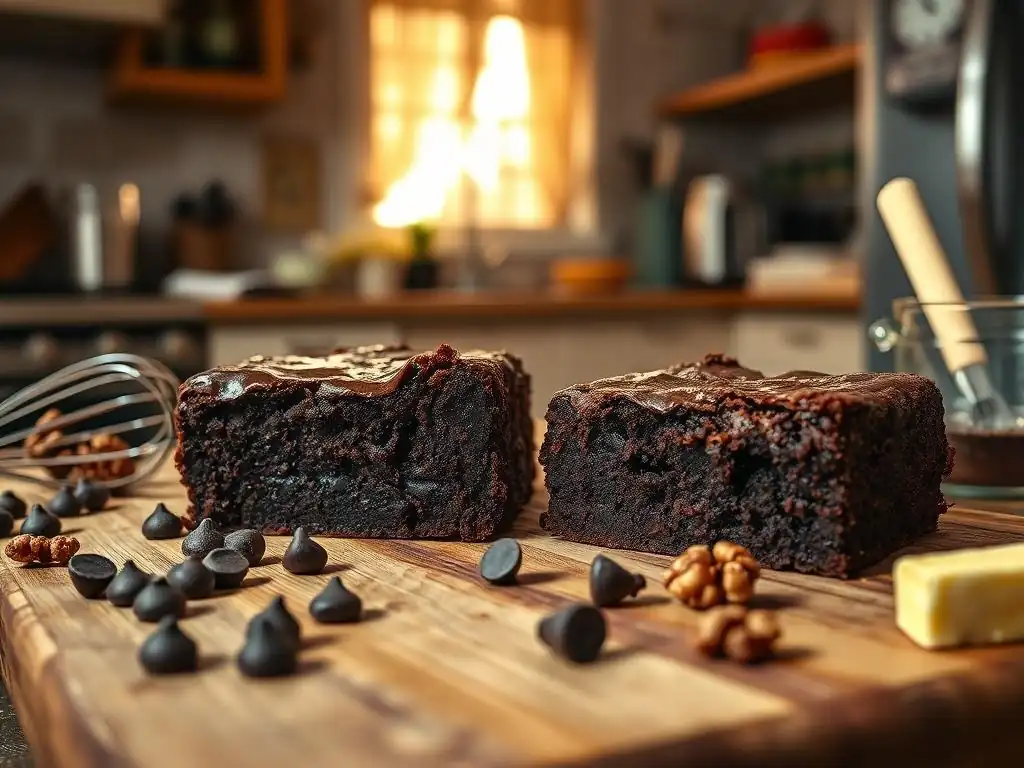
Welcome to BakeWithEase—your ultimate destination for mastering the delightful art of baking! Whether you're just starting out or looking to refine your skills, our treasure trove of simple recipes and expert tips is designed to inspire bakers at every level. Today, we're diving into the world of easy fudgy brownies for beginners, where you'll discover the secrets to achieving that perfect balance between fudgy and cakey. Curious about what makes the ultimate brownie? Join us as we explore this mouthwatering treat and equip you with everything you need to bake with confidence. Let’s get started on your baking journey!
- BakeWithEase Presents: The Ultimate Guide to Easy Brownies for Beginners
- Fudgy vs. Cakey Brownies: Understanding the Difference
-
The Easy Fudgy Brownies Recipe for Beginners
- Gather Your Ingredients: Simple and Accessible
- Step-by-Step Instructions for Perfect Fudgy Brownies
- Pro Tip: Getting That Shiny, Crackly Top on Your Fudgy Brownies
- Gather Your Ingredients: Simple and Accessible
- Step-by-Step Instructions for Perfect Cakey Brownies
- Pro Tip: Keeping Your Cakey Brownies Moist and Tender
- Essential Baking Tools for Easy Brownie Success
- Troubleshooting Common Brownie Baking Problems
- Tips for Leveling Up Your Easy Brownie Recipe
- Mastering Brownies: Next Steps for Beginner Bakers
-
Frequently Asked Questions
- What makes these brownies "easy" for beginners?
- How do I achieve a fudgy texture versus a cakey texture in brownies?
- What are some common mistakes beginners make when baking brownies, and how can I avoid them?
- Can I substitute ingredients in the brownie recipe, and if so, what are some recommended substitutions?
- What are some tips for ensuring my brownies release easily from the pan?
- Final Reflection: The Sweet Journey of Mastering Easy Fudgy Brownies
- Unlock Your Inner Brownie Master!
BakeWithEase Presents: The Ultimate Guide to Easy Brownies for Beginners
Welcome, budding bakers, to the wonderful world of brownies! Whether you dream of a decadent, gooey treat or a light, cake-like square, mastering easy brownies is a fantastic first step in your baking journey. Brownies are incredibly versatile and forgiving, making them perfect for those new to the kitchen. With just a few simple ingredients and techniques, you can whip up a batch that will impress everyone (including yourself!). This guide is designed specifically for beginners, breaking down the process into easy-to-follow steps and sharing insider tips to help you achieve brownie bliss.
Embarking on the path to baking easy brownies is not just about following a recipe; it's about understanding the ingredients and how they interact. For beginners, this means learning the basics of measuring, mixing, and recognizing when your baked goods are perfectly done. We'll explore the core differences between fudgy and cakey brownies, giving you the power to choose your preferred texture. Plus, we'll provide simple recipes and troubleshooting tips to ensure your first attempts (and all subsequent ones!) are delicious successes. Get ready to discover how truly easy it is to make incredible brownies from scratch.
Fudgy vs. Cakey Brownies: Understanding the Difference
The great brownie debate often comes down to texture: are you a fan of dense, rich, fudgy brownies or lighter, airier cakey brownies? The fundamental difference lies in the ingredient ratios and mixing methods used. Understanding these distinctions is key to consistently achieving your desired brownie texture, whether you're making easy fudgy brownies for beginners or trying a slightly more advanced cakey version. It’s a simple concept that has a profound impact on the final result.
Generally, fudgy brownies emphasize fat and chocolate over flour and leavening, while cakey brownies incorporate more flour and rely on chemical leaveners like baking powder, often using creaming methods similar to cakes. Knowing which ingredients to adjust and which techniques to employ allows you to tailor any basic brownie recipe to lean towards fudgy or cakey perfection. This foundational knowledge is invaluable for any beginner baker looking to master this classic treat.
What Makes a Brownie Fudgy? The Secrets to Rich, Gooey Brownies
Fudgy brownies are characterized by their dense, moist, and intensely chocolatey interior. This texture is primarily achieved by a higher ratio of fat (butter and melted chocolate) to flour and sugar compared to their cakey counterparts. Using melted chocolate rather than just cocoa powder also contributes significantly to the richness and gooeyness, as the cocoa butter in the chocolate adds extra fat and structure. Often, less sugar is used than in cakey recipes, which also helps maintain that dense, almost truffle-like texture rather than promoting a lighter, more crumbly structure.
Another critical factor in achieving that coveted fudgy texture is minimal leavening. Many fudgy brownie recipes use little to no baking powder or baking soda. This lack of leavening prevents the brownies from rising significantly, keeping them compact and dense. Additionally, under-baking slightly is often the secret to maximum gooeyness. When a toothpick inserted into the center comes out with moist crumbs attached (rather than completely clean), your easy fudgy brownies are likely perfectly baked for that signature gooey interior.
What Makes a Brownie Cakey? Achieving a Light and Airy Texture
Cakey brownies, as the name suggests, have a texture closer to a moist chocolate cake. They are lighter, fluffier, and less dense than fudgy brownies. This texture is achieved by using a higher proportion of flour relative to fat and chocolate, providing more structure for the brownie to rise. Chemical leaveners, such as baking powder, are typically included in cakey brownie recipes to create air pockets during baking, giving them their characteristic lift and lighter crumb.
The method of combining ingredients also plays a role. Cakey brownie recipes often start by creaming together butter and sugar until light and fluffy, a technique that incorporates air into the batter much like when making a cake. Eggs are then added, which also contribute to leavening and structure. This process, combined with the higher flour and leavening content, results in a brownie that is less intensely dense and more crumbly and airy, offering a different but equally delicious experience.
Choosing Your Brownie Adventure: Fudgy or Cakey?
Deciding between fudgy and cakey brownies is purely a matter of personal preference! Do you crave a rich, almost molten chocolate experience that melts in your mouth? Then the easy fudgy brownies for beginners recipe is likely your ideal starting point. These are the brownies that pair perfectly with a scoop of ice cream, offering intense chocolate flavor in every bite. Their density makes them feel truly indulgent.
If you prefer a treat that's easier to handle, perhaps less overwhelmingly rich, and offers a softer, more structured bite, then a cakey brownie recipe might be more your style. These are great for cutting into neat squares for parties or packing in lunches. As a beginner, experimenting with both types is a fun way to discover your favorite and understand how simple ingredient changes impact the final bake. Why not try making both and see which texture wins your heart (and your taste buds)?
The Easy Fudgy Brownies Recipe for Beginners
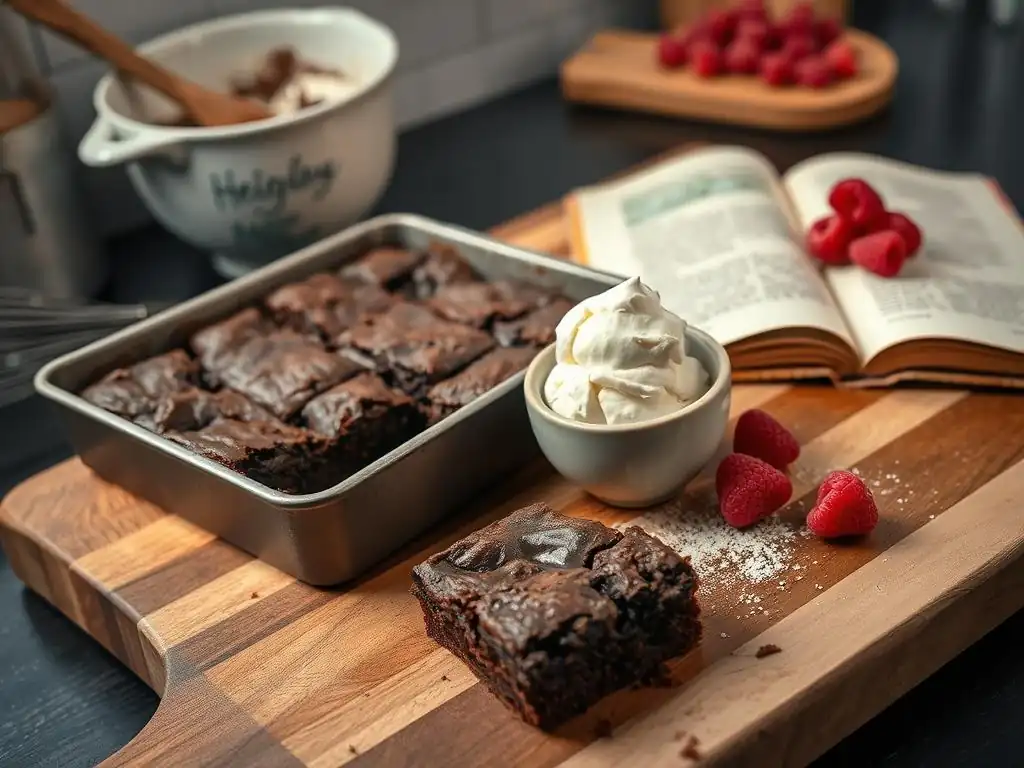
Ready to dive into gooey goodness? This easy fudgy brownies recipe is specifically designed for beginners, focusing on simple steps and readily available ingredients to ensure success. Forget complicated techniques; we're making this as straightforward as possible. By focusing on the right ratios and bake time, you'll soon be pulling a pan of perfectly fudgy, intensely chocolatey brownies from your oven.
Making easy fudgy brownies as a beginner requires attention to detail, particularly when it comes to melting chocolate and not overmixing the batter. The goal is to preserve that dense texture. We'll walk you through each step, highlighting key moments where paying a little extra attention makes a big difference in achieving that signature fudgy chew and moist center that everyone loves. Let's gather our simple ingredients and get baking!
Gather Your Ingredients: Simple and Accessible
Making easy fudgy brownies for beginners doesn't require a trip to a specialty store. You'll likely have most, if not all, of these items in your pantry already. A typical recipe might call for:
- Unsalted butter (about 1/2 cup or 1 stick)
- Granulated sugar (around 1 cup)
- Packed light brown sugar (about 1/2 cup)
- Large eggs (usually 2 or 3)
- Vanilla extract (about 1 teaspoon)
- All-purpose flour (roughly 3/4 cup)
- Unsweetened cocoa powder (about 1/4 cup)
- Salt (1/4 to 1/2 teaspoon)
- Chocolate – this is key for fudgy! (around 4-6 ounces of bittersweet or semi-sweet chocolate, chopped)
Having everything measured and ready before you start mixing, often called "mise en place," is a great habit for beginner bakers. It makes the process smoother and prevents you from realizing you're missing something halfway through. For these easy fudgy brownies, having your chocolate chopped and your dry ingredients whisked together in advance will save you time and stress.
Step-by-Step Instructions for Perfect Fudgy Brownies
Follow these simple steps to create your delicious, easy fudgy brownies. Precision is helpful, but don't stress too much – baking is also about learning and adjusting.
Step 1: Melting the Chocolate for Fudgy Goodness
Start by melting your butter and chopped chocolate together. You can do this gently in a saucepan over low heat, stirring constantly until smooth and combined, or in a microwave-safe bowl in 30-second intervals, stirring after each, until fully melted and smooth. The key here is to melt it slowly and gently to avoid scorching the chocolate, which can happen quickly and ruin the flavor. Once melted, remove from the heat and let it cool slightly for a few minutes.
Allowing the chocolate-butter mixture to cool slightly before adding other ingredients, especially eggs, is important. If the mixture is too hot, it can cook the eggs prematurely, leading to a less desirable texture. This melted chocolate provides the richness and density that defines easy fudgy brownies, so ensure it's smooth and lump-free before moving on.
Step 2: Combining Wet and Dry Ingredients: A Gentle Approach
In a separate bowl, whisk together your sugar (both granulated and brown), eggs, and vanilla extract until well combined. Then, pour the slightly cooled melted chocolate mixture into the sugar-egg mixture. Stir gently with a spatula or wooden spoon until just combined. In a smaller bowl, whisk together your flour, cocoa powder, and salt. Add the dry ingredients to the wet ingredients.
Now for the crucial part for easy fudgy brownies: mix just until the dry ingredients are incorporated. Overmixing develops the gluten in the flour, which can lead to tougher, more cake-like brownies rather than the desired fudgy texture. A few streaks of flour are okay; they will disappear during baking. Gentle folding is the technique you want to employ here.
Step 3: Baking to Perfection: Time and Temperature are Key
Pour the batter evenly into your prepared baking pan (an 8x8 or 9x9 inch pan lined with parchment paper is ideal for easy removal). Bake in a preheated oven, typically around 325°F (160°C) or 350°F (175°C), depending on your oven and desired level of fudginess. Baking time for easy fudgy brownies usually ranges from 25 to 35 minutes.
The best way to test for doneness is the toothpick test, but with a twist for fudgy brownies. Insert a toothpick or thin knife into the center. For fudgy perfection, you want it to come out with moist crumbs attached, not completely clean (which indicates over-baking) or with wet batter (which means it needs more time). The edges should look set, but the center might still look slightly soft. Remove from the oven and let cool completely in the pan on a wire rack before cutting. Cooling is essential for fudgy brownies to set properly.
Pro Tip: Getting That Shiny, Crackly Top on Your Fudgy Brownies
Many people love that thin, shiny, crackly crust on top of easy fudgy brownies. While there are many theories, one common factor is dissolving a good amount of sugar into the wet ingredients, particularly the eggs, before adding the dry ingredients. Whisking the eggs and sugar together for a minute or two until slightly thickened and lighter in color can help achieve this.
Another technique involves using a higher proportion of granulated sugar compared to brown sugar, as granulated sugar contributes more to crispness and shine. Additionally, ensuring the butter/chocolate mixture is warm enough to help dissolve the sugar but not so hot it cooks the eggs is a delicate balance. The rapid evaporation of moisture from the top surface during baking, facilitated by the sugar crust, creates that desirable crackle.
If a lighter, more cake-like texture is what you crave, this easy cakey brownies recipe is perfect for you. It uses slightly different ingredient ratios and techniques compared to fudgy brownies to achieve that characteristic rise and tender crumb. This recipe is just as accessible for beginners and offers a delightful alternative to the dense, fudgy variety.
Making easy cakey brownies involves methods more akin to traditional cake baking, focusing on incorporating air and relying on leavening agents. We'll guide you through the process, from creaming butter and sugar to gently combining ingredients, ensuring you get that soft, airy texture you're looking for. Get ready to bake a batch of delicious, tender cakey brownies with ease.
Gather Your Ingredients: Simple and Accessible
Like their fudgy cousins, the ingredients for easy cakey brownies are typically standard pantry staples. The key differences often lie in the proportions of flour and leavening. A typical recipe might include:
- Unsalted butter (about 1/2 cup or 1 stick), softened
- Granulated sugar (around 1 to 1.5 cups)
- Large eggs (usually 2)
- Vanilla extract (about 1 teaspoon)
- All-purpose flour (roughly 1 cup)
- Unsweetened cocoa powder (about 1/3 to 1/2 cup)
- Baking powder (1/2 to 1 teaspoon)
- Salt (1/4 teaspoon)
- Milk or buttermilk (optional, about 1/4 cup, adds moisture)
Notice the potentially higher sugar and flour amounts, and the addition of baking powder compared to many fudgy recipes. Having your butter softened (left at room temperature for about 30-60 minutes) is important for the creaming step in this easy cakey brownies recipe.
Step-by-Step Instructions for Perfect Cakey Brownies
Follow these steps to create your light and tender easy cakey brownies. The mixing method is slightly different here, focusing on aeration.
Step 1: Creaming Butter and Sugar for Cakey Texture
In a large bowl, using an electric mixer (handheld or stand mixer) or a whisk and some elbow grease, cream together the softened butter and granulated sugar until the mixture is light and fluffy and pale yellow in color. This process incorporates air into the batter, which contributes to the cakey rise and texture. Scrape down the sides of the bowl as needed to ensure everything is evenly combined.
This creaming step is crucial for developing the cakey texture. It can take several minutes, often 2-3 minutes with an electric mixer. You'll notice the volume increases slightly and the texture becomes airy. This is the foundation for a light and tender cakey brownie.
Step 2: Incorporating Eggs and Dry Ingredients: Achieving the Right Consistency
Beat in the eggs, one at a time, mixing well after each addition. Then, stir in the vanilla extract. In a separate bowl, whisk together the flour, cocoa powder, baking powder, and salt. Gradually add the dry ingredients to the wet ingredients, mixing on low speed or by hand with a spatula until just combined. If using milk, alternate adding dry ingredients and milk, beginning and ending with dry ingredients.
Similar to fudgy brownies, avoid overmixing once the flour is added. Mix only until no dry streaks remain. Overmixing will develop gluten and result in a tougher brownie. The batter for easy cakey brownies will typically be lighter and perhaps slightly thicker than a fudgy batter due to the higher flour content and incorporated air.
Step 3: Baking to Perfection: Time and Temperature are Key
Pour the batter into your prepared baking pan (an 8x8 or 9x9 inch pan lined with parchment paper works well). Spread the batter evenly. Bake in a preheated oven, typically around 350°F (175°C). Baking time for easy cakey brownies usually ranges from 25 to 30 minutes.
To test for doneness, insert a toothpick or thin knife into the center of the brownies. For cakey brownies, the toothpick should come out clean or with only a few dry crumbs attached. If it comes out with wet batter, it needs more time. The edges should look set and slightly pulled away from the sides of the pan. Remove from the oven and let cool in the pan on a wire rack before slicing.
Pro Tip: Keeping Your Cakey Brownies Moist and Tender
While cakey brownies are lighter than fudgy ones, you still want them to be moist and tender, not dry or crumbly. One key to achieving this is not over-baking. As mentioned, test for doneness and remove them as soon as the toothpick comes out clean. Even a few extra minutes in the oven can dry them out.
Another factor is the fat content and the inclusion of moistening agents. Using softened butter and potentially adding milk or buttermilk (as suggested in the ingredient list) helps keep the crumb tender. Storing cakey brownies properly, in an airtight container at room temperature, will also help maintain their moisture over a few days.
Essential Baking Tools for Easy Brownie Success
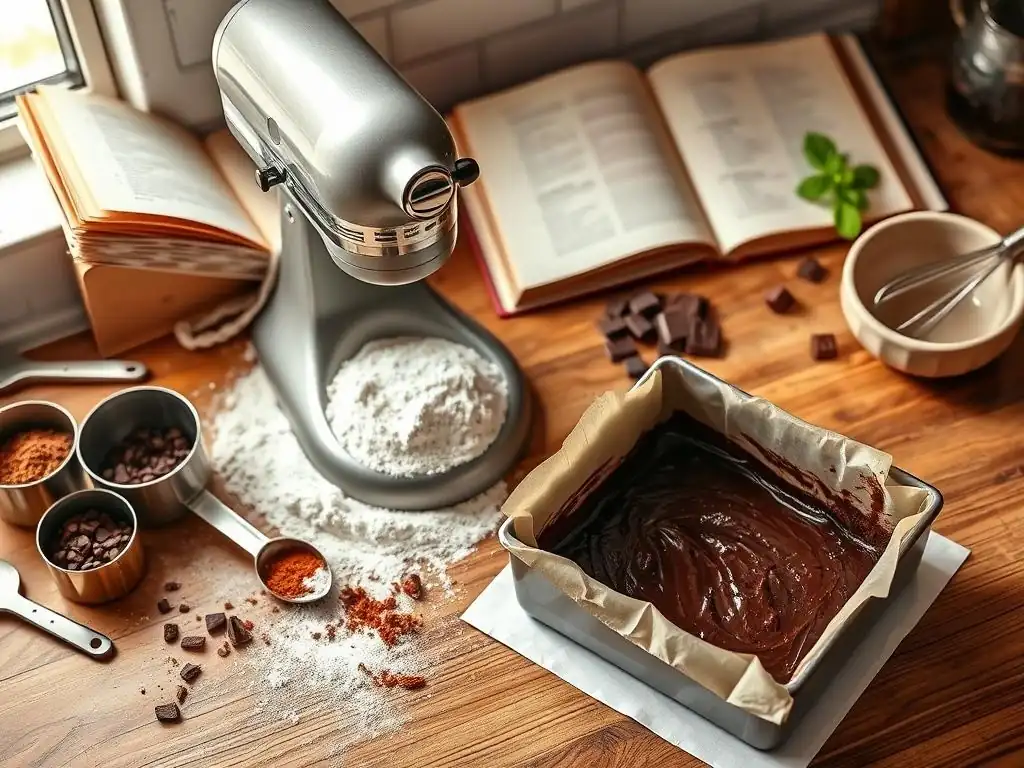
Having the right tools makes baking easy brownies much smoother and more enjoyable, especially for beginners. You don't need a professional kitchen setup, but a few key items are highly recommended to ensure consistent results and simplify the process. These tools are versatile and will serve you well for many other baking adventures beyond just brownies.
Investing in a few quality basic tools is far more beneficial than having many specialized gadgets you rarely use. For easy fudgy brownies beginners, accurate measuring tools and the correct pan size are paramount. Simple items like a sturdy whisk and a good spatula can make all the difference in mixing your batter correctly without overworking it.
Must-Have Tools for Baking Brownies
- Measuring Cups and Spoons: Accurate measurement is crucial in baking. Have a set for dry ingredients (like flour and sugar) and liquid measuring cups for things like oil or melted butter.
- Mixing Bowls: You'll need at least two – one for wet ingredients and one for dry ingredients. Glass or metal bowls are great because they don't retain odors.
- Whisk: Essential for combining dry ingredients and sometimes for incorporating air into wet ingredients (like eggs and sugar).
- Rubber Spatula or Wooden Spoon: Perfect for mixing batter gently and scraping down the sides of bowls. A rubber spatula is also great for getting all the batter out of the bowl into the pan.
- Baking Pan: An 8x8 inch or 9x9 inch square metal baking pan is standard for most brownie recipes. Metal conducts heat well and helps achieve good edges.
- Parchment Paper: Lining your pan with parchment paper makes lifting the baked brownies out incredibly easy for cutting.
- Cooling Rack: Allows air to circulate around the pan (or the brownies once removed) for even cooling, which is important for texture.
These tools cover the basics for both easy fudgy brownies beginners and cakey versions. They are foundational items that will support your baking hobby as you grow.
Optional Tools to Elevate Your Brownie Game
While not strictly necessary for your first batch of easy brownies, these tools can make things even easier or help you achieve slightly better results or fancier finishes.
- Electric Mixer: A handheld or stand mixer makes creaming butter and sugar (especially for cakey brownies) much faster and more effective than whisking by hand.
- Kitchen Scale: For ultimate accuracy, especially with flour and chocolate, a kitchen scale provides weight measurements which are often more precise than volume cups.
- Double Boiler or Heatproof Bowl for Melting: If you're melting chocolate frequently, a dedicated double boiler or simply using a heatproof bowl set over a pot of simmering water is a gentle way to melt chocolate without scorching.
- Offset Spatula: Great for spreading batter evenly in the pan or creating swirls if you add toppings.
- Brownie Pan with Dividers: These pans bake individual brownie portions, ensuring crispy edges on every piece.
As you gain confidence making easy fudgy brownies beginners and other baked goods, you might find these optional tools are worth adding to your collection.
Troubleshooting Common Brownie Baking Problems
Even when following an easy recipe, sometimes things don't turn out exactly as planned. Don't worry! Baking is a learning process, and understanding why common problems occur will help you fix them next time. Here are some typical issues beginner bakers face with brownies and how to address them.
Encountering a problem while making easy brownies is a chance to learn and improve. Most issues can be traced back to ingredient measurements, mixing technique, or oven temperature/bake time. Let's look at the most frequent culprits and how to troubleshoot them effectively.
Why are My Brownies Dry?
Dry brownies are often a result of over-baking. When brownies are left in the oven for too long, moisture evaporates, leaving them dense and crumbly rather than moist and tender. This is particularly a risk with cakey brownies, but can also happen with fudgy ones if baked until the toothpick comes out completely clean. Ovens can vary, so rely on visual cues and the toothpick test (remembering the moist crumbs for fudgy!) rather than just the clock.
Another reason for dryness can be incorrect ingredient measurements, specifically too much flour or not enough fat (butter or chocolate). Using too much dry ingredient absorbs excess moisture, while insufficient fat doesn't provide enough richness to keep the brownies moist. Ensure you are measuring flour correctly, typically by spooning it into the measuring cup and leveling it off, rather than scooping directly from the bag, which can compact the flour and result in using too much.
Why are My Brownies Too Gooey?
If your brownies are excessively gooey, almost liquid in the center, they are likely under-baked. While a slightly soft center is desirable for easy fudgy brownies beginners, raw batter is not. This usually means they need a few more minutes in the oven. Check your oven temperature with an oven thermometer to ensure it's calibrated correctly, as an oven running too cool can lead to under-baking within the recommended time frame.
Extremely gooey brownies can also sometimes be caused by ingredient ratios that are too high in fat or liquid relative to the dry ingredients. While fudgy brownies have high fat, there needs to be enough structure from flour and eggs to hold them together once cooled. Ensure you've followed the recipe measurements accurately. If you've added extra wet ingredients or fat without compensating with dry, it could lead to a brownie that struggles to set.
Why are My Brownies Not Rising?
If your brownies are flat and dense when you expected a bit more lift (especially with a cakey recipe), several factors could be at play. For cakey brownies, the most common culprit is inactive or insufficient baking powder. Baking powder loses its effectiveness over time, especially if exposed to moisture. Check the expiration date and ensure it's stored properly in a cool, dry place. Using too little baking powder will also result in minimal rise.
For both fudgy and cakey brownies, overmixing the batter after adding the flour can also lead to a lack of rise and a tough texture. Overmixing develops gluten, which creates a strong, elastic structure that resists rising. Additionally, opening the oven door frequently during baking can cause the temperature to drop, potentially impacting the leavening process and resulting in flatter brownies. Trust your oven and the recommended bake time, checking only when you think they are close to being done.
Tips for Leveling Up Your Easy Brownie Recipe
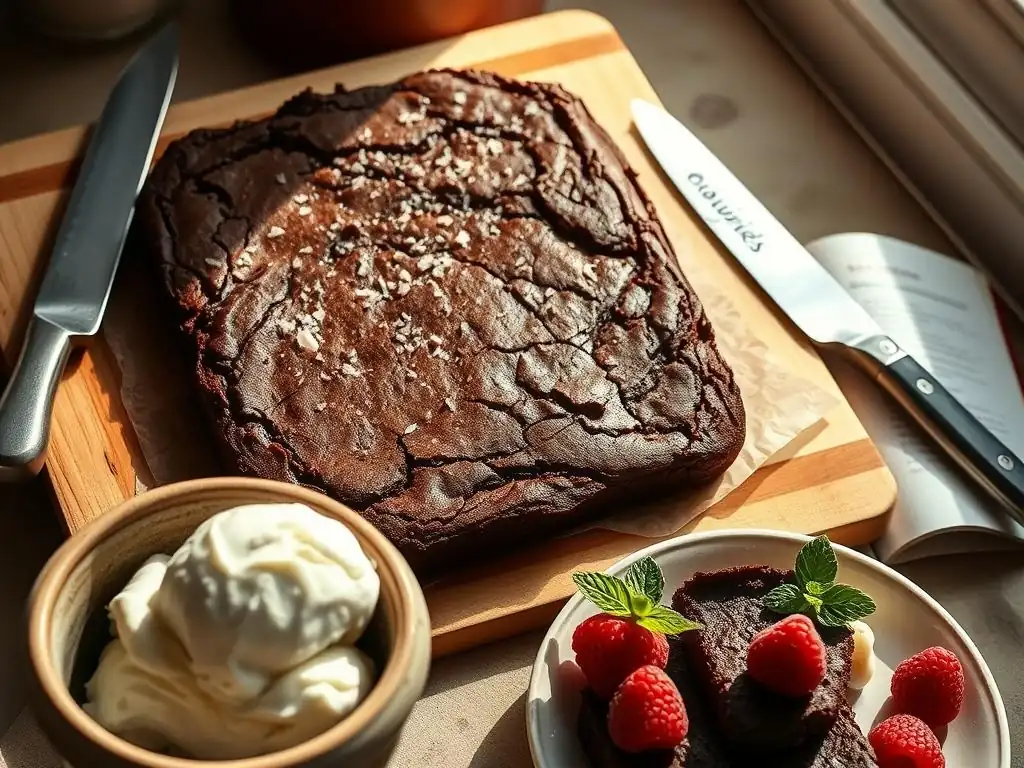
Once you've mastered the basic easy fudgy brownies beginners recipe or the cakey version, you might want to add your own personal touch. Elevating your brownies is simple and fun, offering endless possibilities to customize flavors and textures. These tips are great for beginners looking to take their brownie game to the next level without complicated techniques.
Adding mix-ins or changing how you present your brownies can transform a simple batch into something special. Experimenting with different ingredients not only makes baking more exciting but also helps you understand how various components affect the final product. Let's explore some easy ways to enhance your easy brownies.
Adding Mix-Ins: Chocolate Chips, Nuts, and More!
One of the easiest ways to upgrade your easy brownies is by adding mix-ins. Chocolate chips (milk, dark, or white) are a classic choice, adding pockets of melted chocolate throughout. Nuts like walnuts or pecans provide a delightful crunch that contrasts nicely with the soft brownie texture. Add about 1/2 to 1 cup of your chosen mix-in to the batter with the dry ingredients, or gently fold them in at the very end.
Beyond the classics, consider dried fruits like cherries or cranberries for a chewy, tart element, or even shredded coconut. For a different flavor profile, try adding peanut butter chips or butterscotch chips. Remember that adding a lot of mix-ins can slightly alter the baking time, so keep an eye on your brownies as they bake. Adding a sprinkle of mix-ins on top of the batter before baking is also a great way to make them look extra appealing.
Creating Swirls and Patterns: Elevating the Visual Appeal
Making your easy brownies look as good as they taste is simple with swirls. A classic swirl is achieved with peanut butter or a contrasting chocolate like white chocolate. Melt about 1/4 to 1/2 cup of peanut butter or white chocolate chips until smooth. Dollop spoonfuls of the melted ingredient over the top of the brownie batter in the pan.
Then, using a knife or a skewer, gently swirl the added ingredient through the brownie batter. Be careful not to over-swirl, or you'll lose the distinct pattern. A few gentle passes are usually enough to create beautiful ribbons. This technique not only adds visual interest but also introduces another layer of flavor to your easy fudgy brownies beginners or cakey creations.
Serving and Storage: Keeping Your Brownies Fresh
Proper serving and storage ensure your easy brownies stay delicious for as long as possible. Always let brownies cool completely in the pan before cutting. This is especially important for fudgy brownies, as they need time to set properly. Once cooled, use a sharp knife (running it under hot water and wiping clean between cuts helps with fudgy brownies) to slice into squares.
Store cooled brownies in an airtight container at room temperature for up to 3-4 days. For longer storage, brownies can be frozen. Wrap individual squares tightly in plastic wrap, then place them in a freezer-safe bag or container. Frozen easy fudgy brownies beginners can last for several months. Thaw them at room temperature before enjoying.
Mastering Brownies: Next Steps for Beginner Bakers
Congratulations! By successfully making easy fudgy brownies for beginners or their cakey counterparts, you've taken a significant step in your baking journey. Brownies are a fantastic foundation, and there's still plenty to explore within the world of this beloved baked good. Continue practicing the basic recipes to build confidence and consistency.
Once you feel comfortable with the fundamentals, you can start to experiment more boldly. Understanding how ingredients like different types of chocolate or various extracts impact the flavor and texture of your easy brownies will deepen your baking knowledge. Don't be afraid to try variations or even attempt to modify a recipe slightly to better suit your taste.
Exploring Different Chocolate Varieties for Brownies
The type of chocolate you use has a huge impact on the flavor of your easy brownies. Most recipes call for bittersweet or semi-sweet chocolate for fudgy brownies and cocoa powder for cakey ones, but don't stop there! Try using dark chocolate (70% cacao or higher) for a more intense, less sweet brownie. Milk chocolate will result in a sweeter, creamier, and often softer brownie.
Experiment with different cocoa powders too. Natural unsweetened cocoa powder (like Hershey's) is acidic and reacts with baking soda (if used) to help with leavening, providing a classic chocolate flavor. Dutch-processed cocoa powder is treated to be less acidic and has a smoother, richer, and often darker chocolate flavor. Using a mix of melted chocolate and cocoa powder in fudgy recipes can also yield wonderful results, adding complexity to your easy beginner fudgy brownies.
Experimenting with Flavors and Extracts in Brownies
Vanilla extract is a standard in most brownie recipes, enhancing the chocolate flavor. However, you can easily introduce other extracts to change the profile of your easy brownies. A touch of almond extract can add a subtle nutty note. Peppermint extract, especially when paired with chocolate chips, creates delicious mint chocolate brownies.
Other flavor additions include a pinch of espresso powder to deepen the chocolate flavor without adding coffee taste, or a dash of cinnamon for warmth. Zest from an orange or lemon can add brightness. Remember that extracts are potent, so start with a small amount (like 1/4 teaspoon) and adjust in future batches. These simple additions are easy ways to customize your easy fudgy brownies beginners or cakey creations.
One of the greatest joys of baking is sharing your creations! Whether you made easy fudgy brownies for beginners or perfected your cakey technique, sharing with friends and family is a rewarding experience. Pay attention to their feedback – do they love the fudgy texture? Did they enjoy the added walnuts? This helps you learn what works and what people enjoy.
We love seeing what our community bakes! Share photos of your easy brownies on social media and tag BakeWithEase (if applicable, imagine this is the case for the website). Tell us about your experience – was it easy? What did you learn? What did you add? Connecting with other beginner bakers and sharing your successes (and even your troubleshooting stories!) is part of the fun of mastering easy brownies.
Frequently Asked Questions
What makes these brownies "easy" for beginners?
These brownies prioritize simple recipes and easy-to-find ingredients, making them accessible for novice bakers. We also provide step-by-step guides for foolproof results.
How do I achieve a fudgy texture versus a cakey texture in brownies?
A fudgy texture comes from a higher fat-to-flour ratio and using more brown sugar. Cakey brownies result from more flour and incorporating air into the batter.
What are some common mistakes beginners make when baking brownies, and how can I avoid them?
Overmixing the batter can lead to tough brownies. Also, overbaking is a common mistake; use a toothpick to test for doneness, aiming for a slightly moist center.
Can I substitute ingredients in the brownie recipe, and if so, what are some recommended substitutions?
While substitutions are possible, be mindful of texture changes. For example, you can substitute vegetable oil with melted butter for a richer flavor or use different types of chocolate.
What are some tips for ensuring my brownies release easily from the pan?
Grease and flour the baking pan thoroughly, or line it with parchment paper, leaving an overhang for easy lifting. Let the brownies cool completely before attempting to remove them.
Final Reflection: The Sweet Journey of Mastering Easy Fudgy Brownies
The art of baking brownies is not just about mixing ingredients; it’s about creating a delightful experience that resonates with both novice bakers and seasoned chefs alike. Today, as we navigate a world filled with culinary trends and quick recipes, the timeless appeal of easy fudgy brownies stands out as a comforting reminder of the joy that simple pleasures can bring. The ability to whip up a batch of these decadent treats not only satisfies our sweet tooth but also fosters a sense of accomplishment and creativity in the kitchen.
The influence of baking, particularly the creation of fudgy brownies, extends far beyond the kitchen; it weaves itself into the fabric of our social interactions and cultural traditions. Whether it’s a family gathering, a potluck, or a cozy night in, brownies have the power to bring people together, sparking conversations and creating lasting memories. As the famous chef Julia Child once said, > “No one is born a great cook, one learns by doing.” This sentiment rings true as we embrace the learning process, celebrating each attempt, whether it results in a perfect batch or a deliciously imperfect one.
As you embark on your own brownie-making journey, I invite you to reflect on the joy of creating something from scratch and the connections it fosters. Take a moment to savor not just the taste of your fudgy brownies, but the experience of baking them. Let each batch be a reminder that perfection is not the goal; rather, it’s the love and effort you put into the process that truly matters. So, gather your ingredients, preheat that oven, and dive into the delightful world of easy fudgy brownies—your sweet adventure awaits!
Unlock Your Inner Brownie Master!
Thanks for joining us on this delicious journey into the world of brownies! We hope you've gained the confidence to bake perfect brownies, whether you prefer fudgy or cakey. Now it's time to put your new skills to the test!
- Bake your dream brownies today! Grab your ingredients and follow your favorite recipe (or try a new one!). Don't forget to check out the tips we shared – they're game-changers.
- Share your baking triumph! Post a picture of your masterpiece on social media and tag us – we'd love to see it!
- Explore more brownie variations on our site! Discover unique flavor combinations and advanced techniques to elevate your brownie game even further.
What's your favorite brownie topping – and will you try our tips to make them even better?