
Master the Muffin Method: An Easy Guide

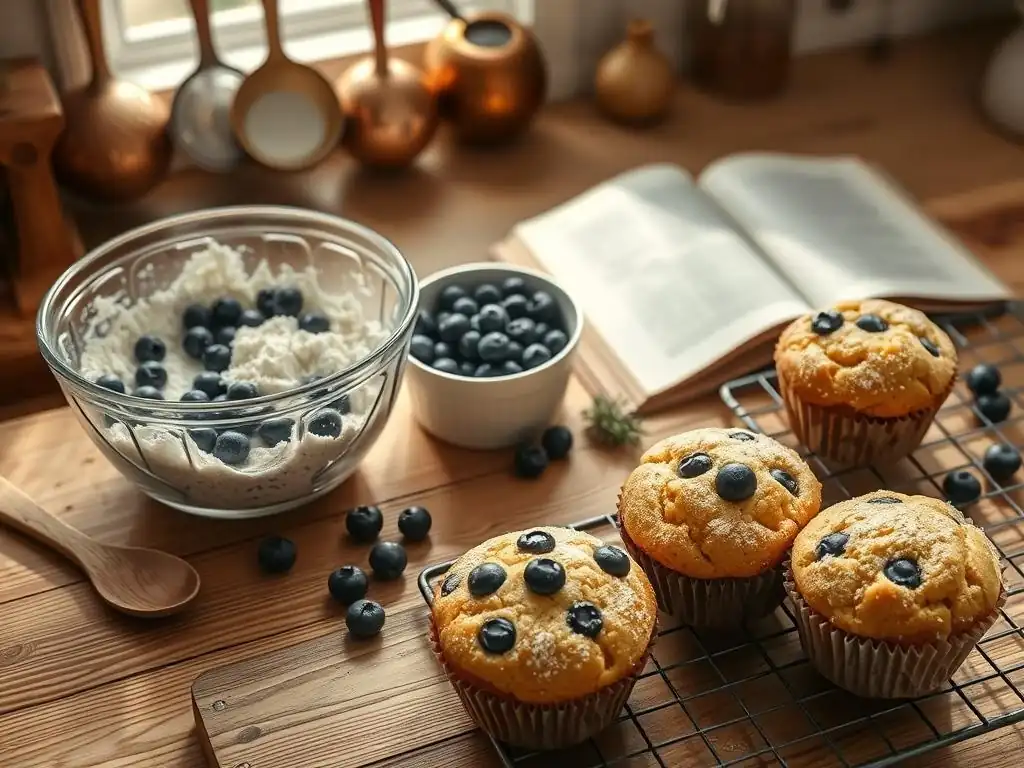
Welcome to BakeWithEase, your guide to unlocking baking brilliance! Ready to transform your kitchen into a bakery haven? We're thrilled you're here to explore the world of effortless baking. Today, we're diving into easy muffin baking techniques – a skill that will empower you to create delicious treats with minimal fuss. But what's the secret to achieving perfectly risen, tender muffins every time? Keep reading to discover the simple steps and expert tips that will elevate your muffin game forever, and perhaps inspire you to try some of our other beginner-friendly recipes!
- Mastering the Muffin Method: A Guide to Delicious Muffins
- Introduction to Muffin Baking
- Core Principles of the Muffin Method
- Step-by-Step Guide to the Muffin Method
- Troubleshooting Common Muffin Baking Problems
- Delicious Muffin Recipe Variations
- Advanced Muffin Baking Tips
- Conclusion: Enjoying Delicious Muffins
-
Frequently Asked Questions
- How does the muffin method differ from other baking techniques?
- What are some common mistakes to avoid when using easy muffin baking techniques?
- What ingredients are essential for easy muffin baking success?
- Can I substitute ingredients in muffin recipes to make them healthier or fit dietary needs?
- How can I store baked muffins to keep them fresh for longer?
- Final Reflection: The Enduring Allure of the Perfect Muffin
- Unleash Your Inner Baker: Muffin Magic Awaits!
Mastering the Muffin Method: A Guide to Delicious Muffins
Introduction to Muffin Baking
What is the Muffin Method?
The muffin method is one of the simplest and quickest techniques in baking, making it ideal for beginners and experienced bakers alike looking for easy muffin baking techniques. At its core, this method involves keeping the wet and dry ingredients separate until the very last moment before combining them with minimal mixing. This distinct approach is what sets it apart from other baking methods, such as the creaming method used for cakes or cookies, where butter and sugar are beaten together first.
This straightforward technique is responsible for the characteristic texture of muffins: a tender, slightly dense crumb with a moist interior. Understanding and applying the muffin method correctly is the key to avoiding common pitfalls like tough or dry muffins. It's a foundational skill that opens the door to countless variations, from classic blueberry to savory cornbread, proving that delicious baking doesn't have to be complicated.
Baking Simplified: A Guide to Success
Embarking on your muffin-baking journey using the muffin method is a fantastic way to build confidence in the kitchen. This technique simplifies the process by minimizing steps and the need for specialized equipment, focusing instead on proper ingredient handling and gentle mixing. It’s designed for efficiency, often allowing you to have a batch of warm, fresh muffins ready in under an hour from start to finish.
Success with this simple method hinges on a few key principles, which we will explore in detail. By focusing on accurate measurement, understanding the role of each ingredient, and mastering the art of gentle combining, you'll consistently achieve perfect results. These easy muffin baking techniques are not just about following a recipe; they're about understanding the science behind the bake, making future baking endeavors intuitive and enjoyable.
Core Principles of the Muffin Method
Key Ingredients for Muffin Success
Every successful muffin starts with a few fundamental ingredients, each playing a crucial role in the final texture and flavor. Flour provides the structure, typically all-purpose flour for a standard muffin, though variations exist. Sugar contributes sweetness, tenderness, and aids in browning. Leavening agents, such as baking powder or a combination of baking powder and baking soda, are vital for lift, creating that desirable domed top. For instance, a typical muffin recipe might call for 2 teaspoons of baking powder per 1 ½ cups of flour to ensure adequate rise.
Liquids, commonly milk or buttermilk, activate the leavening agents and provide moisture. Fats, whether melted butter, oil, or even yogurt or sour cream, contribute to tenderness and richness. Eggs bind the ingredients together and add structure and richness; most recipes use 1 or 2 large eggs per batch. Understanding the function of these core components is the first step toward mastering easy muffin baking techniques and adapting recipes to your liking.
Essential Equipment for Baking
While the muffin method is praised for its simplicity, having the right tools can make the process even smoother and ensure consistent results. A standard 12-cup muffin tin is, of course, essential. Non-stick tins or using muffin liners (paper or silicone) are highly recommended for easy removal and cleanup. Two mixing bowls are necessary – one for dry ingredients and one for wet.
Accurate measuring tools are non-negotiable. This includes dry measuring cups (scoop and level!) and liquid measuring cups (read at eye level). Measuring spoons are needed for leavening agents, salt, and extracts. A whisk is perfect for combining dry ingredients and thoroughly mixing wet ones. Finally, a rubber spatula or wooden spoon is crucial for the final gentle mixing step, helping to avoid overdevelopment of gluten, which can lead to tough muffins. Having these basic tools ready simplifies the process and ensures you can execute easy muffin baking techniques efficiently.
Step-by-Step Guide to the Muffin Method
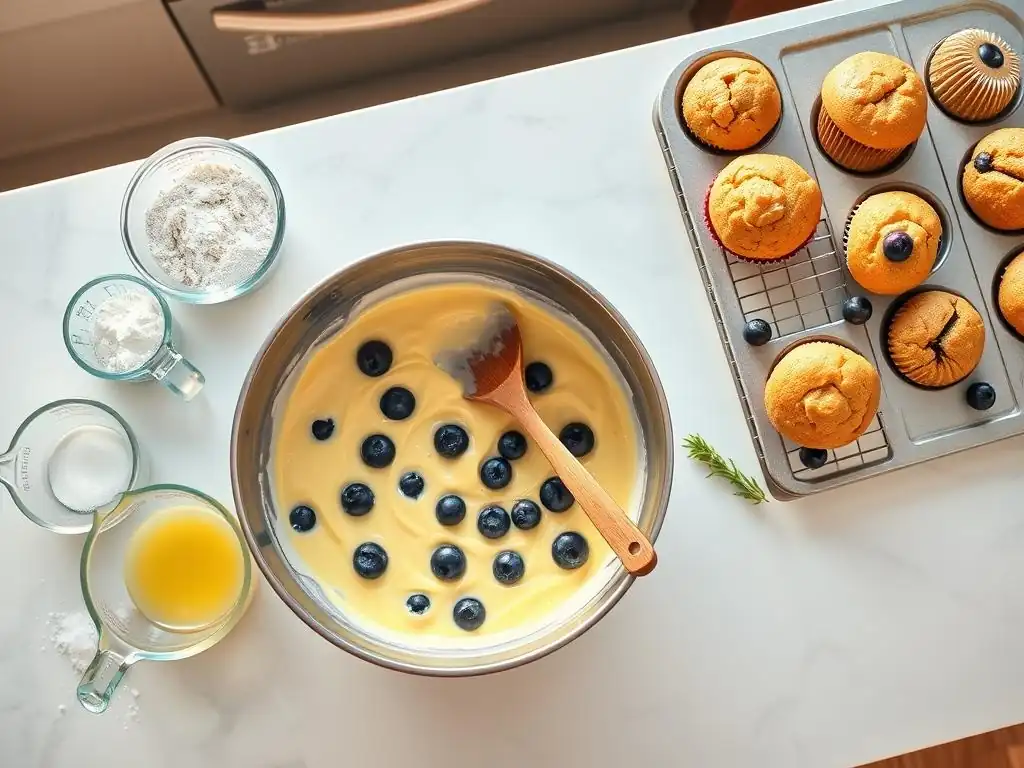
Step 1: Combining Dry Ingredients
This initial step in the muffin method is straightforward but critical for ensuring even distribution of leavening and flavor throughout the batter. Begin by whisking together all the dry ingredients in a large bowl. This typically includes flour, sugar, leavening agents (baking powder, baking soda), salt, and any dry spices like cinnamon or nutmeg. Whisking serves to aerate the flour slightly and ensures that the baking powder isn't clumped together in one spot, which could result in uneven rising.
Properly combining these ingredients sets the stage for the rest of the process. It's important to use a bowl large enough to comfortably hold all the dry ingredients and allow for thorough whisking without making a mess. This simple act of whisking dry ingredients together is a fundamental part of easy muffin baking techniques, ensuring consistency in every bite.
Measuring Flour Accurately
Accurate flour measurement is perhaps the most common pitfall in baking, significantly impacting the final texture. For muffins, using too much flour is a primary cause of dryness. The recommended method for measuring flour is the "spoon and level" technique: gently spoon flour into your dry measuring cup until it overflows, then use a straight edge (like the back of a knife) to level off the excess without compacting the flour in the cup. Avoid scooping directly from the flour bag with the measuring cup, as this compacts the flour and can add up to 25% more than needed.
Alternatively, using a kitchen scale is the most accurate method. A standard cup of all-purpose flour weighs approximately 120-130 grams, depending on the brand and how it was stored. Weighing ensures you use the exact amount specified in the recipe, leading to more consistent and reliable results when practicing easy muffin baking techniques.
Leavening Agents: Baking Powder and Baking Soda
Leavening agents are the workhorses that make muffins light and airy, giving them their signature dome. Baking powder is a complete leavener, containing both an acid and a base that react when moistened and heated, producing carbon dioxide gas. Most muffin recipes rely primarily on double-acting baking powder, which provides lift in two stages: when mixed with liquid and again when heated in the oven. Using fresh baking powder is crucial; test its freshness by adding a teaspoon to a small amount of hot water – it should bubble vigorously.
Baking soda, on the other hand, is a base and requires an acid (like buttermilk, yogurt, brown sugar, or fruit) to react and produce gas. Recipes using acidic ingredients often call for both baking soda and baking powder. For example, banana muffins might use both due to the acidity of the bananas.
The reaction between baking soda and acid is immediate once wet ingredients are added, so it's important to mix and bake relatively quickly after combining wet and dry ingredients to capture the maximum lift. Understanding these agents is key to achieving the perfect rise with easy muffin baking techniques.
Step 2: Mixing Wet Ingredients
In a separate bowl from your dry ingredients, you will combine all the wet components. This usually includes eggs, milk (or buttermilk, sour cream, yogurt), melted butter or oil, and any liquid extracts like vanilla or almond. Some recipes might also incorporate mashed fruit, pureed vegetables, or liquid sweeteners like honey or maple syrup at this stage.
Whisk these wet ingredients together thoroughly until they are well combined and homogenous. The goal is to disperse the eggs and fat evenly throughout the liquid base. This ensures that when added to the dry ingredients, they can be incorporated quickly and evenly, minimizing the need for excessive mixing. This simple preparation step is vital for successful easy muffin baking techniques.
The Role of Eggs, Milk, and Fat
Eggs contribute structure, richness, and help emulsify the batter, binding everything together. Using large eggs at room temperature is often recommended as they disperse more evenly into the batter. Milk or other liquids like buttermilk or yogurt provide essential moisture and activate the leavening agents. Buttermilk and yogurt also add tenderness due to their acidity.
Fat, whether melted butter or oil, is crucial for tenderness and moisture. Melted butter adds flavor but can sometimes result in a slightly denser crumb compared to oil. Oil, being liquid at room temperature, coats flour proteins more effectively, inhibiting gluten development and often yielding a more tender and moist muffin. The choice of fat can subtly influence the final texture, but both work well within the muffin method framework for easy muffin baking techniques.
Flavor Enhancements: Extracts and Spices
This is the stage where you infuse your muffins with delightful aromas and tastes beyond the basic ingredients. Vanilla extract is a common addition that complements almost any muffin flavor. Just a teaspoon or two can significantly enhance the overall taste profile. Other extracts, such as almond, lemon, or maple, can be used depending on the specific recipe and desired flavor.
Spices like cinnamon, nutmeg, cloves, or ginger are also typically added with the dry ingredients, but flavorings like citrus zest (lemon, orange) or liquid flavorings should be added to the wet mixture. For instance, adding a tablespoon of fresh lemon zest to the wet ingredients for lemon-poppy seed muffins ensures its aromatic oils are fully incorporated. These additions are simple yet powerful ways to elevate your easy muffin baking techniques.
Step 3: Combining Wet and Dry Ingredients
This is the pivotal step in the muffin method, and arguably the most crucial for preventing tough muffins. Create a well in the center of your dry ingredients bowl. Pour all the combined wet ingredients into this well. The goal is to mix just enough to bring the wet and dry ingredients together; the batter should still look lumpy and perhaps have streaks of flour.
Using a rubber spatula or wooden spoon, gently fold the ingredients together, working from the center outwards. Avoid vigorous stirring or beating. This stage should take no more than 10-15 gentle folds. Overmixing develops gluten in the flour, leading to a tough, chewy texture instead of a tender one. This gentle combining is the hallmark of successful easy muffin baking techniques.
Gentle Mixing: Preventing Overmixing
Overmixing is the most common mistake when using the muffin method and the primary culprit behind tough muffins. The moment the liquid hits the flour, gluten development begins. While some gluten is necessary for structure, too much makes the muffins dense and rubbery. The goal is to hydrate the flour and distribute the leavening agents without developing excessive gluten strands.
Stop mixing as soon as you no longer see large pockets of dry flour. A lumpy batter with small streaks of flour is perfectly acceptable, even desirable. Any add-ins like berries or chocolate chips should be folded in very gently at the very end of this mixing stage, just until they are distributed. Mastering this gentle touch is fundamental to easy muffin baking techniques.
Achieving the Right Batter Consistency
A properly mixed muffin batter using this method will be thick and lumpy, not smooth or runny like cake batter. If your batter looks smooth and pourable, you've likely overmixed it. The lumps are unhydrated bits of flour that will finish hydrating during baking, contributing to the tender crumb.
The consistency should be scoopable, holding its shape somewhat when dropped from a spoon. If the batter seems excessively dry and difficult to mix, you might have measured your flour incorrectly or the recipe might need a touch more liquid. Conversely, if it's too wet, re-check your measurements. Learning to recognize the correct lumpy consistency is a key skill for consistently successful easy muffin baking techniques.
Step 4: Filling the Muffin Tin
With your batter ready, it's time to prepare your muffin tin and fill it correctly. Whether you're using paper liners or greasing the tin, proper preparation ensures your muffins don't stick. If using liners, place them in each cup of the muffin tin. If greasing, use butter or non-stick cooking spray to thoroughly coat the inside of each cup.
Use an ice cream scoop or two spoons to portion the batter evenly into the prepared muffin cups. This helps ensure that all muffins bake at a similar rate. Avoid scraping down the sides of the mixing bowl vigorously when scooping, as this can also contribute to overmixing.
Preparing Muffin Tins: Liners vs. Greasing
Both muffin liners and greasing the tin are effective ways to prevent sticking and simplify cleanup. Paper liners are convenient and come in various colors and patterns, adding a decorative touch. They also make it easy to transport muffins. However, sometimes muffins can stick to paper liners, especially if they are overbaked or if the liners are very thin.
Greasing the tin directly with butter or non-stick spray provides a reliable non-stick surface. Ensure you coat the bottom and sides of each cup thoroughly. Some bakers prefer greasing as they feel it allows the muffin sides to brown slightly more than when using liners. Both methods work well for easy muffin baking techniques; choose the one you prefer.
Filling Levels: Ensuring Proper Rise
How full you fill the muffin cups significantly impacts the final shape and rise of your muffins. For classic, domed muffins, fill the cups about two-thirds to three-quarters full. This allows enough room for the batter to expand and rise over the top of the cup, creating that desirable rounded crown.
If you fill the cups too full (e.g., completely to the top), the batter may overflow during baking, resulting in a messy tin and muffins that are difficult to remove and might have an odd shape. If you underfill the cups, the muffins will be small and flat. Aim for consistency in filling level across all cups for uniform baking and presentation when using easy muffin baking techniques.
Step 5: Baking Your Muffins
Baking is where the magic happens, transforming the lumpy batter into fluffy muffins. Preheat your oven to the temperature specified in the recipe, usually between 375°F (190°C) and 400°F (200°C). Some recipes call for starting at a higher temperature for the first 5-7 minutes (e.g., 425°F / 220°C) before reducing it. This initial burst of high heat helps create a strong rise and a nice dome before the internal structure sets.
Place the filled muffin tin in the center of the preheated oven. Avoid opening the oven door frequently during baking, as this can cause the temperature to drop and potentially result in deflated muffins. Baking time typically ranges from 18 to 25 minutes, depending on the size of the muffins and your oven.
Oven Temperature and Baking Time
Precise oven temperature is crucial for successful baking. Use an oven thermometer to verify your oven's actual temperature, as they can often be off by 25°F or more. Baking at the correct temperature ensures the muffins rise properly and cook through evenly. If the oven is too hot, the outsides may burn before the inside is cooked. If it's too cool, they may not rise well and could be dense or gummy.
Baking time is usually an estimate. Start checking for doneness at the lower end of the suggested time range. Factors like the type of tin, the ingredients used (e.g., wet fruit can increase time), and how full the cups are can affect how long they need to bake. Keep an eye on them, using visual cues like golden-brown tops as a guide. Mastering your oven is key to easy muffin baking techniques.
Checking for Doneness: The Toothpick Test
The most reliable way to check if your muffins are fully baked is the toothpick test. Insert a wooden skewer or toothpick into the center of a muffin. If it comes out clean or with just a few moist crumbs attached, the muffins are done. If it comes out with wet batter, they need more time.
Check the largest muffin or one in the center of the tin, as these tend to bake slightly slower than those on the edges. Be careful not to overbake, which can lead to dry, crumbly muffins. A clean toothpick is your signal to remove them from the oven and proceed to the cooling step. This simple test is a fundamental part of easy muffin baking techniques.
Step 6: Cooling and Storing
Once your muffins are baked to perfection, proper cooling is essential for their texture and flavor. Immediately after removing the tin from the oven, let the muffins sit in the tin for just a few minutes, say 5-10 minutes. This allows them to firm up slightly before being handled.
After this initial cooling period in the tin, carefully transfer the muffins to a wire cooling rack. Cooling them on a rack allows air to circulate around all sides, preventing condensation from making the bottoms soggy. Let them cool completely on the rack before storing them.
Cooling Techniques
Cooling muffins properly prevents them from becoming dense or soggy. Leaving them in the hot tin for too long can continue the cooking process (carryover cooking) and create steam, which makes the bottoms wet. Transferring them to a wire rack allows steam to escape freely.
For the best texture, wait until the muffins are completely cool before storing them or serving, especially if they contain chocolate chips or fruit that can hold heat. Warm muffins are delicious, but they continue to set as they cool. This cooling step is a simple yet important part of easy muffin baking techniques.
Proper Storage for Freshness
To keep your muffins fresh and moist, store them correctly. Once completely cool, place them in an airtight container. A single layer is ideal if possible, or separate layers with parchment paper to prevent sticking. Store at room temperature for 2-3 days.
For longer storage, muffins can be frozen. Wrap individual muffins tightly in plastic wrap, then place them in a freezer-safe bag or container. They can be frozen for up to 2-3 months. Thaw at room temperature or gently warm in the microwave or oven. Proper storage ensures you can enjoy your delicious creations made with easy muffin baking techniques for days to come.
Troubleshooting Common Muffin Baking Problems
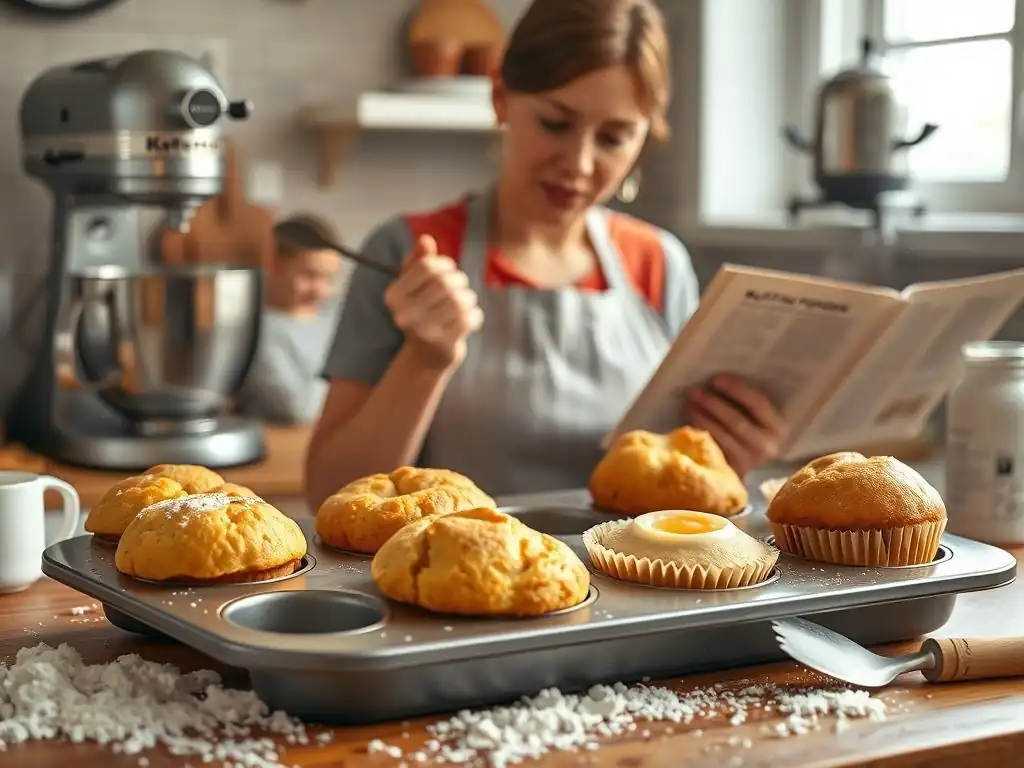
Dry Muffins: Causes and Solutions
Dry muffins are a common disappointment and usually stem from too much flour or overmixing, both of which lead to excessive gluten development and absorption of moisture. Inaccurate flour measurement (scooping instead of spooning and leveling) is a frequent culprit. Another cause can be overbaking, which evaporates too much moisture from the batter.
To prevent dry muffins, measure your flour accurately, ideally by weight. Avoid overmixing the batter; remember, lumps are good! Watch your baking time carefully and use the toothpick test to check for doneness. If you've already baked a batch of dry muffins, you can try warming them gently and serving with butter or jam, or even transforming them into bread pudding. Consistent application of easy muffin baking techniques helps avoid this issue.
Flat Muffins: Achieving a Good Rise
Flat muffins often indicate an issue with leavening. This could be due to using expired or old baking powder or baking soda that has lost its potency. Ensure your leavening agents are fresh; baking powder should bubble when mixed with hot water. Another cause can be under-mixing or adding wet ingredients that are too cold, which can hinder the leavening reaction.
Sometimes, adding too many heavy ingredients (like excessive fruit or nuts) can also weigh down the batter, preventing a good rise. Ensure your oven is preheated correctly; placing muffins in a cool oven will impact their rise. Check your oven thermometer. Starting with fresh leavening agents and ensuring your oven is hot are key easy muffin baking techniques for achieving that desirable dome.
Tough Muffins: Avoiding Overmixing
Tough, rubbery muffins are almost always a result of overmixing the batter after the wet and dry ingredients have been combined. When flour is mixed with liquid, gluten develops. The more you mix, the more gluten develops, leading to a chewy texture. The goal with the muffin method is minimal mixing to just combine the ingredients.
Use a gentle folding motion with a spatula or spoon. Stop mixing as soon as there are no visible streaks of dry flour – a lumpy batter is correct! Adding ingredients like fruit or chocolate chips should be done with minimal additional folding. Recognizing and avoiding overmixing is perhaps the most critical of all easy muffin baking techniques.
Unevenly Baked Muffins: Oven Issues
If some muffins in your tin are perfectly golden while others are still pale or even burnt, the issue is likely with your oven. Hot spots are common in home ovens, meaning certain areas are hotter than others. This leads to uneven baking.
Using an oven thermometer can help you understand if your oven temperature is consistent. If you suspect hot spots, try rotating the muffin tin halfway through the baking time (e.g., after 10-12 minutes). This helps expose all sides of the tin to different areas of the oven, promoting more even baking. Knowing your oven's quirks is part of mastering easy muffin baking techniques.
Delicious Muffin Recipe Variations
Classic Blueberry Muffins
Classic blueberry muffins are a staple for a reason – they are simple, delicious, and showcase the tender crumb achieved by the muffin method. Typically, this recipe involves folding fresh or frozen blueberries into the basic muffin batter. If using frozen blueberries, toss them with a tablespoon of flour before adding to the batter; this helps prevent them from sinking to the bottom.
A standard recipe might call for 1 to 1.5 cups of blueberries per batch of 12 muffins. The moisture and slight acidity from the berries contribute to a wonderfully moist and flavorful muffin. These exemplify the easy muffin baking techniques at their best.
Chocolate Chip Muffins
Chocolate chip muffins are a crowd-pleaser, perfect for breakfast or a snack. Adding chocolate chips to the basic muffin batter is as simple as folding them in during the final mixing stage. You can use milk chocolate, semi-sweet, dark chocolate chips, or even chunks.
About 1 cup of chocolate chips is standard for a batch of 12 muffins, though you can adjust to your preference. Sometimes, reserving a few chips to sprinkle on top before baking adds visual appeal. This simple variation highlights how easily the muffin method can be adapted using easy muffin baking techniques.
Banana Nut Muffins
Banana nut muffins are a fantastic way to use up overripe bananas, which provide natural sweetness and moisture. The mashed bananas are incorporated into the wet ingredients. Using very ripe bananas with lots of brown spots yields the best flavor and moisture.
A typical recipe uses about 1 to 1.5 cups of mashed ripe bananas (usually 2-3 medium bananas) and about ½ to ¾ cup of chopped nuts, such as walnuts or pecans, folded into the batter. The combination of moist banana and crunchy nuts is a delightful texture contrast, easily achieved with easy muffin baking techniques.
Cornbread Muffins
While often associated with savory meals, cornbread muffins also utilize the muffin method for a quick bake. These differ from typical sweet muffins by incorporating cornmeal into the dry ingredients, often in a 1:1 ratio with all-purpose flour, or sometimes using more cornmeal. They are usually less sweet and might include ingredients like buttermilk or sour cream for tenderness and tang.
Some variations include cheese, jalapeños, or corn kernels folded into the batter. Baking time might be slightly shorter than for sweeter muffins. Cornbread muffins demonstrate the versatility of the muffin method beyond just sweet applications, proving its value for various easy muffin baking techniques.
Advanced Muffin Baking Tips
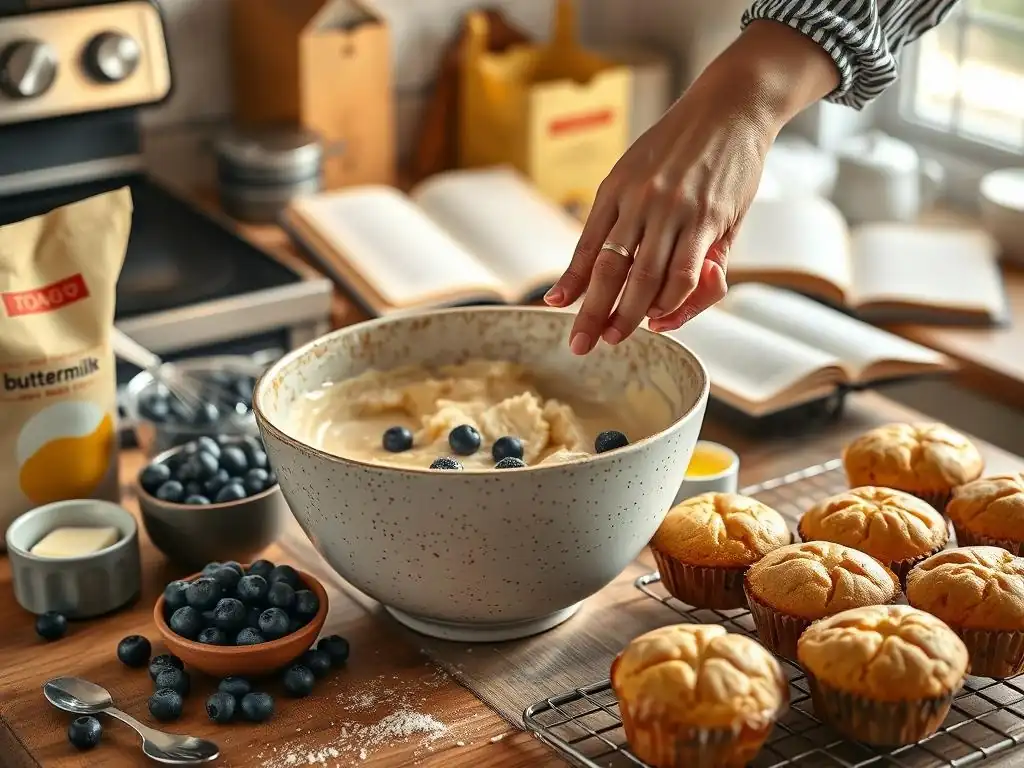
Adding Toppings and Streusels
Elevating your muffins beyond the basic batter is easy with various toppings. A simple sprinkle of coarse sugar (like turbinado) before baking adds a lovely crunch and sparkle. For a more elaborate topping, consider a streusel. A basic streusel recipe involves combining flour, sugar (often brown sugar for moisture and flavor), a pinch of cinnamon, and cold butter cut into small pieces until crumbly.
Sprinkle the streusel generously over the top of the filled muffin cups before baking. The streusel bakes into a sweet, crumbly crust that complements the soft muffin underneath. This adds another layer of texture and flavor to your easy muffin baking techniques.
Using Different Types of Flour
While all-purpose flour is standard, experimenting with different flours can change the texture and flavor of your muffins. Substituting a portion of all-purpose flour with whole wheat flour (e.g., replacing 1/4 to 1/2 cup) adds fiber, nutrients, and a nuttier flavor, though it might result in a slightly denser muffin.
Using pastry flour, which has a lower protein content, can yield an even more tender crumb. Conversely, using bread flour will likely result in a tougher muffin due to its higher gluten potential. When substituting flours, especially whole wheat or alternative flours, you may need to slightly adjust the liquid content as different flours absorb moisture differently. Exploring flour types expands your easy muffin baking techniques.
Exploring Gluten-Free Options
Adapting muffin recipes to be gluten-free is achievable using the muffin method. This typically involves substituting the wheat flour with a gluten-free all-purpose flour blend. These blends often contain a mix of rice flour, potato starch, tapioca starch, and sometimes xanthan gum, which helps provide structure in the absence of gluten.
When using a gluten-free blend, follow the recipe's measurements but be aware that different blends behave differently. You might need slightly more or less liquid. The mixing technique remains the same – gentle folding to avoid overworking the starches. Many commercial gluten-free blends are designed to be used as a direct 1:1 substitute for wheat flour in recipes like muffins, making gluten-free easy muffin baking techniques accessible.
Conclusion: Enjoying Delicious Muffins
Baking Perfect Muffins
Mastering the muffin method is a rewarding skill that empowers you to bake delicious, tender muffins with ease. By understanding the core principles – separating wet and dry ingredients, mixing minimally, and baking correctly – you can consistently achieve great results. We've walked through the essential steps, from accurately measuring ingredients and combining them gently to baking at the right temperature and cooling properly.
With these easy muffin baking techniques, you're equipped to avoid common pitfalls like dryness, toughness, or flat tops. The versatility of the muffin method allows for endless variations, from classic flavors to creative combinations, including gluten-free options. Embrace the simplicity of this technique and enjoy the process of creating warm, homemade treats. Happy baking!
Frequently Asked Questions
How does the muffin method differ from other baking techniques?
The muffin method is a simple mixing technique that involves combining dry ingredients in one bowl and wet ingredients in another, then gently combining them. It avoids overmixing, leading to tender muffins. It's simpler than creaming methods.
What are some common mistakes to avoid when using easy muffin baking techniques?
Overmixing the batter is a primary mistake, leading to tough muffins. Also, using ingredients that are not at room temperature can affect the texture. Finally, overfilling the muffin tins can cause overflow and uneven baking.
What ingredients are essential for easy muffin baking success?
Essential ingredients include flour, baking powder or baking soda, sugar, eggs, oil or melted butter, and milk or buttermilk. Fresh, high-quality ingredients will always yield the best results. Proper measuring is also crucial.
Can I substitute ingredients in muffin recipes to make them healthier or fit dietary needs?
Yes, substitutions are possible. You can replace some sugar with natural sweeteners, use whole wheat flour, or substitute applesauce for some of the oil. Be mindful of how substitutions affect the final texture and taste.
How can I store baked muffins to keep them fresh for longer?
Store muffins in an airtight container at room temperature for up to 2-3 days. For longer storage, freeze them individually wrapped in plastic wrap. Reheat them gently in the oven or microwave to restore their freshness.
Final Reflection: The Enduring Allure of the Perfect Muffin
Mastering the muffin method isn't just about baking; it's about embracing a simple joy that connects us to culinary creativity. The seemingly straightforward act of mixing, pouring, and baking holds a surprising power to soothe, inspire, and even empower. This easy guide aimed to demystify the process, making the creation of delicious muffins accessible to everyone, regardless of baking experience.
The influence of simple baking techniques like the muffin method extends far beyond the kitchen. It’s a gateway to sharing, a way to connect with loved ones over warm, comforting treats. The act of creating something tangible and delicious from simple ingredients fosters a sense of accomplishment and self-sufficiency. As Julia Child wisely said, Find something you're passionate about and keep tremendously interested in it.
For many, that passion begins with the simple pleasure of a perfectly baked muffin.
Now, I invite you to consider your own relationship with baking. Perhaps this guide has inspired you to try a new recipe, or maybe it's reignited a long-dormant passion. Whatever the case, remember the power of simple acts to bring joy and connection. So, dust off those mixing bowls, gather your ingredients, and embark on your own muffin-making adventure. The perfect muffin, and the satisfaction it brings, awaits.
Unleash Your Inner Baker: Muffin Magic Awaits!
Thanks for taking the time to explore the Muffin Method! We hope you’ve discovered a new level of baking ease and deliciousness. Ready to put your newfound skills to the test?
- Bake your masterpiece: Try out the Muffin Method with your favorite recipe today – and prepare to be amazed by the consistent results!
- Share your success: Post a picture of your perfectly baked muffins on social media using #MuffinMethodBakeWithEase and inspire others!
- Explore variations: Experiment with different flavors and add-ins – what unique muffin creation will you conjure up?
What incredible muffin flavor combination will you bake first? Let us know in the comments below!