
Quick Breads: Proof That Anyone Can Bake

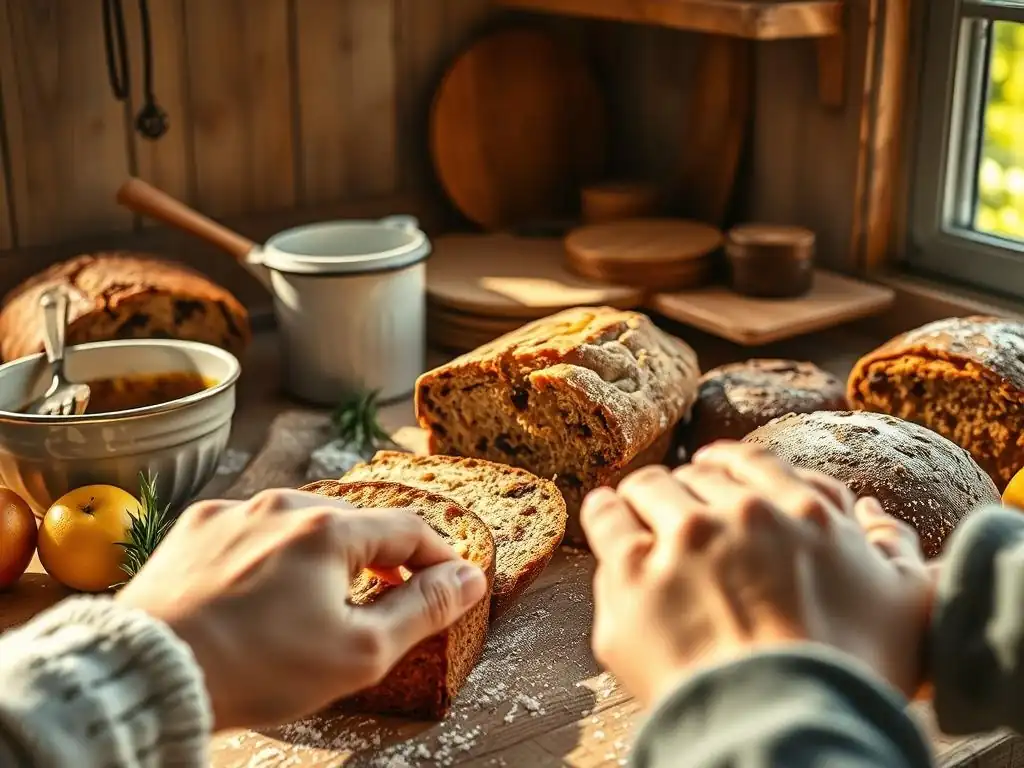
Welcome to BakeWithEase, your kitchen companion for unlocking the joy of baking! Ever dreamt of effortlessly creating warm, crusty bread without the fuss of kneading? Discover how with our collection of easy noknead bread recipes, designed to prove that anyone, regardless of experience, can achieve baking brilliance. Ready to transform simple ingredients into unforgettable treats? Let's bake!
- Mastering Easy Quick Bread Recipes
- Why Quick Breads Are Perfect for Beginner Bakers
- Essential Equipment and Ingredients for Quick Breads
- Top 5 Easy Quick Bread Recipes
- Tips and Tricks for Baking Perfect Quick Bread
- Variations and Add-ins
- Storing Quick Bread for Maximum Freshness
- Enjoy Your Homemade Quick Bread!
-
Frequently Asked Questions
- What exactly is no-knead bread, and why is it considered "easy"?
- How long does the dough need to sit for a no-knead bread recipe?
- What are some common ingredients in easy no-knead bread recipes?
- Can I use different types of flour for no-knead bread?
- What kind of pot is best for baking no-knead bread?
- Final Reflection: The Joy of Effortless Baking
- Unleash Your Inner Baker!
Mastering Easy Quick Bread Recipes
Welcome to Quick Breads!
Welcome to the wonderful world of quick breads, where baking delicious, homemade treats is easier than you might think! Unlike traditional yeast breads that require lengthy kneading and rising times, quick breads rely on chemical leaveners like baking soda and baking powder. This means you can mix the batter and have a warm loaf or batch of muffins ready in under an hour for many recipes. It's the perfect starting point for anyone looking to dive into baking without the complexity often associated with yeast doughs.
These easy quick bread recipes are incredibly versatile, offering a delightful range of flavors from sweet classics like banana bread and pumpkin bread to savory options like cheddar and herb loaves. They are truly a testament to the fact that baking can be accessible and enjoyable for everyone, regardless of prior experience. Whether you're craving a comforting snack, a simple dessert, or a tasty accompaniment to a meal, quick breads deliver satisfying results with minimal effort, making them a staple for busy home bakers.
Why Quick Breads Are Perfect for Beginner Bakers
No Yeast, No Problem: The Simplicity of Quick Bread Baking
The primary reason quick breads are ideal for beginners is their reliance on chemical leavening agents rather than yeast. This eliminates the need for proofing – the process where yeast ferments and produces carbon dioxide to make the dough rise. Proofing can be sensitive to temperature, humidity, and time, often posing challenges for new bakers. With quick breads, the reaction between ingredients like baking powder or baking soda and a liquid and often an acid (like buttermilk or vinegar) happens quickly during mixing and in the oven, providing lift without the wait or the finicky nature of yeast activation.
This "no yeast, no problem" approach simplifies the entire baking process dramatically. There's no kneading required, which saves significant time and effort and removes the need to develop gluten structure like in traditional bread making. The mixing method is typically straightforward – often just combining wet ingredients with dry ingredients until just moistened. This ease of preparation significantly reduces the barrier to entry, allowing newcomers to achieve successful, delicious results on their first few attempts, building confidence and enthusiasm for further baking adventures.
Quick Bread Recipes: A Gateway to Baking Confidence
Successfully baking an easy quick bread recipe provides a tangible and delicious win for novice bakers. The relatively short time from start to finish means gratification comes quickly, reinforcing positive learning experiences. Mastering a simple loaf, like a basic muffin or a sweet bread, demonstrates that you can follow a recipe, understand ingredient interactions, and produce something wonderful from scratch. This initial success is crucial for building confidence and encouraging exploration into more complex baking projects over time.
Furthermore, the forgiving nature of many quick bread recipes makes them an excellent learning tool. While precision is always helpful in baking, minor variations in mixing or baking time often don't spell disaster as they might with delicate pastries or yeast doughs. Beginners can learn about ingredient functions (what does baking powder do? Why is salt important? ), mixing techniques (what is the Muffin Method? ), and judging doneness (the toothpick test) in a low-pressure environment. This foundational knowledge gained from easy quick bread recipes serves as a solid base for tackling other baking challenges.
Essential Equipment and Ingredients for Quick Breads
Must-Have Baking Tools
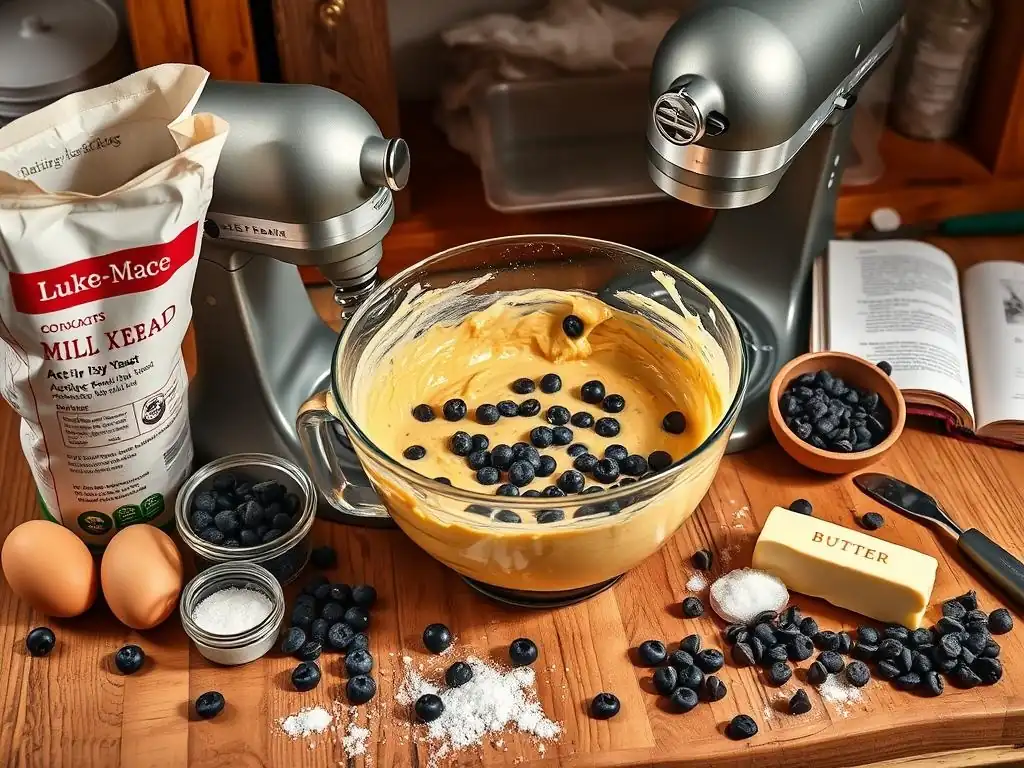
While you don't need a professional kitchen setup to bake quick breads, having a few essential tools will make the process much smoother and ensure consistent results. At a minimum, you'll need mixing bowls – a large one for dry ingredients and a medium one for wet ingredients. A whisk is indispensable for aerating dry ingredients and blending wet ones smoothly. Measuring cups (both dry and liquid) and measuring spoons are critical for accuracy; using the wrong type of cup for flour, for example, can lead to adding too much, affecting the final texture.
For baking, standard loaf pans (like an 8.5 x 4.5-inch or 9 x 5-inch metal pan) are perfect for most quick bread loaves. Muffin tins are necessary for muffins or cupcakes, which use similar batters. You'll also want a rubber spatula or wooden spoon for mixing, and a cooling rack is essential for allowing your baked goods to cool properly, preventing sogginess. Optional but helpful tools include a kitchen scale for precise ingredient measurement and parchment paper for easy pan release.
Key Ingredients
The beauty of easy quick bread recipes lies in their use of common pantry staples. The foundation typically involves flour (all-purpose is standard, though variations are possible), a leavening agent (baking powder, baking soda, or both), salt (to enhance flavor), and sugar (for sweetness and tenderness in sweet breads). The wet ingredients usually include eggs (for structure and richness), a liquid (milk, buttermilk, yogurt, or sour cream are common, providing moisture and activating leaveners), and a fat (melted butter, oil, or sometimes softened butter, adding moisture and tenderness).
Specific recipes will call for additional flavorings or mix-ins. For example, banana bread requires ripe bananas (about 2-3 medium bananas for a standard loaf), while a savory cheese bread needs shredded cheese (often 1 to 1.5 cups). Spices like cinnamon, nutmeg, or vanilla extract are frequent additions to sweet quick breads. Understanding the role of each ingredient – how the leavener creates lift, how fat adds moisture, or how eggs provide structure – helps bakers troubleshoot and even adapt recipes later on.
Top 5 Easy Quick Bread Recipes
These recipes are designed to be simple and require no kneading, making them perfect examples of easy no-knead bread varieties suitable for beginners.
Recipe 1: Cranberry Orange Bread
This bright and flavorful loaf is a classic example of an easy quick bread recipe, perfect for breakfast or a snack. It typically yields one standard loaf (about 10-12 slices) and bakes in approximately 55-65 minutes. The combination of tart cranberries and fragrant orange zest is simply delightful.
Ingredients
- 2 cups All-Purpose Flour
- 1.5 teaspoons Baking Powder
- 0.5 teaspoon Baking Soda
- 0.5 teaspoon Salt
- 0.75 cup Granulated Sugar
- 1 large Egg, lightly beaten
- 0.75 cup Milk (or Buttermilk for tang)
- 0.25 cup Vegetable Oil or Melted Butter
- 1 teaspoon Vanilla Extract
- Zest of 1 large Orange
- 1.5 cups Fresh or Frozen Cranberries (no need to thaw frozen)
Instructions
- Preheat your oven to 350°F (175°C). Grease and flour a 9x5-inch loaf pan.
- In a large bowl, whisk together the flour, baking powder, baking soda, salt, and sugar.
- In a separate medium bowl, whisk together the egg, milk, oil or melted butter, vanilla extract, and orange zest.
- Pour the wet ingredients into the dry ingredients. Stir with a spatula or wooden spoon just until combined. A few lumps are okay. Do not overmix.
- Gently fold in the cranberries. If using frozen, add them directly from the freezer.
- Pour the batter into the prepared loaf pan and spread evenly.
- Bake for 55-65 minutes, or until a toothpick inserted into the center comes out clean.
- Let the bread cool in the pan for 10-15 minutes before transferring it to a wire rack to cool completely.
Recipe 2: Chocolate Chip Bread
A comforting and universally loved easy no-knead bread variation, this chocolate chip loaf is simple to make and disappears quickly! It typically yields one loaf and bakes in roughly 50-60 minutes.
Ingredients
- 1.75 cups All-Purpose Flour
- 1 teaspoon Baking Powder
- 0.5 teaspoon Baking Soda
- 0.25 teaspoon Salt
- 0.5 cup Granulated Sugar
- 0.25 cup Brown Sugar, packed
- 1 large Egg, lightly beaten
- 0.5 cup Milk
- 0.5 cup Sour Cream or Plain Yogurt (adds moisture!)
- 0.25 cup Melted Butter or Vegetable Oil
- 1 teaspoon Vanilla Extract
- 1 cup Chocolate Chips (Milk, Semi-Sweet, or Dark)
Instructions
- Preheat your oven to 350°F (175°C). Grease and flour a 9x5-inch loaf pan.
- In a large bowl, whisk together the flour, baking powder, baking soda, salt, granulated sugar, and brown sugar.
- In a separate medium bowl, whisk together the egg, milk, sour cream or yogurt, melted butter or oil, and vanilla extract.
- Pour the wet ingredients into the dry ingredients. Stir just until combined. Avoid overmixing.
- Gently fold in the chocolate chips.
- Pour the batter into the prepared pan and spread evenly.
- Bake for 50-60 minutes, or until a toothpick inserted into the center comes out clean.
- Cool in the pan for 10-15 minutes, then transfer to a wire rack to cool completely.
Recipe 3: Apple Cinnamon Bread
Warm spices and tender apples make this quick bread a cozy treat, especially in the fall. Another fantastic easy quick bread recipe that requires no kneading. Expect one loaf, ready in about 55-65 minutes.
Ingredients
- 2 cups All-Purpose Flour
- 1 teaspoon Baking Powder
- 0.5 teaspoon Baking Soda
- 0.5 teaspoon Salt
- 1 teaspoon Ground Cinnamon
- 0.25 teaspoon Ground Nutmeg (optional)
- 0.75 cup Granulated Sugar
- 1 large Egg, lightly beaten
- 0.5 cup Milk
- 0.5 cup Unsweetened Applesauce (adds moisture and apple flavor!)
- 0.25 cup Melted Butter or Vegetable Oil
- 1 teaspoon Vanilla Extract
- 1 cup Finely Diced Apple (about 1 medium apple, like Honeycrisp or Gala)
Instructions
- Preheat your oven to 350°F (175°C). Grease and flour a 9x5-inch loaf pan.
- In a large bowl, whisk together the flour, baking powder, baking soda, salt, cinnamon, nutmeg (if using), and sugar.
- In a separate medium bowl, whisk together the egg, milk, applesauce, melted butter or oil, and vanilla extract.
- Pour the wet ingredients into the dry ingredients. Stir just until combined.
- Gently fold in the diced apple.
- Pour the batter into the prepared pan and spread evenly.
- Bake for 55-65 minutes, or until a toothpick inserted into the center comes out clean.
- Cool in the pan for 10-15 minutes, then transfer to a wire rack to cool completely.
Recipe 4: Lemon Poppy Seed Bread
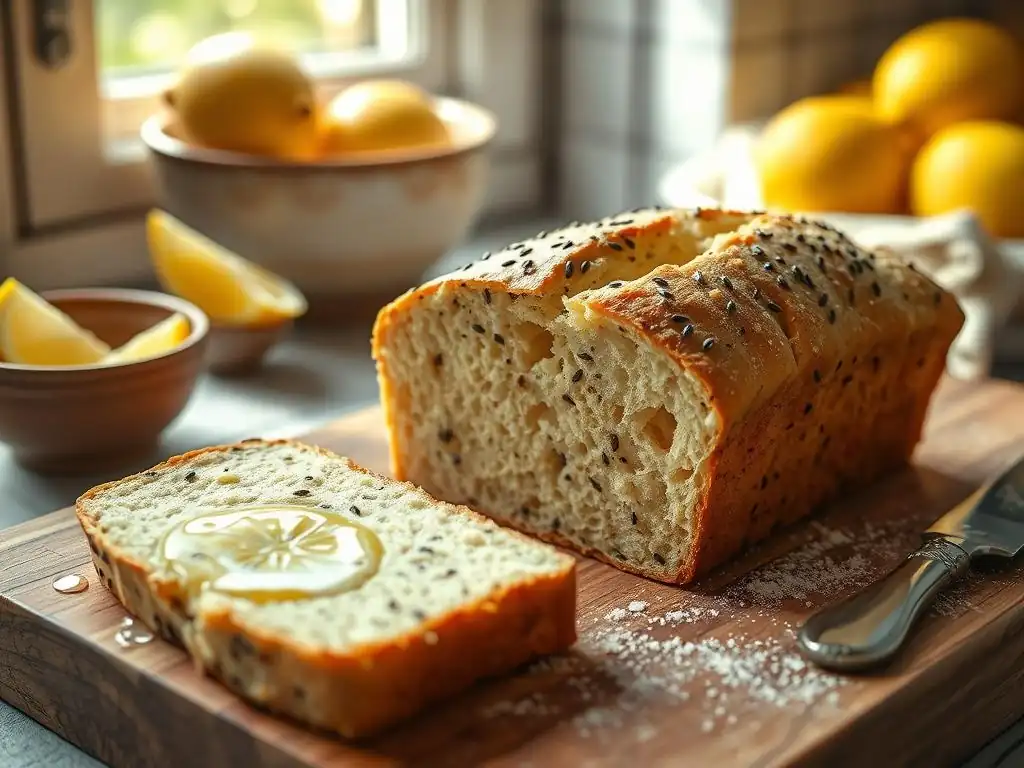
Bright and zesty, this lemon poppy seed loaf is a refreshing take on an easy quick bread recipe. Yields one loaf, ready in about 50-60 minutes. Often finished with a simple lemon glaze.
Ingredients
- 1.75 cups All-Purpose Flour
- 1.5 teaspoons Baking Powder
- 0.5 teaspoon Salt
- 1 cup Granulated Sugar
- 2 tablespoons Poppy Seeds
- 2 large Eggs, lightly beaten
- 0.5 cup Milk
- 0.5 cup Vegetable Oil or Melted Butter
- Zest of 2 large Lemons
- 0.25 cup Fresh Lemon Juice
- 1 teaspoon Vanilla Extract
Instructions
-
Preheat your oven to 350°F (175°C). Grease and flour a 9x5-inch loaf pan.
-
In a large bowl, whisk together the flour, baking powder, salt, sugar, and poppy seeds.
-
In a separate medium bowl, whisk together the eggs, milk, oil or melted butter, lemon zest, lemon juice, and vanilla extract.
-
Pour the wet ingredients into the dry ingredients. Stir just until combined.
-
Pour the batter into the prepared pan and spread evenly.
-
Bake for 50-60 minutes, or until a toothpick inserted into the center comes out clean.
-
Cool in the pan for 10-15 minutes, then transfer to a wire rack to cool completely.
Optional Glaze: Whisk together 1 cup powdered sugar with 2-3 tablespoons lemon juice or milk until smooth. Drizzle over the cooled bread.
Recipe 5: Cheddar Chive Bread
Not all easy quick bread recipes are sweet! This savory loaf is excellent with soup or as a snack. It's a delicious example of an easy no-knead bread that uses cheese and herbs. Yields one loaf, bakes in approximately 50-60 minutes.
Ingredients
- 2 cups All-Purpose Flour
- 1 tablespoon Baking Powder
- 0.75 teaspoon Salt
- 0.25 teaspoon Black Pepper
- 1 cup Shredded Cheddar Cheese (sharp or medium)
- 0.25 cup Chopped Fresh Chives
- 1 large Egg, lightly beaten
- 1 cup Milk or Buttermilk
- 0.25 cup Melted Butter or Vegetable Oil
Instructions
- Preheat your oven to 375°F (190°C). Grease and flour a 9x5-inch loaf pan. (Note the slightly higher temperature for savory breads).
- In a large bowl, whisk together the flour, baking powder, salt, and pepper. Stir in 0.75 cup of the shredded cheddar cheese and all the chives.
- In a separate medium bowl, whisk together the egg, milk or buttermilk, and melted butter or oil.
- Pour the wet ingredients into the dry ingredients. Stir just until combined.
- Pour the batter into the prepared pan and spread evenly. Sprinkle the remaining 0.25 cup of cheddar cheese over the top.
- Bake for 50-60 minutes, or until a toothpick inserted into the center comes out clean and the top is golden brown.
- Cool in the pan for 10-15 minutes, then transfer to a wire rack to cool completely. This bread is often best served warm.
Tips and Tricks for Baking Perfect Quick Bread
Mastering the Mix: Avoiding Overmixing
One of the most critical steps in creating tender, moist quick breads is the mixing process. Unlike yeast doughs where kneading develops gluten for structure, quick breads rely on the interaction of chemical leaveners and gentle mixing. The goal is to combine the wet and dry ingredients just until no streaks of dry flour remain. This usually takes only 10-15 seconds of gentle stirring once the wet ingredients are added to the dry.
Overmixing is a common pitfall for beginners. When batter is overmixed, gluten begins to develop from the flour proteins. While necessary for chewy yeast breads, too much gluten development in quick breads results in a tough, dense texture rather than the desired tender crumb. You might even see tunnels develop in the finished loaf. So, remember the mantra: mix until just combined, and a few small lumps are perfectly acceptable – they often disappear during baking.
Achieving the Perfect Rise
The rise in quick breads comes primarily from the carbon dioxide produced by baking powder and/or baking soda reacting with liquid and heat. To ensure a good rise, first, check the freshness of your leavening agents. Baking powder can lose potency over time; test it by adding a teaspoon to hot water – it should fizz vigorously. Baking soda can be tested with vinegar; a strong fizz indicates it's still active. Using fresh ingredients is key.
Secondly, make sure your oven is accurately preheated. Quick breads need that initial burst of heat to help the leaveners do their job effectively before the structure sets. Many ovens can be off by 25°F or more, so an oven thermometer can be a useful tool. Finally, avoid the temptation to open the oven door frequently during the first 30-40 minutes of baking. Sudden temperature drops can cause the bread to sink, impacting the final height and texture.
Troubleshooting Common Issues
Even with easy quick bread recipes, you might encounter minor issues. If your quick bread is dense or tough, it's almost certainly due to overmixing. Next time, mix less! If the top browns too quickly but the inside isn't cooked, cover the loaf loosely with aluminum foil for the remaining baking time. This often happens if your oven runs hot or if the batter is very rich.
If your quick bread sinks in the middle, it could be underbaking (the structure wasn't set before cooling), the oven door was opened too early, or potentially using too much leavening or liquid for the amount of flour. Ensure you are measuring accurately and baking until a toothpick inserted into the very center comes out clean, not just with moist crumbs. Baking time is often an estimate; rely on visual cues and the toothpick test for doneness.
Variations and Add-ins
Adding Chocolate, Nuts, and Fruits
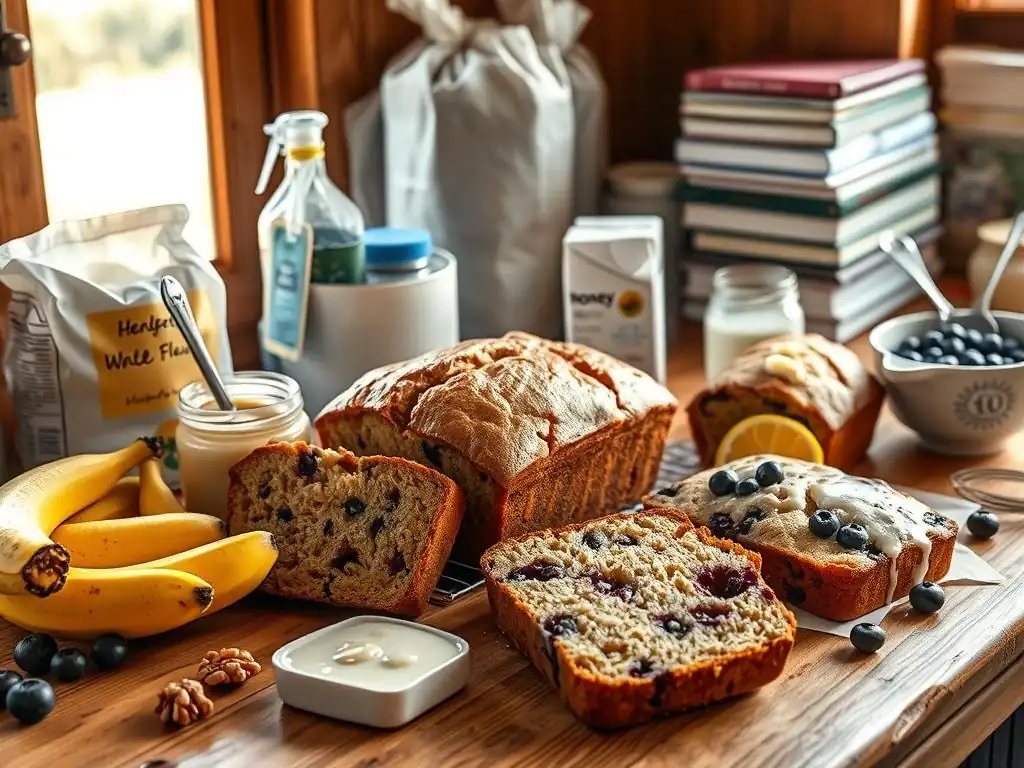
One of the joys of baking easy quick bread recipes is how easily you can customize them with various add-ins. Chocolate chips (milk, dark, or white) are a classic and simple addition to many sweet batters. Nuts like walnuts, pecans, or almonds add a lovely crunch and nutty flavor; roughly chopped nuts work well. Dried fruits such as raisins, cranberries, apricots, or dates can provide bursts of sweetness and chewiness. Fresh fruits like blueberries, raspberries, or diced apples and pears are also popular, just ensure they are evenly distributed.
When adding these ingredients, gently fold them into the batter after the wet and dry ingredients have been just combined. Avoid stirring vigorously, as this can lead to overmixing. For heavier add-ins like chocolate chips or nuts, tossing them lightly with a tablespoon of flour before adding to the batter can help prevent them from sinking to the bottom of the loaf during baking. A typical amount for mix-ins is between 1 cup and 1.5 cups per standard loaf recipe.
Exploring Different Flours and Spices
While all-purpose flour is the standard base for most easy no-knead bread recipes, experimenting with different flours can introduce new textures and flavors. Substituting a portion (say, 0.5 cup) of the all-purpose flour with whole wheat flour adds nuttiness and fiber, though it might result in a slightly denser loaf. Gluten-free all-purpose blends can often be used as a direct substitute, following the package recommendations. Using flours like oat flour or almond flour requires specific recipes designed for them, as they behave differently than wheat flour.
Spices are another fantastic way to vary quick breads. Beyond cinnamon and nutmeg, consider ground ginger, cardamom, or cloves for warm, aromatic loaves. Lemon or orange zest adds bright citrus notes. Savory quick breads benefit from black pepper, garlic powder, onion powder, or dried herbs like rosemary, thyme, or dill. Fresh herbs like chives or parsley are also excellent in savory variations, adding vibrant flavor and color. Don't be afraid to start with a basic recipe and add your favorite spice combinations!
Storing Quick Bread for Maximum Freshness
Proper Storage Techniques
Once your delicious, easy quick bread has cooled completely (this is important! ), proper storage is key to keeping it fresh and moist. For short-term storage (1-2 days), wrapping the cooled loaf tightly in plastic wrap is usually sufficient. Ensure it's well-sealed to prevent air exposure, which leads to drying out. You can then keep the wrapped loaf at room temperature on your counter.
For slightly longer storage at room temperature (up to 3-4 days), you can wrap the bread first in plastic wrap, then place it in an airtight container or a resealable plastic bag. This double layer of protection helps retain moisture. Avoid refrigerating quick breads unless they contain fillings that require refrigeration (like cream cheese). The refrigerator air tends to dry out baked goods quickly.
Freezing Quick Breads: A Guide
Quick breads freeze exceptionally well, making them perfect for baking ahead or preserving leftovers. This is particularly useful if you've made a large batch of an easy no-knead bread recipe. To freeze, ensure the loaf is completely cooled. Wrap the loaf tightly first in plastic wrap, making sure there are no gaps. Then, wrap it again in aluminum foil or place it in a freezer-safe bag. The double wrapping protects against freezer burn.
You can freeze whole loaves, half loaves, or even individual slices. Freezing individual slices allows you to thaw just what you need. Frozen quick bread can last in the freezer for up to 2-3 months. To thaw, simply unwrap the bread and let it sit at room temperature for several hours (for a whole loaf) or about 30-60 minutes (for slices). For a warm treat, slices can also be gently reheated in a toaster oven or microwave after thawing.
Enjoy Your Homemade Quick Bread!
You've done it! You've successfully baked one or more easy quick bread recipes. Now comes the best part: enjoying the fruits of your labor! Slice into your warm loaf and savor the aroma and taste of homemade goodness. Quick breads are wonderfully versatile – enjoy a slice plain with coffee or tea, spread with butter, jam, or cream cheese, or even serve a savory loaf alongside a hearty soup or stew.
Don't forget to share your success! Baking is often a joy best experienced with others. Offer slices to family, friends, or neighbors. Talk about how easy it was to make this easy no-knead bread, and perhaps even inspire someone else to try their hand at baking. Quick breads are a fantastic introduction to baking, proving that anyone, anywhere, can create delicious baked goods with just a few simple ingredients and steps. Celebrate your achievement and keep baking!
Frequently Asked Questions
What exactly is no-knead bread, and why is it considered "easy"?
No-knead bread relies on a long fermentation period rather than kneading to develop gluten. This hands-off approach makes it significantly easier than traditional bread recipes.
How long does the dough need to sit for a no-knead bread recipe?
Typically, no-knead dough needs to sit for at least 12-18 hours at room temperature. This long fermentation process is crucial for developing flavor and texture.
What are some common ingredients in easy no-knead bread recipes?
The basic ingredients are usually just flour, water, salt, and yeast. Some recipes might include a touch of sugar or other flavorings, but keep it simple and accessible.
Can I use different types of flour for no-knead bread?
Yes, you can experiment with different flours! While all-purpose flour is common, using bread flour will result in a chewier texture. You can also try whole wheat flour for a nuttier flavor.
What kind of pot is best for baking no-knead bread?
A Dutch oven or other heavy, oven-safe pot with a lid is ideal. The enclosed environment helps to trap steam, creating a crisp crust and soft interior.
Final Reflection: The Joy of Effortless Baking
The accessibility of baking, once perceived as a daunting task, is now within everyone's reach. Quick breads, with their minimal kneading and straightforward methods, prove that delicious, homemade treats are not the exclusive domain of experienced bakers. This simple truth holds immense power in a world increasingly focused on convenience and instant gratification.
The enduring appeal of quick breads lies not just in their ease of preparation, but in the tangible connection they foster between baker and consumer. The aroma of freshly baked bread, the satisfaction of creating something delicious from simple ingredients – these are experiences that transcend the recipe itself. They offer a moment of calm amidst the chaos, a reminder of the simple pleasures life offers. Baking is at once child's play and adult joy. And love, of course.
– This sentiment perfectly captures the heart of what quick bread baking represents.
Now, I invite you to embrace the simplicity and joy of quick bread baking. Don't be intimidated by the idea of creating something from scratch. Experiment with different flours, add your favorite spices, and most importantly, have fun! The reward – a warm, comforting loaf of homemade bread – is well worth the effort (or lack thereof!). Let the aroma fill your kitchen, share your creations with loved ones, and rediscover the magic of baking, one easy recipe at a time.
Unleash Your Inner Baker!
Thanks for joining us on this delicious journey into the world of quick breads! We hope you've gained the confidence to tackle these easy-to-make treats. Now it's time to put your newfound skills to the test!
- Bake your first quick bread today! Choose your favorite recipe from the article and get baking. Don't be afraid to experiment with different flavors and additions.
- Share your baking success (or even your baking mishaps!) with our community on social media using #BakeWithEaseQuickBreads. We’d love to see your creations!
- Explore our other recipes on BakeWithEase.com – we have tons of easy-to-follow recipes waiting for you!
What delicious quick bread adventure will you embark on first?