
The Easiest Simple Cake Recipe Using Melted Butter

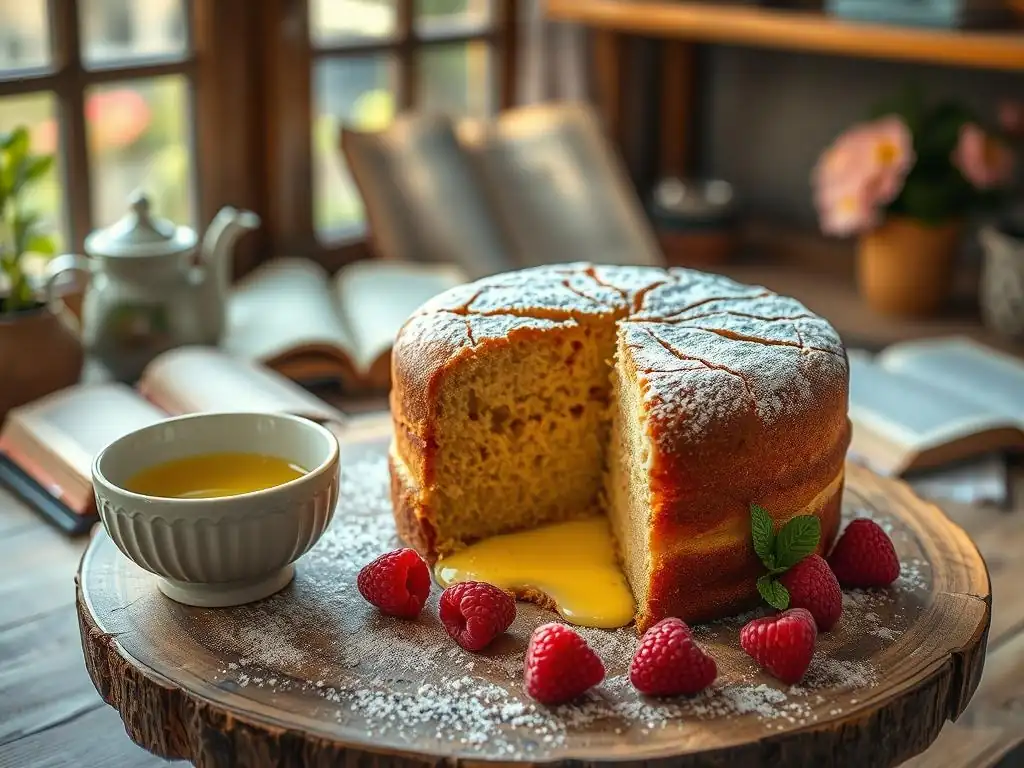
Welcome to BakeWithEase, where baking becomes a joy, not a chore! Ever dreamed of creating a perfectly moist and delicious cake without the fuss? You're in the right place. Today, we're diving into an easy melted butter cake recipe that will redefine your baking experience. Intrigued? Discover how a few simple ingredients and a clever technique can unlock cake perfection, even for complete beginners. Get ready to bake with ease!
- The Easiest Vanilla Cake Recipe Using Melted Butter: A Classic Treat
- Introduction: Discover the Simplicity of Melted Butter Cake
- The Ultimate Easy Melted Butter Vanilla Cake Recipe: Step-by-Step Guide
- Making Your Easy Melted Butter Cake: A Detailed Walkthrough
- Tips and Tricks for the Best Easy Melted Butter Cake
- Troubleshooting Your Melted Butter Cake
- Storing Your Easy Melted Butter Cake
- Conclusion: Enjoy Your Delicious and Easy Melted Butter Cake
- Frequently Asked Questions
- Final Reflection: The Enduring Allure of Simple Baking
- Unlock Your Inner Baker: Bake This Simple Cake Today!
The Easiest Vanilla Cake Recipe Using Melted Butter: A Classic Treat
Introduction: Discover the Simplicity of Melted Butter Cake
Why Melted Butter Simplifies Cake Baking
Using melted butter in a cake recipe fundamentally changes the mixing process compared to recipes that call for creaming softened butter and sugar. When you cream butter, you are incorporating tiny air pockets, which helps with leavening and creates a specific tender texture. However, this requires the butter to be at a precise room temperature – too cold and it won't cream properly; too warm and it becomes greasy. This simple cake method bypasses that temperature sensitivity entirely.
With melted butter, you simply whisk it together with the sugar and wet ingredients. This eliminates the need for a stand mixer or even a hand mixer; a simple whisk and some elbow grease are often sufficient. This makes the easy melted butter cake recipe significantly faster to prepare and much more forgiving for beginner bakers who might struggle with the creaming method. It's a direct path to a delicious result without the fuss.
A Classic Treat: Your Guide to Easy Cake Recipes
Vanilla cake is a beloved classic for a reason – its simple, comforting flavor pairs well with almost any frosting or topping. Mastering an easy vanilla cake recipe is a fantastic starting point for anyone new to baking, building confidence and providing a versatile base for countless dessert ideas. This particular easy melted butter cake recipe is specifically designed for simplicity without sacrificing flavor or texture.
This guide will walk you through each step, explaining the 'why' behind the actions. We'll use straightforward techniques and readily available ingredients, ensuring your baking experience is enjoyable and successful. By the end, you'll have a moist, tender vanilla cake perfect for birthdays, holidays, or just a simple weeknight treat, proving that delicious baking doesn't have to be complicated.
The Ultimate Easy Melted Butter Vanilla Cake Recipe: Step-by-Step Guide
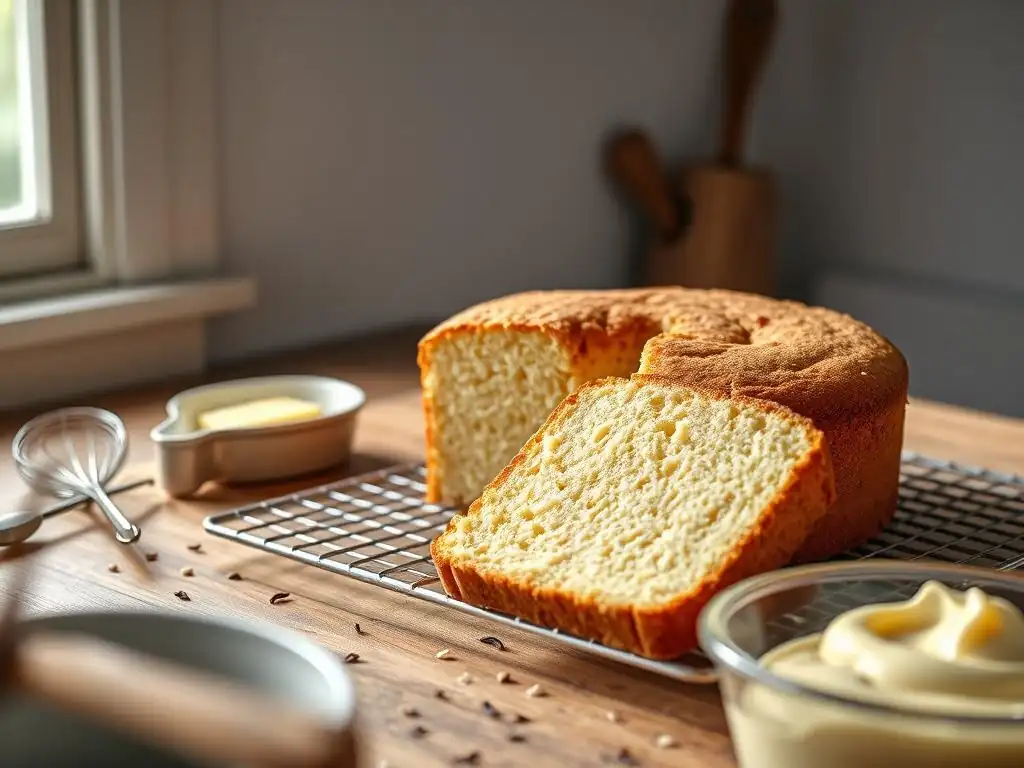
Ingredients for Your Simple Melted Butter Vanilla Cake
- 1 cup (2 sticks) unsalted butter
- 1 1/2 cups granulated sugar
- 3 large eggs
- 1 teaspoon vanilla extract
- 2 cups all-purpose flour
- 1 teaspoon baking powder
- 1/2 teaspoon baking soda
- 1/4 teaspoon salt
- 1 cup buttermilk
Equipment You'll Need
- 9x13 inch baking pan
- Mixing bowls
- Whisk
- Measuring cups and spoons
- Rubber spatula
- Toothpick
Making Your Easy Melted Butter Cake: A Detailed Walkthrough
Step 1: Preparing the Batter with Melted Butter
- Melting the Butter: Melt butter in the microwave or on the stovetop and let it cool slightly.
- Combining Wet and Dry Ingredients: Whisk together melted butter and sugar, then add eggs and vanilla. In a separate bowl, whisk together flour, baking powder, baking soda, and salt. Alternate adding dry ingredients and buttermilk to the wet ingredients, mixing until just combined.
Melting the butter is the foundational step for this easy melted butter cake recipe. After melting, it's crucial to let it cool for a few minutes, typically 5-10 minutes, before combining it with other ingredients. Adding hot melted butter directly to sugar can cause the sugar to dissolve too much, potentially affecting the cake's texture. More importantly, hot butter can scramble the eggs when added, leading to an unpleasant texture. Cooling it slightly ensures the eggs incorporate smoothly and the sugar interaction is controlled.
The mixing process involves combining the cooled melted butter with sugar, then whisking in the eggs one at a time to ensure they are fully incorporated. Vanilla extract is added here for flavor. In a separate bowl, dry ingredients (flour, baking powder, baking soda, salt) are whisked together.
Baking powder and baking soda are chemical leaveners; the former reacts with liquid and heat, while the latter needs an acid (like buttermilk) to activate. Alternating the addition of the dry mixture and the buttermilk to the wet ingredients, starting and ending with dry, ensures the batter emulsifies properly. Overmixing should be avoided; mix just until no dry streaks remain to prevent gluten development, which can result in a tough cake.
Step 2: Baking Your Simple Cake to Perfection
- Oven Temperature and Baking Time: Preheat oven to 350°F (175°C). Pour batter into greased and floured 9x13 inch baking pan. Bake for 30-35 minutes.
- Checking for Doneness (Toothpick Test): Insert a toothpick into the center of the cake. If it comes out clean, the cake is done.
Preheating the oven to 350°F (175°C) is vital for achieving an evenly baked cake. Placing the batter into a properly preheated oven allows the leaveners (baking powder and soda) to activate effectively from the start, ensuring a good rise. For a 9x13 inch pan filled with this quantity of batter, a baking time of 30-35 minutes is a standard range. However, oven temperatures can vary, and the exact time might fluctuate by a few minutes depending on your specific oven and even altitude. It's always better to start checking around the 30-minute mark.
The toothpick test is the most reliable method for determining if your easy melted butter cake recipe is perfectly baked. Gently insert a clean toothpick or a thin skewer into the very center of the cake. If it comes out clean, with no wet batter clinging to it, the cake is done.
If it comes out with moist crumbs attached, that's generally okay, as it indicates a moist cake. However, if there is wet batter, the cake needs more time. Avoid opening the oven door too frequently during baking, especially in the first 20-25 minutes, as this can cause the cake to sink.
Step 3: Cooling and Preparing for Frosting (Optional)
- Proper Cooling Techniques: Let the cake cool in the pan for 10 minutes before inverting it onto a wire rack to cool completely.
- Vanilla Buttercream Frosting: Combine softened butter, powdered sugar, vanilla extract, and milk until smooth. Frost the cooled cake.
Allowing the cake to cool in the pan for about 10 minutes before inverting it onto a wire rack is a critical step. This initial cooling period allows the cake to set slightly, making it less fragile and reducing the risk of it breaking or sticking to the pan when you turn it out.
The residual heat in the pan continues to cook the edges slightly, helping them firm up. After the initial 10 minutes, transferring the cake to a wire rack allows air to circulate around all sides, ensuring it cools down completely and preventing the bottom from becoming soggy due to trapped steam.
Once the cake is on the wire rack, it must cool completely before frosting. Attempting to frost a warm cake will cause the frosting to melt and slide off. This usually takes about 1-2 hours, depending on the ambient temperature.
While the cake cools, you can prepare a simple vanilla buttercream frosting by creaming together softened unsalted butter (about 1/2 cup or 1 stick) with powdered sugar (around 2-3 cups), a teaspoon of vanilla extract, and a tablespoon or two of milk or cream until you reach a smooth, spreadable consistency. Ensure the butter for the frosting is properly softened, not melted, for the correct texture.
Tips and Tricks for the Best Easy Melted Butter Cake
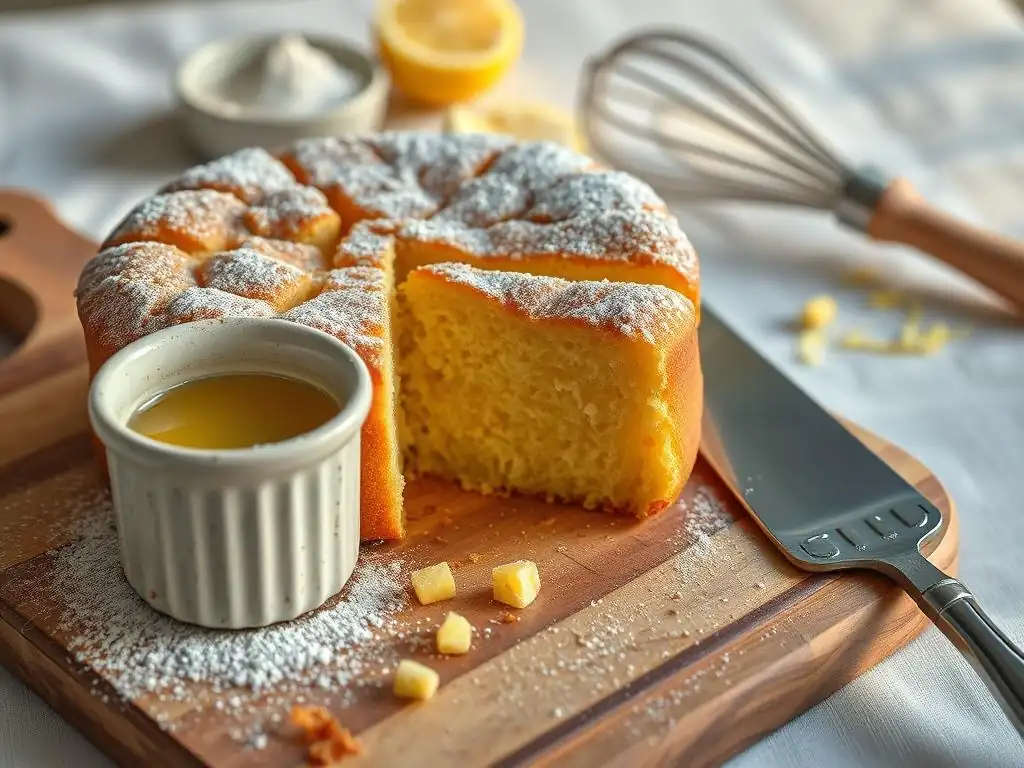
Achieving a Moist and Tender Crumb
The key to a moist and tender crumb in this easy melted butter cake recipe lies in the ingredients and the mixing technique. Buttermilk, specified in the recipe, is slightly acidic and reacts with the baking soda, contributing to the cake's rise and also helping to tenderize the crumb by breaking down gluten strands. Using melted butter instead of creamed butter also results in a slightly denser, but often moister, texture because less air is incorporated initially.
Another crucial factor is avoiding overmixing the batter once the dry ingredients are added. Flour contains gluten, which develops elasticity when mixed with liquid. Excessive mixing creates too much gluten, leading to a tough, dry cake. Mix only until the dry ingredients are just incorporated – a few small lumps are preferable to a smooth, overworked batter. Additionally, accurate measurements are paramount; using too much flour is a common culprit for dry cakes. Weighing your flour (2 cups is approximately 240-250 grams) is the most precise method.
Avoiding Common Mistakes When Using Melted Butter
One common pitfall when using melted butter is adding it while it's still too hot. As mentioned earlier, this can cook the eggs and negatively impact the sugar, leading to textural issues. Always allow the melted butter to cool for several minutes until it's warm to the touch but not hot. Another mistake is not fully incorporating the melted butter with the sugar and wet ingredients before adding the dry components; ensure it's well whisked in.
Furthermore, while this is an easy melted butter cake recipe, it doesn't mean you can be entirely careless with measurements. Baking is a science, and even small deviations, like using too much liquid or too little leavener, can significantly affect the outcome. Use proper measuring cups and spoons, ensuring you level off dry ingredients like flour and sugar. Don't pack the flour into the cup; gently spoon it in and level it off with a straight edge for accuracy.
Customizing Your Cake: Flavor Variations and Add-Ins
- Lemon zest, sprinkles, or chocolate chips can be added for extra flavor.
While the basic vanilla cake is delicious on its own, this easy melted butter cake recipe is a perfect canvas for customization. You can easily introduce new flavors or textures. For a bright, citrusy twist, add the zest of one large lemon or orange to the wet ingredients along with the vanilla extract. The oils in the zest infuse the batter with vibrant flavor. This is particularly good if you plan to use a lemon glaze or cream cheese frosting.
Adding sprinkles directly to the batter before baking creates a funfetti-style cake, perfect for celebrations. Gently fold in about 1/2 cup of sprinkles at the very end of mixing. Be aware that some types of sprinkles might bleed color into the batter during baking. Chocolate chips or other baking chips (like white chocolate or butterscotch) can also be folded in, typically about 1/2 to 3/4 cup. Ensure they are evenly distributed throughout the batter. Remember that adding solid mix-ins can slightly alter the baking time, so keep a close eye on the cake towards the end.
Troubleshooting Your Melted Butter Cake
My Cake is Dry: Possible Causes and Solutions
A dry cake is a common frustration for bakers. In an easy melted butter cake recipe, dryness is often caused by overbaking or inaccurate measuring, particularly too much flour or not enough liquid/fat. Baking the cake for too long at too high a temperature evaporates too much moisture. If your cake is dry, first check your oven calibration; consider using an oven thermometer. Next, review your measuring technique – are you leveling your flour correctly? Are you using the specified amount of buttermilk?
To remedy a slightly dry cake after baking, you can brush the top with a simple syrup while it's still warm. A simple syrup is made by heating equal parts sugar and water until the sugar dissolves (e.g., 1/2 cup sugar and 1/2 cup water). For future bakes, ensure you're using the toothpick test correctly and pulling the cake out as soon as it passes the test. Also, verify your ingredient measurements, especially flour and buttermilk, as they are crucial for moisture balance in this simple cake.
My Cake Sank in the Middle: What Went Wrong?
A cake sinking in the middle can be disheartening. Several factors can cause this in an easy melted butter cake recipe. One frequent reason is opening the oven door too early in the baking process, especially in the first two-thirds of the baking time. This sudden drop in temperature can cause the delicate structure, which hasn't fully set, to collapse. Avoid peeking until at least 25 minutes have passed.
Other causes include inaccurate measurements of leavening agents (too much baking powder or soda), which can cause the cake to rise too quickly and then fall, or not enough flour to support the structure. Using ingredients that are too cold can also sometimes contribute, although this is less common with a melted butter recipe than with a creamed butter one. Ensure your baking powder and soda are fresh; expired leaveners lose their potency, leading to poor rise and potential sinking.
My Cake is Too Dense: Troubleshooting Tips
While a melted butter cake is naturally a bit denser than one made with creamed butter, it shouldn't be heavy or brick-like. If your easy melted butter cake recipe turned out too dense, overmixing is a highly probable culprit. Overdeveloping the gluten by mixing the batter too vigorously or for too long after the dry ingredients are added creates a tough, dense crumb rather than a tender one.
Another reason for density could be using expired leavening agents (baking powder or soda) or using too little of them. Without proper leavening, the cake won't rise adequately, resulting in a compact texture. Ensure your leaveners are fresh – you can test baking powder by adding a teaspoon to hot water; it should bubble vigorously. For baking soda, add 1/4 teaspoon to a tablespoon of vinegar; it should fizz immediately. Lastly, using too much liquid or fat can also weigh down the batter and result in a dense cake.
Storing Your Easy Melted Butter Cake
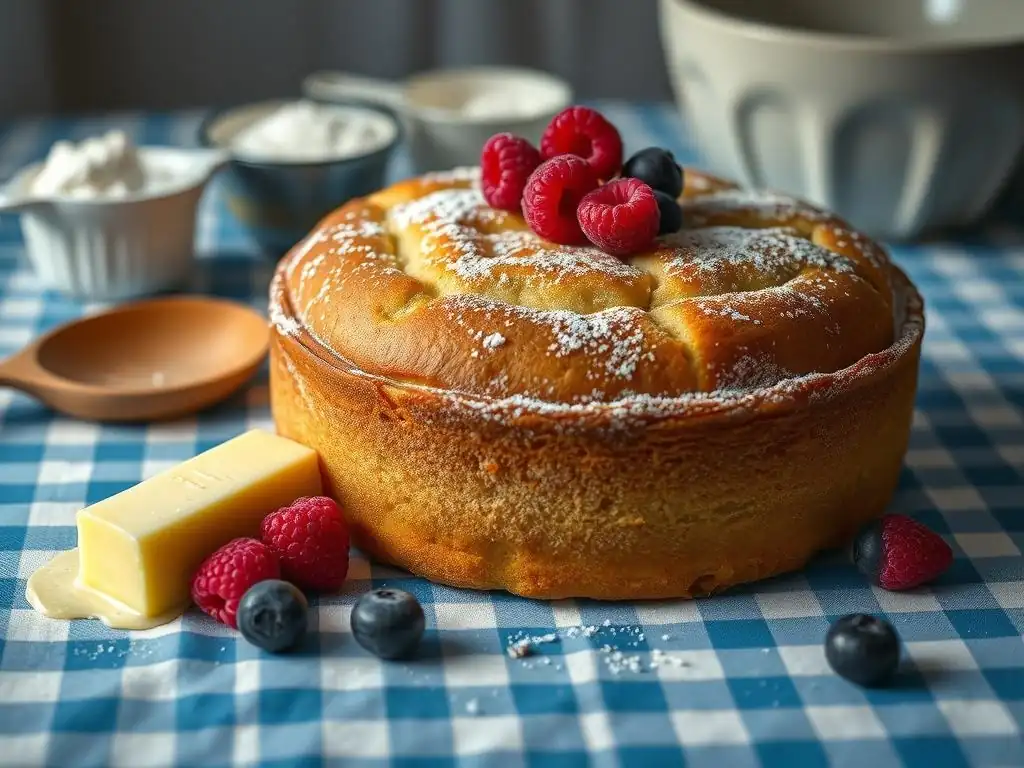
How to Keep Your Cake Fresh for Longer
Proper storage is key to enjoying your easy melted butter cake recipe for several days. Once the cake has completely cooled, store it in an airtight container at room temperature. If the cake is frosted, especially with a buttercream, an airtight container is still essential to prevent it from drying out. A whole, unfrosted cake will typically stay fresh for 3-4 days at room temperature.
If the cake is cut, cover the cut edges with plastic wrap before placing it in the airtight container. This prevents the exposed crumb from drying out. If your frosting contains perishable ingredients like cream cheese or fresh fruit, the frosted cake should be stored in the refrigerator. In this case, bring refrigerated cake slices to room temperature for about 15-20 minutes before serving for the best flavor and texture.
Freezing Your Cake for Future Enjoyment
This easy melted butter cake recipe freezes beautifully, allowing you to bake ahead or save leftovers. To freeze, ensure the cake is completely cooled. For an unfrosted cake, wrap it tightly in plastic wrap, then wrap it again in aluminum foil. This double layer of protection prevents freezer burn. You can freeze the whole cake, half, or individual slices.
Frosted cake can also be frozen. For best results, freeze the cake uncovered on a baking sheet for about an hour until the frosting is firm. Then, wrap it tightly in plastic wrap and foil. Label the package with the date. Frozen cake will maintain its quality for about 2-3 months. To thaw, unwrap the cake and let it sit at room temperature (or in the refrigerator if frosted with perishable frosting) for several hours until fully thawed.
Conclusion: Enjoy Your Delicious and Easy Melted Butter Cake
A Classic Treat: Continuing Your Baking Journey
You've successfully baked a delicious and incredibly easy melted butter cake! This simple cake recipe demonstrates that baking doesn't require complex techniques or fancy equipment to yield wonderful results. The moist crumb and classic vanilla flavor make it a versatile base, perfect for enjoying plain, dusted with powdered sugar, or adorned with your favorite frosting.
Making this easy melted butter cake recipe is more than just following steps; it's about building confidence in the kitchen. Each successful bake encourages you to try new recipes and techniques. Use this as a stepping stone to explore other simple cakes, perhaps experimenting with different extracts, spices, or pan sizes. Baking is a journey, and this easy vanilla cake is a fantastic, flavorful start that proves you can achieve baking success with simplicity and ease.
Frequently Asked Questions
What makes this melted butter cake recipe so easy?
This recipe simplifies baking by using melted butter, eliminating the need for creaming and making it incredibly quick and straightforward. The process requires minimal steps and readily available ingredients.
Can I substitute any of the ingredients in the recipe?
While substitutions are possible, they may alter the final result. For best results, stick to the recipe. However, you could experiment with different extracts for flavor or gluten-free flour as a substitution.
How do I know when the cake is done baking?
The cake is done when a toothpick inserted into the center comes out clean or with just a few moist crumbs. Also, the top should be golden brown and slightly springy.
What kind of butter is best to use for this recipe?
Unsalted butter is generally recommended for baking to control the amount of salt in the recipe. Using unsalted butter allows you to add the precise amount of salt needed for optimal flavor.
How should I store the leftover cake?
Store leftover cake in an airtight container at room temperature for up to three days or in the refrigerator for up to a week. Keeping it well-sealed will prevent it from drying out.
Final Reflection: The Enduring Allure of Simple Baking
The ease of baking a delicious cake shouldn't be underestimated; it's a powerful tool for connection and self-care. This simple melted butter cake recipe, accessible to even the most novice baker, proves that creating something beautiful and satisfying doesn't require hours of complex techniques or a pantry full of exotic ingredients. The joy lies in the simplicity, the process, and the delicious result.
The impact of simple recipes like this extends far beyond the individual kitchen. It's a reminder that creating something wonderful can be achievable, fostering a sense of accomplishment and self-efficacy. This resonates deeply in our fast-paced world, where many seek moments of calm and creativity. Baking is at once child's play and adult joy. And love, of course.
This quote perfectly encapsulates the emotional connection we forge with food, especially when it's made with our own hands, using a recipe as straightforward and rewarding as this one.
Now, I invite you to consider the power of simple acts. Don't let the perceived complexity of baking deter you. Try this recipe, adapt it to your tastes, and share the joy of creating something delicious with loved ones. Embrace the simplicity, savor the process, and remember the profound satisfaction of a perfectly baked, easily made cake. Let this be your starting point for a journey of culinary exploration, one simple recipe at a time.
Unlock Your Inner Baker: Bake This Simple Cake Today!
Thanks for taking the time to explore this easy cake recipe! We hope you've discovered a new favorite baking method. Ready to transform your kitchen into a sweet haven?
- Bake the cake! Grab your ingredients and give this recipe a try. You might be surprised how simple it is. We're confident you’ll love the results.
- Share your creation: Post a picture of your masterpiece on social media and tag us! Let's inspire others to bake with ease.
- Explore more recipes: Dive into our other simple recipes on BakeWithEase.com – we've got something for every skill level.
What delicious twist will you add to this simple cake recipe to make it your own?