
Simple Steps to AddIns for Muffins & Scones


Welcome to BakeWithEase, where we transform baking dreams into delicious realities! Ever wondered how to elevate your muffins and scones from simple to spectacular? Unlock the secrets to easy muffin scone add-ins and discover how a few simple tweaks can create bakery-worthy treats right in your own kitchen. Get ready to embark on a journey of flavor and texture – your next baking adventure starts here!
- Simple Steps to Add Flavor with Easy Muffin & Scone Add-Ins
- Introduction to Muffin and Scone Add-Ins for Beginner Bakers
- Essential Add-Ins for Delicious Muffins
- Simple Add-Ins for Irresistible Scones
- Step-by-Step Guide to Adding Add-Ins to Your Muffin & Scone Batter
- Tips for Baking with Muffin & Scone Add-Ins
- Conclusion: Mastering Easy Muffin & Scone Add-Ins
-
Frequently Asked Questions
- What are some easy add-ins I can use in my muffins and scones?
- How much add-in should I use in my muffin or scone recipe?
- Can I use dried fruit as an add-in for muffins and scones?
- What's the best way to incorporate add-ins into my muffin or scone batter?
- How do I prevent add-ins like chocolate chips from sinking to the bottom of my muffins or scones?
- Final Reflection: Unlocking the Sweet Potential of Simple Add-ins
- Unleash Your Inner Baker: Elevate Your Muffins & Scones!
Simple Steps to Add Flavor with Easy Muffin & Scone Add-Ins
Introduction to Muffin and Scone Add-Ins for Beginner Bakers
Elevate Your Baking with Simple Additions
Starting your baking journey with muffins and scones is a fantastic choice. These delightful treats are forgiving and offer endless possibilities for customization. One of the easiest ways to transform a basic recipe into something extraordinary is by incorporating add-ins. These simple additions, ranging from fresh fruit to chocolate chips and savory herbs, allow you to personalize your baked goods and discover your favorite flavor combinations without needing complex techniques. Mastering easy muffin scone addins is a fundamental skill that boosts confidence and expands your baking repertoire right from the start.
Think of add-ins as your creative palette in the kitchen. A simple vanilla muffin base becomes a vibrant treat with a handful of blueberries, while a plain scone dough can be elevated with cheddar cheese and chives. This process is not just about adding flavor; it's also about introducing exciting textures.
Whether it's the chewiness of dried cranberries, the crunch of walnuts, or the melt-in-your-mouth goodness of chocolate chunks, add-ins contribute significantly to the overall enjoyment of your baked goods. Learning how to properly prepare and incorporate these easy muffin scone addins is key to achieving consistent, delicious results every time.
Why Add-Ins Matter: Flavor and Texture Boosts
Add-ins are culinary powerhouses that significantly enhance the sensory experience of muffins and scones. Flavor is the most obvious benefit; a plain batter provides a neutral canvas, allowing ingredients like tart raspberries, sweet white chocolate, or pungent cheese to truly shine. These additions create layers of taste, turning a simple baked good into a more complex and satisfying treat. For instance, adding lemon zest alongside blueberries doesn't just add citrus flavor; it brightens and intensifies the natural sweetness of the berries, creating a more dynamic taste profile.
Beyond flavor, add-ins are crucial for improving texture. A basic muffin or scone can sometimes be uniformly soft. Introducing elements like chopped nuts provides a delightful crunch that contrasts with the tender crumb. Dried fruits offer a pleasant chewiness, while chocolate chips create pockets of melted richness. Consider a classic blueberry muffin: the pockets of soft, burst blueberries add moisture and tenderness that wouldn't be there otherwise. Successfully incorporating various easy muffin scone addins ensures your baked goods are not only flavorful but also offer an interesting and varied texture with every bite.
Essential Add-Ins for Delicious Muffins

Fruit Add-Ins for Muffins: A Burst of Freshness
Incorporating fruit into muffins is a timeless technique that adds moisture, natural sweetness, and vibrant flavor. Fresh berries, such as blueberries, raspberries, and strawberries, are incredibly popular choices. Using about 1 to 1.5 cups of fresh berries per standard muffin recipe (yielding 12 muffins) is a common practice. Ensure berries are gently folded in to prevent them from breaking up too much. The moisture from fresh fruit can sometimes make muffins slightly denser, but they also contribute significantly to a tender crumb and a lovely, juicy bite.
Dried fruits, like cranberries, raisins, apricots, or chopped dates, offer a different kind of sweetness and a chewy texture. These are excellent for muffins that need a longer shelf life or where you want a more concentrated sweetness. Using about 1 cup of dried fruit per batch is typical. It's often recommended to plump dried fruits first by soaking them in hot water or juice for about 10-15 minutes, then draining them thoroughly. This prevents them from absorbing moisture from the batter during baking, which can result in dry muffins.
Using Fresh Berries in Muffin Recipes
Incorporating Dried Fruits for Chewy Texture
Blueberry and Lemon Zest
Chocolate Add-Ins for Muffin Perfection
Chocolate is a universally loved add-in for muffins, bringing richness and indulgence. Chocolate chips are perhaps the most common form, available in various types like semisweet, milk, dark, and white chocolate. Semisweet chocolate chips (around 60% cocoa content) are a popular choice for muffins as they offer a balanced sweetness that complements most batters without being overly bitter or sweet. Using about 1 to 1.5 cups of chocolate chips per recipe is standard for a good distribution throughout 12 muffins.
Beyond chips, cocoa powder can be incorporated directly into the batter to create intensely chocolate-flavored muffins, like double chocolate muffins. This requires adjusting the dry and wet ingredients slightly as cocoa powder is a dry ingredient that absorbs liquid. Often, a recipe will call for replacing a small amount of flour with cocoa powder and potentially increasing the liquid slightly. Using high-quality unsweetened cocoa powder, like Dutch-process cocoa, can yield a deep, rich chocolate flavor that is hard to beat.
Chocolate Chips: Choosing the Right Type
Cocoa Powder: Intensifying Chocolate Flavor
Semisweet Chocolate Chips (60%)
Nutty Add-Ins to Enhance Muffin Taste and Texture
Nuts are fantastic add-ins for muffins, providing a satisfying crunch and a rich, earthy flavor that pairs well with many other ingredients, especially fruits and chocolate. Chopped nuts like walnuts, pecans, almonds, or hazelnuts are commonly used. Adding about 0.5 to 1 cup of chopped nuts per recipe adds significant texture and flavor. Toasting the nuts lightly before adding them can deepen their flavor and make them even more aromatic, enhancing the overall taste of the muffin.
Nut butters, while less common as chunks within a muffin, can be swirled into the batter or used as a filling to create incredibly moist and flavorful muffins. Peanut butter or almond butter swirls add a creamy texture and intense nutty flavor. For swirling, about 1/4 to 1/2 cup of softened nut butter can be gently folded into the batter just before baking. This method creates beautiful patterns and pockets of rich flavor throughout the muffin.
Chopped Nuts: Adding Crunch and Flavor
Nut Butters: Creating Moist and Flavorful Muffins
Walnut and Pecan
Simple Add-Ins for Irresistible Scones
Sweet Add-Ins for Scones: Indulgent Flavors
Scones are wonderfully versatile and lend themselves beautifully to sweet add-ins, creating delightful treats perfect for breakfast or afternoon tea. Dried cranberries are a classic choice, offering a pleasant tartness that cuts through the richness of the scone dough. Using about 1 cup of dried cranberries per standard batch (yielding 8-12 scones) is typical. Their chewy texture provides a nice contrast to the crumbly scone.
For a more decadent scone, chocolate chunks are an excellent addition. Unlike chips, chunks melt into larger pockets of chocolatey goodness. White chocolate, milk chocolate, or dark chocolate chunks can be used, depending on preference. Adding about 1 cup of chopped chocolate or chocolate chunks provides plenty of indulgent flavor. Combining dried fruit and chocolate, such as dried apricots and white chocolate chunks, creates a sophisticated and delicious scone.
Dried Cranberries: A Classic Scone Addition
Chocolate Chunks: Decadent Scone Upgrade
Dried Apricot and Ginger
Savory Add-Ins for Scones: A Delicious Twist
Scones don't always have to be sweet; savory variations are equally delicious and perfect served with soup or as a side dish. Cheese is a popular savory add-in, melting into pockets of flavor throughout the scone. Sharp cheddar, parmesan, or gruyere are excellent choices. Using about 1 cup of grated cheese per batch adds significant flavor. For extra richness, consider adding a tablespoon or two of softened cream cheese dots into the dough.
Herbs infuse scones with wonderful aromatic flavors. Fresh herbs like chives, rosemary, thyme, or dill work particularly well. Adding about 2-3 tablespoons of finely chopped fresh herbs provides a noticeable but not overwhelming flavor. A classic combination is cheddar and chives, using perhaps 1 cup of grated cheddar and 3 tablespoons of chopped fresh chives for a savory and aromatic scone. These savory easy muffin scone addins offer a delightful contrast to the typical sweet varieties.
Cheese: Creating Savory Scones
Herbs: Infusing Scones with Aromatic Flavors
Cheddar and Chives
Spice Add-Ins: Adding Warmth and Depth to Scones
Spices are simple yet effective add-ins that can dramatically change the character of a scone, adding warmth and depth. Cinnamon is a classic spice often paired with dried fruit or apple in scones. Adding 1 to 2 teaspoons of ground cinnamon to the dry ingredients before mixing is usually sufficient to infuse the entire dough with its warm aroma. Cinnamon works well in sweet scones, especially those with dried cranberries or apples.
Nutmeg is another warm spice that complements dairy and baked goods beautifully. A pinch or up to 1/2 teaspoon of freshly grated or ground nutmeg can add a subtle, earthy undertone to scones. It pairs well with fruit and cream-based scone recipes. Cardamom, with its unique aromatic and slightly floral notes, is a less common but equally delightful spice add-in. Using about 1/2 teaspoon of ground cardamom adds an exotic warmth that pairs surprisingly well with citrus zest or dried apricots.
Cinnamon: Classic Spice for Scones
Nutmeg: Warm and Earthy Flavor
Cardamom
Step-by-Step Guide to Adding Add-Ins to Your Muffin & Scone Batter
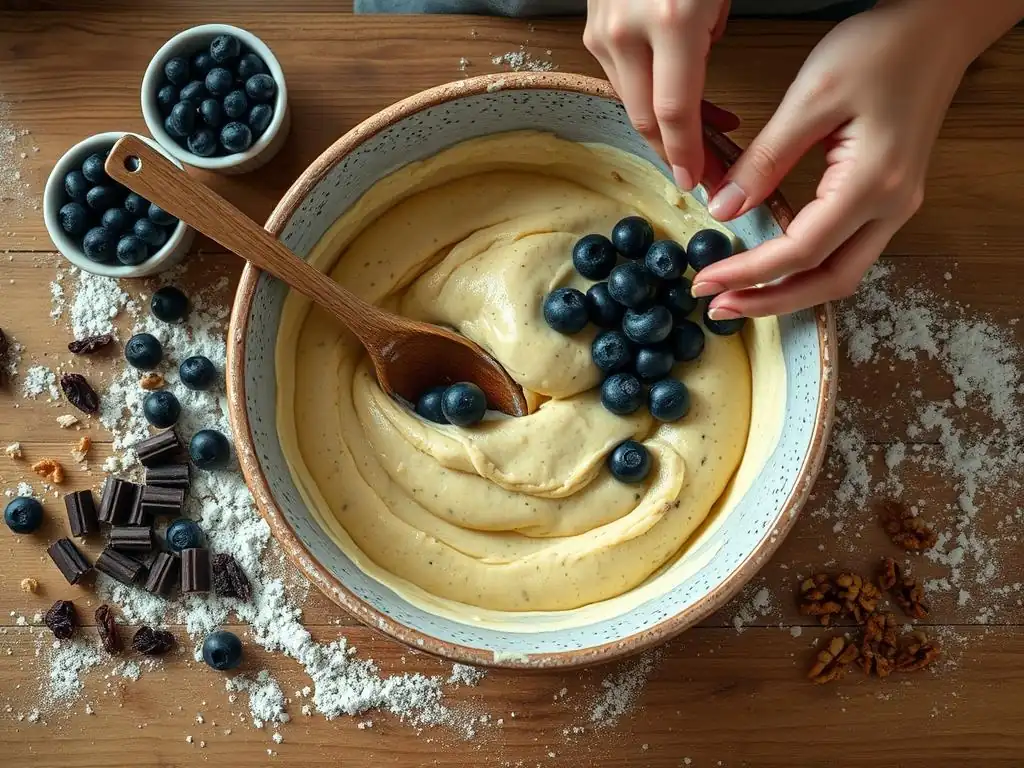
Preparing Your Add-Ins for Baking Success
Proper preparation of your chosen easy muffin scone addins is crucial for achieving even distribution and preventing issues like sinking or clumping. For fruits like berries, ensure they are dry after washing. For larger fruits, chocolate, or nuts, chopping them into appropriately sized pieces (usually around 1/4 to 1/2 inch) ensures they are distributed well throughout the small individual portions of muffins or scones. Measuring accurately using measuring cups helps maintain consistency across batches.
A common and effective technique, particularly for heavier add-ins like berries, chocolate chips, or nuts, is to lightly coat them in a tablespoon or two of the dry flour mixture from your recipe before adding them to the wet ingredients. This thin layer of flour helps suspend the add-ins in the batter or dough during baking, preventing them from sinking to the bottom. This simple step is especially helpful when working with moist or heavy easy muffin scone addins.
Chopping and Measuring Add-Ins Correctly
Coating Add-Ins in Flour: Preventing Sinking
Integrating Add-Ins into Muffin Batter
Timing is key when adding add-ins to muffin batter. They should typically be added right at the end, after the wet and dry ingredients have been combined but before you've mixed thoroughly. This ensures the add-ins are evenly distributed without being broken down by excessive mixing. Gently fold them in using a spatula, just until they are incorporated into the batter.
Overmixing muffin batter is a common pitfall that leads to tough, dense muffins. When adding easy muffin scone addins, be extra careful not to stir more than necessary. Mix only until the dry ingredients are just moistened and the add-ins are distributed. A few lumps in the batter are perfectly fine and often result in a more tender muffin. Vigorous stirring develops gluten, which is undesirable for a light and tender muffin crumb.
When and How to Add Add-Ins to Muffin Batter
Avoiding Overmixing: Maintaining a Tender Crumb
Integrating Add-Ins into Scone Dough
Scone dough requires a very gentle touch, even more so than muffin batter, to achieve that coveted light and flaky texture. Add your easy muffin scone addins (like dried fruit, cheese, or herbs) when the dough is still in a shaggy state, often after you've cut in the cold butter and added most of the liquid, but before you've fully brought the dough together. This allows you to distribute them with minimal handling.
Gently fold the add-ins into the dough using a spatula or your hands until they are just incorporated. Avoid kneading the dough vigorously, as this will overdevelop gluten and result in tough scones. When shaping scones with add-ins, pat the dough gently into a disc (about 1 inch thick) or rectangle on a lightly floured surface. If some add-ins fall out, you can gently press them back into the edges as you shape or cut the scones. Handle the dough as little as possible to maintain the flaky layers created by the cold butter.
Gently Folding Add-Ins into Scone Dough
Shaping Scones with Add-Ins: Tips and Tricks
Tips for Baking with Muffin & Scone Add-Ins

Adjusting Baking Time for Add-Ins
Adding ingredients like fresh fruit can increase the moisture content of your batter or dough, potentially requiring a slight adjustment to baking time. Muffins with fresh fruit might need an extra 2-5 minutes in the oven compared to plain muffins. Similarly, scones with very wet add-ins could take a little longer. Always test for doneness using a toothpick inserted into the center (avoiding a piece of add-in like a chocolate chip or large fruit chunk). If it comes out clean or with just a few moist crumbs attached, they are done.
Conversely, adding dry ingredients like nuts or large amounts of chocolate chips might slightly decrease the baking time or require checking earlier. The key is to rely on visual cues (golden brown tops, risen centers) and the toothpick test rather than strictly adhering to the recipe's stated time. Keep an eye on your baked goods, especially the first time you use a new add-in combination, to learn how they behave in your oven.
Maintaining Moisture Balance with Add-Ins
Certain add-ins, particularly dried fruits, can absorb moisture from the batter during baking, potentially leading to drier results. As mentioned earlier, pre-soaking dried fruits can help mitigate this. For fresh fruits that release a lot of liquid (like chopped apples or peaches), you might consider tossing them with a small amount of flour or even a teaspoon of cornstarch before adding them to the batter; this helps absorb some of the excess moisture.
On the other hand, add-ins like chocolate or nuts don't add significant moisture but can displace wet ingredients, so ensuring your base batter or dough is properly hydrated is important. Following a reliable recipe and using the correct ratio of wet to dry ingredients is the best starting point. If you find your easy muffin scone addins consistently lead to dry results, you might slightly increase the liquid (like milk or buttermilk) in your next batch by a tablespoon or two, observing the batter consistency.
Storing Muffins and Scones with Add-Ins
How you store your baked goods can impact their freshness, especially with certain add-ins. Muffins and scones with fresh fruit tend to have a shorter shelf life due to the moisture content, typically best eaten within 1-2 days at room temperature. They can be stored in an airtight container; lining the container with paper towels can help absorb excess moisture and prevent sogginess.
Baked goods with dried fruit, chocolate, or nuts generally store well at room temperature for 3-4 days in an airtight container. Savory scones with cheese are also best stored airtight at room temperature for a few days. For longer storage, both muffins and scones with add-ins freeze beautifully. Once completely cooled, place them in a single layer on a baking sheet to freeze, then transfer to a freezer-safe bag or container. They can be frozen for up to 2-3 months and reheated gently in a microwave or oven.
Conclusion: Mastering Easy Muffin & Scone Add-Ins
Experiment and Enjoy: Unleash Your Baking Creativity
Adding flavor and texture to your muffins and scones through simple add-ins is one of the most rewarding aspects of beginner baking. You've learned how different types of add-ins like fruits, chocolate, nuts, cheese, and spices can transform a basic recipe. We've covered essential techniques like preparing add-ins, coating them in flour to prevent sinking, and gently incorporating them into both muffin batter and scone dough without overmixing.
Now that you understand the basics of working with easy muffin scone addins, the next step is to experiment! Don't be afraid to try new combinations. Perhaps swirl peanut butter into chocolate chip muffins, or add blueberries and white chocolate to your scones. Keep track of what works well and what you enjoy. Baking is a journey of discovery, and mastering these simple additions opens up a world of delicious possibilities. Enjoy the process, share your creations, and have fun making your favorite easy muffin scone addins!
Frequently Asked Questions
What are some easy add-ins I can use in my muffins and scones?
You can use a variety of ingredients! Popular choices include chocolate chips, berries (fresh or frozen), and nuts. Experiment to find your favorite combinations.
How much add-in should I use in my muffin or scone recipe?
Generally, aim for about 1/2 to 1 cup of add-ins per batch of muffins or scones. This ensures a good distribution without making the baked goods too dense. Adjust to your preference!
Can I use dried fruit as an add-in for muffins and scones?
Yes, dried fruit like raisins, cranberries, or chopped apricots work wonderfully. Consider soaking them in warm water or juice beforehand to plump them up and prevent them from drawing moisture from the batter.
What's the best way to incorporate add-ins into my muffin or scone batter?
Gently fold the add-ins into the batter at the end, after all the other ingredients are combined. Overmixing can lead to tough muffins or scones, so be careful not to overwork the dough.
How do I prevent add-ins like chocolate chips from sinking to the bottom of my muffins or scones?
Toss the chocolate chips or other add-ins in a tablespoon or two of flour before adding them to the batter. This helps them stay suspended and prevents them from sinking during baking.
Final Reflection: Unlocking the Sweet Potential of Simple Add-ins
The seemingly simple act of adding ingredients to muffin and scone batter unlocks a world of flavor and texture possibilities, a truth as relevant today as it was decades ago. From the classic chocolate chip to the more adventurous cardamom and pistachio, the right add-in can transform a humble baked good into a culinary masterpiece, perfectly tailored to individual preferences. This simple act of customization speaks to a deeper desire for personalization and creative expression in our kitchens.
The impact of readily available recipes and the increasing focus on homemade goods has significantly broadened the landscape of baking, empowering individuals to experiment and create unique treats. This accessibility, fueled by the internet and readily available ingredients, allows us to connect with our food on a deeper level. Baking is at once child's play and adult joy. And love, of course.
This quote perfectly captures the essence of the joy found in simple baking, elevated by the creative freedom of add-ins.
Consider the possibilities. What unique flavor combinations will you explore? Will you experiment with seasonal fruits, surprising spices, or perhaps even savory additions? This article has provided a foundation; now it's your turn to build upon it. Don't be afraid to experiment, to embrace the unexpected, and to discover the joy of transforming simple muffins and scones into personalized delights that reflect your unique taste and creativity. The possibilities are as endless as your imagination.
Unleash Your Inner Baker: Elevate Your Muffins & Scones!
Thanks for joining us on this baking adventure! We hope you've discovered some delicious new ways to add flavor and texture to your muffins and scones. Now it's time to put your newfound knowledge into practice.
- Bake your masterpiece: Try out one of the add-in combinations from the article today! Start small, have fun, and don't be afraid to experiment.
- Share your creations: Snap a picture of your delicious results and tag us on social media – we'd love to see what you bake!
- Explore further: Dive deeper into the world of baking add-ins by searching our website for more inspiring recipes and techniques.
What unexpected ingredient will you add to your next batch of muffins or scones?