
Choosing the Right Pie Plate for Beginners

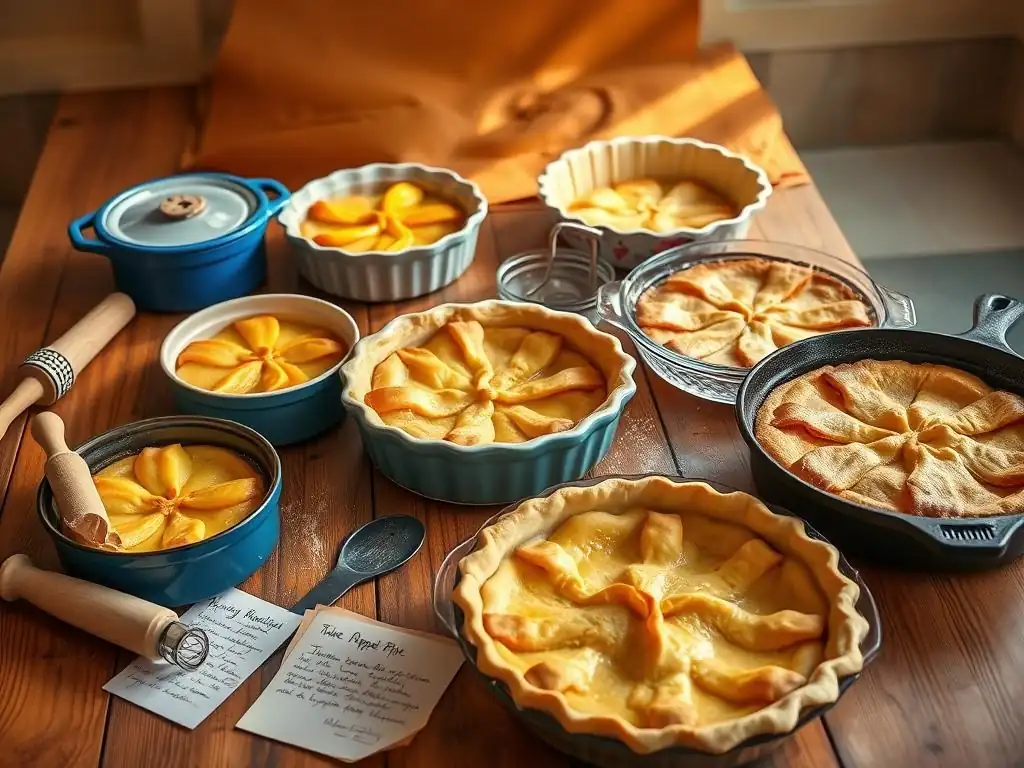
Welcome to BakeWithEase, your ultimate destination for mastering the delightful art of baking! Whether you're just starting out or looking to refine your skills, we’re here to guide you through every delicious step. In our featured article, we delve into the best pie plate for beginners, ensuring you have the perfect tool to create mouthwatering pies that will impress your friends and family. Curious about which pie plate will elevate your baking game? Join us as we explore essential tips and tricks that make baking accessible and enjoyable for everyone. Let’s embark on this delicious journey together!
- Choosing the Right Pie Plate: A Comprehensive Guide
- Introduction: Baking Pies with Confidence
- Understanding Pie Plate Materials
- Pie Plate Size and Shape
- Key Considerations When Choosing a Pie Plate
- Pie Plate Recommendations
- Tips for Using Your Pie Plate
- Caring for Your Pie Plate
- Troubleshooting Common Pie Baking Issues
- Conclusion: Selecting the Ideal Pie Plate
-
Frequently Asked Questions
- What materials are commonly used for pie plates, and which is best for beginners?
- What size pie plate should a beginner baker start with?
- How does the color of a pie plate affect baking?
- Are there any specific features in a pie plate that are helpful for beginners?
- How important is the price of a pie plate when starting out?
- Final Reflection: The Perfect Crust Starts with the Perfect Plate
- Unlock Your Inner Pie Master!
Choosing the Right Pie Plate: A Comprehensive Guide
Introduction: Baking Pies with Confidence
Baking a pie can seem daunting, especially if you're just starting out. From mastering the perfect flaky crust to creating a delicious filling, there are many steps involved. However, one of the simplest yet most impactful decisions you'll make early on is selecting the right pie plate.
The pan you choose can significantly affect how your pie bakes, influencing everything from the crispiness of the bottom crust to the overall cooking time and even the final appearance. Don't let the variety on the shelves overwhelm you; understanding the basics will help you pick the best pie plate for beginners and set you up for baking success.
This guide will walk you through the different types of pie plates available, explaining the pros and cons of each material, size, and shape. We'll discuss what factors are most important when making your choice and offer some common examples that are popular and effective for novice bakers. Armed with this knowledge, you'll be well-equipped to choose a pie plate that not only meets your baking needs but also helps you achieve consistently delicious results, making your pie-baking journey enjoyable and rewarding.
Why Pie Plate Material, Size, and Shape Matter
The material a pie plate is made from directly impacts how heat is transferred to your pie crust. Some materials conduct heat quickly, leading to rapid browning, while others distribute heat more gradually and evenly. For example, a metal plate heats up fast, which can be great for achieving a crisp bottom crust quickly, but a dark metal can sometimes lead to over-browning if you're not careful with temperature or time.
Glass, on the other hand, heats up slowly but distributes heat very evenly once hot, allowing you to visually monitor the bottom crust's color as it bakes. Ceramic retains heat well, keeping your pie warm after it comes out of the oven, but it can take longer to preheat and bake initially.
The size and shape of your pie plate also play a crucial role in the baking process. A standard 9-inch pie plate is the most common size for traditional recipes, typically holding about 6-8 cups of filling. Using a smaller or larger plate will require adjusting baking times and potentially ingredient quantities.
A deep-dish plate, often 9 or 10 inches in diameter but significantly deeper, can hold up to 12 cups of filling, necessitating a longer baking time at a potentially lower temperature to ensure the center cooks through before the edges burn. Tart pans, with their straight, fluted sides and removable bottoms, are designed for specific types of pastries that need a clean release and a beautiful edge, differing structurally from standard pie plates.
BakeWithEase.com: Your Resource for Perfect Pies
At BakeWithEase.com, we believe that anyone can bake a fantastic pie. Our goal is to demystify the baking process, providing clear, step-by-step instructions and helpful tips tailored for beginners. Choosing the best pie plate for beginners is just one piece of the puzzle, and we're here to guide you through it.
You'll find recipes specifically designed for standard pie plates, deep-dish pans, and tart pans, along with advice on adjusting baking times based on your chosen bakeware and oven. We cover everything from making a basic butter crust that's perfect for fluted edges to troubleshooting common issues like a soggy bottom, which is often related to heat distribution and the type of pie plate used. Think of us as your friendly co-baker, ready to help you achieve that golden, flaky crust and perfectly set filling, no matter your starting point.
Understanding Pie Plate Materials
Glass Pie Plates: Visibility and Even Baking
Glass pie plates are a popular choice, especially among beginners, largely due to their excellent heat distribution properties and the ability to see the crust as it bakes. Made from tempered glass, these plates heat up more slowly than metal but retain heat well and distribute it very evenly across the bottom and sides of the crust.
This even heating helps prevent hot spots that can lead to uneven browning. A significant advantage is being able to visually check the color of your bottom crust through the glass, making it easier to prevent a soggy bottom – a common challenge for new bakers.
While glass distributes heat evenly, it can be prone to thermal shock. This means placing a cold glass dish directly into a hot oven or a hot glass dish onto a cold surface can cause it to crack or even shatter.
It's always recommended to place a glass pie plate into a preheated oven, not a cold one that is just starting to heat up, and to let it cool on a wire rack rather than a cold countertop. Standard tempered glass plates, like those from Pyrex, are designed to withstand typical baking temperatures up to around 425-450°F (220-230°C), making them suitable for most pie recipes.
Ceramic Pie Plates: Heat Retention and Presentation
Ceramic pie plates are known for their beautiful appearance and excellent heat retention. Available in a wide array of colors and designs, they make a lovely presentation piece for serving directly from the oven to the table. Similar to glass, ceramic heats up slowly but retains heat exceptionally well, meaning your pie will stay warm for a longer time after baking – perfect for potlucks or holiday meals. This slow, even heating also contributes to a nicely browned and crisp crust over time.
One consideration with ceramic is that it can take longer to achieve a fully browned bottom crust compared to metal. If your recipe calls for a quick bake or you struggle with soggy bottoms, you might need to preheat the ceramic plate in the oven before adding the pie or bake for a longer duration.
Ceramic is generally durable but can be heavy and is also susceptible to thermal shock, similar to glass. High-quality ceramic dishes, like those from Emile Henry, are often fired at high temperatures making them quite robust and capable of withstanding temperatures up to 500°F (260°C), suitable for roasting or broiling, though most pies bake below this.
Metal Pie Plates: Quick Heating and Browning
Metal pie plates, particularly those made from aluminum or steel, are excellent conductors of heat. They heat up very quickly and efficiently transfer that heat to the crust, which can be a significant advantage for achieving a crisp bottom crust rapidly. This makes them a favorite for recipes that require blind baking or pies where a very well-done bottom crust is desired. Metal plates are typically lightweight and durable, less prone to breaking from drops or thermal shock than glass or ceramic.
However, because metal heats so quickly, there's a higher risk of over-browning or even burning the crust, especially the edges, if you're not careful with baking time and temperature. Beginners might find it challenging to manage this rapid heat transfer initially. Using a metal pie plate often requires monitoring the edges and potentially using a pie shield or foil to prevent them from burning before the rest of the pie is done.
Aluminum Pie Plates: Lightweight and Affordable
Aluminum pie plates, including the disposable foil kind, are lightweight, affordable, and conduct heat very efficiently. They are excellent for blind baking crusts quickly and achieving a crisp bottom. Disposable aluminum pans are convenient for transporting pies, like taking one to a gathering, as you don not have to worry about getting the dish back. Reusable aluminum pans are also available and offer similar heat conductivity.
The main drawback of aluminum is that it can be less durable than other materials and might warp over time, especially the thinner disposable versions. While they heat quickly, they do not retain heat as well as ceramic or glass. The reflective surface of shiny aluminum can also result in slightly less browning compared to darker materials, though it still browns the crust effectively. Standard aluminum pans are typically safe for oven temperatures up to 400-425°F (200-220°C), sufficient for most pie baking.
Dark Metal Pie Plates: Enhanced Browning, Use with Caution
Dark-colored metal pie plates, often made from aluminized steel or carbon steel with a dark non-stick coating, absorb and conduct heat more intensely than shiny aluminum. This increased heat absorption leads to faster and more pronounced browning of the crust. For experienced bakers, this can be a tool for achieving a beautifully dark, crisp crust.
However, for beginners, the intense heat transfer of dark metal can be tricky to manage. The crust edges and bottom can brown, or even burn, very quickly, sometimes before the filling is fully cooked. Using a dark metal pan often requires reducing the oven temperature by about 25°F (15°C) from what a recipe written for a glass or shiny metal pan might suggest, or significantly reducing the baking time. It's crucial to monitor the pie closely when using a dark metal pan and be prepared to use a pie shield early in the baking process to protect the edges.
Pie Plate Size and Shape
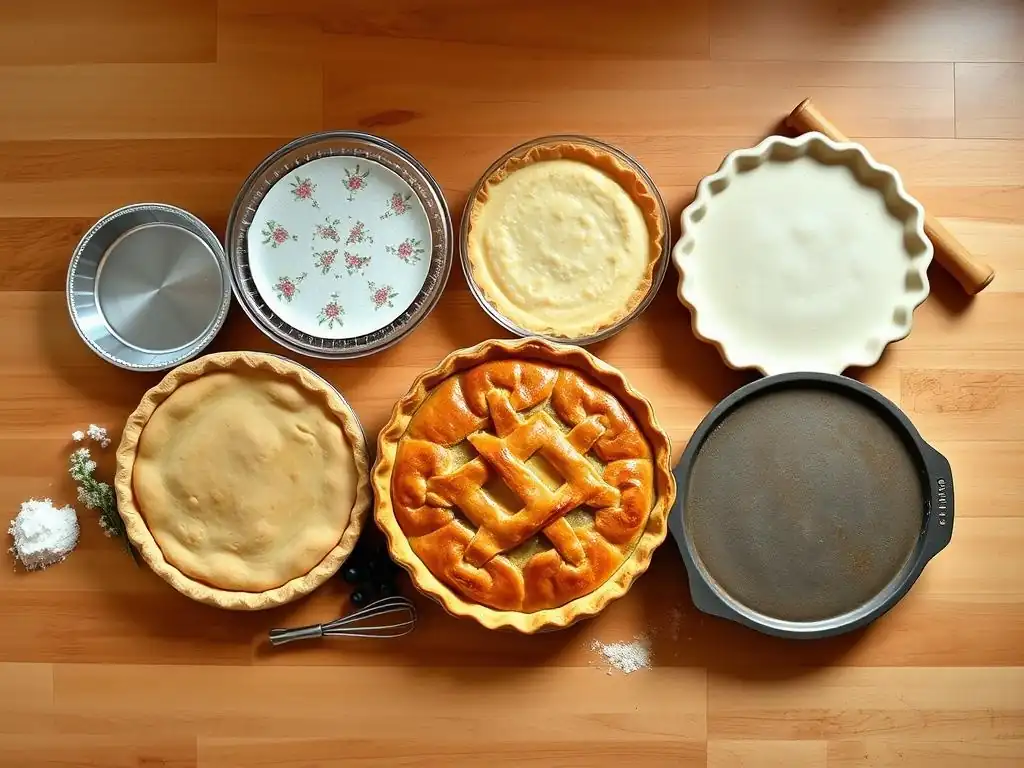
Standard Pie Plate Dimensions: 9-inch vs. 10-inch and Their Uses
The most common size for a pie plate is 9 inches in diameter. Recipes are typically developed for this size, assuming it will hold a standard amount of filling, usually between 6 and 8 cups, and bake within a predictable timeframe. A 9-inch plate is versatile and suitable for most single-crust and double-crust pies, from fruit pies to custard pies. If a recipe does not specify the pan size, a 9-inch plate is usually the safest bet.
Ten-inch pie plates are also available and, while only slightly larger in diameter, they have a significantly larger volume capacity, often holding around 8 to 10 cups of filling. Using a 10-inch plate with a recipe designed for a 9-inch plate means your pie will be flatter, and the filling may cook faster relative to the crust. Conversely, trying to fit a 10-inch recipe into a 9-inch plate will likely result in overflow.
When using a 10-inch plate for a standard recipe, you might need to increase the baking time slightly to ensure the center is fully set, or if using more filling, adjust the temperature or time accordingly. Always check the recipe for the recommended pan size, but for beginners, sticking to 9-inch plates makes following standard recipes much easier.
Deep-Dish Pie Plates: Accommodating More Filling
Deep-dish pie plates are designed to hold a substantially larger amount of filling than standard plates. While they often share the same diameter (commonly 9 or 10 inches), their depth is significantly greater, typically ranging from 1.5 to 2 inches or more, compared to the standard 1.25 inches of a regular plate. This extra depth allows them to hold anywhere from 8 to 12 cups of filling, making them ideal for recipes bursting with fruit or substantial savory fillings.
Baking in a deep-dish plate requires adjustments to baking time and sometimes temperature. Because there is more volume to heat through, deep-dish pies generally need to bake longer, often 15-30 minutes more than a standard pie. To prevent the crust edges from burning during this extended bake time, it is almost always necessary to use a pie shield or foil cover around the edges for most of the baking duration. Recipes specifically written for deep-dish pans will account for these differences, but if you are adapting a standard recipe, be prepared for a longer bake and potential crust protection.
Tart Pans: Creating Elegant and Fluted Edges
Tart pans are distinct from pie plates, primarily designed for tarts, which are typically shallower than pies and have a single crust that is often pre-baked (blind baked). The defining feature of most tart pans is their straight, fluted sides and a removable bottom. The fluted edges create a beautiful, professional-looking crust edge, while the removable bottom allows for easy release of the tart without damaging the delicate crust.
Tart pans come in various sizes, from small individual pans (around 4-5 inches) to larger pans (8-11 inches). They are usually made of metal, often with a non-stick coating, which facilitates the easy release of the tart. Because tarts are typically shallower and often blind-baked, they usually bake faster than pies.
While you can sometimes bake a shallow pie in a tart pan, the lack of the sloped sides found in a pie plate means the crust edge won't be as thick, and the capacity is limited. Tart pans are the go-to choice for recipes specifically labeled as tarts, focusing on elegant presentation and a crisp, thin crust.
Key Considerations When Choosing a Pie Plate
Heat Distribution: Achieving Evenly Baked Pies
Heat distribution is perhaps the most critical factor influencing the success of your pie crust. Uneven heat can lead to a burnt edge on one side and a pale, undercooked crust on the other, or worse, a soggy bottom. Materials like glass and ceramic are generally praised for their even heat distribution once they reach temperature, which helps promote uniform browning across the entire crust. This makes them a forgiving choice for beginners learning to manage oven hot spots and baking times.
Metal pans, while heating quickly, can sometimes create more direct, intense heat points, especially dark metal. This requires more attention to prevent burning. If even browning is your priority and you want to see the progress, glass is arguably the best pie plate for beginners in terms of visibility and predictable heat behavior. Regardless of material, preheating your oven properly and rotating your pie partway through baking can help mitigate uneven heat distribution in your oven itself.
Durability: Selecting a Long-Lasting Option
When investing in a pie plate, durability is an important consideration, especially if you plan to use it frequently. Metal pie plates, particularly those made from sturdy steel or heavy-gauge aluminum, tend to be the most durable and resistant to breakage from drops or bumps. They are unlikely to crack from temperature changes, unlike glass or ceramic.
Glass and ceramic pie plates, while beautiful and effective bakers, require more careful handling. They can chip, crack, or break if dropped or subjected to sudden temperature changes (thermal shock). However, with proper care – avoiding extreme temperature shifts and handling them gently – a good quality glass or ceramic plate can last for many years. When choosing, look for plates with a substantial weight for their size, which often indicates better quality and durability within that material type.
Ease of Cleaning: Streamlining the Baking Process
After enjoying a delicious pie, the last thing you want is a difficult cleanup. The ease of cleaning can vary depending on the pie plate's material and finish. Glass and ceramic pie plates with smooth, non-porous surfaces are generally the easiest to clean. Baked-on spills and drips usually loosen easily after soaking, and they typically come out sparkling clean in the dishwasher.
Metal pie plates, especially those without a non-stick coating, can sometimes require more scrubbing if pie filling or crust gets stuck. Dark non-stick coatings on metal pans improve ease of cleaning significantly, but the coating can be scratched by metal utensils or abrasive scrubbers. Disposable aluminum pans, of course, require no cleaning as they are discarded after use. For regular baking and easy cleanup, many beginners find glass or ceramic to be the most convenient.
Oven and Dishwasher Compatibility
Checking the compatibility of your pie plate with your oven and dishwasher is essential before use. Almost all pie plates are designed for oven use, but there might be maximum temperature limits, especially for those with non-stick coatings or decorative finishes. Always check the manufacturer's instructions; for example, some non-stick coatings are only safe up to 450°F (230°C).
Dishwasher compatibility is another convenience factor. Most glass and ceramic pie plates are dishwasher safe. Many metal pie plates, particularly those made from aluminum or stainless steel, are also dishwasher safe, though hand washing is often recommended for non-stick pans to preserve the coating's lifespan. Dark-coated metal pans might be dishwasher safe, but the harsh detergents can sometimes dull the finish over time. If dishwasher convenience is a priority, glass or ceramic are generally the safest bets.
Pie Plate Recommendations
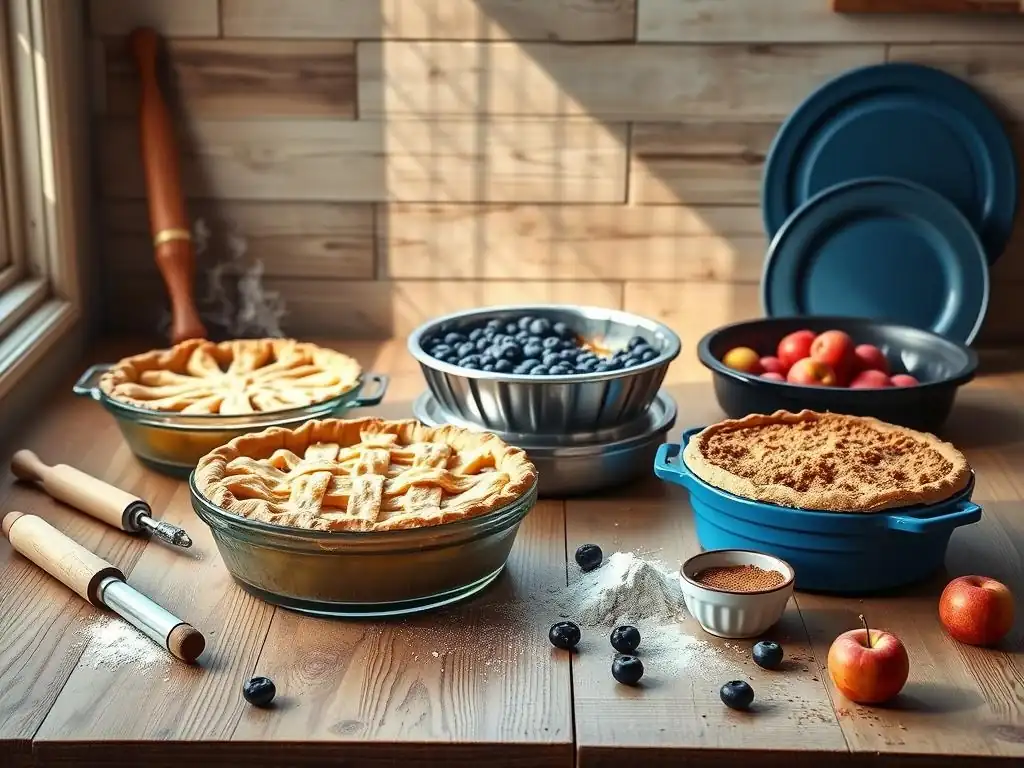
Based on their benefits for beginners, here are a few types of pie plates that are widely available and highly regarded:
Glass: Pyrex Easy Grab
Pyrex glass pie plates are a staple in many kitchens for good reason. They offer excellent visibility for monitoring crust browning and provide very even heat distribution once heated. The "Easy Grab" version includes larger handles, which can be helpful for safely transferring the hot pie in and out of the oven.
Ceramic: Emile Henry Ruffled Pie Dish
While an investment, Emile Henry ceramic pie dishes are renowned for their beautiful presentation, even heating, and exceptional heat retention. They are durable and transition beautifully from oven to table. Their substantial weight and elegant design make them a joy to bake with and serve from.
Metal: USA Pan Bakeware Aluminized Steel Pie Pan
USA Pan bakeware is known for its high-quality construction and durability. Their aluminized steel pie pan combines the strength of steel with the rust resistance of aluminum, often featuring a non-stick silicone coating. This provides relatively quick heating for a crisp crust while the coating aids in release and cleanup. It's a reliable, sturdy option if you prefer metal.
Tips for Using Your Pie Plate
Preparing Your Pie Plate for Baking
Properly preparing your pie plate is key to preventing your crust from sticking. For most recipes, especially those with a single crust, lightly greasing the pan is recommended. You can use butter, shortening, or a non-stick cooking spray. Ensure the grease covers the bottom and sides evenly. For extra insurance against sticking, particularly with delicate crusts or sticky fillings, you can lightly flour the greased pan, tapping out any excess. This creates a thin barrier between the crust and the pan surface.
If you are blind baking a crust (baking the crust before adding the filling), preparing the pan is still important. Some recipes call for lining the pan with parchment paper or aluminum foil after greasing, extending it over the edges. This makes it easier to remove the pie weights or beans used to hold the crust shape during blind baking. Always refer to your specific pie recipe instructions, as some crusts, like those made with a high fat content, might not require greasing.
Preventing Sticking: Techniques and Products
Beyond greasing and flouring, several techniques and products can help prevent your pie crust from sticking to the pan.
- Parchment Paper: For blind baking, lining the greased pan with parchment paper before adding weights is highly effective.
- Non-Stick Spray: A quick and easy way to grease the pan, ensure you use a cooking spray specifically designed for baking, which often contains flour.
- Shortening or Butter: Applying a thin, even layer of solid shortening or softened butter with a pastry brush or paper towel provides a reliable non-stick surface.
- Blind Baking: Partially or fully blind baking the crust before adding a wet filling creates a barrier that prevents the filling from making the bottom crust soggy and sticking.
Choose the method that best suits your recipe and the type of crust you are making. For beginners, a simple grease and flour method is often sufficient for many recipes.
Using Pie Shields and Crust Protectors
Pie shields or crust protectors are invaluable tools for preventing the edges of your pie crust from burning, especially when baking for longer periods or using materials like dark metal that brown quickly. They are typically silicone rings or aluminum foil pieces designed to cover the vulnerable edges of the pie crust while leaving the center exposed to continue baking.
You can purchase reusable silicone pie shields, which are adjustable and easy to use. Alternatively, you can easily make your own shield by tearing off a sheet of aluminum foil, folding it into a ring, and crimping it around the edges of the pie plate. Apply the pie shield about halfway through the baking time, or sooner if you notice the edges browning too quickly.
This allows the rest of the pie to catch up in browning and cooking without risking burnt edges. Using a pie shield is a simple step that significantly improves the final appearance and taste of your pie.
Caring for Your Pie Plate
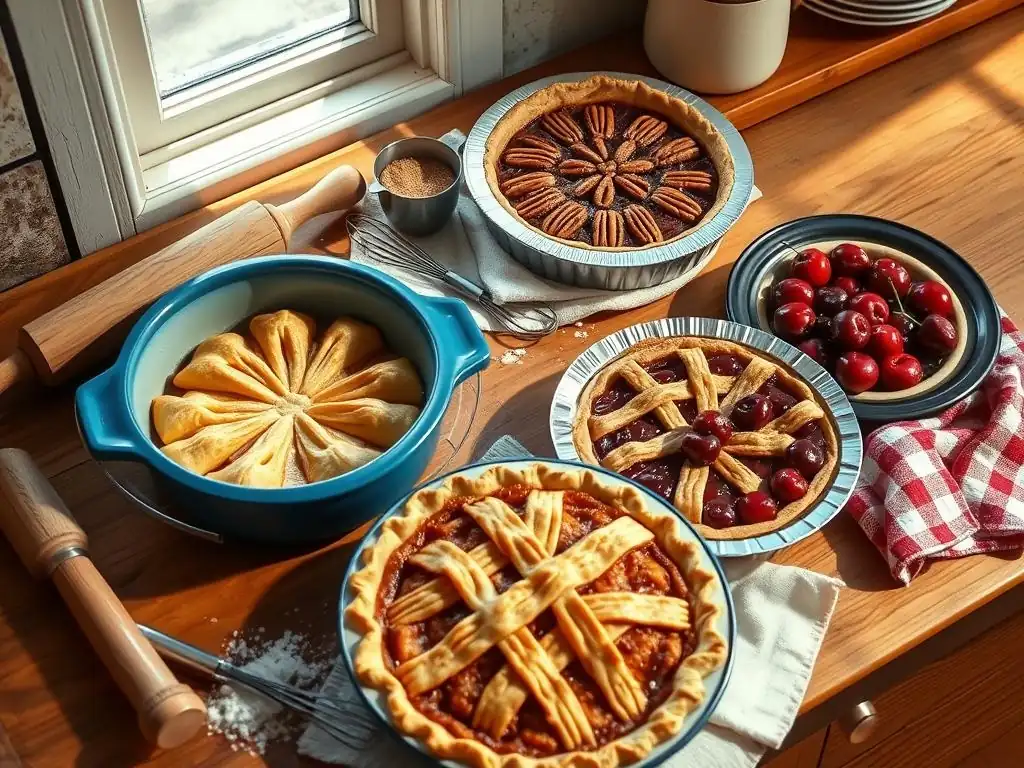
Cleaning and Maintenance
Proper cleaning and maintenance will extend the life of your pie plate and keep it looking its best. For glass and ceramic plates, allow them to cool completely before washing to avoid thermal shock. Wash with warm, soapy water and a soft sponge or cloth. For stubborn baked-on bits, soaking the plate in hot, soapy water for 15-30 minutes usually helps loosen them. Most glass and ceramic plates are dishwasher safe, which is a convenient option.
Metal pie plates, especially those with non-stick coatings, should ideally be hand-washed with warm, soapy water and a non-abrasive sponge or brush to protect the coating. Avoid using steel wool or harsh scrubbing pads, which can scratch the surface. For pans without non-stick coating, you might need a bit more effort for stuck-on food, but avoid excessive scrubbing that could damage the finish. Always dry your pie plate thoroughly after washing to prevent water spots or rust, particularly with metal pans.
Storage Recommendations
Storing your pie plates correctly helps prevent damage and saves space. Stacking pie plates is a common method, but be mindful of the material. Glass and ceramic plates can chip or scratch if stacked directly on top of each other without protection. Placing a paper plate, paper towel, or a piece of felt or cloth between stacked glass or ceramic plates provides cushioning and prevents contact damage.
Metal pie plates are more durable for stacking, but if they have a non-stick coating, placing a soft layer between them can protect the finish. Store pie plates in a stable location where they are less likely to be knocked over or have heavy items placed on top of them, which could lead to breakage (for glass/ceramic) or warping (for metal). Storing them vertically in a rack is an excellent space-saving option that also prevents stacking pressure.
Troubleshooting Common Pie Baking Issues
Preventing a Soggy Bottom Crust
A soggy bottom crust is one of the most frustrating pie problems, especially for beginners. It happens when the moisture from the filling steams the bottom crust instead of letting it bake until crisp. Choosing the right pie plate helps; metal plates, with their fast heat transfer, are often better at crisping the bottom quickly than glass or ceramic.
Other strategies include:
- Blind Baking: Partially or fully pre-baking the bottom crust before adding the filling creates a barrier.
- Egg Wash: Brushing the bottom crust lightly with an egg wash before adding filling can help seal it.
- Hot Oven: Baking at the correct, often high initial temperature (like 400-425°F or 200-220°C for the first 15-20 minutes) helps set the bottom crust quickly.
- Thickening Filling: Ensure your filling is properly thickened so it doesn't release excessive liquid during baking. Using tapioca, flour, or cornstarch as specified in the recipe is key.
- Baking Stone/Steel: Placing your pie plate on a preheated baking stone or steel in the oven transfers heat directly to the bottom of the plate, promoting a crispier crust.
Addressing Uneven Baking
Uneven baking can result in some parts of the crust being perfectly golden while others are still pale, or the filling being set in one area and runny in another. This can be caused by hot spots in your oven or the heat distribution of the pie plate. Glass pie plates tend to offer very even heat distribution, which helps.
To combat uneven baking regardless of your pan:
- Preheat Thoroughly: Ensure your oven is fully preheated to the correct temperature before putting the pie in.
- Rotate the Pie: Rotate the pie plate 180 degrees halfway through the baking time. This helps expose all sides to the oven's heat evenly.
- Use an Oven Thermometer: Verify your oven's temperature with an independent thermometer, as oven thermostats can be inaccurate.
- Consider Oven Rack Position: Baking on the lowest rack can help ensure the bottom crust gets enough heat, but monitor closely.
Preventing Cracking and Damage
Preventing cracking and damage to your pie plate, particularly glass and ceramic ones, primarily involves avoiding thermal shock. Never place a cold pie plate directly into a very hot oven. If a recipe requires preheating the plate, ensure both the plate and the oven start from a similar temperature (e.g., room temperature) and heat up together, or follow specific manufacturer instructions for preheating an empty dish.
Similarly, do not place a hot pie plate directly onto a cold countertop or into cold water. Always let it cool on a wire rack or a heat-resistant surface. Handle the plate carefully when washing and storing, avoiding drops or hard knocks. Using appropriate cleaning tools (soft sponges vs. steel wool) also prevents scratches and surface damage that could potentially weaken the material over time.
Conclusion: Selecting the Ideal Pie Plate
Matching Pie Plate to Baking Needs
Choosing the ideal pie plate boils down to understanding your baking goals and comfort level as a beginner. If visibility and even heating are your top priorities, a glass pie plate is likely the best pie plate for beginners. If you value presentation and heat retention for serving, ceramic is a wonderful option, requiring a bit more patience with initial baking time. If you want a quick, crisp bottom crust and durability, metal is a reliable choice, though dark metal requires careful monitoring to prevent burning.
Consider the types of pies you plan to bake most often. Standard 9-inch plates are versatile for most recipes. Deep-dish plates are necessary for larger volume fillings, requiring longer bake times and crust protection. Tart pans are specific for tarts with their unique structure. Many bakers eventually own a variety of pie plates to suit different recipes and occasions. Start with one or two versatile options, perhaps a 9-inch glass or metal plate, and expand your collection as your skills and interests grow.
Enjoying the Art of Pie Baking with BakeWithEase.com
Selecting the right pie plate is an important step, but it's just the beginning of a delightful baking journey. With the right tools and guidance, you can confidently tackle any pie recipe. At BakeWithEase.com, we're dedicated to providing you with the easy-to-follow recipes, helpful tips, and support you need to bake delicious pies from scratch.
Don't be afraid to experiment and learn from each baking experience. Every pie you make is a step towards mastering the craft. Whether you're aiming for a classic apple pie with a flaky double crust or a smooth and creamy pumpkin pie, having the best pie plate for beginners and reliable resources like BakeWithEase.com will make the process smoother and more enjoyable. Happy baking!
Frequently Asked Questions
What materials are commonly used for pie plates, and which is best for beginners?
Pie plates are often made of glass, ceramic, or metal. For beginners, glass is often recommended because you can easily see the bottom of the crust to prevent burning.
What size pie plate should a beginner baker start with?
A standard 9-inch pie plate is the most versatile and recommended size. Most pie recipes are designed for this size, making it easier to follow instructions and achieve consistent results.
How does the color of a pie plate affect baking?
Lighter-colored pie plates, especially glass or light ceramic, reflect heat better. This helps to promote even baking and prevents the crust from browning too quickly, which is ideal for beginners.
Are there any specific features in a pie plate that are helpful for beginners?
Look for pie plates with slightly sloped sides. These help the crust bake evenly and prevent it from slumping. Some have textured bottoms to promote airflow and prevent sticking.
How important is the price of a pie plate when starting out?
Don't feel pressured to buy an expensive pie plate right away. A simple, inexpensive glass pie plate will work perfectly well for most recipes. Focus on mastering the techniques before investing in high-end equipment.
Final Reflection: The Perfect Crust Starts with the Perfect Plate
Choosing the right pie plate is far more than a simple kitchen decision; it's the foundation for baking success, impacting everything from crust texture to even cooking. A seemingly small detail, the pie plate, can significantly elevate your baking experience, transforming frustration into joyful creation.
The journey of mastering pie-making is deeply personal, a testament to patience and precision. The right tools, however, can significantly ease the process. The secret to a good pie is a good crust, and the secret to a good crust is a good pie plate.
This isn't just a catchy phrase; it reflects the profound influence the seemingly insignificant pie plate has on the final product. From my own experience, moving from a flimsy, ill-fitting plate to a well-chosen one dramatically improved my baking results, proving that even the smallest details matter.
Now, it's your turn. Consider the insights shared in this article, and reflect on your own baking experiences. What kind of pie plate are you currently using? Does it serve your needs? Don't be afraid to experiment, to find the perfect plate that empowers you to create stunning, delicious pies. The journey to baking mastery is a continuous one, and choosing the right pie plate is a crucial first step. Embrace the process, and enjoy the delicious rewards!
Unlock Your Inner Pie Master!
Thanks for taking the time to learn about choosing the perfect pie plate! We hope you now feel more confident in your baking journey. Ready to put your new knowledge into practice?
- Bake your dream pie! Use your newfound expertise to select the ideal pie plate for your next baking adventure. Experiment with different crusts and fillings – the possibilities are endless!
- Share your baking triumphs (and even your flops!) with us on social media! Use #BakeWithEasePie to connect with other bakers and inspire others.
- Explore our other baking guides: Learn even more tips and tricks to elevate your baking skills. Discover new recipes and techniques on our website, BakeWithEase.com.
What delicious pie will you bake first? Let us know in the comments below!