
Simple Guide to Storing Your Baked Drop Cookies

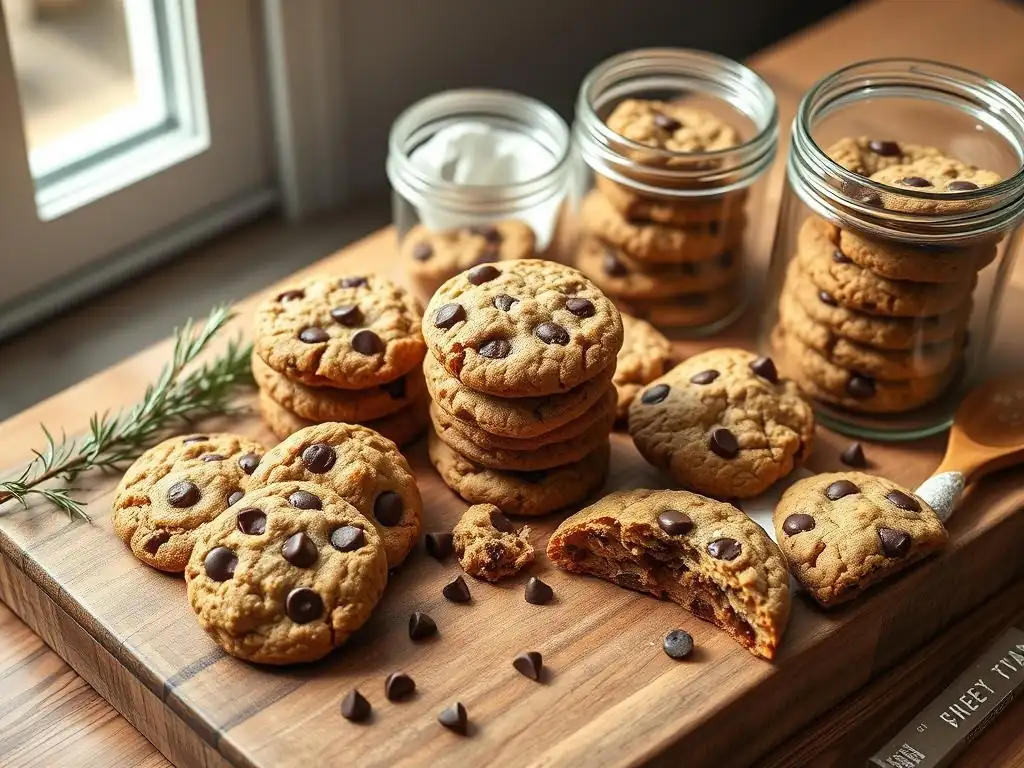
Welcome to BakeWithEase, your haven for all things baking! Ever wondered if you're really preserving that perfect chewy texture of your drop cookies? This week, we're diving deep into the simple secrets of storing baked drop cookies properly, ensuring every bite is as delicious as the first. Discover insider tips and tricks that will revolutionize how you keep your baked goods fresh. Intrigued? Let's unlock the secrets!
- Simple Guide to Storing Your Baked Chocolate Chip Cookies: Bake With Ease
- Introduction: Mastering Cookie Storage for Freshness
- Why Proper Storage Matters for Your Chocolate Chip Cookies
- Essential Tools for Storing Baked Chocolate Chip Cookies Properly
- Step-by-Step Guide: How to Store Baked Chocolate Chip Cookies for Optimal Freshness
- Storing Soft Chocolate Chip Cookies: Tips and Tricks
- Storing Crispy Chocolate Chip Cookies: Preventing Softening
- Freezing Baked Chocolate Chip Cookies for Long-Term Storage
- Troubleshooting Common Cookie Storage Problems
- Best Practices for Storing Chocolate Chip Cookie Varieties
- Conclusion: Enjoying Freshly Baked Chocolate Chip Cookies Every Time
-
Frequently Asked Questions
- How long can I store baked drop cookies at room temperature?
- What's the best way to keep my drop cookies soft after baking?
- Can I freeze baked drop cookies, and if so, for how long?
- What type of container is best for storing drop cookies?
- Should I refrigerate my drop cookies, and are there any exceptions?
- Final Reflection: The Enduring Delight of Perfectly Stored Cookies
- Unlock Your Cookie's Full Potential: Freshness Secrets Unveiled!
Baking a batch of perfect chocolate chip cookies is a truly rewarding experience. The aroma filling your kitchen, the satisfying warmth from the oven, and that first bite – it’s pure joy. But what happens after the baking is done? To keep that joy alive for more than just a few hours, mastering the art of storing your baked chocolate chip cookies properly is absolutely essential. Whether you baked a small batch for yourself or a large one for sharing, knowing how to preserve their texture and flavor ensures every cookie is as delightful as the first.
This guide will walk you through the best practices for storing baked drop cookies properly, focusing on the beloved chocolate chip variety. We'll cover everything from the right tools to use, step-by-step methods, and specific tips for different cookie textures. By the end, you’ll be a pro at keeping your cookies fresh, soft, or crispy, just the way you like them, maximizing their shelf life and minimizing waste. Let's dive into how to protect your delicious baking achievements!
The moment cookies come out of the oven, they begin a journey of change. Exposure to air, humidity, and temperature fluctuations immediately starts altering their delicate structure and flavor profile. Proper storage acts as a protective barrier, slowing down these processes significantly. For instance, a freshly baked chewy chocolate chip cookie relies on a specific moisture level; improper storage can quickly lead to it becoming hard and dry.
Think of it like preserving a fine wine or a perfectly ripe fruit – you need the right conditions to maintain its peak quality. Studies, like those often referenced in food science literature regarding baked goods, indicate that moisture migration is a primary culprit in textural changes. Sugar and starch molecules interact with water, and how this interaction is managed during storage dictates whether your cookie stays soft, turns hard, or loses its intended crispness. Effectively storing baked drop cookies properly is about controlling this environment.
Staling in cookies, especially those meant to be soft and chewy, isn't just about drying out. It's a complex process involving the recrystallization of starches (retrogradation) and the loss of volatile flavor compounds. While complete prevention of staling is impossible over long periods, proper storage dramatically slows it down. Sealing cookies in airtight containers limits their exposure to oxygen and external moisture, both of which accelerate staling.
Consider a batch of classic soft-baked chocolate chip cookies. Left exposed on a plate, they might start feeling hard around the edges within hours, and become noticeably stale in 1-2 days. Stored correctly in an airtight container at room temperature, they can often maintain their desirable soft texture for 3-5 days. This significant difference highlights why storing baked drop cookies properly is a fundamental skill for any home baker who wants to enjoy their creations over several days.
Beyond just maintaining texture and flavor in the short term, effective storage is crucial for extending the overall shelf life of your baked goods. While room temperature storage is great for immediate enjoyment, it typically only keeps cookies fresh for about a week, sometimes less depending on ingredients and humidity. For longer periods, refrigeration or freezing becomes necessary.
Freezing, for example, can extend the life of baked chocolate chip cookies from days to months – often up to 2-3 months without significant loss of quality, provided they are wrapped and sealed correctly to prevent freezer burn. This is incredibly useful for baking in bulk or saving treats for a later date. Understanding these different storage durations and methods is key to storing baked drop cookies properly and ensures you can enjoy your homemade treats whenever the craving strikes.
Airtight Containers: Your First Line of Defense
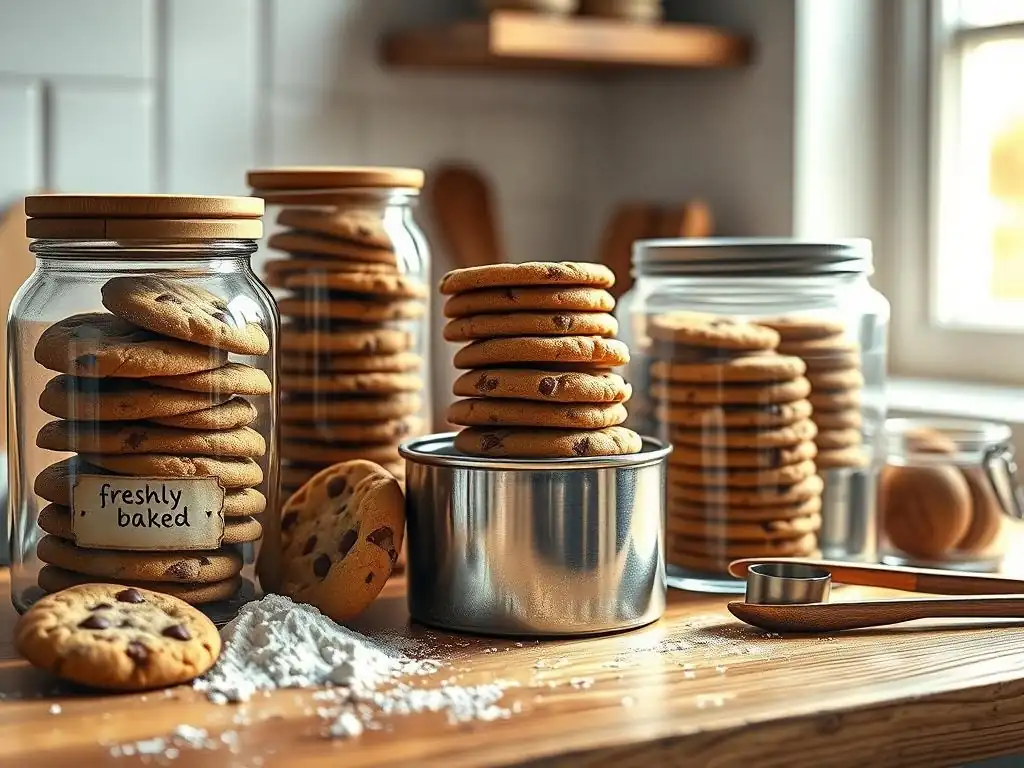
Airtight containers are the cornerstone of effective cookie storage. Their primary function is to create a seal that prevents air and moisture from entering or escaping, thereby preserving the cookies' texture and preventing staling. Look for containers with secure lids that snap or clamp shut firmly. Materials like glass, sturdy plastic (BPA-free is a common preference), or metal tins with tight-fitting lids are excellent choices.
The size of the container matters too. Ideally, you want a container that is mostly filled with cookies to minimize the amount of air trapped inside, which can still contribute to oxidation and staling over time. Stacking cookies gently within the container helps utilize space efficiently. Investing in a few good quality airtight containers of various sizes is one of the best steps you can take towards storing baked drop cookies properly.
Traditional cookie jars evoke a sense of nostalgia, but their effectiveness for long-term freshness depends heavily on their seal. Many decorative cookie jars have lids that simply rest on top or have a loose fit, allowing significant air exchange. While charming for display and quick access to cookies that will be consumed within a day or two, they are generally not truly airtight.
For storing baked drop cookies properly for more than a day or two at room temperature, opt for cookie jars that explicitly state they are airtight, often featuring a rubber or silicone gasket around the lid to create a secure seal. If your beloved decorative jar isn't airtight, you can still use it for short-term storage or line it with a truly airtight bag (like a zip-top freezer bag) before adding the cookies.
Freezer Bags: Ideal for Long-Term Storage
When it comes to freezing baked chocolate chip cookies for extended storage, high-quality freezer bags are indispensable. These bags are specifically designed to be thicker and more durable than standard food storage bags, offering better protection against freezer burn – a condition caused by dehydration and oxidation that results in dry, discolored spots on frozen food.
Using heavy-duty, zip-top freezer bags allows you to press out excess air before sealing, creating a near-vacuum environment that is excellent for preserving quality. Double-bagging can offer an extra layer of protection for very long storage periods. While freezer containers are also an option, bags are often more space-efficient in a crowded freezer, making them a practical choice for storing baked drop cookies properly when freezing.
This is perhaps the single most important step in storing baked drop cookies properly. Cookies must be cooled completely on a wire rack before being placed in any storage container. Warm cookies release steam, and if they are put into an airtight container while still warm, this moisture will condense inside the container.
This condensation creates a humid environment that can turn crispy cookies soft, make soft cookies gummy, and worst of all, promote mold growth. Cooling typically takes at least 30-60 minutes, sometimes longer for thicker cookies. Ensure they are cool to the touch, all the way through the center, before proceeding to the next step. Rushing this step is a common mistake that significantly shortens the lifespan and quality of your stored cookies.
Once your cookies are completely cool, they are ready for the container. To prevent them from sticking together, especially if they are soft or have melty chocolate chips, arrange them in a single layer if the container is wide enough. If stacking is necessary, do so gently.
Avoid cramming too many cookies into one container, as this can crush them and promote sticking due to pressure. A loosely packed container is better than an overstuffed one. When storing baked drop cookies properly in layers, especially soft or delicate ones, consider adding a barrier between layers as described in the next step.
Using Parchment Paper: An Extra Layer of Protection
For an extra layer of protection against sticking, particularly when stacking cookies or storing different varieties together (though separating is generally recommended), use parchment paper. Simply cut squares or circles of parchment paper to fit the container and place a piece between each layer of cookies.
Parchment paper provides a non-stick surface that prevents the bottom of one cookie from adhering to the top of the one below it. This is especially helpful for cookies with gooey centers or those stored in humid conditions. While not strictly necessary for all cookies in all containers, it's a simple trick that significantly aids in storing baked drop cookies properly and makes retrieving them much easier.
This is a crucial tip often overlooked: store different types of cookies in separate containers. Cookies can absorb flavors and aromas from each other. Storing intensely flavored cookies, like gingerbread or spice cookies, alongside your delicate chocolate chip cookies can result in the chocolate chip cookies taking on those strong flavors.
Even different textures can affect each other. Storing soft cookies with crispy ones in the same container will often lead to the crispy cookies absorbing moisture from the soft ones, making them lose their crunch, while the soft cookies might dry out slightly. For optimal flavor and texture preservation, dedicate a specific container or bag for each distinct type of baked drop cookies properly.
The goal when storing soft chocolate chip cookies is to maintain their internal moisture level. This means creating an environment where moisture loss is minimized. Airtight containers are essential here, but simply sealing them isn't always enough, especially in dry climates. The key is to trap the existing moisture within the container.
Ensure cookies are completely cool before storing, as warm cookies release steam which then condenses; once condensation happens and the container is opened, that moisture is lost. Properly sealing the container immediately after adding cookies and minimizing how often it's opened will help keep the internal humidity stable, preserving that sought-after soft texture. Storing baked drop cookies properly with a soft texture requires careful moisture management.
Adding a Slice of Bread: A Time-Tested Technique
A classic, grandmother-approved trick for keeping soft cookies soft is to add a slice of plain bread to the storage container. The bread slice releases its own moisture into the sealed environment of the container. The cookies then absorb this moisture, helping them retain their soft texture.
Place one slice of soft, plain bread (like sandwich bread, not sourdough or crusty bread) on top of the cookies in the airtight container. Check the bread slice every day or two; as it dries out and becomes hard, replace it with a fresh slice. This method is surprisingly effective and widely used for storing baked drop cookies properly when softness is paramount.
Avoiding Over-Drying: Monitoring Storage Conditions
Even in an airtight container, soft cookies can eventually dry out, especially if the container isn't truly airtight or if the cookies were slightly overbaked to begin with. Monitor your cookies over the first few days. If they start to feel a little hard, you can try the bread trick if you haven't already.
Also, consider the ambient humidity of your storage location. Storing cookies in a very dry pantry might accelerate drying compared to a more temperate spot. For particularly finicky soft cookies, a container with a rubber gasket seal is often more effective than a simple snap-on lid. Storing baked drop cookies properly involves paying attention to these environmental factors.
Preserving Crispiness: Keeping Moisture at Bay
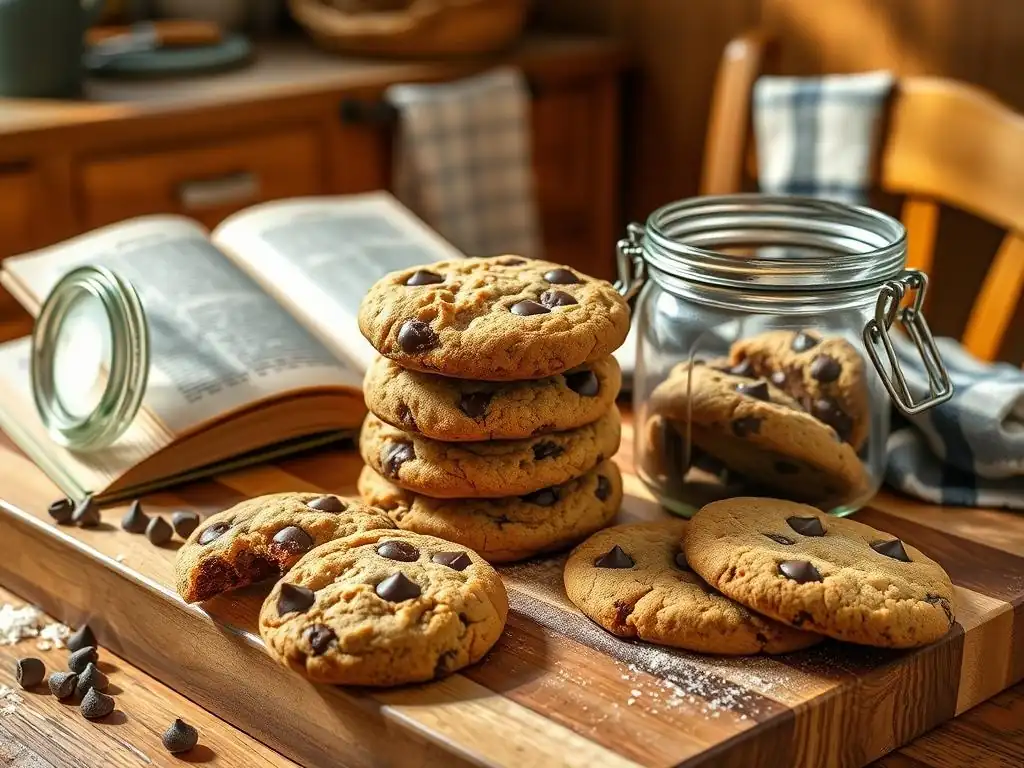
Unlike soft cookies, the goal for crispy chocolate chip cookies is to prevent them from absorbing moisture. Crispiness is a result of a low internal moisture content and a specific sugar-fat structure. Exposure to humidity in the air is the enemy of a crispy cookie, causing it to become soft and often crumbly.
A truly airtight container is crucial, but for crispy cookies, it's also about minimizing the amount of moisture trapped inside the container when you seal it. Ensure the cookies are bone-dry and completely cool. Avoid storing them with anything that might release moisture, like soft cookies or that slice of bread! Storing baked drop cookies properly to keep them crispy requires a focus on dryness.
Using Rice to Absorb Moisture: A Clever Hack
A lesser-known but effective trick for keeping crispy cookies crispy is to add a small amount of dry rice to the container. The rice acts as a desiccant, absorbing any ambient moisture that might be trapped inside the sealed container or that enters when the container is briefly opened.
Place a small amount (a tablespoon or two) of uncooked rice in a small sachet or wrap it in a piece of cheesecloth before placing it in the bottom of the cookie container. This prevents the rice from coming into direct contact with the cookies. The rice will absorb excess moisture, helping to maintain the cookies' crisp texture. It's a simple, inexpensive way to enhance storing baked drop cookies properly for crispness.
Optimal Airflow: Promoting Crisp Texture
While airtight containers are key to preventing moisture gain, some bakers argue that for maximum crispness, allowing a tiny bit of air circulation after the initial cooling phase and before sealing might help ensure any residual internal moisture escapes. However, the consensus for long-term crispness is still airtight storage.
For very short-term storage (less than a day), some might leave crispy cookies in a loosely covered container or even on a plate, but this significantly increases the risk of them going soft quickly, especially in humid conditions. For storing baked drop cookies properly to maintain crispness over several days, airtight is still the way to go, combined with moisture absorbers like rice if needed.
Freezing is the best method for storing baked drop cookies properly for several weeks or months. The preparation is key to ensuring they taste as good after thawing as they did fresh. First and foremost, the cookies must be completely cooled. Freezing warm cookies will lead to ice crystals forming, which damages the texture.
Once cool, arrange the cookies in a single layer on a baking sheet lined with parchment paper. Place the baking sheet in the freezer for about 1-2 hours, or until the cookies are firm. This step, known as "flash freezing," prevents the cookies from sticking together when you transfer them to the final storage container or bag.
While flash freezing helps prevent clumping, individually wrapping cookies provides the best protection against freezer burn and helps maintain their flavor. Use plastic wrap, wax paper, or parchment paper to wrap each cookie snugly. This creates a barrier that minimizes exposure to the cold, dry air of the freezer.
After individual wrapping, place the cookies into a heavy-duty freezer bag or an airtight freezer-safe container. Press out as much air as possible from bags before sealing. For extra security against freezer burn, you can double-bag or wrap the container itself in an additional layer of plastic wrap or foil. Label the container with the type of cookie and the date of freezing. This meticulous process is vital for storing baked drop cookies properly via freezing.
When you're ready to enjoy your frozen chocolate chip cookies, proper thawing is essential. Remove the desired number of cookies from the freezer. If they were individually wrapped, keep them wrapped during the initial thawing period.
Place the frozen cookies on a plate or wire rack at room temperature. Allow them to thaw completely, which usually takes about 30-60 minutes depending on the size and thickness of the cookie. Avoid thawing in the microwave, as this can make them rubbery or hard.
Once thawed, they can be enjoyed as is, or you can briefly warm them in a low oven (around 300°F or 150°C) for a few minutes to refresh their texture and bring out the chocolate flavor, making them taste almost freshly baked. This final step ensures storing baked drop cookies properly through freezing yields delicious results.
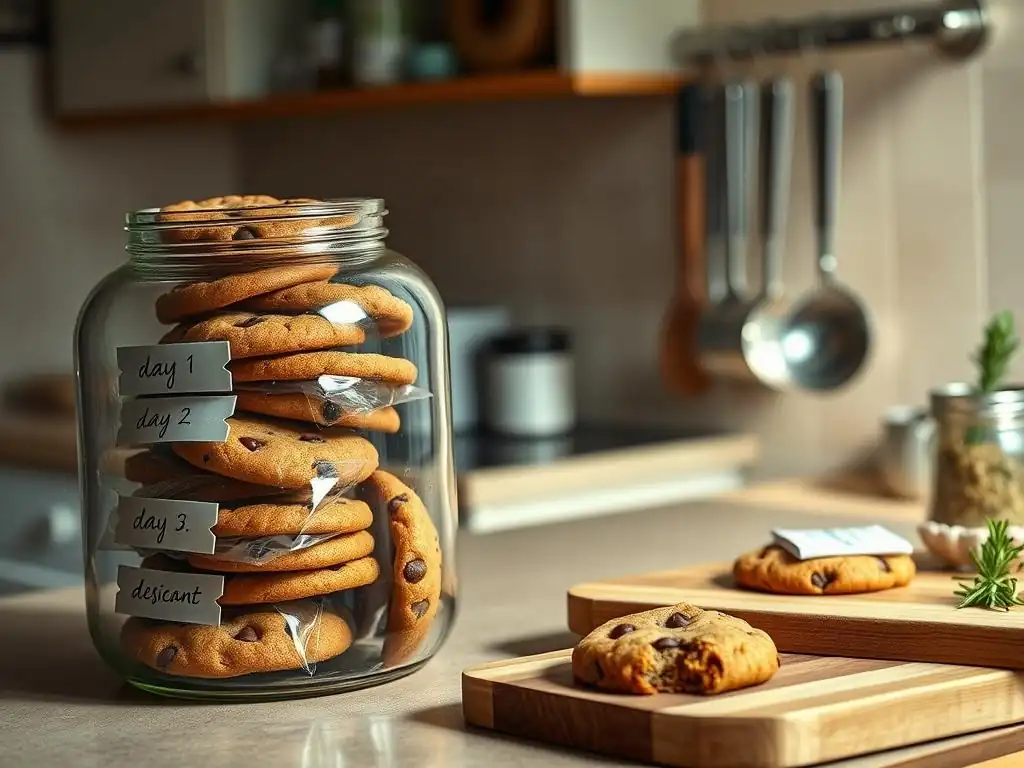
The most common issue when storing baked drop cookies properly is staling – they become hard, dry, or crumbly and lose flavor. The primary cause is usually air exposure, allowing moisture to escape (for soft cookies) or be absorbed (for crispy cookies that then lose texture), and enabling oxidation of fats.
- Cause: Container not airtight, container opened too frequently, cookies not cooled completely before storage.
- Solutions: Ensure you are using truly airtight containers with good seals. Minimize the time the container is open. Always cool cookies completely. For soft cookies, try adding a bread slice. For crispy ones, try adding rice. If cookies are already slightly stale, a brief warming in the oven can sometimes revive them slightly, or they can be repurposed in desserts like trifles or crumbs for pie crusts.
Cookies sticking together is frustrating and can damage their appearance and texture when you try to separate them. This often happens with soft, moist, or gooey cookies, especially when stacked tightly or stored before being fully cooled.
- Cause: Storing warm cookies, stacking too tightly, high moisture content in cookies.
- Solutions: Always cool cookies completely on a wire rack. Avoid overfilling containers; allow some space. If stacking, use parchment paper between layers. For very soft or delicate cookies, consider storing them in a single layer if space allows, or flash freezing before transferring to a container. Proper layering is key for storing baked drop cookies properly without them becoming one giant cookie blob.
Over time, even properly stored cookies can lose some of their vibrant, fresh-baked flavor. This is often due to the oxidation of fats and the degradation of volatile flavor compounds. Exposure to air and light, as well as prolonged storage, accelerate this process.
- Cause: Not truly airtight storage, storing near strong odors, storing for too long.
- Solutions: Use high-quality, truly airtight containers or freezer bags. Store cookies away from strongly scented items like onions or spices, as they can absorb these odors. For best flavor, consume cookies stored at room temperature within 3-5 days, and frozen cookies within 2-3 months. Freezing generally preserves flavor better than room temperature storage for longer periods, making it ideal for storing baked drop cookies properly for future enjoyment.
Chewy chocolate chip cookies are all about that moist, slightly soft center and tender edge. The best way to store these is in a truly airtight container at room temperature. The goal is to trap the moisture within the cookie and the container.
Using a slice of bread, as mentioned earlier, is particularly effective for maintaining chewiness. Replace the bread slice every day or two as it hardens. Avoid storing them with anything that would dry them out or make them crispy. When storing baked drop cookies properly with a chewy texture, moisture retention is paramount.
Thin and crispy cookies require the opposite approach from chewy ones – you want to keep them dry. Store them in an airtight container, but consider adding a desiccant like a small sachet of rice to absorb any excess moisture.
Ensure these cookies are completely cool and crisp before storing. Avoid opening the container unnecessarily, as each time you do, humid air can enter. If they lose some crispness, a quick few minutes in a low oven (around 250°F or 120°C) can often help revive their crunch. These tips are key for storing baked drop cookies properly when crispness is desired.
Chocolate chip cookies containing nuts (like walnuts or pecans) require similar storage methods to their nut-free counterparts, but with an added consideration: nuts contain oils that can go rancid over very long periods.
While standard airtight storage at room temperature is fine for a few days, for longer storage (more than a week), refrigeration or freezing is highly recommended. The cooler temperatures significantly slow down the oxidation of the oils in the nuts, preventing off-flavors. Always use airtight containers or bags. Freezing is the best option for storing baked drop cookies properly with nuts for maximum longevity and flavor preservation.
You've put time and care into baking delicious chocolate chip cookies, and storing baked drop cookies properly ensures your effort pays off with every single bite. From understanding why proper storage matters to selecting the right tools and following simple step-by-step guides, you now have the knowledge to keep your cookies tasting their best.
Remember the golden rules: cool completely, use airtight containers, and choose the right strategy based on whether you want soft or crispy cookies, or if you need long-term storage via freezing. By implementing these simple techniques, you can extend the life of your homemade treats and enjoy that wonderful, freshly baked quality for days, or even months. Happy storing, and happy baking!
Frequently Asked Questions
Baked drop cookies can usually be stored at room temperature for 2-3 days if kept in an airtight container. This helps prevent them from drying out and becoming stale.
The key is to store them in an airtight container with a slice of bread or an apple wedge. These items release moisture, helping to keep your cookies soft and chewy.
Yes, baked drop cookies freeze well! They can be stored in the freezer for up to 2-3 months. Make sure to wrap them tightly in plastic wrap and then place them in a freezer-safe container.
An airtight container like a Tupperware container or a resealable plastic bag is ideal. This prevents air from getting in and drying out the cookies, preserving their freshness and texture.
Generally, refrigerating drop cookies is not recommended as it can dry them out. The exception is if they contain a cream cheese frosting or other perishable ingredients, in which case they should be refrigerated.
The art of storing baked drop cookies isn't merely about preserving their texture; it's about preserving the joy they bring. A perfectly crisp chocolate chip cookie, a chewy oatmeal raisin delight – these are fleeting moments of pleasure unless we know how to safeguard them. This simple guide has explored the best methods to ensure your lovingly baked treats remain delicious for as long as possible.
The impact of a perfectly stored cookie extends beyond the individual. Sharing freshly baked goods is a powerful act of connection, a small gesture that can brighten someone's day. A cookie is a small act of love.
This simple truth underscores the importance of preserving these small acts of love, ensuring they can be enjoyed for longer. The methods discussed – from airtight containers to freezer storage – are not just techniques, but tools for extending the reach of this simple joy.
Now, consider your own baking journey. What are your favorite drop cookies? How do you currently store them? Perhaps this guide has offered a new perspective, a new technique to enhance your baking experience. Take a moment to reflect on your own methods, and experiment with the tips provided. The reward? Longer-lasting deliciousness, and the continued pleasure of sharing your baking with those you love.
Thanks for taking the time to learn how to keep your delicious drop cookies fresh! You've now got the knowledge to prevent those dreaded soggy bottoms. Ready to put your new skills to the test?
- Master the art of perfect cookie storage: Experiment with different methods (airtight containers, freezer bags, etc.) to discover what works best for your favorite recipes. Note your results – you might surprise yourself!
- Share your cookie storage secrets: Let us know in the comments what techniques work wonders for you—we'd love to hear your tips and tricks!
- Try baking a new batch using your newfound knowledge! We'd love to see the results.
So, what's your biggest cookie storage challenge, and how will you tackle it now?