
The Ultimate Collection of Beginner Simple Cake Recipes

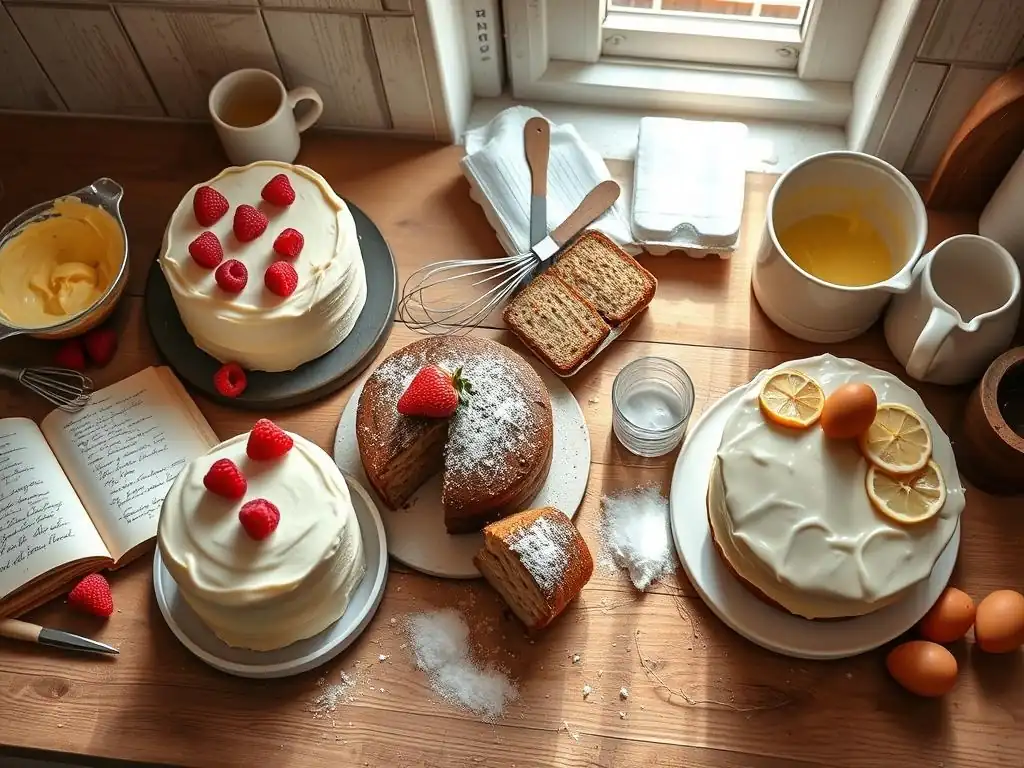
Welcome to BakeWithEase, your passport to a world of delightful homemade treats!
Ready to bake a cake that's both delicious and achievable? You've landed in the right place! Dive into our Ultimate Collection of Beginner Simple Cake Recipes and discover how surprisingly easy it is to create mouthwatering masterpieces, even if you're just starting your baking journey. What secret ingredient will unlock your inner baker? Let's find out!
- Easy Cake Recipes for Beginners
- Baking Basics: A Guide to Simple Cakes
- Why Start with Easy Cake Recipes?
- Our Top Easy Cake Recipes
- Essential Baking Tools for Beginners
- Tips and Tricks for Perfect Cakes
- Storing Your Cakes for Freshness
- Troubleshooting Common Problems
- Beyond the Basics: Expanding Your Repertoire
-
Frequently Asked Questions
- What makes a cake recipe "easy" and suitable for beginners?
- Where can I find readily available ingredients for these beginner cake recipes?
- What if I don't have much experience with baking; will I still be able to follow these recipes?
- How can I ensure my beginner cake doesn't turn out dry or overbaked?
- What are some variations I can try once I've mastered the basic beginner cake recipes?
- Final Reflection: The Sweetness of Simple Beginnings
- Unleash Your Inner Baker: Simple Cakes Await!
Easy Cake Recipes for Beginners
Baking Basics: A Guide to Simple Cakes
Stepping into the kitchen to bake your first cake can feel like a big adventure! But don't worry, starting with easy beginner simple cake recipes is the perfect way to learn the ropes. Simple cakes typically involve straightforward techniques, common ingredients you might already have in your pantry, and minimal fancy equipment. Think about classic recipes like a simple vanilla sheet cake, a quick mug cake, or a forgiving loaf cake. These recipes are designed to be approachable and build your confidence from the ground up.
Understanding a few basic principles will make your journey even smoother. Key concepts include accurate measurement (especially for flour and sugar), understanding the role of different ingredients like leavening agents (baking powder, baking soda), and knowing how your oven performs. With easy simple cake recipes, you often don't need complex steps like separating eggs or intricate folding techniques. It's about mixing, pouring, and baking – making them ideal beginner cake recipes.
Why Start with Easy Cake Recipes?
The Joy of Baking: Simple Cakes for New Bakers
Starting your baking journey with simple cake recipes for beginners is incredibly rewarding and helps cultivate a love for being in the kitchen. There's a unique satisfaction that comes from taking basic ingredients – flour, sugar, eggs, butter – and transforming them into something delicious and comforting. Easy beginner simple cake recipes minimize the potential for overwhelming complexity, allowing you to focus on the process and enjoy the delightful aroma filling your home as your creation bakes. The success of a simple bake provides immediate positive reinforcement, encouraging you to try more.
Many find that the act of baking is a wonderful way to relax and destress. Following a clear, simple recipe can be almost meditative. These easy simple cake recipes are perfect for sharing, too! Bringing a homemade treat to friends or family, knowing you made it yourself, adds another layer of joy. It’s about the creation process, the delicious outcome, and the connections made through sharing something baked with care, all starting with these accessible beginner cake recipes.
Building Confidence: Mastering Fundamental Techniques
Successfully baking easy beginner simple cake recipes is a fantastic way to build confidence in your baking skills and master essential fundamental techniques. These recipes often involve basic steps like creaming butter and sugar, whisking dry ingredients, and combining wet and dry components. By practicing these actions with forgiving recipes, you gain familiarity and precision without the pressure of a complex multi-layered cake. Each successful bake reinforces your ability to follow instructions and handle ingredients correctly.
Moreover, working through simple cake recipes helps you understand how ingredients interact. You'll see how baking powder makes a cake rise or how creaming butter and sugar creates a light texture. This foundational knowledge is invaluable. Once you feel comfortable consistently producing good results with these easy simple cake recipes, you'll feel more prepared and eager to tackle slightly more challenging bakes. It’s a step-by-step process, and mastering beginner cake recipes is the crucial first rung on the ladder.
Simple Ingredients, Delicious Results: Beginner-Friendly Baking
One of the hallmarks of easy beginner simple cake recipes is their reliance on simple, everyday ingredients that are widely available and affordable. You don't need specialty flours or exotic extracts to make a delicious cake when you're just starting out. Most beginner simple cake recipes call for pantry staples like all-purpose flour, granulated sugar, eggs, milk, butter or oil, vanilla extract, baking powder, and salt. This accessibility makes it easy to decide to bake on a whim without a special trip to the grocery store.
Despite their simplicity, these easy beginner cakes deliver wonderfully delicious results. The focus is often on classic, comforting flavors that everyone loves. A basic vanilla or chocolate cake, a moist banana bread, or a zesty lemon loaf proves that you don't need complex ingredients to achieve great taste and texture. These beginner cake recipes demonstrate that baking can be both accessible and incredibly satisfying, proving that simple ingredients can indeed yield delightful outcomes.
Our Top Easy Cake Recipes
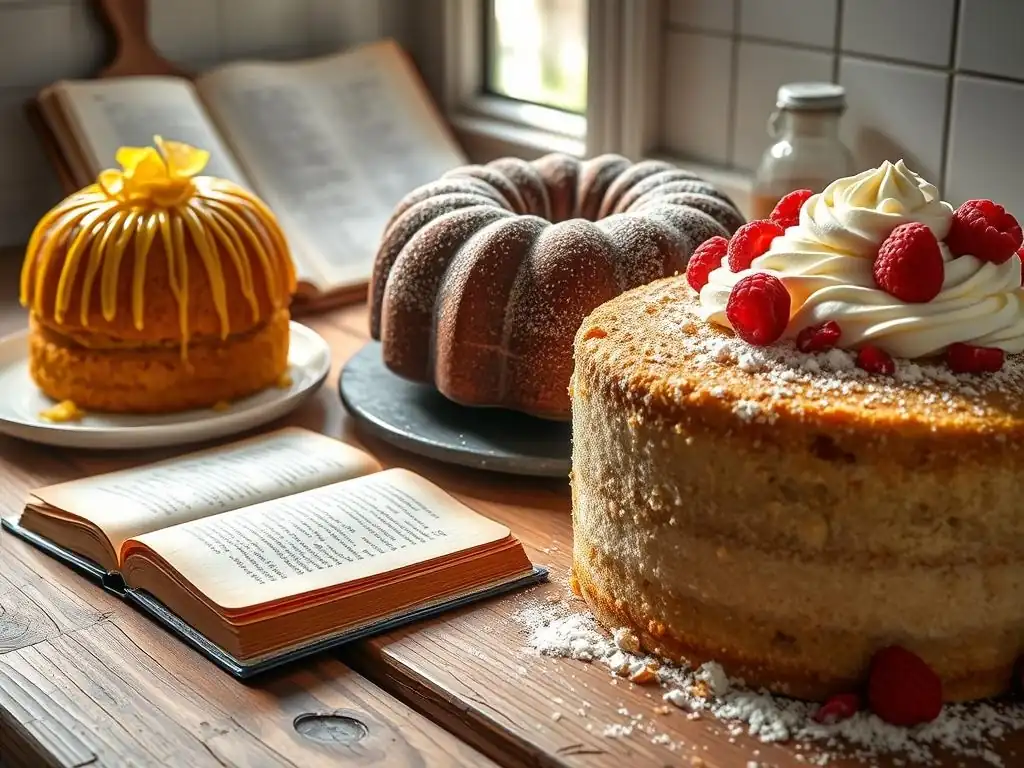
Vanilla Sheet Cake: The Easiest Cake Recipe
The vanilla sheet cake is often hailed as the quintessential easy simple cake recipe, perfect for beginners. It's baked in a single, shallow pan, which promotes even cooking and makes it incredibly forgiving. The batter is typically straightforward – a simple mix of wet and dry ingredients – and doesn't require complicated techniques like folding egg whites. Its flat surface is also ideal for simple frosting or just a dusting of powdered sugar, making decoration fuss-free. This reliability makes it a top choice for those looking for truly easy beginner simple cake recipes.
This type of cake is also incredibly versatile. While delicious on its own, the basic vanilla flavor profile serves as a perfect canvas for various additions or toppings. You can easily add sprinkles to the batter, swirl in some jam, or top it with fresh berries after baking. Its simplicity in both preparation and presentation solidifies its status as one of the best beginner cake recipes available, offering a high chance of success with minimal effort.
Vanilla Sheet Cake: Ingredient List
- 1 ½ cups all-purpose flour
- 1 ½ teaspoons baking powder
- ¼ teaspoon salt
- ½ cup unsalted butter, softened
- 1 cup granulated sugar
- 2 large eggs
- 1 teaspoon vanilla extract
- ½ cup milk
Vanilla Sheet Cake: Step-by-Step Instructions
- Preheat your oven to 350°F (175°C). Grease and flour an 8x8 inch or 9x13 inch baking pan.
- In a medium bowl, whisk together the flour, baking powder, and salt.
- In a large bowl, cream the softened butter and sugar together until light and fluffy, about 2-3 minutes using an electric mixer or vigorously by hand.
- Beat in the eggs one at a time, mixing well after each addition. Stir in the vanilla extract.
- Alternately add the dry ingredients mixture and the milk to the wet ingredients, beginning and ending with the dry ingredients (e.g., add about a third of the flour mixture, mix, add about half the milk, mix, repeat, ending with flour). Mix until just combined; do not overmix.
- Pour the batter evenly into the prepared pan.
- Bake for 25-35 minutes, or until a toothpick inserted into the center comes out clean.
- Let the cake cool in the pan for 10-15 minutes before transferring it to a wire rack to cool completely.
Vanilla Sheet Cake: Baking Tips
- Ensure your butter is truly softened, not melted. It should be pliable but not greasy.
- Measure your flour correctly! Fluff the flour in its container, spoon it gently into your measuring cup, and level off the excess with a straight edge. Avoid scooping directly with the cup, as this compacts the flour.
- Do not overmix the batter once the dry ingredients are added. Mixing too much develops gluten, which can result in a tough cake. Mix until just combined.
- Oven temperatures can vary. Using an oven thermometer can help ensure your oven is at the correct temperature for even baking.
- The cake is done when a toothpick inserted into the center comes out clean or with just a few moist crumbs attached.
Chocolate Mug Cake: A Simple Recipe for One
The chocolate mug cake is the ultimate quick and easy beginner simple cake recipe, perfect for satisfying a sudden craving with minimal effort and cleanup. It's designed to be made in a single microwave-safe mug, mixed and cooked in just a few minutes. This eliminates the need for multiple bowls, mixers, and a conventional oven, making it incredibly accessible for anyone, anywhere with a microwave. It’s a fantastic demonstration of how simple cake recipes can be incredibly convenient.
This recipe is ideal for individuals or when you just want a single serving without baking a whole cake. It's a great way for beginners to experiment with basic cake chemistry on a small scale. The speed at which it comes together and bakes provides instant gratification and builds confidence quickly. It's a prime example of how easy beginner cakes can be, offering a warm, gooey dessert in under 5 minutes from start to finish.
Chocolate Mug Cake: Ingredient List
- ¼ cup all-purpose flour
- 2 tablespoons granulated sugar
- 2 tablespoons unsweetened cocoa powder
- ¼ teaspoon baking powder
- ⅛ teaspoon salt
- 3 tablespoons milk
- 2 tablespoons vegetable oil
- ½ teaspoon vanilla extract
- Optional: 1-2 tablespoons chocolate chips
Chocolate Mug Cake: Step-by-Step Instructions
- In a microwave-safe mug (about 12-16 oz size), whisk together the flour, sugar, cocoa powder, baking powder, and salt until well combined.
- Add the milk, vegetable oil, and vanilla extract to the dry ingredients in the mug.
- Stir thoroughly with a fork or small whisk until there are no dry lumps and the batter is smooth. Make sure to scrape the bottom and sides of the mug.
- If using, stir in the chocolate chips.
- Clean any batter drips from the rim of the mug.
- Microwave on high power for 60-90 seconds. Cooking time will vary depending on your microwave's wattage. Start checking around 60 seconds. The cake is done when it looks set around the edges but might still be slightly moist in the center for a gooey texture.
- Carefully remove the hot mug from the microwave. Let it cool for a minute before enjoying.
Chocolate Mug Cake: Variations and Add-ins
- Peanut Butter: Swirl in a tablespoon of peanut butter before microwaving.
- Coffee Kick: Replace half of the milk with brewed coffee or add ½ teaspoon instant coffee granules to the dry mix.
- Nutty Delight: Stir in a tablespoon of chopped nuts like walnuts or pecans.
- Fruity Twist: Add a few fresh raspberries or blueberries to the batter.
- Extra Gooey: Place a small square of chocolate in the center of the batter before microwaving for a molten core.
- Top it Off: Serve with a scoop of ice cream, a dollop of whipped cream, or a dusting of powdered sugar.
Lemon Loaf Cake: A Zesty and Refreshing Treat
A lemon loaf cake is another excellent easy beginner simple cake recipe, known for its moist texture and bright, refreshing flavor. Loaf cakes are generally forgiving because their density helps prevent them from drying out easily, and the loaf pan shape ensures even baking. The primary flavor comes from lemon zest and juice, which are simple ingredients to incorporate. It's a delightful variation on basic easy simple cake recipes and offers a step up in flavor while keeping the technique straightforward.
This type of cake is wonderful for various occasions, from breakfast or brunch to a light dessert. The addition of a simple lemon glaze elevates it further but is entirely optional, keeping it firmly in the realm of easy beginner cakes. The process typically involves mixing wet and dry ingredients, sometimes incorporating lemon zest into the sugar first to release its oils, and then baking in a standard loaf pan. It's a reliable recipe that consistently delivers a flavorful and moist crumb.
Lemon Loaf Cake: Ingredient List
- 1 ½ cups all-purpose flour
- 1 teaspoon baking powder
- ¼ teaspoon salt
- ½ cup unsalted butter, softened
- 1 cup granulated sugar
- Zest of 1-2 large lemons (about 1 ½ tablespoons)
- 2 large eggs
- ½ cup milk
- ¼ cup fresh lemon juice
For the Glaze (Optional):
- 1 cup powdered sugar
- 2-3 tablespoons fresh lemon juice
Lemon Loaf Cake: Step-by-Step Instructions
- Preheat oven to 350°F (175°C). Grease and flour a 9x5 inch loaf pan, or line with parchment paper.
- In a medium bowl, whisk together the flour, baking powder, and salt.
- In a large bowl, cream together the softened butter and granulated sugar until light and fluffy, about 2-3 minutes.
- Add the lemon zest to the butter-sugar mixture and beat for another minute to infuse the flavor.
- Beat in the eggs one at a time, mixing until just combined after each.
- In a separate small bowl, whisk together the milk and lemon juice.
- Alternately add the dry ingredients mixture and the milk/lemon juice mixture to the wet ingredients, beginning and ending with the dry ingredients (e.g., add about a third of the flour mixture, mix, add about half the milk/lemon mixture, mix, repeat, ending with flour). Mix until just combined; do not overmix.
- Pour the batter into the prepared loaf pan and spread evenly.
- Bake for 50-60 minutes, or until a toothpick inserted into the center comes out clean. If the top browns too quickly, you can loosely tent it with foil during the last 15-20 minutes of baking.
- Let the cake cool in the pan for 15-20 minutes before carefully removing it to a wire rack to cool completely.
- If making the glaze, whisk together the powdered sugar and lemon juice in a small bowl until smooth. The glaze should be thick but pourable. Add more juice or sugar as needed to reach desired consistency.
- Once the cake is completely cool, drizzle or pour the glaze over the top. Let the glaze set before slicing.
Lemon Loaf Cake: Tips for the Perfect Lemon Glaze
- Ensure the cake is completely cool before applying the glaze. If the cake is warm, the glaze will melt and soak into the cake instead of forming a nice layer on top.
- Sift your powdered sugar before mixing to avoid lumps in your glaze.
- Start with less lemon juice than you think you need and add more gradually, a teaspoon at a time, until you reach the desired consistency. Too much liquid too quickly will result in a glaze that is too thin.
- For a tangier glaze, use more lemon juice. For a sweeter, thicker glaze, use less juice.
- Apply the glaze by drizzling it back and forth over the top of the loaf using a spoon or whisk, or pour it slowly down the center and let it drip naturally down the sides.
- Allow the glaze at least 20-30 minutes to set before slicing the cake.
Apple Crumble Cake: A Moist and Flavorful Delight
An apple crumble cake is a wonderful easy beginner simple cake recipe that combines a moist cake base with tender cooked apples and a buttery, crunchy crumble topping. It’s more than just a simple cake; it incorporates fruit and a textural element, yet remains very approachable for beginners. The cake batter itself is typically a simple mix, and adding fruit like apples often helps keep the cake moist, which is forgiving for new bakers. The crumble topping is also incredibly easy to make, usually just requiring rubbing together butter, flour, and sugar.
This type of cake is perfect for using up apples and is a comforting treat, especially during cooler months. The combination of soft cake, warm apples, and crunchy topping provides a delightful eating experience. It’s a great way to practice incorporating fruit into a bake and getting comfortable with making a simple topping from scratch, expanding your skills beyond just basic batter-based easy simple cake recipes. It's a flavorful step in your journey through easy beginner cakes.
Apple Crumble Cake: Ingredient List
For the Cake:
- 1 ½ cups all-purpose flour
- 1 teaspoon baking powder
- ½ teaspoon ground cinnamon
- ¼ teaspoon salt
- ½ cup unsalted butter, softened
- ¾ cup granulated sugar
- 2 large eggs
- ½ cup milk
- 1 teaspoon vanilla extract
- 2 medium apples (like Granny Smith or Honeycrisp), peeled, cored, and diced into ½ inch pieces
For the Crumble Topping:
- ½ cup all-purpose flour
- ¼ cup granulated sugar
- ¼ cup packed light brown sugar
- ½ teaspoon ground cinnamon
- ¼ cup cold unsalted butter, cut into small cubes
Apple Crumble Cake: Step-by-Step Instructions
- Preheat oven to 350°F (175°C). Grease and flour an 8x8 inch or 9x9 inch square baking pan.
- Make the crumble topping: In a medium bowl, combine the flour, granulated sugar, brown sugar, and cinnamon. Add the cold butter cubes. Using your fingertips or a pastry blender, rub the butter into the dry ingredients until the mixture resembles coarse crumbs. Set aside.
- Make the cake batter: In a medium bowl, whisk together the flour, baking powder, cinnamon, and salt.
- In a large bowl, cream the softened butter and granulated sugar until light and fluffy, about 2-3 minutes.
- Beat in the eggs one at a time, mixing well after each addition. Stir in the vanilla extract.
- Alternately add the dry ingredients mixture and the milk to the wet ingredients, beginning and ending with the dry ingredients. Mix until just combined; do not overmix.
- Gently fold in the diced apples.
- Pour the batter into the prepared pan and spread evenly.
- Generously sprinkle the prepared crumble topping evenly over the cake batter.
- Bake for 40-50 minutes, or until the crumble topping is golden brown and a toothpick inserted into the cake portion comes out clean (avoiding an apple piece).
- Let the cake cool in the pan on a wire rack for at least 20-30 minutes before slicing and serving warm or at room temperature.
Apple Crumble Cake: Crumble Topping Options
- Nutty Crumble: Add ¼ cup of chopped nuts (pecans, walnuts, almonds) to the crumble mixture for extra crunch and flavor.
- Oatmeal Crumble: Substitute ¼ cup of the flour in the crumble with old-fashioned rolled oats for a chewier texture.
- Spiced Crumble: Enhance the spice by adding a pinch of nutmeg or ginger to the cinnamon in the crumble mix.
- Brown Sugar Boost: Use all brown sugar in the crumble for a deeper, more caramel-like flavor.
- Chocolate Chip Crumble: Stir in a few tablespoons of mini chocolate chips into the crumble mixture before sprinkling.
Banana Bread: Perfect for Breakfast or Dessert
While technically a quick bread, banana bread functions much like an easy beginner simple cake recipe, especially for those starting out. It's incredibly forgiving, particularly when using overripe bananas, which add moisture and natural sweetness, masking potential beginner mistakes. The method usually involves simply mashing bananas, mixing wet ingredients, combining with dry ingredients, and baking in a loaf pan. Its rustic nature means perfect presentation isn't the primary goal, making it less intimidating than layer cakes. It's a staple among easy beginner cakes.
Banana bread is a fantastic way to use up those spotty bananas on your counter, reducing food waste while creating a delicious treat. It’s versatile enough to be enjoyed plain, toasted, or with butter, for breakfast, a snack, or dessert. The moistness provided by the mashed bananas makes it a reliable bake, often turning out well even if measurements aren't absolutely precise. This makes it a go-to easy simple cake recipe for many novice bakers.
Banana Bread: Ingredient List
- 2-3 very ripe bananas, mashed (about 1 to 1 ¼ cups mashed)
- ⅓ cup melted unsalted butter or vegetable oil
- ½ teaspoon baking soda
- Pinch of salt
- ¾ cup granulated sugar (reduce to ½ cup if bananas are very ripe)
- 1 large egg, beaten
- 1 teaspoon vanilla extract
- 1 ½ cups all-purpose flour
Banana Bread: Step-by-Step Instructions
- Preheat oven to 350°F (175°C). Grease and flour a 9x5 inch loaf pan, or line with parchment paper.
- In a large bowl, mash the ripe bananas with a fork until mostly smooth with some small lumps remaining (this adds texture).
- Stir the melted butter (or oil) into the mashed bananas.
- Mix in the baking soda and salt.
- Stir in the sugar, beaten egg, and vanilla extract.
- Add the flour to the wet ingredients. Stir until just combined. Be careful not to overmix; a few small lumps of flour are okay.
- Pour the batter into the prepared loaf pan.
- Bake for 50-65 minutes, or until a toothpick inserted into the center comes out clean. If the top starts to brown too much before the inside is cooked, loosely tent the loaf with foil.
- Let the banana bread cool in the pan on a wire rack for 10-15 minutes before carefully removing it from the pan to cool completely on the wire rack.
Banana Bread: Topping Ideas and Variations
- Chocolate Chip Banana Bread: Stir in ½ to ¾ cup of chocolate chips (milk, semi-sweet, or dark) with the flour.
- Nutty Banana Bread: Add ½ cup of chopped nuts (walnuts or pecans are classic) with the flour.
- Spiced Banana Bread: Add ½ teaspoon of ground cinnamon and a pinch of nutmeg to the dry ingredients.
- Streusel Topping: Combine ¼ cup flour, 2 tablespoons sugar, 1 tablespoon cold butter cubes, and a pinch of cinnamon. Rub together until crumbly and sprinkle over the batter before baking.
- Swirled Banana Bread: Reserve about ¼ cup of batter. Mix it with a tablespoon of cocoa powder or Nutella. Pour the plain batter into the pan, then dollop the flavored batter on top and swirl gently with a knife.
Essential Baking Tools for Beginners
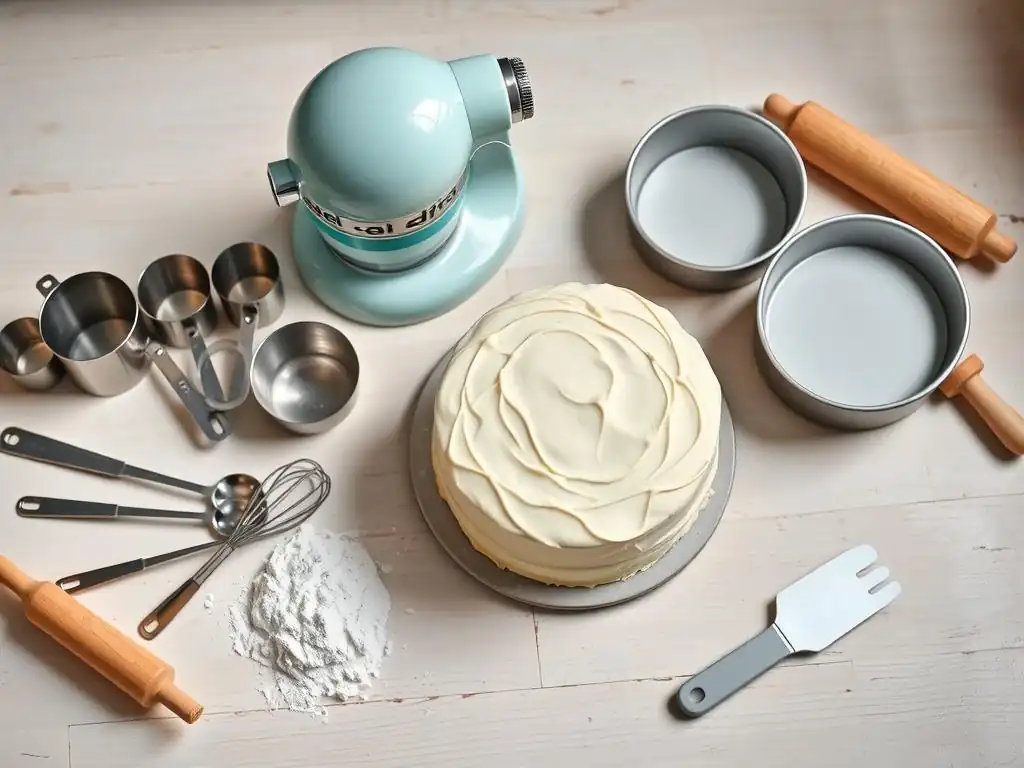
Starting with easy beginner simple cake recipes means you don't need a kitchen full of gadgets. A few basic, reliable tools will set you up for success. Having the right equipment, even simple ones, makes the process smoother and helps ensure consistent results. You likely have many of these items already. Investing in a few key pieces will make your journey into baking easy simple cake recipes much more enjoyable and efficient.
These tools are versatile and useful for many other baking and cooking tasks, so they are a worthwhile investment for any kitchen. Focusing on quality for the essentials will serve you well as you move from beginner cake recipes to more complex bakes. Don't feel pressured to buy everything at once; start with the basics needed for the easy beginner simple cake recipes you plan to try first.
Must-Have Equipment
- Measuring Cups and Spoons: Both dry measuring cups (for flour, sugar, etc.) and liquid measuring cups (for milk, oil, etc.) are crucial for accuracy. A set of measuring spoons is essential for smaller quantities like baking powder and salt.
- Mixing Bowls: You'll need at least two bowls of different sizes for mixing wet and dry ingredients separately. Glass, ceramic, or metal bowls work well.
- Whisk: A balloon whisk is great for incorporating air into dry ingredients or eggs and for smoothing out batters.
- Rubber Spatula or Silicone Spatula: Perfect for scraping down the sides of bowls and folding ingredients gently.
- Wooden Spoon or Sturdy Spoon: Useful for stirring batters and creaming butter and sugar by hand.
- Baking Pan(s): The type depends on the recipes you want to make (e.g., 8x8 or 9x13 inch square pan for sheet cakes, 9x5 inch loaf pan for banana bread/loaf cakes, microwave-safe mug for mug cakes).
- Wire Rack: For cooling cakes after baking, allowing air circulation to prevent the bottom from becoming soggy.
- Parchment Paper: Makes pan preparation easier and prevents sticking, especially useful for loaf pans or square pans.
- Oven Mitts: Essential for safety when handling hot pans.
Affordable Tools
You don't need to break the bank to get started with easy beginner simple cake recipes. Many essential tools are quite affordable and readily available at supermarkets or discount stores.
- Plastic or basic metal measuring cups and spoons sets.
- Simple glass or plastic mixing bowls.
- A basic wire whisk.
- Silicone spatulas are often inexpensive and very durable.
- Standard aluminum baking pans are affordable and conduct heat well.
- An inexpensive cooling rack.
- A roll of parchment paper.
- Basic fabric oven mitts.
Consider checking out kitchen supply sections at general stores or even thrift stores for good deals on these basic items. You can easily equip your kitchen for making easy simple cake recipes without significant expense.
Tips and Tricks for Perfect Cakes
Even with easy beginner simple cake recipes, a few simple tips can make a big difference in your results. Baking is a science as much as an art, and paying attention to details can prevent common pitfalls and ensure your easy beginner cakes turn out beautifully moist and tender every time. These little tricks are learned through experience and will elevate your baking from good to great.
Mastering these basic tips will build your confidence and improve your consistency across all the easy simple cake recipes you try. Don't be discouraged if your first bake isn't absolutely perfect; baking is a skill that improves with practice. Keep these pointers in mind, and you'll be well on your way to consistently delicious easy beginner simple cake recipes.
Measuring Ingredients
Accurate measuring is one of the most critical steps in baking, especially for easy beginner simple cake recipes. Unlike cooking, where you can often adjust as you go, baking relies on precise ratios.
- Dry Ingredients (Flour, Sugar, Cocoa Powder): For flour, gently spoon it into your dry measuring cup until it overflows slightly, then level off the excess with a straight edge (like the back of a knife). Do not scoop directly from the bag or container, as this compacts the flour and can result in using too much, leading to a dry cake. Granulated sugar can be scooped and leveled. Brown sugar should be packed firmly into the cup.
- Liquid Ingredients (Milk, Oil, Extracts): Use a liquid measuring cup (the kind with a spout and markings on the side). Place the cup on a flat surface and pour the liquid until it reaches the desired line when viewed at eye level.
- Fats (Butter, Shortening): If the recipe calls for softened butter by volume (e.g., ½ cup), pack it into a dry measuring cup. If by weight (e.g., 1 stick or 8 tablespoons), most butter packaging has markings indicating tablespoons. For melted butter or oil, use a liquid measuring cup.
Preventing Common Mistakes
Here are some frequent issues beginners face and how to avoid them when baking easy beginner simple cake recipes:
- Overmixing: Once you add the dry ingredients to the wet, mix only until just combined. Overmixing develops gluten, which makes cakes tough and dense instead of light and tender. A few small lumps of flour are usually okay.
- Incorrect Oven Temperature: Ovens can be inaccurate. Using an inexpensive oven thermometer placed inside your oven will show you the true temperature and help you adjust your oven dial accordingly. This prevents cakes from baking too quickly (burning edges, raw center) or too slowly (drying out).
- Opening the Oven Door Too Soon: Resist the urge to check on your cake constantly. Opening the oven door lets out heat, which can cause the cake to sink, especially in the early stages of baking when the structure is still setting. Wait until at least two-thirds of the way through the suggested baking time before checking.
- Not Preparing the Pan Properly: Always grease and flour your pan, or line it with parchment paper, as instructed by the recipe. This prevents the cake from sticking, which can be incredibly frustrating after a successful bake.
Oven Temperatures
Understanding oven temperature is key to successful baking, even with easy simple cake recipes. Most easy beginner cakes are baked at moderate temperatures, typically between 325°F (160°C) and 375°F (190°C).
- A standard baking temperature for many easy beginner simple cake recipes is 350°F (175°C). This allows the cake to rise evenly and cook through without the edges burning before the center is done.
- Lower temperatures (like 325°F) are sometimes used for larger or denser cakes, or when baking in glass pans, to ensure the center cooks fully without the outside overcooking.
- Higher temperatures (like 375°F) might be used for thinner cakes or quick breads where a faster set is desired.
- Always preheat your oven fully before putting your cake in. This usually takes 10-15 minutes after the oven indicates it has reached the set temperature, as the internal temperature can fluctuate. Using an oven thermometer confirms when it's truly ready.
Easy Cake Decorating
Decorating easy beginner cakes doesn't have to be complicated! The goal is simply to add a touch of flair or flavor.
- Powdered Sugar: A simple dusting of powdered sugar using a sieve or sifter adds an elegant touch with minimal effort.
- Simple Glaze: As seen with the Lemon Loaf Cake, a quick mix of powdered sugar and liquid (milk, juice, or water) creates an easy glaze to drizzle over a cooled cake.
- Basic Frosting: A simple buttercream (butter, powdered sugar, milk/cream, vanilla) can be made with an electric mixer or by hand. Spread it evenly over a cooled sheet cake or loaf cake using an offset spatula or even the back of a spoon.
- Whipped Cream and Fruit: A dollop of fresh whipped cream and some berries or sliced fruit is a light and fresh topping for any easy simple cake recipe.
- Chocolate Ganache: Heat equal parts heavy cream and chopped chocolate (by weight) in a bowl over simmering water or in the microwave, stirring until smooth. Pour over a cooled cake for a decadent, easy finish.
Storing Your Cakes for Freshness
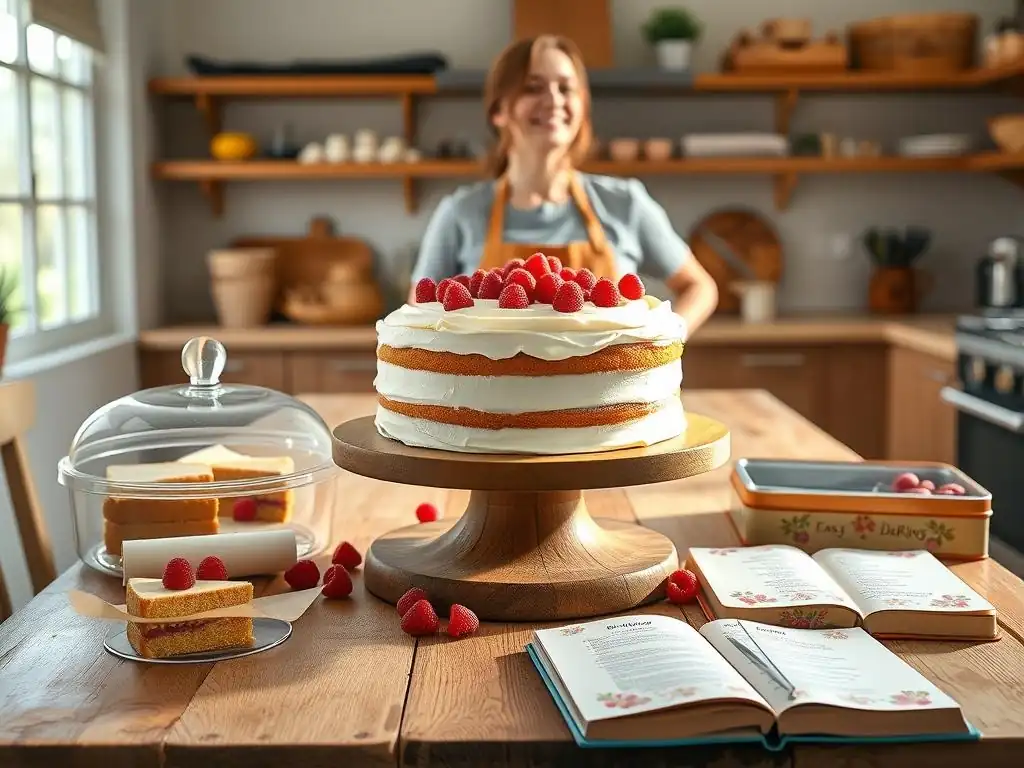
Proper storage is important to keep your easy beginner simple cake recipes tasting fresh and moist. Different types of cakes have slightly different storage needs. Following these guidelines will help you enjoy your homemade treats for as long as possible.
Whether you've made a simple sheet cake, a loaf cake, or banana bread, knowing how to store it correctly will preserve its texture and flavor. This is especially useful if you've baked a larger batch or want to save some for later. Proper storage ensures your effort results in deliciousness that lasts.
Proper Storage Techniques
- Room Temperature: Most easy beginner cakes without perishable fillings or frostings (like plain sheet cakes, loaf cakes, banana bread) can be stored at room temperature for 2-3 days. Store them in an airtight container or wrapped tightly in plastic wrap to prevent them from drying out.
- Refrigeration: Cakes with perishable fillings (like cream cheese frosting or fresh fruit fillings) should be stored in an airtight container in the refrigerator. They typically last 4-5 days. Note that refrigeration can sometimes alter the texture of plain cakes, making them slightly denser, but it extends their shelf life.
- Covering: Always ensure your cake is completely covered to protect it from air exposure, which causes staleness. Plastic wrap, aluminum foil, or an airtight cake saver or container are all effective.
Freezing Cakes
Freezing is an excellent way to store easy simple cake recipes for longer periods, up to 2-3 months.
- Cool Completely: Ensure the cake is entirely cooled before freezing. Freezing a warm cake creates condensation, leading to ice crystals and a soggy texture upon thawing.
- Wrap Tightly: For unfrosted cakes or loaf cakes, wrap the cooled cake tightly in plastic wrap, then wrap again in aluminum foil or place in a freezer-safe bag. This double layer protects against freezer burn.
- Freezing Frosted Cakes: If the cake is frosted, you can freeze it uncovered on a baking sheet until the frosting is firm (about 1-2 hours), then wrap it tightly in plastic wrap and foil or place in a container. This prevents the frosting from sticking to the wrapping.
- Thawing: To thaw, unwrap the cake (this prevents condensation from making the cake soggy) and let it sit at room temperature for several hours or overnight. Frosted cakes should be thawed in the refrigerator before bringing to room temperature, especially if the frosting is perishable.
Troubleshooting Common Problems
Even when following easy beginner simple cake recipes, you might occasionally encounter issues. Don't get discouraged! Most common baking problems have simple explanations and solutions. Learning how to troubleshoot will make you a more confident baker.
Understanding why something went wrong is the first step to fixing it next time. These are typical issues faced by beginners, and addressing them will improve your results with all easy simple cake recipes.
What to Do if Your Cake is Dry
A dry cake is often a result of overbaking, inaccurate measuring (especially too much flour), or using ingredients that aren't fresh or at the correct temperature (like cold eggs or butter when the recipe calls for softened).
- Check Oven Temperature: Use an oven thermometer to ensure your oven isn't running too hot.
- Measure Flour Correctly: Always spoon and level flour rather than scooping.
- Follow Recipe Temperatures: Ensure ingredients like butter and eggs are at room temperature if specified, as this helps them emulsify properly with other ingredients, leading to a moister cake.
- Don't Overbake: Start checking for doneness at the lower end of the suggested baking time.
- Fixing a Dry Cake: While you can't magically re-moisten a baked cake, you can serve it with moist toppings like whipped cream, ice cream, a simple syrup glaze brushed on top, or a fruit sauce.
Fixing a Cake That Sinks
A cake that sinks in the middle is usually caused by one of the following: opening the oven door too early, underbaking, using too much leavening agent (baking powder/soda), or ingredients that are too cold.
- Be Patient: Avoid opening the oven door during the first two-thirds of the baking time.
- Check for Doneness Properly: Ensure a toothpick inserted into the center comes out clean. The edges might look done, but the middle needs to be fully baked.
- Measure Leavening Accurately: Use the correct amount of baking powder or soda as specified in the easy simple cake recipe. Too much will cause the cake to rise too quickly and then collapse.
- Use Room Temperature Ingredients: Cold ingredients don't emulsify as well, which can affect the cake's structure.
Preventing Cakes from Sticking
Having a cake stick to the pan is frustrating! Proper pan preparation is the key to preventing this with easy beginner simple cake recipes.
- Grease and Flour: Thoroughly grease the inside of the pan with butter, shortening, or non-stick baking spray. Then, add a tablespoon or two of flour and tilt and tap the pan to coat the greased surfaces evenly. Tap out any excess flour.
- Parchment Paper: For loaf pans or square pans, lining the bottom (and sometimes the sides) with parchment paper cut to fit is a highly effective way to prevent sticking. Grease the pan first to help the parchment stick.
- Cooling Time: Allow the cake to cool in the pan for the recommended time (usually 10-20 minutes) before attempting to remove it. This allows the cake to firm up slightly, making it less likely to break. Don't let it cool completely in the pan unless the recipe specifies, as it could become difficult to remove.
- Use a Knife: Gently run a thin knife or offset spatula around the edges of the cake to loosen it from the pan before inverting.
Beyond the Basics: Expanding Your Repertoire
Once you've mastered a few easy beginner simple cake recipes and feel comfortable with basic techniques, you might be ready to explore new possibilities. The world of baking is vast and exciting, offering endless ways to expand your skills and creativity. Building on the foundation of easy simple cake recipes, you can gradually tackle more complex bakes.
Think of your initial success with easy beginner cakes as a springboard. You've learned about ingredients, mixing, and baking. Now you can apply that knowledge to new flavors, textures, and decorative elements.
Exploring Flavors and Variations
Your easy beginner simple cake recipes are just the starting point for flavor exploration.
- Try adding different extracts like almond, peppermint, or orange to your vanilla cake base.
- Experiment with spices like cardamom, ginger, or cloves, especially in fruit-based cakes like apple or banana bread.
- Introduce different types of chocolate chips, dried fruits (cranberries, raisins), or nuts into your batters.
- Swirl in fruit purees, jams, or even caramel sauce into a basic batter before baking.
Adding Frosting and Decorations
Moving beyond simple glazes, you can learn to make and apply various frostings.
- Practice making a classic American buttercream or a lighter whipped cream frosting.
- Experiment with different ways to apply frosting – a simple spread, rustic swirls, or using a piping bag with a basic tip.
- Learn how to crumb coat a cake before applying the final layer of frosting for a smooth finish.
- Simple decorations like sprinkles, chocolate shavings, fresh fruit, or edible flowers can add a beautiful touch to your easy simple cakes.
Next Steps: Moving on to More Advanced Recipes
Ready for a bigger challenge? Use your experience with easy beginner simple cake recipes to tackle slightly more complex bakes.
- Try a two-layer cake, which involves baking two separate layers and stacking them with frosting.
- Explore recipes that require separating eggs (like sponge cakes or some cheesecakes).
- Experiment with different types of batters, such as oil-based cakes vs. butter-based cakes, or recipes using alternative flours.
- Look for recipes that introduce new techniques, like making a meringue or working with yeast (for enriched breads that are cake-like, like brioche).
Embarking on your baking journey with easy beginner simple cake recipes is a fantastic way to build skills, confidence, and create delicious treats. Remember to have fun, don't fear mistakes (they're learning opportunities! ), and enjoy the process of bringing something sweet and wonderful to life in your kitchen. Happy Baking!
Frequently Asked Questions
What makes a cake recipe "easy" and suitable for beginners?
An easy cake recipe typically features simple ingredients, straightforward instructions, and requires minimal specialized equipment, making it accessible to novice bakers.
Where can I find readily available ingredients for these beginner cake recipes?
The recipes on BakeWithEase.com prioritize ingredients that are commonly found in most grocery stores, ensuring you can easily gather everything you need for your baking project.
What if I don't have much experience with baking; will I still be able to follow these recipes?
Absolutely! Our recipes are designed with step-by-step guides and clear explanations, making them perfect for beginners with little to no prior baking experience.
How can I ensure my beginner cake doesn't turn out dry or overbaked?
Pay close attention to the baking time and temperature specified in the recipe. Using a cake tester to check for doneness is also crucial for preventing overbaking.
What are some variations I can try once I've mastered the basic beginner cake recipes?
Once comfortable with the basics, you can experiment with different flavor extracts, frosting options, or add-ins like chocolate chips or nuts to customize your cake.
Final Reflection: The Sweetness of Simple Beginnings
The accessibility of baking, particularly cake baking, is more crucial than ever in a world that often prioritizes complicated recipes and instant gratification. Learning to bake a simple cake is not just about creating a delicious treat; it's about fostering a connection with food, building confidence in the kitchen, and discovering the joy of creating something beautiful from scratch. This collection of recipes aims to empower beginners to embrace that joy.
The impact of simple recipes extends far beyond the individual baker. They provide a foundation for future culinary adventures, fostering creativity and a deeper appreciation for the process of cooking. These recipes are a gateway, opening doors to more complex techniques and flavor combinations. As Julia Child famously said, Find something you're passionate about and keep tremendously interested in it.
This passion, ignited by the simple act of baking a successful cake, can transform a kitchen novice into a confident home baker.
Now, I invite you to roll up your sleeves, gather your ingredients, and embark on your own baking journey. Don't be afraid to experiment, to adapt, and to embrace the occasional mishap – they're all part of the learning process. Remember the satisfaction of creating something delicious with your own hands, the joy of sharing your creations with loved ones, and the lasting memories you'll build around the simple, sweet act of baking a cake. Let this collection be your springboard to a lifetime of culinary creativity.
Unleash Your Inner Baker: Simple Cakes Await!
Thanks for joining us on this delicious journey into the world of simple cakes! We hope you've found the perfect recipe to kickstart your baking adventure. Ready to get your hands floury?
- Bake your first masterpiece! Choose your favorite recipe from the collection and get started. Don't worry about perfection—just enjoy the process.
- Share your baking journey! Snap a photo of your creation and share it on social media using #BakeWithEaseBeginner. Let's inspire each other!
- Explore more beginner-friendly recipes on BakeWithEase.com – discover even more sweet treats waiting for you!
What delicious cake will you bake first?