
Butter vs. Oil: Choosing the Right Fat for Your Beginner Bake

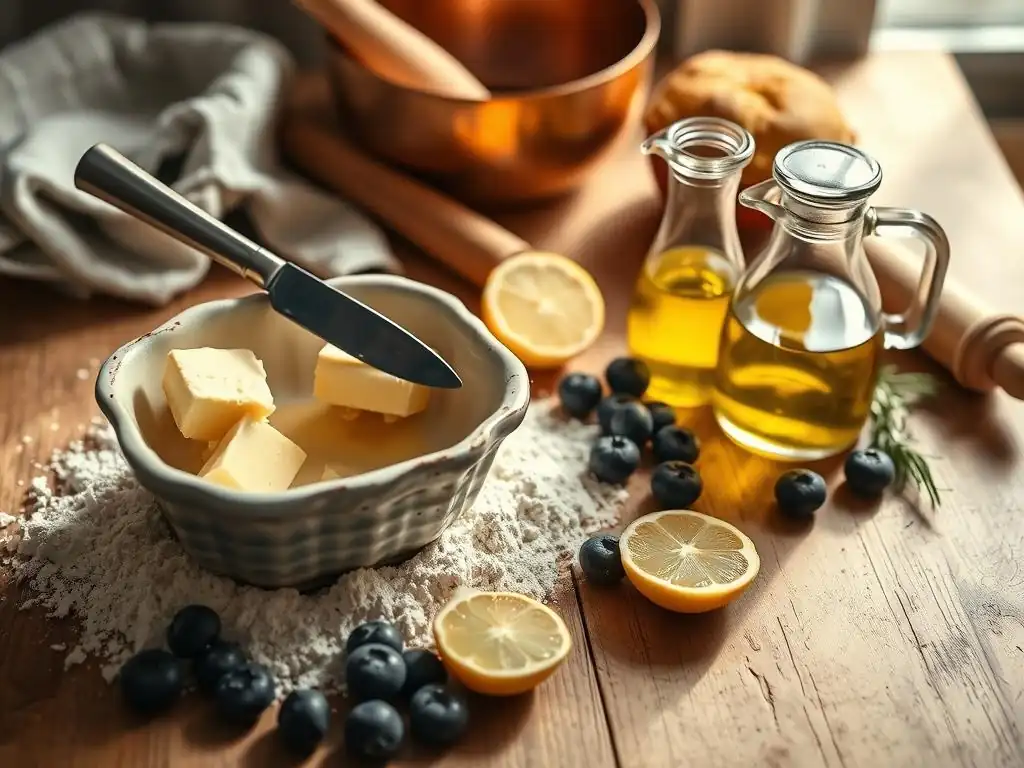
Welcome to BakeWithEase, where baking dreams take flight! Ever wondered if the secret to a truly delectable bake lies in butter or oil? This week, we're diving deep into the age-old question of the best oil for baking, unlocking the secrets to choosing the right fat for your beginner bake. Prepare to transform your kitchen into a haven of delicious possibilities – let's get started!
- Butter vs. Oil: Choosing the Right Fat for Your Beginner Bake - BakeWithEase
- Introduction: Understanding Baking Fats for Beginners at BakeWithEase.com
- Butter in Baking: Flavor, Texture, and Best Uses
- Oil in Baking: Moisture, Tenderness, and Versatility
- Butter vs. Oil: A Side-by-Side Comparison for Beginner Bakers
- Choosing the Right Fat: Matching Butter and Oil to Your Baking Needs
- Tips for Successful Baking with Butter and Oil
- Conclusion: Mastering Baking Fats for Delicious Results at BakeWithEase.com
-
Frequently Asked Questions
- What are the main differences between using butter and oil in baking?
- Which is considered the "best oil for baking" in most recipes?
- Can I substitute butter for oil, or oil for butter, in any baking recipe?
- What are some of the benefits of using oil instead of butter in baking?
- Does the type of oil used affect the flavor of the baked goods?
- Final Reflection: The Golden Ratio of Baking Success
- Unlock Your Baking Potential: Master Butter & Oil!
Butter vs. Oil: Choosing the Right Fat for Your Beginner Bake - BakeWithEase
Introduction: Understanding Baking Fats for Beginners at BakeWithEase.com
Why Fat Matters in Baking: A Beginner's Guide
Fat is one of the foundational pillars of successful baking, right alongside flour, sugar, and leavening. For beginner bakers, understanding the role of fat is crucial because it does so much more than just add richness. Fat contributes significantly to the texture, moisture, and overall flavor of your baked goods.
Think about a flaky pie crust versus a moist muffin – the type and amount of fat used play a starring role in achieving these different results. Without sufficient fat, baked goods can turn out dry, tough, and lacking in flavor. It helps tenderize the crumb by interfering with gluten development, coats starches to prevent dryness, and even helps with leavening by trapping air or creating steam.
Moreover, fat aids in the browning of crusts through the Maillard reaction and caramelization, enhancing both appearance and flavor. It also carries flavors, distributing them evenly throughout the batter or dough. Learning about different fats, like butter and oil, is an essential step in mastering basic baking techniques. Each fat behaves differently when heated and mixed with other ingredients, leading to distinct outcomes in the final product. Choosing the right fat, or combination of fats, is key to unlocking the desired characteristics of your cookies, cakes, breads, and pastries.
Butter and Oil: Two Essential Baking Ingredients Explained
Butter and oil are perhaps the two most common fats you'll encounter in beginner baking recipes. While both are fats, their fundamental differences in composition and state at room temperature lead to varied results in baking. Butter, a solid fat, is made from churned cream and contains roughly 80-82% fat, 16-18% water, and 1-2% milk solids. Its solid state allows it to be creamed with sugar, trapping air, and its water content creates steam during baking, contributing to flakiness. Butter also brings a distinct, rich, dairy flavor.
Oil, on the other hand, is a liquid fat extracted from plants, nuts, or seeds. It is typically 100% fat (or very close to it) and contains no water or milk solids. Its liquid state means it blends easily into batters, coating flour particles thoroughly and inhibiting gluten development more effectively than butter in some applications.
This often results in very tender and moist baked goods. Oils generally have a more neutral flavor profile compared to butter, though some, like coconut or olive oil, can impart their own taste. Understanding these basic differences is the first step in deciding which fat is the best choice for your specific baking project.
Butter in Baking: Flavor, Texture, and Best Uses
The Science Behind Butter in Baking: How it Works
Butter's unique composition is what makes it perform magic in many baked goods. When you cream softened butter with sugar, the sugar crystals cut into the butter, creating tiny air pockets. As the mixture is beaten, more air is incorporated and trapped within these pockets. During baking, this trapped air expands, contributing to the lift and tender crumb of cakes and cookies. This creaming method is less effective with liquid oils, which is why butter is often preferred for recipes relying on this type of aeration.
Furthermore, the water content in butter plays a crucial role, especially in pastries. When cold butter is cut into flour, it creates small, distinct pieces coated in flour. As the dough bakes, the water in the butter turns to steam, forcing the layers of dough apart and creating that desirable flaky texture found in pie crusts, biscuits, and puff pastry. The milk solids in butter also contribute to browning and flavor development during baking, giving butter-based goods a rich, golden crust and a characteristic taste that oil alone cannot replicate.
Baking with Butter: Achieving the Perfect Crumb and Texture
Using butter allows bakers to achieve a variety of textures, from the crisp edges and chewy centers of classic cookies to the flaky layers of a croissant. In cakes and muffins where the creaming method is used, butter helps create a fine, even crumb structure. The air incorporated during creaming, combined with chemical leaveners like baking powder or soda, provides lift and tenderness. For instance, a traditional pound cake gets much of its structure and tender crumb from the large amount of butter creamed with sugar.
In pastries, keeping butter cold and cutting it into the dry ingredients is essential for creating flakiness. The goal is to have small pieces of butter throughout the dough that melt during baking, leaving behind pockets and layers. Think of the distinct layers in a perfectly baked biscuit or the shatteringly crisp shell of a pie crust – these textures are largely thanks to the specific way cold butter interacts with flour and heat. Butter also solidifies as it cools, which gives cookies and shortbread a pleasant snap or chewiness after baking.
Best Butter for Baking: Salted vs. Unsalted
When a recipe simply calls for "butter," it's generally referring to unsalted butter. This is widely considered the standard and the best butter for baking precision. The primary reason is control over the salt content. The amount of salt in salted butter can vary significantly between brands, sometimes by as much as 50% or more. Using unsalted butter allows you to add the precise amount of salt specified in the recipe, ensuring consistent results every time and better control over the overall flavor balance.
While you can use salted butter in a pinch, you may need to adjust the amount of added salt in the recipe or accept a potentially saltier outcome. For beginner bakers striving for consistent success, stocking your pantry with unsalted butter is a wise choice. It's the preferred fat for delicate pastries, sensitive cake recipes, and frostings where the pure butter flavor needs to shine without interference from added salt.
When to Use Butter in Your Beginner Baking Recipes
Butter is the go-to fat when you want a rich, dairy flavor, a tender crumb created by creaming, or flaky layers. It's ideal for:
- Cookies: Especially recipes relying on creaming butter and sugar for structure and chewiness, like classic chocolate chip, sugar cookies, or shortbread. Butter contributes to spread and browning.
- Cakes: Particularly those using the creaming method (like butter cakes, pound cakes) where the rich flavor and fine crumb are desired.
- Pastries: Pie crusts, biscuits, scones, croissants – recipes where cold butter is cut into flour to create flakiness.
- Frostings: Buttercream frostings rely on butter for their creamy texture, structure, and delicious flavor.
For example, if you're baking a simple butter cake or aiming for flaky buttermilk biscuits, butter is indispensable for achieving the signature texture and taste.
Oil in Baking: Moisture, Tenderness, and Versatility
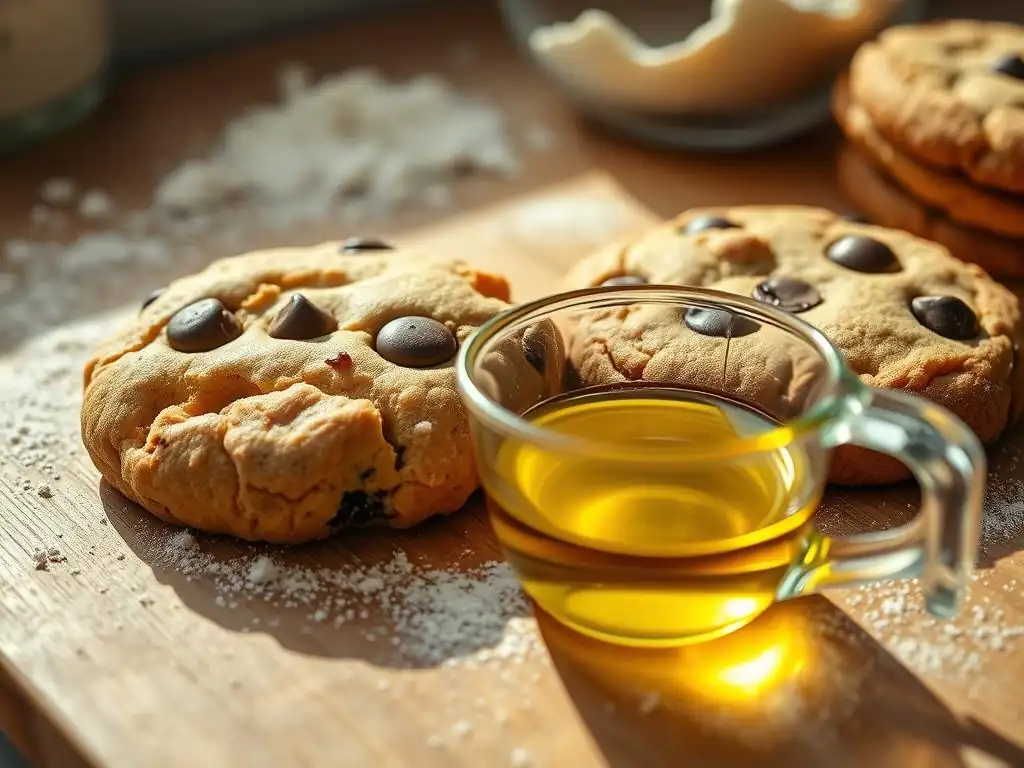
Understanding Oil's Role in Baking: A Beginner's Perspective
Oil plays a distinct but equally valuable role in baking compared to butter. Since oil is liquid at room temperature and contains virtually no water or milk solids, it interacts differently with other ingredients. When oil is mixed into a batter, it very effectively coats the flour particles. This coating inhibits the formation of gluten, the protein network that gives structure and chewiness to baked goods (like in bread). By minimizing gluten development, oil helps create incredibly tender and soft results, which is often highly desirable in cakes and muffins.
Because oil is 100% fat and liquid, it doesn't contribute to aeration through creaming like butter does. Recipes using oil often rely more heavily on chemical leaveners (baking powder, baking soda) and sometimes eggs for lift. However, oil excels at retaining moisture. Its hydrophobic nature (it repels water) means it holds onto the moisture within the baked good, keeping it soft and fresh for a longer period compared to many butter-based recipes. This makes oil a fantastic choice for baked goods that you want to stay moist for days.
Baking with Oil: Creating Moist and Tender Bakes
The primary advantage of using oil in baking is the exceptional moisture and tenderness it imparts. Because it coats flour proteins so efficiently, it prevents them from forming strong gluten bonds, resulting in a softer crumb. This is why cakes and muffins made with oil often have a more uniform, velvety texture compared to those made with butter. The liquid nature of oil also ensures it disperses easily throughout the batter, leading to consistent tenderness in every bite.
Furthermore, oil helps baked goods retain moisture over time. While butter's water content evaporates during and after baking, oil remains liquid and stable within the crumb structure. This is particularly noticeable in quick breads and muffins, which tend to stay moist and delicious for several days when made with oil, whereas butter-based versions might dry out more quickly. If you're baking something you plan to keep at room temperature for a few days, using oil is often the best choice for maintaining freshness.
The Best Oil for Baking: A Comprehensive Guide
Determining the "best oil for baking" really depends on what you're baking and the desired outcome. For most general baking purposes, especially when you want the flavor of the main ingredients (like chocolate, vanilla, or fruit) to shine through, a neutral-flavored oil is often considered the best oil for baking. These oils have a mild taste that won't interfere with or dominate the other flavors in your recipe.
However, the best oil for baking isn't always a neutral one. Sometimes, you might want the oil to contribute flavor. Coconut oil, for instance, can add a subtle tropical note, while a light olive oil can complement certain savory or rustic bakes. The key is to consider the oil's flavor profile and its smoke point, which is the temperature at which it starts to smoke and break down. For most baking temperatures (typically 300-400°F), most common baking oils have a sufficient smoke point.
Types of Oil for Baking: Exploring Flavor Profiles and Applications
The world of cooking oils offers several options suitable for baking, each with its own characteristics.
Neutral Oils for Baking: Vegetable Oil
Vegetable oil is perhaps the most common neutral oil used in baking. It's often a blend of oils like soybean, corn, or sunflower. Canola oil is another popular choice, known for its light flavor and smooth texture. These oils are prized for their neutrality, meaning they won't impart any noticeable flavor to your baked goods. This makes them the best oil for baking when you want the pure taste of ingredients like vanilla, cocoa, or fruit to be the star.
Neutral oils are excellent for moist cakes (like many box mix recipes which call for oil), muffins, quick breads, and even some cookies where a tender, chewy texture is desired. Their liquid state makes them easy to measure and incorporate into batters, often requiring less mixing than solid fats. They also tend to be relatively inexpensive and have a high smoke point suitable for standard baking temperatures.
Flavorful Oils for Baking: Coconut Oil
While neutral oils are versatile, sometimes a recipe benefits from an oil with a distinct flavor. Coconut oil is a popular example. Unrefined or "virgin" coconut oil has a noticeable coconut flavor, while refined coconut oil is more neutral. Interestingly, coconut oil is solid at room temperature but melts readily when heated, behaving somewhat like butter in certain recipes, though without the water content.
Coconut oil can add a lovely tropical note to muffins, quick breads (like banana bread), and some cookies. Olive oil, particularly a light or extra-light variety, can also be used in baking, adding a subtle fruity or peppery note that pairs well with citrus, chocolate, or savory quick breads. Using flavorful oils is a way to add another dimension to your baked goods, but it's best done in recipes specifically developed to complement their taste, or where the oil's flavor isn't overpowering.
When to Use Oil in Your Beginner Baking Recipes
Oil is the preferred fat when moisture and tenderness are the top priorities, and a rich, buttery flavor isn't essential. It's ideal for:
- Cakes: Especially those where a moist, tender crumb is key, such as chocolate cakes, spice cakes, or carrot cakes, where the strong flavors can stand up to or benefit from oil. Many simple sheet cakes and loaf cakes use oil.
- Muffins and Quick Breads: Oil keeps these baked goods incredibly moist and tender for days, preventing them from drying out quickly. Banana bread, zucchini bread, and blueberry muffins are classic examples.
- Some Cookies: While butter is common, some cookie recipes use oil for a chewier texture or to enhance moisture.
- Recipes for Dietary Needs: Oil is a common substitute for butter in dairy-free or vegan baking.
For instance, if you're making a super moist chocolate cake or a batch of tender blueberry muffins, using oil is often the best way to achieve that desired texture and keep them fresh.
Butter vs. Oil: A Side-by-Side Comparison for Beginner Bakers
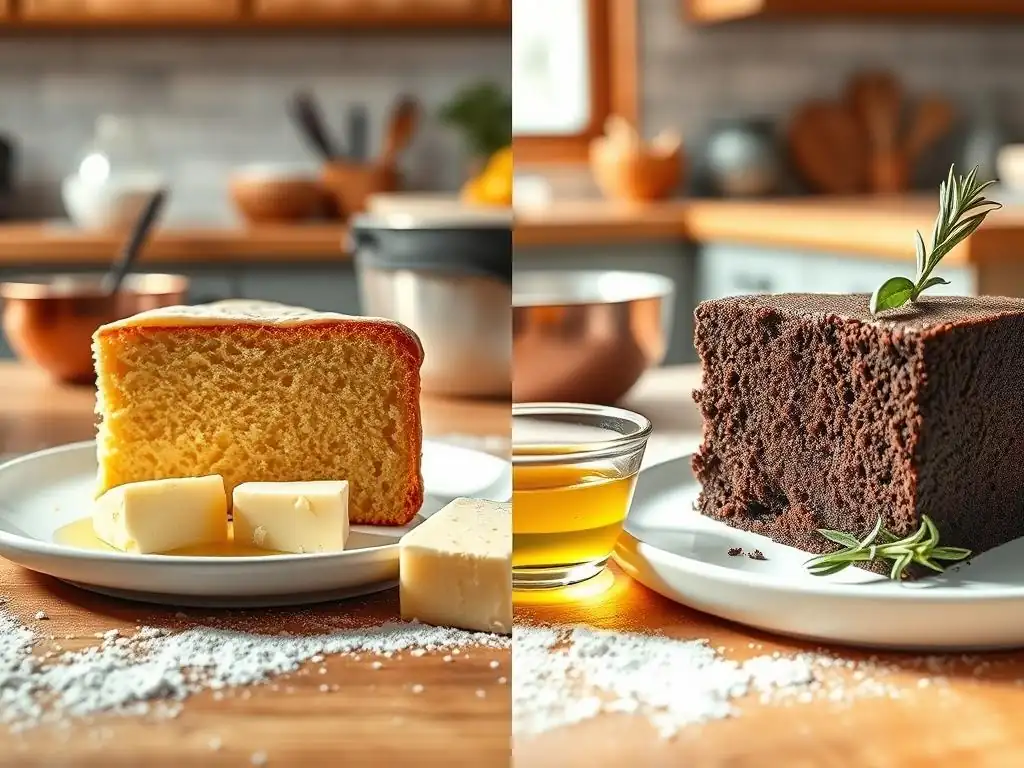
| Feature | Butter | Oil |
|---|---|---|
| State | Solid (at room temp) | Liquid (at room temp) |
| Composition | ~80-82% fat, water, milk solids | ~100% fat |
| Flavor | Rich, dairy, distinct | Neutral or specific (depending on type) |
| Texture | Flaky (pastries), crisp (cookies), structured crumb (cakes) | Tender, moist, soft crumb (cakes, muffins) |
| Moisture | Retains moisture well initially, but can dry over time | Retains moisture exceptionally well, keeps bakes fresh longer |
| Aeration | Excellent for creaming (traps air) | Does not trap air effectively (no creaming) |
| Cost | Generally more expensive | Generally less expensive |
Flavor Comparison: Butter vs. Oil in Baked Goods
The difference in flavor between butter and oil in baked goods is significant and often the deciding factor in which to use. Butter imparts a distinctive, rich, creamy, and slightly sweet dairy flavor that is instantly recognizable and highly prized in many traditional recipes. Think of the pure, unadulterated taste of a classic shortbread cookie or the base flavor of a vanilla buttercream frosting – that's the power of butter's flavor contribution.
Oil, by contrast, is often chosen for its lack of flavor, especially neutral oils like vegetable or canola oil. When you use a neutral oil, the flavors of the other ingredients – chocolate, spices, fruit, vanilla – are allowed to dominate.
This is why a rich chocolate cake or a vibrant lemon loaf might call for oil; you want the cocoa or citrus flavor to be the star, not the fat. Some oils, like coconut or olive oil, do add their own specific flavor notes, which can be used intentionally to complement other ingredients, but they don't provide the classic "buttery" taste.
Texture Comparison: How Butter and Oil Affect Your Bakes
Butter and oil create fundamentally different textures in baked goods. Butter, especially when used cold and cut into flour, is responsible for creating flaky layers in pastries like pie crusts and biscuits. As the small pieces of butter melt, the water turns to steam, pushing apart layers of dough.
When creamed with sugar, butter creates a network of air bubbles that contribute to a tender, structured crumb in cakes and a spread and chewiness in cookies. A butter-based cake crumb is often described as fine and even, while butter cookies tend to have a crisp edge and a firmer chew.
Oil, being liquid and coating flour particles effectively, excels at creating tenderness and a soft crumb. It inhibits gluten development more thoroughly than butter, resulting in baked goods that are often softer and sometimes have a slightly denser, more uniform texture compared to butter-based versions. Muffins and quick breads made with oil often have a very moist, tender crumb that doesn't produce noticeable flakes or layers. The texture difference is evident when comparing a flaky butter-based scone to a soft, oil-based muffin.
Moisture Comparison: Which Fat Keeps Your Bakes Moist Longer?
When it comes to keeping baked goods moist over time, oil generally has the edge. Since oil is 100% fat (or very close) and liquid at room temperature, it coats the crumb structure and prevents moisture from escaping as readily as it does in butter-based bakes. Butter, containing about 16-18% water, loses this moisture during the baking process and as the baked good sits, which can lead to a drier texture relatively quickly.
Baked goods made with oil, such as many types of cakes, muffins, and quick breads, tend to stay soft and moist for several days at room temperature. This makes oil an excellent choice for items you might bake ahead of time or store for a few days. While butter provides wonderful flavor and texture initially, oil often wins out in terms of prolonged moisture and freshness.
Cost and Availability: Butter vs. Oil for Baking
Both butter and various types of oil are widely available in most grocery stores, making them accessible fats for beginner bakers. However, there is typically a difference in cost. Generally speaking, cooking oils like vegetable or canola oil are less expensive per volume than butter. The price of butter can also fluctuate more significantly depending on dairy markets.
For instance, a pound of butter often costs more than a similar weight or volume of a standard vegetable or canola oil. While premium oils like extra virgin olive oil or specialty nut oils can be more expensive than butter, the most common oils used in baking represent a more budget-friendly option compared to butter. If cost is a primary consideration for your baking project, using oil where appropriate can help reduce expenses.
Choosing the Right Fat: Matching Butter and Oil to Your Baking Needs
Best Oil for Baking Cakes: Chocolate Cake
For many types of cakes, especially those with strong flavors like chocolate, oil is often the preferred fat, and a neutral oil is frequently considered the best oil for baking these recipes. Oil contributes incredible moisture and tenderness, resulting in a soft, velvety crumb that stays fresh for days. In a rich chocolate cake, the intense cocoa flavor is the star, and a neutral oil like vegetable or canola oil allows that flavor to shine without the added dairy notes of butter.
Using oil also simplifies the mixing process for cakes, as there's no need for creaming. Ingredients can often be whisked together quickly. A classic oil-based chocolate cake recipe is a prime example where the tenderness and moisture provided by oil are highly desirable characteristics, making it arguably the best fat for this specific application.
While butter is traditional for many cookie recipes due to its contribution to spread, crispness, and flavor, oil can be used, sometimes in combination with butter, to affect texture, particularly in cookies like oatmeal cookies. Using a portion of oil (often a neutral one, considered a good oil for baking in this context) can increase chewiness and moisture retention in cookies.
For instance, some oatmeal cookie recipes might use a blend of melted butter and oil. The melted butter provides some flavor and helps with browning, while the oil adds moisture and chewiness. While not universally the "best oil for baking" all types of cookies, it can be the optimal choice for specific recipes aiming for a softer, chewier outcome rather than a crisp, buttery snap.
Butter or Oil for Muffins: Considerations for Muffins
The choice between butter and oil for muffins significantly impacts the final texture and shelf life. Muffins made with melted butter often have a slightly crisp top crust and a tender, cake-like crumb. The butter contributes a lovely flavor. However, they can sometimes dry out relatively quickly.
Muffins made with oil, on the other hand, typically have a softer, more moist crumb that remains tender for several days. There's less of a distinct crust, and the texture is often more uniform throughout. Many classic muffin recipes, especially fruit or vegetable-based ones like blueberry or zucchini muffins, call for oil specifically for this long-lasting moisture. When deciding between butter or oil for muffins, consider whether you prioritize a buttery flavor and slight crust (butter) or maximum tenderness and moisture retention (oil).
When to Substitute Oil for Butter (and Vice Versa) in Beginner Recipes
Substituting oil for butter (or butter for oil) in a recipe is possible, but it's not always a simple 1:1 swap and can change the outcome significantly. As a general guideline for cakes and muffins where the fat is melted or liquid in the original recipe, you can often substitute about 3/4 cup of oil for 1 cup of butter. However, because butter contains water and milk solids while oil is pure fat, this substitution will impact texture and moisture. The resulting bake will likely be more tender and moist but may lack some of the flavor and structural characteristics that butter provides.
Substituting cold butter for oil (like in a quick bread recipe) or substituting oil for butter in recipes relying on the creaming method for leavening (like classic butter cakes or cookies) is trickier and often not recommended for beginners unless the recipe specifically provides conversion instructions. The texture will change dramatically. Always look for tested substitution guides or recipes designed for the fat you want to use.
Tips for Successful Baking with Butter and Oil
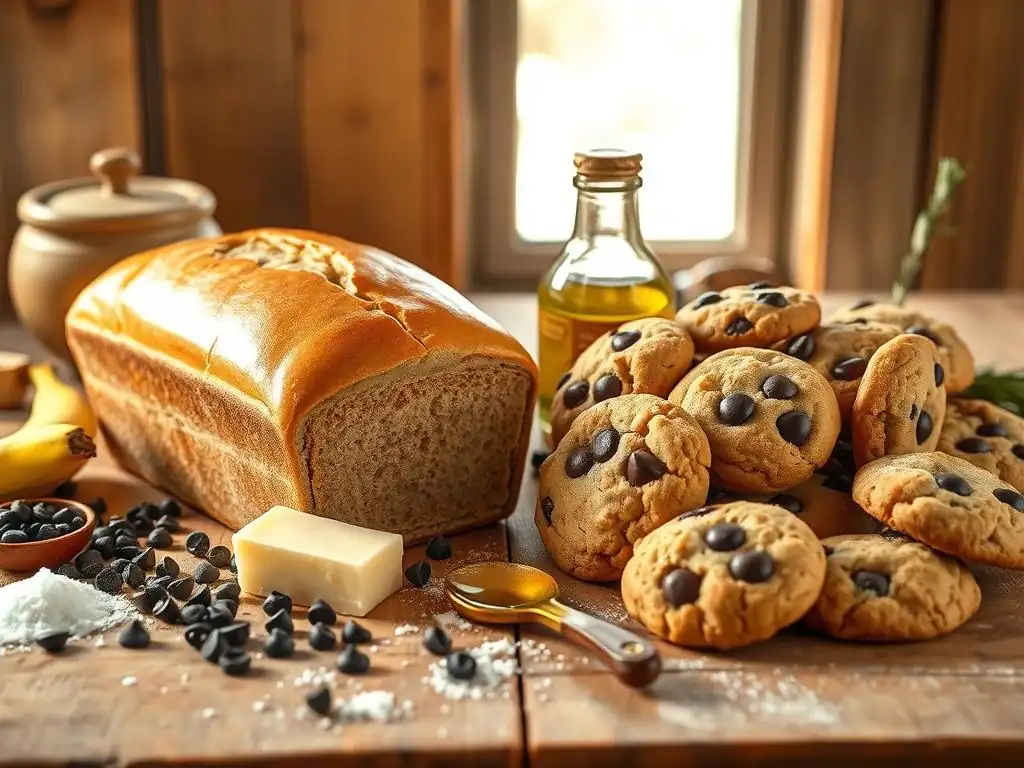
Measuring Butter and Oil Accurately for Baking Success
Accurate measurement is non-negotiable in baking, regardless of the fat you're using. For solid fats like butter, recipes usually call for softened or cold butter measured by volume (cups) or weight (grams/ounces). When measuring softened butter in cups, pack it firmly into the measuring cup to eliminate air pockets. For cold butter in recipes requiring it to be cut in, using the markings on the butter wrapper or weighing it is most accurate.
Liquid oils are measured using liquid measuring cups, placed on a flat surface at eye level to ensure the correct amount. For maximum accuracy, especially in more sensitive recipes, consider using a kitchen scale to weigh both butter and oil, as weight measurements are generally more precise than volume. Consistency in measurement is key to consistent baking results.
Temperature Matters: Working with Butter and Oil
The temperature of your fat is often specified in a recipe for a reason. For butter, "softened" butter (usually around 65-70°F or 18-21°C) is essential for creaming with sugar to incorporate air. "Cold" butter, cut into pieces, is necessary for creating flaky layers in pastries and biscuits. Using butter at the wrong temperature will negatively impact the texture.
Oil, being liquid at room temperature, doesn't have the same temperature requirements for mixing consistency (unless a recipe specifies melted butter or solid coconut oil). However, ensuring other ingredients like eggs and dairy are at room temperature when mixing with oil can help create a smoother, more emulsified batter, preventing the batter from looking curdled. Always pay close attention to the fat temperature specified in your recipe.
Adjusting Recipes: Adapting to Butter or Oil Substitutions
As mentioned, substituting butter and oil isn't always straightforward. If you're a beginner, it's often best to start with recipes specifically developed for the fat you want to use. If you must substitute, be aware that the texture and possibly the flavor profile will change. For example, replacing butter with oil in a flaky pie crust recipe will result in a tender but not flaky crust.
If you are experimenting with substitution, especially in recipes where the fat plays a crucial structural role (like creaming in a butter cake), start by finding reliable conversion charts or guides that address not just the volume difference but also potential adjustments to liquids or leaveners needed to compensate for the change in fat composition. Alternatively, search for a similar recipe that already uses the desired fat, which is often the easiest path to success for beginners.
Conclusion: Mastering Baking Fats for Delicious Results at BakeWithEase.com
The Key to Baking Success: Experimentation and Understanding
Mastering baking fats like butter and oil is a fundamental step in becoming a confident baker. Both fats are incredibly useful and contribute unique qualities to baked goods. Butter provides unparalleled flavor, structure, and the ability to create flaky layers and aerated crumbs. Oil offers exceptional moisture, tenderness, and versatility, often being the best oil for baking recipes where those qualities are paramount. Understanding why a specific fat is used in a recipe – whether for flavor, texture, moisture, or structure – is more important than simply following instructions blindly.
Don't be afraid to try recipes that feature each type of fat to experience the differences firsthand. Bake a batch of classic butter cookies and a batch of oil-based muffins. Compare their textures, flavors, and how long they stay fresh. This hands-on experimentation, combined with the knowledge of how each fat functions, will build your intuition and help you choose the right fat for your baking goals, whether it's finding the best oil for baking a super moist cake or creating the flakiest butter biscuits.
Your Baking Journey Starts Here: Exploring Butter and Oil
At BakeWithEase.com, we provide simple, clear recipes designed to help beginners succeed. Many of our recipes feature either butter or oil, guiding you through the techniques needed to work with each fat effectively. Whether you're creaming butter for a tender cake or whisking oil into a moist muffin batter, our step-by-step guides make it easy.
Embrace the differences between butter and oil as tools in your baking arsenal. Each has its strengths, and knowing when and how to use them will elevate your baking from good to great. So grab your ingredients, choose a recipe featuring the fat you want to explore, and start your delicious baking journey with confidence!
Frequently Asked Questions
What are the main differences between using butter and oil in baking?
The key difference lies in the fat content and the resulting texture. Butter contributes to a richer, more tender crumb, while oil typically leads to a moister bake.
Which is considered the "best oil for baking" in most recipes?
While it depends on the recipe, neutral-flavored oils like vegetable oil or canola oil are often considered the best all-purpose choices for baking due to their versatility.
Can I substitute butter for oil, or oil for butter, in any baking recipe?
Substituting directly isn't always ideal. You'll need to adjust the amount, as butter contains water. Consider the desired texture and adjust accordingly.
What are some of the benefits of using oil instead of butter in baking?
Oil can result in a moister final product that stays fresh for longer. It's also a good option for vegan baking and can be more cost-effective than butter.
Does the type of oil used affect the flavor of the baked goods?
Yes, some oils, like olive oil or coconut oil, have distinct flavors that will impact the taste of your baked goods. Choose wisely based on the recipe.
Final Reflection: The Golden Ratio of Baking Success
The choice between butter and oil isn't just a matter of preference; it's a fundamental decision that significantly impacts the texture, flavor, and overall success of your baked goods. Understanding the nuances of each fat, as explored throughout this article, is crucial for any aspiring baker aiming to consistently achieve delicious results. The seemingly simple question of "best oil for baking" reveals a deeper world of culinary science and artistry.
This exploration into the world of baking fats has profoundly impacted my own approach to recipe development and execution. I've learned to appreciate the unique contributions of both butter and oil, moving beyond simple substitution and embracing their individual strengths. The best baker is the one who knows how to adapt and understand the ingredients they are working with.
This quote, though not directly about butter and oil, perfectly encapsulates the core message of this article: informed choice leads to superior results.
Now, it's your turn to experiment! Don't be afraid to try different oils and butters in your favorite recipes, paying close attention to the resulting textures and flavors. Embrace the learning process, celebrate your successes, and don't be discouraged by occasional setbacks. The journey of mastering baking is a rewarding one, filled with delicious discoveries and the satisfaction of creating something truly special. So, grab your apron, choose your fat wisely, and happy baking!
Unlock Your Baking Potential: Master Butter & Oil!
Thanks for diving into the world of baking fats with us! We hope you now feel more confident in choosing the right fat for your next delicious creation. Ready to put your newfound knowledge into practice?
- Bake a masterpiece! Try substituting butter for oil (or vice versa!) in one of your favorite recipes and see the difference. Note down your observations – you might be surprised by the results!
- Share your baking journey! Let us know on our social media channels what you bake and which fat you choose. We’d love to see your creations!
- Explore our recipe archives for more delicious inspiration and discover new ways to use both butter and oil in your baking adventures.
So, what incredible bake are you going to tackle next?