
Unlock the Flavor: Using Spices in Beginner Classic Cookies


Welcome to BakeWithEase, your kitchen companion for unlocking baking brilliance! Ever wondered how a simple dash of spice can transform ordinary cookies into extraordinary treats? Dive into our guide on Easy Spices Beginner Cookies and discover how to elevate your baking game, one delicious bite at a time. Intrigued? There's a whole world of flavor waiting to be explored...
- BakeWithEase: Elevating Classic Cookies with Spices
- Why Add Spices to Your Cookie Recipes?
- Essential Spices for Cookie Baking
- Spice Combinations for Cookie Recipes
- Step-by-Step: Adding Spices to Your Cookie Dough
- Recipes: Spiced Cookie Variations
- Troubleshooting: Common Spice-Related Baking Issues
- Storing Your Spiced Cookies for Maximum Freshness
- Elevate Your Baking: Exploring Beyond the Basics with Spices
-
Frequently Asked Questions
- How can spices enhance the flavor of beginner cookies?
- Which are the easiest spices to use in beginner cookie recipes?
- How much spice should I add to my beginner cookie dough?
- What are some classic cookie recipes that are good for experimenting with spices?
- Can I combine different spices in my beginner cookie recipes?
- Final Reflection: The Unexpected Symphony of Spices in Simple Cookies
- Unlock Your Inner Pastry Chef: Spice Up Your Baking!
Welcome to BakeWithEase, where we believe that baking should be fun, accessible, and absolutely delicious! If you're just starting your baking journey and mastering classic cookies like sugar cookies or chocolate chip, you might think they're perfect as they are. And yes, they are wonderful! But did you know that a simple addition of spices can transform your easy spices beginner cookies into something truly extraordinary? Adding spices is one of the most straightforward ways to infuse depth and complexity into your favorite treats, making your baking stand out with minimal effort.
Adding spices isn't just about changing the flavor; it's about enhancing the entire cookie experience. From the warm aroma that fills your kitchen as they bake to the subtle notes that linger after each bite, spices create a sensory delight. For beginner bakers, this is a fantastic way to experiment with flavor profiles without tackling complicated techniques. We'll guide you through choosing the best easy spices for beginner cookies and how to use them effectively to elevate your baking results.
Adding spices to your cookie recipes dramatically enhances their flavor profiles, moving beyond simple sweetness. A plain sugar cookie, for instance, primarily offers the taste of sugar, butter, and vanilla. Introducing a spice like cinnamon or nutmeg adds layers of warmth and aromatic complexity that make the cookie more interesting and satisfying. This is especially true for easy spices beginner cookies, where a simple base recipe can be transformed with just a pinch of spice.
Consider a classic chocolate chip cookie. While delicious on its own, adding a touch of cinnamon or a pinch of cayenne pepper (yes, chili powder!) can bring out the depth of the chocolate flavor. Cinnamon complements the sweetness and richness, while a tiny bit of chili can provide a subtle warmth that accentuates the cocoa notes. This simple step elevates a familiar treat into a gourmet experience, proving that enhancing flavor profiles in cookies is achievable even for beginners.
Spice Up Your Baking: A Guide
Incorporating spices is a simple yet powerful technique to spice up your baking. It allows you to personalize standard recipes and discover new flavor combinations. For those making easy spices beginner cookies, starting with a few common spices is key. You don't need a large spice rack to begin; just a few versatile options can open up a world of flavor possibilities.
This guide aims to show you just how easy it is to introduce spices into your cookie dough. We'll cover everything from selecting the right spices to knowing when and how to add them for the best results. Mastering the use of spices is a valuable skill for any baker, and it's one that yields delicious rewards with very little effort, making it perfect for spicing up your beginner-friendly cookie recipes.
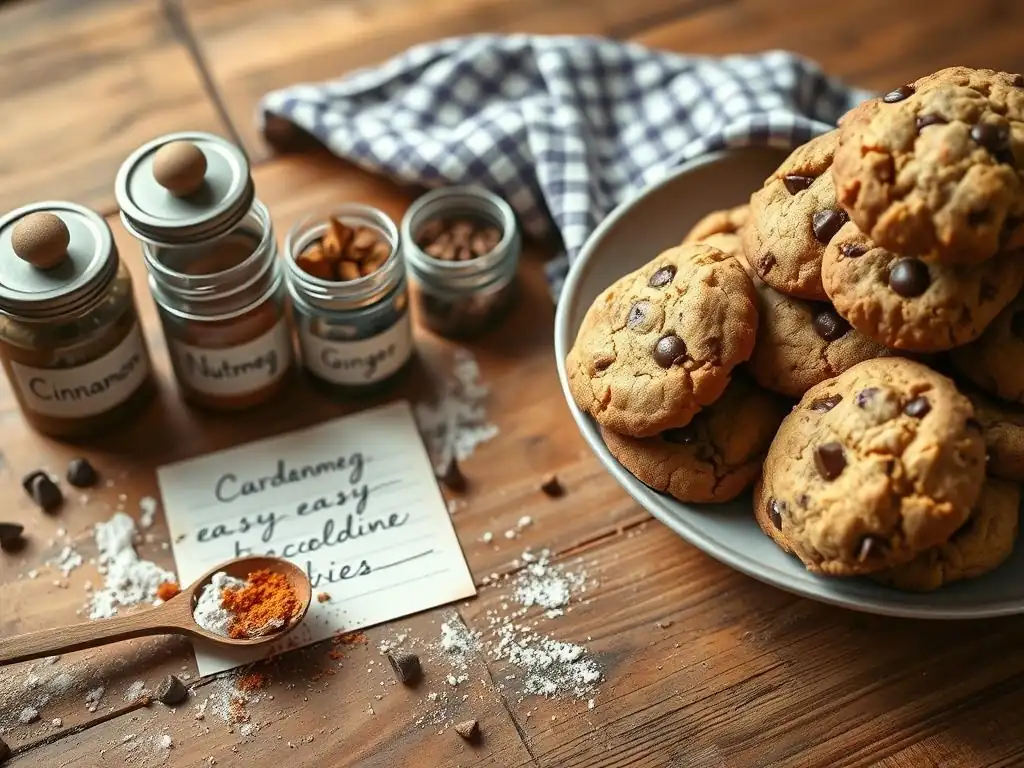
Cinnamon is perhaps the most ubiquitous spice in cookie baking, and for good reason. Its warm, sweet, and slightly woody notes pair beautifully with butter, sugar, and flour – the core ingredients of most cookies. It's a must-have among easy spices for beginner cookies. Think of classic snickerdoodles, where cinnamon sugar is the star, or spiced oatmeal cookies, which rely heavily on cinnamon's comforting aroma.
Using cinnamon is straightforward. You can add ground cinnamon directly to your dry ingredients or mix it with sugar for rolling or sprinkling. For a more intense flavor, you can use cinnamon sticks to infuse milk or butter before adding them to your dough, though this is a slightly more advanced technique. For beginner cookies, simply adding 1/2 to 1 teaspoon of ground cinnamon per batch of dough is usually enough to make a noticeable difference.
Nutmeg: Adding Warmth and Depth
Nutmeg brings a distinct warm, slightly sweet, and pungent flavor that complements cinnamon wonderfully but also stands strong on its own. It adds depth to baked goods, making them feel richer and more complex. Freshly grated nutmeg is significantly more aromatic and flavorful than pre-ground, so if possible, invest in a whole nutmeg and a small grater.
A little nutmeg goes a long way. For most cookie recipes, a quarter to half a teaspoon of ground nutmeg (or about 1/8 to 1/4 teaspoon freshly grated) is sufficient for a batch of cookies. It pairs exceptionally well with ingredients like oats, brown sugar, and cream cheese. Adding nutmeg to your easy spices beginner cookies, like sugar cookies or shortbread, provides a subtle but sophisticated twist.
Ginger provides a warm, spicy, and slightly peppery kick that is invigorating and adds a pleasant warmth, especially in cooler weather. It's the defining flavor in gingerbread cookies and ginger snaps, offering a more assertive spice profile than cinnamon or nutmeg. Both ground ginger and fresh ginger can be used, though ground ginger is more common and easier to work with in cookie dough for beginners.
Ground ginger is potent, so start with a modest amount, perhaps 1/2 to 1 teaspoon per batch, depending on how spicy you like your cookies. It pairs well with molasses, brown sugar, and other warm spices like cinnamon and clove. Using ginger is a great way to add a vibrant, zesty element to your easy spices beginner cookies, creating a memorable flavor experience.
Allspice: The All-in-One Spice Blend
Despite its name, allspice is a single spice, the dried berry of the Pimenta dioica tree. Its flavor profile is often described as a combination of cinnamon, nutmeg, and cloves, hence "allspice." This makes it incredibly convenient for beginner bakers as it provides a complex spice blend from just one ingredient. It's a versatile addition to your collection of easy spices for beginner cookies.
Allspice works well in recipes that call for a mix of warm spices, such as gingerbread or spiced sugar cookies. It contributes a rounded, comforting flavor without requiring you to measure multiple different spices. Start with about 1/2 teaspoon per batch of dough. Its unique blend of flavors makes it a simple way to add significant depth to your easy spice cookie recipes.
Cardamom: Aromatic and Floral Notes
Cardamom offers a unique, intensely aromatic, and slightly floral flavor with hints of citrus and eucalyptus. It's widely used in Scandinavian and Middle Eastern baking and can bring an exotic twist to familiar cookie recipes. While perhaps less common than cinnamon, it's an easy spice to incorporate and adds a sophisticated flavor to beginner cookies.
Ground cardamom is potent. A quarter to half a teaspoon per batch of cookies is usually plenty. It pairs beautifully with citrus zest, vanilla, and other warm spices like ginger and cinnamon. Adding cardamom to simple sugar cookies or shortbread can transform them, introducing a fragrant and intriguing dimension that elevates the classic flavors.
Cinnamon and Nutmeg: A Timeless Pairing
The combination of cinnamon and nutmeg is a classic for a reason. They share warm, comforting notes that are amplified when used together, creating a harmonious blend perfect for many types of cookies. This pairing is a go-to for easy spices beginner cookies, offering a familiar and beloved flavor profile. Think of pumpkin spice blends, which heavily feature these two spices alongside others.
Using them together is simple: combine your desired amounts and add them to the dry ingredients. A typical ratio might be 2 parts cinnamon to 1 part nutmeg, for example, 1 teaspoon cinnamon and 1/2 teaspoon nutmeg for a batch of cookies. This combination is excellent in oatmeal cookies, sugar cookies, and even simple butter cookies, adding a layer of warmth and complexity.
Ginger and cinnamon together create the quintessential spice cookie flavor. The fiery warmth of ginger is balanced by the sweet, comforting notes of cinnamon, resulting in a vibrant and deeply flavored cookie. This pairing is essential for recipes like gingerbread and spiced molasses cookies, offering a bolder taste than cinnamon and nutmeg alone.
For a classic spiced cookie flavor, try a ratio of roughly equal parts ginger and cinnamon, or slightly more cinnamon if you prefer less heat. For instance, 3/4 teaspoon ginger and 1 teaspoon cinnamon per batch. This blend is fantastic in chewy cookies made with molasses or brown sugar, providing that perfect balance of sweetness and spice that defines many beloved holiday cookies.
Allspice and Clove: A Festive Blend
Allspice, with its inherent blend of flavors, pairs wonderfully with the intense, pungent warmth of clove. Clove is a very strong spice, so it should be used sparingly, especially when combined with allspice. This combination is particularly evocative of festive holiday baking, adding a deep, warm, and slightly peppery note.
When combining allspice and clove, use significantly less clove than allspice. A good starting point might be 1/2 teaspoon allspice and just 1/8 teaspoon ground clove for a batch of cookies. This blend works well in darker cookies, like those made with molasses or cocoa powder, adding a rich, aromatic depth. It's a simple way to give your easy spices beginner cookies a distinctly celebratory feel.
Cardamom and Ginger: Exotic Warmth
Combining cardamom and ginger creates a blend that is both warm and exotically aromatic. The floral, citrusy notes of cardamom meld with the zesty heat of ginger for a unique flavor profile that is both intriguing and comforting. This pairing is less traditional in classic American cookies but is becoming increasingly popular for its sophisticated taste.
Try using slightly more ginger than cardamom to balance the flavors. For example, 1/2 teaspoon ginger and 1/4 teaspoon cardamom per batch. This blend is excellent in sugar cookies, shortbread, or even simple butter cookies, offering a surprising and delightful flavor. It's a great combination for beginner bakers looking to explore beyond the most common spice pairings.
Measuring Spices Accurately for Consistent Flavor
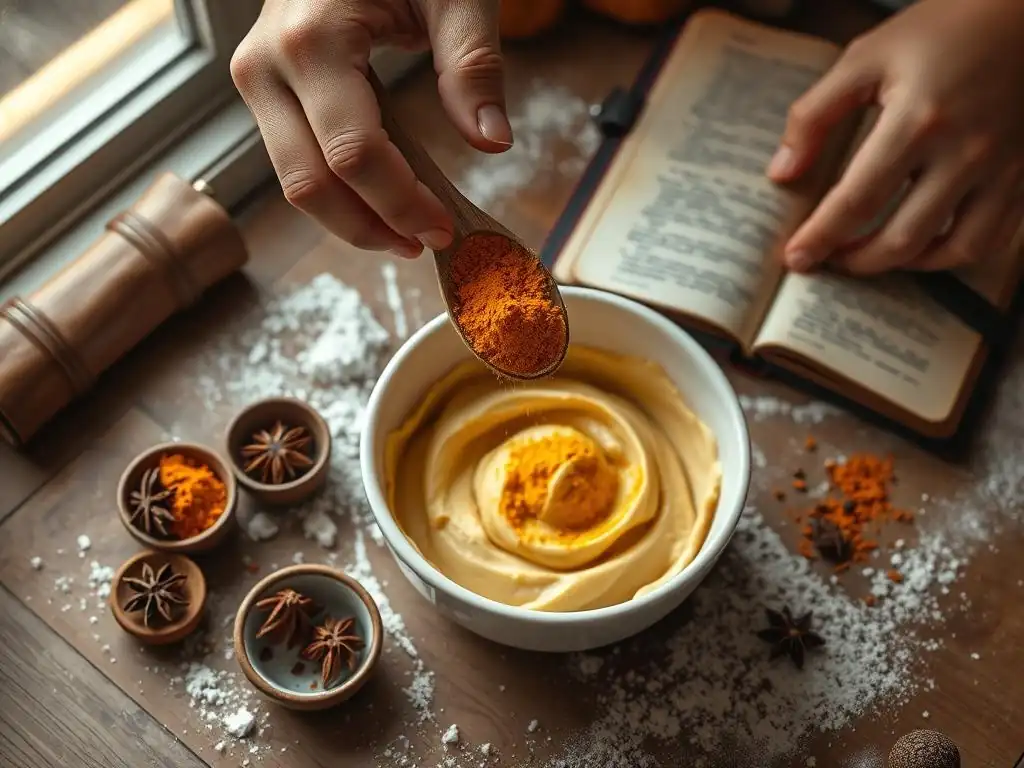
Accurate measurement is crucial when working with spices, especially the more potent ones like clove or ginger. Too much can easily overpower other flavors, while too little might not make a noticeable difference. Using standard measuring spoons and leveling off the spice ensures you add the intended amount, leading to consistent results every time you bake your easy spices beginner cookies.
For ground spices, use dry measuring spoons. Dip the spoon into the spice jar or bag, overfilling it slightly, then use a straight edge (like the back of a knife or a leveling tool) to scrape off the excess, leaving the spice level with the rim of the spoon. This method ensures that 1 teaspoon of cinnamon is always the same amount, helping you perfect your spiced cookie recipes batch after batch.
When to Add Spices for Optimal Dispersion
For most ground spices in cookie dough, the best time to add them is with the dry ingredients (flour, baking soda/powder, salt). Whisking the spices into the flour mixture helps distribute them evenly throughout the dough before the wet ingredients are added. This prevents pockets of concentrated spice and ensures that every bite of your easy spices beginner cookies has a balanced flavor.
Adding spices to the dry ingredients ensures they are fully incorporated before gluten develops significantly, which can make thorough mixing more difficult. While some recipes might suggest adding them with wet ingredients, especially if blooming them in butter, mixing with the flour is a reliable method for beginners to achieve even spice distribution without extra steps.
Tips for Blooming Spices in Butter or Sugar
Blooming spices involves briefly heating them in a fat (like butter) or sugar. This process helps release the fat-soluble flavor compounds, intensifying their aroma and taste. While not strictly necessary for all spices or beginner recipes, it's a technique that can noticeably enhance the flavor of spices like cinnamon, cardamom, or star anise in your easy spices beginner cookies.
To bloom spices in butter, melt the butter over low heat, add the ground spices, and stir for 30-60 seconds until fragrant. Be careful not to burn them. Then, let the spiced butter cool slightly before incorporating it into your cookie dough as the recipe directs. For blooming in sugar (less common for cookies but used in some cakes), you might mix spices with sugar and gently heat or just let them sit together for a while to infuse.
Transform a simple sugar cookie into a warm, comforting treat by adding cinnamon. This is one of the easiest ways to make easy spices beginner cookies.
- Ingredients:
- 1 cup unsalted butter, softened
- 1 1/2 cups granulated sugar
- 2 large eggs
- 1 tsp vanilla extract
- 2 3/4 cups all-purpose flour
- 1 tsp baking soda
- 1/2 tsp salt
- 1 tsp ground cinnamon
- Instructions:
- Cream butter and sugar until light and fluffy.
- Beat in eggs one at a time, then stir in vanilla.
- In a separate bowl, whisk together flour, baking soda, salt, and cinnamon.
- Gradually add dry ingredients to wet ingredients, mixing until just combined.
- Chill dough for at least 1 hour.
- Preheat oven to 375°F (190°C).
- Roll dough and cut shapes or roll into balls.
- Bake for 8-10 minutes, or until edges are lightly golden.
A single teaspoon of cinnamon woven into this classic recipe adds a warm, inviting undertone that elevates the simple sweetness without making it overly complex. The aroma while baking is delightful, and the resulting cookies have a subtle spice note that is comforting and familiar, perfect for beginners.
Oatmeal cookies are hearty and chewy, and the addition of nutmeg complements the oats and raisins beautifully, adding depth and warmth. This is a great example of using easy spices in beginner cookies.
- Ingredients:
- 1/2 cup unsalted butter, softened
- 1/2 cup granulated sugar
- 1/2 cup packed brown sugar
- 1 large egg
- 1 tsp vanilla extract
- 1 1/2 cups all-purpose flour
- 1 tsp baking soda
- 1/2 tsp salt
- 1/2 tsp ground nutmeg
- 1 1/2 cups rolled oats
- 1 cup raisins
- Instructions:
- Cream butter and sugars until combined.
- Beat in egg and vanilla.
- In a separate bowl, whisk together flour, baking soda, salt, and nutmeg.
- Gradually add dry ingredients to wet ingredients.
- Stir in oats and raisins.
- Drop spoonfuls onto baking sheets.
- Bake at 375°F (190°C) for 10-12 minutes.
Adding 1/2 teaspoon of nutmeg to this recipe enhances the natural nuttiness of the oats and the sweetness of the raisins. It provides a subtle, warm background note that makes these cookies feel even more wholesome and comforting. It's a simple tweak that significantly improves the flavor profile.
Ginger Snaps: A Recipe
Ginger snaps are a classic spicy cookie, defined by the bold flavor of ginger and often molasses. While they might sound complex, they are quite beginner-friendly.
- Ingredients:
- 3/4 cup unsalted butter, softened
- 1 cup granulated sugar, plus more for rolling
- 1 large egg
- 1/4 cup molasses
- 2 cups all-purpose flour
- 2 tsp ground ginger
- 1 tsp ground cinnamon
- 1/2 tsp ground cloves (optional, use sparingly)
- 1 tsp baking soda
- 1/4 tsp salt
- Instructions:
- Cream butter and sugar until combined.
- Beat in egg and molasses.
- In a separate bowl, whisk together flour, ginger, cinnamon, cloves (if using), baking soda, and salt.
- Gradually add dry ingredients to wet ingredients.
- Chill dough for at least 30 minutes.
- Preheat oven to 350°F (175°C).
- Roll dough into small balls and roll in sugar.
- Place on baking sheets and bake for 11-13 minutes for crispy snaps.
This recipe highlights the power of multiple spices working together. The combination of ginger, cinnamon, and a hint of clove creates that signature spicy warmth. Using 2 teaspoons of ginger provides a strong, characteristic flavor, making these easy spices beginner cookies a flavorful delight.
Adding spices to chocolate cookies might seem unusual, but spices like cinnamon and chili powder can significantly enhance the chocolate flavor. This is a slightly more adventurous, yet still easy, way to make beginner spice cookies.
- Ingredients:
- 1/2 cup unsalted butter, softened
- 3/4 cup granulated sugar
- 1 large egg
- 1 tsp vanilla extract
- 1 cup all-purpose flour
- 1/3 cup unsweetened cocoa powder
- 1/2 tsp baking soda
- 1/4 tsp salt
- 1 tsp ground cinnamon
- 1/4 tsp chili powder (or cayenne, adjust to taste)
- Instructions:
- Cream butter and sugar until combined.
- Beat in egg and vanilla.
- In a separate bowl, whisk together flour, cocoa powder, baking soda, salt, cinnamon, and chili powder.
- Gradually add dry ingredients to wet ingredients.
- Chill dough for at least 30 minutes.
- Preheat oven to 350°F (175°C).
- Drop spoonfuls onto baking sheets.
- Bake for 9-11 minutes.
The combination of cinnamon and a tiny amount of chili powder (like 1/4 teaspoon) doesn't necessarily make the cookie spicy-hot but rather enhances the deep, complex notes of the cocoa powder. Cinnamon adds warmth, while the chili provides a subtle background heat that makes the chocolate flavor pop. It's an easy way to add an unexpected but delightful twist to beginner chocolate cookies.

Avoiding Overpowering Spice Flavors
One common issue when first using spices in baking is adding too much, resulting in an overpowering flavor that masks the other ingredients. Spices, especially potent ones like clove, ginger, or cardamom, can dominate a recipe quickly. For easy spices beginner cookies, starting with a smaller amount than you think you need and tasting the dough (if safe, e.g., no raw egg) or a test cookie is a good strategy.
General guidelines suggest using about 1/4 to 1 teaspoon of ground spice per cup of flour in a recipe, but this varies greatly depending on the spice and desired intensity. For strong spices like clove, start with just an 1/8 teaspoon for a standard batch. If you've accidentally added too much, sometimes incorporating a bit more of the base ingredients (flour, sugar, butter - if ratio allows) or adding a complementary flavor like vanilla or citrus zest can help balance it out, though this isn't always a perfect fix.
Balancing Spice with Sweetness
Spices interact with sweetness in interesting ways. Warm spices can enhance the perception of sweetness, while pungent or peppery spices can provide a contrast. Achieving the right balance between spice and sweetness is key to a delicious cookie. If your spiced cookies taste flat or one-dimensional, it might be a balance issue.
If the spice flavor is too dominant and not enough sweetness is coming through, you might need to slightly increase the sugar in the recipe next time, or ensure you used the correct amount of spice. Conversely, if the cookies are too sweet and the spice is lost, reduce the sugar slightly or increase the spice amount next time. Tasting and adjusting in small increments over several batches is the best way to find your preferred balance for your easy spices beginner cookies.
Uneven spice distribution can lead to some cookies having a strong spice flavor while others taste plain. This often happens if spices are just dumped into the wet ingredients without being properly mixed. Clumps of spice won't disperse well in dough.
The most reliable method to ensure even spice distribution in cookie dough is to whisk the ground spices thoroughly into the dry ingredients (flour, baking soda, salt) before adding them to the wet ingredients. This separates the spice particles and disperses them evenly within the flour mixture, so when the dry ingredients are incorporated into the wet, the spices are already well-distributed, leading to consistently flavored cookies.
Proper storage is essential for maintaining the texture and flavor of your spiced cookies, especially those made with easy spices beginner cookies recipes. Cookies can go stale or lose their vibrant spice aromas if not stored correctly. The goal is usually to keep them soft and prevent air exposure.
Allow cookies to cool completely on a wire rack before storing. Storing warm cookies creates condensation, making them soggy. Once cool, store cookies in an airtight container at room temperature. For soft cookies, placing a slice of white bread in the container can help maintain moisture – the cookies will absorb moisture from the bread. This trick works surprisingly well for keeping your spiced delights fresh for several days.
Elevate Your Baking: Exploring Beyond the Basics with Spices
Once you're comfortable using individual easy spices for beginner cookies and simple combinations, you can start experimenting with more unique spice blends. The world of spices is vast, offering endless possibilities to customize your cookie creations. Think beyond the usual suspects and try incorporating new flavors.
Consider blends like:
- Smoked Paprika and Chili: For a smoky, subtly spicy warmth in chocolate cookies.
- Black Pepper and Ginger: Adds a sharp, peppery bite that pairs well with lemon or molasses.
- Lavender and Cardamom: For a fragrant, floral, and slightly exotic note in sugar cookies or shortbread.
- Anise and Fennel: Offers a sweet, licorice-like flavor, great in biscotti or crisp cookies.
Start by adding just a pinch of a new spice or blend to a small portion of dough to see how you like the flavor before committing to a whole batch. Keep notes on what you try and the results!
Infusing Spices into Brown Butter for Enhanced Flavor
Infusing spices into brown butter is a technique that significantly deepens the flavor of both the butter and the spices, adding a layer of nutty, caramelized complexity to your easy spices beginner cookies. While it adds an extra step, the resulting flavor is worth it for certain recipes.
To make spiced brown butter, melt butter in a saucepan over medium heat. Cook, swirling occasionally, until the butter turns a nutty brown color and smells toasted. Remove from heat and stir in your ground spices (like cinnamon, nutmeg, or ginger). Let the spices steep in the warm butter for about 5-10 minutes.
Strain the butter to remove any sediment or large spice particles if desired, or leave them in for more intense flavor. Use this spiced brown butter once it cools slightly in place of regular softened butter in your cookie recipe. This method is particularly effective for extracting the full aromatic potential of your spices.
Frequently Asked Questions
Spices can significantly elevate the taste of simple cookie recipes. They add depth and complexity that goes beyond just sweetness, creating a more memorable and satisfying treat.
Some of the most accessible spices for beginners include cinnamon, nutmeg, ginger, and cloves. These spices are readily available and blend well with common cookie ingredients.
Start with a small amount, typically 1/4 to 1/2 teaspoon per batch, and adjust to your taste. It's always easier to add more spice than to try and remove excess flavor.
Sugar cookies, oatmeal cookies, and snickerdoodles are excellent starting points for spice experimentation. Their simple base allows the spice flavors to shine.
Absolutely! Combining spices can create unique and complex flavor profiles. A common blend is cinnamon and nutmeg, or ginger and cloves for a warm and inviting taste.
The humble cookie, a cornerstone of baking, can be elevated to surprising heights with the strategic use of spices. It's not just about adding cinnamon; it's about unlocking a world of flavor profiles readily accessible to even the most novice baker. This exploration into easy spice combinations for classic cookies demonstrates that culinary adventure doesn't require years of experience or complex techniques.
The impact of spices extends far beyond the simple addition of warmth or sweetness. They evoke memories, transport us to different places, and connect us to culinary traditions across cultures. The subtle shift in flavor from a dash of cardamom to a pinch of ginger can completely transform a familiar recipe, making each bite a unique experience. The spice of life is change,
as they say, and this holds true even in the seemingly simple world of cookies. This journey into spiced baking has reaffirmed for me the power of small additions to create something truly extraordinary.
Now, it's your turn. Don't be afraid to experiment! Grab your favorite cookie recipe, explore the spice aisle, and let your creativity guide you. The next time you bake, consider adding a pinch of something unexpected – you might just discover your new favorite cookie flavor combination. Embrace the adventure, and unlock the delicious potential waiting within those humble spice jars.
Unlock Your Inner Pastry Chef: Spice Up Your Baking!
Thanks for joining us on this flavorful journey into the world of spiced cookies! We hope you gained some delicious inspiration and new techniques to elevate your baking. Ready to put your newfound skills to the test?
- Bake a batch of your favorite cookie recipe, infused with your favorite spice blend. Don't be afraid to experiment!
- Share your creations on social media using #BakeWithEaseSpicedCookies – we'd love to see your delicious results!
- Explore our other spice-infused recipes on BakeWithEase.com for even more culinary adventures.
What unexpected spice combination are you going to try next in your baking?