
Adding Seeds or Grains to Your Artisan Baguettes

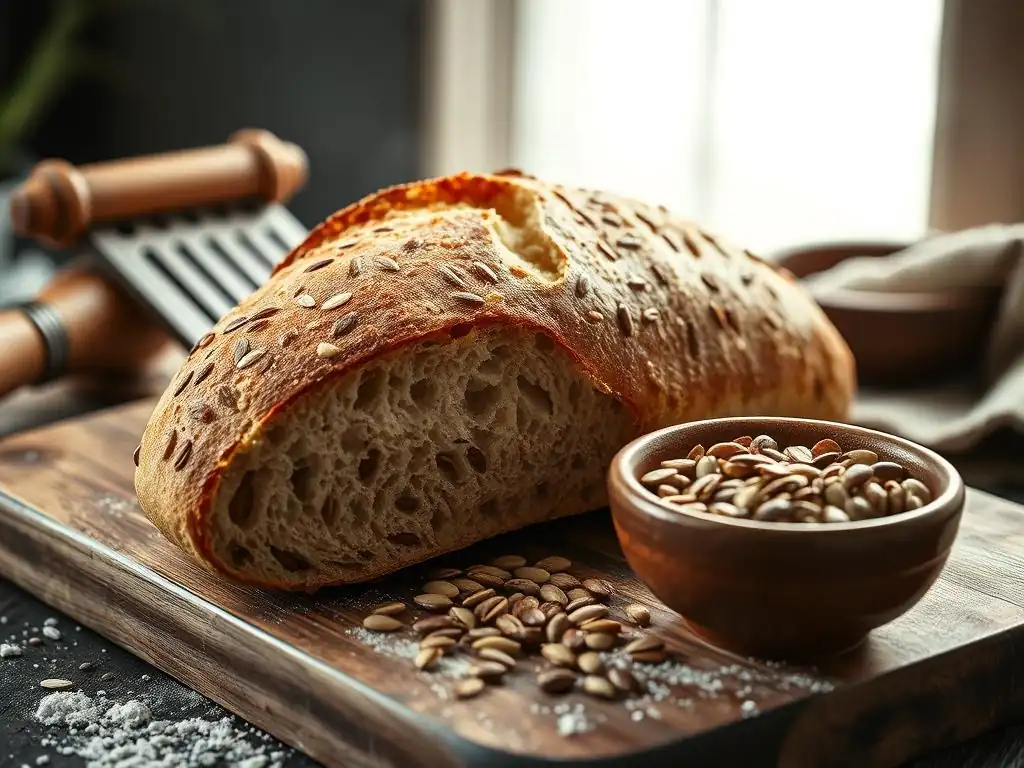
Welcome to BakeWithEase, your trusted guide to baking bliss! Ever wondered how to elevate your artisan baguettes beyond the ordinary? This week, we're diving deep into the secrets of crafting truly exceptional loaves with our Artisan baguette seeds grain recipe. Discover how the simple addition of seeds and grains can transform your baking, adding layers of flavor and texture that will leave everyone wanting more. Read on to unlock the secrets and start baking your best baguettes yet!
- Adding Seeds or Grains to Your Artisan Baguettes: A BakeWithEase Guide
- Introduction: Elevating Your Artisan Baguette with Seeds and Grains
- Why Add Seeds and Grains to Your Baguettes? Benefits and Flavor Profiles
- Choosing the Right Seeds and Grains for Your Artisan Baguette Recipe
- Preparing Seeds and Grains for Artisan Baguette Dough
- Integrating Seeds and Grains into Your Artisan Baguette Dough: Techniques and Tips
- Artisan Baguette Seed and Grain Recipe: A BakeWithEase Example
- Troubleshooting: Common Issues and Solutions When Baking with Seeds and Grains
- Storing Your Seeded and Grained Artisan Baguettes for Maximum Freshness
-
Frequently Asked Questions
- What types of seeds or grains work best in artisan baguettes?
- How do I incorporate seeds or grains into my baguette dough?
- Should I toast the seeds or grains before adding them to the baguette dough?
- How much seed or grain should I add to my artisan baguette recipe?
- Will adding seeds or grains affect the baking time or temperature of my baguette?
- Final Reflection: Sowing the Seeds of Flavor in Artisan Bread Baking
- Unleash Your Inner Boulanger: Elevate Your Baguettes!
Adding Seeds or Grains to Your Artisan Baguettes: A BakeWithEase Guide
Introduction: Elevating Your Artisan Baguette with Seeds and Grains
BakeWithEase Presents: Exploring Seed and Grain Additions for Artisan Baguettes
Welcome back to BakeWithEase! If you've mastered the classic artisan baguette, you might be ready to explore new dimensions of flavor and texture. Adding seeds and grains to your artisan baguette dough is a fantastic way to transform a simple loaf into something truly special, offering unique tastes, appealing textures, and an extra boost of nutrition. This guide will walk you through everything you need to know to create your own delicious artisan baguette seeds grain recipe, from choosing the right additions to integrating them seamlessly into your baking process.
Incorporating seeds and grains isn't just about following an artisan baguette seeds grain recipe; it's about understanding how these ingredients interact with your dough. Different seeds and grains absorb moisture differently and can affect the dough's structure and hydration. By carefully selecting and preparing your additions, you can enhance your baguettes without compromising their signature crisp crust and airy interior. Get ready to unlock a new level of artisan bread making right in your own kitchen!
Why Add Seeds and Grains to Your Baguettes? Benefits and Flavor Profiles
Enhancing Taste and Texture: The Allure of Seeded and Grained Baguettes
Adding seeds and grains profoundly impacts the sensory experience of an artisan baguette. Visually, they add speckles of color and interesting patterns to the crust and crumb. Texturally, they introduce varying degrees of crunch, chewiness, or tenderness depending on the ingredient. For instance, toasted sesame seeds provide a delicate crispness, while soaked flaxseeds contribute a subtle chewiness and moisture. This textural complexity makes each bite more engaging than a plain baguette.
Beyond texture, seeds and grains bring distinct flavor profiles. Sesame seeds offer a nutty, slightly sweet taste, especially when toasted. Poppy seeds have a mild, subtly nutty flavor. Sunflower seeds are rich and savory. Grains like oats add a creamy, earthy note, while flaxseeds can impart a slightly nutty, almost buttery flavor. Combining different seeds and grains allows you to create unique flavor combinations tailored to your preference, moving beyond a standard artisan baguette seeds grain recipe to a truly personalized creation.
Nutritional Boost: Adding Healthy Seeds and Grains to Your Daily Bread
While artisan baguettes are a delicious treat, adding seeds and grains significantly enhances their nutritional value. Seeds like chia, flax, and hemp are packed with Omega-3 fatty acids, fiber, and protein. For example, just two tablespoons of chia seeds contain about 4 grams of protein and 8 grams of fiber. Sunflower and pumpkin seeds are good sources of magnesium, zinc, and Vitamin E.
Incorporating grains such as oats or whole wheat berries increases the bread's fiber content, aiding digestion and contributing to a feeling of fullness. A standard white baguette might have around 2 grams of fiber per 100g, whereas a seeded or grained version could easily double or triple that amount, depending on the quantity and type of additions. This makes your artisan baguette seeds grain recipe a more wholesome addition to your diet without sacrificing taste or enjoyment.
Choosing the Right Seeds and Grains for Your Artisan Baguette Recipe
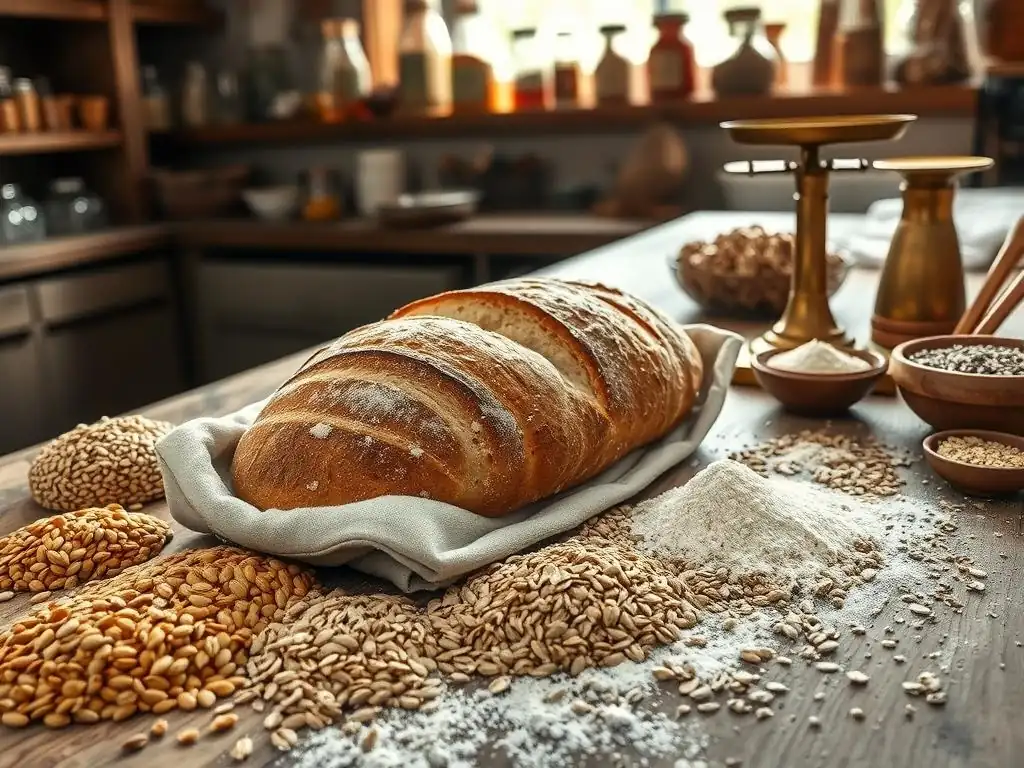
Popular Seed Choices for Baguettes: Sesame, Poppy, Sunflower, and More
When selecting seeds for your artisan baguette seeds grain recipe, consider their size, flavor, and how they'll interact with the dough and crust. Sesame seeds are perhaps the most classic choice for baguettes, offering a small size that distributes well and a delightful nutty flavor when toasted. Both white and black sesame seeds work beautifully. Poppy seeds are even smaller and add a subtle crunch and visual appeal, often used as a surface coating.
Larger seeds like sunflower seeds (hulled) and pumpkin seeds (pepitas) bring a more substantial crunch and richer, savory flavors. They can be mixed into the dough or pressed onto the surface. Other popular options include chia seeds, which absorb a lot of moisture and can help keep the crumb moist, and caraway seeds, which offer a distinct, slightly peppery flavor often found in rye breads but interesting in a baguette context. Experimentation is key to finding your perfect seed blend for an artisan baguette seeds grain recipe.
Exploring Grain Options: Flaxseed, Oats, and Other Grains for Baguette Baking
Grains can be added to baguette dough in various forms: whole, cracked, or as flour. Whole flaxseeds are popular, adding fiber and Omega-3s; when soaked, they form a gel that adds moisture. Rolled oats or steel-cut oats can also be incorporated, often after soaking (creating a "porridge" or "soaker") to soften them and prevent them from competing for moisture in the dough. Oats add a creamy texture and earthy flavor.
Less common but still viable options include cracked wheat (bulgur), rye flakes, or even cooked grains like quinoa or rice in small quantities. These additions often require soaking or cooking beforehand to ensure they are tender and don't make the bread dry. Using a small percentage of whole grain flour, like rye or whole wheat flour, in addition to seeds and grains, can also deepen the flavor of your artisan baguette seeds grain recipe.
Considering Flavor Combinations: Matching Seeds and Grains for Optimal Taste
Crafting a winning artisan baguette seeds grain recipe often involves thinking about how the flavors of your chosen additions complement each other and the bread itself. A simple combination like sesame and poppy seeds offers a delicate, classic profile. For a more robust flavor, consider a mix of sunflower and pumpkin seeds. Adding flaxseeds can mellow out stronger flavors while contributing moisture and nutrition.
Think about complementary flavors. Sesame and sunflower work well together. A mix of oats and flaxseed creates a hearty, earthy profile. Caraway seeds pair nicely with a touch of rye flour in the dough. Don't be afraid to try unusual combinations, perhaps incorporating some toasted nuts like walnuts or pecans (though technically not seeds or grains, they follow similar principles) for an even richer flavor in your artisan baguette seeds grain recipe explorations.
Preparing Seeds and Grains for Artisan Baguette Dough
Toasting Seeds for Enhanced Flavor and Aroma in Baguettes
Toasting seeds is a simple step that dramatically enhances their flavor and aroma, bringing out their nutty oils. This is particularly effective for sesame, sunflower, and pumpkin seeds. To toast, spread the seeds in a single layer on a dry skillet over medium heat, or on a baking sheet in an oven preheated to around 300-350°F (150-175°C).
Stir or shake the pan frequently to prevent burning. Seeds toast quickly, often within 5-10 minutes on the stovetop or 8-15 minutes in the oven, depending on the type and quantity. You'll know they're ready when they become fragrant and slightly darker in color. Let them cool completely before adding them to your artisan baguette seeds grain recipe dough; adding hot seeds can affect yeast activity.
Soaking Grains for Improved Texture and Hydration in Baguette Dough
Many grains, especially whole or cracked varieties like flaxseeds, oats, or cracked wheat, benefit from soaking before being added to bread dough. Soaking softens the grains, making them more palatable in the finished bread and preventing them from absorbing excessive moisture from the dough during fermentation and baking, which can lead to a dry loaf. This pre-hydration step is crucial for achieving the desired texture in your artisan baguette seeds grain recipe.
To soak, combine the seeds or grains with an equal weight (or slightly more) of hot water. For example, if using 50g of flaxseeds, soak them in 50-75g of hot water. Let them sit for several hours or overnight until the liquid is absorbed and the grains are softened. This mixture, often called a "soaker" or "porridge" depending on consistency, is then added to the dough during the mixing stage.
Grinding Grains: Using Grain Flour for Baguette Recipes
Another way to incorporate grains is by using them in flour form. While not adding distinct pieces of grain, using a percentage of whole grain flours like whole wheat, rye, or spelt flour (perhaps 5-15% of the total flour weight) adds the nutritional benefits and unique flavors of these grains to your artisan baguette seeds grain recipe. This approach changes the dough's handling characteristics more significantly than adding whole seeds or grains.
You can also lightly crack or mill grains yourself using a grain mill or even a sturdy coffee grinder for small amounts. Cracked grains don't require full grinding into flour but benefit from soaking. Using a mix of whole seeds, soaked grains, and a small percentage of whole grain flour can create a complex and deeply flavored artisan baguette.
Integrating Seeds and Grains into Your Artisan Baguette Dough: Techniques and Tips
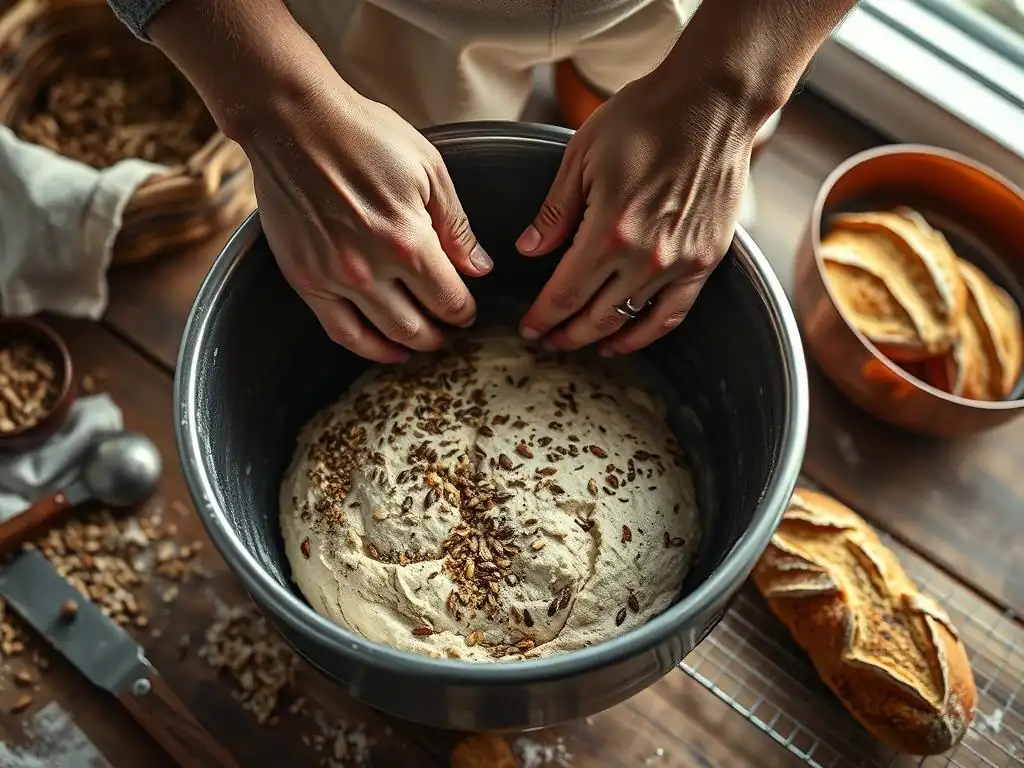
Adding Seeds and Grains During the Mixing Process: A Step-by-Step Guide
The most common method for incorporating seeds and grains into an artisan baguette seeds grain recipe is during the initial mixing phase. After combining your flour, water, salt, and leaven (sourdough starter or commercial yeast), begin mixing the dough. Once the dough starts to come together, but before gluten development is complete, add your prepared seeds and grains.
Start by adding about 80% of the total amount of seeds and grains you plan to use. Mix them in gently until evenly distributed. Avoid overmixing, as this can damage the gluten structure. Reserve the remaining 20% for surface coating later. This method ensures the seeds and grains are integrated throughout the crumb of your artisan baguette.
Incorporating Seeds and Grains After the Autolyse: A Detailed Explanation
An alternative technique for incorporating seeds and grains, especially in higher hydration doughs or when using delicate additions, is to add them after the autolyse period. Autolyse is a resting period (typically 20-60 minutes) after mixing just the flour and water, allowing the flour to fully hydrate and gluten development to begin naturally without salt or leaven.
After the autolyse, add your leaven and salt, mix them in, and then gently fold or mix in your prepared seeds and grains. This method can help prevent the sharp edges of some seeds or grains from tearing the developing gluten network during the initial mixing, potentially leading to a slightly better crumb structure in your artisan baguette seeds grain recipe.
Surface Coating: Creating a Seeded Crust on Your Artisan Baguette
For a visually striking and extra-crunchy crust, apply seeds or grains to the exterior of your artisan baguette just before baking. This is often done with sesame seeds, poppy seeds, or a blend. After shaping your baguettes and letting them proof, gently mist the surface with water or brush lightly with water or egg wash.
Immediately roll or sprinkle the baguettes generously with your chosen seeds or grains. Ensure even coverage on the top and sides. The moisture helps the seeds adhere during baking. This method doesn't affect the crumb texture but provides a flavorful, toasty exterior that complements the soft interior of your artisan baguette seeds grain recipe.
Artisan Baguette Seed and Grain Recipe: A BakeWithEase Example
Ingredients for Seeded and Grained Artisan Baguette
Here is a sample ingredient list for a delicious artisan baguette seeds grain recipe designed for home bakers. This recipe yields approximately two medium baguettes. We'll incorporate both seeds and a pre-soaked grain for texture and flavor. This list assumes you have an active sourdough starter, but a small amount of commercial yeast can be substituted (e.g., 1/4 tsp instant yeast).
- Flour: 300g strong bread flour (like King Arthur Bread Flour)
- Water: 210g (70% hydration)
- Sourdough Starter: 60g active and bubbly (100% hydration)
- Salt: 6g (2% of flour weight)
- Flaxseeds: 20g whole flaxseeds
- Water for Soaking Flaxseeds: 30g hot water
- Mixed Seeds for Dough: 20g (e.g., 10g toasted sesame, 10g toasted sunflower)
- Seeds for Coating: 15g (e.g., sesame, poppy, or a mix)
This specific artisan baguette seeds grain recipe uses 300g of flour as the base, a common amount for two home-sized baguettes. The hydration is set at 70%, which is manageable for beginners but can be adjusted slightly based on your flour and climate. The total weight of added seeds and grains (flax + mixed seeds) is 40g, which is about 13% of the flour weight, a good starting point that adds flavor and texture without overwhelming the dough.
Seeded and Grained Artisan Baguette Baking Instructions: A Detailed Guide
Follow these steps to bake your artisan baguette seeds grain recipe:
- Prepare the Soaker: Combine 20g flaxseeds with 30g hot water in a small bowl. Stir and let sit for at least 2-3 hours, or preferably overnight, until all water is absorbed and a gel forms.
- Mix the Dough: In a large mixing bowl, combine 300g bread flour and 210g water. Mix until no dry flour remains. Cover and let rest for 30 minutes (autolyse).
- Add Starter, Salt, Seeds, and Soaker: Add 60g active starter and 6g salt to the dough. Mix by hand or with a stand mixer on low speed for about 3-5 minutes until the ingredients are incorporated. Add the cooled, soaked flaxseeds and the 20g of mixed seeds. Mix gently until evenly distributed, about 1-2 minutes more. The dough will be shaggy.
- Bulk Fermentation: Cover the bowl and let the dough bulk ferment at room temperature (ideally 72-78°F / 22-26°C) for 3-4 hours, performing a set of stretch and folds every 30-45 minutes during the first 2 hours. The dough should become smoother and more developed.
- Divide and Shape: Gently turn the dough out onto a lightly floured surface. Divide into two equal portions (about 300g each). Gently pre-shape each piece into a rough log and let rest for 20 minutes. Shape into baguettes.
- Proofing and Coating: Place the shaped baguettes on a floured couche or parchment paper, seam side up. Cover with a clean towel or plastic wrap. Proof for 60-90 minutes at room temperature, or cold proof in the refrigerator for 8-12 hours. About 20 minutes before baking, preheat your oven to 475°F (245°C) with a baking stone or steel and a steam setup (like a tray with lava rocks on the bottom rack). Just before baking, gently flip the baguettes onto parchment paper. Lightly mist the tops with water and sprinkle or roll in the 15g of coating seeds. Score the baguettes with a sharp blade.
- Baking: Carefully transfer the baguettes on the parchment paper to the hot stone/steel. Pour hot water into the steam tray (be careful of steam!) and quickly close the oven door. Bake for 20-25 minutes, or until deeply golden brown and the internal temperature reaches 200-210°F (93-99°C). Remove from oven and let cool completely on a wire rack before slicing.
This structured approach, moving from preparing additions to final baking, helps ensure success with your artisan baguette seeds grain recipe. Remember that timing can vary based on your starter's activity and ambient temperature.
Tips for a Perfect Seeded and Grained Artisan Baguette
Achieving a perfect artisan baguette seeds grain recipe requires attention to detail. Here are some tips to help you along the way:
- Don't Overload: Adding too many seeds or grains can make the dough heavy, inhibit rise, and lead to a dense crumb. A good starting point is usually around 10-20% of the flour weight in total additions.
- Hydration Adjustment: Seeds and grains, especially unsoaked ones, absorb moisture. You may need to slightly increase the water in your recipe, perhaps by 5-10g per 100g of dry additions, to maintain the desired dough consistency.
- Even Distribution: Spend a little extra time during mixing to ensure seeds and grains are evenly distributed throughout the dough. Uneven distribution can lead to weak spots in the gluten structure.
- Handling: Dough with seeds and grains can sometimes feel a bit less extensible. Handle it gently during shaping to avoid tearing, which can affect the final rise and appearance of your artisan baguette.
- Baking Temperature: Seeds on the crust can burn if the oven is too hot or the bake time is too long after removing steam. If you notice seeds browning too quickly, you can loosely tent the baguettes with foil for the last part of the bake.
By keeping these tips in mind, you'll be well on your way to baking a beautiful and delicious artisan baguette seeds grain recipe loaf that you'll be proud to share.
Troubleshooting: Common Issues and Solutions When Baking with Seeds and Grains
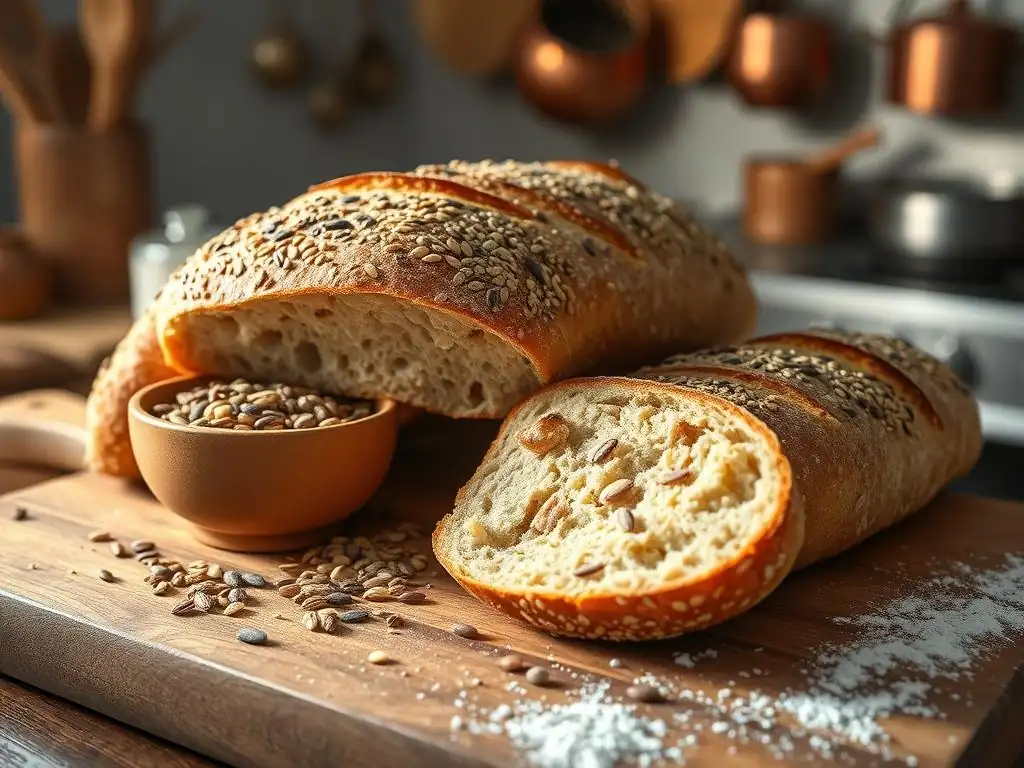
Preventing Seeds from Burning: Techniques for a Golden Crust
A common challenge when adding seeds, especially to the surface, is preventing them from burning before the bread is fully baked. This often results in a bitter taste and an unappealing dark crust. One primary culprit is excessive heat too early in the bake, particularly after steam is removed.
To combat this, ensure your oven temperature isn't excessively high for the entire bake. While a hot oven is needed initially for oven spring (like 475°F/245°C), you can reduce the temperature after the first 15-20 minutes (e.g., to 450°F/230°C) once the crust has set and you've removed the steam source. If seeds still brown too quickly, loosely tenting the baguettes with aluminum foil for the final 5-10 minutes of baking can shield the seeds from direct radiant heat while allowing the bread to finish cooking.
Ensuring Even Distribution of Seeds and Grains in the Baguette Dough
Uneven distribution of seeds and grains can lead to areas of the baguette that are dense or lack the intended texture and flavor. This often happens if the additions are mixed in too quickly or if the dough isn't properly developed. Adding seeds and grains after the autolyse or after the initial mixing when some gluten has formed can help, as the dough is better able to hold the additions.
When adding, incorporate them gradually while mixing on a low speed or folding by hand. Ensure you mix just long enough for them to be evenly dispersed throughout the dough mass, but stop before overmixing. For very large or heavy additions, sometimes a gentle lamination technique (spreading the dough out and folding the seeds/grains in) can help achieve better distribution in your artisan baguette seeds grain recipe.
Adjusting Hydration Levels for Seeded and Grained Baguette Recipes
Seeds and grains absorb moisture, and failing to account for this can result in a stiffer, drier dough than intended. The amount of water absorbed varies greatly depending on the type of addition and whether it was pre-soaked. For example, flaxseeds absorb significantly more water than sesame seeds.
If you are incorporating dry seeds or grains directly into the dough, you may need to increase the overall water percentage by 5-10% or even more, depending on the quantity of additions. When using a pre-soaked "soaker," ensure you account for the water added in the soaker towards your total hydration calculation. Monitor the dough consistency during mixing; it should feel similar to your standard baguette dough. If it feels too stiff, add a small amount of water (a tablespoon at a time) until the desired consistency is reached, especially when adapting an existing artisan baguette seeds grain recipe.
Storing Your Seeded and Grained Artisan Baguettes for Maximum Freshness
Proper Storage Techniques to Maintain Flavor and Texture
Once your beautiful artisan baguette seeds grain recipe loaves have cooled completely, proper storage is key to maintaining their delightful texture and flavor. Baguettes are best enjoyed the day they are baked, especially for the crisp crust. However, they can be stored for a day or two without significant loss of quality.
For short-term storage (up to 24 hours), simply leaving the baguette cut-side down on a cutting board is often sufficient to keep the crust relatively crisp. Alternatively, you can store it in a paper bag, which allows the crust to breathe, preventing it from becoming soggy, unlike plastic bags. For longer storage (2-3 days), wrap the cooled baguette tightly in plastic wrap or place it in a sealed plastic bag or bread box to slow down staling, though the crust will soften.
Avoid refrigeration, as this actually accelerates staling. If storing for more than a couple of days, freezing is the best option.
Frequently Asked Questions
What types of seeds or grains work best in artisan baguettes?
Many seeds and grains work well! Popular choices include sesame seeds, poppy seeds, sunflower seeds, flax seeds, and various whole grains like oats or rye.
How do I incorporate seeds or grains into my baguette dough?
You can add them directly to the dough during the mixing process or sprinkle them on the outside of the baguette before baking. For internal incorporation, adjust hydration if needed.
Should I toast the seeds or grains before adding them to the baguette dough?
Toasting seeds and grains beforehand enhances their flavor and aroma, adding a nutty depth to your baguette. It's highly recommended for a more complex taste.
How much seed or grain should I add to my artisan baguette recipe?
A good starting point is about 5-10% of the flour weight. You can adjust this based on your preference and the specific seed or grain used, observing how it impacts the dough's texture.
Will adding seeds or grains affect the baking time or temperature of my baguette?
Generally, no. However, keep a close eye on the color of your baguette. Seeds and grains can cause the crust to brown more quickly, so you might need to reduce the baking time slightly.
Final Reflection: Sowing the Seeds of Flavor in Artisan Bread Baking
The art of crafting the perfect artisan baguette extends far beyond the simple flour, water, and yeast; it's about embracing the nuanced flavors and textures that seeds and grains can bring. This exploration into incorporating diverse seeds and grains into your baguette recipe isn't just a culinary adventure; it's a journey towards unlocking a deeper appreciation for the craft itself, resulting in a richer, more complex, and ultimately more satisfying loaf.
The subtle shift in texture, the delightful crunch, and the unexpected bursts of flavor that seeds and grains provide have profoundly impacted my own baking journey. It's a testament to the power of experimentation and the endless possibilities within a seemingly simple recipe. The best bread is made with love, and a little bit of adventure.
– Unknown. This quote perfectly encapsulates the spirit of this exploration, urging us to move beyond the familiar and embrace the potential for unexpected delights. The impact on the cultural landscape, though subtle, is undeniable; a growing appreciation for artisanal food, coupled with a desire for healthier and more flavorful options, makes this exploration particularly relevant today.
Now, it's your turn. Consider the seeds and grains you've already experimented with, and the ones you're eager to try. Don't be afraid to deviate from the traditional; let your creativity guide you as you embark on your own journey of crafting the perfect artisan baguette. Each addition, each experiment, is a step towards mastering your craft and discovering the unique signature flavor that only your baguette can possess. Embrace the process, savor the results, and share your creations with the world.
Unleash Your Inner Boulanger: Elevate Your Baguettes!
Thanks for taking the time to explore the art of adding seeds and grains to your artisan baguettes! We hope you've gained valuable insights and inspiration for creating truly exceptional loaves. Ready to put your new knowledge into practice?
- Craft your signature baguette: Experiment with different seed and grain combinations – flax, sesame, sunflower, or even quinoa – to discover your perfect blend. Don't be afraid to get creative!
- Share your creations: Post a picture of your masterpiece on social media and tag us! We'd love to see the delicious results of your baking adventure.
- Dive deeper into baking techniques: Explore our other articles on BakeWithEase.com for more tips and recipes to perfect your baking skills.
What unique seed or grain combination will you try in your next baguette? Let us know in the comments below!