
German Stollen: Mastering the Art of a Holiday Classic

Welcome to BakeWithEase, your guide to the wonderful world of baking! Ever dreamt of crafting a truly exceptional German Stollen that rivals even the most seasoned baker's creations? We'll unveil the secrets to this festive bread, making it surprisingly accessible. But that's just a taste of what awaits you. Curious about how to achieve that perfect crumb, or which ingredients truly elevate this holiday classic? Keep reading and let's embark on a delicious baking adventure together!
- Introduction to German Stollen: A Beloved Holiday Bread Tradition
- The History and Cultural Significance of German Stollen
- Essential Ingredients for Baking an Authentic German Stollen
- Step-by-Step Guide to Making an Easy German Stollen Recipe
- Mastering Techniques to Perfect Your German Stollen
- Variations on the Easy German Stollen Recipe
- Serving and Enjoying Your German Stollen Bread
- Conclusion: Embrace the Art of Baking German Stollen This Holiday Season
-
Frequently Asked Questions
- How difficult is the German Stollen recipe from BakeWithEase?
- What makes the BakeWithEase German Stollen recipe different from other stollen recipes?
- What are the key ingredients needed for the Easy German Stollen Recipe on BakeWithEase?
- How long does it take to prepare the Easy German Stollen from BakeWithEase?
- How should I store my German Stollen after baking, according to BakeWithEase?
- Final Reflection: The Enduring Magic of Stollen
- Unleash Your Inner Bäcker: Bake Your Best Stollen Yet!
Introduction to German Stollen: A Beloved Holiday Bread Tradition
What Makes German Stollen a Holiday Classic
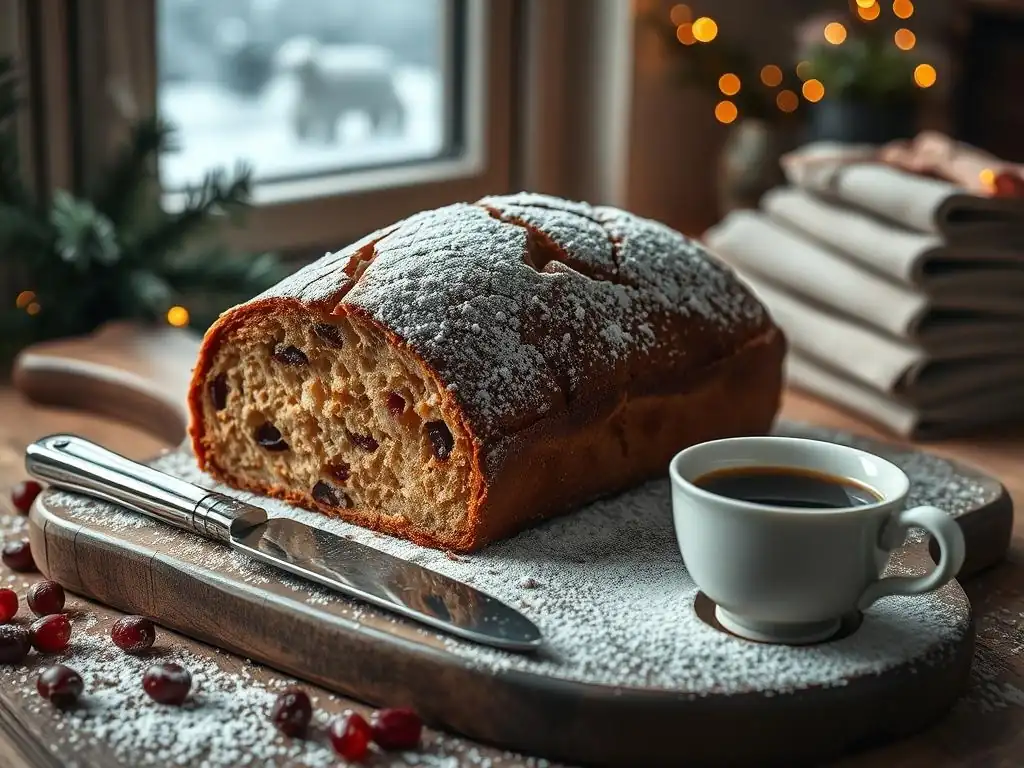
German Stollen, or Christstollen, is far more than just a loaf of bread; it's a cornerstone of festive baking in Germany and beyond, deeply entwined with Christmas traditions. Its distinctive shape, often said to represent the swaddled baby Jesus, immediately evokes the holiday spirit. The rich, heavy dough, laden with dried fruits, nuts, and often a core of marzipan, sets it apart from everyday bread. Unlike lighter yeasted breads, Stollen is dense and moist, designed to be sliced thinly and savored slowly, its flavors deepening over time.
The magic of Stollen lies in its complex flavor profile, a symphony of sweet, fruity, and spicy notes. Candied citrus peels, raisins, currants, almonds, and a generous hand with spices like cardamom, cinnamon, and nutmeg infuse the dough. A final flourish of melted butter and a blanket of powdered sugar complete the transformation, creating a visually striking and irresistibly aromatic treat. This combination of rich ingredients and symbolic form solidifies Stollen's status as a cherished holiday classic, eagerly anticipated each year.
Overview of an Easy German Stollen Recipe for Home Bakers
For many, the idea of baking German Stollen at home can seem daunting, conjuring images of complex techniques and hours spent in the kitchen. However, an easy German stollen recipe simplifies the process, making this beloved tradition accessible to bakers of all skill levels. The goal is to capture the essential flavors and texture of traditional Stollen without requiring specialized equipment or advanced bread-making expertise. This often involves streamlined dough preparation and clear, step-by-step instructions.
An easy German stollen recipe typically focuses on manageable steps: activating the yeast, mixing the dough (often in a stand mixer or by hand with minimal kneading), incorporating the fruit and nut mixture, shaping the loaf with or without marzipan, and baking at a moderate temperature. While traditional methods might involve multiple rises or specific shaping techniques, an easy approach simplifies these, allowing home bakers to achieve delicious results with less stress.
The focus remains on the quality of ingredients and patient handling of the dough to ensure a moist, flavorful Stollen ready to be enjoyed during the festive season.
The History and Cultural Significance of German Stollen
Origins of Stollen in Germany’s Festive Baking Tradition
The history of Stollen dates back to the 15th century in Dresden, Germany, initially documented in 1427. However, the early Stollen was a far cry from the rich, buttery version we know today. Due to Advent fasting rules imposed by the Catholic Church, it was originally made with only flour, yeast, and water, lacking butter and milk. This resulted in a rather plain, hard bread. The petition to use butter came from the Prince Elector Ernst of Saxony and his brother Duke Albrecht to Pope Innocent VIII.
The "Butter Letter" (Butterbrief) was granted by Pope Innocent VIII in 1491, allowing the use of butter and milk in Stollen during Advent, albeit initially for the Elector and his family, with a fee attached. This papal dispensation marked a turning point, transforming Stollen from a humble fasting bread into a richer, more celebratory loaf. Over the centuries, bakers refined the recipe, adding dried fruits, nuts, and spices, solidifying its place as a special holiday treat, particularly associated with the Christmas market season.
How Regional Variations Influence German Stollen Recipes
While Dresden Stollen holds the most prominent place in Stollen's history and reputation, Germany boasts numerous regional variations, each with its unique characteristics. The fundamental concept of a fruit-and-nut-filled bread remains, but the specifics of ingredients and preparation differ significantly across states and even towns. For example, some regions might favor specific types of nuts like walnuts over almonds, while others might include quark cheese in the dough for added moisture.
A notable variation is the Mohnstollen, or poppy seed Stollen, popular in areas like Thuringia and Saxony. Instead of or in addition to the fruit and nut filling, it features a rich, sweet filling made primarily from ground poppy seeds, sugar, and sometimes milk or butter. Another example is Marzipanstollen, where a substantial roll of marzipan is central to the loaf. These regional differences highlight the diverse culinary landscape of Germany and demonstrate how a single traditional concept can evolve into multiple beloved forms, influencing even an easy German stollen recipe designed for home bakers.
The Role of Stollen in Christmas Celebrations Across Europe
Stollen's significance extends beyond Germany's borders, playing a role in Christmas celebrations in neighboring countries and among German-speaking communities worldwide. Its appearance on bakery shelves and in homes signals the official start of the Advent season, often enjoyed alongside mulled wine (Glühwein) or coffee. The act of baking, gifting, and sharing Stollen is a cherished ritual, embodying hospitality and festive cheer.
In many households, baking Stollen is a family tradition, with recipes passed down through generations. The loaf is typically made several weeks before Christmas, allowing the flavors to meld and deepen – a crucial step for achieving its signature taste.
In parts of Austria and Switzerland, similar rich holiday breads exist, influenced by or directly related to the German tradition. The famous Stollen Festival in Dresden, held annually before Christmas, where a giant Stollen (sometimes weighing several tons, like the 4.2-ton Stollen baked in 2019) is paraded through the streets, underscores the bread's cultural importance and its role as a symbol of festive abundance and community.
Essential Ingredients for Baking an Authentic German Stollen
Key Components of a Traditional German Stollen Dough
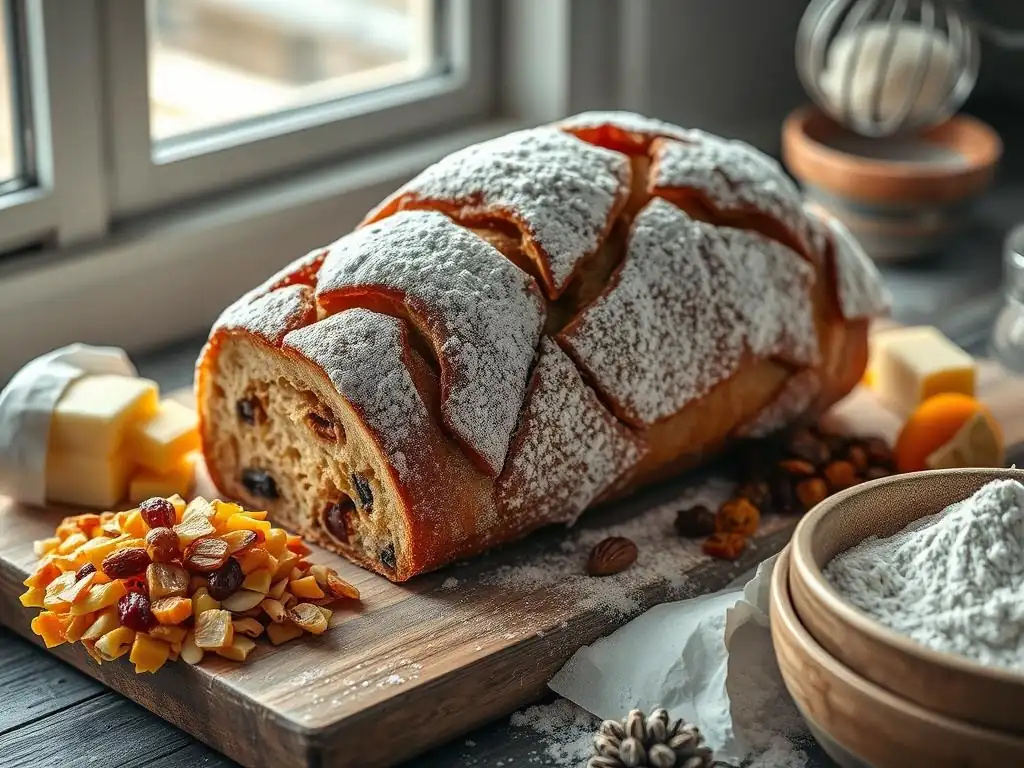
The foundation of an authentic German Stollen lies in its rich, yeasted dough. Unlike a simple bread dough, Stollen dough is heavily enriched with butter, milk, sugar, and eggs. This high fat and sugar content contributes to its dense, cake-like texture and helps preserve the bread, allowing it to age beautifully. The yeast is crucial for leavening, creating a tender crumb despite the richness. A typical recipe might call for approximately 100-150 grams of butter per 500 grams of flour, along with around 200-250 ml of milk and one or two eggs.
The quality of the flour also matters; a medium-protein all-purpose flour or a bread flour works well, providing enough structure to support the heavy additions of fruit and nuts. Sugar not only sweetens the dough but also aids in browning and moisture retention. The use of whole milk adds richness and helps activate the yeast effectively. Ensuring all ingredients are at room temperature before mixing is a simple but vital step that contributes significantly to the dough's texture and rise.
Selecting the Best Dried Fruits, Nuts, and Spices for Stollen
The heart of Stollen's flavor comes from its generous filling of dried fruits, nuts, and aromatic spices. The traditional mix usually includes raisins, currants, candied orange peel, and candied lemon peel. For a standard loaf using about 500g of flour, you might use a total of 250-350 grams of mixed dried fruits. Soaking the dried fruits in rum, brandy, or even orange juice for several hours or overnight is a common technique to plump them up and infuse them with extra flavor, preventing them from drying out the dough during baking.
Almonds are the most traditional nut used in Stollen, either slivered or chopped. Around 50-100 grams of almonds are typically added to the dough. The spice blend is equally important, warming the bread and complementing the fruitiness. Cinnamon, cardamom, nutmeg, and sometimes a pinch of cloves are classic additions. Using freshly ground spices whenever possible makes a noticeable difference in the final aroma and taste, elevating even an easy German stollen recipe to something truly special.
Tips for Using Marzipan in Your German Stollen Recipe
Marzipan is a beloved addition to many German Stollen variations, adding a sweet, almondy core that remains moist during baking. High-quality marzipan, made with a high percentage of almonds (ideally 50% or more), will provide the best flavor and texture. For a typical loaf, a log of marzipan weighing between 100-200 grams is often used. It's important that the marzipan is pliable enough to shape into a log and encase within the dough.
To incorporate marzipan, it's usually rolled into a log slightly shorter than the length of your shaped Stollen dough. After shaping the dough into an oval or rectangle, the marzipan log is placed in the center, and the dough is folded over it. Ensuring the marzipan is fully enclosed prevents it from drying out or burning during baking.
If your marzipan is stiff, you can knead a tiny amount of rosewater or a neutral spirit into it to soften it before shaping. Including marzipan adds a layer of richness and moisture that many consider essential to a truly authentic Stollen experience.
Step-by-Step Guide to Making an Easy German Stollen Recipe
Preparing the Dough: Techniques for Soft, Fluffy Stollen Bread
Starting your easy German stollen recipe begins with activating the yeast. In a warm bowl, combine warm milk (around 100-110°F or 38-43°C), a pinch of sugar, and dry active yeast. Let it sit for 5-10 minutes until foamy. This confirms your yeast is alive and active. In a large mixing bowl, whisk together the flour, remaining sugar, salt, and spices. Create a well in the center and add the activated yeast mixture, melted butter (cooled slightly), and eggs.
Mix the ingredients until a shaggy dough forms, then turn it out onto a lightly floured surface or use a stand mixer with a dough hook. Knead the dough until it is smooth and elastic. Due to the richness, this dough might feel slightly sticky but should eventually pull away from the sides of the bowl.
Kneading for about 8-10 minutes in a mixer or 10-15 minutes by hand is usually sufficient to develop the gluten needed for a soft crumb. Place the dough in a greased bowl, cover, and let it rise in a warm place until doubled in size, which can take 1.5 to 2 hours, depending on the warmth of your environment.
Incorporating Fruits and Marzipan: Layering Flavors Perfectly
Once the dough has doubled, gently punch it down. This is where you incorporate the soaked dried fruits and nuts. Turn the dough onto a lightly floured surface and flatten it into a rectangle. Scatter the plumped fruits and nuts evenly over the dough. Gently knead them in, being careful not to overwork the dough, which could tear the fruits. The goal is to distribute them relatively evenly throughout the dough.
If using marzipan, divide the dough into portions for your loaves (this easy German stollen recipe might yield one or two loaves). Shape each portion into an oval or rectangle about 1 inch thick. Roll the marzipan into a log the length of the dough's center. Place the marzipan log on the dough, slightly off-center. Fold the larger side of the dough over the marzipan log, pressing the edges gently to seal and create the classic Stollen shape. Some bakers create a crease down the center before folding to emphasize the shape.
Baking Time and Temperature for Ideal Stollen Texture and Crust
Preheating your oven to the correct temperature is crucial for baking Stollen. A common temperature range for baking Stollen is around 325-350°F (160-175°C). Baking at a slightly lower temperature for a longer time helps ensure the rich, dense dough cooks through without the exterior browning too quickly. Place your shaped Stollen loaves on a baking sheet lined with parchment paper.
Baking time will vary depending on the size of your loaves and your oven, but typically ranges from 45 to 60 minutes for a standard-sized loaf. The Stollen is done when it is golden brown on the outside and a wooden skewer or cake tester inserted into the center (avoiding the marzipan) comes out clean. An internal temperature of around 190-200°F (88-93°C) indicates it is fully baked. If the top starts to brown too quickly, you can tent the loaf loosely with aluminum foil for the remaining baking time.
Finishing Touches: Buttering, Sugaring, and Storing Your Stollen
The final steps are essential for achieving the signature appearance and helping to preserve the Stollen. Immediately after taking the hot Stollen out of the oven, generously brush it all over with melted unsalted butter. Use a pastry brush to ensure complete coverage; you might use 50-100 grams of melted butter per loaf. This butter soak adds moisture and flavor.
While the butter is still melted and warm, sift a thick layer of granulated sugar over the entire loaf. This creates a slightly crunchy, sweet coating. Once the Stollen has cooled completely, which can take several hours, sift a very generous amount of powdered sugar over it, creating a beautiful, snow-like finish.
This final layer of powdered sugar not only adds sweetness but also helps to seal the surface, aiding in preservation. Store the cooled and fully sugared Stollen wrapped tightly in plastic wrap and then in foil in a cool, dark place for at least a few days before slicing to allow the flavors to mature.
Mastering Techniques to Perfect Your German Stollen
How to Achieve Moisture and Richness in Stollen Bread
Achieving the perfect balance of moisture and richness is key to a truly exceptional German Stollen. The high amount of butter, milk, and eggs in the dough contributes significantly to richness. Using whole milk and good quality butter (around 82% fat content is ideal if available) will enhance this. Ensuring your dried fruits are properly hydrated by soaking them in liquid before adding them to the dough prevents them from absorbing moisture from the dough during baking, which can result in a dry loaf.
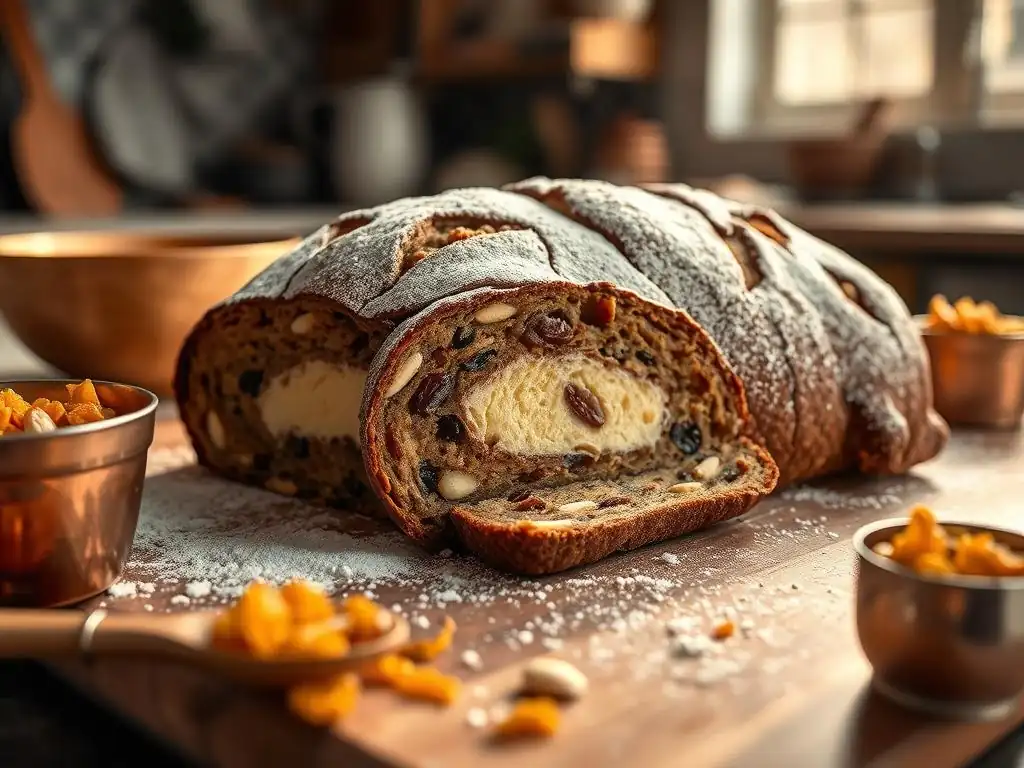
Adding a marzipan core is another excellent way to guarantee moisture in the center of the Stollen. The marzipan remains soft and slightly gooey, providing a delicious contrast to the bread and keeping the surrounding dough moist. Furthermore, the post-baking butter bath is crucial. The melted butter penetrates the warm bread, adding flavor and helping to lock in moisture. Don't be shy with this step – a well-buttered Stollen is a better Stollen.
Common Mistakes to Avoid When Baking German Stollen
Even with an easy German stollen recipe, certain pitfalls can affect the outcome. One common mistake is not allowing the dough sufficient time to rise. Due to the heavy enrichment and the weight of the fruits and nuts, Stollen dough rises more slowly than typical bread dough. Patience is key; let it rise fully until visibly doubled, even if it takes longer than expected (potentially 2-3 hours in a cooler kitchen). Another error is adding too much flour during kneading or shaping, which can result in a dry, tough loaf. Use just enough flour to prevent sticking.
Overcrowding the loaf with too many fruits and nuts can also hinder the dough's ability to develop structure and rise properly, leading to a dense, heavy result. Aim for the suggested ratios in your recipe. Finally, underbaking is a frequent issue. Because of its density, Stollen needs ample time in the oven to cook through. An underbaked Stollen will be gummy in the center. Always check for doneness using a skewer or thermometer.
Enhancing Flavor: Aging and Storing Tips for Homemade Stollen
One of the remarkable qualities of German Stollen is that its flavor improves with age. The spices, fruits, and dough components meld together over time, creating a more harmonious and complex taste. Traditional Stollen is often made 2-4 weeks before Christmas. While an easy German stollen recipe might be delicious sooner, allowing it to rest for at least 3-7 days is highly recommended to experience a significant improvement in flavor depth.
After applying the initial butter and granulated sugar, and once completely cooled, wrap the Stollen tightly. First, use plastic wrap, ensuring no air pockets. Then, wrap it again securely in aluminum foil. Store the wrapped Stollen in a cool, dark place, such as a pantry or basement. Avoid refrigeration, as it can dry out the bread. Stored correctly, Stollen can last for several weeks. To serve after aging, simply unwrap and apply the final layer of powdered sugar just before slicing.
Variations on the Easy German Stollen Recipe
Traditional Dresden Stollen vs. Other Regional Styles
Dresden Stollen (Dresdner Christstollen) is considered the gold standard and is legally protected by geographical indication. Its recipe is strictly regulated, requiring specific ingredients like butter, dried fruit (raisins, sultanas, candied orange and lemon peel), almonds, and spices, but no margarine, artificial flavors, or preservatives. It must also be baked in Dresden. This traditional version is known for its generous butter content and specific ratio of ingredients.
Other regional styles, while perhaps less famous or strictly defined, offer delightful variations. As mentioned, Mohnstollen (poppy seed) is popular in some areas. Quarkstollen includes quark cheese in the dough, resulting in a slightly different texture and tang. Some regions use rum or brandy more liberally in soaking the fruit, while others might incorporate local nuts or different spice blends. Exploring these variations, even in an easy German stollen recipe format, allows bakers to taste the diversity of German holiday baking.
Gluten-Free and Vegan Adaptations of German Stollen
Adapting a rich, yeasted bread like Stollen for gluten-free or vegan diets presents unique challenges, but successful recipes do exist, allowing more people to enjoy this holiday classic. Gluten-free Stollen typically relies on a blend of alternative flours (like rice flour, almond flour, and tapioca starch) combined with binders such as xanthan gum to mimic the structure provided by gluten. The high fat and fruit content naturally help retain moisture in gluten-free versions.
For vegan Stollen, butter and eggs are replaced with plant-based alternatives. Vegan butter substitutes work well to provide richness, while ingredients like applesauce, mashed banana, or commercial egg replacers can substitute for eggs, adding moisture and helping with binding. Plant-based milks (like almond or soy milk) replace dairy milk. While the texture might differ slightly from traditional Stollen, these adaptations capture the essence of the holiday flavors, making an easy German stollen recipe accessible to those with dietary restrictions.
Creative Twists: Adding Unique Ingredients to Classic Stollen
While honoring tradition is important, home bakers can also add creative twists to an easy German stollen recipe to personalize it. Beyond the classic dried fruits, consider incorporating dried cranberries, chopped dried apricots, or even dried cherries for different flavor profiles. Instead of just almonds, try adding chopped walnuts, pecans, or hazelnuts for varied texture and taste.
Chocolate chips or chunks can be folded into the dough for a decadent version, though this deviates significantly from tradition. A splash of orange zest or lemon zest can brighten the flavor. Spices like ginger or a touch of star anise could add a unique warmth. For the soaking liquid, experiment with different liqueurs like Grand Marnier or spiced rum. These creative additions allow bakers to put their own spin on the classic, making the easy German stollen recipe a canvas for personal expression while still celebrating the holiday spirit.
Serving and Enjoying Your German Stollen Bread
Best Pairings and Beverage Suggestions for Stollen
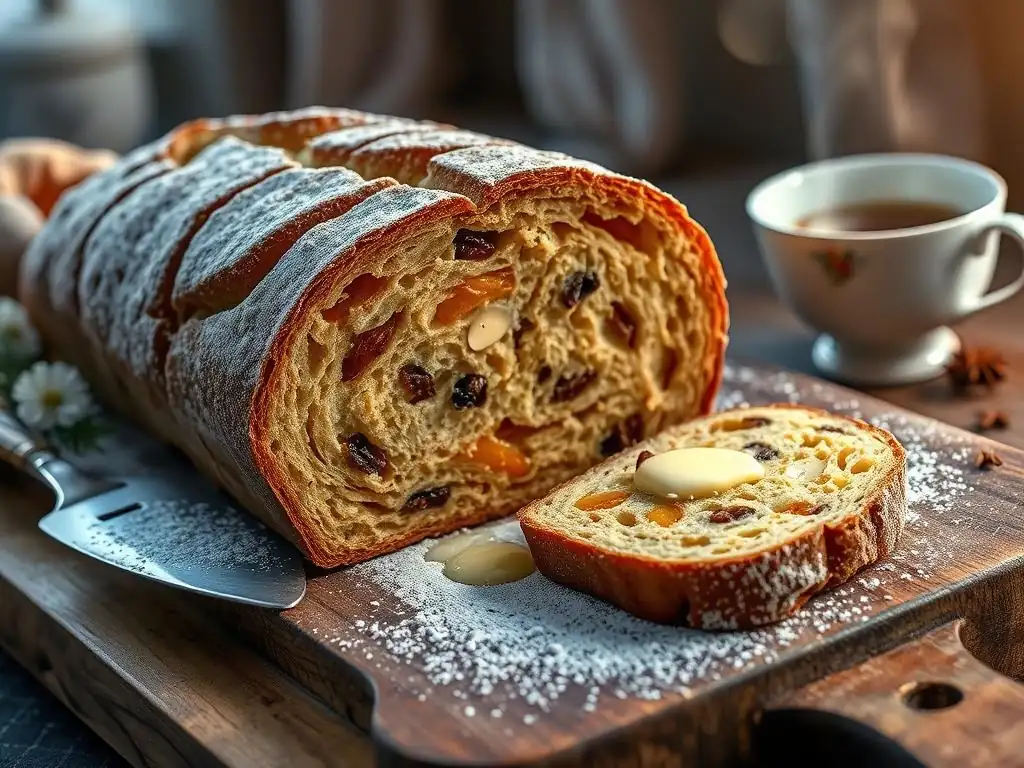
German Stollen is traditionally enjoyed sliced thinly and often spread with a little extra butter, although its richness means it's perfectly delicious on its own. Its sweet and spiced profile pairs beautifully with a variety of beverages. Coffee is a classic accompaniment, its slight bitterness providing a nice contrast to the sweetness of the bread and the richness of the butter and marzipan.
For a more festive pairing, mulled wine (Glühwein) is a perfect match, echoing the warm spices found in the Stollen itself. Tea, particularly black tea or spiced chai, also works wonderfully. For those who prefer something non-alcoholic, a spiced apple cider or even a simple glass of milk can complement the flavors. The key is to choose a beverage that enhances the Stollen's richness and spice without overpowering its delicate balance.
How to Slice and Present German Stollen for Holidays and Gatherings
Presenting your homemade German Stollen beautifully enhances the enjoyment, especially when sharing it during the holidays or at gatherings. Ensure the Stollen has fully cooled and been properly sugared before slicing. Use a sharp, serrated knife to cut thin slices, typically about 1/4 to 1/2 inch thick. Slicing it too thickly can make it overly rich to eat.
Arrange the slices on a festive platter. You can dust the platter lightly with extra powdered sugar for a snowy effect. If you aged the Stollen, you might want to re-dust it with powdered sugar before slicing, as the initial layer may have absorbed into the bread.
For a communal setting, you can present the whole loaf on a cutting board with a knife, allowing guests to slice their own portions. The visual appeal of the marzipan core and the distribution of fruits and nuts within each slice is part of the Stollen experience. Serving at room temperature is ideal to appreciate the full range of flavors and textures.
Conclusion: Embrace the Art of Baking German Stollen This Holiday Season
Why an Easy German Stollen Recipe is Perfect for Every Baker
Baking German Stollen might seem like a challenge reserved for experienced bakers, but the beauty of an easy German stollen recipe is that it demystifies the process, making this rewarding tradition accessible to everyone. These simplified recipes focus on key techniques and ingredients, allowing even beginners to achieve a delicious, authentic-tasting result. The sense of accomplishment from creating such a classic holiday treat from scratch is immense, and the aroma filling your home is pure festive magic.
An easy approach doesn't mean sacrificing quality or flavor. By using good ingredients and following clear steps, you can produce a Stollen that rivals those from traditional bakeries. It's a wonderful way to connect with a rich culinary history and create edible gifts or a centerpiece for your own holiday table. Don't let perceived difficulty deter you; an easy German stollen recipe is designed to be approachable, inviting you into the world of festive European baking.
Encouragement to Explore More Regional Breads of Europe on BakeWithEase.com
Mastering an easy German stollen recipe is just the beginning of a delicious journey into European bread baking. The continent is home to an incredible diversity of regional breads, each with its own history, techniques, and flavors reflecting local ingredients and traditions. From the rustic rye loaves of Scandinavia to the enriched brioche of France, there's a world of baking to explore.
We encourage you to delve deeper into the rich category of Regional Breads of Europe available here on BakeWithEase.com. Discover recipes for Italian panettone, Irish soda bread, French fougasse, and many more. Each bread offers a unique baking experience and a taste of a different culture. Expand your baking repertoire and bring the flavors of Europe into your kitchen, one delicious loaf at a time.
Frequently Asked Questions
How difficult is the German Stollen recipe from BakeWithEase?
The recipe is designed to be easy to follow, even for beginner bakers. We provide step-by-step instructions and focus on readily available ingredients.
What makes the BakeWithEase German Stollen recipe different from other stollen recipes?
Our recipe prioritizes simplicity and clarity without sacrificing authentic flavor. We offer tips for easy ingredient substitutions and troubleshooting common issues.
What are the key ingredients needed for the Easy German Stollen Recipe on BakeWithEase?
You'll need dried fruit, nuts, citrus zest, yeast, flour, butter, sugar, and marzipan. The recipe provides specific measurements and suggestions for substitutions.
How long does it take to prepare the Easy German Stollen from BakeWithEase?
The entire process, including proofing and baking, can take several hours. However, the active preparation time is relatively short, allowing for other tasks.
How should I store my German Stollen after baking, according to BakeWithEase?
Wrap the stollen tightly in plastic wrap and store it in a cool, dry place. This will help it retain its moisture and extend its shelf life for several weeks.
Final Reflection: The Enduring Magic of Stollen
The art of baking German Stollen transcends mere culinary skill; it's a journey through tradition, a celebration of flavors, and a testament to the enduring power of simple pleasures. This exploration of an easy Stollen recipe aimed to demystify this holiday classic, making its creation accessible to even the most novice bakers. The result? A delicious loaf, but more importantly, a deeper appreciation for the rich history and comforting warmth this bread embodies.
The influence of Stollen extends far beyond the kitchen; it's a tangible link to generations past, a symbol of festive gatherings, and a reminder of the importance of slowing down and savoring the process. Baking is at once child's play and adult joy. And to bake is to give a gift twice over.
This quote perfectly captures the essence of Stollen baking – the simple act of creation yields not only a delicious treat, but also a profound sense of connection and accomplishment. The scent alone evokes memories and emotions, transforming a simple loaf into a powerful symbol of holiday cheer.
Now, I invite you to embrace the spirit of Stollen. Don't be intimidated by the seemingly complex recipes; find your own easy version, gather your ingredients, and let the aroma of warm spices and candied fruit fill your home. This isn't just about baking a bread; it's about creating a memory, sharing a tradition, and experiencing the joy of crafting something beautiful and delicious with your own hands. Let the magic of Stollen begin!
Unleash Your Inner Bäcker: Bake Your Best Stollen Yet!
Thanks for joining us on this delicious journey into the world of German Stollen! We hope you’ve gained a deeper appreciation for this festive bread and feel inspired to try your hand at baking it. Now it's time to put your new knowledge into action.
- Bake your own Stollen: This is the ultimate test! Use the recipe and tips from the article to create your own masterpiece. Don't be afraid to experiment – Stollen is a canvas for your creativity!
- Share your Stollen story: Post a picture of your creation on social media and tag us! Let's build a community of Stollen enthusiasts.
- Explore other holiday baking recipes: Dive deeper into our collection of festive treats on BakeWithEase.com and discover even more culinary adventures.
What unique ingredient or twist will you add to your next Stollen? Let's hear your ideas in the comments below!