
Hand Kneading Rolls: A Therapeutic Guide

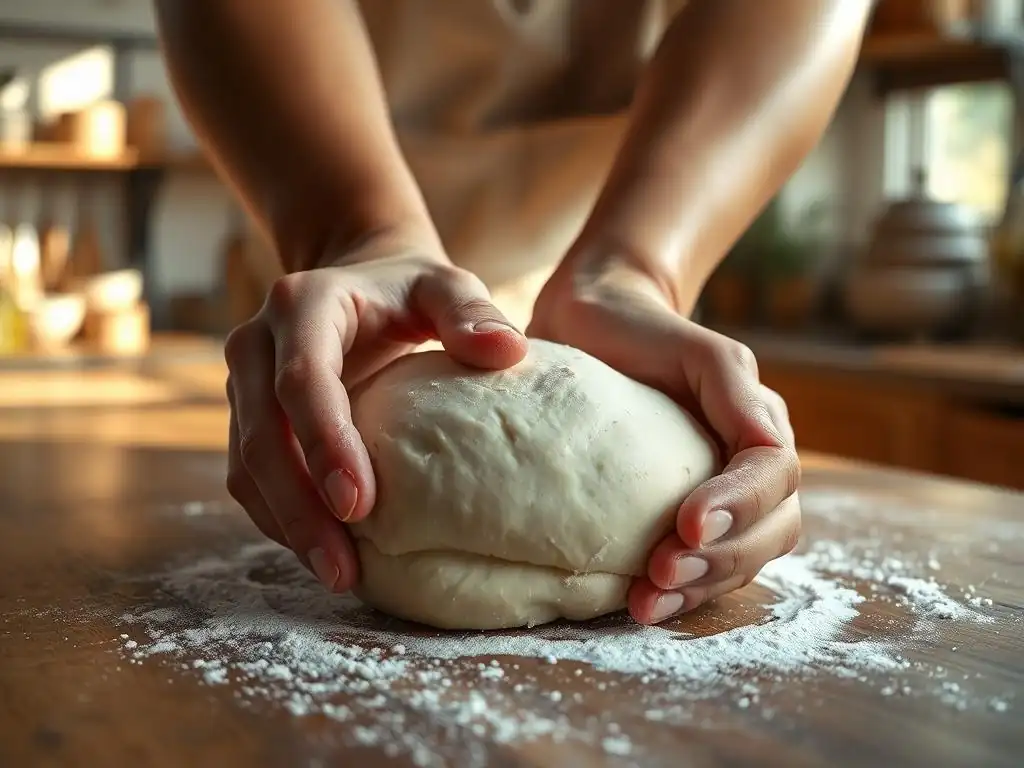
Welcome to BakeWithEase, your haven for all things baking! Ever wondered if the simple act of baking could be more than just creating delicious treats? Prepare to discover the surprising benefits behind our main article: Hand Kneading Rolls: A Therapeutic Guide. Dive in and explore how this traditional technique can not only produce the softest, most flavorful rolls, but also offer a unique path to relaxation and mindfulness. Intrigued? Let's get kneading!
- Hand Kneading Sourdough: A Therapeutic Guide | The Mindful Baker
- Discover the Therapeutic Benefits of Hand Kneading Sourdough
- Understanding the Connection: Hand Kneading, Mindfulness, and Well-being
- Hand Kneading Sourdough Therapy: A Step-by-Step Guide for Beginners
- Choosing the Right Ingredients for a Therapeutic Baking Experience
- Sourdough Recipes Optimized for Hand Kneading and Stress Reduction
- Troubleshooting Common Hand Kneading Challenges
- Enhancing Your Therapeutic Baking Experience
- Beyond the Recipe: Cultivating a Mindful Baking Practice
-
Frequently Asked Questions
- What are the benefits of hand kneading rolls, as opposed to using a stand mixer?
- How long should I hand knead the dough for rolls to achieve the desired texture?
- What are some common mistakes to avoid when hand kneading roll dough?
- Can I use different types of flour when hand kneading rolls, and how might this affect the process?
- What are some variations I can try to add flavor or texture to my hand-kneaded rolls?
- Final Reflection: The Healing Power of Touch in Hand Kneading Rolls
- Unleash Your Inner Baker (and Therapist! ): Knead Your Way to Calm
Hand Kneading Sourdough: A Therapeutic Guide | The Mindful Baker
Discover the Therapeutic Benefits of Hand Kneading Sourdough
Embrace the Art of Hand Kneading for Stress Relief
In a world that often feels fast-paced and demanding, finding moments of calm is crucial for well-being. Embracing the art of hand kneading sourdough offers a unique pathway to stress relief, transforming a simple culinary task into a profoundly therapeutic experience. The rhythmic motion of working the dough with your hands provides a physical outlet for tension, allowing you to channel energy and focus away from daily pressures. This tactile engagement grounds you in the present moment, offering a tangible connection to the ingredients and the process unfolding before you.
Beyond the physical act, the journey of hand kneading sourdough cultivates patience and acceptance. Unlike machine mixing, hand kneading requires time and attention, typically ranging from 10 to 20 minutes depending on the dough's hydration and desired development. This dedicated time becomes a meditative practice, a deliberate pause in your day where the only focus is the feel and transformation of the dough.
Many bakers report a significant reduction in anxiety after just one session, finding that the repetitive, soothing action helps quiet racing thoughts and promotes a sense of inner peace. This form of hand kneading rolls therapy is a natural, accessible way to unwind.
The Mindful Baker: Your Guide to Therapeutic Baking
Becoming a mindful baker starts with approaching the kitchen not just as a place to produce food, but as a sanctuary for self-care. BakeWithEase encourages you to view hand kneading sourdough not as a chore, but as an opportunity for mindfulness. It's about paying attention to the subtle changes in the dough – its stickiness, its elasticity, its temperature – and listening to what it needs. This heightened awareness translates beyond the kitchen, improving focus and presence in other areas of your life.
Our guide aims to help you unlock the full therapeutic potential of your baking endeavors. We'll walk you through techniques and perspectives that turn the simple act of combining flour and water into a powerful tool for mental and emotional balance. Whether you're just starting your sourdough journey or looking to deepen your connection with your craft, embracing the mindful approach to hand kneading can significantly enhance your well-being, making every batch of sourdough rolls a therapeutic triumph.
Understanding the Connection: Hand Kneading, Mindfulness, and Well-being
The Science Behind Hand Kneading and Relaxation
The calming effect of hand kneading isn't just anecdotal; it's supported by physiological principles. Engaging in repetitive, rhythmic activities, like the push-and-fold motion of kneading dough, can trigger the release of endorphins, the body's natural mood elevators. This is similar to the positive effects experienced during other repetitive activities like knitting or running. Furthermore, focusing on the physical sensation of the dough and the rhythm of your movements helps to shift your attention away from stressors, effectively interrupting negative thought loops.
Studies on the benefits of engaging the hands in creative or tactile tasks suggest a reduction in cortisol, the primary stress hormone. While specific percentages vary, engaging in activities like baking for even 30 minutes has been shown to lower perceived stress levels. The physical exertion involved in hand kneading also provides a healthy release for pent-up energy and frustration, contributing to a feeling of physical and mental relaxation. This makes hand kneading rolls therapy a practical method for managing daily stress.
How Hand Kneading Releases Tension and Promotes Calm
Hand kneading is a full-body activity that involves your arms, shoulders, and core, providing a gentle workout that can help release physical tension stored in the muscles. As you press, stretch, and fold the dough, you are actively working out stiffness and tightness accumulated from sitting at a desk or dealing with daily pressures. The resistance of the dough provides just enough challenge to engage your muscles without being overly strenuous, resulting in a feeling of physical release and ease.
The focus required for proper hand kneading also acts as a mental anchor. Instead of letting your mind wander to worries, you are concentrating on the task at hand: feeling the dough change, observing its texture, and anticipating the next step. This intense focus on the present moment is a core principle of mindfulness, helping to quiet the mental chatter and promote a state of calm awareness.
Many bakers describe reaching a flow state during kneading, where time seems to disappear, and they feel completely absorbed and at peace. This mindful engagement is key to the therapeutic benefits of hand kneading rolls therapy.
The Mindful Baker: Finding Peace in the Process
Finding peace in the process of baking is about more than just the final product; it's about appreciating every stage of the journey. As a mindful baker, you learn to embrace the imperfections, the unexpected challenges, and the simple beauty of transformation. Hand kneading sourdough teaches patience because the dough develops on its own timeline, not yours. You cannot rush gluten development; it requires consistent effort and time.
This acceptance of the natural process extends to your own mental state. Some days the dough might be stickier, or you might feel more tired. The mindful baker observes these conditions without judgment, adapting their technique as needed and finding peace in the effort itself, regardless of minor setbacks. This practice of non-judgmental observation and acceptance is a powerful tool for reducing anxiety and cultivating resilience, making the entire experience of hand kneading rolls therapy a lesson in living mindfully.
Hand Kneading Sourdough Therapy: A Step-by-Step Guide for Beginners
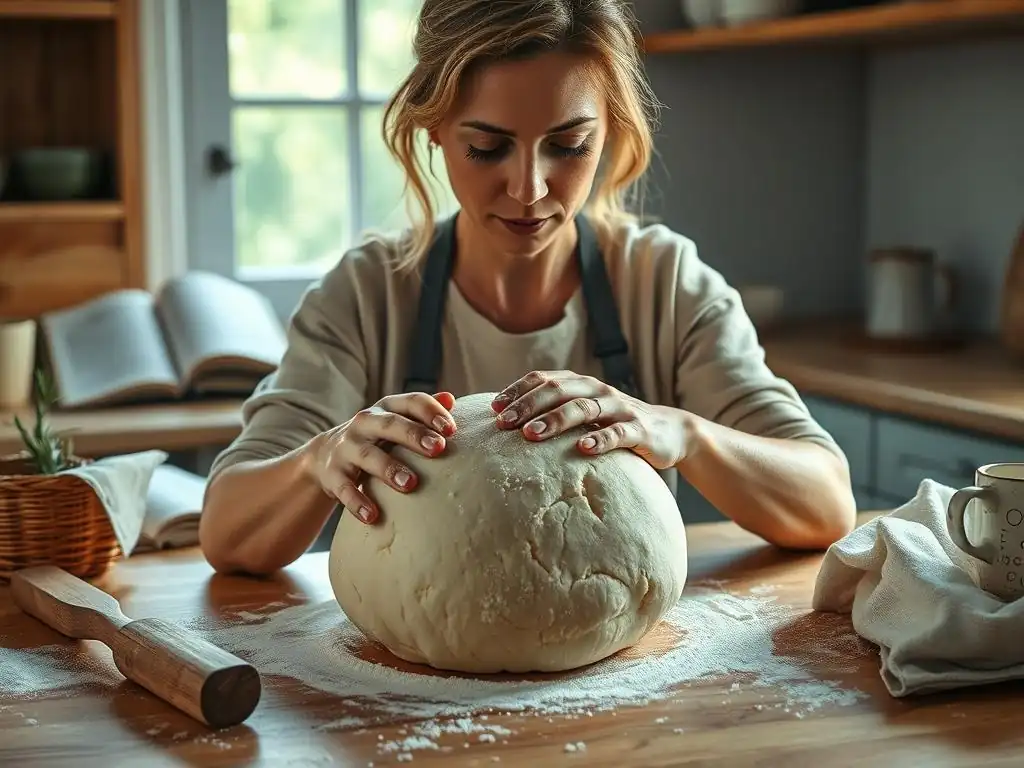
Preparing Your Levain for Therapeutic Kneading
The journey of hand kneading sourdough therapy begins with a vibrant, active levain (sourdough starter). A healthy starter is crucial because it provides the structure and rise for your dough, making it easier and more rewarding to knead by hand. Start by feeding your starter 4-12 hours before you plan to mix your dough, using a ratio that results in an active, bubbly culture that has roughly doubled in size. A common feeding ratio is 1:2:2 (starter:water:flour) by weight, for example, 25g starter, 50g water, 50g flour.
Ensure your starter is at its peak activity when you're ready to mix. You'll know it's ready when it's bubbly, smells pleasantly tangy, and passes the float test (a small spoonful floats in water). Using a peak starter ensures the fermentation process starts smoothly, which is essential for developing a strong gluten network through hand kneading. This preparation step, though simple, sets the stage for a successful and less frustrating kneading experience, contributing positively to your hand kneading rolls therapy session.
The Proper Technique for Hand Kneading Sourdough
Hand kneading sourdough involves a technique that differs slightly from traditional doughs due to its higher hydration. Instead of simply pushing and folding, you'll often use a series of stretches, folds, and slaps. Start by mixing your ingredients in a bowl until just combined (autolyse stage often precedes this for 30-60 mins, but the kneading starts after adding salt). Once the dough is shaggy, turn it out onto a lightly floured or damp surface.
The basic motion involves grabbing the dough from one side, stretching it upwards, and folding it back onto itself. Rotate the dough and repeat. For higher hydration doughs, the "slap and fold" method is very effective: pick up the dough, slap it onto the counter, stretch it out, and fold it back over itself.
This technique might feel messy at first, but it's incredibly efficient at developing gluten. Aim for about 10-15 minutes of consistent kneading or until the dough starts to become smooth and elastic. Focus on the rhythm and feel, turning the physical effort into a meditative practice for your hand kneading rolls therapy.
Mastering the Art of the "Stretch and Fold"
The "stretch and fold" technique is a cornerstone of sourdough development, especially for hand kneaded doughs. It's performed after the initial mixing or kneading phase, during the bulk fermentation period. Typically, you'll perform 3-6 sets of stretch and folds over the first 2-3 hours of bulk fermentation, with 30-60 minutes rest between sets. This method is gentler than continuous kneading but equally effective at building structure and strength.
To perform a stretch and fold, dampen your hand slightly to prevent sticking. Imagine the dough as a square in its container. Gently slide your hand under one side of the dough, stretch it upwards as far as it will go without tearing, and fold it back over the rest of the dough. Rotate the container 90 degrees and repeat with the next side.
Perform this action for all four sides. This process redistributes the yeast and bacteria, equalizes temperature, and strengthens the gluten network progressively. Each set is a moment to connect with the dough, observing its increasing elasticity and smoothness, enhancing the therapeutic benefits of your hand kneading rolls therapy.
Recognizing the Signs of a Perfectly Developed Dough
Knowing when your sourdough dough is perfectly developed through hand kneading is crucial for a successful bake. The most reliable indicator is the "windowpane test." After kneading for sufficient time, gently pull a small piece of dough and stretch it between your fingers. If the dough can be stretched thin enough to see light through it without tearing, like a translucent windowpane, the gluten is well-developed. If it tears easily, it needs more kneading or resting time.
Other signs include the dough becoming smooth, less sticky, and more elastic. It will hold its shape better and feel alive and resilient under your hands. When you press a finger into the dough, the indentation should slowly spring back. These tactile cues are part of the mindful baking experience, teaching you to trust your senses rather than relying solely on a timer. Recognizing these signs is a satisfying milestone in your hand kneading rolls therapy journey.
Choosing the Right Ingredients for a Therapeutic Baking Experience
The Importance of High-Quality Flour for Hand Kneading Sourdough
The quality of your flour significantly impacts the hand kneading experience and the final outcome of your sourdough. High-quality bread flour, typically with a protein content of 12-14%, is ideal for hand kneading because it contains more gluten-forming proteins. These proteins are essential for developing the strong, elastic network that gives sourdough its structure and characteristic chew. Using good flour makes the dough easier to handle, less prone to tearing during stretching, and more responsive to your kneading efforts.
Consider using organic or freshly milled flours if possible. These often retain more nutrients and flavor, contributing to a more wholesome and satisfying baking experience. While all-purpose flour (around 10-11.5% protein) can be used, it will require a gentler hand and may not develop as strong a gluten structure, potentially making the kneading process less forgiving. Investing in quality flour enhances not only the bread but also the tactile pleasure of hand kneading, deepening the therapeutic aspects of your hand kneading rolls therapy.
Selecting the Best Water for Optimal Dough Hydration
Water is not just a hydration agent in sourdough; it plays a crucial role in gluten development and fermentation. The type and temperature of water can affect your dough. Filtered water is generally recommended to avoid potential issues with chlorine or other chemicals present in tap water, which can sometimes inhibit yeast and bacterial activity in your starter and dough. While a small amount of chlorine is usually negligible, opting for filtered water removes this variable.
The temperature of the water also matters. Lukewarm water (around 75-85°F or 24-30°C) is often preferred as it helps activate the starter and promotes a good start to fermentation. However, cooler water can be used for longer fermentation times, which can develop more complex flavors. Pay attention to your recipe's recommended water temperature, but understand that adjusting slightly based on your ambient kitchen temperature can help regulate the dough's fermentation pace. Proper hydration, achieved with good water, makes the dough more pliable and enjoyable to knead by hand, contributing to a smoother hand kneading rolls therapy session.
Adding Seeds and Grains for Enhanced Texture and Flavor
Incorporating seeds and grains into your sourdough dough can add wonderful texture, flavor, and nutritional value, enriching your therapeutic baking experience. Whole grains like rye, spelt, or whole wheat can be used in part of the flour mix (e.g., 10-30% of the total flour weight), adding nuttiness and density. Seeds such as flax, chia, sunflower, or pumpkin seeds can be added directly to the dough during mixing or soaked beforehand (as a 'soaker') to prevent them from absorbing too much moisture from the dough itself.
Working with dough containing seeds or grains introduces new tactile sensations during hand kneading. The dough might feel slightly different, perhaps a little rougher or heavier, adding another layer to the sensory experience. This variation keeps the hand kneading process interesting and engaging. Experimenting with different additions allows you to personalize your hand kneading rolls therapy, creating unique loaves or rolls that are both delicious and a joy to create from start to finish.
Sourdough Recipes Optimized for Hand Kneading and Stress Reduction
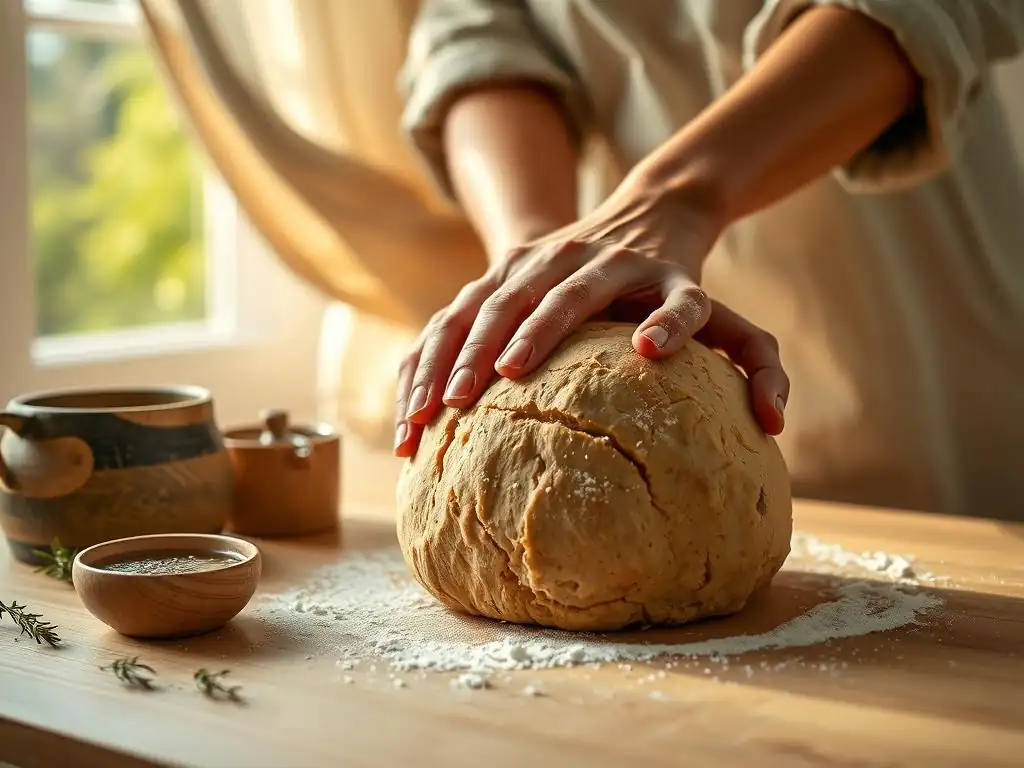
Classic Country Sourdough: A Therapeutic Recipe
The Classic Country Sourdough is an excellent recipe for hand kneading, typically using a hydration level between 70-75%. This range provides a dough that is wet enough to require some technique (like slap and fold or stretch and fold) but not so wet that it becomes unmanageable for beginners. A standard recipe might involve 500g of bread flour, 350-375g of water, 10g of salt, and 100g of active sourdough starter. The process usually involves an autolyse, incorporating the starter and salt, followed by a series of hand kneads or stretch and folds over 2-3 hours.
This recipe's simplicity makes it ideal for focusing on the process. The relatively long bulk fermentation (often 4-6 hours at room temperature, or longer in the fridge) allows ample time for multiple hand kneading sessions (stretch and folds), each serving as a mini-therapy session. The dough develops beautifully with manual manipulation, becoming smooth and strong. The anticipation of the golden crust and airy interior adds to the satisfaction, making this a truly rewarding hand kneading rolls therapy experience.
Whole Wheat Sourdough: A Healthy and Relaxing Baking Option
Baking Whole Wheat Sourdough offers a slightly different hand kneading experience and provides increased nutritional benefits. Whole wheat flour absorbs more water than white flour and contains bran and germ, which can interfere slightly with gluten development. A typical recipe might use 30-50% whole wheat flour alongside white bread flour, with hydration potentially slightly higher (e.g., 75-80%) to compensate for the whole wheat's thirstiness. Ingredients could be 250g whole wheat flour, 250g bread flour, 375-400g water, 10g salt, and 100g starter.
Hand kneading whole wheat dough can feel a bit different – perhaps slightly less elastic initially. However, with patient stretching and folding, the gluten network still develops effectively. The longer fermentation often associated with whole wheat sourdough (sometimes 6-8 hours for bulk fermentation) provides extended opportunities for mindful interaction with the dough during stretch and folds. The earthy aroma and robust texture of the finished loaf or rolls contribute to the sensory pleasure, enhancing the hand kneading rolls therapy process.
Rye Sourdough with Caraway Seeds: A Sensory Delight
Rye sourdough, often made with a portion of rye flour (e.g., 20-40%) mixed with bread flour, offers a distinct flavor profile and a dough with unique handling characteristics. Rye flour has less gluten-forming protein than wheat, so doughs with a high percentage of rye can be stickier and less elastic. A recipe might use 150g rye flour, 350g bread flour, 350-380g water, 10g salt, 1 tsp caraway seeds, and 100g starter.
Hand kneading rye sourdough might involve more gentle handling and reliance on the stretch and fold method rather than vigorous kneading. The dough will feel denser and perhaps a bit stickier than a pure wheat dough. The addition of caraway seeds provides a fragrant aroma during kneading and baking, adding another layer to the sensory engagement. Working with this unique dough offers a different kind of challenge and reward, proving that hand kneading rolls therapy can take many forms and flavors.
Troubleshooting Common Hand Kneading Challenges
Addressing Sticky Dough Issues
Sticky dough is perhaps the most common frustration when hand kneading, especially with high-hydration sourdough. It sticks to your hands, the counter, and everything in between. While some stickiness is normal, excessive stickiness can hinder proper gluten development and make the process stressful rather than therapeutic. One primary cause is insufficient gluten development; the dough hasn't been kneaded enough for the proteins to form a strong network capable of holding the water.
To address sticky dough during hand kneading rolls therapy, avoid adding too much extra flour, as this changes the hydration ratio and can result in a dry loaf. Instead, try wetting your hands and the work surface slightly with water. This provides a barrier that prevents the dough from adhering. Alternatively, use a bench scraper to help manage the dough and scrape it off the surface. Continue kneading patiently; as gluten develops, the dough will become less sticky and more manageable, usually within 10-15 minutes of active kneading. Remember that patience is key in hand kneading rolls therapy.
Correcting Over-Proofed Dough
Over-proofing occurs when the dough ferments for too long before shaping and baking. Signs include a dough that looks overly bubbly, might have started collapsing, smells strongly acidic or alcoholic, and feels fragile or weak. Hand kneading cannot fix over-proofing, but understanding the signs helps manage the process. Over-proofed dough often struggles to hold its shape and won't develop a good oven spring, resulting in flat, dense loaves or rolls.
If your dough is slightly over-proofed during bulk fermentation, you might be able to salvage it by gently shaping it and reducing the final proofing time significantly, or even baking it immediately. If it's severely over-proofed and has collapsed, you can sometimes reshape it gently and give it a very short final proof (perhaps 15-30 minutes), or turn it into a flatbread or pizza dough.
Preventing over-proofing is easier than fixing it; pay attention to the dough's signs (look for a roughly 50-80% increase in volume during bulk fermentation, not doubling or tripling) and ambient temperature. Learning to read your dough's fermentation is part of the mindful journey in hand kneading rolls therapy.
Achieving the Perfect Dough Consistency Every Time
Achieving the perfect dough consistency through hand kneading requires practice and observation. It's not just about following a recipe precisely, as factors like flour type, humidity, and ambient temperature all play a role. The goal is a dough that is elastic, smooth, and resilient, capable of holding its shape while still being pliable enough to work with.
Pay close attention to the feel of the dough as you knead. Is it resisting your pushes? Is it tearing easily when stretched? Is it becoming less sticky over time?
Use the windowpane test as a guide, but also trust your intuition. If the dough feels too dry, add a tablespoon of water at a time and knead it in. If it's too wet and unmanageable after 10-15 minutes of kneading, you can incorporate a tablespoon or two of flour, but do so sparingly. Consistency comes from repetition and learning to adjust based on the dough's feedback, making each kneading session a learning experience in your hand kneading rolls therapy.
Enhancing Your Therapeutic Baking Experience
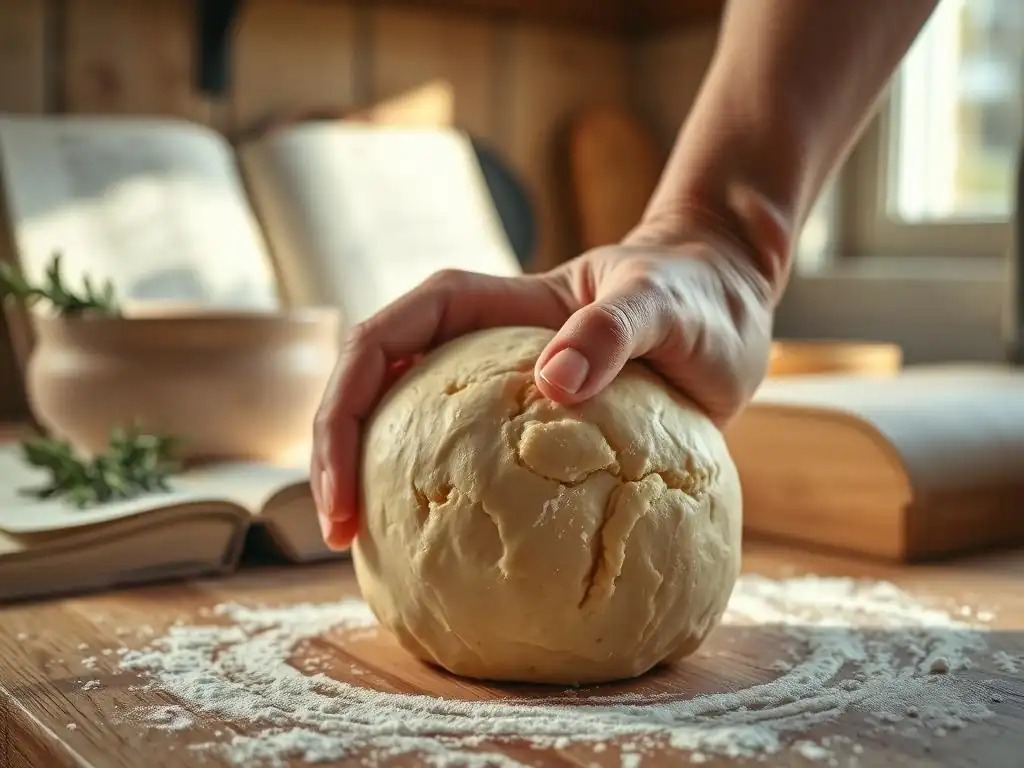
Creating a Calm and Relaxing Baking Environment
Transforming your kitchen into a calm and relaxing space significantly enhances the therapeutic benefits of hand kneading sourdough. Start by decluttering your workspace before you begin. A clean and organized area reduces visual stress and allows you to focus solely on the task at hand. Ensure you have all your ingredients and tools ready before you start mixing, minimizing interruptions and frantic searching later on.
Consider the ambiance of your kitchen. Dim harsh overhead lights and rely on softer lighting if possible. Ensure the temperature is comfortable – neither too hot (which can make dough sticky) nor too cold. By creating a serene environment, you signal to your mind and body that this is a time for relaxation and focus, setting the stage for a truly immersive hand kneading rolls therapy session.
The Benefits of Baking with Natural Light and Soothing Music
Baking during the day, utilizing natural light streaming into your kitchen, can significantly boost your mood and energy levels. Sunlight exposure is known to increase serotonin production, contributing to feelings of well-being and calmness. Position your workspace near a window if possible, and appreciate the visual connection to the outside world while you work with your hands indoors.
Pairing your hand kneading session with soothing music can further enhance the therapeutic effect. Choose music that is calming and non-distracting – perhaps classical, ambient, or instrumental tracks. Avoid anything too upbeat or with complex lyrics that might pull your focus away from the dough. The combination of natural light and gentle sound creates a harmonious backdrop for your hand kneading rolls therapy, making the experience more enjoyable and deeply relaxing.
The Importance of a Clean and Organized Workspace
Maintaining a clean and organized workspace throughout the hand kneading process is not just about hygiene; it's about promoting mental clarity and reducing stress. Starting with a clean surface, bowls, and tools prevents cross-contamination and makes the entire process smoother. As you work, clean up spills and put away ingredients as you finish with them.
A clean workspace also allows you to better appreciate the tactile experience of hand kneading. Without sticky messes or clutter distracting you, you can fully focus on the feel of the dough and the rhythm of your movements. Ending your baking session with a clean kitchen provides a sense of accomplishment and closure, reinforcing the positive feelings associated with your hand kneading rolls therapy practice.
Beyond the Recipe: Cultivating a Mindful Baking Practice
Integrating Hand Kneading into Your Self-Care Routine
Integrating hand kneading sourdough into your regular self-care routine is a powerful way to prioritize your mental and emotional health. Think of it as scheduled therapy time. Even setting aside 20-30 minutes a few times a week for the initial kneading or subsequent stretch and folds can make a significant difference. Treat this time as non-negotiable, just like a yoga class or meditation session.
By consciously scheduling this activity, you create a ritual that your mind and body can look forward to. It becomes a reliable source of stress relief and a creative outlet. This consistent practice of hand kneading rolls therapy helps build resilience, allowing you to approach daily challenges with a calmer and more centered mindset.
While hand kneading can be a deeply personal therapeutic practice, sharing the fruits of your labor with others adds another layer of well-being. The act of baking for friends, family, or neighbors is an expression of care and generosity. Presenting a freshly baked loaf or a batch of warm sourdough rolls provides immense satisfaction, seeing the joy it brings to others.
Sharing your baked goods fosters connection and strengthens relationships, which are vital components of overall happiness and well-being. The positive feedback you receive can boost your confidence and sense of accomplishment. Ultimately, the therapeutic benefits of hand kneading extend beyond the individual baker, rippling outwards to create warmth and connection in your community through delicious, handmade bread. This shared experience enhances the positive impact of hand kneading rolls therapy.
Embrace the Journey: Continuous Learning and Experimentation in Sourdough Baking
Sourdough baking is a journey of continuous learning and experimentation, offering endless opportunities for growth and discovery. Don't be discouraged by setbacks or less-than-perfect loaves. Each bake is a chance to learn something new – about your starter, your flour, your kitchen environment, and your own technique. Embrace the process of trial and error with curiosity rather than frustration.
Experiment with different hydration levels, flours, fermentation times, and additions like seeds or herbs. Try shaping different types of sourdough rolls or loaves. This ongoing exploration keeps the practice fresh and engaging, preventing it from becoming monotonous. The willingness to experiment and learn is a mindset that translates well beyond baking, fostering resilience and adaptability in all areas of life, making the entire hand kneading rolls therapy experience a path of personal development.
Frequently Asked Questions
What are the benefits of hand kneading rolls, as opposed to using a stand mixer?
Hand kneading provides a therapeutic experience, offering a connection to the dough and a mindful activity. It also allows for better control over dough development.
How long should I hand knead the dough for rolls to achieve the desired texture?
Kneading time varies, but generally aim for 8-10 minutes until the dough becomes smooth and elastic. Perform the windowpane test to confirm readiness.
What are some common mistakes to avoid when hand kneading roll dough?
Avoid adding too much flour, which can result in dry rolls. Also, ensure a consistent kneading rhythm and adequate gluten development for light and airy results.
Can I use different types of flour when hand kneading rolls, and how might this affect the process?
Yes, different flours affect gluten development. Bread flour is recommended for stronger rolls, while all-purpose flour works but may require more kneading for structure.
What are some variations I can try to add flavor or texture to my hand-kneaded rolls?
Experiment with herbs, spices, or cheese during kneading. Adding seeds or oats can also improve the texture and nutritional value of your rolls.
Final Reflection: The Healing Power of Touch in Hand Kneading Rolls
The simple act of hand kneading dough, often overlooked, reveals a profound connection between mindful movement and therapeutic well-being. This practice, far from being merely a culinary task, offers a surprisingly effective pathway to stress reduction and emotional regulation, a need increasingly relevant in our fast-paced, technology-driven world. The therapeutic benefits extend beyond the kitchen, offering a readily accessible tool for self-care and emotional resilience.
The exploration of hand kneading rolls as a therapeutic modality highlights the often-underestimated power of tactile engagement. The rhythmic repetition, the feeling of the dough yielding under our hands, creates a meditative state that can ease anxiety and promote a sense of calm. This mindful process allows us to connect with our bodies and the present moment, a crucial element often missing in our daily lives. The hands are the instruments of our soul.
This quote, though not directly about kneading dough, perfectly captures the inherent connection between our hands and our emotional well-being.
Now, consider how you can integrate this simple yet powerful technique into your own life. Perhaps dedicate a few minutes each day to kneading dough, focusing on the sensation and rhythm of the movement. Let it be a moment of self-care, a pause in the whirlwind of daily demands. Embrace the therapeutic potential of this ancient practice, and discover the healing power that lies within the simple act of hand kneading rolls. You might be surprised by the profound impact it can have on your overall well-being.
Unleash Your Inner Baker (and Therapist! ): Knead Your Way to Calm
Thanks for taking the time to explore the therapeutic power of hand-kneading bread! We hope you discovered a new appreciation for the simple act of creating something delicious and grounding. Ready to put your newfound knowledge into practice?
- Knead your worries away: Try our suggested hand-kneading techniques with your next batch of rolls. Feel the stress melt away as you work the dough.
- Share your dough-lightful experience: Post a picture of your freshly baked creations on social media and tag us! Let's build a community of mindful bakers.
- Explore new recipes: Dive deeper into the world of therapeutic baking by experimenting with different doughs and techniques. What will you create next?
What surprising benefits did you discover from the simple act of kneading bread? Share your experience in the comments below!