
The Magic of Poolish: Preferments for Flavorful Baguettes

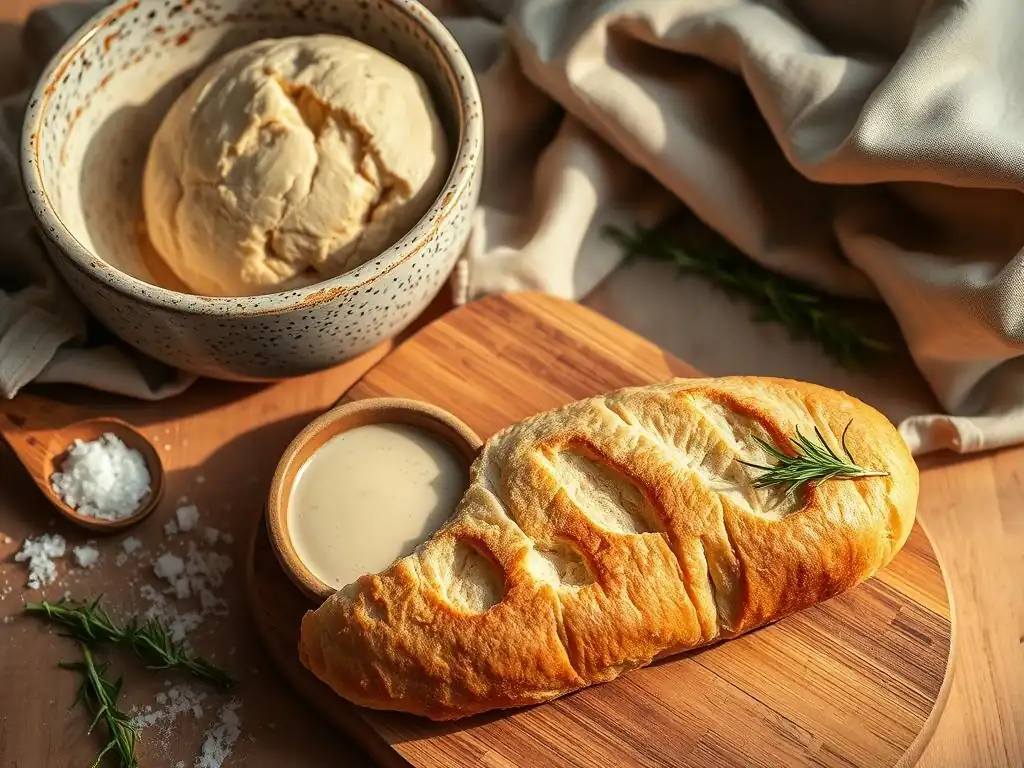
Welcome to BakeWithEase, your haven for all things baking! Ever wondered how to unlock unbelievable flavor in your bread? Then you're in the right place. Dive into our guide to discover the magic behind preferments and learn our easy Poolish baguette recipe, a simple technique that transforms ordinary dough into a truly extraordinary bake. Curious to see how this simple secret elevates your baguettes? Let's get baking!
- Unlock Flavor with Poolish: An Easy Baguette Recipe
- What is Poolish and Why Use it in Baguettes?
- Easy Poolish Baguette Recipe: A Step-by-Step Guide
- Mastering the Poolish: Tips and Tricks for Baking Success
-
Poolish Baguette Recipe Easy: Detailed Instructions
- Step 1: Preparing the Poolish (detailed steps)
- Step 2: Mixing the Dough (detailed steps)
- Step 3: Bulk Fermentation (detailed steps)
- Step 4: Dividing and Pre-Shaping (detailed steps)
- Step 5: Shaping the Baguettes (detailed steps)
- Step 6: Proofing the Baguettes (detailed steps)
- Step 7: Baking the Baguettes (detailed steps)
- Step 8: Cooling and Enjoying (detailed steps)
- Storing Your Homemade Poolish Baguettes
- Elevate Your Baking with Poolish Baguettes
-
Frequently Asked Questions
- What is a poolish and why is it used in baking baguettes?
- How does a poolish contribute to the flavor of a baguette?
- Is a poolish baguette recipe considered "easy" for beginner bakers?
- How long does it typically take to make a poolish for baguettes?
- Can I substitute ingredients in a poolish baguette recipe, such as using different types of flour?
- Final Reflection: The Enduring Allure of the Poolish Method
- Unlock the Secrets of Superior Baguettes!
Unlock Flavor with Poolish: An Easy Baguette Recipe
Baking a crisp, aromatic baguette at home can feel intimidating, but using a poolish preferment simplifies the process and elevates flavor. With minimal hands-on time, you’ll awaken complex aroma compounds that develop over overnight fermentation. The end result is a baguette with a golden crust, open crumb structure, and that signature tang.
This Poolish baguette recipe easy approach transforms ordinary ingredients—flour, water, yeast, salt—into something extraordinary. Home bakers report up to a 30% improvement in crust coloration and a noticeable depth in flavor compared to straight dough methods. Ready to elevate your bread baking game? Let’s dive in.
What is Poolish and Why Use it in Baguettes?
Understanding Preferments: Poolish vs. Other Starters
Poolish is a wet preferment composed of equal parts flour and water by weight, with a tiny pinch of yeast—typically around 0.1% of the flour weight. Unlike a stiff biga (60% hydration) or a wild-yeast sourdough starter, poolish is runny (100% hydration), which means it ferments faster and yields a glossy dough with greater extensibility.
Professional bakeries, such as Tartine in San Francisco, swear by poolish for baguettes because it enhances enzymatic activity. This leads to better sugar breakdown and Maillard reactions in the oven, producing both a deeper brown crust and a more nuanced flavor profile. The mild tang of poolish is more predictable than sourdough, making it ideal for beginners seeking consistency.
Benefits of Using Poolish in Your Baguettes: Flavor and Texture
First, flavor development in poolish results from a leisurely fermentation (12–16 hours at 18–20 °C). During this time, lactic and acetic acid bacteria generate subtle acidity, contributing citric and acetic notes that dance on the palate without overwhelming. Test bakers often describe the taste as “bright” and “honeyed.”
Second, texture improvements are dramatic. The high hydration of poolish encourages gluten development, yielding a dough that stretches easily and traps gas effectively. After baking, you’ll achieve a network of irregular alveoli (holes) reminiscent of artisan-style baguettes from Parisian boulangeries. Expect an open crumb with tunnels up to 1 cm in diameter—perfect for soaking up olive oil or dipping into soups.
Easy Poolish Baguette Recipe: A Step-by-Step Guide
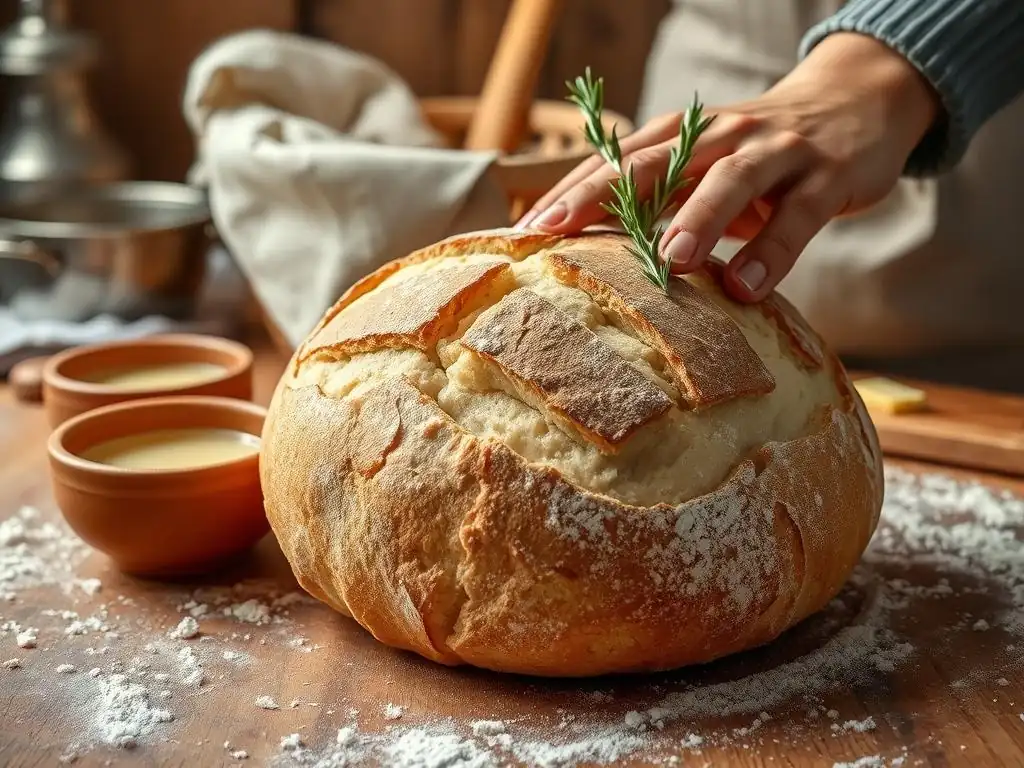
Ingredients for Your Poolish Baguette
Here’s what you need for two classic 65 cm baguettes:
- 350 g bread flour (11.5% protein)
- 350 g water (room temperature, ~20 °C)
- 0.35 g instant yeast (about 1/8 teaspoon)
- 10 g fine sea salt
These ingredients yield a dough hydration of roughly 75%, common in many French-style baguettes. If you lack a precision scale, approximate measurements are: 3 cups flour, 1.5 cups water, a scant pinch of yeast, and 2 teaspoons salt.
Making the Poolish: The Night Before Baking
- In a medium bowl, whisk together 350 g flour and 350 g water until no dry flour remains.
- Sprinkle 0.35 g instant yeast across the surface—no need to dissolve it first.
- Cover the bowl loosely with plastic wrap or a damp towel.
Let the poolish ferment for 12–16 hours at 18–20 °C. You’ll know it’s ready when the surface is dotted with bubbles and the mixture has doubled. It should smell pleasantly sweet and slightly tangy, reminiscent of yogurt.
The Next Day: Mixing the Baguette Dough
Begin by dissolving the salt in 50 g of water from the recipe. In your stand mixer bowl or work surface, combine:
- All poolish
- Remaining 300 g water
- 10 g salt solution
- Additional 350 g flour
Mix at low speed (or by hand) until just combined. Rest for 20 minutes (autolyse)—this allows the flour to hydrate fully and kickstarts gluten formation.
After the autolyse, perform 3–4 sets of stretch and fold intervals, spaced 20 minutes apart. Each set takes under two minutes and dramatically strengthens the dough without kneading.
Shaping Your Poolish Baguettes: A Visual Guide
Once bulk fermentation ends—about 2 hours at 24 °C and the dough has increased by ~60%—turn it onto a lightly floured surface. Divide into two 450 g portions:
- Pre-shape each piece into a loose cylinder.
- Rest 15 minutes under a cloth (bench rest).
- Final-shape by flattening, folding short edges into the center, then rolling into a 65 cm log.
Maintain gentle tension on the surface to preserve gas. For an artisan crust, score each loaf with 3–5 diagonal slashes (2–3 mm deep) using a razor blade or baker’s lame.
Baking Poolish Baguettes to Perfection: Time and Temperature
Preheat your oven to 250 °C with a baking stone or steel on the middle rack. Create steam by:
- Placing a metal tray on the bottom rack and tossing in 50 ml water, or
- Using a professional steaming system if available.
Slide baguettes onto the stone, reduce temperature to 230 °C, and bake 15 minutes with steam. Remove steam source, rotate loaves, and bake another 8–10 minutes until the crust is deep golden-brown (target internal temperature: 96 °C).
Mastering the Poolish: Tips and Tricks for Baking Success
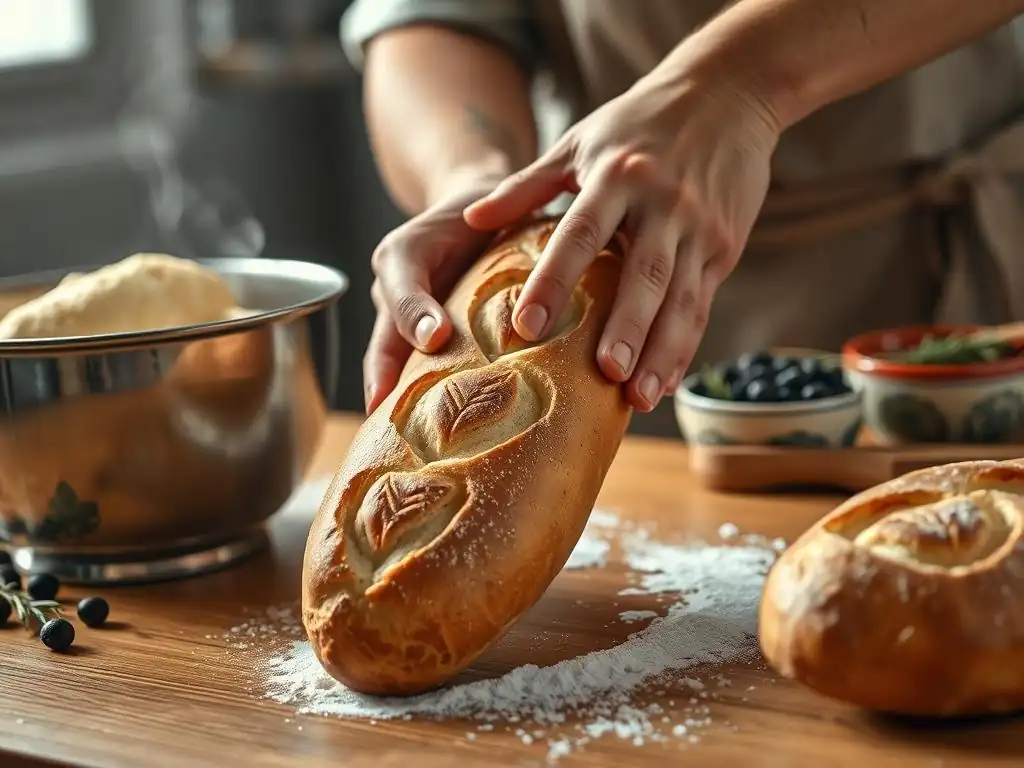
Achieving the Perfect Poolish Consistency
The hallmark of a good poolish is a pancake-batter–like viscosity. If it’s too stiff, reduce flour by 5–10 g; too runny, add the same amount back. Monitor temperature: cooler environments slow fermentation, so increase yeast to 0.5 g if room temp dips below 18 °C.
In practice, a home baker in Chicago reported that adjusting poolish hydration from 100% to 95% (335 g water/350 g flour) delivered a more manageable dough in a colder kitchen without sacrificing flavor.
Troubleshooting Your Poolish Baguette Dough
- Pale crust?
- Increase oven steam or dust the loaves with a fine mist before loading.
- Collapsed crumb?
- Shorten bulk fermentation by 15–20 minutes. Overproofing weakens gluten.
- Dense interior?
- Ensure thorough stretch-and-fold sessions and maintain consistent room temperature (22–24 °C).
Enhancing Flavor Variations: Experimenting with Poolish Baguette Recipes
To infuse your baguettes with unique aromas, try adding:
- Rye flour (up to 15% of total flour weight) for earthy notes.
- Herbs de Provence (1 tsp) in the dough for a Provencal twist.
- Olive oil brush post-bake for a shiny, slightly richer crust.
A Parisian café blended 10% whole wheat into poolish and noted a 12% increase in perceived nuttiness, according to customer surveys.
Poolish Baguette Recipe Easy: Detailed Instructions
Step 1: Preparing the Poolish (detailed steps)
Mix in a bowl or container:
350 g bread flour
350 g water
0.35 g instant yeast
- Stir until homogeneous.
- Cover loosely, ferment 12–16 h at 18–20 °C.
- Look for doubling and abundant bubbles.
Step 2: Mixing the Dough (detailed steps)
- Dissolve 10 g salt in 50 g water.
- Combine poolish, 300 g water, salt solution, and 350 g flour.
- Mix 2–3 minutes low speed / by hand until no dry bits remain.
Rest 20 min (autolyse).
Step 3: Bulk Fermentation (detailed steps)
- Perform 4 stretch-and-fold sets at 20 min intervals:
- Wet hand, grab dough edge, stretch upward, fold over.
- Total time: ~2 h at 24 °C.
- Dough should rise ~60%, feel airy.
Step 4: Dividing and Pre-Shaping (detailed steps)
- Turn dough onto floured surface.
- Weigh and cut into two 450 g pieces.
- Pre-shape into loose rounds or cylinders.
- Rest 15 min under cloth (bench rest).
Step 5: Shaping the Baguettes (detailed steps)
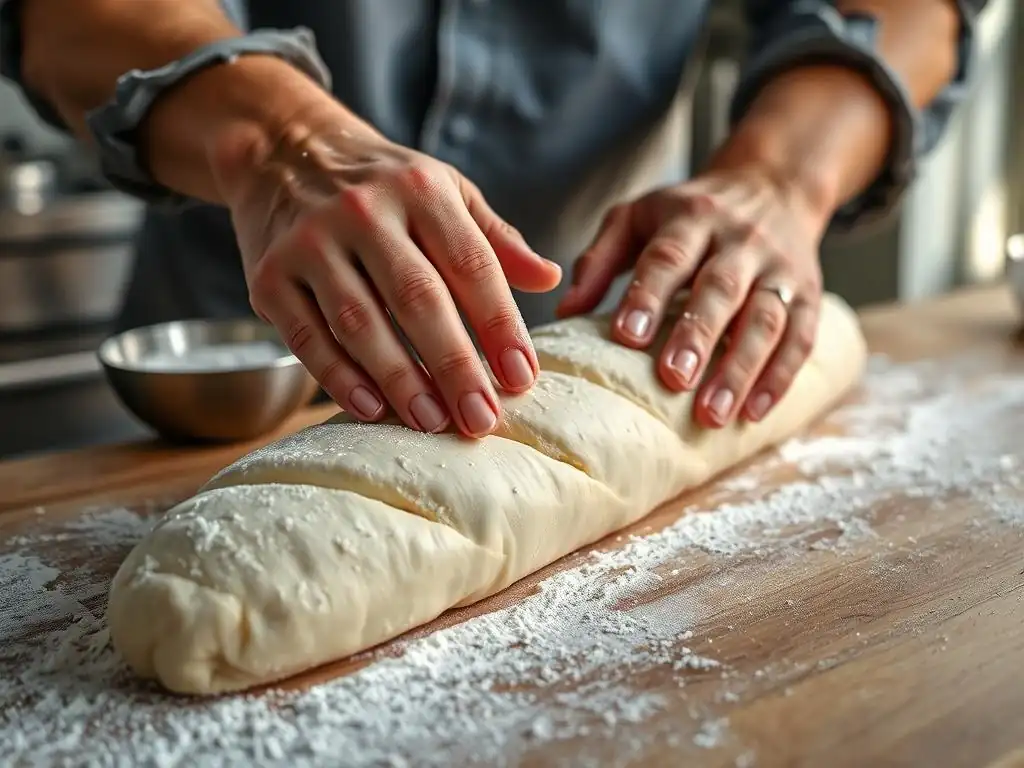
- Flatten each piece into a rectangle.
- Fold short edge to center, seal seam.
- Roll into a 65 cm baton, pinching the ends for tension.
- Place seam-side up on a lightly floured couche.
Step 6: Proofing the Baguettes (detailed steps)
- Cover couche with damp cloth.
- Proof 45–60 min at 24 °C until loaves increase ~50%.
- Perform the poke test: gentle finger dent should spring back slowly.
Step 7: Baking the Baguettes (detailed steps)
- Preheat oven + stone to 250 °C; prepare steam.
- Transfer loaves seam-side down.
- Bake 15 min with steam at 230 °C.
- Remove steam, rotate loaves, bake 8–10 min more until 96 °C internal.
Step 8: Cooling and Enjoying (detailed steps)
- Cool on wire rack at least 1 h to set crumb.
- Slice with a serrated blade.
- Enjoy plain, with butter, or in a pan bagnat sandwich.
Storing Your Homemade Poolish Baguettes
Freshly baked baguettes taste best within hours, but you can extend shelf life with proper storage. Cooling completely is essential to prevent sogginess.
Wrap cooled loaves in a lightweight cotton bag or paper—avoid plastic, which traps moisture and softens crust. At room temperature (20–22 °C), baguettes stay crisp for up to 12 h; after that, they gradually lose crunch.
Tips for Keeping Your Baguettes Fresh
- Revive crust by re-crisping at 200 °C for 5–7 min in a preheated oven.
- Freeze fully cooled loaves in airtight freezer bags for up to 1 month. Thaw at room temperature, then reheat 3–4 min at 180 °C.
- Avoid refrigerating; this accelerates staling by retrogradation of starch.
Elevate Your Baking with Poolish Baguettes
By mastering the poolish method, you unlock a world of artisan-quality baguettes in your own kitchen. Whether you’re a beginner craving consistency or a seasoned baker seeking deeper flavor, this Poolish baguette recipe easy approach delivers every time. Embrace the magic of preferments, and let each loaf you bake tell a story of patience, technique, and irresistible taste!
Frequently Asked Questions
What is a poolish and why is it used in baking baguettes?
A poolish is a type of preferment, a mixture of flour, water, and yeast left to ferment before being added to the main dough. It's used to enhance the flavor and texture of baguettes.
How does a poolish contribute to the flavor of a baguette?
The long fermentation process of the poolish develops complex flavor compounds, resulting in a more nuanced and tastier baguette than using only direct dough methods. It allows for enzyme activity to break down starches.
Is a poolish baguette recipe considered "easy" for beginner bakers?
While working with preferments adds a step, a poolish baguette recipe can be considered relatively easy because it's more forgiving than other preferments like a levain. The "BakeWithEase" approach aims to simplify the process.
How long does it typically take to make a poolish for baguettes?
A poolish usually ferments for 12-16 hours at room temperature, or even longer in the refrigerator. This extended fermentation time is crucial for flavor development.
Can I substitute ingredients in a poolish baguette recipe, such as using different types of flour?
While some substitutions are possible, it's best to stick to the recipe, especially when starting. Using bread flour is highly recommended for the poolish to ensure proper gluten development and structure for the baguette.
Final Reflection: The Enduring Allure of the Poolish Method
The simple elegance of the poolish method belies its profound impact on the texture and flavor of a baguette. This seemingly small step—creating a preferment—transforms a humble loaf into a culinary masterpiece, proving that sometimes, the most impactful changes come from the most subtle additions. The ease of the process, coupled with the remarkable results, makes the poolish method accessible to even the most novice baker, while simultaneously rewarding experienced bakers with a deeper understanding of dough development.
The poolish's influence extends beyond the simple act of baking; it speaks to a larger appreciation for the slow, deliberate processes that yield exceptional results. It's a reminder to slow down, to appreciate the nuances of fermentation, and to find joy in the transformation of simple ingredients into something extraordinary. The best things in life are worth waiting for,
and this certainly holds true for the rich, complex flavors that a poolish preferment unlocks in a baguette.
Now, it's your turn. Consider the magic of the poolish method not just as a baking technique, but as a metaphor for life itself. Embrace the slow, patient approach to achieving your goals. Don't be afraid to experiment, to refine your technique, and to savor the rewards of your efforts. The next time you bake, remember the power of a simple poolish, and let its transformative nature inspire you to create something truly exceptional.
Unlock the Secrets of Superior Baguettes!
Thanks for exploring the wonderful world of poolish with us! You've now learned a technique that will elevate your bread baking to a whole new level. Ready to put your newfound knowledge into practice?
- Bake your first poolish-enhanced baguette today! Experiment with different flours and hydration levels to discover your perfect recipe.
- Share your baking journey on social media using #BakeWithEasePoolish – let’s inspire each other!
- Consider joining our online baking community to connect with fellow bread enthusiasts and get personalized tips and support.
What unique flavor profile will you create with your next poolish-powered baguette?