
How to FineTune Texture: Balancing Almond & Coconut Flour

Welcome to BakeWithEase, your companion in the delightful world of baking! Ever wondered how to achieve that perfect almond coconut flour texture in your baked goods? We unravel the secrets to balancing these unique flours, offering insights that will transform your dietary and allergen-specific baking adventures. Prepare to unlock a new level of deliciousness – the journey starts here!
- How to Fine-Tune Texture: Balancing Almond & Coconut Flour for Keto Baking
- Understanding Almond and Coconut Flour in Keto Baking
- The "Almond Coconut Flour Texture" Challenge: Achieving Baking Success
- Mastering the Almond Flour and Coconut Flour Ratio: Achieving Baking Success
- Step-by-Step Guide to Fine-Tuning Almond and Coconut Flour Texture
- Troubleshooting Common Almond Coconut Flour Texture Issues
- Tips & Tricks for Baking with Almond and Coconut Flour
- Recipe Adaptations: Adjusting Existing Recipes for Almond and Coconut Flour
- Advanced Techniques for Almond Coconut Flour Baking
- Conclusion: Achieving Perfect Texture with Almond and Coconut Flour
-
Frequently Asked Questions
- What is the ideal ratio of almond flour to coconut flour for optimal texture in baked goods?
- Why is understanding the texture important when using almond and coconut flour?
- What are some common problems that arise when using too much coconut flour?
- How can I improve the texture of my baked goods when using almond and coconut flour?
- Are there specific recipes where almond and coconut flour work particularly well together?
- Final Reflection: Mastering the Art of Almond and Coconut Flour
- Unlock Perfectly Textured Baked Goods!
How to Fine-Tune Texture: Balancing Almond & Coconut Flour for Keto Baking
Understanding Almond and Coconut Flour in Keto Baking
The Unique Properties of Almond Flour in Keto Recipes
Almond flour, often made from blanched, finely ground almonds, is a staple in keto baking due to its low carbohydrate count and pleasant, slightly nutty flavor. This flour brings richness and moisture to baked goods because of its relatively high fat content, typically around 14-16 grams per quarter cup (about 28 grams). Unlike traditional wheat flour, almond flour lacks gluten, which is the protein network that provides structure and elasticity. This absence means baked goods made solely with almond flour can sometimes be fragile or crumbly if not properly formulated.
Using almond flour effectively involves understanding its density and how it absorbs liquid differently than wheat flour. While it adds a desirable tender crumb to many recipes, its inability to absorb large amounts of liquid can lead to a greasy or overly moist texture if not balanced with other ingredients. For instance, in a cookie recipe, using only almond flour might result in a flatter, softer cookie compared to one made with a blend. Mastering the almond coconut flour texture relies heavily on appreciating these inherent characteristics.
The Drying Power of Coconut Flour: A Keto Baker's Guide
Coconut flour is another popular low-carb flour derived from dried, defatted coconut meat. Its most defining characteristic is its extraordinary absorbency, primarily due to its high fiber content, which can be around 5-7 grams per two tablespoons (about 14 grams). This high fiber acts like a sponge, soaking up significantly more liquid than almond flour or even wheat flour. While this absorbency can add structure and firmness, using too much coconut flour often results in baked goods that are dry, dense, and crumbly.
Because of its intense drying power, coconut flour cannot typically be substituted 1:1 for other flours like almond flour or wheat flour. A common approximation is that you might need only about 1/4 to 1/3 cup of coconut flour to substitute for 1 cup of wheat flour, but this varies greatly by recipe. When aiming for the ideal almond coconut flour texture, incorporating coconut flour requires careful measurement and usually necessitates a higher proportion of liquids and eggs in the recipe compared to using almond flour alone or a blend dominated by almond flour.
The "Almond Coconut Flour Texture" Challenge: Achieving Baking Success
Why Blending Almond and Coconut Flour is Essential for Optimal Texture
Blending almond and coconut flour in keto baking is often the key to unlocking superior texture and structure. As we've seen, almond flour provides richness and tenderness but lacks structure, while coconut flour offers structure and absorbency but can lead to dryness. Combining these two flours allows bakers to leverage the strengths of each while mitigating their weaknesses. Almond flour contributes a desirable fat content for moisture and a tender crumb, while coconut flour helps absorb excess liquid, adds structure, and prevents the baked good from being too greasy or fragile.
The synergy created by blending allows for a more balanced outcome. For example, in a keto bread recipe, almond flour might provide the bulk and tender crumb, while a smaller amount of coconut flour helps absorb moisture and gives the loaf enough structure to hold its shape without collapsing. Achieving the perfect almond coconut flour texture in various baked goods, from muffins and cakes to cookies and bread, often depends on finding the right ratio and incorporating other ingredients that complement the blend.
Common Texture Problems When Using Almond and Coconut Flour Alone
Using almond flour or coconut flour in isolation for many keto baking recipes can lead to distinct and often undesirable texture issues. These problems highlight why blending is frequently recommended to achieve a more conventional and pleasant mouthfeel. Understanding these pitfalls helps bakers appreciate the value of combining these flours and provides clues for troubleshooting when textures go awry, particularly when striving for that ideal almond coconut flour texture.
Let's examine the specific issues associated with using each flour predominantly, as these are the very problems a well-balanced blend aims to solve. Recognizing these characteristics is the first step toward mastering keto baking with these popular low-carb alternatives.
Dry and Crumbly Keto Baked Goods: The Coconut Flour Overload
This is perhaps the most common issue when coconut flour is used in too high a proportion or without sufficient liquid. Coconut flour's extreme absorbency means it will soak up virtually all available moisture, resulting in baked goods that are incredibly dry, dense, and fall apart easily. Imagine a muffin that crumbles into dust with the slightest touch – that's often the sign of too much coconut flour or not enough liquid and fat to counteract its drying power.
Recipes heavily reliant on coconut flour require a significant amount of eggs and other liquids (like almond milk, coconut milk, or water) to hydrate the fiber. Without this extra hydration, the texture becomes unpleasantly sandy or sawdust-like. Balancing this with fats, which don't get absorbed by the fiber in the same way, is also crucial for moisture and tenderness. Achieving a pleasant almond coconut flour texture means avoiding this excessive dryness by controlling the coconut flour quantity and ensuring adequate liquid.
Dense and Heavy Keto Creations: The Almond Flour Dominance
While almond flour adds richness and moisture, using it exclusively or in too high a ratio without proper leavening or binding can result in baked goods that are dense and heavy. Because almond flour lacks gluten, it doesn't provide the light, airy structure that gluten-containing flours do. If the recipe doesn't incorporate enough leavening (like baking powder or baking soda activated by an acid) or sufficient eggs (which provide some lift and structure), the result can be quite flat and brick-like.
Furthermore, the fat content of almond flour, while contributing to moisture, can also contribute to density if not balanced. Think of a cookie that spreads too much and becomes uniformly flat and heavy, rather than having a slight rise and tender interior. While some density is expected in certain keto baked goods compared to their traditional counterparts, an overly dense texture often indicates an imbalance, potentially too much almond flour without adequate support from other ingredients or techniques to create lift and structure. Finding the right almond coconut flour texture involves counteracting this potential heaviness.
Mastering the Almond Flour and Coconut Flour Ratio: Achieving Baking Success
Finding the Perfect Balance: Recommended Ratios for Different Keto Recipes
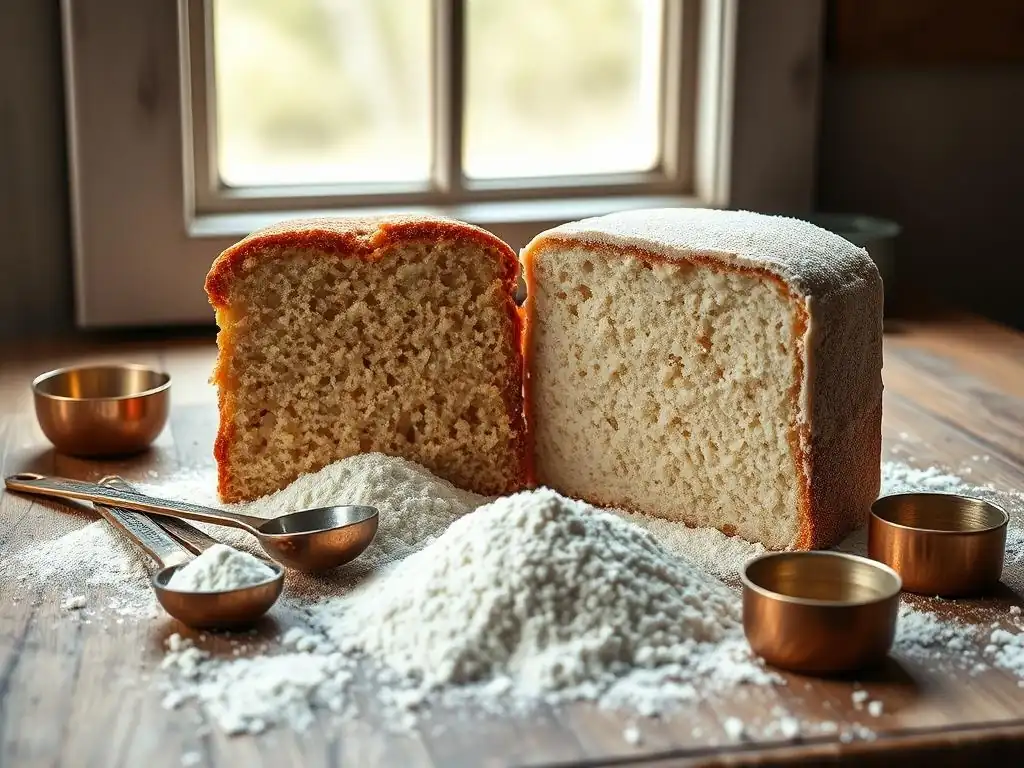
Determining the ideal ratio of almond flour to coconut flour is perhaps the most critical aspect of achieving the desired almond coconut flour texture in keto baking. There is no single universal ratio, as the perfect blend depends heavily on the specific type of baked good you are making and the desired outcome. However, some general starting points can guide you.
For recipes where a tender, cake-like crumb is desired, such as muffins, cakes, or quick breads, a ratio of approximately 3 or 4 parts almond flour to 1 part coconut flour is often a good starting point (e.g., 3/4 cup almond flour + 1/4 cup coconut flour). This ratio leverages the tenderness of almond flour while using just enough coconut flour to help with structure and absorbency.
For recipes requiring a bit more structure or less spread, like cookies or some types of bread, you might slightly increase the proportion of coconut flour, perhaps closer to a 3:1 or even a 2:1 ratio of almond to coconut flour, depending on the specific recipe and other ingredients. For instance, a recipe might call for 1 cup of almond flour and 1/2 cup of coconut flour.
It's crucial to remember these are starting points; slight adjustments based on the recipe's overall moisture level, fat content, and binding agents will be necessary to fine-tune the almond coconut flour texture. Baking is often an iterative process, especially when working with alternative flours.
Factors Affecting the Ideal Ratio: Moisture, Fat Content, and Sweeteners
Beyond the type of baked good, several other factors significantly influence the optimal almond and coconut flour ratio needed to achieve the desired almond coconut flour texture. The total moisture in the recipe from ingredients like eggs, dairy or non-dairy milk, yogurt, or purees (like pumpkin or apple sauce, if keto-appropriate) plays a huge role. Recipes with more liquid will generally require a slightly higher proportion of the more absorbent coconut flour to achieve a balanced consistency. Conversely, recipes with less liquid will need less coconut flour to prevent dryness.
Fat content is another critical factor. Ingredients like butter, oil, cream cheese, or nut butters add richness and moisture, counteracting the drying effect of coconut flour and the potential density of almond flour. A recipe high in fat might tolerate a slightly higher amount of coconut flour than a low-fat recipe, as the fat helps provide tenderness.
Finally, the type and amount of sweeteners used can also impact texture. Liquid sweeteners (like liquid stevia or monk fruit drops) add moisture, while granulated sweeteners (like erythritol or xylitol) absorb some moisture. This difference means a recipe using granulated sweetener might need a slightly different flour ratio or hydration level than one using a liquid sweetener to achieve a similar almond coconut flour texture.
Step-by-Step Guide to Fine-Tuning Almond and Coconut Flour Texture
Step 1: Accurately Measure Your Almond and Coconut Flour
Accurate measurement is foundational to achieving the correct almond coconut flour texture. Unlike wheat flour, which is often scooped and leveled, alternative flours can vary in density depending on brand and how they are stored.
For both almond and coconut flour, the most reliable method is to gently spoon the flour into your measuring cup and then level it off with a straight edge, like the back of a knife. Avoid scooping directly from the bag with the measuring cup, as this can compact the flour, especially coconut flour, leading to significantly more flour than intended and consequently, a dry or dense result.
Using a kitchen scale for measurement provides the highest level of accuracy. While cup measurements can vary, the weight of a specific amount of flour is consistent. For example, a cup of almond flour typically weighs around 96-112 grams, depending on the grind, while a cup of coconut flour is much lighter, often weighing only 112-128 grams due to its fibrous nature (though its absorbency is far higher). Following weight measurements in recipes is the best way to ensure consistency and reliably replicate desired almond coconut flour texture results.
Step 2: Hydration is Key: Incorporating Enough Liquid
Proper hydration is paramount when working with almond and coconut flour, particularly given coconut flour's significant absorbency. These flours require more liquid than traditional wheat flour to develop the right consistency and prevent dryness. The liquid comes from various sources within the recipe, and balancing these is crucial for the final almond coconut flour texture.
The primary liquid components in most keto baking recipes are eggs and dairy or non-dairy liquids. Ensuring the correct quantity and incorporating them properly allows the flours, especially coconut flour, to absorb enough moisture to create a tender, well-structured crumb rather than a dry, crumbly mess.
The Importance of Eggs in Keto Baking
Eggs are incredibly versatile in keto baking and play multiple roles beyond just adding moisture. They contribute essential structure, act as a binding agent (helping to hold the ingredients together in the absence of gluten), provide richness and flavor, and contribute to leavening when whipped. Because almond and coconut flour lack gluten, the proteins in eggs become even more critical for creating a stable structure that doesn't fall apart.
Recipes using a significant amount of coconut flour often call for a surprisingly high number of eggs to provide sufficient liquid and binding power. For example, a recipe using 1/4 cup of coconut flour might require 2-3 large eggs. Eggs also add fat and protein, which improve the overall almond coconut flour texture by contributing to tenderness and preventing dryness. Whisking eggs slightly before adding them can also incorporate air, contributing to a lighter texture.
Using Dairy and Non-Dairy Liquids Effectively
In addition to eggs, other liquids like almond milk, coconut milk (full-fat or from a carton), heavy cream, sour cream, yogurt, or even water are vital for hydrating the flour blend and achieving the desired batter or dough consistency. These liquids work alongside eggs to ensure the coconut flour fully hydrates and the almond flour is integrated smoothly. The type of liquid can also affect the final texture; full-fat dairy or coconut milk will add more richness and moisture than water or unsweetened almond milk.
It's common for keto batters using almond and coconut flour to appear quite thick compared to traditional batters. This thickness is often normal due to the absorbency of the flours. However, if the batter seems excessively dry or stiff, you might need to add a tablespoon or two of additional liquid until the desired consistency is reached. Pay close attention to the recipe's instructions regarding consistency, as this is key to predicting the final almond coconut flour texture.
Step 3: Binding Agents: Xanthan Gum and Psyllium Husk
Because almond and coconut flour are gluten-free, they lack the elastic network that gluten provides for structure and binding. To compensate for this and prevent baked goods from being too crumbly or falling apart, keto bakers often incorporate binding agents like xanthan gum or psyllium husk. These ingredients mimic some of the functions of gluten, helping to hold the batter or dough together and improve the almond coconut flour texture.
Using the right amount of a binding agent is crucial; too little can result in a fragile product, while too much can lead to a gummy or unpleasant texture.
When and How to Use Xanthan Gum for Improved Texture
Xanthan gum is a common additive in gluten-free baking. It's a polysaccharide created by fermenting sugar with a microorganism. When added to liquid, it creates a viscous, gel-like substance that helps bind ingredients and adds elasticity to the dough or batter. For recipes using almond and coconut flour, xanthan gum can significantly improve the structure, making cakes less likely to crumble and cookies more cohesive.
Generally, only a small amount of xanthan gum is needed. A typical guideline is to use about 1/4 to 1/2 teaspoon per cup of the total flour blend (almond and coconut combined). It's often added directly to the dry ingredients and whisked in before combining with wet ingredients. Using too much xanthan gum can result in a gummy texture, so it's best to start with the recommended amount in a recipe or err on the side of less if experimenting. It's a powerful tool for refining the almond coconut flour texture.
The Benefits of Psyllium Husk in Keto Baking
Psyllium husk, derived from the seeds of the Plantago ovata plant, is another excellent binding agent and source of fiber used in keto baking. Like coconut flour, it is highly absorbent and forms a gel when mixed with liquid. This gel-forming property helps bind the flours together, adds structure, and can create a more bread-like texture in loaves and rolls. It also adds significant fiber to your baked goods.
Psyllium husk is often used in slightly larger quantities than xanthan gum, perhaps 1 to 2 teaspoons per cup of flour blend, depending on the desired effect and whether using whole husk or powder (powder is more potent). It's usually mixed with the liquid ingredients first and allowed to sit for a few minutes to form a gel before combining with the dry ingredients.
A potential side effect of psyllium husk is that it can sometimes give baked goods a purplish tint, especially if using the whole husks. It's particularly effective at improving the structure and almond coconut flour texture in bread and pizza crusts.
Step 4: Mixing Techniques for a Smooth Batter
The way you mix your ingredients also impacts the final almond coconut flour texture. Unlike traditional wheat flour baking, where developing the gluten network is sometimes the goal (e.g., in bread), gluten-free baking requires a different approach.
The aim is generally to combine ingredients thoroughly without overworking the batter, which can lead to undesirable textures.
Preventing Overmixing and Gluten Development (Gluten-Free Baking)
Since almond and coconut flour are gluten-free, there is no gluten network to develop. Therefore, the risk of tough baked goods from overmixing (as can happen with wheat flour) is different. However, overmixing can still negatively impact the almond coconut flour texture. Excessive mixing can incorporate too much air initially, which might deflate during baking, leading to a dense result. It can also sometimes make batters gummy, especially if using binding agents like xanthan gum or psyllium husk which activate immediately upon contact with liquid.
The best approach is usually to mix the wet and dry ingredients separately and then combine them just until everything is incorporated and no dry streaks of flour remain. A gentle hand or using a mixer on a low speed is recommended. This ensures the binding agents are properly distributed and the flours are hydrated without creating an overly dense or tough structure.
Achieving a Uniform Consistency
Aim for a uniform consistency in your batter or dough. With almond and coconut flour blends, the batter will typically be thicker than a wheat flour batter, but it should still be cohesive and manageable. If the batter is too stiff, it likely needs more liquid. If it's too runny, the ratio of flour to liquid might be off, or it might need a little extra absorbent power (like a tiny pinch more coconut flour or binding agent, if the recipe allows for slight adjustments).
Allowing the batter to rest for 5-10 minutes before baking is often beneficial, especially when using coconut flour or psyllium husk. This rest period gives the flours time to fully absorb the liquids, leading to a more accurate final consistency before baking and helping to ensure an even almond coconut flour texture throughout the finished product. This step is particularly helpful for muffins and quick breads.
Troubleshooting Common Almond Coconut Flour Texture Issues
Even with careful measurements and techniques, you might occasionally encounter texture problems when baking with almond and coconut flour. Knowing how to diagnose and fix these common issues is part of mastering the almond coconut flour texture.
Here are some typical problems and how to address them:
Fixing a Dry and Crumbly Batter: Adding Moisture and Fat
If your batter or dough looks and feels too dry and crumbly before baking, it's a strong indicator that the coconut flour (or the blend overall) hasn't received enough liquid. This often happens if measurements were off or if ingredient absorption varies slightly. To fix this, you need to carefully add more moisture and/or fat.
Start by adding a tablespoon of liquid, such as almond milk, heavy cream, or even melted butter or oil. Gently mix it in and see if the consistency improves. You may need to add another tablespoon or two, mixing after each addition, until the batter is cohesive and moist but not overly wet. Adding fat (like melted butter or a neutral oil) is particularly effective as it adds richness and counteracts the drying power of the fiber without adding significant water content that could affect baking time. This adjustment is critical for achieving a pleasant almond coconut flour texture.
Addressing a Dense and Heavy Texture: Incorporating Air and Leavening Agents
If your baked goods turn out dense and heavy, it might be due to insufficient leavening, too much almond flour without adequate support, or a lack of air incorporated during mixing. To lighten the texture, consider how you can add more lift.
If the recipe uses baking powder or baking soda, ensure they are fresh and properly activated (baking soda needs an acid like apple cider vinegar or lemon juice). You might also try whisking the eggs separately until slightly frothy before adding them to the wet ingredients, as this incorporates air. For some recipes (like cakes), gently folding in whipped egg whites can create a significantly lighter structure. Ensuring you haven't overmixed after adding the dry ingredients is also key, as this can knock out air. These techniques help prevent a brick-like result and improve the almond coconut flour texture.
Dealing with a Gummy Texture: Adjusting Binding Agents and Cooking Time
A gummy texture can occur for a few reasons when using almond and coconut flour. It's often a sign of too much binding agent (like xanthan gum or psyllium husk) or the baked good not being cooked through completely.
If you suspect too much binder, note it for your next attempt and slightly reduce the amount. For the current batch, ensure it is fully cooked. Gummy centers are often underbaked centers. Bake for a few extra minutes until a toothpick inserted into the center comes out clean (or with moist crumbs, depending on the recipe).
Also, allowing baked goods to cool properly can help the texture set and reduce perceived gumminess. Psyllium husk, in particular, can sometimes contribute to a slightly chewy or gummy texture if used in large amounts or not fully hydrated. Adjusting these factors is key to refining the almond coconut flour texture.
Tips & Tricks for Baking with Almond and Coconut Flour
Beyond ratios and techniques, a few general tips can help you consistently achieve great results and the desired almond coconut flour texture.
- Always use fresh ingredients.
- Be patient and allow batters to rest.
- Understand that results can vary slightly based on brand and storage.
Storing Almond and Coconut Flour Properly to Maintain Freshness
Proper storage is essential for maintaining the quality and performance of both almond and coconut flour. Due to their higher fat content (especially almond flour) and natural composition, they are more susceptible to spoilage and becoming rancid than wheat flour. Rancid flour can impart off-flavors and negatively affect the almond coconut flour texture and rise of your baked goods.
Both flours should be stored in airtight containers in a cool, dark place. For optimal freshness, especially if you don't bake frequently or live in a warm climate, storing them in the refrigerator or freezer is highly recommended. This significantly extends their shelf life and ensures they are in the best possible condition for baking, contributing to reliable texture results.
Selecting High-Quality Almond and Coconut Flour
The quality of your flours can impact your baking results. Look for finely ground, blanched almond flour for most recipes unless a coarser texture is specifically desired. Finely ground flour provides a more consistent and tender almond coconut flour texture. For coconut flour, ensure it is finely milled and doesn't have large, hard clumps.
Different brands can vary slightly in absorbency and particle size. If you frequently bake a specific recipe, using the same brand of flour consistently can help you achieve more predictable results and master that particular almond coconut flour texture for that recipe. Read reviews or experiment with a few brands to find your preference.
Toasting Almond Flour for Enhanced Flavor
While not directly related to almond coconut flour texture, toasting almond flour can significantly enhance its flavor profile, adding a deeper, nuttier dimension to your baked goods. This is an optional step but one that many bakers appreciate for the added depth it provides.
To toast almond flour, spread it in a thin layer on a baking sheet and bake in a preheated oven at a low temperature (around 300°F or 150°C) for 5-15 minutes, stirring occasionally, until it is lightly golden and fragrant. Keep a close eye on it as it can burn quickly. Allow it to cool completely before using it in a recipe. This doesn't change the almond coconut flour texture itself but elevates the overall sensory experience.
Sifting Flour for Lighter Texture
Sifting almond and coconut flour, either separately or together after measuring, can help break up any clumps and aerate the flour, leading to a lighter overall almond coconut flour texture in the finished product. While not as critical as sifting wheat flour (to remove bran and lighten), it can still improve the consistency of the dry ingredients and ensure they mix more evenly with the wet ingredients.
Simply pass the measured flour through a fine-mesh sieve into your mixing bowl. You can even sift it two or three times for maximum aeration, particularly for delicate cakes or muffins where a very light crumb is desired.
Recipe Adaptations: Adjusting Existing Recipes for Almond and Coconut Flour
Converting Traditional Recipes to Keto-Friendly Versions
Converting a traditional recipe that uses wheat flour into a keto-friendly version using almond and coconut flour is a common goal but requires more than a simple 1:1 substitution. Due to the vast differences in absorbency, structure, and fat content between wheat flour and the almond/coconut blend, a direct swap will not work and will result in a completely different, likely undesirable, almond coconut flour texture.
Successful conversion involves understanding the role of each ingredient in the original recipe and how to replicate its function using keto-friendly alternatives. This means not only adjusting the flour ratio but also potentially increasing liquids (especially eggs and other fluids to hydrate the coconut flour), adding binding agents (xanthan gum or psyllium husk), and sometimes adjusting leavening. It's often easier to start with a well-tested keto recipe and make minor tweaks than to attempt a complex conversion from scratch, especially when aiming for a specific almond coconut flour texture.
Understanding Ingredient Substitutions
When adapting recipes or troubleshooting, understanding how different ingredient substitutions affect the almond coconut flour texture is crucial. For instance, swapping liquid sweeteners for granulated ones will change the moisture balance. Using a different type of fat (e.g., coconut oil instead of butter) can alter how the baked good spreads and its final tenderness. Substituting eggs (e.g., using flax eggs or commercial egg replacers) will drastically impact the structure and binding, often requiring adjustments to other ingredients.
Even substituting one type of nut flour for another (like hazelnut flour for almond flour) or using a different grind of almond flour can subtly alter the texture. Familiarizing yourself with how common keto ingredients behave and interact is key to confidently adjusting recipes and achieving your desired almond coconut flour texture.
Advanced Techniques for Almond Coconut Flour Baking
Once you've mastered the basics of balancing almond and coconut flour, you can explore more advanced techniques to further refine your keto baking results and the almond coconut flour texture.
Using Different Grinds of Almond Flour
Almond flour comes in different grinds, most commonly "superfine" or "finely ground" (usually from blanched almonds) and "almond meal" (often from unblanched almonds with skins, resulting in a coarser texture). The grind significantly impacts the almond coconut flour texture of the final product. Superfine blanched almond flour is best for delicate cakes, muffins, and cookies where a tender, uniform crumb is desired. Its fine particle size integrates smoothly into batters.
Almond meal, with its coarser texture and inclusion of skins, can result in a denser, heartier baked good. It's often used in rustic breads, scones, or certain types of cookies where a chewier or more textured result is acceptable or even desired. Understanding the difference and choosing the appropriate grind for your recipe is an advanced step in controlling the almond coconut flour texture.
Creating a "Keto Flour Blend"
For frequently used recipes or to simplify baking, some keto bakers create their own pre-mixed "keto flour blend" using their preferred ratio of almond flour, coconut flour, and sometimes a binding agent like xanthan gum. For example, a baker might mix 3 cups of almond flour, 1 cup of coconut flour, and 1 tablespoon of xanthan gum, store it, and use it as the "flour blend" in compatible recipes.
This approach ensures consistency in the almond coconut flour texture across batches of a favorite recipe. However, it's important to remember that this custom blend won't be a universal substitute for all keto recipes, as the ideal ratio varies. You'll still need to adjust liquids, fats, and other ingredients based on the specific recipe you're adapting or creating.
Conclusion: Achieving Perfect Texture with Almond and Coconut Flour
Mastering the almond coconut flour texture in keto baking is a skill that comes with understanding the unique properties of each flour, learning how they interact in a blend, and practicing techniques to balance moisture, structure, and leavening. By accurately measuring your ingredients, ensuring adequate hydration with eggs and liquids, utilizing binding agents like xanthan gum or psyllium husk, and employing proper mixing techniques, you can overcome common texture challenges like dryness, crumbliness, or density.
Remember that baking with alternative flours is often a journey of experimentation. Don't be discouraged by initial results that aren't perfect. Pay attention to the consistency of your batter, the appearance of your baked goods during and after baking, and the final texture. By troubleshooting common issues and applying the tips and techniques discussed, you'll be well on your way to consistently achieving delicious keto baked goods with the ideal almond coconut flour texture. Happy baking!
Frequently Asked Questions
What is the ideal ratio of almond flour to coconut flour for optimal texture in baked goods?
The ideal ratio often depends on the recipe, but a common starting point is a 3:1 or 4:1 ratio of almond flour to coconut flour. This helps balance the absorbing properties of coconut flour with the moisture of almond flour.
Why is understanding the texture important when using almond and coconut flour?
Almond and coconut flour behave differently than wheat flour. Understanding their individual properties helps you avoid dry, crumbly, or gummy results and achieve the desired texture and consistency.
What are some common problems that arise when using too much coconut flour?
Too much coconut flour can lead to a dry and dense baked good because coconut flour is highly absorbent. It can also result in a gritty texture if not properly combined with other ingredients.
How can I improve the texture of my baked goods when using almond and coconut flour?
Consider adding binding agents like eggs or xanthan gum. Also, ensure you're using the correct liquid ratio and that you're not over-baking the item, as these flours can dry out quickly.
Are there specific recipes where almond and coconut flour work particularly well together?
Yes! Almond and coconut flour are frequently used together in gluten-free and keto recipes. These flours complement each other well in recipes like cakes, muffins, and cookies, providing a desirable texture and flavor.
Final Reflection: Mastering the Art of Almond and Coconut Flour
The quest for the perfect texture in baking with almond and coconut flour is far more than a culinary pursuit; it's a journey of understanding the unique properties of these ingredients and harnessing their potential. The subtle nuances of moisture content, the careful balance of wet and dry ingredients, and the impact of even minor adjustments – these are the keys to unlocking truly exceptional results, transforming frustrating failures into delightful successes. This understanding is not just about creating delicious treats; it's about empowering bakers to confidently experiment and create their own signature recipes.
The influence of almond and coconut flour extends beyond the individual kitchen. These flours, often chosen for their gluten-free and health-conscious properties, represent a growing shift in baking trends. They reflect a broader societal movement towards mindful eating and a desire for healthier alternatives. The best things in life are homemade,
a sentiment that resonates deeply with the satisfaction of mastering a challenging baking technique. This journey of perfecting the texture of almond and coconut flour is a testament to the enduring power of homemade goodness and the joy of culinary exploration.
Now, it's your turn. Consider the techniques and insights shared in this article. Don't be afraid to experiment, to adjust ratios, and to embrace the learning process. Each batch, each slight alteration, brings you closer to understanding the unique dance between almond and coconut flour. The perfect texture awaits – dare to discover it!
Unlock Perfectly Textured Baked Goods!
Thanks for taking the time to explore the nuances of almond and coconut flour baking! You've now got the knowledge to create consistently delicious treats. Ready to put your new skills to the test?
- Bake your dream recipe: Choose a favorite recipe (or try a new one!) and apply your newfound knowledge of flour ratios to achieve the perfect texture. Don't be afraid to experiment!
- Share your baking triumphs (and challenges!): Post a picture of your creation on social media and tag us @BakeWithEase – we'd love to see your results!
- Join our baking community: Head over to our forum (link omitted as per instructions) to discuss tips and tricks with fellow bakers. Let's help each other create amazing baked goods!
What unique texture are you most excited to achieve in your next baking project?