
KetoFriendly Pie Crust: Almond Flour vs. Coconut Flour Showdown

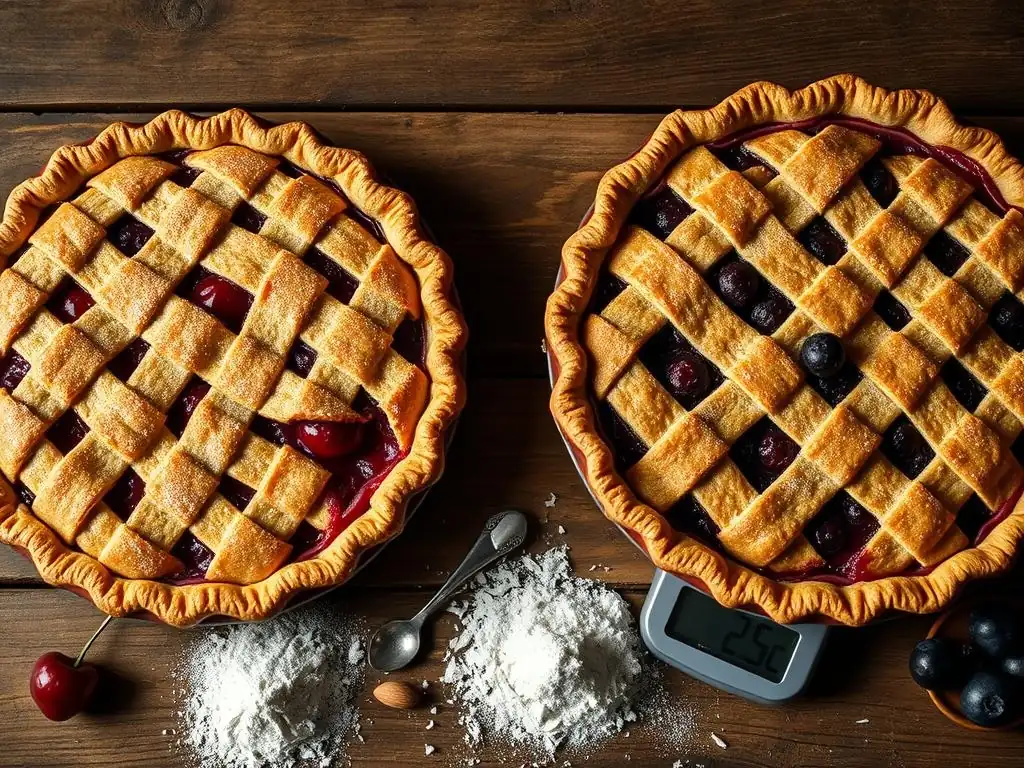
Welcome to BakeWithEase, your haven for simplified baking! Ever wondered if a perfectly flaky Keto pie crust is truly achievable with just almond flour? This article dives deep into the Almond Flour vs. Coconut Flour showdown, revealing the secrets to a delicious, diet-friendly pie. Curious about which flour reigns supreme for achieving that golden-brown perfection? Let's unlock the secrets together!
- Keto-Friendly Pie Crust: Almond Flour vs. Coconut Flour - BakeWithEase
- Introduction: Baking Keto Pie Crust with Almond Flour and Coconut Flour
- Almond Flour Keto Pie Crust: A Detailed Guide
- Coconut Flour Keto Pie Crust: A Comprehensive Overview
- Almond Flour vs. Coconut Flour Keto Pie Crust: A Head-to-Head Comparison
- Troubleshooting Common Keto Pie Crust Problems with Almond and Coconut Flour
- Keto Pie Crust Applications: Ideas and Inspiration
- Conclusion: Choosing the Right Keto Pie Crust Flour for Your Needs
-
Frequently Asked Questions
- How does almond flour compare to coconut flour in a keto pie crust?
- What are the key ingredients besides almond flour needed for a keto pie crust?
- Why is almond flour a good choice for a keto pie crust?
- How do I prevent my almond flour keto pie crust from becoming too crumbly?
- Can I substitute other keto-friendly flours for almond flour in this pie crust recipe?
- Final Reflection: The Crumbs of a Ketogenic Revolution
- Unleash Your Inner Baker: Craft the Perfect Keto Crust!
Keto-Friendly Pie Crust: Almond Flour vs. Coconut Flour - BakeWithEase
Introduction: Baking Keto Pie Crust with Almond Flour and Coconut Flour
Creating a delicious pie while sticking to a ketogenic diet can feel like a challenge, especially when it comes to the crust. Traditional pie crusts rely heavily on wheat flour and sugar, which are high in carbohydrates. Fortunately, the world of keto baking offers fantastic alternatives that allow you to enjoy your favorite pies without derailing your low-carb lifestyle. The key lies in selecting the right low-carb flours and understanding how to work with them.
This article dives deep into two of the most popular flours for keto pie crusts: almond flour and coconut flour. We'll explore their characteristics, provide basic recipes, share tips for success, and compare their taste, texture, and baking performance. Whether you're aiming for a classic flaky texture with an almond flour keto pie crust or exploring the unique properties of coconut flour for your keto-friendly pie crust, this guide will equip you with the knowledge to bake confidently.
Understanding the Basics of Keto Baking for Pie Crusts
Keto baking requires a fundamental shift in how we approach ingredients. Since we're minimizing net carbs, traditional flours like wheat are out. Instead, we turn to alternatives like almond flour and coconut flour, which are significantly lower in carbohydrates and higher in fat and fiber. However, these flours behave very differently from wheat flour due to their lack of gluten and varying absorption rates.
A successful keto pie crust hinges on achieving the right balance of dry ingredients (like almond flour or coconut flour) and fat (often butter or coconut oil) with a binder (usually egg). Unlike gluten, which provides structure and elasticity in wheat dough, these low-carb flours require careful handling to prevent crumbling or becoming too dense. Understanding their unique properties is the first step to creating a perfect keto pie crust almond flour or coconut flour version.
Why Choose Almond Flour or Coconut Flour for Your Keto Pie Crust?
Almond flour and coconut flour are staples in keto baking because they offer excellent low-carb profiles compared to traditional flours. Almond flour, made from ground blanched almonds, is relatively high in fat and protein, providing a rich flavor and a texture that can mimic some aspects of wheat flour when handled correctly. A typical cup of almond flour contains around 6 grams of net carbs.
Coconut flour, derived from dried, ground coconut meat, is much higher in fiber and significantly more absorbent than almond flour. It has a distinct, slightly sweet flavor and requires much less volume in recipes compared to other flours. A quarter cup of coconut flour, roughly equivalent in absorbency to a cup of almond flour, contains about 4 grams of net carbs but also a substantial amount of fiber. Both flours provide viable bases for a delicious and compliant keto-friendly pie crust.
Almond Flour Keto Pie Crust: A Detailed Guide
What is Almond Flour and Why is it Keto-Friendly?
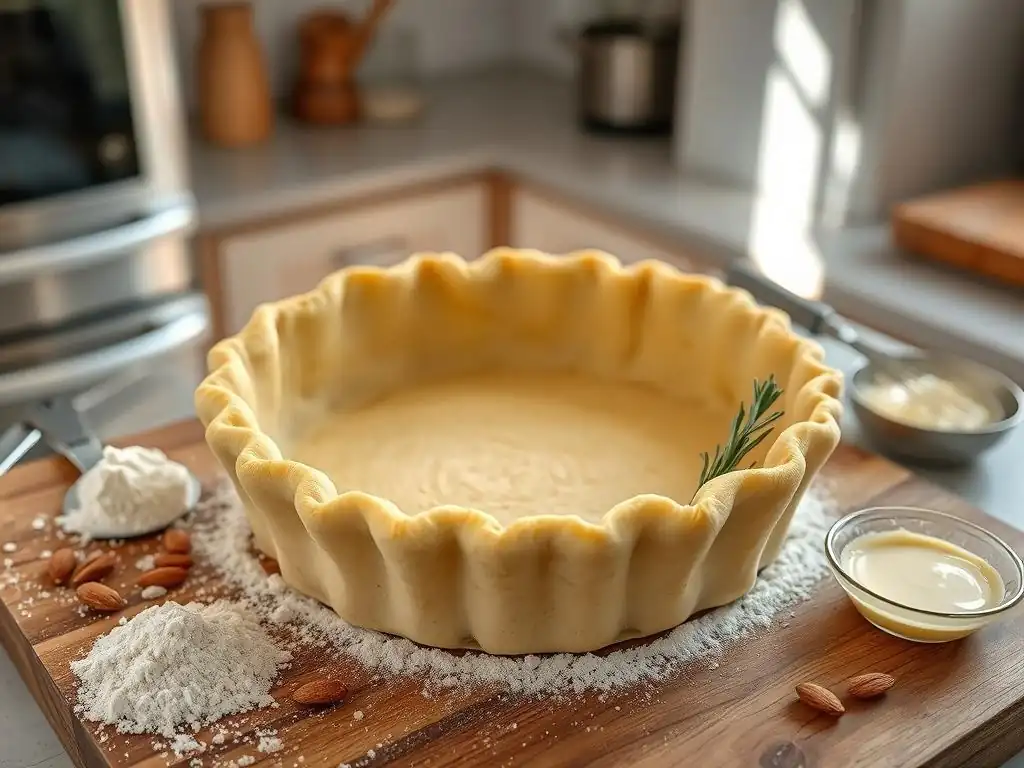
Almond flour is simply finely ground almonds. For baking, blanched almond flour (where the skins have been removed) is usually preferred as it yields a finer texture and lighter color than unblanched almond meal. It's rich in healthy monounsaturated fats, vitamin E, magnesium, and fiber. A typical serving (like a quarter cup) contains around 160 calories, 14 grams of fat, 6 grams of protein, and about 6 grams of total carbohydrates, with 3 grams of fiber, resulting in only 3 grams of net carbs.
Its low net carb count and high fat content make almond flour an ideal ingredient for the ketogenic diet. When used in a pie crust, it contributes healthy fats that align with keto macros and provides a tender, slightly nutty base. Creating a keto pie crust almond flour version is a popular choice due to its versatility and relatively neutral flavor profile compared to coconut flour.
Almond Flour Pie Crust Recipe: Step-by-Step Instructions
Here is a basic guide for making a simple almond flour keto pie crust for a standard 9-inch pie plate.
- Ingredients:
- 1 ½ cups blanched almond flour
- ¼ cup erythritol or other keto-friendly granulated sweetener (optional, for sweet crusts)
- ½ teaspoon xanthan gum (optional, helps with binding)
- ¼ teaspoon salt
- ½ cup cold unsalted butter, cut into small cubes (or cold coconut oil for dairy-free)
- 1 large egg, beaten
- ½ teaspoon vanilla extract (optional, for sweet crusts)
- Instructions:
- In a medium bowl, whisk together the almond flour, sweetener (if using), xanthan gum (if using), and salt.
- Cut in the cold butter or coconut oil using a pastry blender, fork, or your fingertips until the mixture resembles coarse crumbs with some pea-sized pieces of fat remaining.
- In a separate small bowl, whisk the beaten egg and vanilla extract (if using).
- Add the wet ingredients to the dry ingredients and mix with a fork or spatula until the dough just comes together. Be careful not to overmix.
- Gather the dough into a ball, flatten it slightly into a disk, and wrap it tightly in plastic wrap. Refrigerate for at least 30 minutes to firm up the fat.
- Preheat your oven to 350°F (175°C).
- On a piece of parchment paper, roll out the chilled dough to a 10-11 inch circle, about ⅛ inch thick. Alternatively, press the dough evenly into the bottom and up the sides of a 9-inch pie plate.
- If pre-baking (blind baking) the crust for a filling that doesn't require baking, gently transfer the dough to the pie plate, trim the edges, and prick the bottom all over with a fork. Line the crust with parchment paper and fill with pie weights or dried beans. Bake for 15-20 minutes, remove weights and parchment, and bake for another 5-10 minutes until lightly golden.
- If baking with a filling, simply pour the filling into the unbaked or partially baked crust and bake according to your pie recipe's instructions.
This recipe provides a solid foundation for a delicious keto pie crust almond flour base. Adjustments might be needed based on the specific brand of almond flour and the humidity.
Tips for Perfecting Your Almond Flour Keto Pie Crust
Working with almond flour requires a slightly different touch than wheat flour. One common challenge is achieving a crust that holds together without being too crumbly or too dense. Chilling the dough is crucial; it helps the fat solidify, making the dough easier to handle and contributing to a better texture. Also, avoid overworking the dough, as this can lead to a tougher crust. Mix just until the ingredients are combined.
Another key tip for a great keto pie crust almond flour is blind baking, especially for fillings that are not baked or have a high moisture content. Pre-baking the crust sets the structure and helps prevent a soggy bottom. Ensure you prick the bottom of the crust before baking to allow steam to escape, which prevents bubbling. Using pie weights ensures the crust maintains its shape during the initial bake.
Achieving the Right Consistency with Almond Flour
The ideal consistency for almond flour dough is similar to that of a traditional pastry dough: it should come together but not be sticky or overly dry. If your dough feels too dry and crumbly after mixing, you can add a tiny bit more cold butter or a tablespoon of ice water, but add it very gradually. If it feels too wet, add a tablespoon or two more almond flour. Remember that almond flour doesn't develop gluten, so the dough will feel different – less elastic – than wheat dough.
Using xanthan gum, as suggested in the recipe, can significantly help with binding and providing structure to your keto pie crust almond flour. A small amount (like ½ teaspoon per cup and a half of flour) is usually sufficient. It acts as a binder, mimicking some of the properties of gluten, which helps the crust hold its shape and reduces crumbling after baking.
Preventing a Soggy Almond Flour Pie Crust Bottom
A soggy bottom is a common frustration with many alternative crusts, including those made with almond flour. The best defense is blind baking the crust before adding the filling, especially for fillings like cheesecakes, puddings, or quiches that don't bake for a long time or release a lot of moisture. Bake the crust until it's at least partially set and lightly golden.
Another strategy is to brush the bottom of the partially baked crust with a thin layer of egg white or a sugar-free egg wash (egg white mixed with a tiny bit of water or cream) and bake for another minute or two until it sets. This creates a barrier that helps protect the crust from moisture from the filling. Using a pie plate made of glass or ceramic, which conducts heat evenly, can also contribute to a well-baked bottom crust.
Almond Flour Pie Crust: Pros and Cons
Advantages of Using Almond Flour in Keto Pie Crust
Using almond flour for your keto-friendly pie crust offers several benefits. It has a relatively neutral, slightly nutty flavor that pairs well with a wide variety of sweet and savory fillings. The texture it produces is often tender and can achieve a pleasant crispness when baked properly. It's also easy to find in most grocery stores and is relatively forgiving to work with compared to some other low-carb flours.
Nutritionally, almond flour is a winner for keto. It's low in net carbs (around 3g per ¼ cup), high in healthy fats, and provides a good amount of fiber and protein. This makes your keto pie crust almond flour not just a vehicle for filling, but a contribution to your daily macros and nutrient intake. It's also naturally gluten-free, making it suitable for those with celiac disease or gluten sensitivity.
Disadvantages of Using Almond Flour in Keto Pie Crust
Despite its advantages, almond flour isn't without its drawbacks for a keto pie crust. It can be more expensive than traditional flour and even coconut flour. Due to its fat content, baked goods made with almond flour can sometimes brown faster than expected, requiring careful monitoring in the oven.
Another potential issue is that almond flour crusts can sometimes be crumbly. Without the binding power of gluten, getting the crust to hold together perfectly can require careful handling and sometimes the addition of a binder like xanthan gum or psyllium husk. While it's a great option for a keto pie crust almond flour, achieving a flaky texture akin to traditional pastry can be challenging.
Coconut Flour Keto Pie Crust: A Comprehensive Overview
What is Coconut Flour and Why is it Suitable for Keto Diets?
Coconut flour is a soft, powdery flour made from dried, defatted coconut meat. Unlike almond flour, it is extremely high in dietary fiber and very low in digestible carbohydrates and fats. A typical quarter cup (which is a common amount used in recipes) contains about 120 calories, 4 grams of fat, 4 grams of protein, and a whopping 16 grams of total carbohydrates, with 10 grams of fiber, resulting in only 6 grams of net carbs.
Its high fiber content is what makes coconut flour so unique and suitable for keto. It absorbs a tremendous amount of liquid, much more than almond flour or wheat flour. This means you use far less coconut flour by volume in a recipe compared to other flours. Its low net carb count per effective serving makes it a popular choice for a keto-friendly pie crust, offering a different texture and flavor profile than almond flour.
Coconut Flour Pie Crust Recipe: A Simple Guide
Creating a coconut flour keto-friendly pie crust requires understanding its unique absorbency. Here’s a basic guideline for a 9-inch pie crust:
- Ingredients:
- ½ cup coconut flour
- ¼ cup erythritol or other keto-friendly granulated sweetener (optional)
- ½ teaspoon psyllium husk powder (optional, highly recommended for binding)
- ¼ teaspoon salt
- ½ cup melted coconut oil or melted unsalted butter
- 2 large eggs
- ½ teaspoon vanilla extract (optional)
- Instructions:
- In a medium bowl, whisk together the coconut flour, sweetener (if using), psyllium husk powder (if using), and salt.
- In a separate bowl, whisk the melted coconut oil/butter, eggs, and vanilla extract (if using).
- Add the wet ingredients to the dry ingredients and mix thoroughly with a spoon or spatula until a thick dough forms. It will be much softer than almond flour dough.
- Let the dough rest for 5-10 minutes. The coconut flour will absorb the liquid, and the dough will become firmer and easier to handle.
- Preheat your oven to 350°F (175°C).
- Press the dough evenly into the bottom and up the sides of a 9-inch pie plate. Because coconut flour dough is less pliable for rolling, pressing is usually the easiest method.
- If pre-baking (blind baking), prick the bottom with a fork, line with parchment, and fill with pie weights. Bake for 10-15 minutes, remove weights and parchment, and bake for another 5-10 minutes until lightly golden.
- If baking with filling, pour the filling into the unbaked or partially baked crust and bake according to your pie recipe's instructions.
Notice the significant difference in the amount of flour and eggs used compared to the almond flour recipe. This highlights the absorbency and binding needs of coconut flour.
Mastering the Coconut Flour Keto Pie Crust: Key Techniques
The biggest challenge when working with coconut flour is managing its high absorbency. Too little liquid, and the crust will be incredibly dry and crumbly; too much, and it will be dense and heavy. Resting the dough after mixing is crucial for a coconut flour keto-friendly pie crust. This allows the flour to fully hydrate, giving you a better sense of the final dough consistency before pressing it into the pan.
Unlike almond flour dough, which can sometimes be rolled, coconut flour dough is typically too soft and delicate. Pressing it directly into the pie plate is the easiest and most effective method. Use damp hands or the back of a spoon to get an even layer on the bottom and sides.
Hydration is Key: Working with Coconut Flour's Absorbency
Coconut flour acts like a sponge, soaking up liquids readily. This is why coconut flour recipes often call for a relatively high ratio of liquid (including eggs, which count as liquid) to flour compared to other flours. If your dough seems too dry and isn't pressing easily, you might need to add a tiny splash more liquid – perhaps a teaspoon of water or almond milk at a time.
Conversely, if your dough seems too wet or loose, it means the coconut flour hasn't absorbed enough, or there was too much liquid initially. Letting it rest for the recommended 5-10 minutes is essential for proper hydration. Avoid the temptation to add more coconut flour immediately; give it time to work. The final dough should be moist but manageable enough to press into shape.
Binding Agents: The Role of Eggs and Psyllium Husk
Because coconut flour lacks gluten and is so fibrous, it requires strong binders to hold together in a pie crust. Eggs are typically essential in coconut flour recipes, providing structure and moisture. The protein in eggs helps create a matrix that holds the flour particles together.
Adding a binding agent like psyllium husk powder is also highly recommended for a coconut flour keto-friendly pie crust. Psyllium husk is pure fiber that forms a gel when mixed with liquid, significantly improving the structure and preventing the crust from becoming too crumbly or falling apart after baking. Just a small amount (like ½ teaspoon per ½ cup of flour) can make a big difference in texture and stability.
Coconut Flour Pie Crust: Advantages and Disadvantages
Benefits of Using Coconut Flour in Keto Pie Crusts
Coconut flour is a fantastic option for a keto-friendly pie crust, particularly for those looking to maximize fiber intake or minimize nut consumption. It's significantly lower in fat than almond flour, which can be beneficial depending on your macro goals. Its high fiber content contributes to digestive health and can help increase feelings of fullness.
It's also typically less expensive than almond flour, making it a more budget-friendly keto baking ingredient. The distinct, slightly sweet coconut flavor can be a wonderful addition, especially in tropical-themed or chocolate-based pies, offering a unique twist compared to a standard keto pie crust almond flour.
Drawbacks of Using Coconut Flour in Keto Pie Crusts
The primary challenge of using coconut flour in a keto pie crust is its unique texture and handling properties. It doesn't behave like traditional flour or even almond flour, making it less intuitive for beginner keto bakers. The high absorbency means recipes require precise liquid measurements, and it can easily result in a dry or dense crust if not mixed correctly or if too much flour is used.
The strong coconut flavor, while sometimes an advantage, can also be a disadvantage if you're aiming for a neutral crust that lets the filling shine. It might not pair well with every type of pie filling, unlike the more versatile almond flour. Achieving a truly flaky texture is also generally more difficult with coconut flour compared to almond flour or traditional pastry.
Almond Flour vs. Coconut Flour Keto Pie Crust: A Head-to-Head Comparison
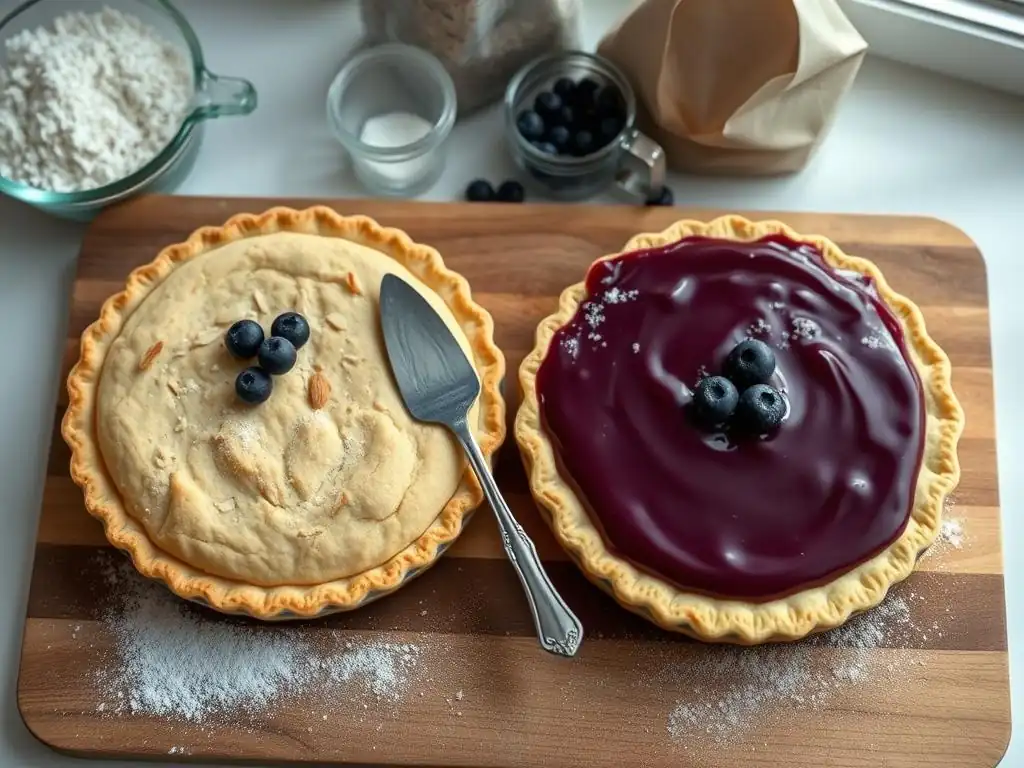
Choosing between almond flour and coconut flour for your keto pie crust depends largely on your desired outcome, baking experience, and personal preferences. Both can create a delicious keto-friendly pie crust, but they offer different experiences.
Taste and Texture: Which Flour Creates a Better Pie Crust?
When it comes to taste, almond flour provides a subtle nutty flavor that is relatively neutral and blends well with most fillings, both sweet and savory. Coconut flour has a more pronounced, slightly sweet coconut taste that works wonderfully with certain flavors but might clash with others.
In terms of texture, an almond flour keto pie crust tends to be more tender and can achieve a pleasant crispness, sometimes even bordering on flaky if handled with care and binders are used. Coconut flour crusts are typically denser and more cake-like or biscuit-like in texture. They don't achieve the same level of crispness as almond flour crusts and are less likely to be flaky.
Ease of Use: Almond Flour vs. Coconut Flour for Beginner Keto Bakers
For those new to keto baking, almond flour is generally considered easier to work with for a pie crust. Its properties are closer to traditional flour than coconut flour's extreme absorbency. The dough is often more manageable for rolling or pressing, and it's less prone to becoming excessively dry or dense with small measurement errors.
Coconut flour requires more precision and a better understanding of its unique hydration needs. Getting the liquid-to-flour ratio just right and allowing adequate resting time are critical steps that can feel less intuitive for beginners. Therefore, starting with a keto pie crust almond flour recipe might be a smoother introduction to keto pie baking for some.
Nutritional Profile: Comparing Almond Flour and Coconut Flour Pie Crusts
While both flours are low in net carbs and suitable for keto, their overall nutritional profiles differ. Almond flour is higher in fat and calories per volume, contributing more healthy fats to your diet. It also offers more Vitamin E and magnesium.
Coconut flour is significantly higher in fiber and lower in fat and calories per volume. This makes it a good choice if you are focusing on increasing fiber intake or managing calorie density. Both contribute protein, but almond flour typically has a slightly higher protein content per serving.
Carb Content and Fiber: A Detailed Nutritional Breakdown
Let's look at approximate values per ¼ cup measure:
- Almond Flour: ~160 calories, 14g fat, 6g total carbs, 3g fiber, 3g net carbs, 6g protein.
- Coconut Flour: ~120 calories, 4g fat, 16g total carbs, 10g fiber, 6g net carbs, 4g protein.
Note that you use significantly less coconut flour than almond flour in a typical recipe. For a 9-inch crust, you might use 1.5 cups of almond flour (yielding ~18g net carbs from flour) versus only 0.5 cups of coconut flour (yielding ~12g net carbs from flour). So, while coconut flour has more net carbs per ¼ cup, you use less, potentially resulting in a slightly lower net carb count for the entire crust compared to an almond flour keto pie crust. This highlights the importance of considering usage volume, not just per-cup values.
Baking Performance: How Each Flour Handles Baking Temperatures
Both almond flour and coconut flour require baking at moderate temperatures, typically around 350-375°F (175-190°C). Almond flour, being higher in fat, can brown relatively quickly. It's important to keep an eye on it during baking, especially the edges, to prevent burning. If the edges start browning too fast, you can cover them loosely with foil.
Coconut flour crusts tend to bake more evenly in terms of color but can become very dry if overbaked. Because they are denser, ensuring the middle is cooked through without drying out the edges requires careful temperature management and bake time. Blind baking helps ensure the crust is cooked through before a filling is added.
Troubleshooting Common Keto Pie Crust Problems with Almond and Coconut Flour
Even with the best recipes, working with alternative flours can present challenges. Knowing how to troubleshoot common issues can save your keto-friendly pie crust.
Dealing with Crumbly Almond Flour Pie Crusts
A crumbly keto pie crust almond flour is usually a sign of insufficient binding or too little fat/moisture. If your dough is crumbly before baking, try adding a tiny bit more melted butter or coconut oil, or even a teaspoon of ice water if the recipe didn't include much liquid. Mix gently until it just comes together.
If the baked crust is crumbly, it might be due to not using a binder like xanthan gum or psyllium husk. For future attempts, incorporate a small amount. For the current crust, you can sometimes 'patch' cracks by pressing extra dough into them before baking. If it crumbles after baking when you try to fill it, you might consider repurposing it as a crumble topping for a pie or dessert in a dish.
Preventing a Dry and Dense Coconut Flour Pie Crust
Dryness and density are hallmarks of a problematic coconut flour keto-friendly pie crust, usually caused by insufficient liquid or over-measurement of the flour. Coconut flour must be measured accurately, ideally by weight if possible, as scooping can pack it too tightly.
Ensure you've added enough liquid (eggs, melted fat, and any other liquids in the recipe) and allowed the dough to rest for the coconut flour to hydrate fully. If the dough seems dry even after resting, carefully mix in an extra egg or a tablespoon of liquid like unsweetened almond milk or water. Overbaking can also lead to a dry crust, so bake only until lightly golden and set.
Adjusting Sweeteners in Keto Pie Crust Recipes
Most keto pie crust recipes, whether using almond or coconut flour, call for a granulated keto-friendly sweetener like erythritol, xylitol (be cautious with pets! ), or a blend. The amount is often ¼ cup for a 9-inch crust, but this can be adjusted based on your preference and the sweetness of your filling.
If you prefer a less sweet crust, you can reduce or even omit the sweetener entirely, especially for savory pies. If you want it sweeter, you can increase the amount, but be mindful that excessive amounts of some sweeteners (like erythritol) can cause a cooling sensation or digestive upset. Always taste a tiny bit of the raw dough (if it doesn't contain raw egg) or a baked test piece to check sweetness.
Keto Pie Crust Applications: Ideas and Inspiration
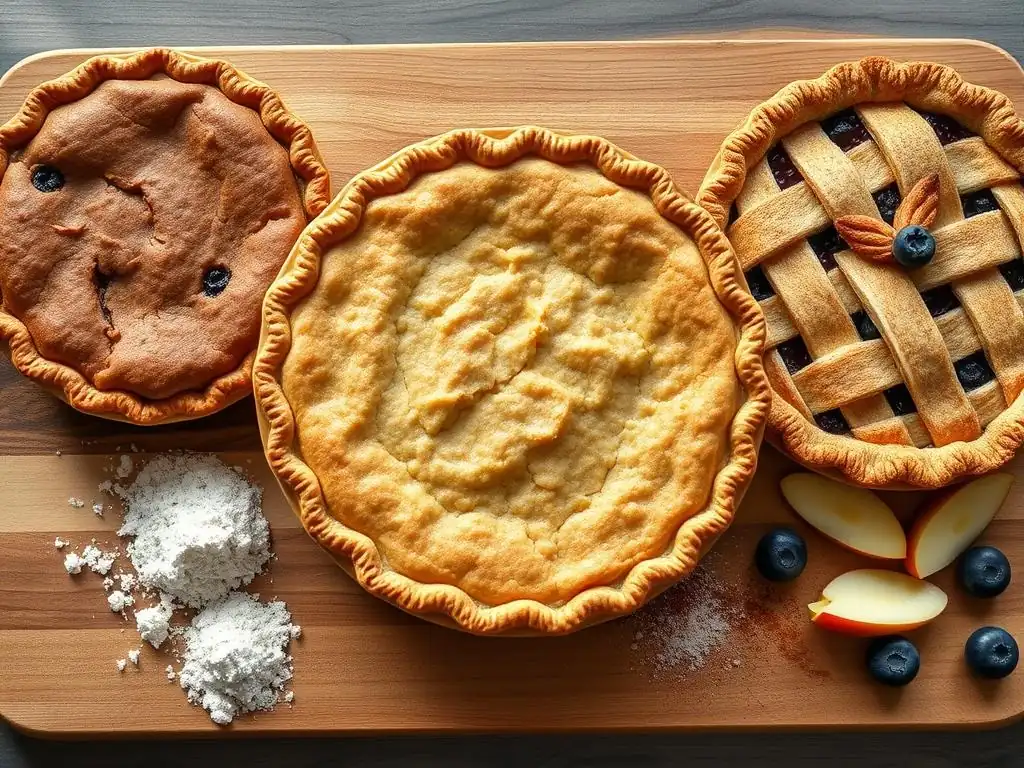
Once you've mastered your preferred keto-friendly pie crust, the possibilities for delicious, low-carb pies are endless! Both almond and coconut flour crusts can be adapted for a variety of fillings.
Savory Keto Pie Recipes Using Almond or Coconut Flour Crusts
A keto pie crust, especially one made with almond flour for a more neutral base, is perfect for savory quiches and tarts. Imagine a classic Keto Quiche Lorraine with a rich custard filling baked in a tender almond flour keto pie crust. Other ideas include:
- Spinach and Feta Quiche
- Broccoli and Cheddar Savory Tart
- Keto Chicken Pot Pie (using the crust as a bottom layer)
For savory crusts, you'll typically omit the added sweetener from the base recipe and might increase the salt slightly or add herbs like dried rosemary or thyme to the dough for extra flavor.
Sweet Keto Pie Recipes Perfect for Almond or Coconut Flour Crusts
Both almond and coconut flour crusts shine in sweet keto pies. An almond flour keto pie crust is versatile enough for almost any sweet filling, from chocolate to fruit (using low-carb fruits). Try it with:
- Keto Pecan Pie (using a sugar-free filling)
- Keto Pumpkin Pie
- Sugar-Free Chocolate Silk Pie
- Keto Berry Tart (using a cream cheese or pastry cream filling)
A coconut flour crust pairs beautifully with fillings that complement its tropical flavor, such as:
- Keto Coconut Cream Pie
- Keto Lime Pie
- Sugar-Free Chocolate Pie (the coconut flavor is excellent with chocolate)
Experimenting with Flavors in Your Keto-Friendly Pie Crust
Don't be afraid to get creative with your keto pie crust! You can add spices like cinnamon, nutmeg, or ginger to the dry ingredients for a warm, spiced crust perfect for fall pies. Citrus zest (lemon, orange, or lime) can add a bright note, especially to almond flour crusts used for fruit or cream pies.
For chocolate lovers, incorporating a tablespoon or two of unsweetened cocoa powder into either the almond or coconut flour dough can create a delicious chocolate keto pie crust almond flour or coconut flour version. Just remember that cocoa powder is also absorbent, so you might need a tiny bit more liquid. Adding chopped nuts or seeds to an almond flour crust can also enhance texture and flavor.
Conclusion: Choosing the Right Keto Pie Crust Flour for Your Needs
Deciding between almond flour and coconut flour for your keto pie crust boils down to understanding their differences and aligning them with your recipe goals and preferences. Both are excellent low-carb alternatives to traditional wheat flour, opening up a world of keto-friendly pie possibilities.
Summarizing the Key Differences Between Almond Flour and Coconut Flour Pie Crusts
The primary differences lie in texture, taste, handling, and nutritional profile. Almond flour yields a more tender, sometimes crisp, neutral-flavored crust that is generally easier for beginners to handle and roll or press. It's higher in fat and calories. Coconut flour results in a denser, more cake-like crust with a distinct coconut flavor. It's highly absorbent, requires more liquid and binders, and is typically pressed into the pan. It's higher in fiber and lower in fat per usage amount.
Choosing a keto pie crust almond flour is often preferred for its versatility and ease of use, providing a reliable base for most fillings. Opting for a coconut flour keto-friendly pie crust is great when you want the added fiber, lower fat content, or the unique coconut flavor, and you're comfortable working with its specific hydration needs.
Recommendation based on desired texture and flavor profile
If you're aiming for a crust with a texture closer to traditional pastry – tender and potentially slightly crisp – and a neutral flavor that won't compete with your filling, the almond flour keto pie crust is likely your best bet. It's also recommended for keto baking beginners.
If you prefer a denser, more cake-like texture, enjoy the taste of coconut, or prioritize maximizing fiber intake while keeping fat slightly lower, then a coconut flour keto-friendly pie crust is an excellent choice. It pairs exceptionally well with tropical or chocolate fillings. Ultimately, trying both is the best way to discover your personal favorite!
Further Resources for Keto Baking Enthusiasts on BakeWithEase
Exploring the world of keto baking is exciting, and we have many more resources to help you on your journey. You can find additional recipes for keto fillings, tips for working with other low-carb ingredients like psyllium husk and xanthan gum, and guides to selecting the best keto sweeteners right here on BakeWithEase. Keep practicing, experimenting, and most importantly, enjoy the delicious results of your keto-friendly baking adventures!
Frequently Asked Questions
How does almond flour compare to coconut flour in a keto pie crust?
Almond flour generally results in a more pliable and flavorful crust, similar to traditional pie crust. Coconut flour tends to be drier and requires more binding agents due to its high absorbency.
What are the key ingredients besides almond flour needed for a keto pie crust?
Besides almond flour, you'll typically need a binding agent like egg or psyllium husk powder, a fat like butter or coconut oil, and a sweetener like erythritol or stevia. These help with structure and flavor.
Why is almond flour a good choice for a keto pie crust?
Almond flour is low in carbs and high in fat, making it perfectly aligned with the keto diet. It also provides a pleasant, slightly nutty flavor that complements many pie fillings.
How do I prevent my almond flour keto pie crust from becoming too crumbly?
Use enough binding agent (egg or psyllium husk), and avoid over-mixing the dough. Chilling the dough before baking also helps to prevent excessive crumbling.
Can I substitute other keto-friendly flours for almond flour in this pie crust recipe?
While possible, it's not always a direct 1:1 substitution. Other flours like sunflower seed flour can be used, but adjustments to the liquid and binding agents may be necessary to achieve the desired consistency.
Final Reflection: The Crumbs of a Ketogenic Revolution
The quest for the perfect keto-friendly pie crust is more than just a culinary challenge; it's a testament to the growing demand for delicious, healthy alternatives. This article's exploration of almond flour versus coconut flour highlights not only the differences in texture and taste but also the broader shift towards low-carb, high-fat diets. The increasing popularity of ketogenic eating demonstrates a collective desire for better health and mindful food choices.
The journey of discovering the ideal keto pie crust reflects a larger cultural shift towards conscious eating. We're moving beyond simple calorie counting and embracing a deeper understanding of macronutrients and their impact on our well-being. This search for healthier alternatives isn't just about weight loss; it's about feeling energized, focused, and in control of our bodies. Food is symbolic of love when words are inadequate.
- Alan D. Wolfelt. This sentiment applies perfectly to the effort and creativity poured into crafting a delicious and healthy keto pie crust – a symbol of self-care and a love for nourishing oneself.
Now, consider your own culinary adventures. Will you embrace the challenge of creating your own keto-friendly pie crust, experimenting with almond flour, coconut flour, or perhaps even a blend of both? The true reward lies not just in the final product, but in the journey of discovery, the experimentation, and the satisfaction of creating something delicious and healthy. Don't be afraid to get your hands dirty, to embrace the imperfections, and to savor the sweet taste of success – a perfectly crafted keto pie crust, a symbol of your commitment to a healthier, happier you.
Unleash Your Inner Baker: Craft the Perfect Keto Crust!
Thanks for joining us on this delicious journey into the world of keto-friendly pie crusts! We hope you gained valuable insights into the differences between almond and coconut flour. Now it's time to put your newfound knowledge to the test!
- Bake your dream pie: Choose your favorite filling (berry, chocolate, pumpkin—the possibilities are endless! ), and create your own keto masterpiece using the flour you prefer. Remember the tips we shared for achieving that perfect flaky texture!
- Share your creation: Snap a photo of your delicious keto pie and share it with us on social media using #BakeWithEaseKetoPie. We'd love to see your baking triumphs!
- Explore other keto recipes: Dive deeper into our collection of keto-friendly desserts and discover even more amazing baking possibilities on BakeWithEase.com.
What unexpected flavor combination will you try in your next keto pie?