
How to Make DairyFree Keto Cupcakes That Frost Smoothly

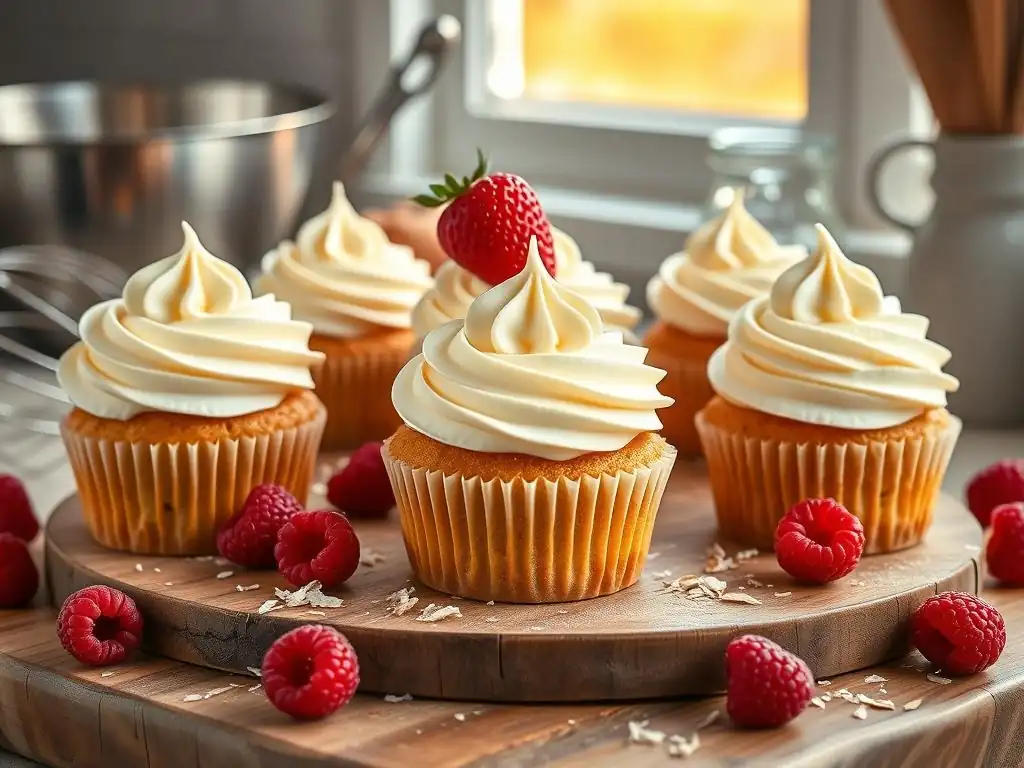
Welcome to BakeWithEase, your trusted companion on your baking journey! Are you ready to indulge in guilt-free sweetness? Discover the secret to crafting irresistibly smooth and decadent Dairy-Free Keto Cupcakes that will tantalize your taste buds. But how do you achieve that perfect, creamy frosting without any dairy? Let's unlock the secrets together and elevate your baking game!
- Introduction: Indulge in Dairy-Free Keto Cupcakes
- The Secret to Perfect Dairy-Free Keto Cupcakes: Ingredients & Equipment
- Step-by-Step Guide: Baking Your Dairy-Free Keto Cupcakes
- Creating a Smooth Dairy-Free Keto Frosting
- Tips & Tricks for Dairy-Free Keto Cupcake Success
- Storing Your Dairy-Free Keto Cupcakes
- Conclusion: Enjoy Your Delicious Dairy-Free Keto Cupcakes
-
Frequently Asked Questions
- How can I substitute dairy in a keto cupcake recipe?
- What are the best keto-friendly flours to use in dairy-free cupcakes?
- How do I achieve a smooth frosting on dairy-free keto cupcakes?
- What sweeteners are recommended for dairy-free keto cupcakes?
- Can I add flavors to dairy-free keto cupcakes, and if so, what are some good options?
- Final Reflection: The Sweet Success of Dairy-Free Keto Baking
- Unlock Your Dairy-Free Keto Baking Magic!
Introduction: Indulge in Dairy-Free Keto Cupcakes
BakeWithEase Presents: Delicious & Smooth Dairy-Free Keto Cupcakes
Welcome to BakeWithEase! We're thrilled to guide you through creating truly delightful dairy-free keto cupcakes that are not only moist and flavorful but also boast a surface perfect for smooth frosting. Navigating the world of low-carb, allergen-friendly baking can sometimes feel like a challenge, especially when aiming for that classic cupcake texture and appearance without traditional ingredients like wheat flour, sugar, or dairy. But fear not! With the right ingredients and techniques, achieving bakery-quality dairy free keto cupcakes at home is absolutely within reach.
In this comprehensive guide, we'll break down the process step-by-step, from selecting the best keto-friendly and dairy-free alternatives to mastering the baking time and crafting a smooth, pipeable frosting. We'll share tips to help you avoid common pitfalls, like dry or crumbly cupcakes, and ensure your treats turn out beautifully every time. Get ready to impress yourself and your loved ones with these amazing dairy free keto cupcakes that prove you don't have to compromise on taste or texture when following a specific dietary path.
Why Choose Dairy-Free & Keto? Benefits and Considerations
Opting for dairy-free keto cupcakes aligns with several dietary goals and health considerations. The ketogenic diet focuses on high fat, moderate protein, and very low carbohydrate intake, aiming to shift the body's metabolism towards burning fat for fuel. Simultaneously, avoiding dairy is crucial for individuals with lactose intolerance, milk allergies, or those who simply choose to exclude dairy products from their diet for various health or ethical reasons. Combining these two approaches allows individuals following both a keto and a dairy-free lifestyle to enjoy sweet treats without derailing their dietary progress or triggering adverse reactions.
Beyond dietary restrictions, baking dairy free keto cupcakes can offer unique benefits in terms of texture and flavor when done correctly. Dairy-free butter alternatives and milks can sometimes lend a different richness or moisture profile compared to traditional dairy. Using specific low-carb flours like almond and coconut flour provides the necessary structure without the high carbohydrate count of wheat flour. Furthermore, relying on non-nutritive sweeteners helps keep blood sugar levels stable, which is a key aspect of the ketogenic diet. Understanding these ingredients and their roles is the first step to successful keto dairy-free baking.
The Secret to Perfect Dairy-Free Keto Cupcakes: Ingredients & Equipment
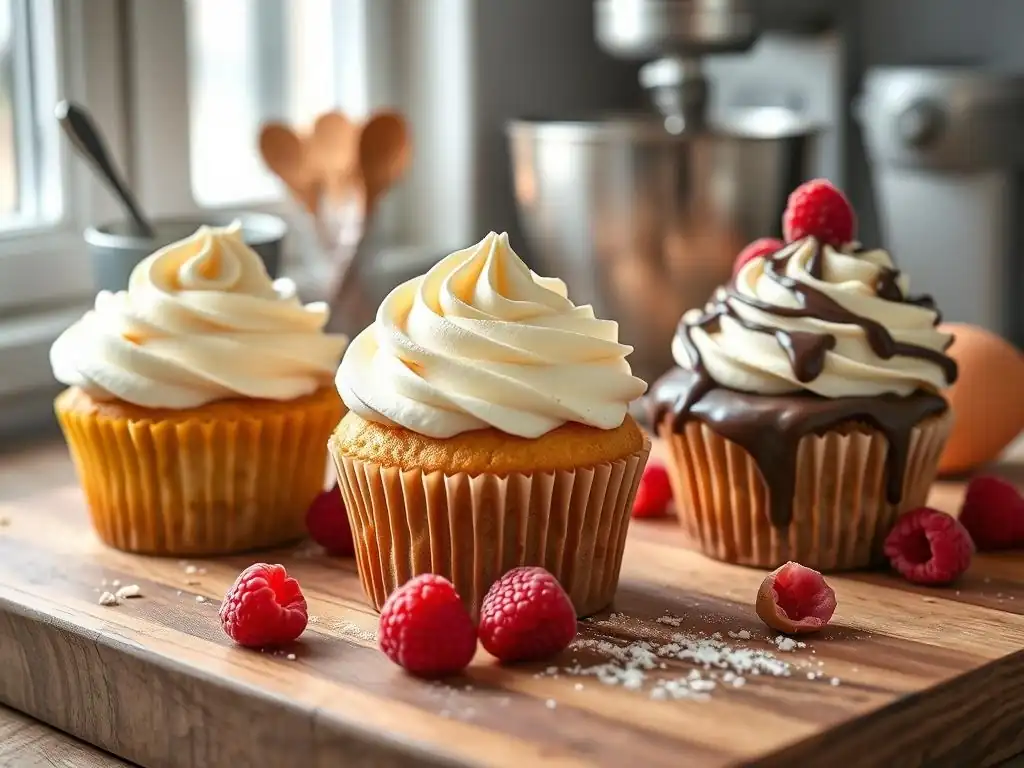
Key Ingredients for Dairy-Free Keto Cupcakes
Getting the ingredients right is paramount when baking dairy free keto cupcakes. These alternative ingredients behave differently than their traditional counterparts, and understanding their function is key to success. Using high-quality versions of these ingredients will significantly impact the final texture and flavor of your low-carb dairy-free treats.
Almond Flour: The Base for Keto Baking
Almond flour is a staple in most keto baking recipes, including dairy free keto cupcakes. It's made from ground almonds and is significantly lower in carbohydrates than wheat flour. It provides a tender crumb structure, but because it lacks gluten, it requires different binding agents.
For best results, use superfine blanched almond flour. This type has had the skins removed before grinding, resulting in a lighter color and finer texture, which helps create a smoother batter and a more consistent crumb in your dairy free keto cupcakes. Avoid using almond meal, which is coarser and includes the skins, as it can result in a denser, less desirable texture.
Coconut Flour: Adding Texture and Moisture
Coconut flour is another popular keto flour, highly absorbent and rich in fiber. It's often used in combination with almond flour in dairy free keto cupcakes because it helps absorb excess moisture and contributes to a slightly different texture profile. However, a little goes a long way, as it can quickly dry out baked goods if used in excess.
When using coconut flour, ensure it is finely ground and stored properly to maintain freshness. Because of its high absorbency, the ratio of wet to dry ingredients is crucial when using coconut flour. It helps create a softer, more cake-like texture when used in the correct proportion alongside almond flour in your dairy free keto cupcakes recipe.
Keto-Friendly Sweeteners: Erythritol, Monk Fruit, and Stevia
Traditional sugar is high in carbohydrates and not suitable for a ketogenic diet. Keto-friendly sweeteners provide sweetness without significantly impacting blood sugar. Popular options for dairy free keto cupcakes include Erythritol, Monk Fruit extract, and Stevia extract, often used alone or in blends.
Erythritol is a sugar alcohol that measures cup-for-cup like sugar but has minimal net carbs. Monk Fruit and Stevia are high-intensity sweeteners used in much smaller amounts. Blends often combine these to mimic sugar's taste and bulk better. For smooth frosting, using powdered or confectioners-style keto sweetener is essential to avoid a grainy texture. Ensure the sweetener you choose is suitable for baking and measure carefully according to the recipe.
Dairy-Free Butter Alternatives: Coconut Oil and Miyoko's Kitchen Cultured Vegan Butter
Replacing dairy butter is crucial for dairy free keto cupcakes. Solid coconut oil is a common choice, especially refined coconut oil which has a neutral flavor. It functions similarly to butter in terms of providing fat and moisture. However, its melting point is lower than butter, which can affect texture, especially in frosting.
Another excellent option is cultured vegan butter alternatives made from nuts or seeds, like Miyoko's Kitchen Cultured Vegan Butter made from cashews. These often mimic the flavor and texture of dairy butter more closely than plain oils and work exceptionally well in both batters and frostings for dairy free keto cupcakes, providing richness and structure. Choose a brand specifically designed for baking.
Eggs: Binding and Structure
Eggs play a vital role in dairy free keto cupcakes, acting as a primary binder, providing structure, and contributing to leavening. They help hold the low-gluten batter together and create a tender crumb. The fat in the yolks also adds richness and moisture.
Ensure your eggs are at room temperature before mixing the batter. This helps them incorporate more evenly and contributes to a smoother, more consistent batter. For most standard recipes yielding 12 cupcakes, you'll typically need 2-4 large eggs, depending on the desired richness and structure.
Dairy-Free Milk Options: Almond Milk, Coconut Milk, and Flax Milk
Liquid is needed to bring the dairy free keto cupcake batter together and add moisture. Dairy-free milk alternatives are perfect for this. Unsweetened almond milk is a popular low-carb choice due to its neutral flavor and low calorie count.
Full-fat canned coconut milk (the thick, creamy part) can add richness and moisture, but be mindful of its distinct flavor and higher fat content. Unsweetened flax milk is another option. Ensure the milk you choose is unsweetened to keep the carb count low and check the ingredient list for any added sugars or thickeners that might not fit your dietary requirements.
Essential Equipment for Baking Keto Cupcakes
Having the right tools makes the process of baking dairy free keto cupcakes much smoother and helps ensure consistent, successful results. You don't need fancy gadgets, but a few key items are necessary.
Cupcake Liners: Choosing the Right Size and Material
Cupcake liners are essential for preventing your dairy free keto cupcakes from sticking to the pan and for easy serving. Standard-sized paper liners are the most common choice. Silicone liners are reusable and non-stick, which can be helpful with keto batters that sometimes have a tendency to stick.
Ensure you use the correct size liners for your cupcake tin. Using liners slightly too small or too large can affect the shape and baking consistency of your dairy free keto cupcakes. Parchment paper liners can also be a good option as they are naturally non-stick.
Mixing Bowls: Different Sizes for Various Steps
You'll need at least two mixing bowls when making dairy free keto cupcakes: one for dry ingredients and one for wet ingredients before combining them. Having bowls of different sizes is helpful.
A medium-sized bowl is usually sufficient for whisking together the dry ingredients like flours, sweetener, and leavening. A larger bowl is needed for creaming together the dairy-free butter alternative and sweetener, incorporating eggs, and then gradually adding the dry ingredients and milk. Glass, ceramic, or metal bowls all work well.
Measuring Cups and Spoons: Accurate Measurements for Keto Success
Precision is key in keto baking, as ingredient ratios are often more sensitive than in traditional baking. Accurate measuring cups and spoons are non-negotiable for achieving the correct balance of ingredients in your dairy free keto cupcakes.
Use dry measuring cups for flours and sweeteners, leveling them off with a straight edge. Use liquid measuring cups for dairy-free milk and extracts, reading at eye level. Measuring spoons are needed for smaller quantities like baking powder, salt, and vanilla extract. Consistency in measurement is vital for reproducible results.
Electric Mixer: For Smooth Batters and Frostings
While you can mix some batters by hand, an electric mixer (either a hand mixer or a stand mixer) is highly recommended for dairy free keto cupcakes, especially for creaming the dairy-free butter and sweetener and for making the smooth frosting.
An electric mixer helps incorporate air into the mixture, which contributes to a lighter texture in the cupcakes and a fluffy consistency in the frosting. Using a stand mixer with a paddle attachment is ideal for batter, and a whisk attachment is perfect for whipping the frosting to achieve that smooth, pipeable texture for your dairy free keto cupcakes.
Step-by-Step Guide: Baking Your Dairy-Free Keto Cupcakes
Baking dairy free keto cupcakes involves a few key steps, similar to traditional baking but with specific considerations for the unique ingredients. Following these steps carefully will help ensure your cupcakes rise properly and have a lovely texture.
Preparing the Batter: Achieving the Perfect Consistency
The consistency of your dairy free keto cupcake batter is crucial. It will likely be thicker than traditional cake batter due to the low-carb flours, but it should still be scoopable and not overly dry or crumbly.
Combining Dry Ingredients: Almond Flour, Coconut Flour, Sweetener
In your medium mixing bowl, whisk together all the dry ingredients: the blanched almond flour, coconut flour, keto sweetener (like powdered Erythritol blend), baking powder, and salt. Whisking helps to combine them evenly and also aerates the flours slightly, which can contribute to a lighter crumb in your dairy free keto cupcakes.
Ensure there are no clumps of sweetener or leavening agent. A fine-mesh sieve can be used if your ingredients are prone to clumping, though whisking is often sufficient. This step ensures that when the wet ingredients are added, the leavening is distributed throughout the batter, promoting an even rise.
Incorporating Wet Ingredients: Dairy-Free Butter, Eggs, Dairy-Free Milk
In your large mixing bowl, cream together the softened dairy-free butter alternative (like Miyoko's) or melted coconut oil with any granular or powdered sweetener used in the wet phase until light and fluffy using your electric mixer. Then, beat in the eggs one at a time, mixing well after each addition to ensure they are fully incorporated. Scrape down the sides of the bowl as needed.
Next, gradually add the dry ingredients to the wet ingredients, alternating with the dairy-free milk (such as unsweetened almond milk). Begin and end with the dry ingredients. This method helps the ingredients combine smoothly and reduces the chance of overmixing. Add any extracts, like vanilla, at this stage.
Mixing Techniques: Avoiding Overmixing for Tender Cupcakes
Once the wet and dry ingredients are combined, mix the batter just until everything is incorporated. Overmixing keto batters can lead to tough or dense dairy free keto cupcakes because the structure relies on protein coagulation rather than gluten development.
Mix on low speed using your electric mixer, or fold gently with a spatula, until you no longer see streaks of dry flour. A few small lumps are acceptable. The batter should be thick but scoopable. Stop mixing as soon as the ingredients are combined.
Baking the Cupcakes: Time and Temperature for Optimal Results
Accurate oven temperature and baking time are critical for evenly baked dairy free keto cupcakes. They should be cooked through but not dried out.
Preheating Your Oven: Ensuring Even Baking
Always preheat your oven completely before putting the cupcakes in. An oven that hasn't reached the correct temperature will result in uneven baking and can cause cupcakes to sink in the center. Preheat your oven to 350°F (175°C).
Use an oven thermometer to verify your oven's temperature accuracy, as many ovens can be off by 25°F or more. Consistent temperature is key to ensuring your dairy free keto cupcakes rise properly and bake evenly from the edges to the center.
Filling the Cupcake Liners: Proper Portioning
Place cupcake liners in your muffin tin. Fill each liner about two-thirds full with batter. This allows room for the cupcakes to rise without overflowing the liners. Using a cookie scoop or an ice cream scoop can help achieve consistent portion sizes, leading to evenly sized and baked dairy free keto cupcakes.
Avoid overfilling, as this can cause the tops to mushroom over and potentially overflow, making them difficult to frost neatly. Underfilling will result in small, flat cupcakes. Aim for a consistent level across all liners.
Baking Time and Temperature: 350°F (175°C) for 18-22 minutes
Bake your dairy free keto cupcakes in the preheated oven at 350°F (175°C). The typical baking time is between 18 and 22 minutes. However, baking times can vary based on your oven and the exact size of your cupcakes.
Start checking for doneness around the 18-minute mark. The cupcakes should look set around the edges, and the tops should spring back lightly when gently pressed. They may not brown as much as traditional cupcakes due to the lack of sugar.
Testing for Doneness: The Toothpick Test
The most reliable way to test if your dairy free keto cupcakes are done is the toothpick test. Insert a toothpick into the center of one of the cupcakes.
If the toothpick comes out clean or with just a few moist crumbs attached, the cupcakes are done. If it comes out with wet batter, they need a few more minutes. Be careful not to overbake, as keto baked goods can become dry quickly.
Cooling the Cupcakes: Preventing Sticking and Crumbling
Proper cooling is essential before handling or frosting your dairy free keto cupcakes. Attempting to remove or frost them while hot can lead to crumbling or sticking.
Cooling in the Pan: Initial Cooling Period
Once baked, remove the muffin tin from the oven and place it on a wire rack. Allow the cupcakes to cool in the pan for about 5-10 minutes. This initial cooling period allows the structure of the cupcakes to set slightly before you attempt to move them.
This step is important for preventing the delicate structure of the dairy free keto cupcakes from breaking apart when you transfer them. Don't leave them in the hot pan for too long, though, as the residual heat can continue to cook them and potentially dry them out.
Transferring to a Wire Rack: Complete Cooling
After the initial cooling period in the pan, carefully transfer the dairy free keto cupcakes to a wire cooling rack to cool completely. A wire rack allows air to circulate around the entire cupcake, helping it cool down evenly and preventing condensation that could make the bottom soggy.
Ensure the cupcakes are completely cool before frosting. This can take 30 minutes to an hour or more, depending on the room temperature. Frosting warm cupcakes will cause the frosting to melt and slide off, ruining the smooth finish you're aiming for on your dairy free keto cupcakes.
Creating a Smooth Dairy-Free Keto Frosting
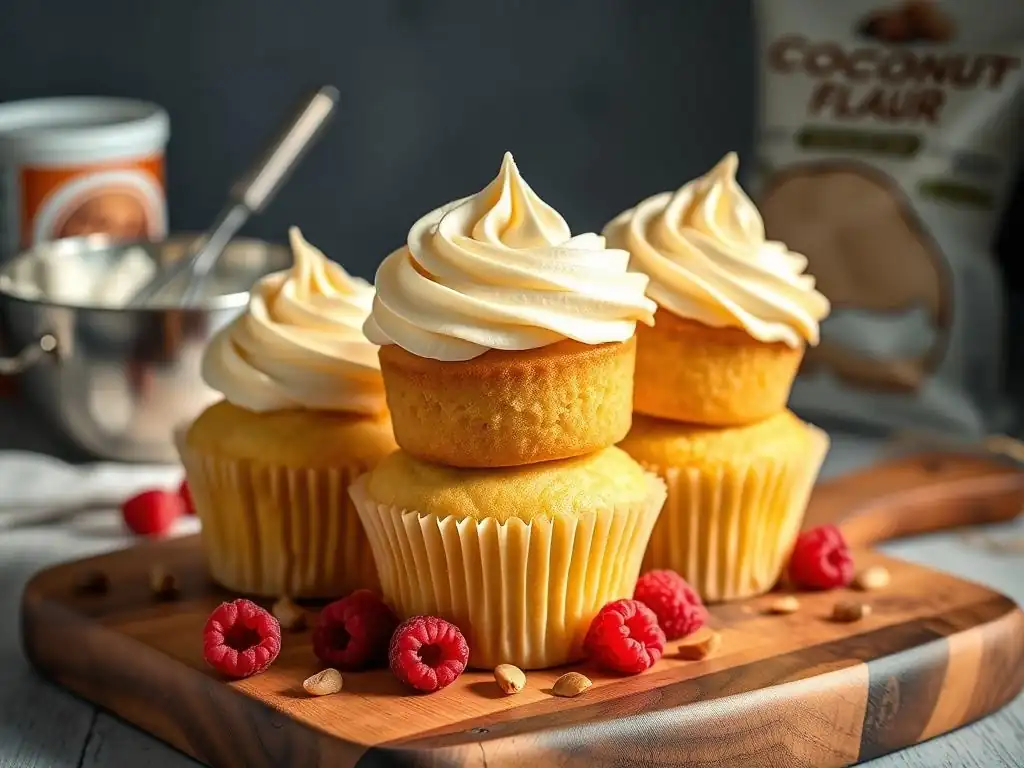
A smooth, delicious frosting is the crowning glory of any cupcake, and dairy free keto cupcakes are no exception. Achieving a creamy, pipeable consistency requires the right ingredients and technique.
Dairy-Free Keto Frosting Ingredients: Creamy and Delicious
The base of a good dairy-free keto frosting relies on solid fats and a powdered sweetener to create that characteristic smooth texture.
Dairy-Free Cream Cheese Alternatives: Kite Hill Cream Cheese Alternative
For a tangy cream cheese style frosting perfect for dairy free keto cupcakes, a dairy-free cream cheese alternative is essential. Products like Kite Hill Cream Cheese Alternative, made from almond milk, provide a similar tang and creamy texture to dairy cream cheese.
Ensure the cream cheese alternative is firm and cold when you start. This helps it whip up properly with the butter alternative and powdered sweetener, creating a stable and smooth frosting base for your dairy free keto cupcakes. Look for one with a low net carb count and minimal added sugars.
Dairy-Free Butter Alternatives: Miyoko's Kitchen Cultured Vegan Butter
Just like in the cupcake batter, a good dairy-free butter alternative is key for richness and structure in the frosting. Miyoko's Kitchen Cultured Vegan Butter, or a similar firm, stick-style vegan butter, works well. Softened, but not melted, butter is needed.
This butter alternative provides the necessary fat content and helps the frosting set up properly. It's crucial for achieving that smooth, spreadable or pipeable consistency that adheres well to your dairy free keto cupcakes. Ensure the butter is at cool room temperature, not overly soft.
Powdered Sweetener: Achieving a Smooth Texture
To get a truly smooth frosting without a gritty texture, you must use a powdered or confectioners-style keto sweetener. Granular sweeteners will not dissolve sufficiently and will leave your frosting feeling sandy.
You can buy powdered keto sweetener (like powdered Erythritol, Monk Fruit blend, or Allulose) or make your own by grinding granular keto sweetener in a clean coffee grinder or high-powered blender until it reaches a fine powder consistency. This is perhaps the most important ingredient for smooth frosting on your dairy free keto cupcakes.
Vanilla Extract: Enhancing Flavor
Vanilla extract is a classic flavor enhancer for frosting. Use pure vanilla extract for the best flavor. It adds depth and warmth that complements the other ingredients in your dairy free keto frosting.
A small amount, typically 1-2 teaspoons per batch, is sufficient. Ensure it's high quality, as it will noticeably impact the final taste of your dairy free keto cupcakes.
Frosting Techniques: Achieving a Flawless Finish
Once you have your ingredients ready, the technique for mixing and applying the frosting is what gives your dairy free keto cupcakes that professional, smooth look.
Whipping the Frosting: Achieving a Light and Airy Texture
Using an electric mixer is essential for whipping dairy-free keto frosting to the desired smooth and airy consistency. Start by creaming the softened dairy-free butter alternative (and cold cream cheese alternative, if using) until smooth and creamy.
Gradually add the powdered keto sweetener, one cup at a time, mixing on low speed until incorporated, then increasing speed to medium-high. Mix for several minutes, scraping down the sides of the bowl periodically, until the frosting is light, fluffy, and smooth. Add vanilla extract and any dairy-free milk (just a tablespoon or two if needed for consistency) towards the end. Whip until the frosting holds stiff peaks.
Piping the Frosting: Creating Decorative Swirls
For a classic, decorative look on your dairy free keto cupcakes, piping the frosting is the way to go. Use a piping bag fitted with your desired tip (like a star tip or round tip). Fill the bag no more than two-thirds full.
Hold the bag perpendicular to the top of the cooled cupcake and apply steady pressure, starting from the outside edge and spiraling inwards, or creating a simple swirl from the center outwards. Practice on a piece of parchment paper first if you're new to piping. Ensure the frosting is smooth and free of lumps for easy piping.
Smoothing the Frosting: Achieving a Professional Look
If you prefer a smooth, classic dome or flat top on your dairy free keto cupcakes, use an offset spatula. Apply a generous dollop of frosting to the center of the cooled cupcake.
Using the offset spatula, gently spread the frosting outwards, rotating the cupcake as you go, until the top is covered. For a smooth dome, swirl the spatula slightly as you lift it away. For a flat top, use the edge of the spatula to smooth the surface. Ensure the cupcakes are completely cool before attempting to smooth the frosting.
Tips & Tricks for Dairy-Free Keto Cupcake Success
Mastering dairy free keto cupcakes comes with practice. Here are some tips to help you achieve the best possible results and troubleshoot common issues.
Achieving the Right Texture: Preventing Dryness
One of the most common complaints about keto baked goods is dryness. This is often due to the nature of low-carb flours like almond and coconut flour, which absorb moisture differently than wheat flour.
To prevent dry dairy free keto cupcakes, ensure you measure your flours accurately – never scoop directly from the bag as this compacts the flour. Use room temperature eggs and dairy-free milk for better emulsification. Don't reduce the fat content (dairy-free butter, eggs) unless specified by a tested recipe. Finally, and critically, avoid overbaking. Use the toothpick test and err on the side of slightly underbaked rather than overbaked.
Troubleshooting Common Baking Problems: Sinking Cupcakes, Dry Cupcakes, Dense Cupcakes
- Sinking Cupcakes: This can happen for several reasons. The most common is opening the oven door too early during baking. Other causes include using expired leavening agents (baking powder), inaccurate oven temperature (too low), or overmixing the batter. Ensure your baking powder is fresh (test a pinch in hot water – it should fizz), your oven is accurately preheated to 350°F (175°C), and you mix the batter just until combined.
- Dry Cupcakes: As mentioned, overbaking is a primary culprit. Ensure you test for doneness at the lower end of the baking time range (around 18 minutes) and remove them promptly once the toothpick test is passed. Improper measurement of flours (too much flour, especially coconut flour) or insufficient wet ingredients can also lead to dryness in dairy free keto cupcakes.
- Dense Cupcakes: Overmixing the batter is a frequent cause of dense texture in keto baked goods. Mix only until the dry ingredients are just incorporated. Using too little leavening agent or expired leavening can also result in cupcakes that don't rise properly and end up dense. Ensure your baking powder is active.
Flavor Variations: Experimenting with Different Extracts and Toppings
Once you've mastered the basic dairy free keto cupcakes, feel free to experiment with flavors! The neutral base is perfect for adding various extracts and toppings to create unique treats.
Adding Chocolate: Dairy-Free Keto Chocolate Chips
For chocolate lovers, adding dairy-free keto chocolate chips to the batter is a simple way to introduce bursts of chocolate flavor. Use chips sweetened with Erythritol or Stevia.
Gently fold about 1/2 cup of dairy-free keto chocolate chips into the batter just before portioning it into the liners. You can also sprinkle a few on top of the batter in the liners before baking. Ensure the chips are specifically labeled as dairy-free and keto-friendly.
Incorporating Nuts: Chopped Almonds or Walnuts
Adding finely chopped nuts like almonds or walnuts can add a lovely crunch and nutty flavor to your dairy free keto cupcakes. Nuts also contribute healthy fats.
Fold about 1/4 to 1/2 cup of finely chopped nuts into the batter before baking. You can also sprinkle chopped nuts on top of the frosting for a decorative and textural element. Ensure the nuts are fresh and unsalted.
Using Citrus Zest: Lemon or Orange Zest
Citrus zest adds a bright, fresh flavor that can cut through the richness of the dairy free keto cupcakes and frosting. Lemon or orange zest works beautifully.
Finely grate the zest of one lemon or orange directly into the wet ingredients or the finished batter. The oils in the zest contain the flavor. Avoid getting the white pith, as it is bitter. Citrus zest pairs particularly well with cream cheese style frosting on dairy free keto cupcakes.
Storing Your Dairy-Free Keto Cupcakes
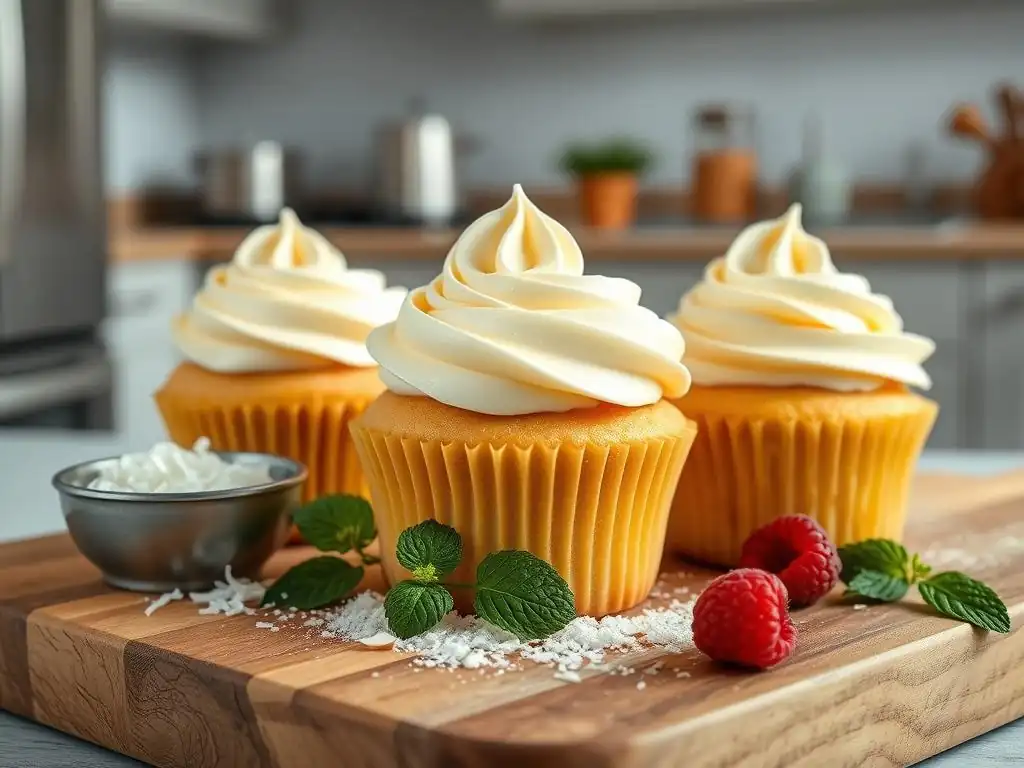
Proper storage is important to maintain the freshness, texture, and flavor of your dairy free keto cupcakes, especially since they don't contain the same preservatives as commercial baked goods.
Proper Storage Techniques: Maintaining Freshness
Once completely cooled and frosted, dairy free keto cupcakes should be stored in an airtight container. This prevents them from drying out and protects the frosting.
If storing at room temperature, they will typically last for 1-2 days. Due to the dairy-free cream cheese or butter alternatives, it's often best to store frosted dairy free keto cupcakes in the refrigerator to maintain frosting stability and freshness. Refrigerated, they can last for 3-5 days. Bring them to room temperature for about 15-20 minutes before serving for the best texture.
Freezing Cupcakes: Extending Shelf Life
Dairy free keto cupcakes freeze very well, allowing you to make a batch ahead of time or save leftovers. It's best to freeze unfrosted cupcakes.
Allow the baked cupcakes to cool completely. Place them in a single layer on a baking sheet and freeze for about 1-2 hours until firm. Then, transfer the frozen cupcakes to a freezer-safe airtight container or freezer bag, removing as much air as possible to prevent freezer burn. They can be frozen for up to 2-3 months. Thaw overnight in the refrigerator or at room temperature before frosting and serving.
Conclusion: Enjoy Your Delicious Dairy-Free Keto Cupcakes
You've successfully navigated the steps to create wonderful dairy free keto cupcakes! From selecting the right low-carb and dairy-free ingredients to mastering baking times and achieving that perfectly smooth frosting, you now have the knowledge to bake these treats with confidence. These cupcakes prove that dietary restrictions don't mean sacrificing deliciousness or the joy of a beautifully frosted dessert.
BakeWithEase: Your Guide to Easy and Delicious Keto Baking
At BakeWithEase, our goal is to make baking accessible and enjoyable for everyone, regardless of dietary needs. We hope this guide empowers you to bake amazing dairy free keto cupcakes and explore other keto-friendly recipes. Keep practicing, experimenting with flavors, and most importantly, enjoy the process and the delicious results! Happy keto baking!
Frequently Asked Questions
How can I substitute dairy in a keto cupcake recipe?
Dairy can be easily substituted with ingredients like almond milk, coconut cream, or dairy-free butter alternatives to maintain a keto-friendly profile. These substitutes offer similar textures and fat content.
What are the best keto-friendly flours to use in dairy-free cupcakes?
The best keto flours include almond flour and coconut flour. These are low in carbs and provide structure to the cupcakes, ensuring they hold their shape well.
How do I achieve a smooth frosting on dairy-free keto cupcakes?
Using a dairy-free butter alternative that is properly softened, and a good quality powdered erythritol, are key. Ensure all ingredients are fully incorporated for a smooth, lump-free frosting.
What sweeteners are recommended for dairy-free keto cupcakes?
Erythritol, stevia, and monk fruit are all excellent keto-friendly sweeteners. They provide sweetness without significantly impacting blood sugar levels, making them ideal for keto baking.
Can I add flavors to dairy-free keto cupcakes, and if so, what are some good options?
Yes! Vanilla extract, chocolate extract, or even a touch of citrus zest work well. Make sure the flavorings are sugar-free to maintain the keto diet.
Final Reflection: The Sweet Success of Dairy-Free Keto Baking
The pursuit of delicious, guilt-free treats is more relevant than ever. The demand for healthier alternatives to traditional desserts is booming, and the ketogenic diet's popularity continues to rise, creating a significant need for recipes that satisfy both dietary restrictions and sweet cravings. This article aimed to bridge that gap, proving that decadent, smooth-frosted cupcakes can exist even within the constraints of a dairy-free keto lifestyle.
This journey into dairy-free keto baking has been a personal revelation. I've discovered that culinary creativity knows no bounds, even when faced with seemingly restrictive dietary needs. The process of perfecting these cupcakes highlighted the importance of ingredient selection and technique, emphasizing that attention to detail can elevate a simple recipe into something truly extraordinary. The best things in life are worth fighting for, and a perfectly frosted dairy-free keto cupcake is certainly one of them.
This sentiment, while humorous, underscores the dedication and perseverance required to achieve culinary excellence, regardless of dietary limitations.
Now, it's your turn. Don't let dietary restrictions limit your culinary aspirations. Experiment with different dairy-free alternatives, explore the nuances of keto baking, and most importantly, have fun! Embrace the challenge of creating your own perfect dairy-free keto cupcake, and savor the sweet reward of a delicious and healthy treat. The possibilities are as limitless as your imagination.
Unlock Your Dairy-Free Keto Baking Magic!
Thanks for joining us on this delicious dairy-free keto cupcake adventure! You've learned how to create perfectly smooth frostings without compromising on flavor or texture. Now it's time to put your new skills to the test!
- Bake a batch of these amazing cupcakes today! Use the recipe you just learned and impress yourself (and others!) with your newfound baking prowess.
- Share your creations on social media using #BakeWithEaseDairyFreeKeto – let's build a supportive community of keto bakers!
- Experiment with different flavor combinations! What exciting dairy-free keto frosting will you create next?
Ready to transform your baking? What’s your favorite unexpected dairy-free ingredient to use in keto baking?