
Vegan Lemon Bars that Set Perfectly Without Eggs

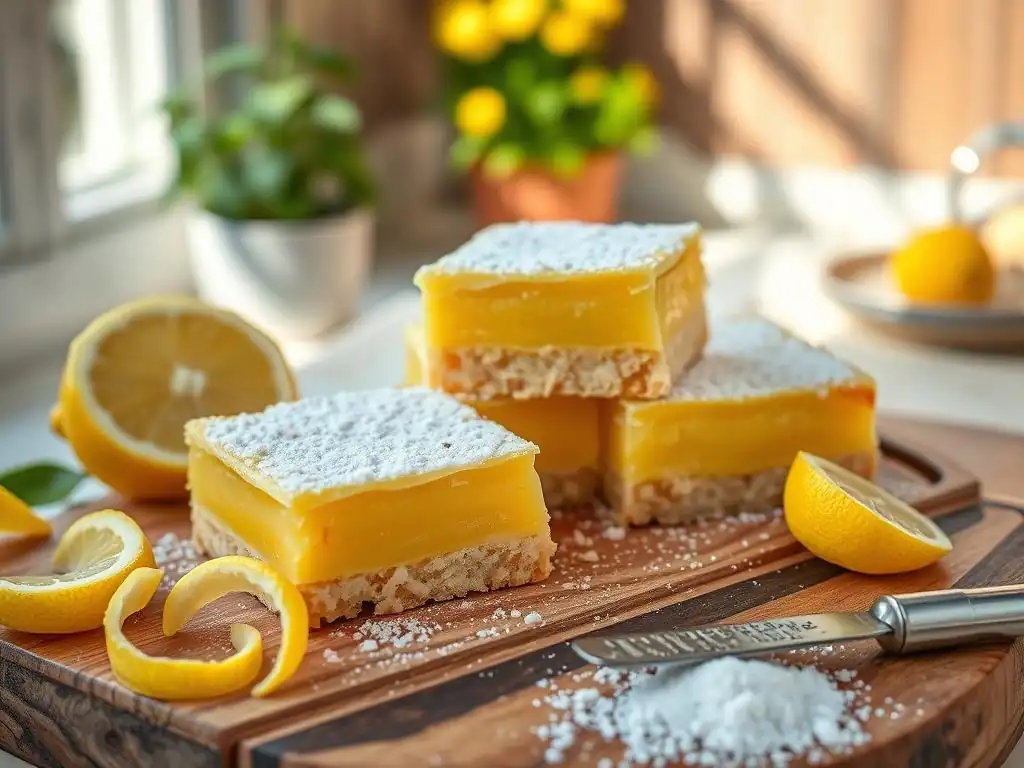
Welcome to BakeWithEase, your haven for effortless baking! Ever dreamt of perfectly tangy, melt-in-your-mouth lemon bars, but thought vegan baking was too tricky? Think again! This week, we're diving into the secrets behind crafting incredible vegan lemon bars no eggs, achieving that signature set and zesty flavor you crave. Curious how to ditch the eggs and still get that perfect texture? Let's explore the magic!
- Vegan Lemon Bars That Set Perfectly Without Eggs: Bake With Ease
- Introduction to Egg-Free Vegan Lemon Bars
- Key Ingredients for Perfectly Set Vegan Lemon Bars
- Step-by-Step Guide: Baking Vegan Lemon Bars Without Eggs
- Cooling and Cutting: Achieving Clean Slices
- Troubleshooting Common Vegan Lemon Bar Issues
- Variations and Additions to Your Vegan Lemon Bars
- Storing Your Vegan Lemon Bars
- Enjoy Your Delicious Egg-Free Vegan Lemon Bars!
-
Frequently Asked Questions
- How do Vegan Lemon Bars achieve a firm texture without using eggs?
- What makes these Vegan Lemon Bars different from traditional lemon bars?
- Can I substitute the lemon juice in this Vegan Lemon Bars no eggs recipe?
- What are some common mistakes to avoid when making Vegan Lemon Bars?
- How long do these Vegan Lemon Bars last, and how should I store them?
- Final Reflection: The Unexpected Joy of Eggless Vegan Lemon Bars
- Unleash Your Inner Baker: Perfectly Vegan Lemon Bars Await!
Vegan Lemon Bars That Set Perfectly Without Eggs: Bake With Ease
Introduction to Egg-Free Vegan Lemon Bars
Making delicious lemon bars is a classic baking endeavor, but removing the eggs presents a unique challenge, especially when aiming for that signature firm-yet-yielding set. Traditional lemon bar recipes rely heavily on eggs to thicken and stabilize the filling, creating that custardy texture we all love. Adapting this without animal products requires a clever approach to achieve the same delightful result. Our goal here is to guide you through creating perfect vegan lemon bars no eggs needed, with a filling that holds its shape beautifully when sliced, offering that bright, tangy flavor in every bite.
This guide will walk you through a proven method for making vegan lemon bars without eggs that set up just right. We'll explore the crucial role of specific plant-based ingredients and starches in achieving the ideal consistency. Forget runny, disappointing fillings; this recipe focuses on techniques and ingredient combinations that guarantee success, making egg-free vegan lemon bars accessible and enjoyable for bakers of all levels. Get ready to bake a batch of vibrant, tangy treats that are completely plant-based and utterly delicious.
The Challenge of Vegan Lemon Bars: Achieving the Perfect Set
The primary function of eggs in traditional lemon bar filling is twofold: they act as both a binder and a thickener. Egg yolks contain lecithin, an emulsifier that helps create a smooth, stable mixture, while the proteins in both the yolk and white coagulate when heated, causing the filling to set firm. Without eggs, achieving this specific texture and stability becomes a significant hurdle. Many early attempts at vegan lemon bars resulted in fillings that were too soft, too gummy, or failed to set at all, often spreading rather than holding a clean slice.
Overcoming this challenge requires understanding alternative gelling and thickening agents. Simply removing the eggs and hoping for the best with just lemon juice and sugar won't work; the mixture would remain liquid or syrupy. Various plant-based thickeners like agar-agar, carrageenan, or different starches have been experimented with, each offering slightly different properties. The key is finding a combination that mimics the smooth, firm, yet slightly tender set provided by eggs, ensuring your vegan lemon bars no eggs hold their shape beautifully out of the pan.
Why This Vegan Lemon Bar Recipe Works: Cornstarch and Tapioca Starch Combination
This recipe specifically utilizes a combination of cornstarch and tapioca starch to achieve the perfect set for your vegan lemon bars no eggs. Cornstarch is a powerful thickener that provides structure and firmness when heated. It creates a somewhat opaque, gel-like consistency, which is excellent for the bulk of the thickening required in the lemon filling. For instance, using only cornstarch might result in a slightly stiff or even rubbery texture, depending on the ratio used.
Combining cornstarch with tapioca starch adds a crucial element of texture. Tapioca starch, derived from the cassava root, creates a more translucent, slightly chewy, and glossy finish when heated. It helps to prevent the filling from becoming too brittle or opaque, contributing to a smoother mouthfeel and a more visually appealing result. This synergy between the two starches ensures the filling for your vegan lemon bars without eggs sets firmly enough to cut clean squares, while still retaining a pleasant, slightly tender quality reminiscent of traditional lemon bars.
Key Ingredients for Perfectly Set Vegan Lemon Bars
Creating exceptional vegan lemon bars no eggs requires careful selection of ingredients, each playing a vital role in both flavor and structure. Beyond the starches, the quality and type of flour, sugar, lemon juice, and fat alternative are critical for achieving that signature bright, tangy taste and delightful texture. Let's break down the essential components that make this recipe a success.
Understanding the function of each ingredient helps ensure consistent results. For example, using fresh lemon juice is non-negotiable for vibrant flavor, while the choice of vegan butter alternative impacts the richness and flakiness of the crust. Paying attention to these details elevates your egg-free vegan lemon bars from good to truly outstanding, providing a delightful treat that satisfies even the most discerning palate.
The Best Flour for Vegan Lemon Bars: All-Purpose Flour
For the crust of your vegan lemon bars without eggs, standard all-purpose flour is generally the go-to choice. Its balanced protein content (typically around 10-12%) provides enough structure for a tender, crumbly shortbread-style crust without making it tough. All-purpose flour is readily available and works consistently well in countless baking applications, including this one. Using bleached or unbleached doesn't significantly impact the final texture in this context.
While other flours can be used, they may require adjustments. For instance, using a lower-protein cake flour might result in a very delicate, almost sandy crust, while a higher-protein bread flour could make it too tough. Whole wheat flour can be used for a nuttier flavor and added fiber, but it might absorb more liquid and require slight adjustments to the fat content to prevent dryness. For reliable results with your vegan lemon bars no eggs, stick with all-purpose flour unless you are experienced with substituting flours.
Sugar Selection: Granulated vs. Powdered
Both granulated and powdered sugar play specific roles in this vegan lemon bar recipe. Granulated sugar is primarily used in the lemon filling. Its crystalline structure dissolves when heated with the liquids and starches, contributing sweetness and helping to create the glossy, smooth texture of the set filling. Using too little granulated sugar in the filling can result in an overly tart or even slightly bitter taste from the concentrated lemon juice.
Powdered sugar, also known as confectioners' sugar, is typically used in the shortbread crust. Its fine texture helps create a tender, melt-in-your-mouth quality. It also mixes more easily with the fat (vegan butter or coconut oil) without requiring extensive creaming, which is ideal for a shortbread crust where you want to avoid developing too much gluten. While you could potentially use granulated sugar in the crust, it would result in a crunchier, less delicate texture. Powdered sugar is also essential for dusting the finished vegan lemon bars no eggs for that classic presentation.
Lemon Juice: Fresh is Best for Intense Lemon Flavor
The quality of your lemon juice is paramount for truly vibrant vegan lemon bars no eggs. Bottled lemon juice, while convenient, often lacks the bright, fresh acidity and complex flavor profile of freshly squeezed lemons. Bottled versions can sometimes taste slightly metallic or muted compared to fresh. For the most intense and authentic lemon flavor, always opt for fresh lemons.
You'll need a significant amount of lemon juice for the filling – often a full cup (approximately 6-8 medium lemons). Ensure you have enough on hand before you start baking. The high acidity of the lemon juice is crucial not only for flavor but also for interacting with the starches to create the proper gel structure. Don't be tempted to reduce the amount of lemon juice significantly, as this will impact both the taste and the set of your egg-free vegan lemon bars.
Vegan Butter Alternatives: Which Works Best? Melted Coconut Oil
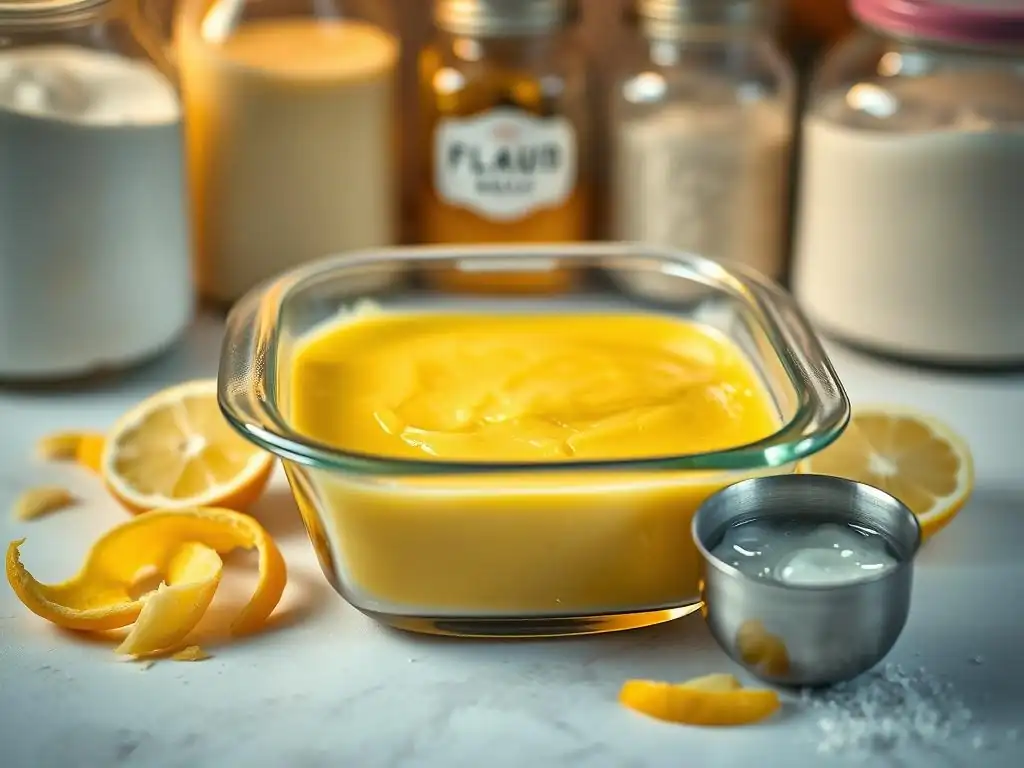
For the vegan shortbread crust, a solid, stick-style vegan butter alternative works exceptionally well, much like dairy butter in traditional recipes. These products are formulated to mimic the texture and behavior of butter, providing richness and helping to create a flaky, tender crust when cut into the dry ingredients. Look for brands that specifically market themselves as suitable for baking. Using a soft, spreadable vegan butter from a tub might result in a less crumbly crust.
However, many successful vegan lemon bars no eggs recipes, including this one, utilize melted coconut oil, particularly for its simplicity and consistent results in the crust. Melted coconut oil (refined if you don't want a coconut flavor, unrefined if you do) binds the dry ingredients together effectively, creating a wonderfully crisp and tender shortbread base after baking. It's often easier to work with than cutting in solid vegan butter and provides a reliable structure for the filling. Approximately 1/2 cup (113g) of melted coconut oil is a common amount for an 8x8 inch pan crust.
The Secret Ingredient: Cornstarch and Tapioca Starch
As previously discussed, the combination of cornstarch and tapioca starch is the key to achieving a perfectly set, sliceable filling in vegan lemon bars no eggs. Cornstarch provides the primary thickening power, creating a firm structure as the filling heats and cools. It's crucial to use the correct amount; too little and the filling will be runny, too much and it could become overly stiff or gummy. A typical recipe for an 8x8 inch pan might use around 1/2 cup (60g) of cornstarch.
Tapioca starch (also known as tapioca flour) works in synergy with the cornstarch. It contributes to a smoother, more translucent, and slightly chewy texture, preventing the filling from being chalky or brittle. It also helps the filling maintain its structure during cooling and slicing. Using approximately 2-3 tablespoons (15-23g) of tapioca starch alongside the cornstarch is usually sufficient to achieve the desired texture. This specific combination is what allows your egg-free vegan lemon bars to set beautifully without any animal products.
Step-by-Step Guide: Baking Vegan Lemon Bars Without Eggs
Baking vegan lemon bars no eggs is a straightforward process once you understand the key steps, particularly focusing on the crust preparation and achieving the right consistency for the filling. Following these steps carefully will ensure a successful batch every time.
Let's break down the process into manageable stages, from preparing the base to baking the final product. Each step is designed to maximize the chances of achieving that desirable firm crust and perfectly set, tangy filling.
Preparing the Crust: A Simple Vegan Shortbread
The foundation of great vegan lemon bars no eggs is a sturdy, flavorful crust. This recipe uses a simple vegan shortbread crust that requires minimal effort and delivers maximum flavor and texture.
Mixing the Crust Ingredients
Start by combining the dry ingredients for the crust: typically all-purpose flour, powdered sugar, and a pinch of salt. Whisk them together in a medium bowl to ensure they are well combined and aerated. In a separate bowl, melt your vegan butter or coconut oil (as discussed, melted coconut oil is a great choice here). Pour the melted fat into the dry ingredients.
Using a fork or your hands, mix the ingredients until they resemble coarse crumbs. The mixture should be evenly moistened, and when you squeeze a handful, it should hold its shape. Be careful not to overmix, as this can develop gluten and result in a tough crust. This process usually takes just a minute or two for an 8x8 inch pan quantity (e.g., 1.5 cups flour, 0.5 cup powdered sugar, pinch salt, 0.5 cup melted coconut oil).
Pressing the Crust into the Pan
Once the crust mixture is ready, transfer it to your prepared baking pan. An 8x8 inch square pan is standard for this recipe, yielding about 16-20 bars. Line the pan with parchment paper, leaving an overhang on two sides; this makes lifting the finished bars out much easier. Pour the crumb mixture into the lined pan.
Using the bottom of a glass or a flat-bottomed measuring cup, firmly press the mixture evenly across the bottom of the pan. Make sure the layer is compact and extends uniformly to all the edges. A well-pressed crust provides a solid base that won't crumble excessively when sliced. This step is crucial for the structural integrity of your vegan lemon bars no eggs.
Blind Baking the Crust for Optimal Texture
Blind baking the crust before adding the filling is a key step for preventing a soggy bottom, a common issue with lemon bars. Preheat your oven to the specified temperature (often around 350°F or 175°C). Place the pan with the pressed crust in the oven and bake for approximately 15-20 minutes, or until the edges are lightly golden and the crust looks set.
This partial baking allows the crust to firm up and develop a slightly crisp texture before the wet filling is added. It creates a barrier that helps prevent the lemon filling from seeping into the crust during the final bake. While the crust is blind baking, you can start preparing the lemon filling.
Making the Lemon Filling: Tangy and Sweet Perfection
The heart of vegan lemon bars no eggs is the bright, tangy filling. This section guides you through creating a smooth, thick, and flavorful lemon custard using plant-based ingredients.
Combining the Wet Ingredients
In a medium saucepan, combine the wet ingredients for the filling. This typically includes the fresh lemon juice (about 1 cup), water (often around 1/2 cup to dilute the tartness and help with thickening), and granulated sugar (usually around 1.5 to 2 cups, adjusted to your sweetness preference). Whisk these together until the sugar is mostly dissolved.
You might also add a small amount of vegan butter (a tablespoon or two) at this stage for richness, though it's not strictly necessary for the set. Some recipes also include a pinch of turmeric or yellow food coloring for a more vibrant yellow hue, though the natural color from the lemon juice is often sufficient.
Incorporating the Dry Ingredients for a Smooth Filling
In a separate small bowl, whisk together the dry thickening agents: the cornstarch (about 1/2 cup) and tapioca starch (about 2-3 tablespoons). It's crucial to whisk these together thoroughly to prevent clumps. Before adding them to the saucepan, create a slurry by taking about 1/4 cup of the lemon juice mixture from the saucepan (before heating) and whisking it into the starch mixture until smooth.
This slurry method is vital for ensuring the starches disperse evenly without clumping when added to the hot liquid. Once the lemon juice mixture in the saucepan is heated (but not yet boiling), slowly whisk the starch slurry into it. Whisk continuously to prevent lumps from forming.
Achieving the Right Consistency
After adding the starch slurry, continue to heat the mixture over medium heat, whisking constantly. The mixture will start to thicken as the starches cook and activate. This usually takes several minutes. You'll notice the consistency change from a thin liquid to a thick, pudding-like texture.
Keep cooking and whisking until the mixture is very thick and coats the back of a spoon, and you see a few large bubbles breaking the surface, indicating it has come to a gentle boil. It's important to cook it for about 1-2 minutes after it thickens to ensure the starches are fully cooked and the raw starch taste is eliminated. This ensures the filling for your vegan lemon bars no eggs will set correctly.
Baking the Vegan Lemon Bars: Temperature and Timing
With the crust blind baked and the filling prepared, the final baking step brings everything together. This stage sets the filling completely and finishes baking the crust.
Monitoring the Baking Process
Carefully pour the hot lemon filling over the warm, blind-baked crust in the pan. Gently spread the filling evenly to the edges using a spatula. Place the pan back into the preheated oven (still typically at 350°F or 175°C).
Bake for approximately 20-30 minutes. The exact time will vary depending on your oven. During baking, the filling will firm up further. Keep an eye on the edges of the crust to ensure they don't burn. If they start to brown too quickly, you can loosely tent the pan with aluminum foil.
How to Tell When the Lemon Bars Are Done
Determining when your vegan lemon bars no eggs are finished baking is key to a good set. The filling should look set and opaque, not liquid or jiggly in the center. The edges might puff up slightly, and the very center might still have a slight wobble, but it shouldn't look wet.
A good indicator is that the surface of the filling will lose its glossy sheen and appear more matte. The crust edges should be golden brown. Avoid overbaking, which can make the filling rubbery or cause the crust to burn. When in doubt, err on the side of slightly underbaked, as the filling will continue to set significantly as it cools.
Cooling and Cutting: Achieving Clean Slices
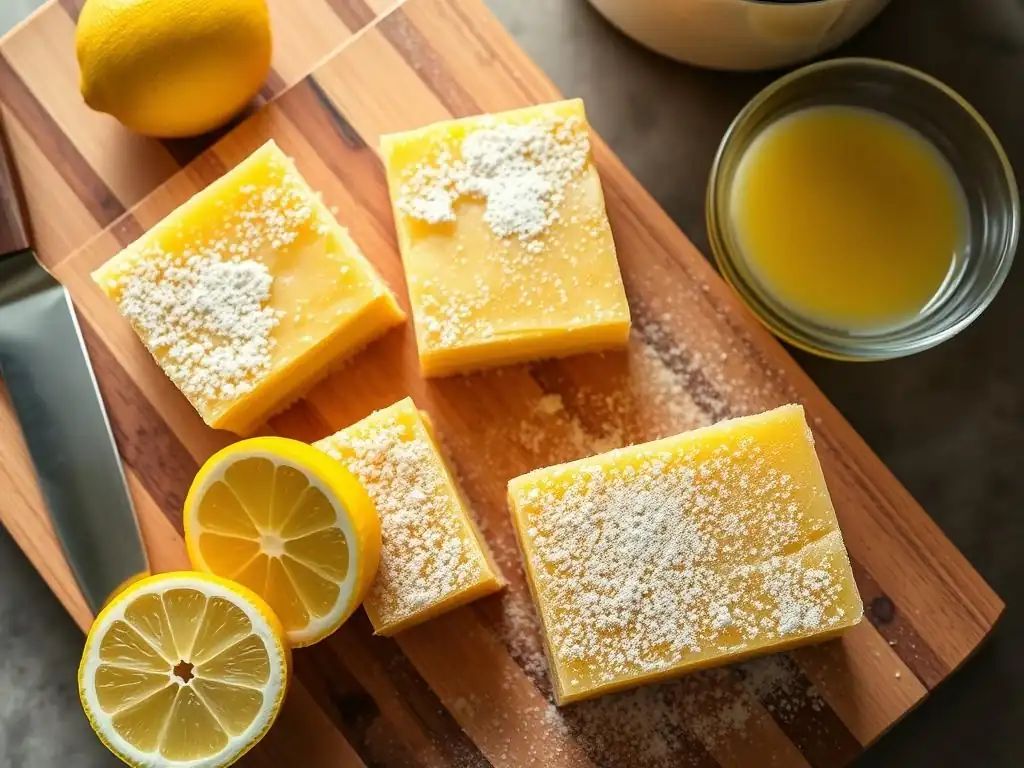
Patience during the cooling process is perhaps the most critical factor for achieving clean, beautiful slices of your vegan lemon bars no eggs. Rushing this step is a common mistake.
The Importance of Complete Cooling
Once the lemon bars are out of the oven, they need to cool completely at room temperature before even considering cutting them. This initial cooling period allows the starches in the filling to finish gelling and firming up. The filling will still be quite soft when hot.
After reaching room temperature (which can take 2-3 hours), the bars must be refrigerated for at least 2-4 hours, or ideally longer, even overnight. Chilling solidifies the fat in the crust and allows the filling to reach its maximum firmness. Trying to cut warm or even just room-temperature egg-free vegan lemon bars will almost certainly result in a messy, squashed disaster.
Tips for Cutting Perfect Lemon Bar Squares
Once your vegan lemon bars no eggs are thoroughly chilled, you can cut them. First, use the parchment paper overhangs to lift the entire slab of bars out of the pan and place it on a cutting board. This makes cutting much easier.
Use a sharp knife, preferably one with a thin blade. For the cleanest cuts, dip the knife in hot water and wipe it dry before each cut. This helps the warm, dry blade glide through the cold, firm filling and crust without dragging or sticking. Cut the bars into your desired size squares (typically 1.5 to 2 inches). Clean the knife between each slice for the sharpest edges.
Troubleshooting Common Vegan Lemon Bar Issues
Even with a great recipe, baking can sometimes present challenges. Here are solutions to a few common issues you might encounter when making vegan lemon bars no eggs.
- Soggy Crust:
- Ensure you are blind baking the crust adequately before adding the filling.
- Make sure the crust is pressed firmly and evenly into the pan.
- Avoid adding the filling while the crust is still excessively hot from the oven; let it cool for a few minutes.
- Ensure the filling is cooked properly to a thick consistency before pouring it onto the crust.
- Runny Filling:
- Verify you used the correct amounts of both cornstarch and tapioca starch as specified in the recipe.
- Make sure you cooked the filling after it thickened for the recommended 1-2 minutes to fully activate the starches.
- Ensure you allowed the bars to cool completely at room temperature and then chill thoroughly in the refrigerator. Insufficient cooling is the most common cause of a runny filling.
- Preventing a Burnt Top:
- Monitor the bars during the final baking phase. If the top or edges start to brown too quickly, loosely tent the pan with aluminum foil.
- Ensure your oven temperature is accurate; consider using an oven thermometer.
- Make sure the oven rack is in the correct position (usually the middle rack).
Variations and Additions to Your Vegan Lemon Bars
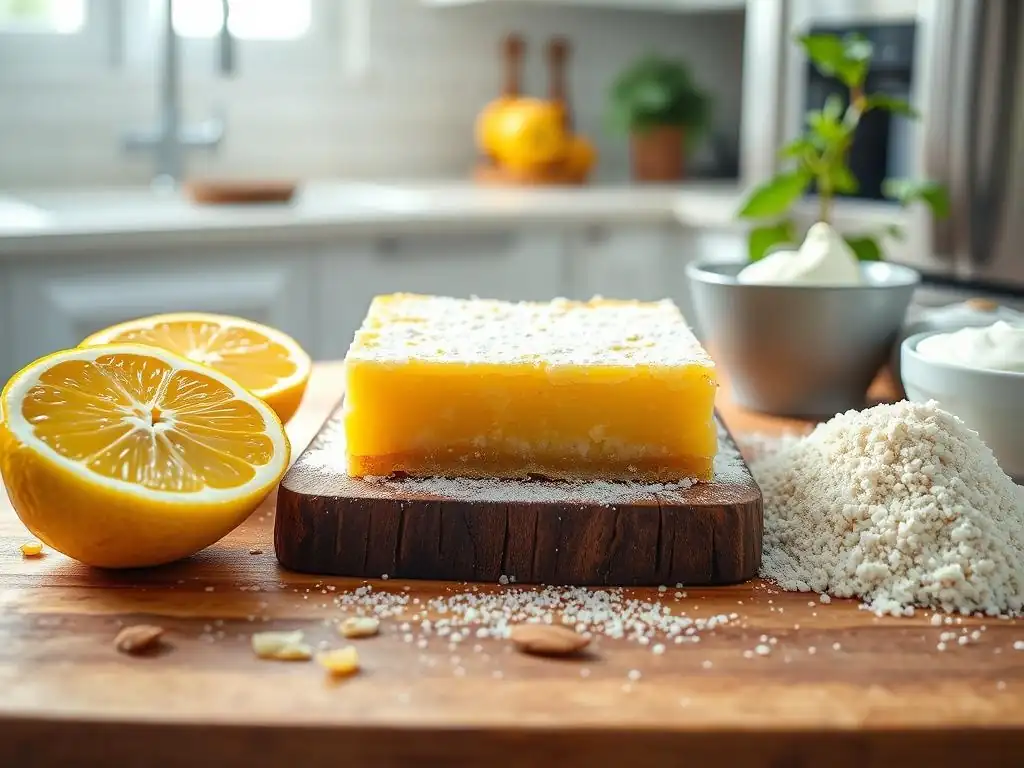
While classic vegan lemon bars no eggs are delightful on their own, you can easily customize them with simple additions to add layers of flavor and texture.
- Add a layer of fresh raspberries over the blind-baked crust before adding the lemon filling for Raspberry Vegan Lemon Bars.
- Drizzle melted vegan white chocolate over the cooled bars for added sweetness and visual appeal.
- Stir in a tablespoon of poppy seeds into the filling for a subtle crunch and visual interest.
Adding Zest for Extra Lemon Flavor
For an even more intense and aromatic lemon flavor in your vegan lemon bars no eggs, incorporate lemon zest into the filling. The zest contains the fragrant oils of the lemon peel, which contribute a brighter, more complex lemon note than the juice alone.
Finely grate the zest from one or two lemons (make sure to use only the yellow part, avoiding the bitter white pith). Stir the zest into the lemon filling after it has thickened on the stovetop and just before pouring it over the crust. This prevents the delicate oils from evaporating during the cooking process. The heat from the filling will release the aromas, infusing the entire bar with vibrant lemon essence.
Incorporating Berries for a Fruity Twist: Raspberries
Adding berries, such as raspberries, introduces a lovely contrast in flavor and texture to the tangy lemon filling in vegan lemon bars no eggs. The slight tartness of raspberries pairs wonderfully with the sweet and sour lemon.
To incorporate raspberries, scatter a single layer of fresh (or frozen, unthawed) raspberries evenly over the warm, blind-baked crust just before you pour the hot lemon filling on top. The filling will gently surround the berries as it sets. Approximately 1/2 to 1 cup of raspberries is a good amount for an 8x8 inch pan. The berries will soften slightly during baking, creating delightful bursts of fruit within the creamy lemon layer.
Chocolate Drizzle for a Decadent Treat: Vegan White Chocolate
For a touch of decadence, consider adding a drizzle of melted vegan white chocolate over your cooled vegan lemon bars no eggs. The creamy sweetness of white chocolate complements the bright acidity of the lemon beautifully.
Look for high-quality vegan white chocolate chips or bars. Gently melt the chocolate using a double boiler or in the microwave in short intervals, stirring frequently, until smooth and pourable. Once the lemon bars are completely cooled and chilled, drizzle the melted white chocolate over the top in a decorative pattern. Allow the chocolate to set at room temperature or in the refrigerator before cutting and serving the bars.
Storing Your Vegan Lemon Bars
Proper storage is essential to keep your vegan lemon bars no eggs fresh and delicious. They are best enjoyed cold from the refrigerator.
Proper Storage Techniques for Freshness
After cutting, store the vegan lemon bars no eggs in an airtight container in the refrigerator. Stacking them with small pieces of parchment or wax paper between layers can prevent them from sticking together. Stored correctly, they will maintain their quality for 4-5 days.
The cold temperature helps the filling maintain its firm set and keeps the crust from becoming overly soft. While they can be left at room temperature for a short period for serving, they are best stored chilled.
Freezing Vegan Lemon Bars for Later
Vegan lemon bars no eggs freeze remarkably well, making them a great make-ahead treat. To freeze, ensure the bars are completely cooled and chilled. Cut them into individual squares.
Place the cut bars in a single layer on a baking sheet lined with parchment paper and freeze until solid (about 1-2 hours). Once frozen, transfer the bars to an airtight freezer-safe container or a heavy-duty freezer bag. Layer them with parchment paper to prevent sticking. They can be frozen for up to 2-3 months. Thaw individual bars in the refrigerator for a few hours before serving.
Enjoy Your Delicious Egg-Free Vegan Lemon Bars!
You've successfully baked a batch of delightful vegan lemon bars no eggs! Take a moment to appreciate your baking accomplishment. These tangy, sweet treats are a testament to how delicious and satisfying egg-free baking can be.
Whether you're sharing them with friends, bringing them to a potluck, or simply enjoying one (or two!) yourself, these bars are sure to be a hit. Their bright flavor and perfect texture make them a wonderful dessert or snack.
Serving Suggestions and Pairings
Vegan lemon bars no eggs are fantastic served chilled, dusted generously with powdered sugar just before serving. They pair wonderfully with a cup of tea or coffee.
Consider serving them alongside fresh berries or a dollop of vegan whipped cream for an extra special touch. Their vibrant flavor also makes them a refreshing end to a meal.
We hope this guide helps you master the art of making vegan lemon bars no eggs. We love seeing what our community bakes! Share photos of your delicious vegan lemon bars on social media and tag BakeWithEase. Let us know how they turned out and if you tried any fun variations! Happy baking!
Frequently Asked Questions
How do Vegan Lemon Bars achieve a firm texture without using eggs?
The firmness comes from a combination of ingredients. We use cornstarch and flour as thickening agents and lemon juice as a natural acid to help the filling set properly.
What makes these Vegan Lemon Bars different from traditional lemon bars?
Traditional lemon bars rely on eggs for binding and richness. Our vegan version replaces eggs with a blend of plant-based ingredients that mimic the texture and flavor, but remain completely vegan.
Can I substitute the lemon juice in this Vegan Lemon Bars no eggs recipe?
While possible, we highly recommend using fresh lemon juice for the best flavor. The acidity of lemon juice is crucial for achieving the correct set and tangy taste in the bars.
What are some common mistakes to avoid when making Vegan Lemon Bars?
Overbaking is a common mistake, leading to a dry and cracked filling. Be sure to follow the baking time closely and look for a slightly jiggly center when removing them from the oven.
How long do these Vegan Lemon Bars last, and how should I store them?
These lemon bars typically last for 3-4 days in the refrigerator. Store them in an airtight container to prevent them from drying out and absorbing other flavors.
Final Reflection: The Unexpected Joy of Eggless Vegan Lemon Bars
The vibrant, zesty perfection of a vegan lemon bar, achieved without the use of eggs, speaks volumes about the creative potential within plant-based baking. It's a testament to the fact that deliciousness isn't confined to traditional recipes, and that ethical choices can be incredibly rewarding, both in taste and in impact. This recipe proves that vegan baking isn't just a niche interest; it's a vibrant and accessible culinary landscape waiting to be explored.
The journey of creating this recipe, and witnessing its success, has underscored for me the power of experimentation in the kitchen. It's a reminder that limitations can often spark innovation, and that embracing new techniques can lead to unexpectedly delightful results. The best way to find yourself is to lose yourself in the service of others,
– Mahatma Gandhi. While not directly about baking, this quote resonates with the ethos of vegan cooking – a commitment to a more compassionate and sustainable approach to food, which in turn enriches our own lives.
Now, I invite you to step into your own kitchen and embrace the challenge. Don't be afraid to experiment with this recipe, to tweak it to your liking, and to discover the joy of creating your own perfect, eggless vegan lemon bars. The satisfaction of crafting something delicious and ethically sound is a reward in itself, and the taste? Well, that's simply the icing on the cake (or should I say, the lemon curd on the crust? ).
Unleash Your Inner Baker: Perfectly Vegan Lemon Bars Await!
Thanks for joining us on this zesty adventure! We hope you discovered the joy of creating flawlessly vegan lemon bars – without compromising on taste or texture. Ready to take your baking skills to the next level?
- Bake a batch today! Use our recipe as a jumping-off point – experiment with different citrus fruits or add a sprinkle of poppy seeds for an extra touch.
- Share your creations! Tag us on social media with your stunning vegan lemon bar photos – we'd love to see your baking magic!
- Explore our other vegan recipes: Discover a whole world of delicious, plant-based treats waiting to be baked.
What other exciting vegan recipes are you eager to try next? Let's discuss in the comments below!