
Ready to Launch? Your 7Step Guide to Starting a Home Bakery


Welcome to BakeWithEase, where your baking dreams take flight! Are you ready to turn your passion for baking into a thriving venture? Uncover the secrets to building a successful home-based bakery with our guide: Ready to Launch? Your 7-Step Guide to Starting a Home Bakery. Get ready to explore essential starting home bakery business tips and turn your kitchen into your very own sweet success story. What are the key ingredients for your baking empire? Let's find out!
- Starting a Home Bakery Business: Your BakeWithEase Guide
- Step 1: Defining Your Home Bakery Niche & Target Audience
- Step 2: Crafting Your Home Bakery Business Plan
- Step 3: Legal Requirements and Licensing for a Home Bakery
- Step 4: Setting Up Your Home Bakery Kitchen
- Step 5: Marketing Your Home Bakery Business Online & Offline
- Step 6: Taking Orders and Managing Production
- Step 7: Scaling Your Home Bakery Business
-
Frequently Asked Questions
- How much initial investment is typically needed to start a home bakery business?
- What permits and licenses are usually required to legally operate a home bakery?
- What are some effective strategies for marketing a home bakery business on a budget?
- How can I ensure the quality and consistency of my baked goods in a home bakery setting?
- What are some best practices for pricing my baked goods to be profitable in a home bakery?
- Final Reflection: Baking Your Dreams into Reality
- Unleash Your Inner Baker: Next Steps to Oven Success!
Starting a Home Bakery Business: Your BakeWithEase Guide
Embarking on the journey of starting a home bakery business can be incredibly rewarding, turning a passion for baking into a profitable venture. It requires more than just delicious recipes; it involves careful planning, understanding legalities, effective marketing, and efficient operations. This guide is designed to walk you through the essential steps, providing practical starting home bakery business tips to help you build a solid foundation for success right from your kitchen.
Whether you dream of selling artisanal bread, custom cakes, or delicate pastries, navigating the initial stages is crucial. From pinpointing your unique offering to understanding your local market and setting up compliant operations, each step is a building block. Let's delve into the process of launching your own home-based baking enterprise, ensuring you're well-equipped to bake, sell, and grow.
Step 1: Defining Your Home Bakery Niche & Target Audience
Starting a home bakery business effectively begins with clarity on what you'll sell and who you'll sell it to. This foundational step sets the direction for everything from your product development to your marketing efforts. Defining your niche isn't just about picking your favorite thing to bake; it's about finding a sweet spot between your skills, market demand, and profitability.
Consider what makes your baking stand out. Are you known for your flaky pie crusts, your intricate cake decorations, or perhaps your gluten-free alternatives? Identifying a specialty helps you focus your efforts and build a distinct brand identity. For example, focusing on sourdough bread might appeal to a different customer base than specializing in brightly colored macarons.
Identifying Your Baking Speciality: What Makes Your Bakery Unique?
Your baking specialty is the core of your home bakery's identity. Think about what you excel at, what you love to bake, and what you can consistently produce at a high quality. This could be anything from classic cookies with a unique twist to highly specialized items like vegan or allergy-friendly baked goods. Focusing on a specialty allows you to become an expert in that area, streamline your ingredient sourcing, and refine your production process.
To pinpoint your specialty, try experimenting with various baked goods and gather feedback from friends and family. Consider the ingredients you enjoy working with and the techniques you've mastered. Perhaps you have a secret family recipe for cinnamon rolls that everyone raves about, or you've perfected the art of sugar cookies for decorating. A strong specialty not only differentiates you in the market but also helps build customer loyalty as they know exactly what unique, high-quality product they can expect from you.
Market Research: Understanding Your Local Baking Market & Customer Needs
Before fully committing to a niche, it's vital to understand the existing market landscape in your area. What kind of bakeries already exist? What do they offer, and what are their price points? Visit local farmers' markets, browse online listings for home-based food businesses, and check out established bakeries. This research helps identify potential gaps in the market or areas where demand outstrips supply.
Additionally, talk to potential customers in your community. What kinds of baked goods are they looking for? Are there specific dietary needs or preferences that aren't being met? For instance, if there's a growing demand for keto-friendly options or custom celebration cakes but few local providers, that could be a promising avenue for your home bakery. Understanding these needs ensures that your chosen specialty has a viable customer base eager for your products.
Defining Your Ideal Customer: Who Are You Baking For?
Knowing your ideal customer is just as important as defining your product. Are you targeting busy parents looking for convenient, wholesome treats for their kids? Are you aiming for individuals planning special events who need custom cakes or elaborate dessert tables? Or perhaps you're focusing on health-conscious consumers seeking gluten-free or low-sugar options?
Creating a profile of your ideal customer helps tailor your product offerings, pricing, and marketing messages. Consider their age, lifestyle, income level, where they shop, and how they typically purchase baked goods. For example, if your ideal customer values convenience, offering local delivery or easy online ordering might be key. If they prioritize high-quality, organic ingredients, highlighting those aspects in your product descriptions will be crucial. Understanding your audience ensures your starting home bakery business tips are aimed at reaching the right people.
Step 2: Crafting Your Home Bakery Business Plan
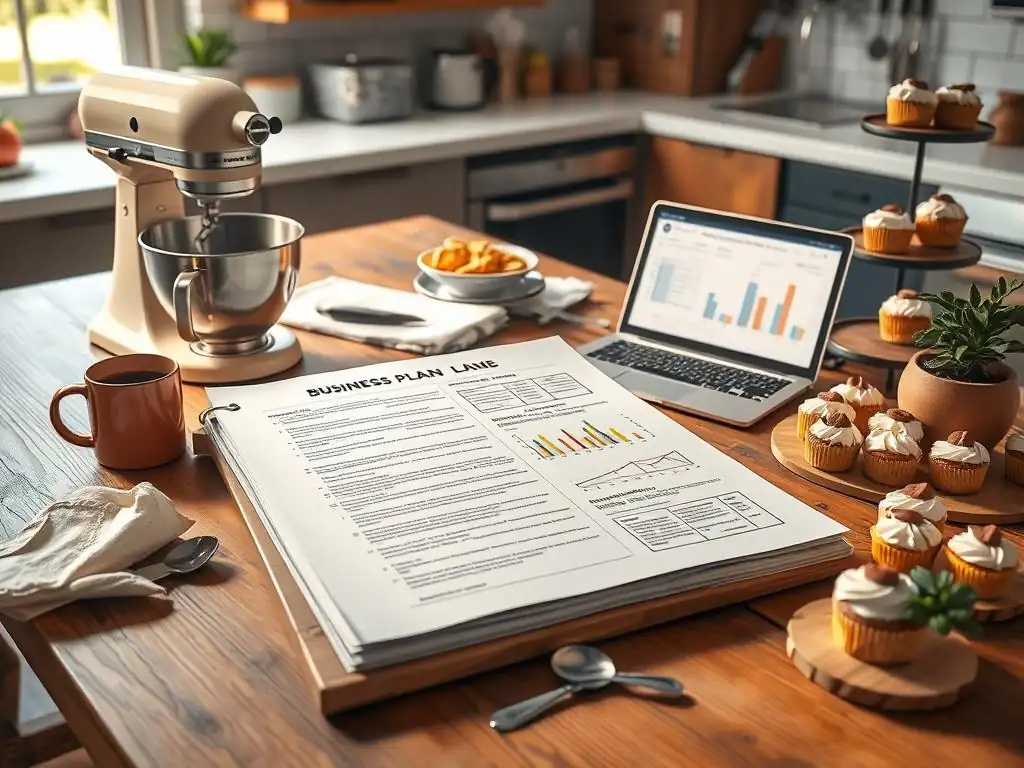
A well-structured business plan is like a recipe for success for your home bakery. It outlines your goals, strategies, and how you plan to achieve profitability. While it doesn't need to be a formal, lengthy document for a home business, having a clear plan helps you stay organized, make informed decisions, and track your progress.
Your plan should cover key areas: a summary of your business concept, market analysis, your products and services, marketing and sales strategies, operational details, and crucially, your financial projections. Thinking through these components forces you to consider potential challenges and opportunities before you fully launch, making your starting home bakery business tips more robust.
Developing a Home Bakery Business Plan: A Recipe for Success
Your business plan should start with an executive summary that briefly describes your home bakery, your mission, and your key offerings. Follow this with a market analysis section detailing your research on the local baking scene and your target audience. Describe your products in detail, including any signature items or unique selling propositions. Outline your marketing approach – how will customers find you?
The operational section should detail how you will bake, package, and deliver your goods. Finally, the financial section is critical, covering startup costs, pricing, sales forecasts, and projected profits. Even a simple, one-page business plan focusing on these core areas can provide immense clarity and direction as you embark on starting a home bakery business.
Financial Projections: Estimating Startup Costs and Revenue for Your Home Bakery
Understanding the financial side is paramount. Startup costs for a home bakery can vary widely but typically include initial equipment purchases (like mixers, pans, storage containers), ingredient inventory, packaging supplies, and potential costs for permits or licenses. A basic setup might cost anywhere from $500 to $2,000, while investing in higher-end equipment could push costs over $5,000. List every potential expense, no matter how small.
Projecting revenue involves estimating how much you plan to sell and at what price. Start with a realistic sales forecast for your first few months, perhaps based on pre-orders or initial market testing. Calculate your cost of goods sold (ingredients primarily) for each item to understand your gross profit margin. Then, subtract other operating expenses (like utilities, packaging, marketing) to estimate your net profit. Financial projections help you understand the potential profitability of your venture and determine how much you need to sell to break even.
Pricing Strategy: How to Price Your Baked Goods for Profitability
Pricing your baked goods correctly is essential for profitability. A common pitfall for new home bakeries is underpricing their products. Your price needs to cover not just the cost of ingredients but also your time, labor, packaging, utilities, and other overheads. A simple formula is: (Cost of Ingredients + Labor Cost + Overhead) * Desired Profit Margin = Price.
To calculate labor cost, estimate the time it takes to bake and decorate an item and assign yourself an hourly rate (e.g., $15-$25/hour). Overhead can be tricky for a home business, but you can allocate a portion of your utility bills or kitchen supplies cost to the business. Aim for a profit margin that is sustainable, often ranging from 30% to 60% depending on the product and market. Research competitor pricing, but don't just match it; price based on your costs, the quality of your ingredients, and the value you provide to the customer.
Step 3: Legal Requirements and Licensing for a Home Bakery
Navigating the legal landscape is a non-negotiable step when starting a home bakery business. Laws vary significantly by location, often governed by what are known as "cottage food laws." These regulations dictate what types of food can be made and sold from a home kitchen, where they can be sold, and what labeling is required.
Failing to comply with local and state regulations can lead to fines, business closure, and even legal issues if a customer becomes ill. It's crucial to research the specific rules in your state, county, and city before you start selling. Don't assume you can just start baking and selling without checking the legal requirements for your starting home bakery business tips.
Cottage food laws were established to allow entrepreneurs to sell certain low-risk foods made in a home kitchen without the need for a commercial-grade facility. However, the specifics differ greatly. Some states allow sales only directly to consumers (like at farmers' markets or from your home), while others permit sales through retail stores. There are often limits on gross sales (e.g., $25,000, $50,000, or even higher annually).
Crucially, most cottage food laws restrict the types of food you can sell. Generally, items that do not require temperature control for safety are allowed, such as baked goods (breads, cookies, cakes, pastries that don't need refrigeration), jams, jellies, and dried herbs. Products containing cream cheese frosting, custards, or fresh fruit fillings that require refrigeration are often prohibited unless specifically allowed and handled under strict guidelines. Always verify what's permitted in your specific state.
Obtaining Necessary Permits and Licenses for Selling Baked Goods from Home
Even under cottage food laws, you will likely need to obtain specific permits or licenses. This could include a business license from your city or county, a food handler's permit, or potentially a specific cottage food operation permit from your state's health department. The application process typically involves submitting paperwork, potentially undergoing a kitchen inspection (though many cottage food laws exempt home kitchens from standard health inspections), and paying a fee.
Fees for these permits can range from under $100 to several hundred dollars, depending on your location. Some jurisdictions require annual renewal. It's important to complete this step legally before you begin selling to the public. Check the websites of your state's Department of Health and your local county/city government for specific requirements and application forms related to starting home bakery business operations.
Food Safety Certification: Ensuring Safe Baking Practices in Your Home Bakery
While not always mandated by cottage food laws, obtaining a food safety certification (like a ServSafe Food Handler or Manager certification) is highly recommended. This training covers essential principles of food safety, including preventing cross-contamination, proper storage temperatures, personal hygiene, and allergen awareness.
Understanding and implementing strict food safety practices is paramount when selling food made in your home. Customers trust that the food you sell is safe to eat. Proper certification demonstrates your commitment to food safety and provides you with the knowledge to minimize risks. Even if not legally required, many customers appreciate knowing that their baker is certified in food safety, adding an extra layer of trust in your starting home bakery business.
Step 4: Setting Up Your Home Bakery Kitchen
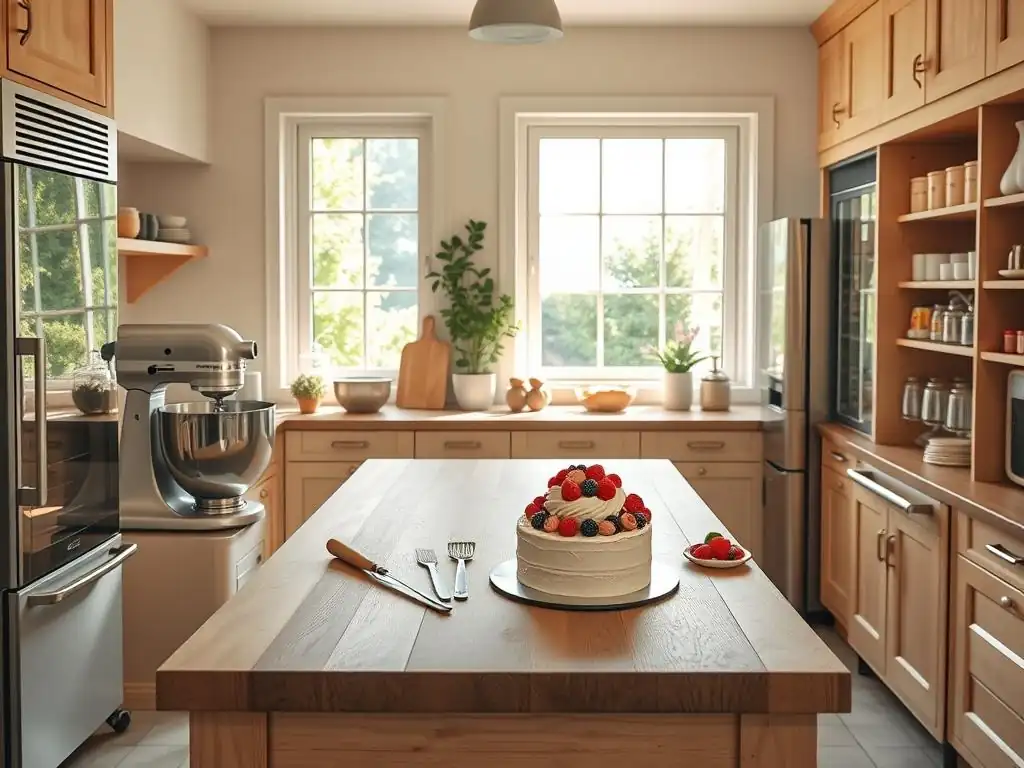
Your home kitchen is the heart of your bakery operation. While you don't need a commercial kitchen initially under most cottage food laws, optimizing your space for efficiency, safety, and volume is key. This involves more than just having an oven; it's about creating a functional workflow and ensuring you have the right tools and systems in place.
Think about how your kitchen layout can support baking in larger batches than you're used to. Consider storage for ingredients and finished products. Setting up your space effectively from the start will save you time and reduce stress as your order volume grows, making your starting home bakery business tips practical and scalable.
Optimizing Your Kitchen for Baking: Essential Equipment and Layout
Assess your current kitchen equipment. Do you have a reliable oven that bakes evenly? Is your mixer large enough for your planned batch sizes (a stand mixer with a 5-quart bowl is often sufficient for home use)? Do you have enough baking sheets, cooling racks, and measuring tools? Investing in quality, durable equipment that can handle repeated use is wise.
Organize your kitchen to create distinct zones for different tasks: prepping ingredients, mixing, baking, cooling, and packaging. Ensure you have adequate counter space. Consider dedicated storage for bakery-specific ingredients and supplies to avoid mixing them with personal groceries. An efficient layout minimizes movement and potential for errors, crucial for a smooth starting home bakery business operation.
Food Safety and Hygiene in Your Home Baking Space
Maintaining impeccable food safety and hygiene standards is non-negotiable. This includes regularly cleaning and sanitizing all surfaces, equipment, and utensils used for the bakery. Use separate towels for drying hands and drying dishes. Store ingredients in airtight containers and check expiration dates.
Personal hygiene is also critical: always wash hands thoroughly before handling food, wear clean clothing or an apron, and tie back hair. Keep pets out of the kitchen area during baking hours. Clearly label ingredients and finished products, especially if dealing with allergens. Adopting these practices protects your customers and your business's reputation.
Inventory Management: Sourcing and Storing Ingredients for Your Bakery
Managing your ingredient inventory efficiently helps control costs and ensures you always have what you need on hand. Source high-quality ingredients that align with your brand and product standards. Buying in slightly larger quantities than for personal use can sometimes offer cost savings, but avoid overstocking perishables.
Implement a system for tracking your inventory. This could be a simple spreadsheet or notebook. Note when you purchase ingredients, how much you use for each batch, and when items are nearing expiration. Store ingredients properly – flour and sugar in airtight containers, butter and eggs refrigerated, leavening agents in a cool, dry place. Good inventory management is a key starting home bakery business tip for controlling food costs and reducing waste.
Step 5: Marketing Your Home Bakery Business Online & Offline
Even the most delicious baked goods won't sell themselves. Effective marketing is essential to reach customers and build your brand. Your marketing strategy should encompass both online and offline efforts to maximize visibility within your target audience.
Marketing is not just about selling; it's about telling the story of your home bakery, highlighting your unique offerings, and building relationships with your customers. Developing a strong brand identity and consistently promoting your business will be key drivers of growth for your starting home bakery business.
Creating a Brand Identity: Logo, Name, and Visuals for Your Home Bakery
Your brand identity is what makes your bakery memorable and recognizable. Choose a name that is catchy, relevant to your specialty, and easy to remember. Design a simple logo that reflects your style – whether it's rustic, elegant, fun, or modern. Consistency in your visual elements (colors, fonts, photography style) across all your marketing materials builds recognition.
Think about the overall feeling you want your brand to evoke. Is it warmth and comfort? Is it artisanal quality and craftsmanship? Use high-quality photos of your baked goods – good food photography is crucial for tempting potential customers, especially online. A strong brand identity helps you stand out in a crowded market and resonates with your ideal customer.
In today's digital age, an online presence is vital. Even a simple website or a dedicated business page on social media platforms like Instagram or Facebook can serve as your storefront. Use these platforms to showcase your baked goods with appealing photos, share your story, list your menu and pricing, and provide contact information or a way to place orders.
Instagram is particularly effective for bakeries due to its visual nature. Regularly post high-quality photos and videos of your creations, behind-the-scenes glimpses, and customer testimonials. Engage with your followers and local community groups online. Consider running targeted local ads on social media if your budget allows. A strong online presence is one of the most impactful starting home bakery business tips for reaching a broad audience.
Local Marketing Strategies: Reaching Customers in Your Community
While online marketing is important, don't underestimate the power of local, offline strategies for a home-based business. Participating in local farmers' markets, craft fairs, or community events is an excellent way to meet potential customers face-to-face, offer samples, and build relationships. Many successful home bakeries start by becoming a beloved vendor at a local market.
Partner with other local businesses – perhaps offer baked goods to a nearby coffee shop or collaborate with a florist for event packages. Offer loyalty programs or referral discounts to encourage repeat business. Distribute flyers or business cards in local community centers or bulletin boards (where permitted). Getting involved in your local community helps build trust and word-of-mouth referrals, a powerful tool for starting a home bakery business.
Step 6: Taking Orders and Managing Production

Once you've defined your niche, created a plan, handled the legalities, set up your kitchen, and started marketing, the orders will hopefully begin to roll in! This step focuses on the operational aspects: efficiently managing incoming orders, scheduling your baking time, and ensuring your products are beautifully packaged and delivered.
Developing streamlined processes for order taking and production management is key to avoiding overwhelm and ensuring customer satisfaction. As you grow, these systems will become even more critical for maintaining quality and managing your workload effectively when starting a home bakery business.
Setting Up an Order System: Online and Offline Order Management
Decide how you will receive and manage orders. Will you take orders via phone, email, social media messages, or through a simple online order form or website? Using a dedicated system, even if it's just a spreadsheet to track orders, customer details, requested items, quantities, due dates, and payment status, is essential.
Consider setting clear ordering deadlines (e.g., orders must be placed by Wednesday for weekend pickup/delivery) and minimum order quantities, especially when you're just starting out. Communicate your order process clearly to your customers. As you scale, you might look into simple e-commerce platforms designed for food businesses that can automate aspects of order taking and payment processing.
Production Scheduling: Efficiently Baking and Fulfilling Orders
Efficiently scheduling your baking time is crucial for managing your workload, ensuring product freshness, and meeting deadlines. Group similar tasks together – bake all items requiring the same oven temperature at once, prep all ingredients for multiple recipes simultaneously. Create a production schedule based on your order deadlines.
Factor in not just baking time, but also cooling time, decorating time, and packaging time. Be realistic about how much you can comfortably produce in your kitchen space and within your available hours. Don't overcommit in the beginning; it's better to take on fewer orders and execute them perfectly than to take on too many and compromise quality or miss deadlines.
Packaging and Delivery: Ensuring Freshness and Presentation
The presentation of your baked goods is part of the customer experience. Invest in appropriate packaging that protects your products, keeps them fresh, and looks appealing. Boxes, bags, containers, and labels should align with your brand identity. Clearly label each product, including ingredients and allergen warnings, as often required by cottage food laws.
Decide how you will get your products to customers. Will you offer pickup from your home (checking local regulations on this), meet customers at a designated location, or offer local delivery? If delivering, plan efficient routes. Consider packaging that is sturdy enough for transport. For delicate items like cakes, ensure they are securely boxed. Offering convenient and reliable pickup or delivery options is a valuable starting home bakery business tip for customer satisfaction.
Step 7: Scaling Your Home Bakery Business
Once your home bakery is operational and you've built a customer base, you'll likely start thinking about growth. Scaling your business involves analyzing what's working, expanding your offerings, and potentially exploring new avenues for sales or production.
Growth should be strategic and manageable. Rushing to expand before you have solid systems in place can lead to decreased quality or burnout. This final step focuses on evaluating your success and planning for future opportunities in your starting home bakery business journey.
Analyzing Your Performance: Tracking Sales and Customer Feedback
Regularly review your sales data. What products are most popular? When are your peak sales periods? What is your average order value? Tracking this information helps you understand customer preferences and plan your production and inventory accordingly. Use a simple spreadsheet or accounting software to manage your finances and track revenue and expenses.
Actively solicit customer feedback. Did they enjoy the products? Was the ordering process smooth? Was the packaging adequate? Customer reviews and testimonials are invaluable for improving your offerings and marketing. Use feedback to refine recipes, adjust pricing, or improve your service. Understanding your performance is key to making informed decisions about scaling.
Expanding Your Product Line: Introducing New Baked Goods
As you grow, you might consider expanding your product line. This could involve introducing variations of popular items, adding seasonal specials, or launching entirely new types of baked goods that align with your niche and customer demand. For example, if your cookies are a hit, perhaps add different flavor varieties or cookie cakes. If you specialize in bread, maybe introduce pastries or rolls.
Before launching new products widely, test them with a small group of loyal customers or offer them as limited-time specials. Get feedback on taste, appearance, and price point. Ensure that adding new items doesn't compromise the quality of your core products or overextend your production capacity.
Growing Your Home Bakery: Future Opportunities and Strategies
Scaling your home bakery business can take various forms. You might increase your production volume within your current home kitchen setup, perhaps by optimizing space further or investing in more efficient equipment. You could explore selling through additional channels, such as local cafes, specialty food stores, or online marketplaces, provided your cottage food laws permit this.
If sales continue to grow significantly and you hit revenue limits under cottage food laws or find your home kitchen too restrictive, you might consider moving to a commercial kitchen space, such as a rented commissary kitchen or even opening a small retail location. This is a significant step requiring substantial investment and navigating different regulations, but it represents a major opportunity for growth beyond the home-based model. Plan these steps carefully, ensuring each move is supported by demand and financial viability.
Frequently Asked Questions
How much initial investment is typically needed to start a home bakery business?
The initial investment varies greatly, but often ranges from a few hundred to a few thousand dollars. This depends on factors like existing equipment, needed ingredients, and marketing spend. Minimizing unnecessary expenses is key at the start.
What permits and licenses are usually required to legally operate a home bakery?
Regulations vary by location, but you'll likely need a business license, a food handler's permit, and possibly a home occupation permit. Contact your local health department to understand specific requirements.
What are some effective strategies for marketing a home bakery business on a budget?
Focus on local marketing such as social media, farmers' markets, and word-of-mouth. Offer special promotions and collaborate with local businesses to expand your reach.
How can I ensure the quality and consistency of my baked goods in a home bakery setting?
Use precise measurements, invest in reliable equipment, and strictly follow recipes. Maintain a clean and organized workspace to minimize errors and cross-contamination.
What are some best practices for pricing my baked goods to be profitable in a home bakery?
Calculate your cost of ingredients and labor, and add a profit margin. Research competitor pricing but emphasize the quality and uniqueness of your products.
Final Reflection: Baking Your Dreams into Reality
The burgeoning popularity of home bakeries reflects a powerful shift in consumer desires: a craving for authentic, handcrafted goods and a renewed appreciation for the human touch. More than just a business venture, starting a home bakery represents a chance to share passion, build community, and achieve financial independence on your own terms. This isn't just a trend; it's a testament to the enduring power of small businesses and the human connection forged through delicious creations.
The journey of building a successful home bakery is deeply personal, mirroring the dedication and care poured into each baked good. It's about more than just following recipes; it's about understanding your audience, honing your craft, and building a brand that resonates with your values. This process has taught me the importance of resilience, adaptability, and the unwavering belief in your vision. As Maya Angelou wisely said, Nothing can dim the light which shines from within.
This holds true for both the baking process and the entrepreneurial journey. The challenges are numerous, but the rewards – both personal and professional – are immeasurable.
Now, it's your turn. Consider the skills you already possess, the unique flavors you want to share, and the community you wish to serve. Don't let fear hold you back from pursuing your passion. Take the lessons from this guide, adapt them to your own circumstances, and begin baking your dreams into reality. The world is waiting to taste what you have to offer. Are you ready to launch?
Unleash Your Inner Baker: Next Steps to Oven Success!
Thanks for taking the time to explore your home bakery dreams! You've just uncovered the secrets to launching your own baking business, and we're excited to see you take the next step. Now it's time to turn that inspiration into action.
- Begin your recipe testing TODAY! Pick one of your favorite recipes and start perfecting it for your customers. This is your most crucial first step.
- Share your baking journey! Post a picture of your test run on social media – tag us @BakeWithEase! We love to see your creations.
- Explore our community forums to connect with other aspiring bakers (bakewithease.com/community). You'll find encouragement, advice, and maybe even your first customer!
What delicious treat will you bake first? Let us know in the comments!