
Sourdough Pizza Dough: Achieving a Perfect Crust

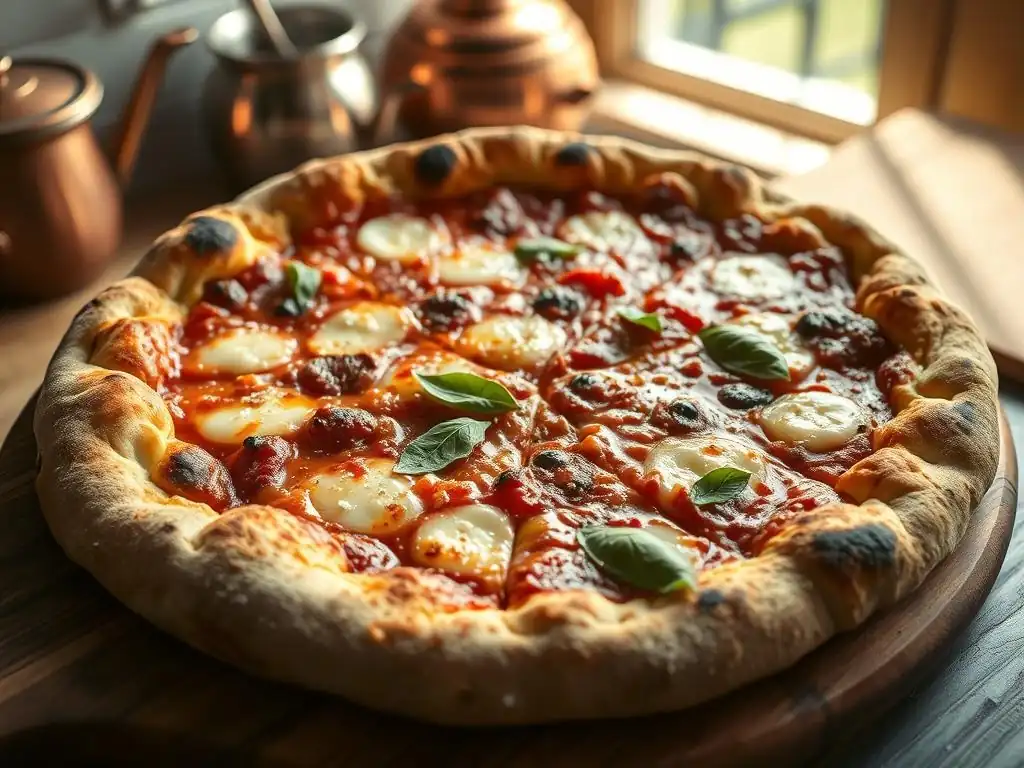
Welcome to BakeWithEase, where the joy of baking meets effortless execution! Are you ready to unlock the secrets to a truly exceptional pizza night? Then you've come to the right place. We're diving deep into the world of sourdough to help you achieve pizza perfection. This week, we're tackling a challenge many home bakers face: crafting the perfect sourdough pizza crust. But what makes a truly perfect crust, and how can you achieve it at home? Read on to discover our step-by-step guide and learn how to create a pizza crust that’s both tangy and irresistibly crispy!
- Neapolitan Sourdough Pizza: Achieving an Authentic Crust
- Introduction to Neapolitan Sourdough Pizza and the Authentic Crust
- Understanding the Science Behind Neapolitan Sourdough Pizza Dough
-
Authentic Neapolitan Sourdough Pizza Recipe: Step-by-Step Guide
- Ingredients for Traditional Neapolitan Sourdough Pizza Dough
- Essential Equipment for Crafting Neapolitan Pizza
- Mixing the Dough: Mimicking the 'Staglio' Technique
- Bulk Fermentation: Developing Complexity and Digestibility
- Dividing and Balling the Sourdough Pizza Dough: Creating 'Palle'
- Cold Proofing for Enhanced Flavor and 'Cornicione' Development
- Achieving the Perfect Bake: Emulating Wood-Fired Oven Results
- Troubleshooting Common Neapolitan Sourdough Pizza Dough Problems
- Mastering Neapolitan Sourdough Pizza: Advanced Techniques
- Neapolitan Sourdough Pizza Variations and Topping Ideas
- Storing and Reheating Neapolitan Sourdough Pizza
- Conclusion: Savoring Your Homemade Authentic Neapolitan Sourdough Pizza
- Frequently Asked Questions
- Final Reflection: The Enduring Quest for the Perfect Sourdough Crust
- Unleash Your Inner Pizzaiolo: Craft the Perfect Crust!
Neapolitan Sourdough Pizza: Achieving an Authentic Crust
Introduction to Neapolitan Sourdough Pizza and the Authentic Crust
There's something undeniably magical about a truly great pizza, and for many enthusiasts, the pinnacle is the Neapolitan style. Its defining characteristic is the crust: a soft, airy, yet slightly chewy edge known as the cornicione, often dotted with beautiful char marks, affectionately called 'leopard spotting'. Achieving this specific texture and flavor requires attention to detail, especially when working with sourdough.
Moving beyond commercial yeast opens up a world of complex flavors and textures that are simply unattainable otherwise. This guide will walk you through the process, focusing intently on the dough – the heart and soul of an authentic Neapolitan pie. We'll explore the science, the techniques, and the artistry involved in creating a perfect sourdough pizza crust recipe that rivals those found in the pizzerias of Naples.
Why Sourdough Enhances the Neapolitan Pizza Experience
Sourdough introduces a unique depth of flavor to pizza dough that commercial yeast cannot replicate. The wild yeasts and lactic acid bacteria present in a healthy starter consume the sugars in the flour, producing a range of organic acids (primarily lactic and acetic acids) along with carbon dioxide and ethanol. These acids contribute a subtle tanginess and complexity that complements the simple, high-quality toppings typical of Neapolitan pizza.
Furthermore, the slow fermentation process facilitated by sourdough can break down some of the gluten and complex carbohydrates in the flour, potentially making the resulting pizza more digestible for some people. This extended fermentation time allows flavors to mature and the dough structure to develop gradually, leading to a more nuanced taste and a superior texture in the final perfect sourdough pizza crust recipe.
The Allure of a Homemade Neapolitan Sourdough Pizza
Crafting a Neapolitan sourdough pizza at home is a rewarding culinary journey. It connects you to centuries of baking tradition and allows for complete control over the quality of your ingredients and the fermentation process. The satisfaction of pulling a beautifully blistered pie from your own oven, knowing you nurtured the dough from starter to cornicione, is immense.
Beyond the personal satisfaction, making your own provides the freshest possible product. A truly authentic Neapolitan crust is best enjoyed moments after baking. Mastering this perfect sourdough pizza crust recipe means you can recreate that incredible experience whenever the craving strikes, sharing a taste of Italy with family and friends right in your own kitchen.
Understanding the Science Behind Neapolitan Sourdough Pizza Dough
Creating the perfect sourdough pizza crust is as much an art as it is a science. Understanding the fundamental processes happening within your dough is key to troubleshooting and consistently achieving excellent results. From the microscopic life in your starter to the macroscopic structure of the dough, every element plays a crucial role in the final outcome.
The interaction of ingredients, time, and temperature dictates the dough's development, influencing everything from its elasticity and strength to its flavor profile and how it behaves in a high-temperature oven. Delving into these scientific principles helps demystify the process and empowers you to make informed decisions at each stage of your perfect sourdough pizza crust recipe journey.
The Role of Wild Yeast and Lactic Acid Bacteria in Sourdough's Flavor Profile
Sourdough starter is a complex ecosystem primarily composed of wild yeasts (like Saccharomyces cerevisiae, also found in commercial yeast, but often other species too) and various species of lactic acid bacteria (LAB), notably Lactobacillus sanfranciscensis. The yeasts are primarily responsible for leavening by producing carbon dioxide gas, causing the dough to rise. They also produce ethanol and other volatile compounds that contribute to aroma.
The LAB, however, are the unsung heroes of sourdough flavor. They ferment sugars into lactic acid and acetic acid. Lactic acid provides a softer, more rounded tang, while acetic acid contributes a sharper, vinegary note. The ratio of these acids is influenced by fermentation temperature; warmer temperatures (e.g., 80-90°F or 27-32°C) favor lactic acid production, while cooler temperatures (e.g., 50-60°F or 10-15°C) encourage more acetic acid, leading to a tangier dough. A balanced starter and controlled fermentation are vital for a well-rounded flavor in your perfect sourdough pizza crust recipe.
Hydration's Influence on Crust Texture: Achieving the 'Cornicione'
Hydration refers to the ratio of water to flour in the dough, typically expressed as a percentage of the flour weight. For Neapolitan pizza dough, hydration levels are generally moderate, often ranging from 60% to 65%. This range strikes a balance, providing enough water for good gluten development and extensibility, which allows the dough to be stretched thin without tearing, while still being manageable to handle.
Higher hydration doughs (70%+), sometimes used in other pizza styles, can result in a more open, airy crumb. However, for the specific cornicione of Neapolitan pizza – a puffy, airy edge with a relatively thin inner crust – a moderate hydration seems to work best. It allows for the rapid expansion in a very hot oven, creating those characteristic large bubbles in the rim, while ensuring the dough isn't too sticky for quick stretching and launching. The precise hydration level can be adjusted slightly based on the flour type and ambient conditions to perfect your sourdough pizza crust recipe.
Gluten Development in Neapolitan Sourdough Pizza Dough: A Delicate Balance
Gluten, the protein network formed when water interacts with proteins in flour (glutenin and gliadin) and is developed through mixing and manipulation, is crucial for dough structure. It provides the elasticity and extensibility needed to stretch the dough thin and traps the gases produced by fermentation, creating the rise and structure of the cornicione. For Neapolitan pizza, sufficient gluten development is necessary, but overworking the dough can make it tough.
The long fermentation periods typical of sourdough Neapolitan pizza help develop gluten naturally over time, reducing the need for intensive initial mixing. Gentle handling during folds and shaping is preferred to maintain the delicate structure and gas within the dough. The goal is a dough that is strong enough to hold its shape and stretch thinly but extensible enough to yield that tender, airy cornicione, a hallmark of a perfect sourdough pizza crust recipe.
Authentic Neapolitan Sourdough Pizza Recipe: Step-by-Step Guide
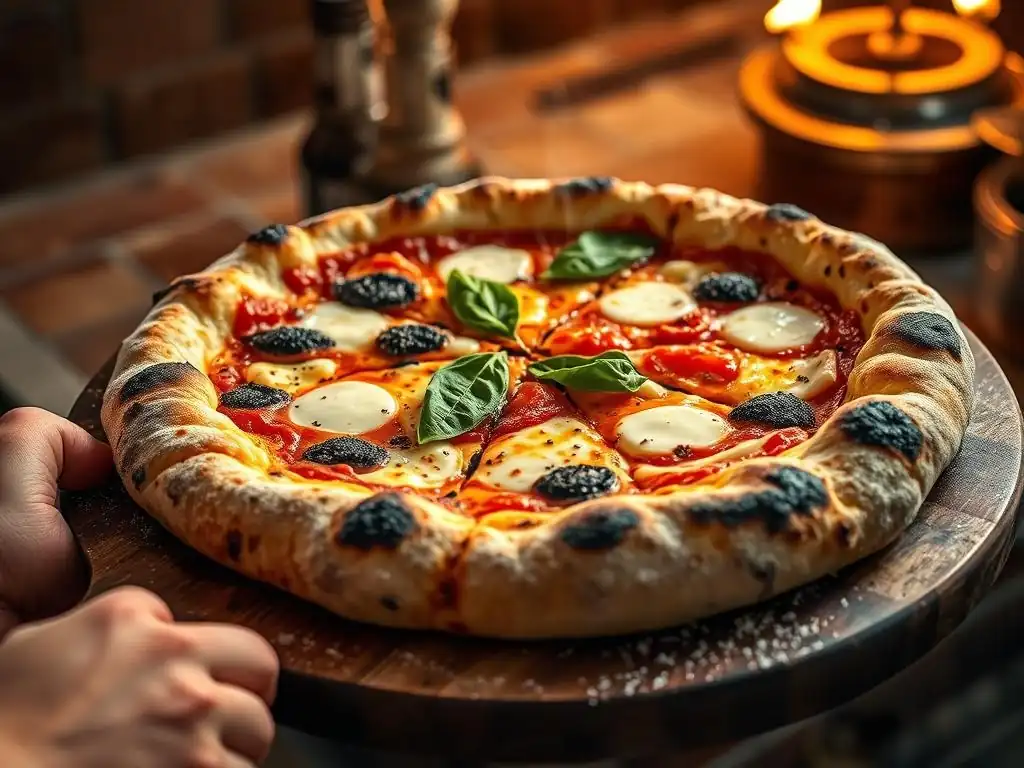
Embarking on the journey to create authentic Neapolitan sourdough pizza at home requires patience and adherence to traditional techniques, adapted for the home kitchen. This section provides a detailed, step-by-step guide, laying out the ingredients, equipment, and processes needed to craft dough worthy of the name 'Neapolitan'.
Following these steps carefully will guide you towards achieving the desired texture, flavor, and handling characteristics essential for a perfect sourdough pizza crust recipe. Remember that sourdough is alive, and results can vary slightly based on your starter's vigor and environmental conditions, so pay attention to the dough itself as you work.
Ingredients for Traditional Neapolitan Sourdough Pizza Dough
Simplicity is key in Neapolitan pizza, and this extends to the dough ingredients. Only four are traditionally used: flour, water, salt, and yeast (in this case, sourdough starter). For an authentic result, the type of flour is paramount. Italian "Tipo 00" flour is highly recommended. This flour is finely milled and has a moderate protein content (typically 10-12%), designed to create a soft, elastic dough that bakes quickly without becoming hard.
A typical ingredient ratio for a perfect sourdough pizza crust recipe (yielding about 4-5 pizzas) would be:
- "Tipo 00" Flour: 1000g
- Water: 600-650g (60-65% hydration)
- Non-iodized Salt: 25-30g (2.5-3% of flour weight)
- Active Sourdough Starter: 100-200g (10-20% of flour weight, adjusted based on starter activity and desired fermentation time)
Using non-iodized salt (like fine sea salt) is preferred as iodine can sometimes interfere with yeast activity. The water should be cool, especially if using a stand mixer, to control dough temperature during mixing.
Essential Equipment for Crafting Neapolitan Pizza
While the ingredients are simple, certain equipment can significantly aid in achieving an authentic result. A large mixing bowl or a stand mixer with a dough hook is essential for the initial mixing phase. A digital scale is crucial for accurately measuring ingredients, particularly the flour and water, to maintain the correct hydration percentage for your perfect sourdough pizza crust recipe.
For fermentation, dough containers with lids are useful for bulk fermentation, and smaller containers or proofing boxes are ideal for the individual dough balls during cold proofing. A dough scraper or bench knife helps handle the sticky dough. Finally, a high-temperature oven setup is non-negotiable for the bake – ideally, this means a pizza stone or steel placed in the oven to reach temperatures of 500°F (260°C) or higher.
Mixing the Dough: Mimicking the 'Staglio' Technique
The initial mixing aims to hydrate the flour and begin gluten development. While traditional Neapolitan dough is often mixed by hand using a technique called staglio, a stand mixer can replicate this effectively. Start by dissolving the salt in the water (or most of the water). Combine the flour and active sourdough starter in the mixing bowl.
Gradually add the salted water to the flour and starter mixture while mixing on a low speed. Mix until a shaggy dough forms and there is no dry flour visible, typically 5-10 minutes in a stand mixer or 15-20 minutes by hand. The dough will be sticky but should start to come together. Avoid over-mixing at this stage; the bulk fermentation and folds will complete the gluten development for your perfect sourdough pizza crust recipe.
Bulk Fermentation: Developing Complexity and Digestibility
Bulk fermentation, also known as the first rise, is a critical phase where the dough develops flavor, structure, and digestibility. After initial mixing, transfer the dough to a lightly oiled container large enough to accommodate its expansion (it should roughly double in volume). Cover tightly.
The duration and temperature of bulk fermentation significantly impact the final flavor. A common approach for sourdough Neapolitan dough is a relatively short bulk fermentation at room temperature (e.g., 2-4 hours at 70-75°F or 21-24°C) followed by a long, cold proofing period. Alternatively, a longer room temperature bulk fermentation (e.g., 8-12 hours at 65-70°F or 18-21°C) is possible, but requires careful monitoring to avoid over-fermentation before balling.
Optimizing Bulk Fermentation Time and Temperature for Neapolitan Style
For the classic Neapolitan style, characterized by a light, airy crust that is easily digestible, a slow, controlled fermentation is preferred. A common schedule involves a bulk fermentation of around 2-4 hours at typical room temperature (70-75°F / 21-24°C) immediately after mixing. During this time, the dough should become noticeably softer and begin to show signs of activity, perhaps increasing in volume by 20-50%.
Following this relatively short room-temperature phase, the dough is typically divided and then transferred to a cold environment for a long proof. However, some bakers prefer a longer room-temperature bulk fermentation, perhaps 8-12 hours or even more, aiming for a 50-75% volume increase, before dividing and a shorter cold proof. Experimentation within the 65-75°F (18-24°C) range during bulk fermentation will help you find the balance of flavor development and dough handling that works best for your perfect sourdough pizza crust recipe.
Performing Folds for Dough Strength and Air Incorporation
During bulk fermentation, performing a few sets of 'stretch and folds' helps to build dough strength and even out the temperature. Typically, 2-3 sets of folds are performed during the first 1-2 hours of bulk fermentation. To perform a fold, gently wet your hands, lift one side of the dough from the container, stretch it upwards without tearing, and fold it over the opposite side. Rotate the container and repeat this process 3-4 times for each set.
These folds help align the gluten structure, making the dough more elastic and easier to handle later. They also gently redistribute the yeast and bacteria, ensuring even fermentation, and incorporate a bit of air. Allow the dough to rest for 30-45 minutes between sets of folds. This simple technique significantly improves the structure and texture of your perfect sourdough pizza crust recipe.
Dividing and Balling the Sourdough Pizza Dough: Creating 'Palle'
Once the bulk fermentation is complete, the dough is ready to be divided into individual portions, traditionally called palle (balls). Gently turn the dough out onto a lightly floured surface. Avoid degassing it excessively. Using a bench scraper, divide the dough into portions weighing approximately 250-280 grams each. This weight is standard for a single Neapolitan pizza.
To form the palle, gently shape each portion into a smooth, tight ball. There are several techniques, but a common one involves folding the edges of the dough underneath itself repeatedly until a smooth surface forms on top, then gently rolling it on the counter with cupped hands to create tension. Place the finished balls seam-side down in individual containers or a proofing box, leaving space between them as they will expand.
Cold Proofing for Enhanced Flavor and 'Cornicione' Development
Cold proofing in the refrigerator is a crucial step for developing the complex flavors characteristic of Neapolitan sourdough pizza and achieving that desirable airy cornicione. Once balled, the dough palle are placed in airtight containers and refrigerated at a temperature between 36-40°F (2-4°C) for a long period.
This slow, cold fermentation drastically slows down yeast activity but allows the lactic acid bacteria to continue producing flavor compounds. It also gives the gluten a chance to relax while the dough slowly develops gas. A typical cold proof for Neapolitan sourdough can last anywhere from 24 to 72 hours. This extended period is essential for the dough to become pliable enough to stretch thinly and for the cornicione to develop its characteristic airy structure during the rapid bake. A minimum of 24 hours is highly recommended for a truly perfect sourdough pizza crust recipe.
Achieving the Perfect Bake: Emulating Wood-Fired Oven Results
The final transformation of your carefully crafted sourdough dough happens in the oven. Authentic Neapolitan pizza is baked quickly at extremely high temperatures in wood-fired ovens, often exceeding 900°F (480°C). Replicating this intensity in a home oven is challenging but achievable with the right setup and technique.
The goal is to bake the pizza in 60-90 seconds, allowing the crust to puff dramatically, char in spots, and remain soft and airy inside. This rapid bake is what gives the cornicione its unique texture. While a home oven won't reach 900°F, maximizing its temperature capabilities is key to getting as close as possible to that authentic result and perfecting your sourdough pizza crust recipe.
Preparing Your Oven for High-Temperature Baking
To emulate a wood-fired oven, you need to get your home oven as hot as possible. Set your oven to its maximum temperature, usually 500-550°F (260-290°C). The most critical piece of equipment here is a pizza stone or steel. Place the stone or steel on the top rack of your oven, positioned about 6-8 inches from the broiler element (if you plan to use it).
Allow the oven, with the stone or steel inside, to preheat for at least 45-60 minutes, or even longer. This ensures the stone or steel is fully saturated with heat, providing the intense thermal energy needed to rapidly cook the bottom of the pizza and launch the cornicione. Some home bakers also turn on the broiler for the final minute or two of baking to help char the top crust, but this requires careful monitoring to prevent burning.
Stretching and Topping Your Neapolitan Sourdough Pizza: Minimalist Approach
After cold proofing, remove the dough balls from the refrigerator about 1-2 hours before baking to allow them to relax slightly, making them easier to stretch. Lightly flour your work surface with a mix of "Tipo 00" flour and a small amount of semolina flour (semola rimacinata) if available – the semolina helps prevent sticking. Take a dough ball and gently press from the center outwards, leaving the rim untouched to form the cornicione.
Using your hands (avoiding rolling pins), gently stretch the dough into a disk about 10-12 inches in diameter. The dough should be very thin in the center. For toppings, less is more in Neapolitan pizza. Overloading the pizza will weigh down the crust and prevent the cornicione from puffing properly. Classic toppings like San Marzano tomatoes, fresh mozzarella (drained well), fresh basil, and a drizzle of olive oil are perfect for showcasing your perfect sourdough pizza crust recipe.
Baking Neapolitan Pizza: Temperature, Time, and the 'Leopard Spotting'
With your oven and stone/steel fully preheated, carefully transfer your topped pizza onto a pizza peel dusted with flour/semolina. Give it a little shake to ensure it slides easily. Open the oven, and with a swift, confident motion, slide the pizza directly onto the hot stone or steel. Close the oven door immediately to retain heat.
Bake the pizza for approximately 90 seconds to 3 minutes, depending on your oven's actual temperature and the heat of your stone/steel. Watch it closely! The cornicione should puff dramatically, and the bottom crust should set quickly. You'll start to see dark blisters and char spots appear on the cornicione – this is the desirable 'leopard spotting', indicating intense heat and a perfect bake for your sourdough pizza crust recipe.
Achieving a Charred and Airy 'Cornicione'
The hallmark of a great Neapolitan pizza is its cornicione – the puffed, airy, slightly charred rim. Achieving this requires the high heat discussed earlier. As the pizza hits the hot stone or steel, the moisture in the outer edge of the crust rapidly turns to steam, causing it to inflate like a balloon. The intense heat simultaneously sets the outer crust, creating a thin, crispy shell while the inside remains soft and airy.
The 'leopard spotting' occurs when small areas of the crust char rapidly due to direct contact with the super-hot stone or steel or the radiant heat from the top of the oven/broiler. This adds a desirable smoky flavor dimension. If your cornicione isn't puffing or charring sufficiently, try extending your preheat time, moving the stone/steel higher in the oven, or briefly using the broiler towards the end of the bake (with extreme caution!). Mastering this aspect is key to a truly perfect sourdough pizza crust recipe.
Troubleshooting Common Neapolitan Sourdough Pizza Dough Problems
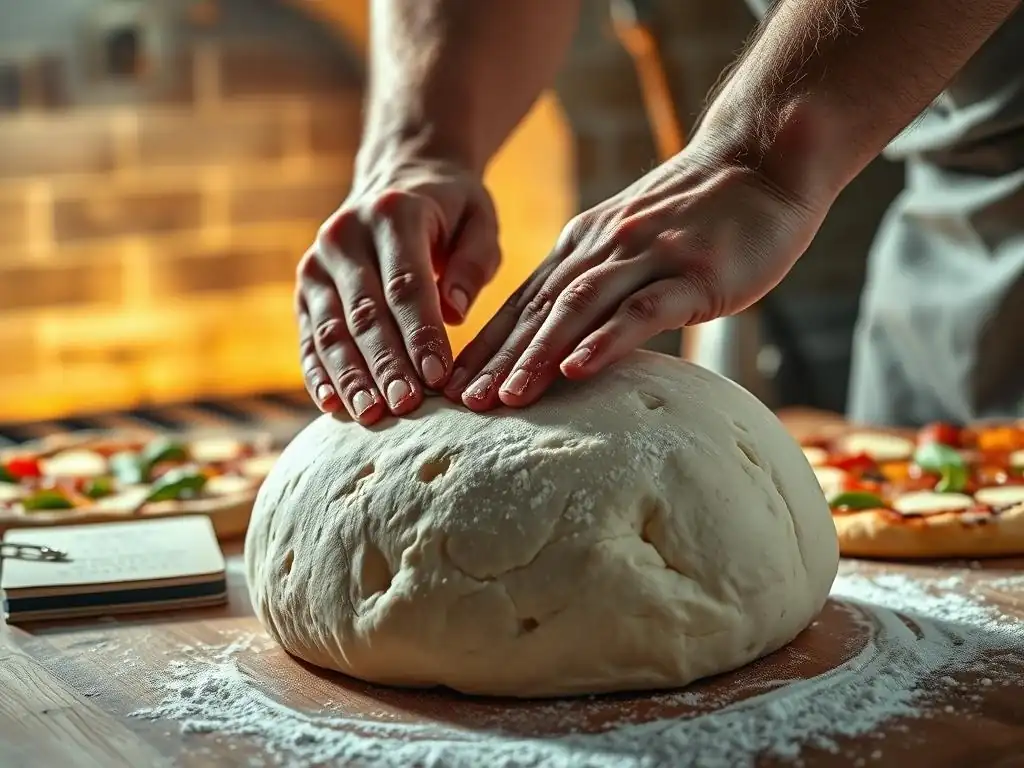
Even with a solid perfect sourdough pizza crust recipe and technique, baking with sourdough can present challenges. Dough behavior is influenced by many variables: the health of your starter, ambient temperature, humidity, and even the specific flour used. Learning to identify common issues and adjust your approach is part of mastering the craft.
Don't be discouraged if your first few attempts aren't perfect. Baking is a skill that improves with practice and observation. Understanding the likely causes behind problems like sticky dough, lack of rise, or a dense crust will help you refine your process and consistently produce delicious Neapolitan sourdough pizza.
Dough Too Sticky or Difficult to Stretch
If your dough is excessively sticky and hard to handle even after cold proofing, several factors could be at play. It might be over-hydrated for the type of flour you used; different flours absorb water differently. "Tipo 00" flour typically handles 60-65% hydration well, but some brands might prefer slightly less. Try reducing the water by 1-2% in your next batch.
Alternatively, the dough might not have developed enough gluten strength. Ensure you performed the initial mixing adequately and incorporated a few sets of folds during bulk fermentation. If the dough feels weak and tears easily when stretching, it might need more time during bulk fermentation or cold proofing to build strength and relax. Ensure your sourdough starter is active and strong, as a weak starter can lead to poor dough structure. Using a light dusting of a flour/semolina mix on your work surface and hands can also help manage stickiness when stretching your perfect sourdough pizza crust recipe.
Pizza Crust Lacking Crispness or 'Cornicione'
A crust that is dense, flat, or lacks the desired crispness and cornicione puff is often a result of insufficient heat or underdeveloped dough. If your oven setup isn't reaching a high enough temperature, the crust won't bake fast enough to get that explosive spring and char. Ensure your pizza stone or steel is placed high in the oven and preheated for at least 45-60 minutes at the maximum temperature.
Dough issues can also contribute. If the dough didn't ferment long enough (especially the cold proof), it might not have developed enough gas or extensibility to puff properly. A dough that is too cold when you try to stretch and bake it will also resist puffing; allow cold-proofed dough to sit at room temperature for 1-2 hours before use. Ensure your starter is vigorous – a weak starter won't produce enough leavening gas for a proper cornicione in your perfect sourdough pizza crust recipe.
Dough Not Rising Adequately
Poor rise can stem from an inactive sourdough starter. Ensure your starter is consistently doubling or tripling in volume within 4-8 hours after feeding before using it for a critical bake like pizza dough. Feeding your starter with the same type of flour used in your pizza dough for a few days leading up to mixing can also help.
Temperature plays a significant role in fermentation speed. If your room temperature is cool, bulk fermentation will take longer. If your cold proofing temperature is too warm (above 40°F or 4°C), the dough might over-ferment before you're ready to use it, leading to collapse rather than rise. Conversely, if it's too cold (below 36°F or 2°C), fermentation might be too slow. Monitor dough temperature and adjust timing accordingly for a successful perfect sourdough pizza crust recipe.
Preventing a Gummy or Dense Pizza Crust
A gummy or dense crust can be caused by underbaking or insufficient fermentation. If the oven temperature isn't high enough or the bake time is too short, the interior of the cornicione and the base might not cook through properly, remaining doughy. Ensure your oven is fully preheated and the pizza is baked until the bottom crust is nicely browned and the cornicione is puffed and spotted.
Under-fermentation can also lead to a dense crumb because not enough gas was produced to create an open structure. Ensure your dough has gone through adequate bulk fermentation and, critically, a sufficiently long cold proof (at least 24 hours). This long, slow fermentation allows enzymes to break down starches, resulting in a lighter, more digestible crumb structure for your perfect sourdough pizza crust recipe.
Mastering Neapolitan Sourdough Pizza: Advanced Techniques
Once you've consistently achieved a delicious and well-structured Neapolitan sourdough crust, you might be ready to explore advanced techniques that can further refine your results. These methods often involve fine-tuning variables like flour types, hydration, and equipment use to push the boundaries of what's possible in a home setting.
Experimenting with these techniques allows you to customize your perfect sourdough pizza crust recipe to your specific preferences and equipment. It's about understanding the nuances of dough behavior and fermentation to achieve even greater depth of flavor and a truly exceptional texture.
Exploring Different Italian Flour Types for Unique Flavor Nuances
While "Tipo 00" flour is the standard for Neapolitan pizza, exploring other Italian flours can introduce interesting flavor and texture variations. For instance, some pizzerias use a blend of "Tipo 00" and a small percentage of whole wheat flour ( integrale) or a less refined flour like "Tipo 1". Adding a small amount of whole grain flour (say, 5-10%) will add nutty flavors and fiber, though it may slightly impact the classic airy texture.
Using flours with slightly different protein levels or milling techniques can also subtly alter the dough's handling and the final crust. Some bakers experiment with flours specifically designed for long fermentation ( farina per lunga lievitazione). Pay attention to how different flours absorb water and adjust hydration accordingly when refining your perfect sourdough pizza crust recipe.
Fine-Tuning Hydration for Optimal Dough Handling
While 60-65% hydration is a good starting point for Neapolitan sourdough, experienced bakers often adjust this slightly based on the specific flour, ambient humidity, and desired outcome. A slightly higher hydration (e.g., 66-68%) can lead to a more open and airy crumb structure in the cornicione, but the dough becomes stickier and more challenging to handle and stretch quickly.
Conversely, a slightly lower hydration (e.g., 58-60%) results in a firmer, easier-to-handle dough, which might be preferable for beginners or if you struggle with stretching. However, it can sometimes lead to a slightly less airy crust. Experimenting with hydration in 1-2% increments allows you to find the sweet spot that balances ease of handling with the desired crust characteristics for your perfect sourdough pizza crust recipe.
Utilizing a Pizza Stone or Steel for Intense Heat Transfer
The choice between a pizza stone and a pizza steel can impact your bake. Both absorb and radiate heat, but steel conducts heat more efficiently than stone. This means a steel typically gets hotter faster and transfers heat more quickly to the bottom of the pizza, resulting in a crispier base and often a more pronounced initial puff of the cornicione.
A pizza stone still works very well and is often more affordable. It absorbs heat more slowly but retains it well. Whichever you use, ensure it's fully preheated to maximize its effectiveness. Placing it on the top rack, close to the heating element, is key for achieving the high temperatures needed for a rapid, authentic bake and a perfect sourdough pizza crust recipe.
Maintaining a Vigorous Sourdough Starter for Consistent Results
The health and activity of your sourdough starter are foundational to successful sourdough baking, including pizza. A weak or inconsistent starter will lead to unpredictable fermentation, poor rise, and suboptimal flavor development. Regularly feeding your starter and keeping it at a consistent temperature (or storing it in the fridge and reviving it before use) is essential.
Pay attention to its feeding schedule, the ratio of flour and water used in feedings, and its peak activity. A starter that consistently doubles or triples within a predictable timeframe (e.g., 4-8 hours after a 1:1:1 or 1:2:2 feeding ratio at room temperature) is a sign of good health. Using your starter at its peak, when it's most active, will ensure it has the power to leaven your perfect sourdough pizza crust recipe effectively.
Neapolitan Sourdough Pizza Variations and Topping Ideas
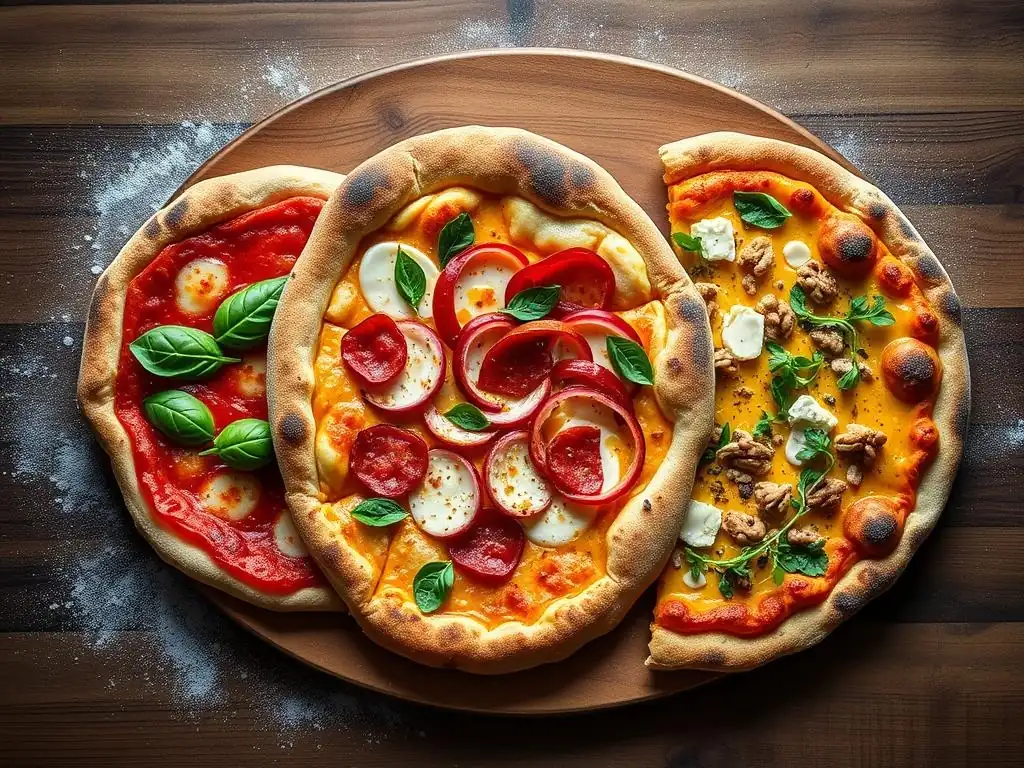
While the classic Margherita and Marinara are the quintessential Neapolitan pizzas, the beauty of mastering the dough lies in its versatility. The perfect sourdough pizza crust recipe provides a superb base for a variety of toppings, though sticking to the Neapolitan principle of simplicity generally yields the best results, allowing the crust and high-quality ingredients to shine.
Exploring traditional Neapolitan variations and sourcing authentic components can elevate your homemade pizza experience even further. The key is balance – ensuring the toppings don't overwhelm or make the delicate crust soggy.
Classic Margherita: The Quintessential Neapolitan Pizza
The Margherita is arguably the most famous Neapolitan pizza, representing the colors of the Italian flag. Its simplicity is its strength: San Marzano tomatoes, fresh mozzarella (Fior di Latte or Mozzarella di Bufala), fresh basil leaves, and a drizzle of extra virgin olive oil. The San Marzano tomatoes, grown in the volcanic soil near Mount Vesuvius, offer a unique sweetness and low acidity perfect for pizza sauce.
Using fresh mozzarella is crucial; avoid pre-shredded varieties, which contain anti-caking agents that hinder melting and can add chewiness. Tear or slice the fresh mozzarella and let it drain for a bit before placing it on the pizza to prevent excess moisture. A few fresh basil leaves added towards the end of the bake or immediately after add a burst of fragrant aroma that completes this classic perfect sourdough pizza crust recipe pairing.
Marinara: A Simple and Flavorful Neapolitan Staple
Often overlooked in favor of the Margherita, the Marinara pizza is even simpler, featuring only San Marzano tomatoes, garlic, oregano, and extra virgin olive oil. It contains no cheese, making it a pure showcase for the quality of the tomato sauce and, of course, the perfect sourdough pizza crust recipe itself.
The absence of cheese means there's less moisture to manage, often resulting in a crispier base. Slicing the garlic very thinly or infusing it in the olive oil used for drizzling adds pungent flavor. High-quality dried oregano is traditional, sprinkled generously over the sauce. This minimalist pizza truly highlights the complex flavors developed during the sourdough fermentation.
Exploring Regional Neapolitan Pizza Variations
Beyond the classics, Naples and the surrounding Campania region boast several other traditional pizza variations. Pizza Napoli, for instance, features tomatoes, mozzarella, anchovies, and oregano. Pizza Quattro Stagioni (Four Seasons) is divided into four sections, each topped with different ingredients representing a season (e.g., artichokes, ham, mushrooms, olives).
Another popular variation is Pizza Capricciosa, which is similar to Quattro Stagioni but the ingredients (ham, mushrooms, artichokes, olives, sometimes egg) are mixed together rather than separated. While some of these are slightly more 'loaded' than a strict purist might allow, they remain relatively simple compared to many modern pizzas, allowing the quality of the dough and core ingredients to remain central to the experience using your perfect sourdough pizza crust recipe.
Sourcing Authentic Italian Ingredients for Superior Flavor
The quality of your ingredients significantly impacts the final flavor of your Neapolitan sourdough pizza. Whenever possible, source authentic Italian products. Look for certified San Marzano DOP tomatoes, which have a distinct sweet flavor and tender texture. Seek out fresh mozzarella, either Fior di Latte (cow's milk) or Mozzarella di Bufala Campana DOP (buffalo milk), known for its creamy texture and rich taste.
High-quality extra virgin olive oil, ideally from Italy, adds a fruity, sometimes peppery note. While not strictly Italian, using fine sea salt (non-iodized) is standard. The right ingredients, combined with a perfectly executed sourdough crust recipe, elevate your homemade pizza from good to truly exceptional.
Storing and Reheating Neapolitan Sourdough Pizza
Ideally, Neapolitan pizza is devoured moments after it emerges from the oven, when the cornicione is at its peak of crispness and airiness. However, leftovers do happen! Storing and reheating this style of pizza requires a different approach than thicker crusts to preserve its unique texture as much as possible.
Proper storage prevents the crust from becoming soggy or drying out completely, while reheating techniques aim to bring back some of that initial crispness without overcooking the toppings. While it won't be exactly the same as fresh, you can still enjoy delicious remnants of your perfect sourdough pizza crust recipe.
Best Practices for Storing Leftover Neapolitan Sourdough Pizza
To store leftover Neapolitan pizza, allow it to cool completely at room temperature first. Storing it while warm will create condensation, leading to a soggy crust. Once cool, wrap individual slices tightly in aluminum foil or place them in an airtight container.
Refrigerating the pizza is the standard for short-term storage (1-2 days). For longer storage, you can freeze individual slices, again wrapped tightly in foil and then placed in a freezer bag. Freezing is best for preserving texture long-term, though the very delicate airiness of the cornicione may be slightly diminished upon thawing and reheating. Proper storage is key to enjoying your perfect sourdough pizza crust recipe leftovers.
Reheating Neapolitan Pizza to Preserve Crispness and Flavor
Reheating Neapolitan pizza in a microwave will result in a soft, rubbery crust – definitely not recommended for preserving its qualities. The best method to regain some crispness is using a hot oven or a stovetop pan.
For oven reheating, place slices directly on the rack or on a baking sheet in a preheated oven at around 350-400°F (175-200°C) for 5-10 minutes, or until heated through and the crust feels crisp again. Alternatively, place a slice in a dry, non-stick skillet over medium heat for a few minutes until the bottom is crisp, then cover the pan briefly to heat the toppings through with steam. This stovetop method is surprisingly effective at reviving the base crispness of your perfect sourdough pizza crust recipe.
Conclusion: Savoring Your Homemade Authentic Neapolitan Sourdough Pizza
Bringing the tradition of Neapolitan pizza into your home kitchen, especially with the added complexity and flavor of sourdough, is a deeply rewarding endeavor. From nurturing your starter to mastering the high-temperature bake, each step is a part of the journey towards creating something truly special. The aroma filling your kitchen as the pizza bakes, the sight of the puffed and spotted cornicione, and the first bite of that tender, flavorful crust are moments to be savored.
You've gone beyond just following a recipe; you've engaged with the fundamental principles of fermentation and baking science. Each pizza you make will teach you something new, helping you refine your technique and deepen your understanding. Enjoy the process, celebrate the successes, and learn from the attempts that don't go exactly as planned. You are now equipped to create a truly perfect sourdough pizza crust recipe.
The Joy of Recreating a Culinary Tradition at Home
Recreating an authentic Neapolitan sourdough pizza is more than just making a meal; it's participating in a rich culinary history. It's about appreciating the simplicity of high-quality ingredients and the transformative power of fermentation and heat. The skills you've developed – understanding dough hydration, managing fermentation times, and achieving a high-temperature bake – are applicable to many other baking projects.
This process fosters patience, attention to detail, and a deeper connection to the food you create. There's a unique satisfaction in knowing you've produced something so delicious and traditional from scratch, using only a few simple ingredients and the living magic of your sourdough starter. It truly is the perfect sourdough pizza crust recipe for the home baker.
Perhaps the greatest joy of mastering the perfect sourdough pizza crust recipe is the opportunity to share it. Gathering friends and family around a table to enjoy warm, homemade Neapolitan pizzas fresh from the oven creates memorable moments. The unique flavor and texture of the sourdough crust, combined with simple, high-quality toppings, make for an unforgettable meal.
Serving your own Neapolitan sourdough pizza is a testament to your dedication and skill as a baker. It's a delicious way to share your passion for baking and introduce others to the incredible difference that sourdough and traditional techniques can make. Enjoy the smiles, the conversation, and the pure pleasure of sharing your perfect sourdough pizza crust recipe.
Frequently Asked Questions
What makes sourdough pizza crust different from regular pizza crust?
Sourdough pizza crust uses a sourdough starter for leavening, resulting in a tangier flavor and a chewier texture compared to crusts made with commercial yeast.
How long does it take to make sourdough pizza dough?
The process is longer due to the sourdough starter's slow rise, typically requiring 24-72 hours for the initial fermentation, plus additional proofing time.
What's the best way to ensure a crispy sourdough pizza crust?
Using a high oven temperature, preheating a pizza stone or baking steel, and ensuring the dough isn't overly wet are key to a crispy crust.
Can I use all-purpose flour for my sourdough pizza crust?
While possible, using bread flour is recommended because its higher gluten content contributes to a stronger, chewier crust.
My sourdough pizza dough is too sticky. What should I do?
Add a small amount of flour, about a tablespoon at a time, until the dough is easier to handle. Be careful not to overwork the dough, which can make it tough.
Final Reflection: The Enduring Quest for the Perfect Sourdough Crust
The pursuit of the perfect sourdough pizza crust is more than just a culinary challenge; it's a journey of patience, precision, and ultimately, profound satisfaction. This article has explored the intricacies of achieving that coveted crisp yet chewy texture, highlighting the crucial role of hydration, fermentation, and baking technique. The methods outlined remain as relevant today as they were centuries ago, proving the timeless appeal of this classic bread.
The impact of sourdough, and specifically the quest for the perfect crust, extends far beyond the kitchen. It represents a connection to tradition, a celebration of slow food, and a testament to the transformative power of simple ingredients. The process itself is meditative, requiring attention and care that fosters a deeper appreciation for the food we consume. The best things in life are worth waiting for,
a sentiment perfectly encapsulates the rewarding experience of crafting a sourdough pizza crust.
Now, I invite you to take what you've learned and embark on your own journey. Don't be afraid to experiment, to adjust the hydration, to play with different flours. The perfect crust isn't a destination, but a process of discovery. Each loaf, each pizza, represents a step closer to understanding the magic of sourdough and the unique satisfaction of creating something delicious from scratch. Embrace the challenge, and savor the rewards.
Unleash Your Inner Pizzaiolo: Craft the Perfect Crust!
Thanks for joining us on this sourdough pizza dough adventure! You've now got the knowledge to create a truly exceptional crust. Ready to take your pizza game to the next level?
- Bake your masterpiece! Use this recipe to create your own delicious sourdough pizza. Don't be afraid to experiment with toppings!
- Share your creation: Show us your sourdough pizza triumphs on social media using #BakeWithEaseSourdoughPizza. We'd love to see them!
- Try a variation: Experiment with different flours or hydration levels to discover your perfect sourdough pizza dough.
What unique topping combination will you try first?