
Using Levain vs. Starter Directly: When and Why?

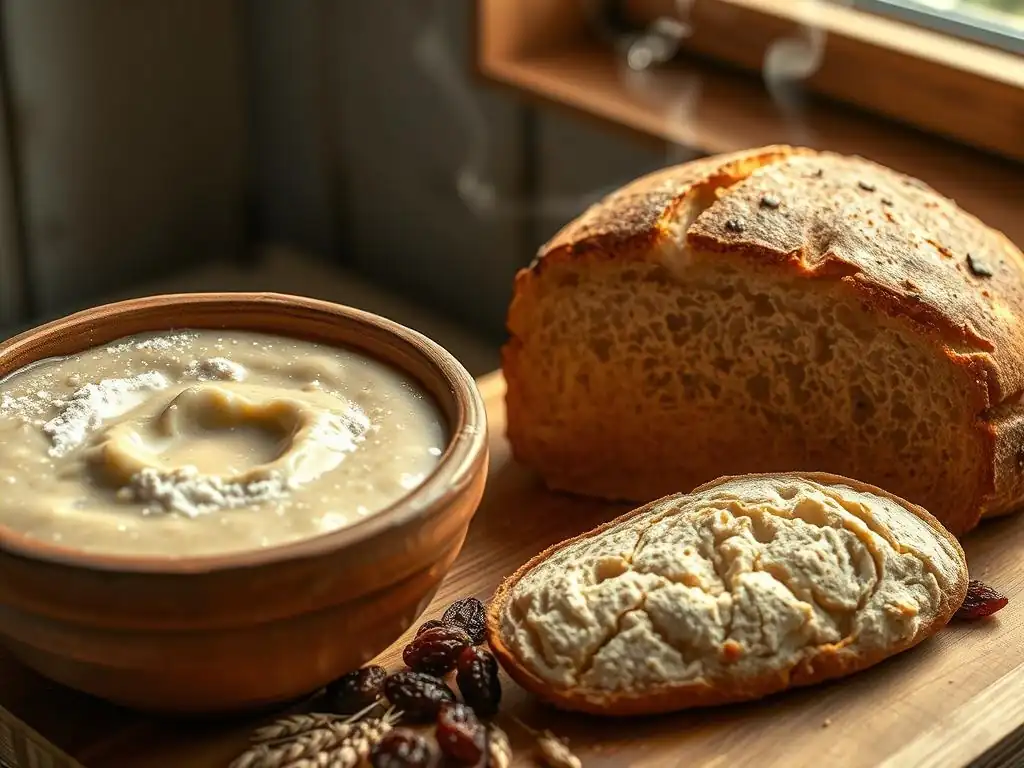
Welcome to BakeWithEase, your partner in crafting deliciousness! Ever wondered how the nuanced flavor of a bakery-quality sourdough loaf is achieved? This article delves into the secrets behind using levain, a carefully cultivated offshoot of your starter. Discover the levain starter benefits sourdough baking and learn when and why incorporating it into your recipe can truly elevate your baking game. Prepare to unlock a new level of flavor and texture in your sourdough creations – the journey starts now!
- Levain vs. Direct Starter: Mastering Sourdough Baking
- Levain Starter Benefits: Flavor, Strength, and Control
- Direct Starter: Simplicity and Speed
- Levain vs. Direct Starter: A Detailed Comparison
- When to Use Levain: Advanced Baking Techniques
- When to Use Direct Starter: Simpler Recipes
- Levain vs. Direct Starter: A Detailed Comparison
- When to Use Levain: Advanced Baking Techniques
- When to Use Direct Starter: Simpler Recipes
- Converting Between Levain and Direct Starter
- Mastering Sourdough: Choosing the Right Method
-
Frequently Asked Questions
- What is the main difference between using a levain and a starter directly in sourdough baking?
- Why would I choose to use a levain instead of using the starter directly?
- What are the benefits of using a levain for sourdough baking?
- When is it appropriate to use a starter directly instead of a levain?
- How does a levain impact the final taste and texture of my sourdough bread compared to direct starter use?
- Final Reflection: The Levain's Legacy: Elevating Sourdough Baking
- Unlock Your Baking Potential: Master Levain & Starter Techniques!
Levain vs. Direct Starter: Mastering Sourdough Baking
What is a Levain? A Detailed Explanation
A levain, often pronounced "le-van," is essentially a small, specifically built-up amount of your active sourdough starter. Think of it as a 'preferment' created from your main starter specifically for a single bake.
To make a levain, you typically take a small portion of your ripe or recently fed main starter and feed it with fresh flour and water in a specific ratio, such as 1:2:2 (1 part starter, 2 parts water, 2 parts flour) or 1:5:5. This separate mixture is then allowed to ferment until it reaches its peak activity, which might take anywhere from 4 to 12 hours depending on the temperature and feeding ratio.
The purpose of creating a levain is to isolate a highly active, predictable culture for your dough. By using a precise ratio and timing its rise, you can ensure you are introducing a vibrant, potent leavening agent into your mix at its optimal point. This allows for greater control over the fermentation process and can significantly impact the final characteristics of your bread, from its rise and structure to its complex flavor profile. Using a levain is a common practice among bakers seeking consistent, high-quality results in their sourdough baking endeavors.
What is a Direct Starter? A Simplified Method
Using a direct starter, in contrast, involves taking a portion of your main, regularly maintained sourdough starter directly from its jar and incorporating it into your dough mixture without a separate, dedicated build-up phase. This method is straightforward and requires less planning ahead compared to preparing a levain. You simply feed your main starter as usual, wait for it to become active and bubbly (often 4-8 hours after feeding at room temperature), and then measure out the required amount for your recipe.
The simplicity of the direct starter method makes it appealing for many home bakers, especially those just starting their sourdough journey or baking less frequently. While it offers convenience, it can sometimes be less predictable than using a carefully timed levain, as the activity level of the main starter jar might fluctuate more. However, for many recipes, particularly simpler ones like quick rolls or rustic loaves, using a direct starter is perfectly adequate and delivers delicious results, providing leavening and that signature sourdough tang with minimal fuss.
Levain Starter Benefits: Flavor, Strength, and Control
Complex Flavor Development with Levain
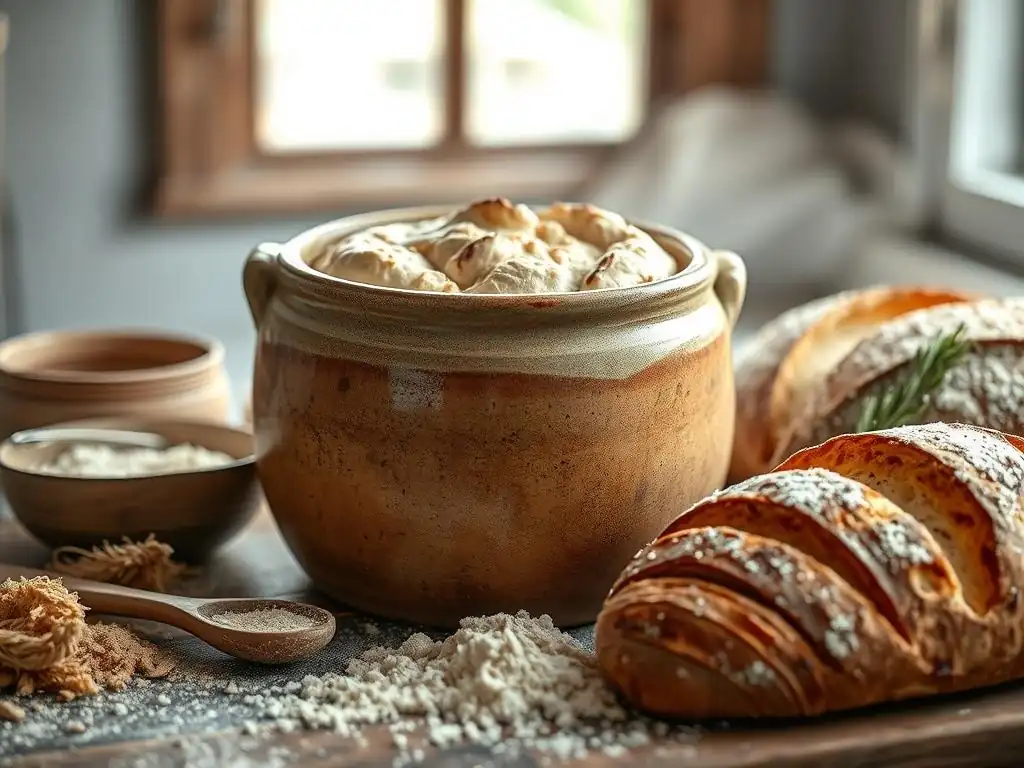
One of the primary Levain starter benefits sourdough baking enthusiasts appreciate is the ability to influence flavor complexity. By creating a levain with specific hydration levels and flour types (like using rye or whole wheat for part of the feed), you can encourage different types of microbial activity. For instance, a liquid levain (100% hydration or higher) tends to favor lactic acid bacteria, which can contribute to milder, yogurt-like tang. A stiffer levain (lower hydration, say 60-70%) may promote acetic acid bacteria, leading to a sharper, vinegary note.
Furthermore, the timing of when you use the levain relative to its peak can impact flavor. Using a levain slightly past its peak, when acidity has built up, will impart a stronger sour flavor to the bread. Using it right at its peak activity (when it's doubled and bubbly but hasn't started to fall) tends to result in a milder flavor with excellent leavening power. This level of control over microbial metabolites is a significant advantage when aiming for specific taste profiles in your sourdough baking.
Improved Dough Strength and Structure with Levain
Utilizing a levain at its peak activity ensures you are adding a highly vital and energetic culture to your dough. This robust leavening power is crucial for developing strong dough structure. A healthy, active levain contributes significantly to gas production during fermentation, creating the internal pressure needed for dough to rise and develop an open crumb structure. When the levain is used at its peak, its microbial population is thriving, leading to consistent and predictable gluten development and gas retention.
The consistent activity provided by a well-prepared levain helps build strength throughout the bulk fermentation and proofing stages. This results in dough that is easier to handle, holds its shape better, and achieves impressive oven spring. Bakers focusing on loaves with high hydration or complex shaping often rely on the predictable vigor of a levain to ensure their dough maintains structural integrity from mixing through baking. This contributes significantly to the overall quality and success in advanced sourdough baking.
Enhanced Fermentation Control: The Levain Advantage
Perhaps the most compelling of the Levain starter benefits sourdough baking offers is the enhanced control over the fermentation timeline. When you build a levain, you are essentially setting a clock. You know approximately when that specific mixture will reach its peak activity based on the feeding ratio, temperature, and starter health. For example, a 1:2:2 levain at 75°F (24°C) might peak in 6-8 hours, while a 1:5:5 levain at the same temperature could take 10-12 hours.
This predictability allows bakers to precisely time their dough mixing, bulk fermentation, and proofing stages to fit their schedule or achieve specific results. Instead of guessing the readiness of the main starter jar (which can vary based on recent feeding history and temperature fluctuations), the baker uses a fresh, purpose-built culture at a known state of activity. This level of precision is invaluable for consistent results, especially when developing recipes or baking complex loaves that require careful timing.
Direct Starter: Simplicity and Speed
Ease of Use of a Direct Starter: Beginner-Friendly
The direct starter method is undeniably simpler, making it an excellent entry point into sourdough baking. There's no need for an extra jar or bowl, no separate feeding ratios to calculate for a small build, and no additional waiting period specifically for the levain to ripen. You simply maintain one active starter, and when you're ready to bake, you scoop out the required amount from the main jar, assuming it's active and bubbly.
This streamlined approach reduces the steps and potential points of confusion, which can be particularly encouraging for new bakers. It allows you to focus on the fundamental techniques of mixing, kneading, and shaping without the added complexity of managing a separate preferment. While it might offer slightly less control than a levain, its ease of use removes barriers and makes regular sourdough baking more accessible for those with busy schedules or limited experience.
Time Savings with Direct Starter: Convenience
One of the most apparent benefits of using a direct starter is the significant time savings. Preparing a levain typically adds an extra 4 to 12 hours (or even longer, depending on the ratio and temperature) to your baking process before you even start mixing the main dough. With the direct starter method, you can simply take starter from your active, recently fed jar and proceed directly to mixing.
This makes spontaneous sourdough baking much more feasible. If your main starter is active and ready, you can decide to bake in the morning and have dough mixed within minutes, rather than having to plan the levain build the night before. This convenience is a major advantage for bakers who prioritize speed and simplicity in their routine, allowing them to enjoy fresh sourdough with less advance planning.
Biga vs. Poolish: Examples of Direct Starters
Note: While the structure lists Biga and Poolish here, it's important to clarify that these are traditionally yeasted preferments, not sourdough. However, they serve a similar functional purpose to a sourdough levain or even a direct sourdough starter in providing pre-fermented flour for flavor and structure. In the context of contrasting methods, we can discuss them as examples of using a pre-fermented element, albeit one typically leavened by commercial yeast rather than wild yeast and bacteria.
Biga and Poolish are classic examples of preferments often used in bread making, typically with commercial yeast. A biga is a relatively stiff preferment (around 50-60% hydration), often fermented for a long period, sometimes 12-16 hours or even longer in the refrigerator. It contributes nutty flavors and significant structure to the final dough.
A poolish, conversely, is a very wet preferment (100% hydration, equal parts flour and water by weight), which ferments more quickly than a biga, often peaking in 6-12 hours at room temperature. It contributes a milder, tangier flavor and helps develop extensibility in the dough. While made with commercial yeast, the concept of pre-fermenting a portion of the flour mirrors the function of using a sourdough levain or even incorporating an active direct starter, demonstrating how pre-fermented flour impacts flavor and dough characteristics, albeit through different leavening agents.
Levain vs. Direct Starter: A Detailed Comparison
Flour Types and Their Impact on Levain and Direct Starters
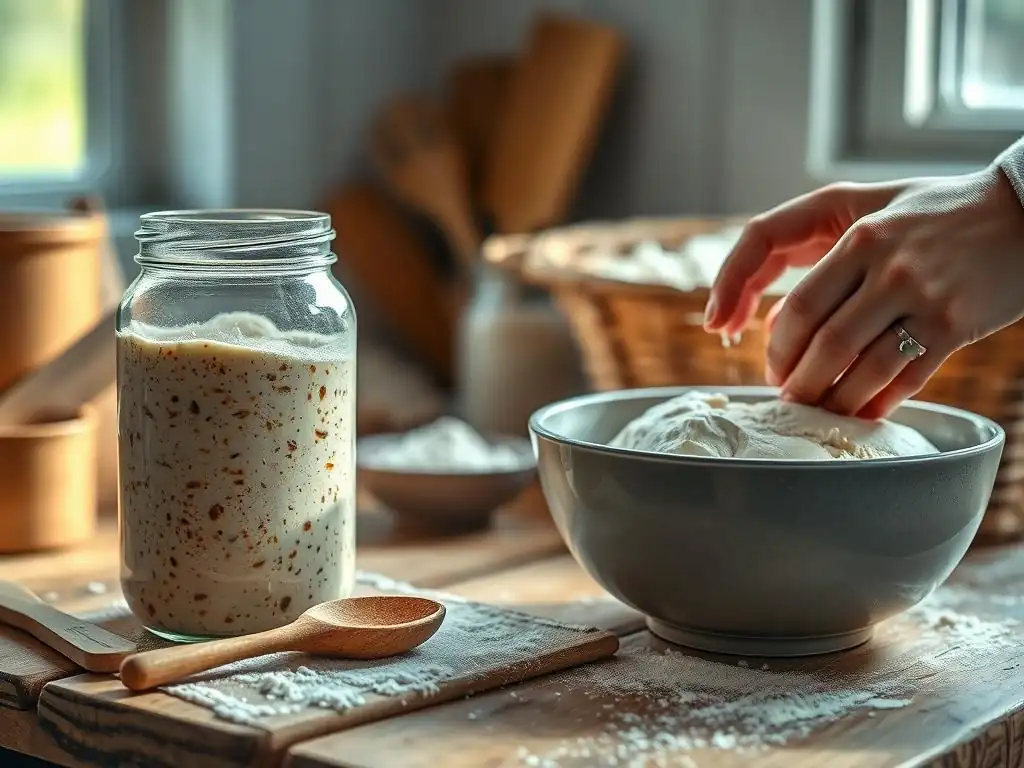
The type of flour used significantly affects both levain and direct starters. High-protein flours, like strong bread flour, provide more structure and can support a more vigorous rise, often leading to a stronger levain or direct starter. Whole grain flours, such as rye or whole wheat, contain more nutrients (minerals and enzymes) that wild yeast and bacteria feed on. This can accelerate fermentation and contribute distinct flavors.
Using a mix of flours is common. A levain might be built with 50% bread flour and 50% whole wheat to encourage diverse microbial activity and flavor. A direct starter maintained primarily on white flour might be less active than one fed with a portion of rye. The flour choice directly influences the fermentation speed, the types of acids produced (lactic vs. acetic), and the overall health and aroma of your culture, regardless of whether you use it directly or build a levain.
Hydration Levels: Effects on Sourdough Starters
Hydration, the ratio of water to flour by weight, fundamentally changes the characteristics of a sourdough starter or levain. A stiff starter or levain (typically 50-80% hydration) feels like a thick dough. It ferments more slowly, tends to produce more acetic acid (sharper tang), and is often used for breads like panettone or specific European loaves. Its slower activity can be beneficial for longer fermentation periods.
A liquid starter or levain (100% hydration or higher) feels like a thick batter. It ferments more quickly, tends to produce more lactic acid (milder tang), and is common in many standard sourdough bread recipes. The higher water content makes nutrients more accessible to the microbes, resulting in faster activity. Both stiff and liquid starters/levains have their place in sourdough baking, and the chosen hydration impacts handling, fermentation speed, and flavor profile.
Temperature Considerations for Fermentation
Temperature is a critical factor influencing the fermentation rate and microbial balance in both levains and direct starters. Warmer temperatures, typically between 75-80°F (24-27°C), accelerate fermentation, leading to quicker ripening of the starter or levain. This speed can be useful but also requires careful monitoring to prevent over-fermentation. Warmer temperatures often favor lactic acid bacteria, resulting in a milder, less sour flavor.
Cooler temperatures, such as 65-70°F (18-21°C), slow down fermentation significantly. This slower process allows for longer flavor development and often favors acetic acid bacteria, contributing a sharper, more vinegary tang. Many bakers prefer fermenting starters and levains at slightly cooler room temperatures for a balance of activity and flavor. Understanding how temperature affects your specific starter or levain is key to predicting its readiness, whether using it directly or building a preferment.
When to Use Levain: Advanced Baking Techniques
Baking Complex Sourdough Breads with Levain
Using a levain is highly recommended when tackling complex sourdough bread recipes that require precise timing and robust leavening. This includes loaves with high percentages of add-ins like seeds, nuts, or dried fruit, which can weigh down the dough. The predictable vigor of a peak-activity levain provides the necessary lift to handle these inclusions and achieve a good rise.
Recipes involving multiple folds, long bulk fermentations, or specific shaping techniques also benefit greatly from the consistent power of a levain. For instance, crafting a pain de campagne or a detailed braided loaf relies on dough that develops strength predictably. The Levain starter benefits sourdough baking by offering a reliable engine for these intricate processes, ensuring the dough performs as expected throughout its journey from mix to oven.
Achieving Specific Flavor Profiles with Levain
As discussed earlier, the levain offers a powerful tool for manipulating the flavor of your sourdough bread. By adjusting the hydration, the type of flour used in the levain build, and the temperature at which it ferments, you can steer the microbial activity towards producing more lactic or acetic acid. Want a milder, creamy tang? Use a high-hydration levain and a warmer fermentation. Craving a sharp, vinegary bite? Opt for a lower-hydration levain and a cooler fermentation.
Furthermore, you can build specialty levains using specific flours like 100% rye or spelt to impart those grain's unique flavors directly into the dough via the pre-fermented flour. This level of intentional flavor design is a significant advantage of using a levain over a general direct starter, allowing bakers to fine-tune their results and achieve specific taste characteristics in their sourdough baking.
Working with High Hydration Doughs Using Levain
High hydration doughs (typically 80% water or more relative to flour weight) are notoriously slack and challenging to handle. They require a strong, active leavening agent to develop structure and achieve good oven spring. This is where a ripe levain truly shines. Its concentrated energy provides the necessary lift and support for these wet doughs.
Attempting a very high hydration dough with a direct starter whose activity level might be slightly off can lead to a flat, dense loaf. The predictable peak activity of a levain ensures that the gas production is robust enough to inflate the wet, extensible dough and create the desired open, airy crumb structure characteristic of breads like ciabatta or very wet artisan loaves. Using a reliable levain is often considered essential for success with these advanced, high-hydration techniques in sourdough baking.
When to Use Direct Starter: Simpler Recipes
Quick Sourdough Breads and Rolls using Direct Starter
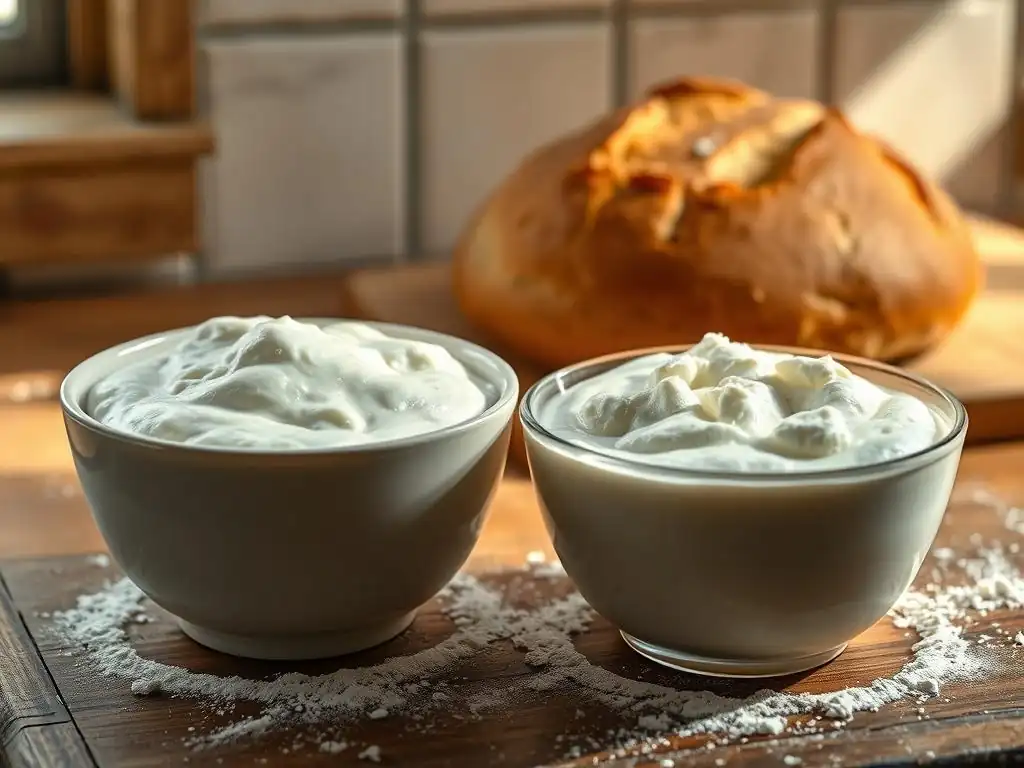
The direct starter method is perfectly suited for simpler, quicker sourdough recipes where minimal fuss is desired. This includes recipes for rustic loaves, rolls, or even sourdough pancakes and waffles where the intense structure and complex flavor development offered by a dedicated levain are not the primary goals. When your main starter is active and bubbly after its regular feeding, you can simply measure out the required amount and incorporate it directly into your mix.
This approach saves time and simplifies the process significantly. For instance, a recipe for sourdough discard rolls might call for a portion of active starter alongside other ingredients, allowing you to mix, shape, and bake relatively quickly compared to a traditional long-fermented loaf. The direct starter provides sufficient leavening for these less demanding applications, making sourdough baking accessible even when you're short on time.
Troubleshooting Common Issues with Direct Starter
While convenient, using a direct starter can sometimes present challenges, primarily related to inconsistent activity. If your main starter hasn't been fed recently or is kept in the refrigerator, it might be sluggish. Using a weak direct starter will result in slow or failed fermentation and a dense loaf. A common issue is misjudging the peak activity of the main starter jar; it might look bubbly on top but be less active underneath.
Troubleshooting involves ensuring your main starter is consistently healthy and active. Regular feeding (daily or twice daily if kept at room temperature) is key. If using a refrigerated starter, give it one or two refreshing feeds at room temperature until it's doubling predictably before using it directly in a recipe. If a recipe fails using direct starter, consider if the starter was truly at its peak or if building a small levain would provide more reliable leavening for that specific type of bake.
Overnight Sourdough Baguettes with Direct Starter: A Recipe Concept
Here's a concept illustrating how a direct starter could be used in a simpler overnight recipe:
- Ingredients:
- Active Direct Sourdough Starter: 200g (at peak activity)
- Bread Flour: 500g
- Water: 350g (70% hydration)
- Salt: 10g (2%)
- Method:
- In a large bowl, whisk together the active direct starter and water.
- Add flour and salt. Mix until a shaggy dough forms.
- Cover and let rest for 30 minutes (autolyse).
- Perform 3-4 sets of stretch and folds over the next 2 hours.
- Cover and refrigerate overnight (8-12 hours) for a slow bulk fermentation.
- The next morning, gently divide and pre-shape the dough into rough logs. Rest 20 minutes.
- Shape into baguettes. Proof for 1-2 hours at room temperature.
- Bake in a preheated oven with steam until golden brown and cooked through.
This concept uses a relatively high percentage of direct starter (40% of the flour weight) to drive fermentation, allowing for a shorter room temperature bulk ferment before the long, slow fermentation in the fridge. It leverages the convenience of a direct starter for a popular bread type without requiring a separate levain build the day before.
Levain vs. Direct Starter: A Detailed Comparison
Flour Types and Their Impact on Levain and Direct Starters
The type of flour used in maintaining your main starter and building a levain significantly impacts their characteristics. A starter maintained solely on white bread flour will behave differently than one fed with a mix of white and whole wheat, or even 100% rye. Whole grain flours provide more readily available nutrients, often resulting in a more vigorous and faster-rising culture compared to refined white flour.
When building a levain, you can specifically choose flours to influence flavor and activity. A levain built with 20% rye flour, for instance, will typically ferment faster and contribute some rye notes to the final bread, even if the main dough is entirely white flour. Using a direct starter means you are incorporating the specific characteristics of your main starter's flour diet directly into the dough. Therefore, understanding your main starter's flour makeup is crucial when using it directly, as it directly translates to the dough's fermentation speed and flavor profile.
Hydration Levels: Effects on Sourdough Starters
The hydration level of your starter or levain impacts its consistency, fermentation speed, and acid balance. A 100% hydration (equal weights of flour and water) starter or levain is common. It's easy to mix and measure and tends to produce a balanced flavor with both lactic and acetic acids. It also ferments relatively quickly at room temperature.
Lower hydration starters (e.g., 60-70%) are stiffer and ferment more slowly. This slower fermentation often allows acetic acid bacteria to thrive, resulting in a tangier starter. Stiff starters are often used in traditional European breads. Higher hydration starters (e.g., 120%+) are very liquid and ferment rapidly, often favoring lactic acid and resulting in a milder starter. The choice of hydration for your main starter (if using it directly) or your levain build allows you to fine-tune fermentation speed and flavor development, offering another layer of control in sourdough baking.
Temperature Considerations for Fermentation
Temperature profoundly affects the activity of the wild yeast and bacteria in sourdough. Both levains and direct starters are sensitive to temperature fluctuations. Optimal temperatures for general sourdough activity are typically between 70-80°F (21-27°C). Within this range, warmer temperatures lead to faster fermentation, while cooler temperatures slow it down.
If you use a direct starter from a cool kitchen, it will be less active than one from a warm environment, and the initial dough fermentation will be slower. Similarly, a levain built and fermented at 78°F will ripen much faster than one at 68°F. Understanding how temperature impacts your specific starter and levain allows you to predict fermentation times more accurately, whether using a direct starter for convenience or a levain for precise control. This knowledge is essential for consistent results in sourdough baking, helping to avoid under or over-proofing.
When to Use Levain: Advanced Baking Techniques
Baking Complex Sourdough Breads with Levain
For ambitious bakes like multi-grain loaves, enriched doughs (containing butter, eggs, or milk), or large format breads, the predictable power of a levain is often indispensable. These doughs are heavier or require specific handling that benefits from a strong, reliable leavening source. Using a levain ensures that the dough has the necessary lift to develop structure and achieve proper volume, even with the added weight or richness.
Consider a recipe for a high-percentage whole wheat loaf. Whole wheat flour can be challenging due to its bran content which can cut gluten strands. A vigorous levain built with whole wheat flour can help break down some of the complex carbohydrates, making nutrients more available and providing the strong push needed for a good rise in a potentially dense dough. This is a key aspect of the Levain starter benefits sourdough baking offers for challenging recipes.
Achieving Specific Flavor Profiles with Levain
Beyond just tang, a levain can be tailored to bring out subtle or pronounced flavors. For instance, a levain built with toasted flour can lend nutty, roasted notes to the final bread. A levain fermented at a slightly cooler temperature for a longer period can develop deeper, more complex fermentation byproducts that contribute to richer flavors beyond simple acidity.
Bakers aiming for specific regional bread characteristics often rely on particular levain builds. A Pão de Mafra, a Portuguese bread, might traditionally use a stiff levain. A pain au levain from a specific French region might use a liquid one. The levain acts as a flavor inoculant, carrying the desired microbial activity and flavor compounds developed during its specific fermentation directly into the main dough, allowing for nuanced control over the final taste.
Working with High Hydration Doughs Using Levain
As mentioned before, high hydration doughs require significant support to achieve their characteristic open crumb. A levain built at peak activity provides the necessary power. Imagine a dough with 85% hydration – it's almost like a batter. Without a very active leavening source, it would spread into a pancake rather than rising.
Using a levain also helps manage the overall timing of fermentation in high hydration doughs. Because they ferment relatively quickly due to the high water content, having a levain that hits its peak at a predictable time allows the baker to start the bulk fermentation process right when the culture is most vigorous, ensuring the dough builds strength and volume efficiently before potentially becoming too slack or over-fermented. This precision is a major Levain starter benefit sourdough baking provides for these challenging doughs.
When to Use Direct Starter: Simpler Recipes
Quick Sourdough Breads and Rolls using Direct Starter
For quick bakes like scones, muffins, or even simpler flatbreads where a subtle tang and some leavening are desired without a long fermentation, a direct starter is ideal. These recipes don't rely on developing complex gluten structures or deep fermentation flavors in the same way a traditional loaf does. You can simply add a portion of your active starter to the mix, treating it almost like a flavor enhancer and mild leavening agent.
For example, a recipe for sourdough biscuits might call for 100g of active starter mixed directly into the dry ingredients with butter and milk. The starter provides a light tang and contributes to a slightly fluffier texture than a non-sourdough version, all without the need for a separate levain build. This showcases the direct starter's utility in incorporating sourdough flavor and leavening into a wider range of baked goods quickly and easily.
Troubleshooting Common Issues with Direct Starter
A common pitfall when using direct starter is using it too soon after feeding, before it's reached peak activity, or too long after feeding, when it's started to collapse. Using a starter that hasn't peaked will result in slow or stalled fermentation in the dough. Using one past its peak might still leaven, but its microbial population might be less vigorous, potentially leading to a less open crumb and a more acetic flavor.
To troubleshoot, observe your main starter closely after feeding. Learn how long it typically takes to double or triple and become bubbly and domed. This is its peak. Aim to use it when it's at or just slightly past this point. If your starter isn't consistently reaching peak activity, it might need more regular feeding or a slightly warmer spot. If a recipe fails with direct starter, try building a small levain next time to see if the more controlled environment yields better results.
Overnight Sourdough Baguettes with Direct Starter: A Recipe
Let's refine the overnight baguette concept using direct starter:
- Yields: 3-4 baguettes
- Ingredients:
- Active, Peak Direct Sourdough Starter (100% hydration): 200g
- Strong Bread Flour: 500g
- Filtered Water (approx. 70°F/21°C): 350g (70% hydration)
- Fine Sea Salt: 10g
- Instructions:
- Evening (around 8 PM): In a large mixing bowl, whisk together the 200g of peak active direct starter with 350g water until mostly dispersed.
- Add 500g bread flour and 10g salt. Mix with a wooden spoon or your hands until no dry flour remains and a shaggy dough forms.
- Cover the bowl and let the dough rest at room temperature for 30 minutes (autolyse + starter integration).
- Perform 3 sets of stretch and folds in the bowl over the next 1.5 hours, spaced 30 minutes apart. The dough should become smoother and gain some strength.
- Cover the bowl tightly and place it in the refrigerator (around 38-40°F / 3-4°C) for a cold bulk fermentation overnight (8-12 hours).
- Morning (around 6-8 AM): The dough should have increased slightly in volume and feel airy. Gently turn the dough out onto a lightly floured surface.
- Divide the dough into 3 or 4 equal pieces (approx. 260-350g each). Gently pre-shape each piece into a rough cylinder or rectangle. Let rest, uncovered, for 20 minutes.
- Shape each piece into a baguette. Place shaped baguettes seam-side up in a floured couche or on parchment paper separated by folds.
- Proof at room temperature for 1-2 hours, or until the dough springs back slowly when gently poked. Preheat oven to 475°F (245°C) with a baking stone or steel inside, and a steam tray or Dutch oven.
- Score the baguettes. Transfer to the hot stone/steel or Dutch oven. Bake for 20-25 minutes, using steam for the first 10-15 minutes, until golden brown and crusty.
Converting Between Levain and Direct Starter
Adjusting Recipes for Different Starter Types
Converting a recipe designed for a levain to use a direct starter (or vice versa) requires careful adjustment, primarily regarding the total amount of flour and water contributed by the starter/levain and the overall fermentation timeline. A recipe calling for 100g of 100% hydration levain (50g flour, 50g water) means you need to subtract 50g of flour and 50g of water from the main dough's specified amounts.
If you want to use 100g of your peak direct starter instead, and your direct starter is also 100% hydration, the adjustment is the same. However, the fermentation speed might differ depending on how active your direct starter is compared to what the original recipe intended for the levain.
If your direct starter is less vigorous, you might need a slightly longer bulk fermentation. Conversely, converting a direct starter recipe to use a levain gives you more control; you'd build a levain equivalent to the direct starter amount and adjust main dough flour/water accordingly, then proceed with the timing suggested for the levain.
Maintaining Starter Health for Both Methods
Regardless of whether you plan to use your starter directly or build a levain, maintaining a consistently healthy and active main starter is paramount. A strong starter is the foundation for successful sourdough baking. This involves regular feeding with fresh flour and water at appropriate ratios, keeping it at a suitable temperature, and discarding a portion before feeding to manage its volume and acidity.
Signs of a healthy starter include doubling or tripling predictably within a few hours of feeding (at room temperature), a bubbly, domed surface at its peak, and a pleasant, slightly tangy aroma (not overwhelmingly vinegary or acetone-like). An active starter provides the necessary microbial population and energy for both direct use and for creating a vigorous levain. Neglecting starter health will lead to poor results with either method.
Long-Term Starter Storage: Tips and Techniques
For bakers who don't bake daily, long-term storage, typically in the refrigerator, is essential for managing a sourdough starter. Storing your main starter in the fridge significantly slows down microbial activity, reducing the need for frequent feeding. A typical refrigerated starter needs feeding only once a week or even less frequently if kept very cold.
When you're ready to bake after refrigeration, you'll need to revive the starter. This usually involves one or two rounds of feeding at room temperature, discarding a portion each time, until the starter is consistently doubling or tripling within a predictable timeframe. Once it shows this peak activity, you can either use it directly in a recipe or use a small amount to build a levain for your bake. Proper storage and revival ensure your starter remains a viable leavening agent for future sourdough baking adventures.
Mastering Sourdough: Choosing the Right Method
Experimenting to Find Your Perfect Bake
Ultimately, the choice between using a levain and a direct starter in your sourdough baking often comes down to personal preference, the specific recipe, and your baking goals. The best way to determine which method suits you is through experimentation. Try baking the same recipe using both a carefully timed levain and your peak active direct starter (if applicable) and compare the results. Note differences in fermentation speed, dough handling, oven spring, crumb structure, and flavor.
Keep a baking journal to track your observations – the hydration and flour used in your starter/levain, the temperatures, the timings, and the final outcomes. This will help you understand how each variable, including the method of using your starter, impacts your bread. Don't be afraid to try different levain ratios or use your direct starter in recipes where you might typically use a levain; you might discover new favorites or gain a deeper understanding of the process.
Combining Levain and Direct Starter: Hybrid Techniques
Some advanced sourdough baking techniques even involve using both a levain and a portion of active direct starter in the same dough. This hybrid approach can offer unique benefits. For instance, a smaller, specifically tailored levain might be used for controlled leavening and flavor, while a small amount of active direct starter could be added to boost initial microbial activity or introduce characteristics from the main starter's feeding regimen.
Alternatively, some recipes might use a small amount of mature, slightly acidic direct starter alongside a levain to contribute a specific flavor note without relying on the direct starter for the primary leavening power. These hybrid methods are often explored by experienced bakers looking to push the boundaries of flavor and texture, demonstrating the versatility available when mastering different ways of incorporating your sourdough culture.
Resources for Further Sourdough Learning
Embarking on the journey of sourdough baking, whether focusing on the Levain starter benefits sourdough baking offers or embracing the simplicity of a direct starter, is a rewarding experience. There are countless resources available to deepen your knowledge. Look for reputable sourdough baking books, online forums dedicated to sourdough enthusiasts, and educational websites like BakeWithEase.com that offer detailed guides and recipes.
Learning about the science behind sourdough fermentation, understanding how different flours and hydrations behave, and practicing your techniques are key to mastering the craft. Don't get discouraged by initial failures; every bake is a learning opportunity. By studying, experimenting, and engaging with the baking community, you can continue to refine your skills and bake delicious, satisfying sourdough bread using the methods that work best for you.
Frequently Asked Questions
What is the main difference between using a levain and a starter directly in sourdough baking?
The key difference lies in the preparation and purpose. A levain is a portion of your starter that is fed separately before being added to the dough, while using a starter directly means incorporating it straight from its storage state. This process impacts flavor and dough development.
Why would I choose to use a levain instead of using the starter directly?
Using a levain allows for greater control over flavor and fermentation. By feeding it separately, you can influence the activity and flavor profile of the microorganisms before incorporating it into the final dough.
What are the benefits of using a levain for sourdough baking?
Benefits include enhanced flavor complexity, improved dough rise due to a more active culture, and a more predictable and consistent baking experience. You can tailor the levain to the specific recipe.
When is it appropriate to use a starter directly instead of a levain?
Using a starter directly can be suitable for simpler recipes or when you want a more straightforward flavor profile. It's also convenient when time is limited, though results may be less predictable.
How does a levain impact the final taste and texture of my sourdough bread compared to direct starter use?
A levain generally leads to a more complex and nuanced flavor, as well as a lighter and more open crumb structure. Direct starter use may result in a denser texture and a less pronounced sour flavor.
Final Reflection: The Levain's Legacy: Elevating Sourdough Baking
The nuanced debate surrounding levain versus direct starter application in sourdough baking remains incredibly relevant today, impacting not only the texture and flavor profiles of our loaves but also our understanding of this ancient craft. The subtle differences, often overlooked, can significantly alter the final product, highlighting the importance of understanding the unique contributions of each method. Choosing wisely unlocks a world of possibilities for bakers of all levels.
The impact of this seemingly small detail – the choice between levain and direct starter – reverberates throughout the sourdough community, shaping baking practices and influencing the very character of our bread. It's a testament to the enduring power of tradition, yet also a call for continuous exploration and innovation. As bakers, we are custodians of a living process, and understanding the nuances of levain allows us to better appreciate and control the outcome. Bread is our daily bread, but it is also a symbol of our culture, our history, and our connection to the earth.
Consider the implications of this knowledge. You, the baker, now hold the power to elevate your sourdough creations. Experiment with both methods, observe the subtle shifts in flavor and texture, and discover which approach best suits your preferences and the specific flour you're using. Embrace the journey of discovery, for within the seemingly simple act of baking lies a profound connection to history, nature, and the art of crafting something truly exceptional. The perfect loaf awaits your exploration.
Unlock Your Baking Potential: Master Levain & Starter Techniques!
Thanks for diving into the fascinating world of levain and sourdough starters! You've now gained valuable insights into choosing the right method for your baking journey. Ready to put your new knowledge into practice?
- Bake your own masterpiece: Try a recipe using levain this week – you'll be amazed by the results! Experiment with different flours and hydration levels to discover your perfect loaf.
- Share your baking journey: Post a picture of your creation on social media and tag #BakeWithEase – let's inspire each other!
- Dive deeper: Explore our comprehensive guide on sourdough maintenance techniques in our blog section (link is not needed here per instructions).
What exciting bread will you bake first with your newfound knowledge of levain and starters?